
The Portuguese Man of War by Linda Serrano
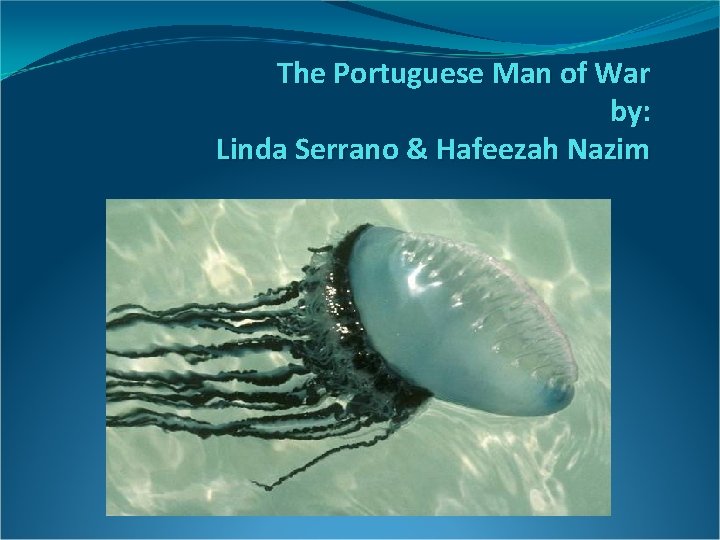
The Portuguese Man of War by: Linda Serrano & Hafeezah Nazim
Table of Contents: • Basic Information • • Phylum/Habitat Characteristics Importance Issues Feeding Habits Reproduction Fun facts Bibliography
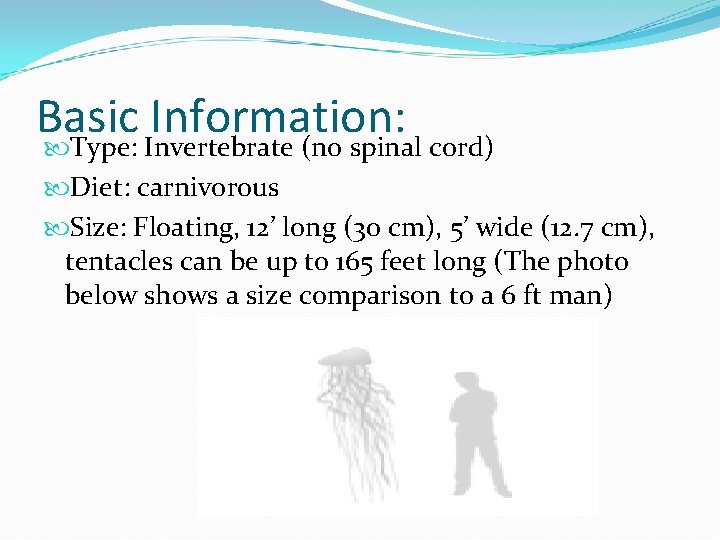
Basic Information: Type: Invertebrate (no spinal cord) Diet: carnivorous Size: Floating, 12’ long (30 cm), 5’ wide (12. 7 cm), tentacles can be up to 165 feet long (The photo below shows a size comparison to a 6 ft man)
Phylum/Habitat Phylum: Cnidaria The Portuguese Man of War is usually found in tropical and subtropical regions of the Pacific and Indian oceans, and also the North Atlantic Gulf Stream First spotted off the coast of Spain Found in groups of a thousand or more They either drift with the currents or the wind
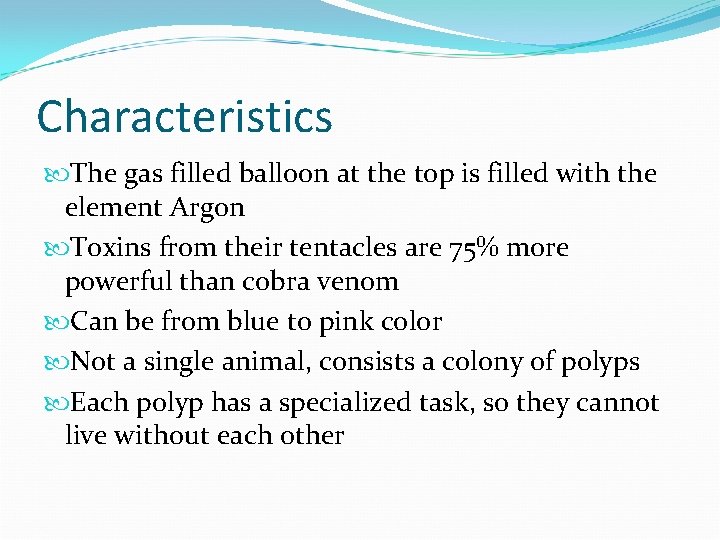
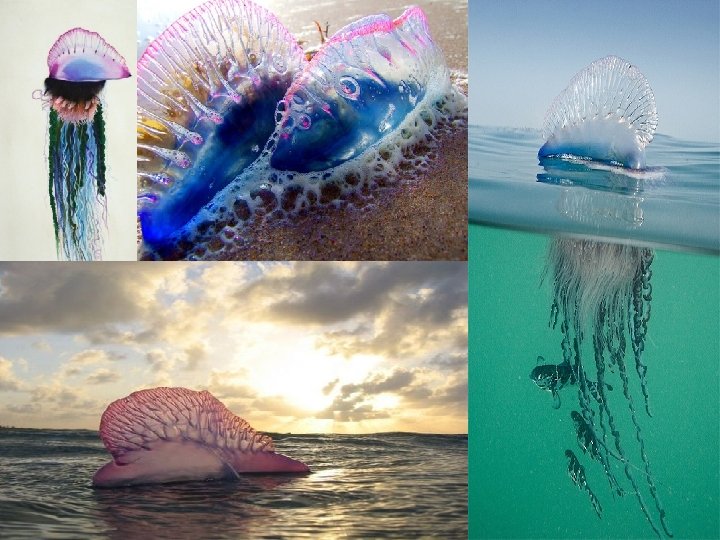
Characteristics The gas filled balloon at the top is filled with the element Argon Toxins from their tentacles are 75% more powerful than cobra venom Can be from blue to pink color Not a single animal, consists a colony of polyps Each polyp has a specialized task, so they cannot live without each other
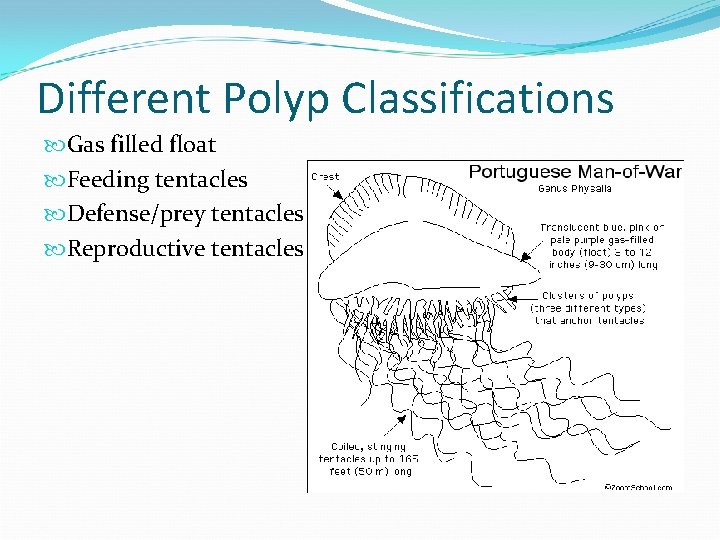
Different Polyp Classifications Gas filled float Feeding tentacles Defense/prey tentacles Reproductive tentacles
Importance/Issues The sting from a Portuguese Man of War are very harmful to humans, and can cause nausea, convulsions, lung and heart problems, possibly even a heart attack If you get stung you should rinse with warm freshwater, and seek medical help
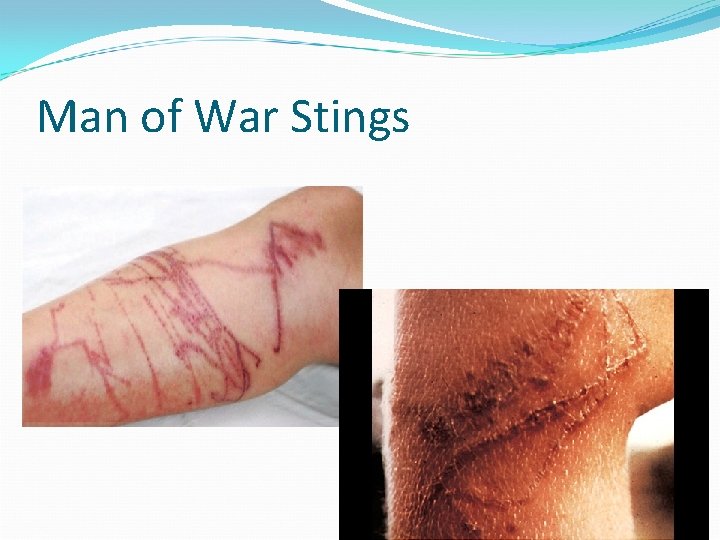
Man of War Stings
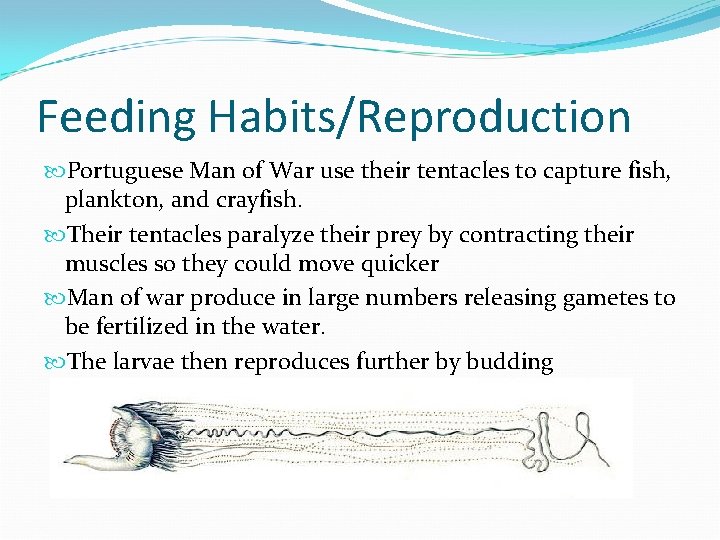
Feeding Habits/Reproduction Portuguese Man of War use their tentacles to capture fish, plankton, and crayfish. Their tentacles paralyze their prey by contracting their muscles so they could move quicker Man of war produce in large numbers releasing gametes to be fertilized in the water. The larvae then reproduces further by budding
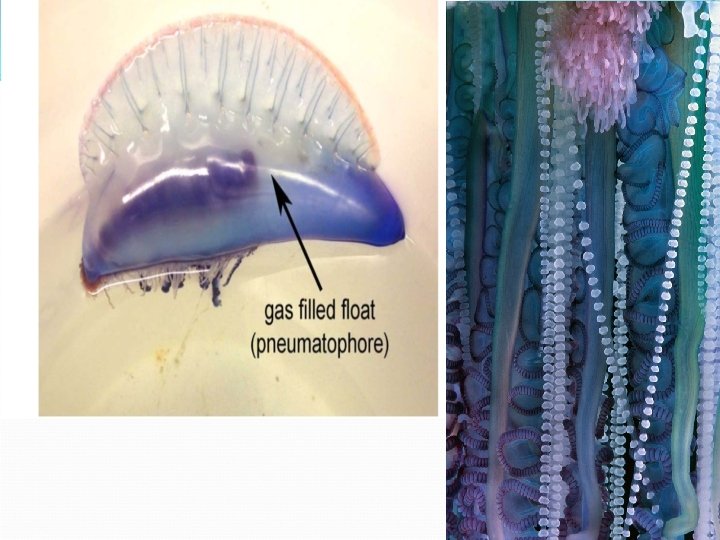
Fun facts The Portuguese Man of War gets its name from the uppermost polyp (known as Pheumatopore). People believe it looks like a warship at full sail. To avoid enemies, they can deflate their airbags and delve underwater for protection. They also delve underwater to sustain hydration, if their uppermost polyp dries out they can die. Dead Man of War tentacles can still sting. You. Tube video: http: //m. youtube. com/#/watch? v=Dh 7 azi 3 f. FQY&feature=youtu. be&d esktop_uri=%2 Fwatch%3 Fv%3 DDh 7 azi 3 f. FQY%26 feature%3 Dyoutu. be
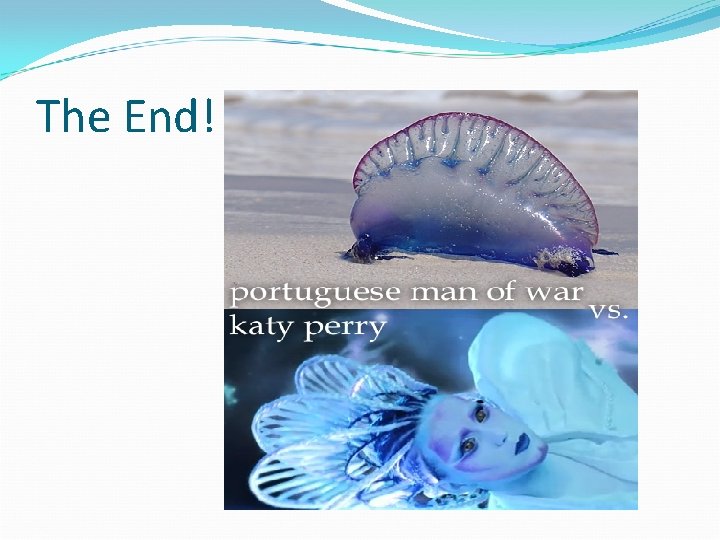
The End!
Bibliography http: //www. kidzworld. com/article/1053 -wild-things -portuguese-man-of-war http: //bioweb. uwlax. edu/bio 203/s 2008/niemi_riss/i nteractions. htm http: //www. tumblr. com & http: //www. googleimages. com for pictures http: //animals. nationalgeographic. com/animals/inv ertebrates/portuguese-man-of-war/
- Slides: 14