
The Politics of Population Change Eric Kaufmann Professor
- Slides: 21
The Politics of Population Change Eric Kaufmann Professor of Politics, Birkbeck College, University of London
What of Unevenness? • World is not one cultural and political unit. If it were, no problem • Power has shifted from empire to nation, from the rulers to the people since 1776/1789 • Spread of democracy (starting 18 th c, esp. post -1980 s) • A battle of numbers. Getting a majority now counts, i. e. Iraq, Syria, Bahrain…
Uneven Growth Between: • • • World Region/Civilization Nation Ethnic group Religion Regions within a nation
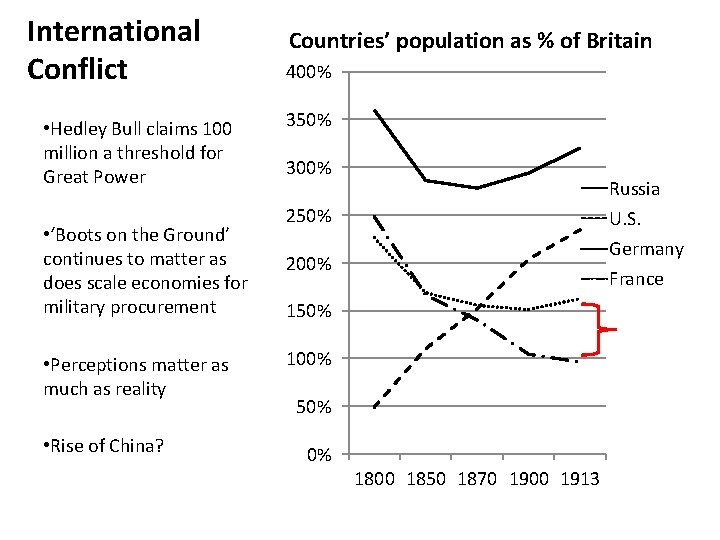
International Conflict • Hedley Bull claims 100 million a threshold for Great Power • ‘Boots on the Ground’ continues to matter as does scale economies for military procurement • Perceptions matter as much as reality • Rise of China? Countries’ population as % of Britain 400% 350% 300% Russia 250% U. S. Germany 200% France 150% 100% 50% 0% 1800 1850 1870 1900 1913
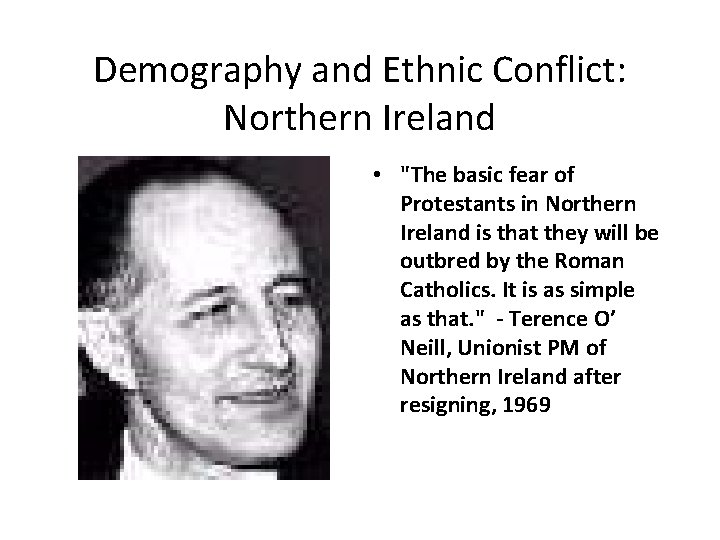
Demography and Ethnic Conflict: Northern Ireland • "The basic fear of Protestants in Northern Ireland is that they will be outbred by the Roman Catholics. It is as simple as that. " - Terence O’ Neill, Unionist PM of Northern Ireland after resigning, 1969
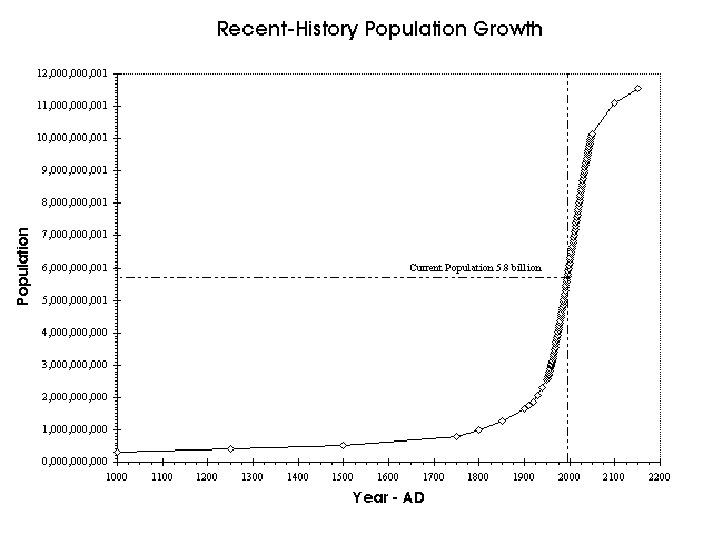
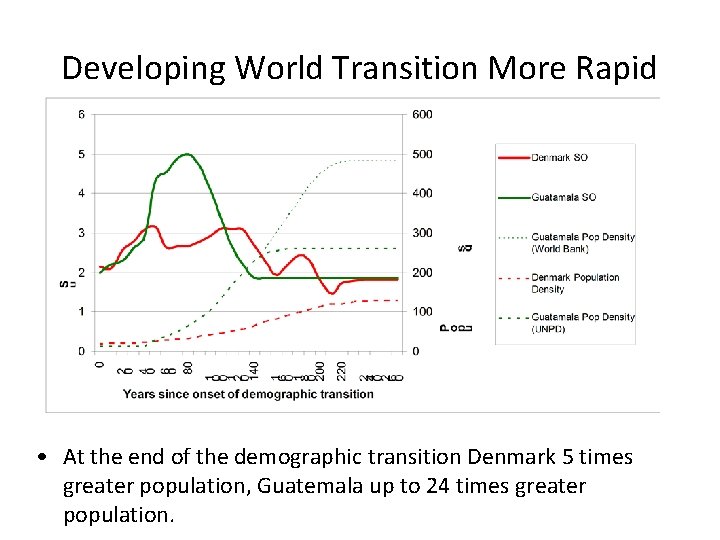
Developing World Transition More Rapid • At the end of the demographic transition Denmark 5 times greater population, Guatemala up to 24 times greater population.
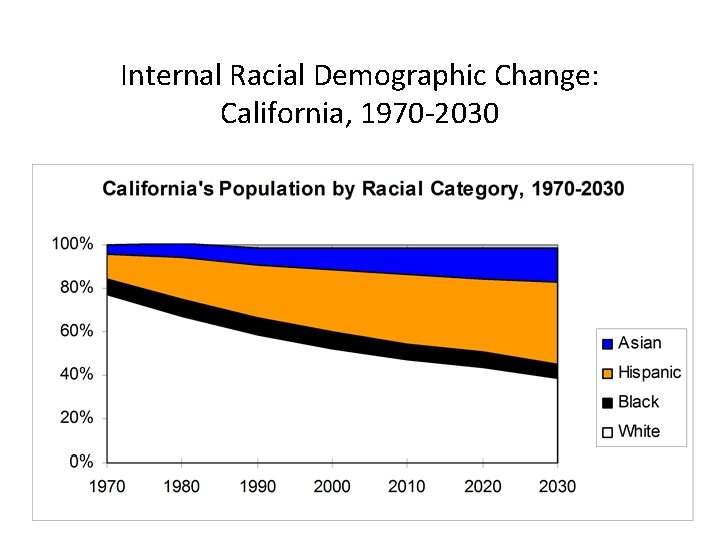
Internal Racial Demographic Change: California, 1970 -2030
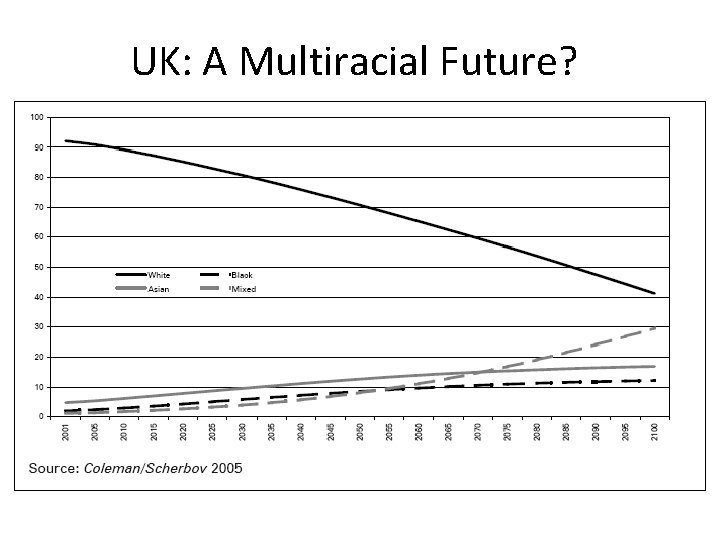
UK: A Multiracial Future?
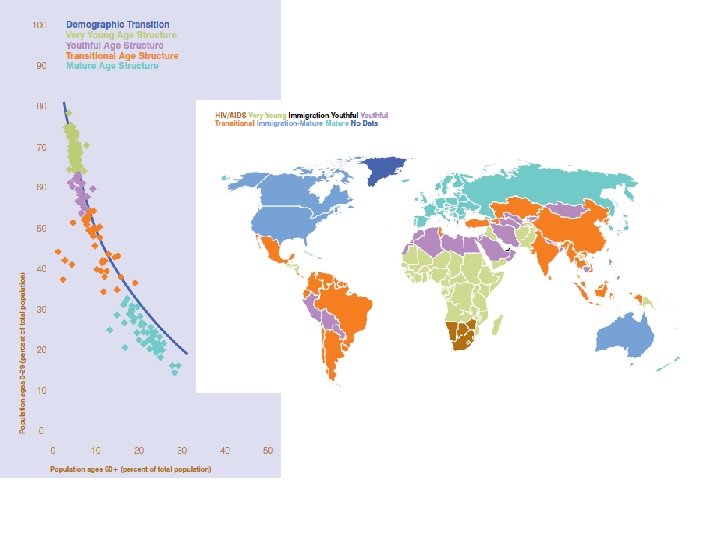
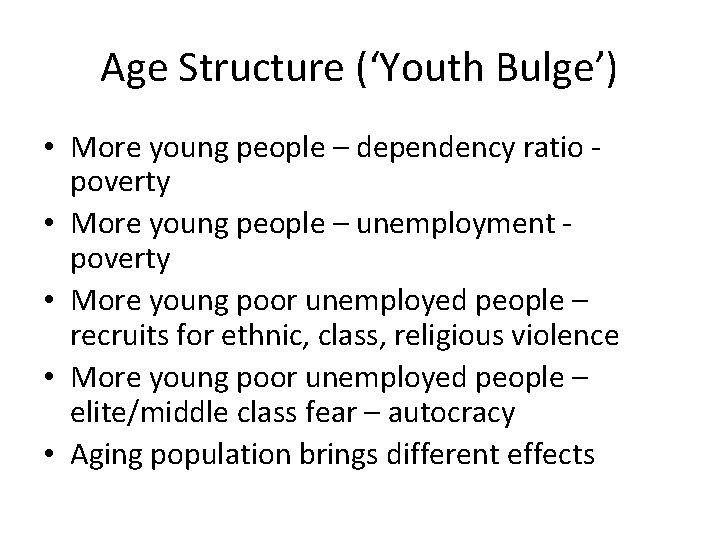
Age Structure (‘Youth Bulge’) • More young people – dependency ratio poverty • More young people – unemployment poverty • More young poor unemployed people – recruits for ethnic, class, religious violence • More young poor unemployed people – elite/middle class fear – autocracy • Aging population brings different effects
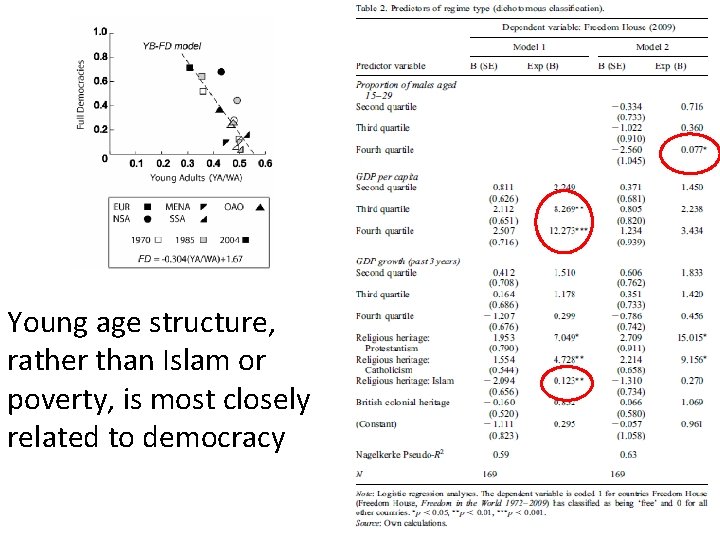
Young age structure, rather than Islam or poverty, is most closely related to democracy
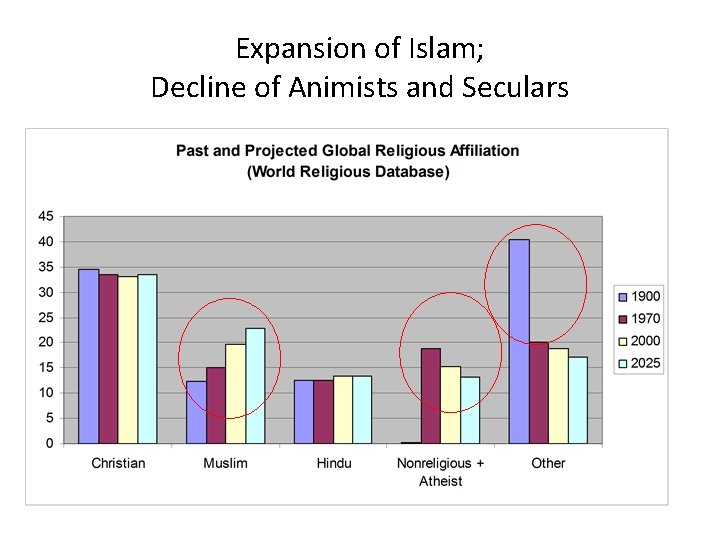
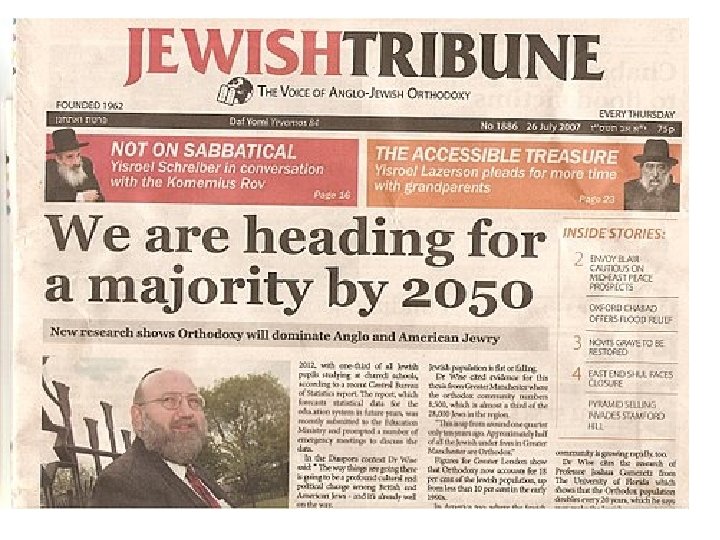
Expansion of Islam; Decline of Animists and Seculars
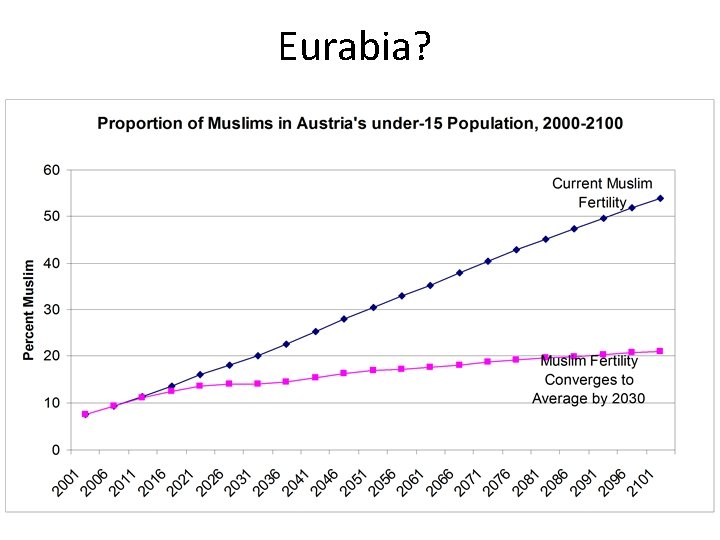
Eurabia?
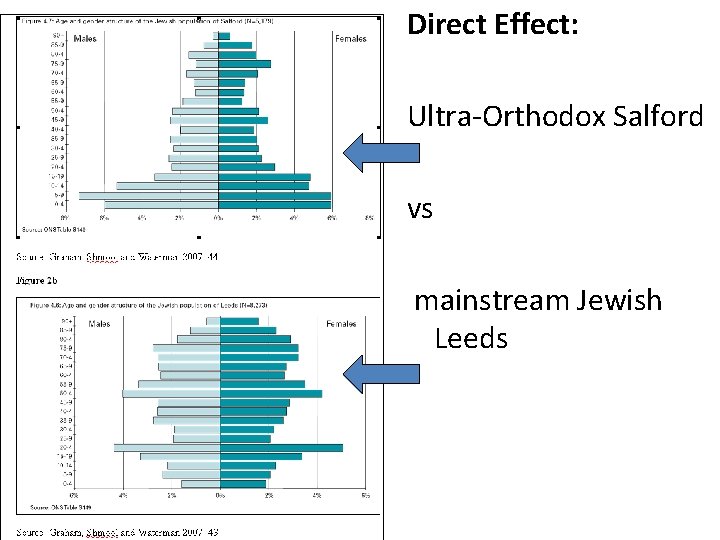
Direct Effect: Ultra-Orthodox Salford vs mainstream Jewish Leeds
Conclusion • Not just how much population, but how it is distributed across political, ethnic, religious units • Uneven growth and transition, coupled with numbers increasingly counting for power • Shifting within and between states • Both numbers and age structure affect politics