
The Political Dimensions of Language Teaching The Participatory
- Slides: 13
The Political Dimensions of Language Teaching The Participatory Approach
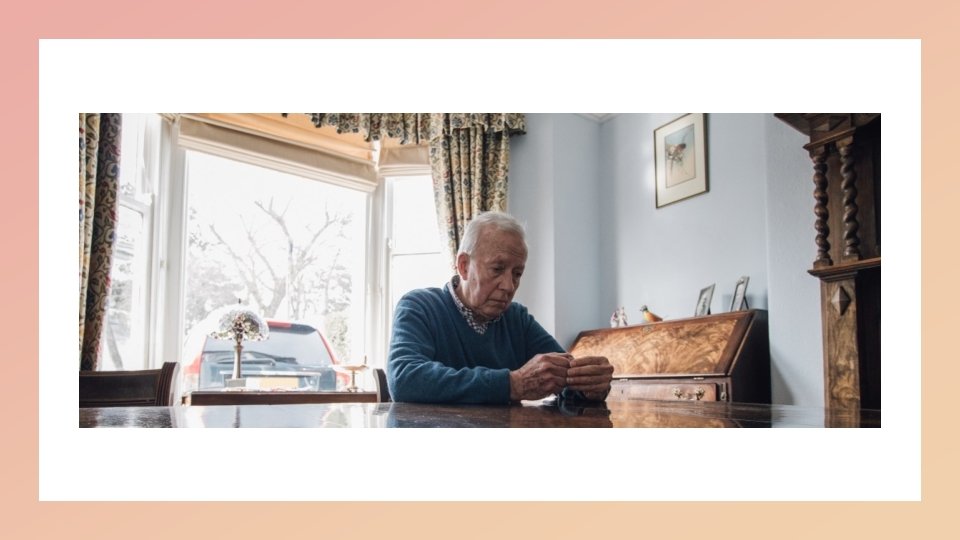
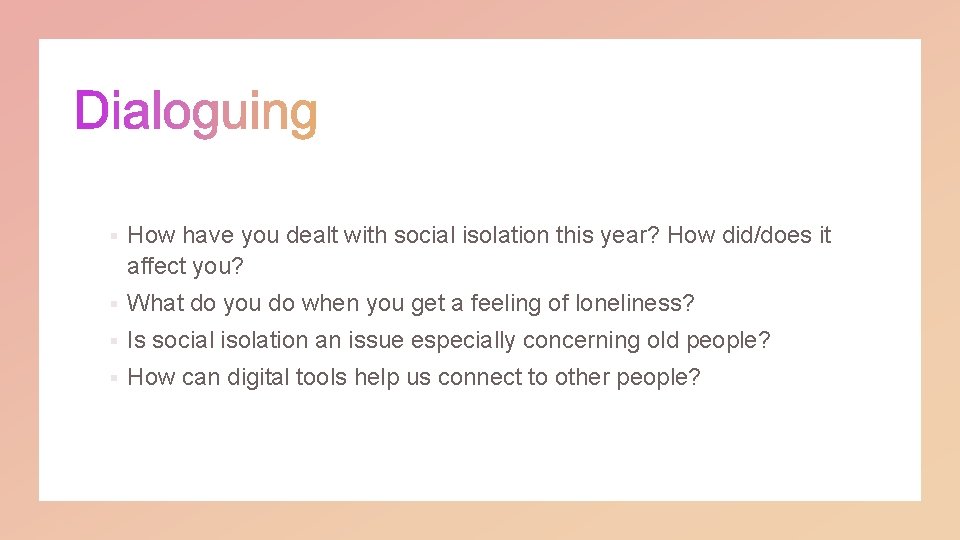
§ How have you dealt with social isolation this year? How did/does it affect you? § What do you do when you get a feeling of loneliness? § Is social isolation an issue especially concerning old people? § How can digital tools help us connect to other people?
§ Collaborative Planning Ideas: § Writing a letter § Preparing a phone call § Researching (e. g. helplines) and presenting to class
§ Take 2 -3 minutes to google (psychological) support services during Corona in Switzerland § Present what you found to the rest of the class
Central premise: § Education and knowledge should help people liberate themselves from social conditions that oppress them Goals: § Students should be able to evaluate their own learning, giving them a feeling of empowerment § Raising the political consciousness of the students
§ Similar to content-based instruction: begins with content that is meaningful to the students § Provide opportunities for reflection § Students real-life issues and concerns can serve as the basis for class, involving the students in an open-ended process of problem solving § Collaboration is encouraged
Teacher‘s role: Leads the discussion, identifies problems § Incorporates the issues into the lesson § Students‘ role: Participate actively, communicate freely § Share what they feel comfortable sharing, are invited to express their feelings § collaborate §
§ Language learning as a political act § Empowerment through language § English is considered a language of power § English as a Lingua Franca -> primarily used as a contact language between users of different first languages, in multilingual contexts
Issues to consider: § English as a global language -> opportunities vs. threat to multilingualism § § (e. g. to indigenous languages) Educational inequality § Who is able to study a language? not everyone has the same opportunities
Issues to consider: § Language can have lack of neutrality depending on wording § § (e. g. newspaper headlines) This in turn can perpetuate different forms of discrimination § (in terms of race, gender, sexuality, etc. )
§ Which variety of English do you teach? What is this decision based on? § Empowering students by teaching the unique forms, vocabulary and norms of different discourses goes beyond merely learning to read and speak in English § Discussing an author‘s word choice and their language use to sensitize students