
The Plasma Membrane a Phospholipid Bilayer Components of
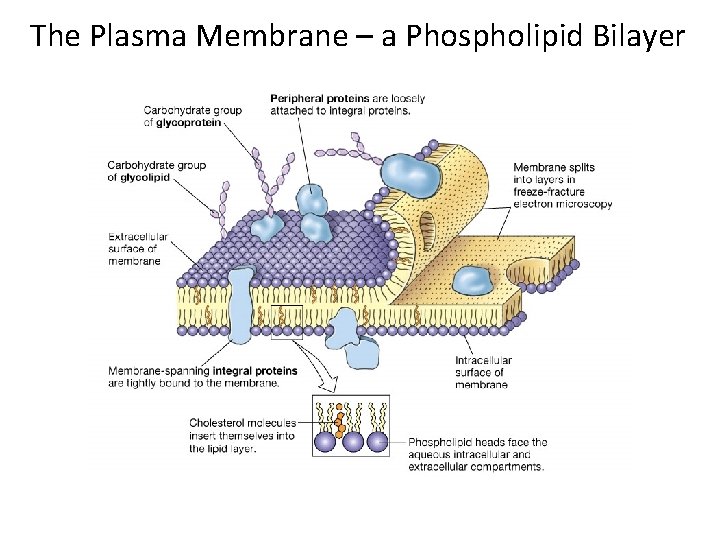
The Plasma Membrane – a Phospholipid Bilayer
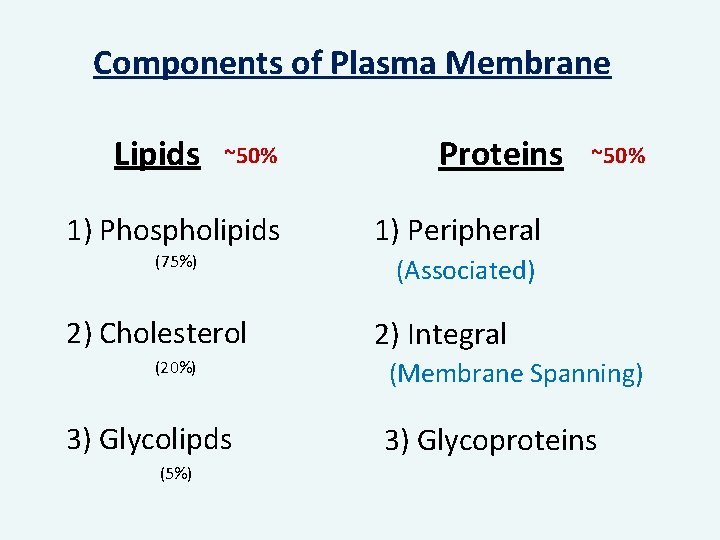
Components of Plasma Membrane Lipids ~50% 1) Phospholipids (75%) 2) Cholesterol (20%) 3) Glycolipds (5%) Proteins ~50% 1) Peripheral (Associated) 2) Integral (Membrane Spanning) 3) Glycoproteins
Roles of the Plasma Membrane
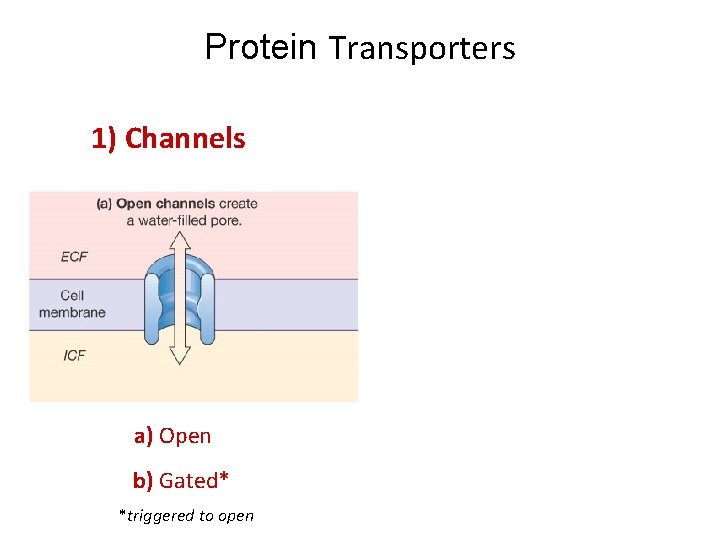
Protein Transporters 1) Channels a) Open b) Gated* *triggered to open 2) Carriers
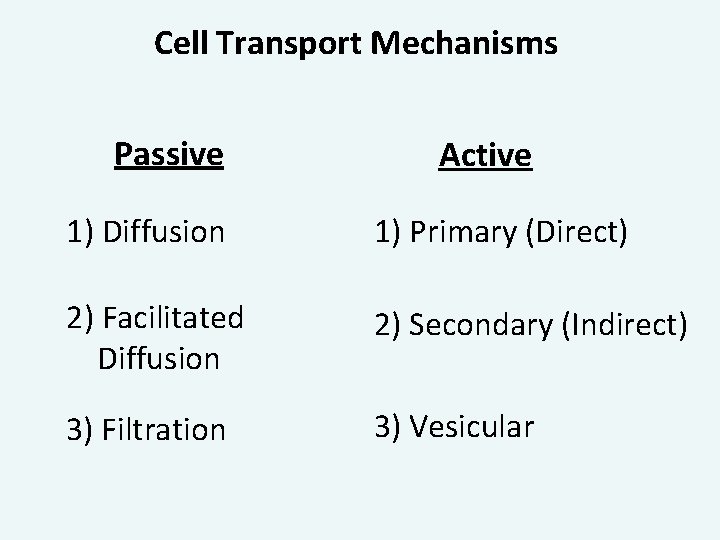
Cell Transport Mechanisms Passive Active 1) Diffusion 1) Primary (Direct) 2) Facilitated Diffusion 2) Secondary (Indirect) 3) Filtration 3) Vesicular
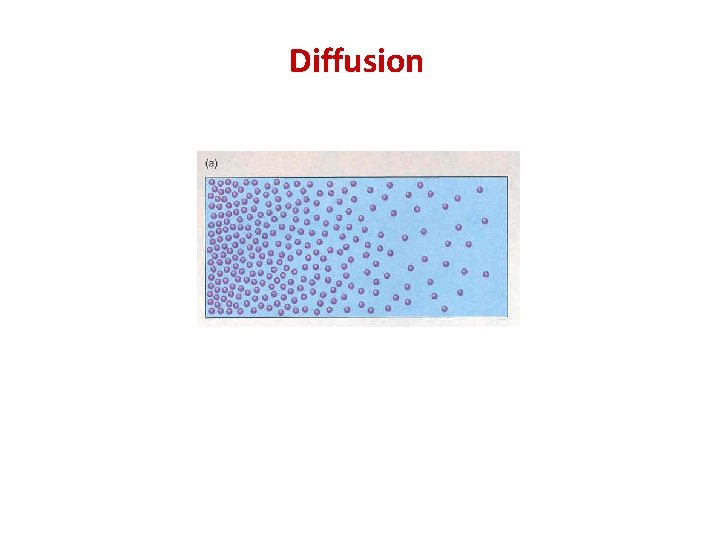
Diffusion
Rate of Diffusion
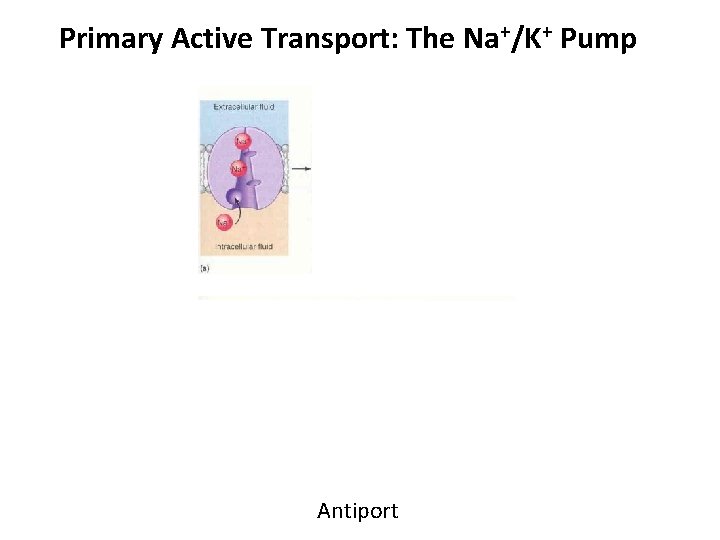
Primary Active Transport: The Na+/K+ Pump Antiport
The Na+/K+ Pump
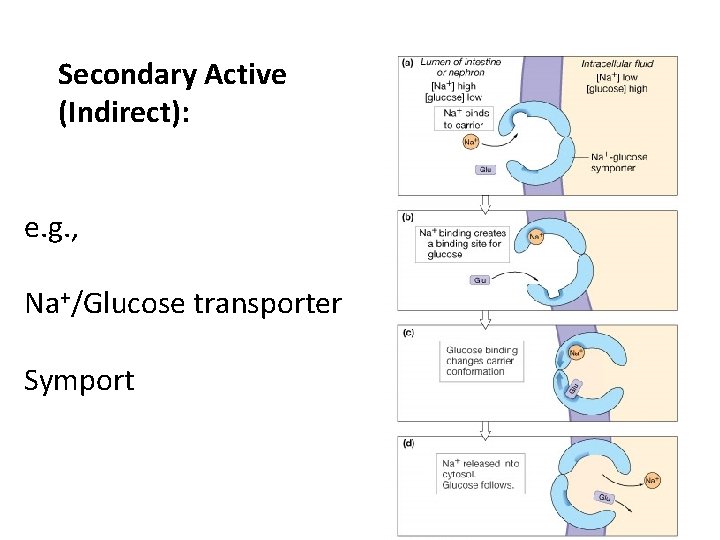
Secondary Active (Indirect): e. g. , Na+/Glucose transporter Symport
The Na+/glucose Symport
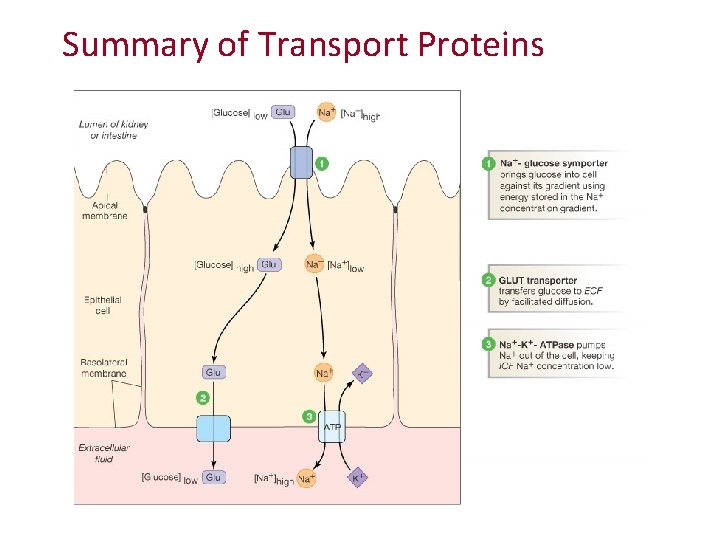
Summary of Transport Proteins
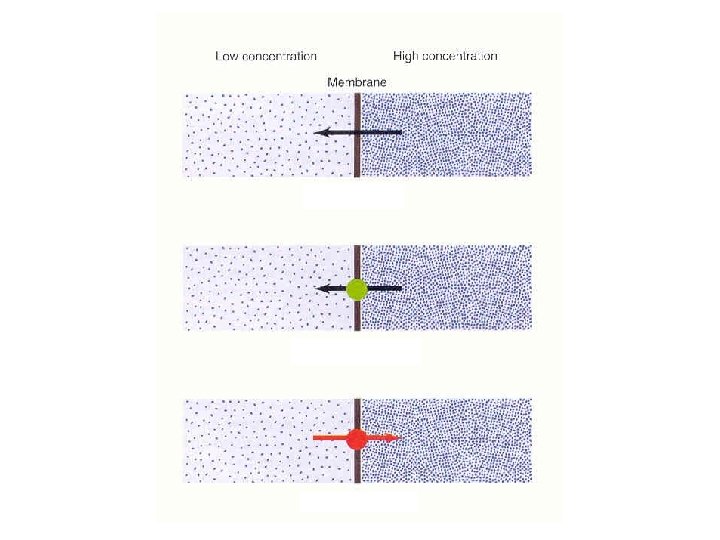
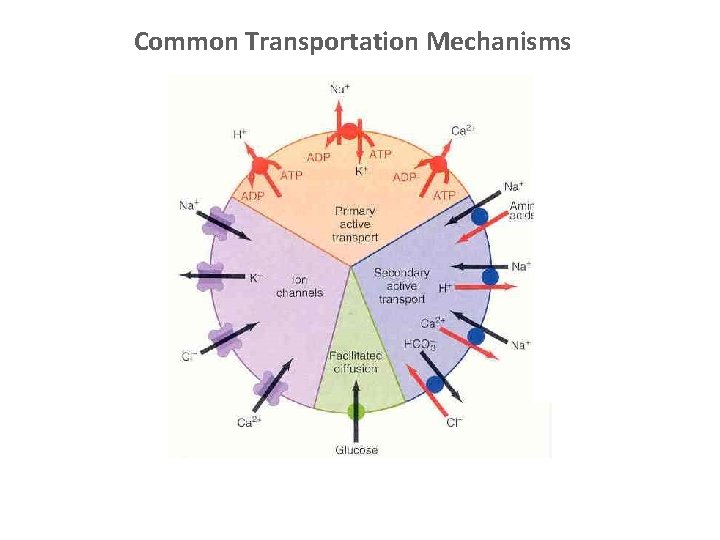
Common Transportation Mechanisms
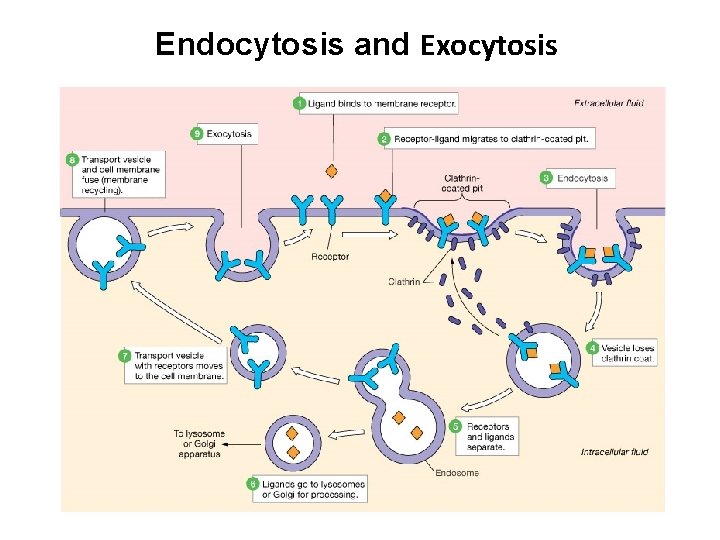
Endocytosis and Exocytosis
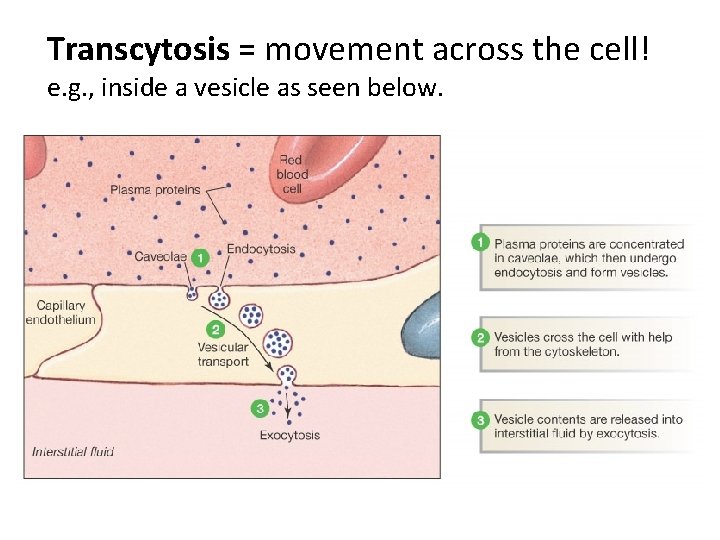
Transcytosis = movement across the cell! e. g. , inside a vesicle as seen below.
Tissue Compartment Volumes
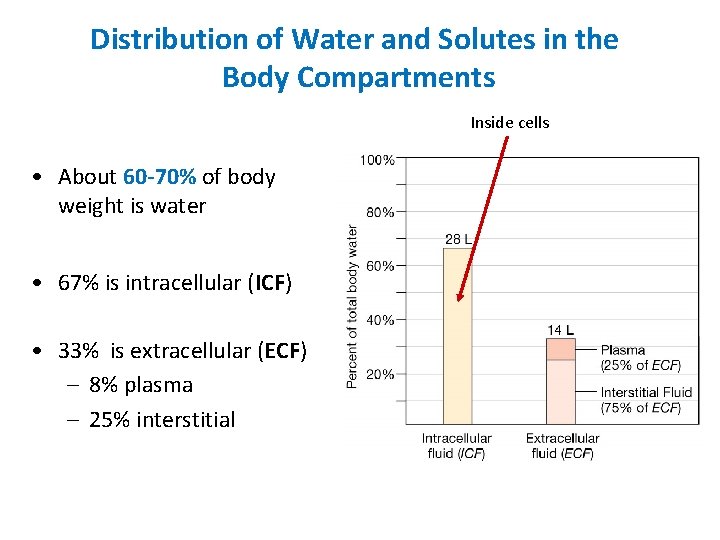
Distribution of Water and Solutes in the Body Compartments Inside cells • About 60 -70% of body weight is water • 67% is intracellular (ICF) • 33% is extracellular (ECF) – 8% plasma – 25% interstitial
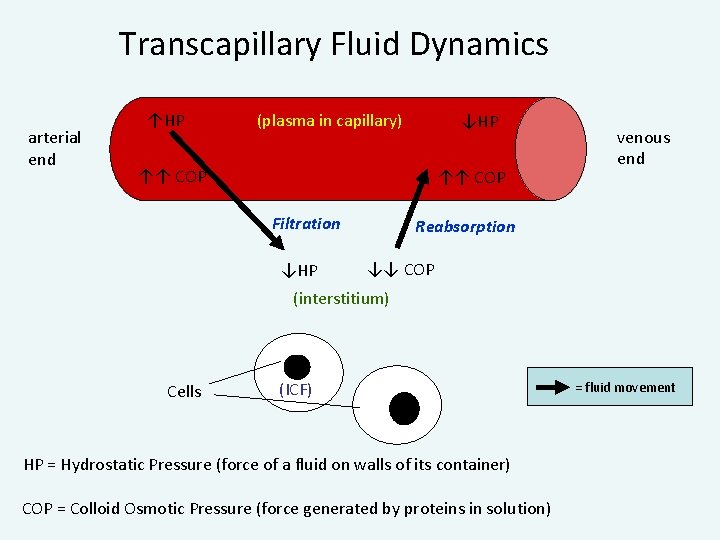
Transcapillary Fluid Dynamics arterial end ↑HP (plasma in capillary) ↓HP ↑↑ COP Filtration ↓HP venous end Reabsorption ↓↓ COP (interstitium) Cells (ICF) HP = Hydrostatic Pressure (force of a fluid on walls of its container) COP = Colloid Osmotic Pressure (force generated by proteins in solution) = fluid movement
- Slides: 19