
The Pinkie Resilience Project Enhancing equality boosting well
The Pinkie Resilience Project: Enhancing equality, boosting well being and realising potential in Scottish schools
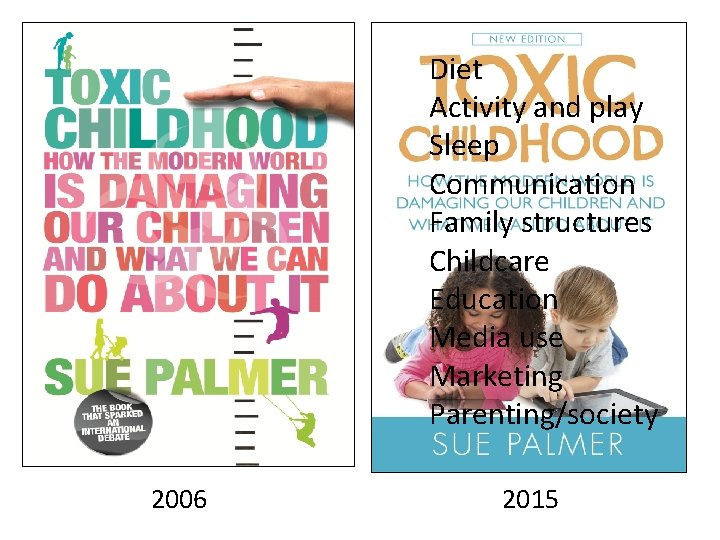
Diet Activity and play Sleep Communication Family structures Childcare Education Media use Marketing Parenting/society 2006 2015
The capacity to cope with stress and adversity • Positive relationships • Positive self concept / confidence in one’s own strengths and abilities • Communication and problem solving skills • Ability to manage strong impulses and feelings • Ability to make realistic plans and follow them through (adapting as necessary to fit circumstances)
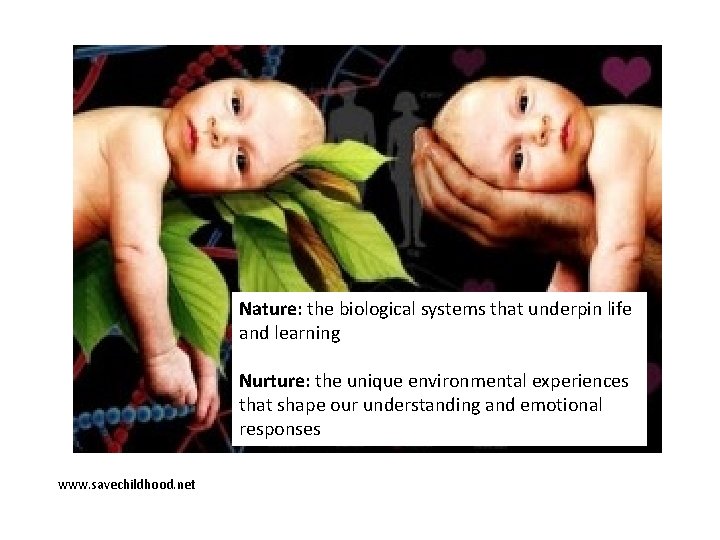
Nature: the biological systems that underpin life and learning Nurture: the unique environmental experiences that shape our understanding and emotional responses www. savechildhood. net
Nurture LOVE PLAY Nature
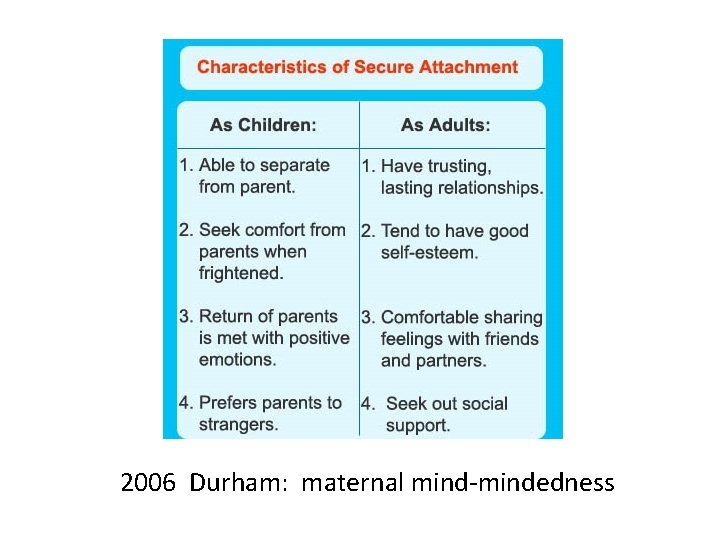
2006 Durham: maternal mindedness
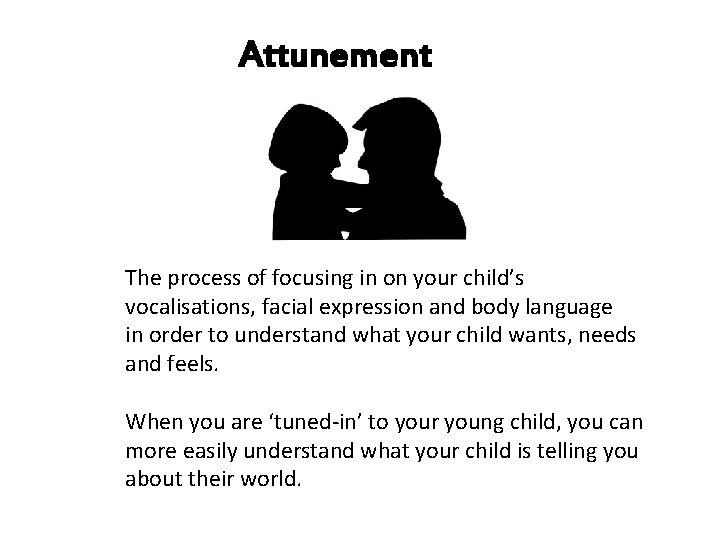
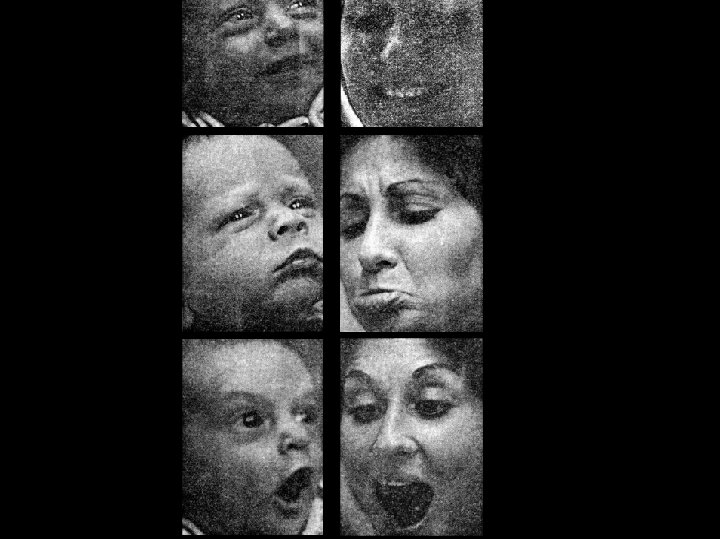
Attunement The process of focusing in on your child’s vocalisations, facial expression and body language in order to understand what your child wants, needs and feels. When you are ‘tuned in’ to your young child, you can more easily understand what your child is telling you about their world.
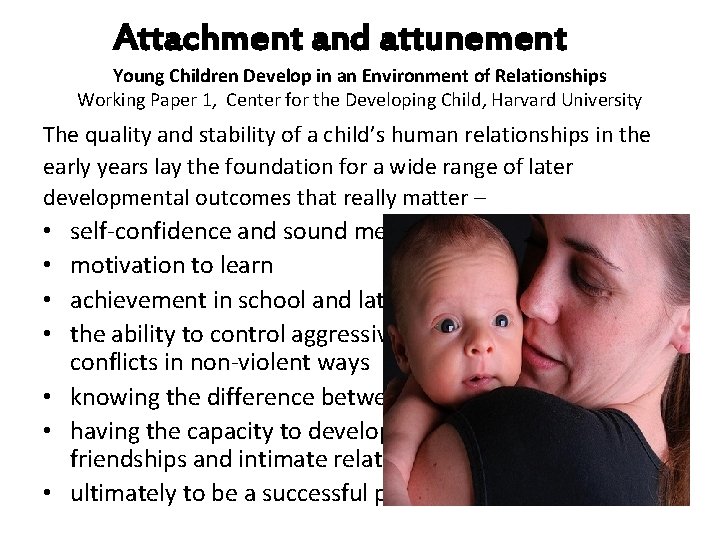
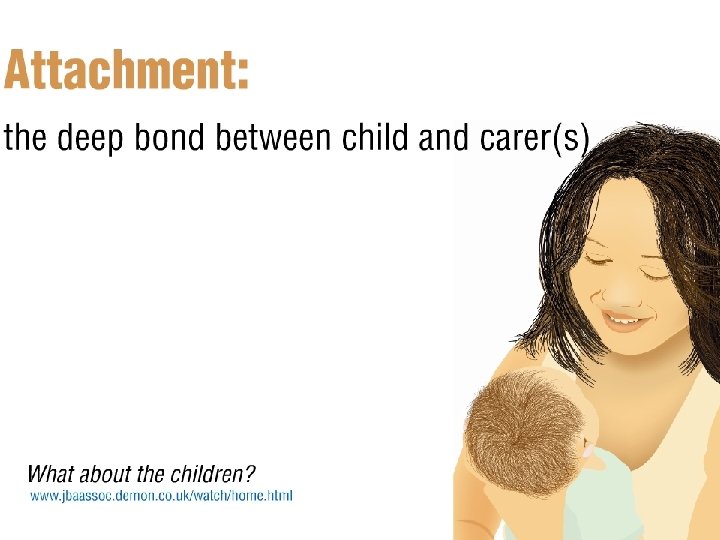
Attachment and attunement Young Children Develop in an Environment of Relationships Working Paper 1, Center for the Developing Child, Harvard University The quality and stability of a child’s human relationships in the early years lay the foundation for a wide range of later developmental outcomes that really matter – self confidence and sound mental health motivation to learn achievement in school and later in life the ability to control aggressive impulses and resolve conflicts in non violent ways • knowing the difference between right and wrong • having the capacity to develop and sustain casual friendships and intimate relationships • ultimately to be a successful parent oneself. • •
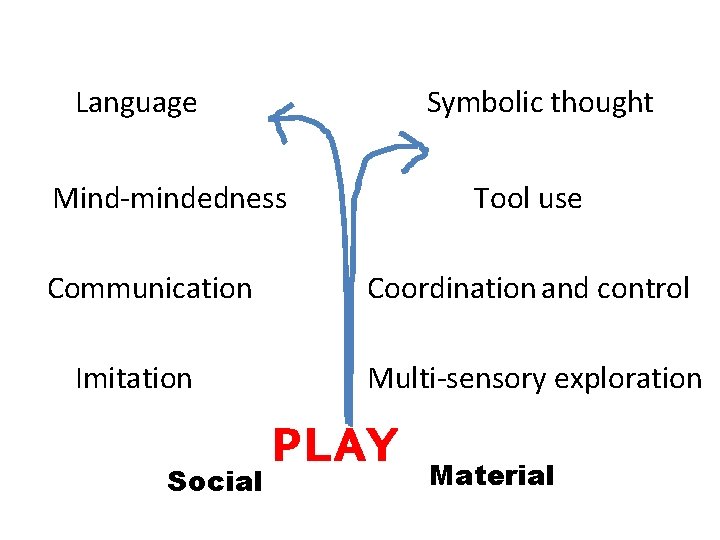
Language Symbolic thought Mind mindedness Communication Imitation Social Tool use Coordination and control Multi sensory exploration PLAY Material
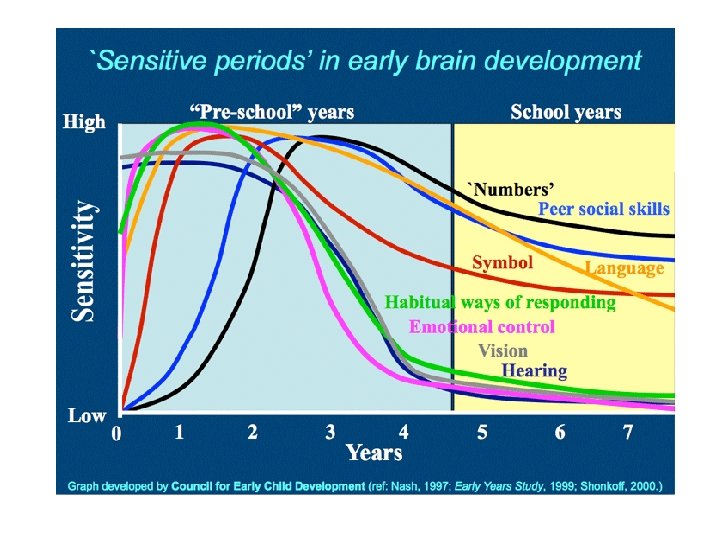
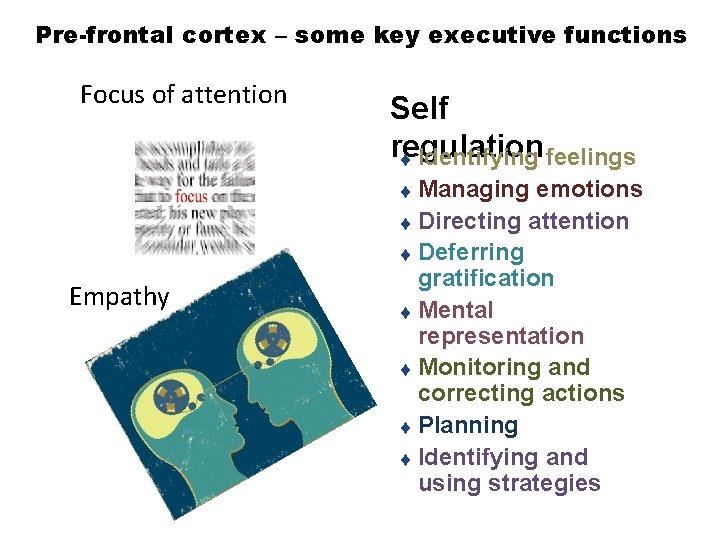
Pre-frontal cortex – some key executive functions Focus of attention Self regulation t Identifying feelings Managing emotions t Directing attention t Deferring gratification t Mental representation t Monitoring and correcting actions t Planning t Identifying and using strategies t Empathy
The brain areas with longest periods of organization are related to… self regulation problem solving language/communication social bonding
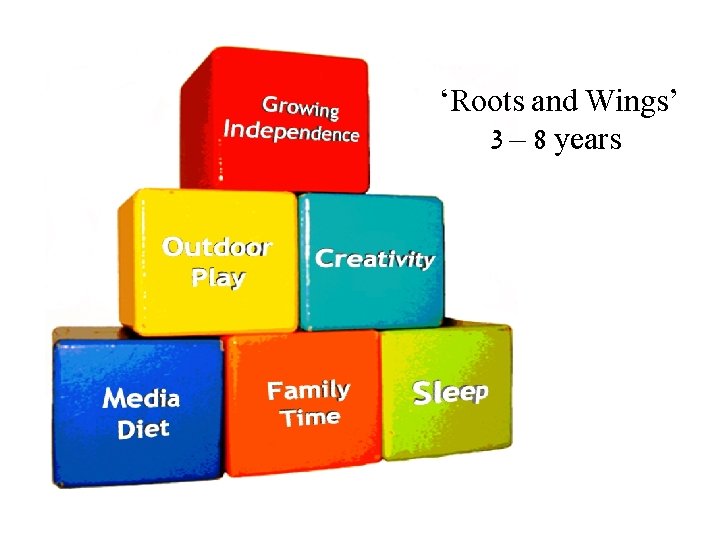
‘Roots and Wings’ 3 – 8 years
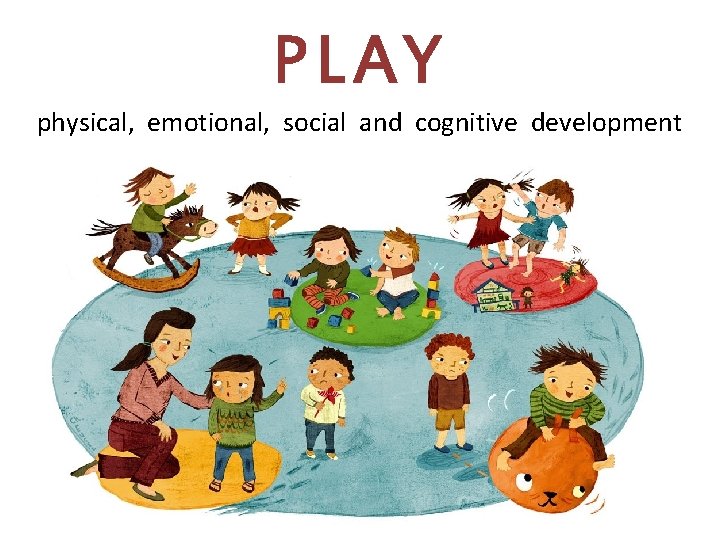
PLAY physical, emotional, social and cognitive development
S R O O D T OU PLAY SOCI AL freely chosen, personally directed, intrinsically motivated behaviour that actively engages the child LOOS ELY SUPER VISED O N R O E L T T I L T N E M EQUIP

2014: Selfie stick voted one of the year’s best inventions
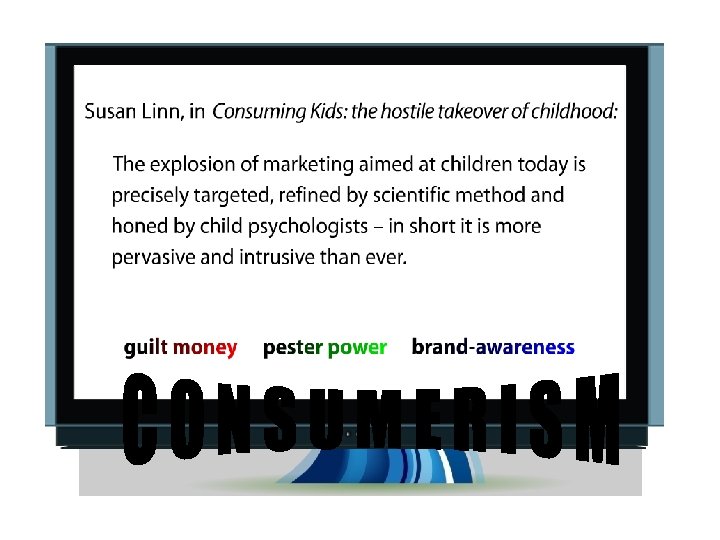

Campaign for a Commercial-Free Childhood www. commercialfreechildhood. org
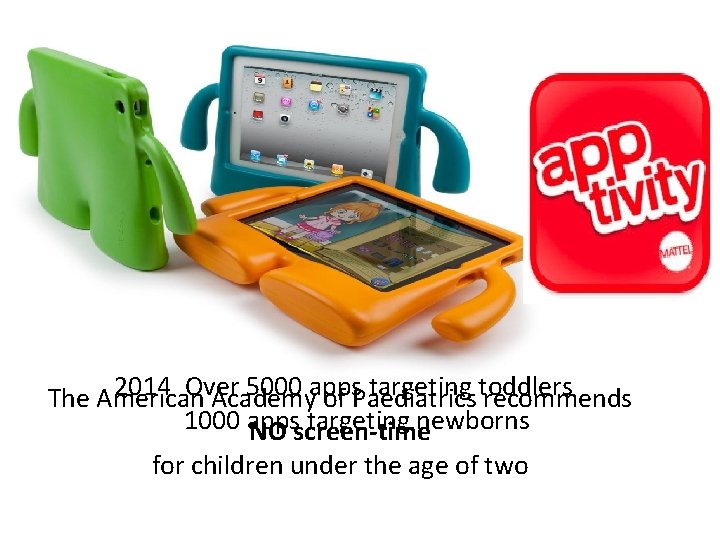
2014 Over 5000 apps targeting toddlers The American Academy of Paediatrics recommends 1000 apps targeting newborns NO screen-time for children under the age of two
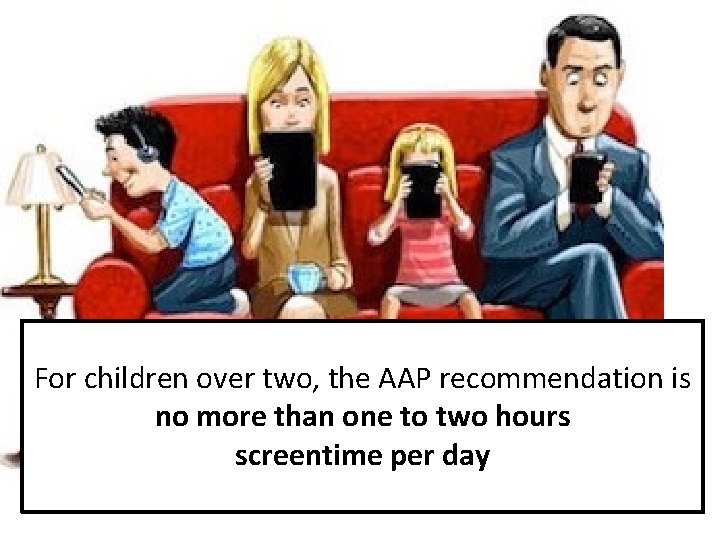
For children over two, the AAP recommendation is no more than one to two hours screentime per day
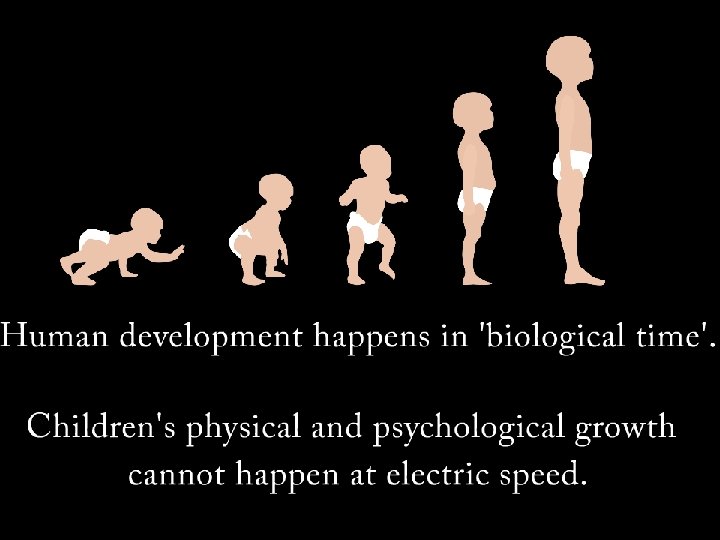
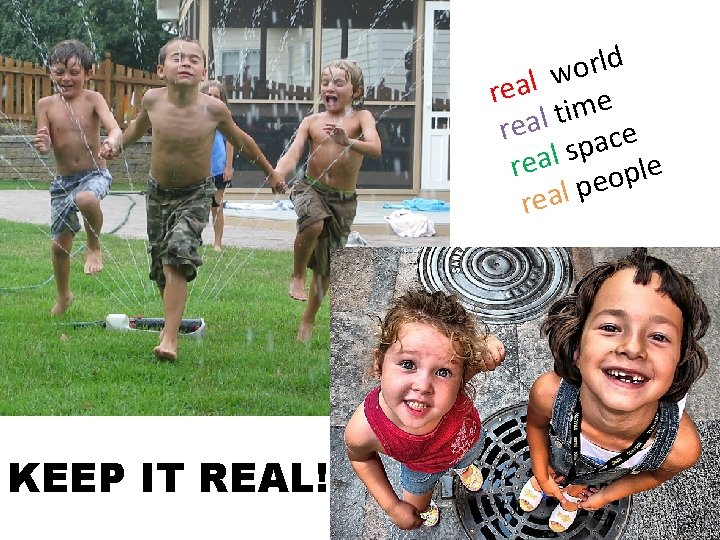
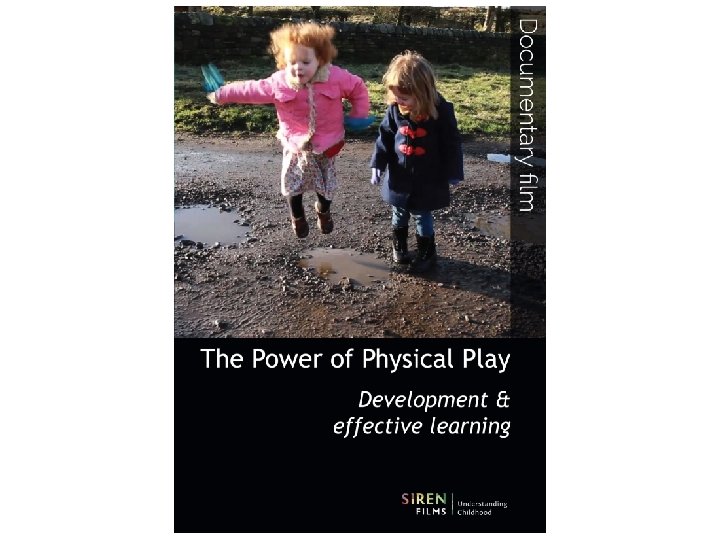
d l r o w l a re e m i t real ace p s l a re e l p o e p l a re KEEP IT REAL!
How can we re instate ‘real play’ in 21 st century children’s lives? • Convince parents, politicians and the general public that play is vital for healthy development • Clarify the difference between play and education (‘bottom up’ development versus ‘top down’ teaching) and the significance of both • Ensure time and space for real play in a screen saturated, hyper consumerist culture • Value the contribution of highly attuned carers who can ‘back off’ and let children learn through play.
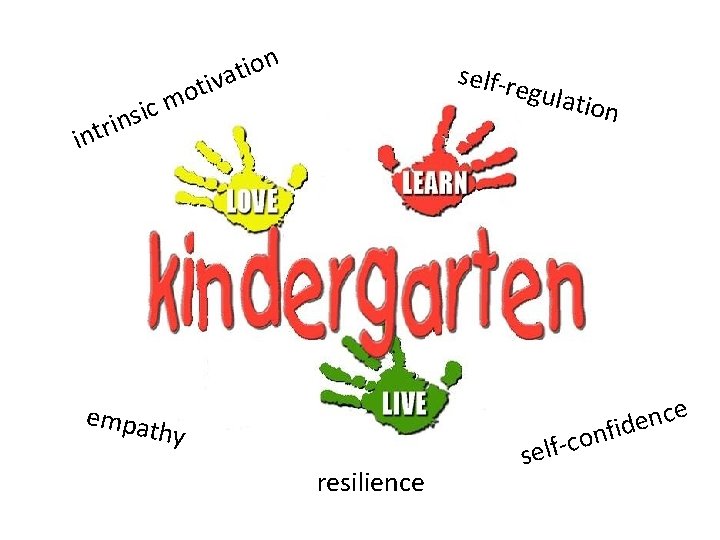
ot m sic n o i t iva self re gulati on n i r t in empa thy resilience se e c n e d i f n lf co
The case for raising the school starting age • Vital importance of real play for physical and mental health and well-being Introducing a kindergarten stage • Long-term significance of 3 social between and 7, and emotional on the Nordic model – developmentbased in early years thus ring fencing earlyin childhood forsound • Time to support all children building developmentally appropriate foundations formal learning play based education • Readiness for life-long learning, not just formal schooling.
The capacity to cope with stress and adversity • Positive relationships • Positive self concept / confidence in one’s own strengths and abilities • Communication and problem solving skills • Ability to manage strong impulses and feelings • Ability to make realistic plans and follow them through (adapting as necessary to fit circumstances)
sue@suepalmer. co. uk
- Slides: 32