
The Physics of Sailing Outline Hulls Keels Sails
- Slides: 66
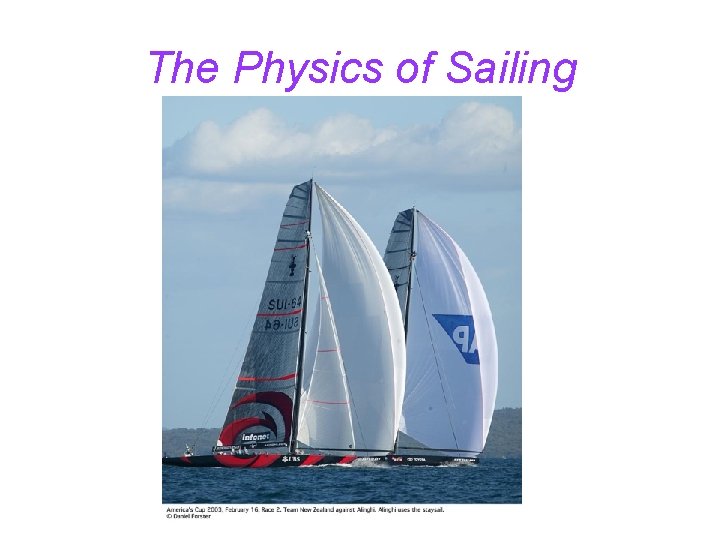
The Physics of Sailing
Outline • Hulls • Keels • Sails
Hulls • • “Hull Speed” Resistance Shape Stability
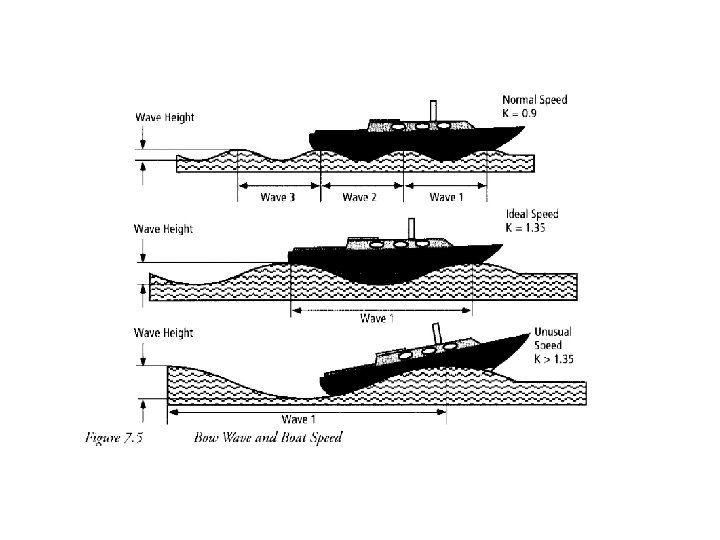
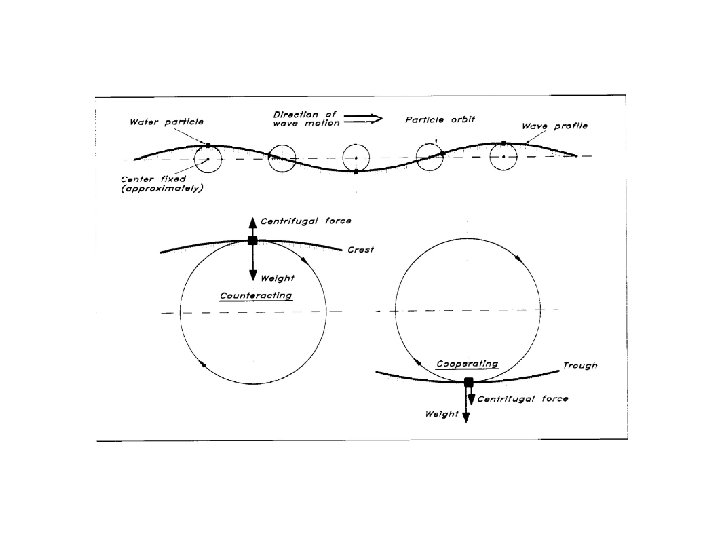
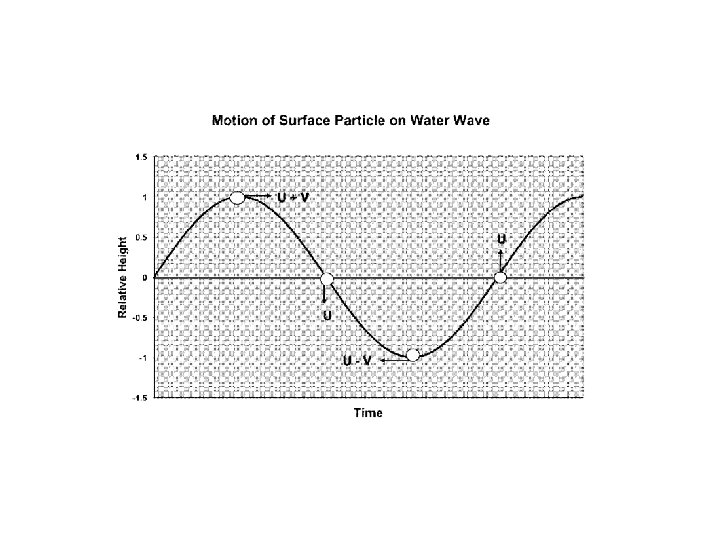
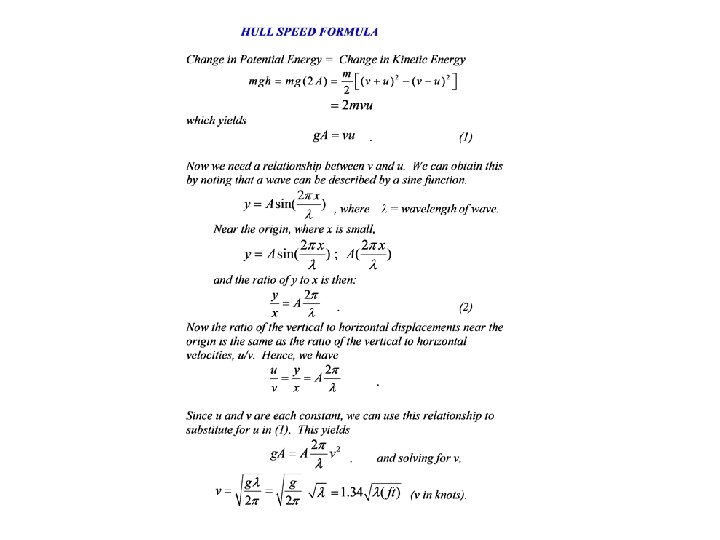
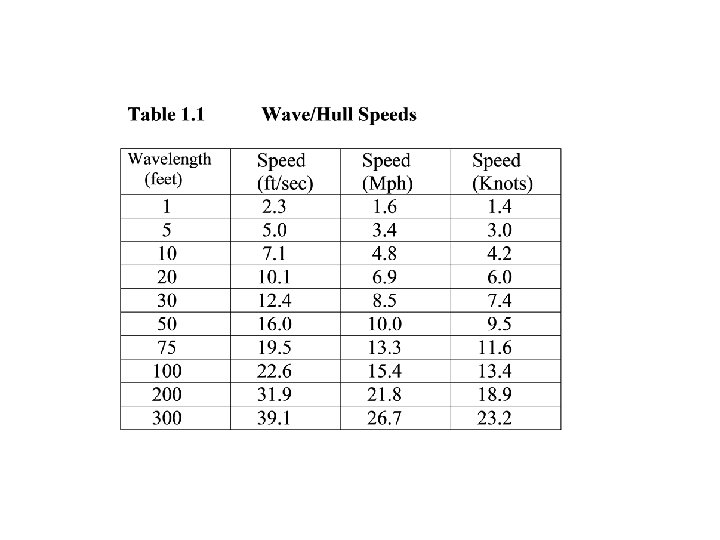
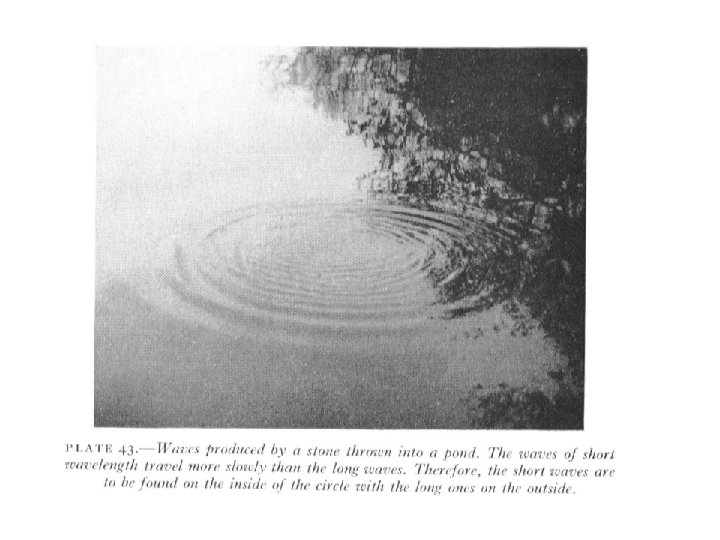
Hull Speed • Hull speed is determined by the length of the boat. • Water waves are dispersive, i. e. , their speeds depend on the wavelength of the wave; long wavelengths are faster. • Boats generate a wave at the bow. The speed of this wave must equal the speed of the boat. (This is the speed with which the crest is being forced to advance. )
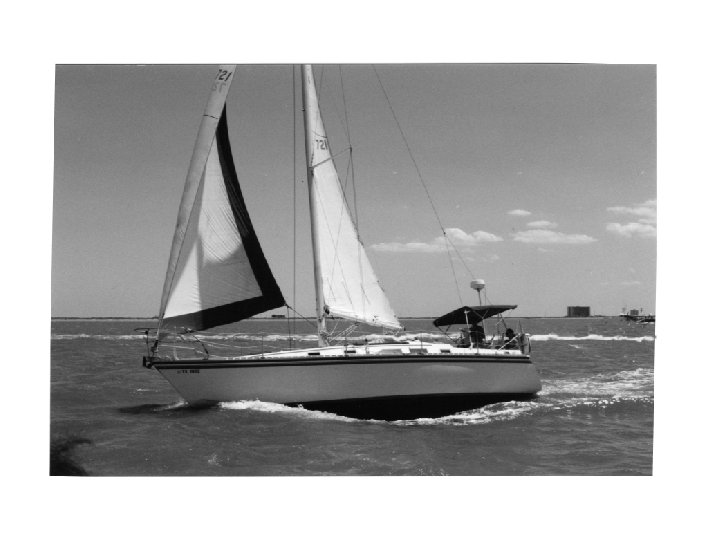
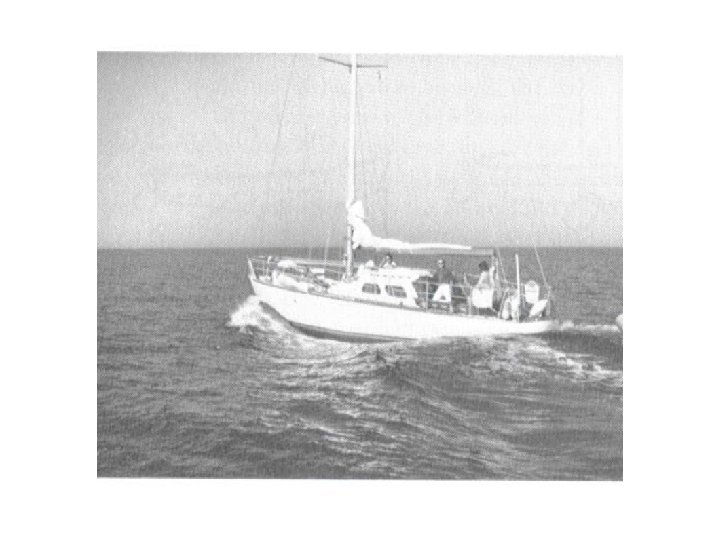
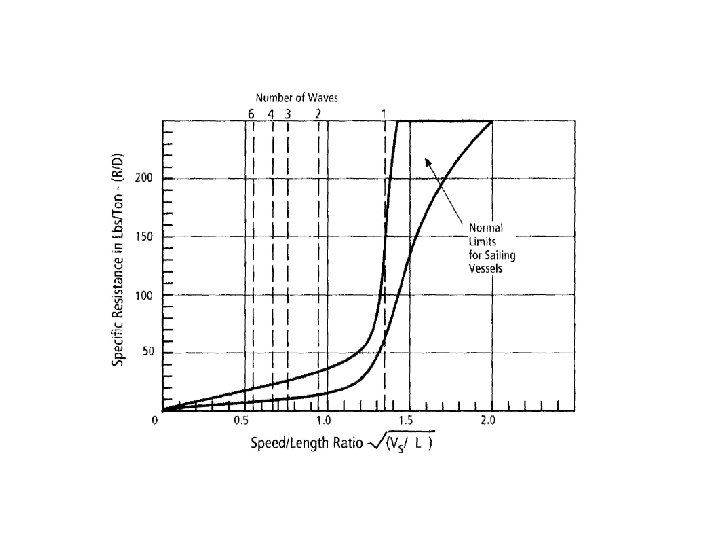
Hull Speed • At first, the boat moves slowly and the bow waves generated have short length; several waves are seen along the side of the boat. • As the boat moves faster, the wavelength increases, until it equals the length of the boat. • When the wavelength becomes longer than the boat, the stern begins to fall into the trough of the wave and the boat is ploughing “uphill” on the bow wave. • The resistance increases dramatically.
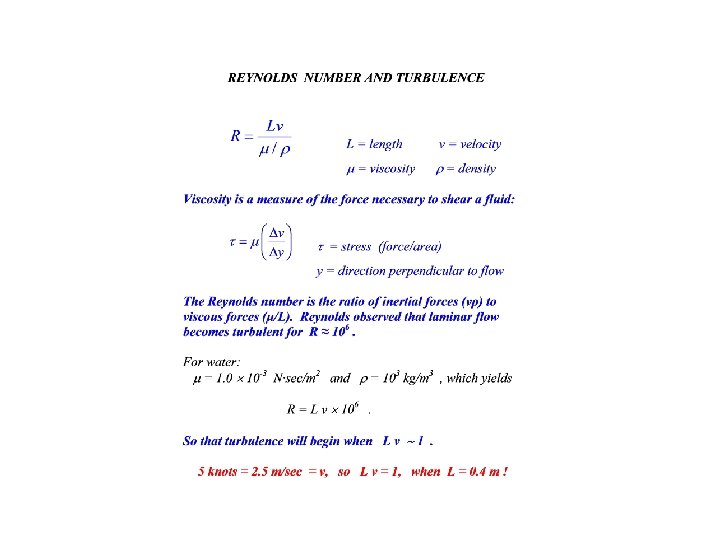
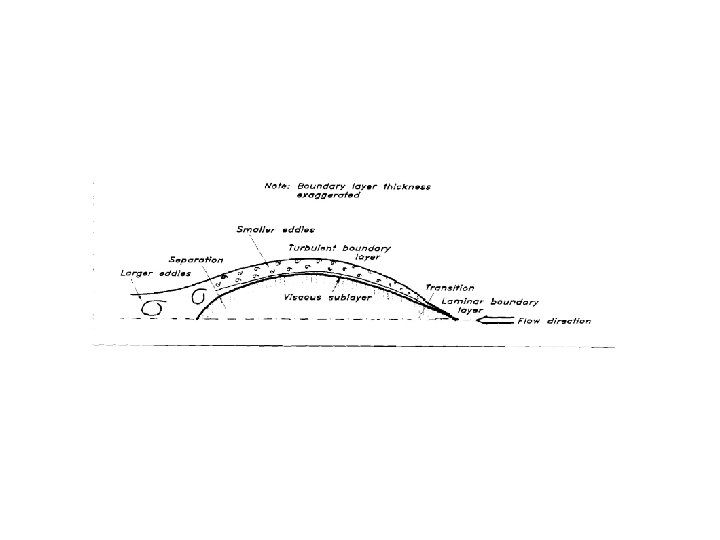
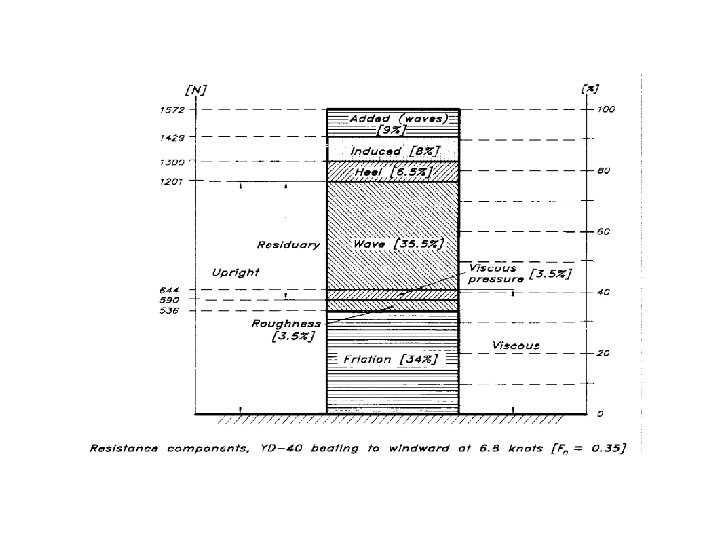
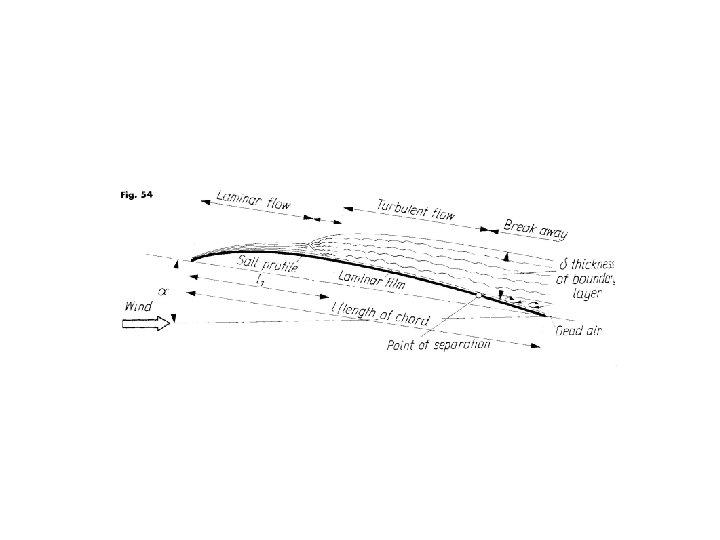
HULL RESISTANCE • Surface Resistance Shearing • Turbulence Reynolds No. • Eddies Separation • Shape
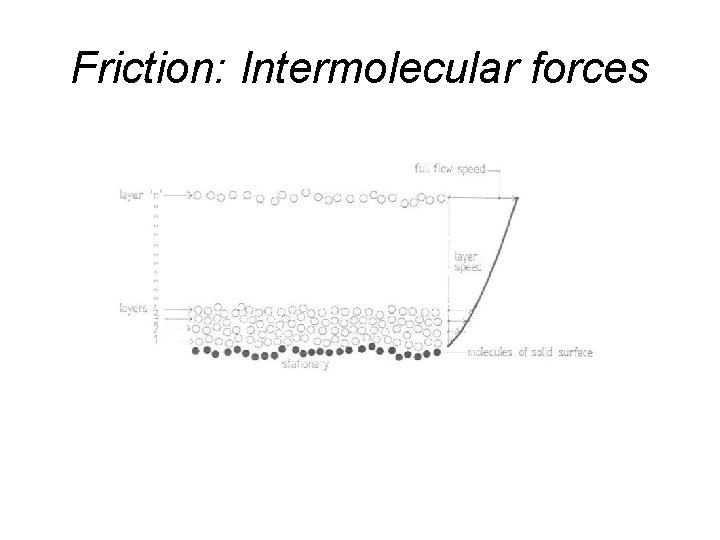
Friction: Intermolecular forces
Roughness • Hull should be “smooth”. Bumps will introduce turbulence sooner and/or will produce larger turbulence. • “Polishing” does not help very much. Shearing must take place!
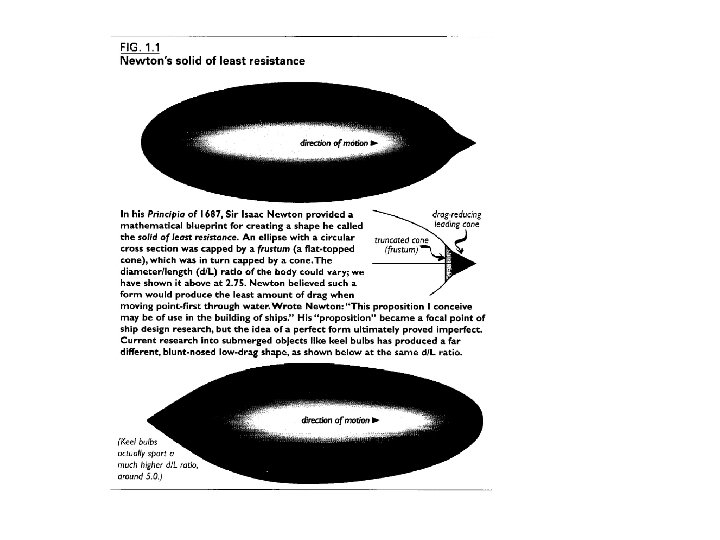
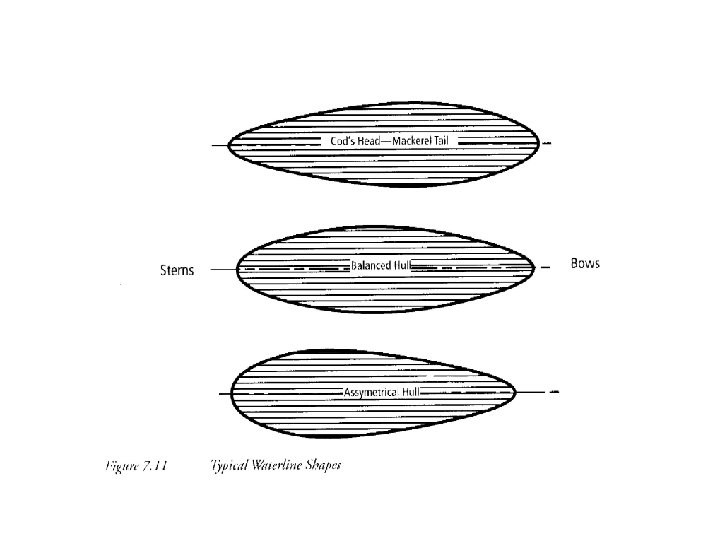
Hull Shape (Form Resistance) • Hull shape determines how fast a boat can accelerate and how fast it can go in “light’ winds. • Generally speaking, narrower, shallower hulls are faster, but less stable and hold less “cargo”. • Exact shape for fastest hull is still a subject of debate.
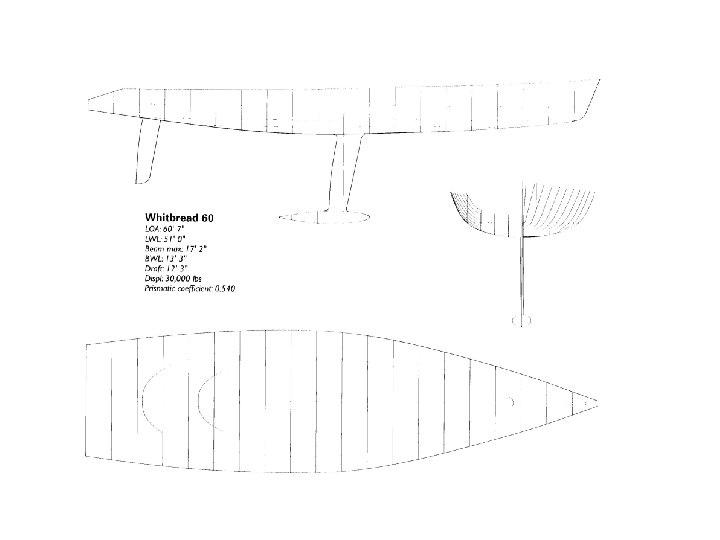
Modern Racing Hull Design • Narrow, sleek bow • Shallow, flat bottom toward stern • Square stern, normally above water line • Able to plane under certain conditions
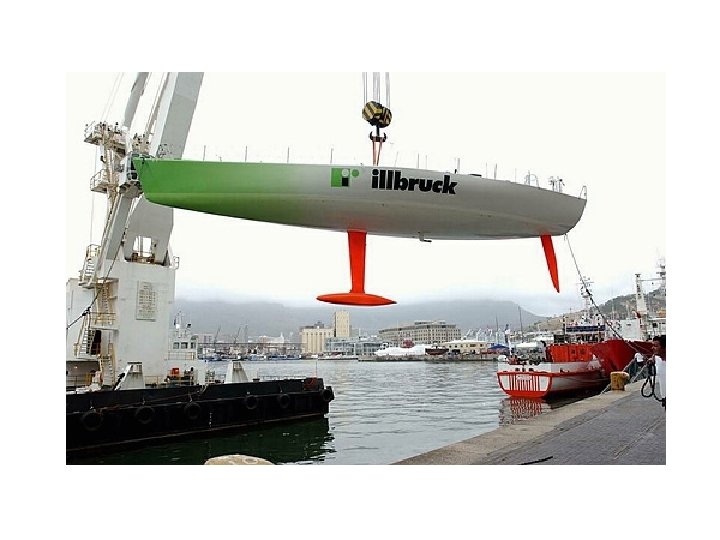
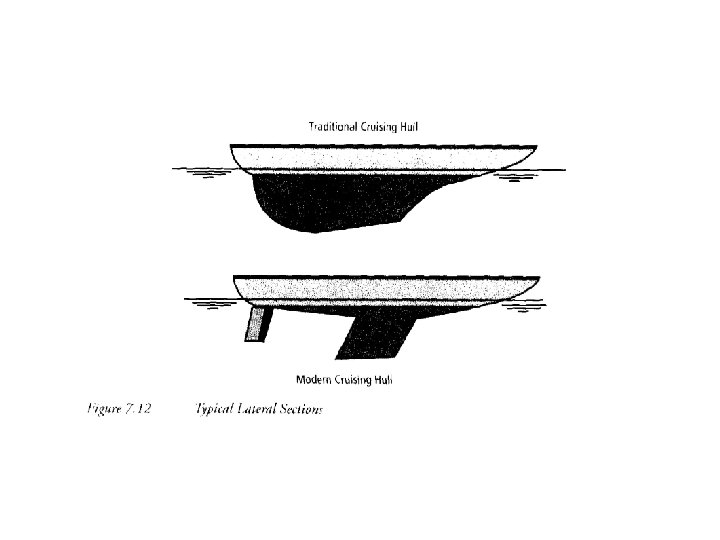
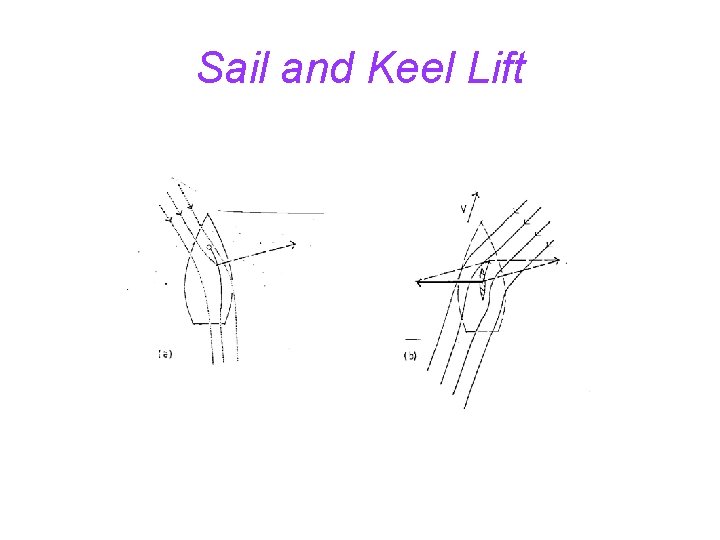
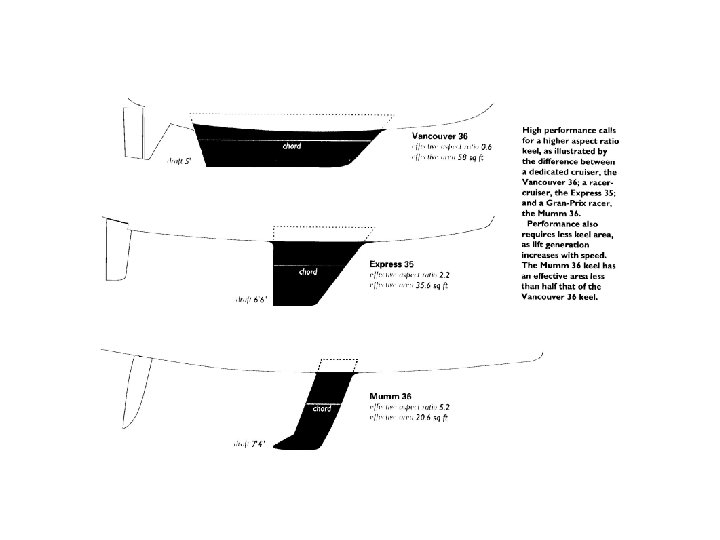
Keels • Keels are necessary to provide resistance against “side-slipping”, and to provide counter balance for sideways force of wind on sails. • A large keel adds a lot of surface resistance. • Want a balance between positive keel action and negative keel resistance.
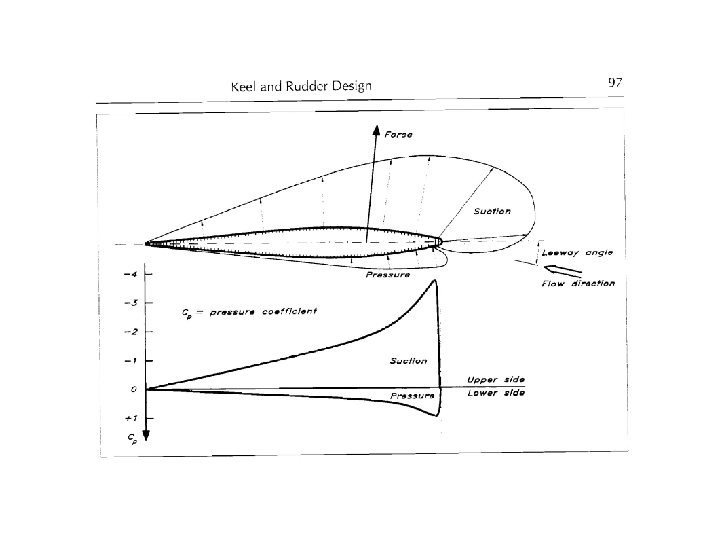
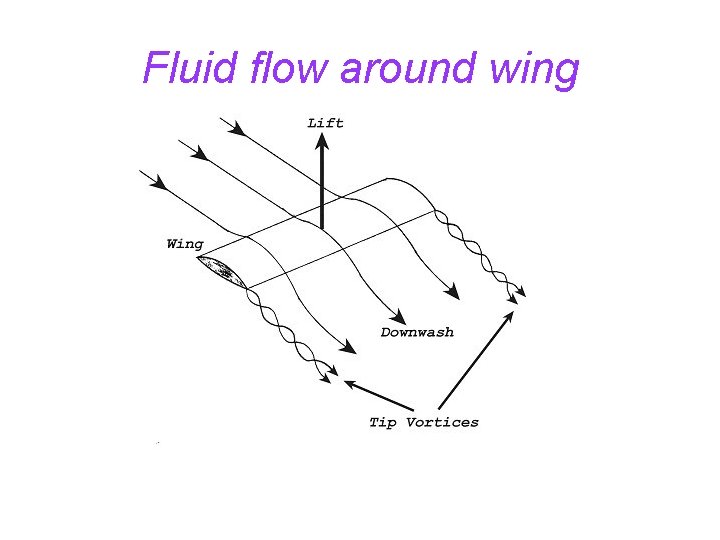
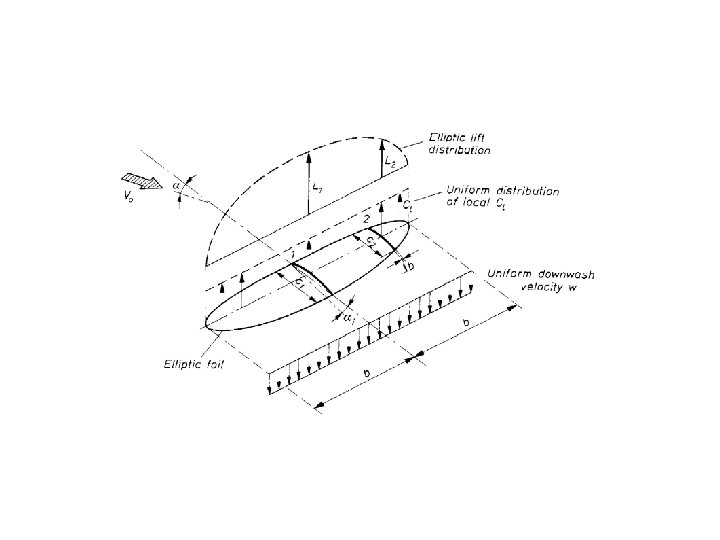
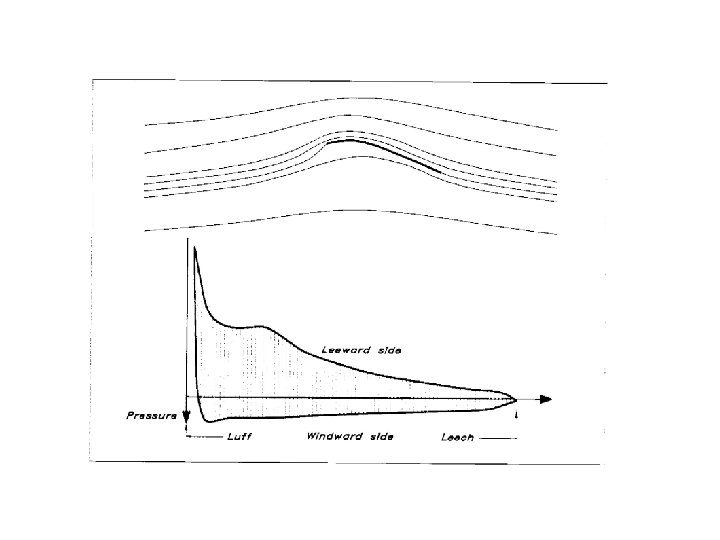
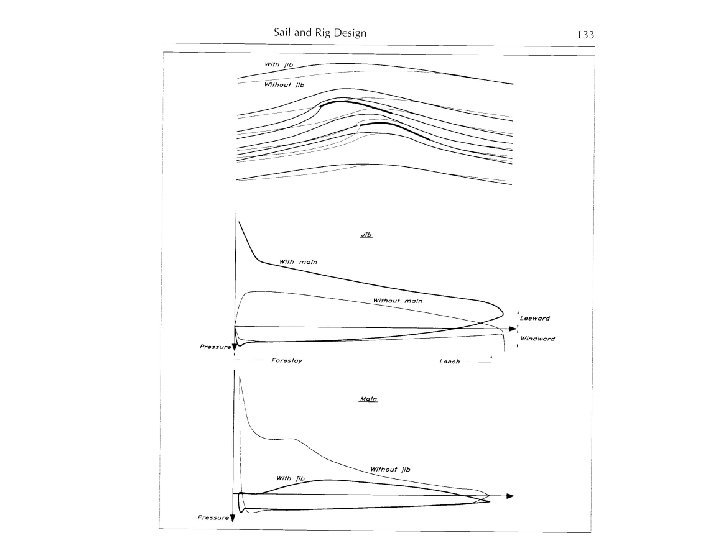
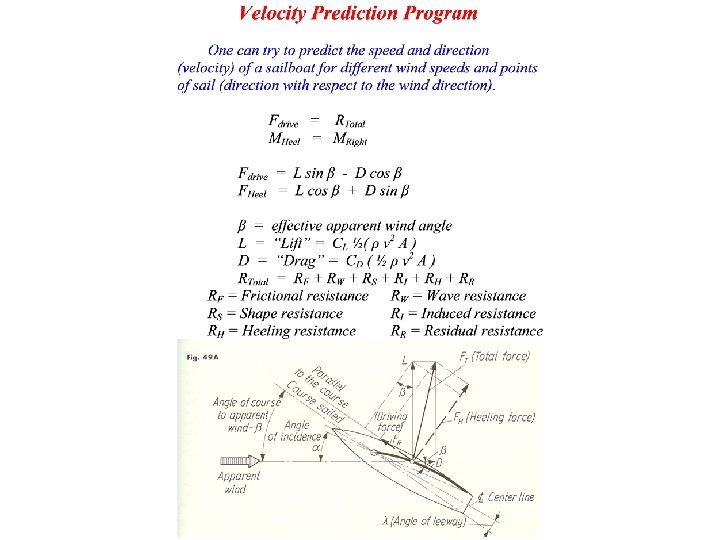
Wing theory • Keels and sails act like airplane wings; i. e. , they can provide “lift”. • Proper design helps a lot!
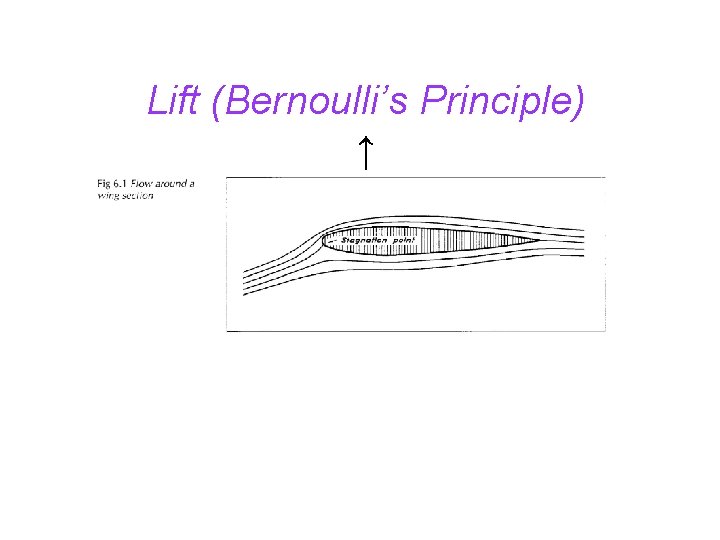
Lift (Bernoulli’s Principle) ↑
Sail and Keel Lift
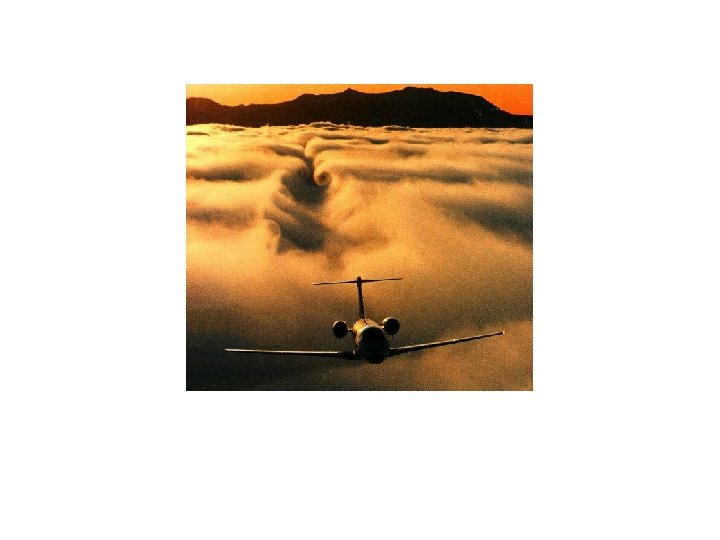
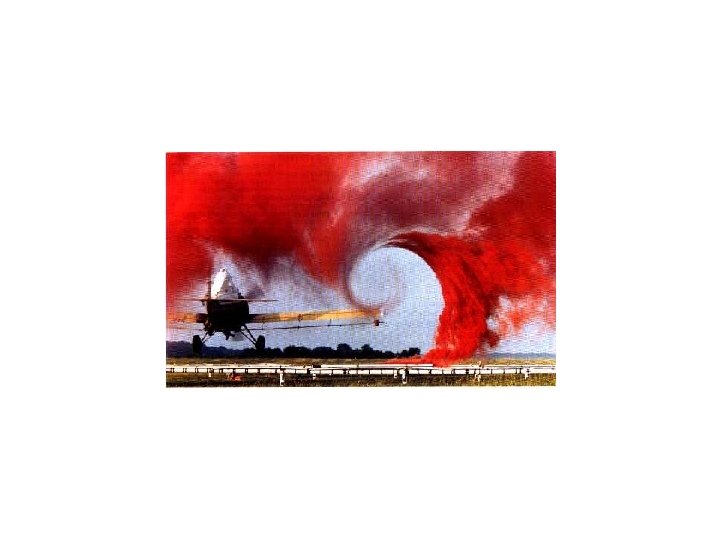
Fluid flow around wing
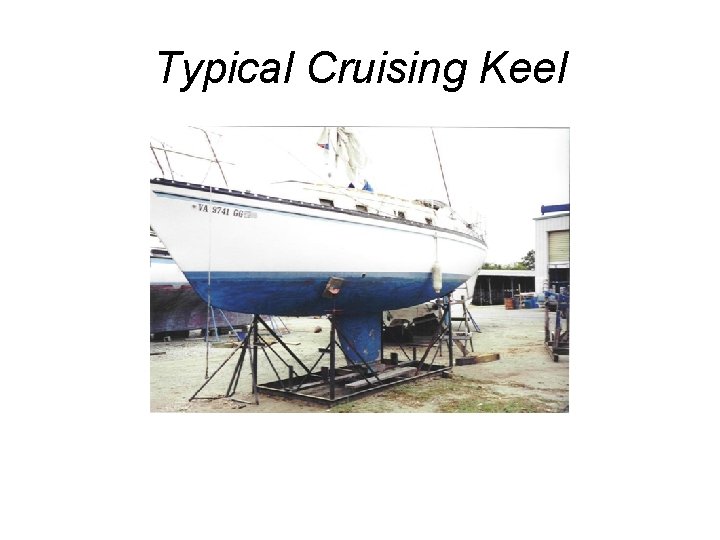
Typical Cruising Keel
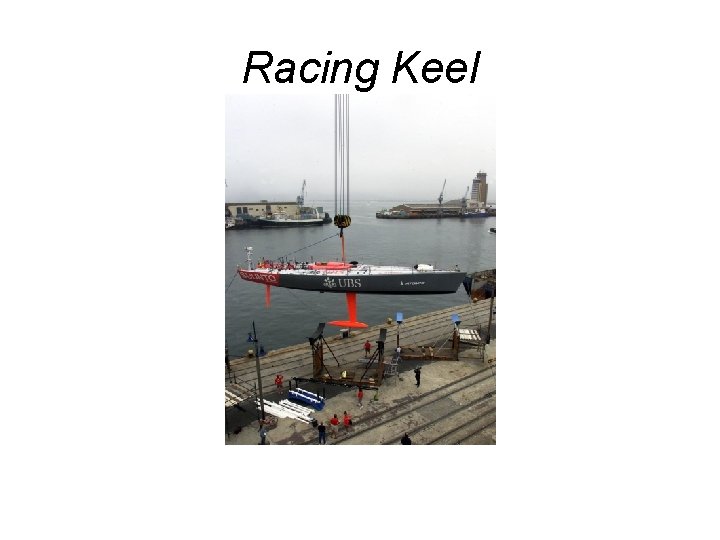
Racing Keel
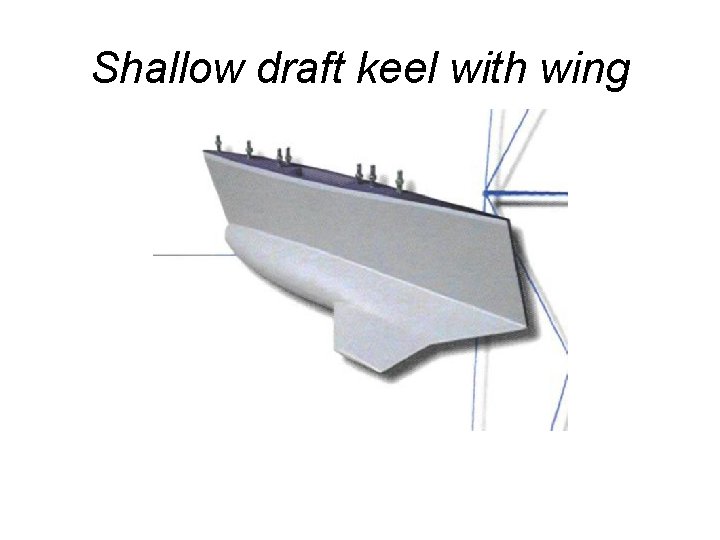
Shallow draft keel with wing
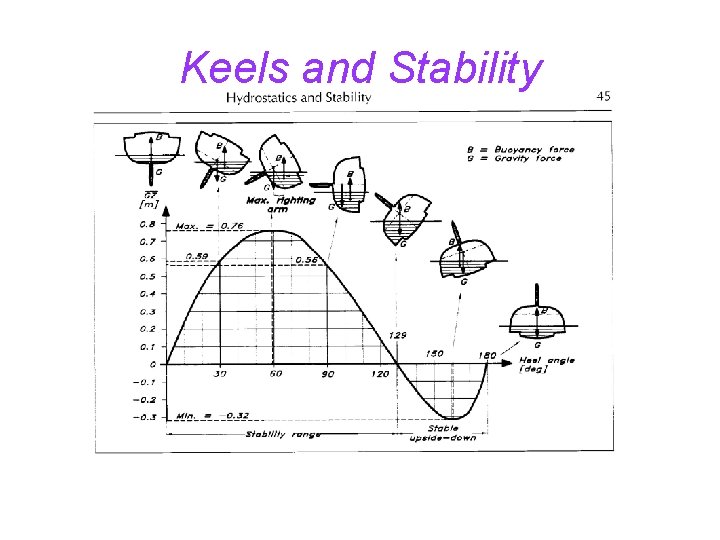
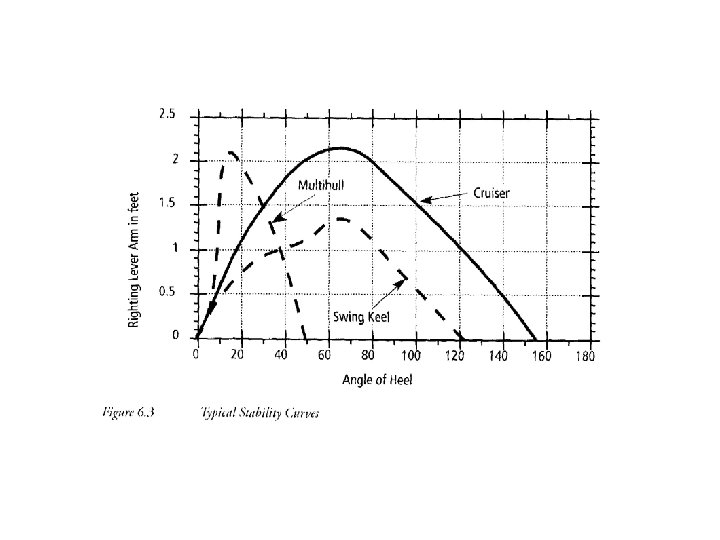
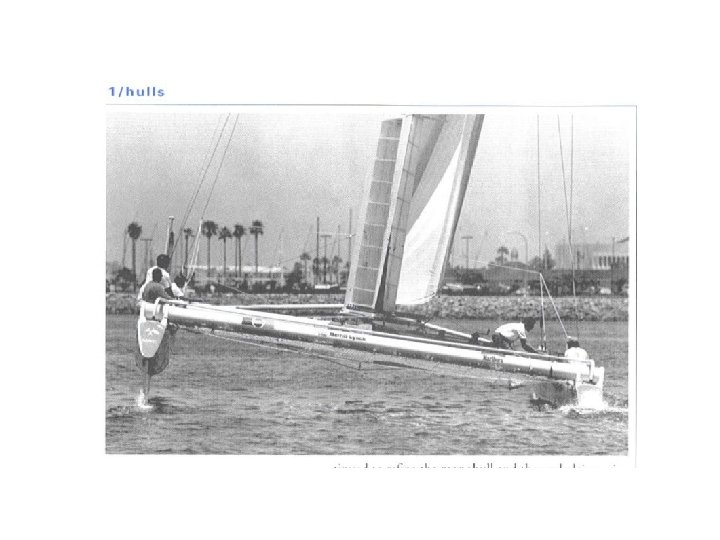
Keels and Stability
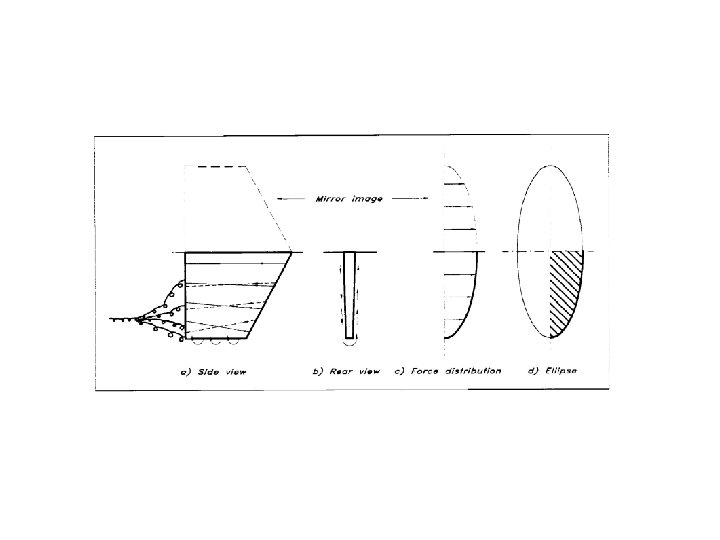
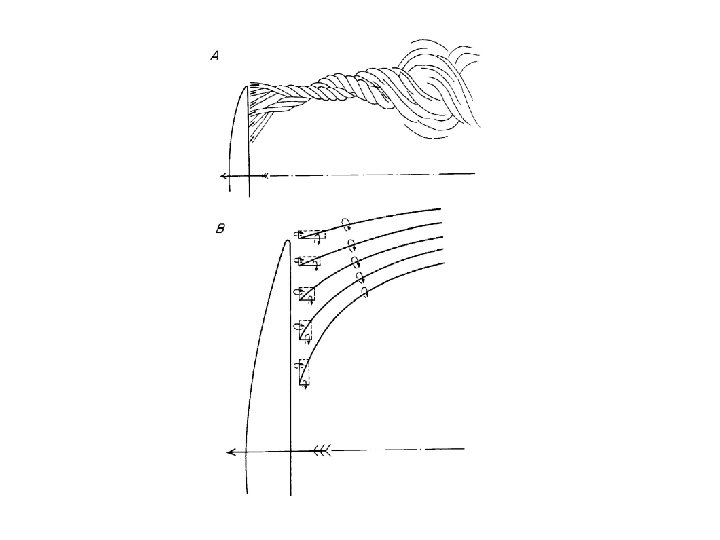
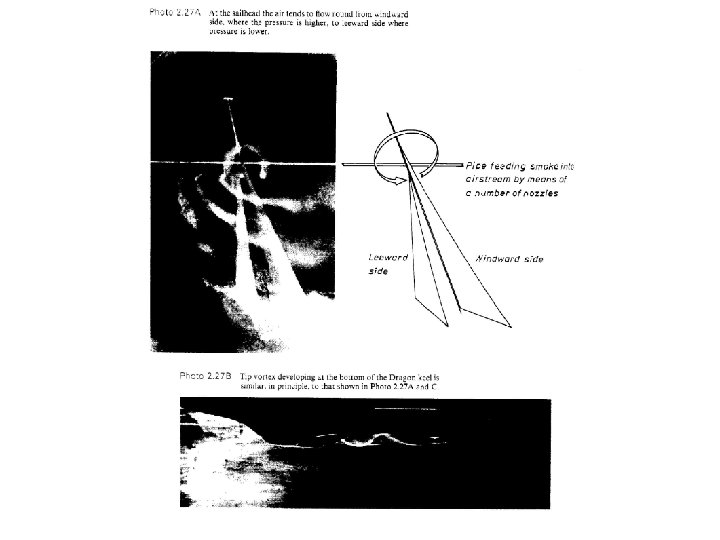
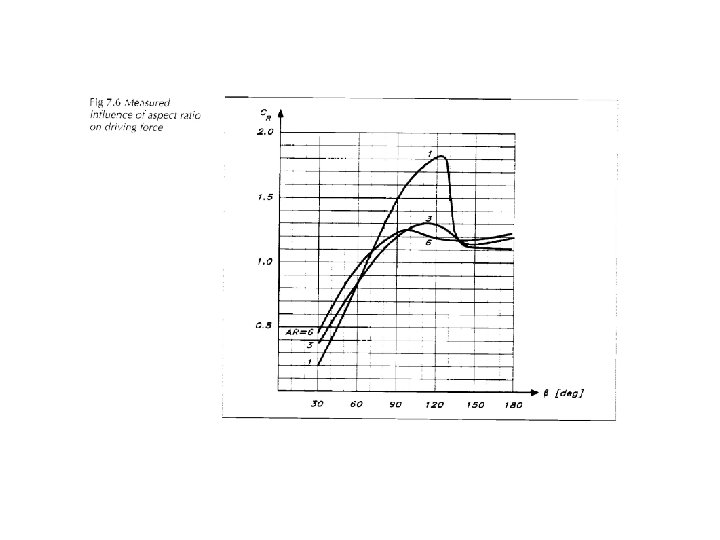
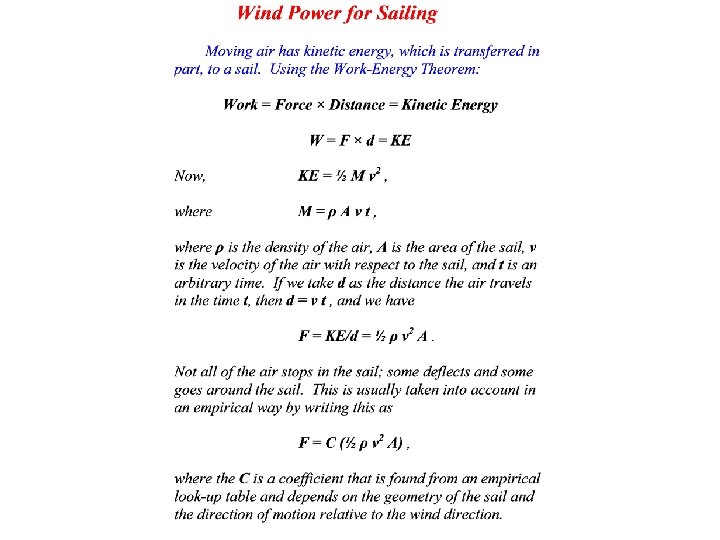
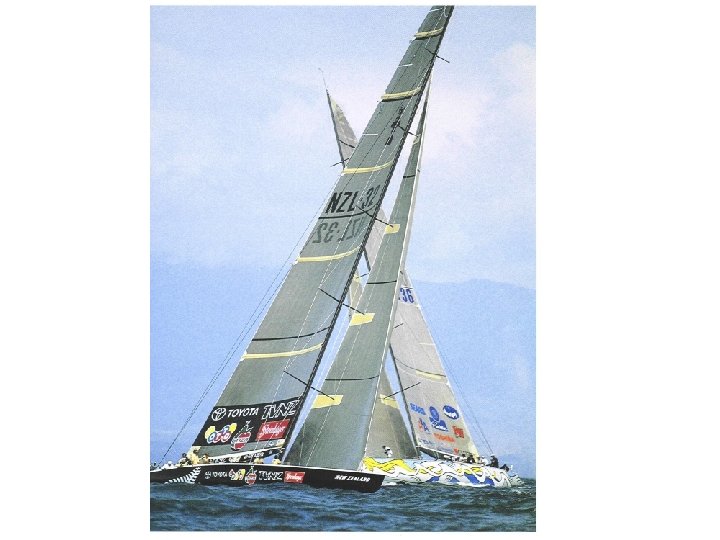
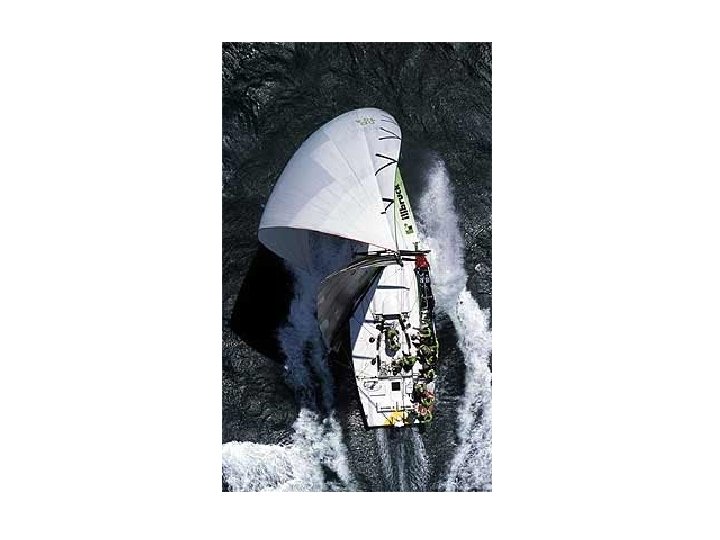
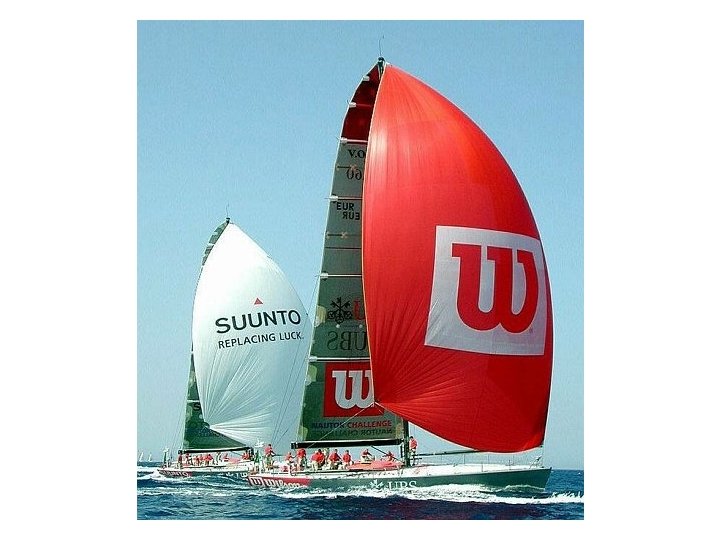
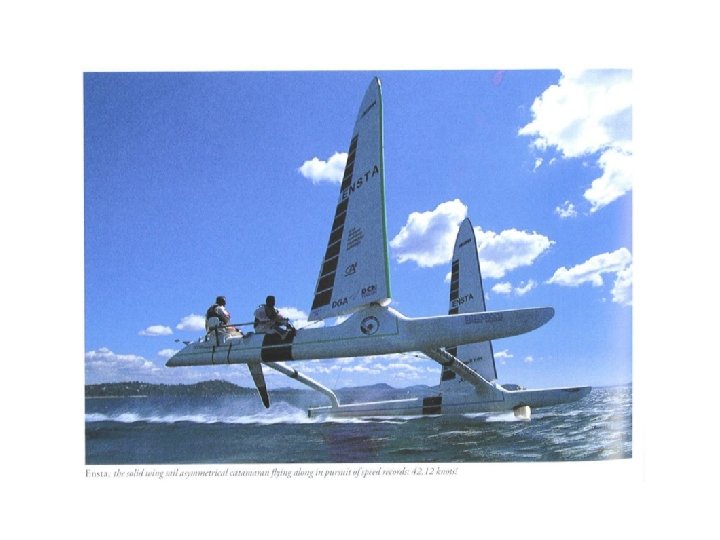
Sails • Sails provide the power. • Sails act like wings and provide lift and generate vortices. • Ideal sail shape is different for downwind and upwind: Downwind sails should be square-shaped (low aspect ratio). Upwind sails should be tall (high aspect ratio) to minimize vortex generation.