
The Periodic Table of Elements The Periodic Table
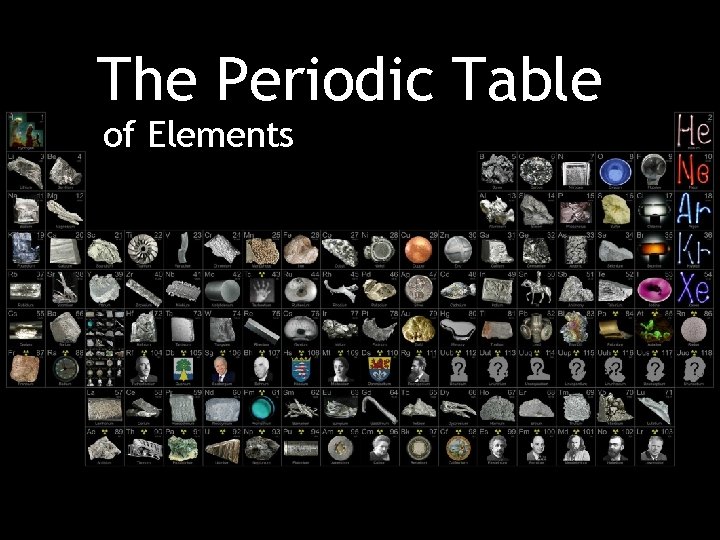
The Periodic Table of Elements
The Periodic Table • The horizontal rows of the periodic table are called periods • The vertical columns are called families (or groups) • Elements in the same family have similar physical and chemical properties
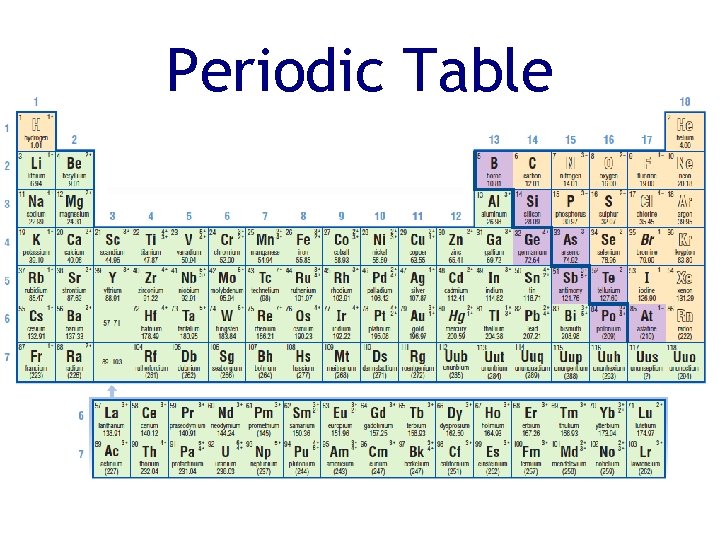
Periodic Table
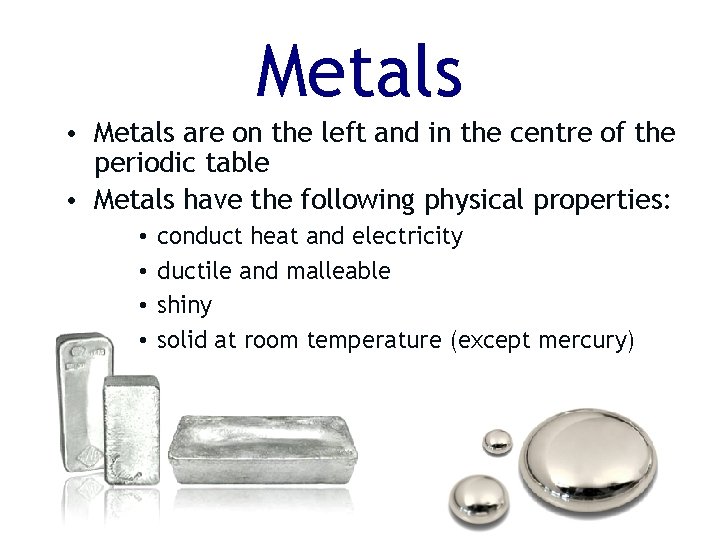
Metals • Metals are on the left and in the centre of the periodic table • Metals have the following physical properties: • • conduct heat and electricity ductile and malleable shiny solid at room temperature (except mercury)
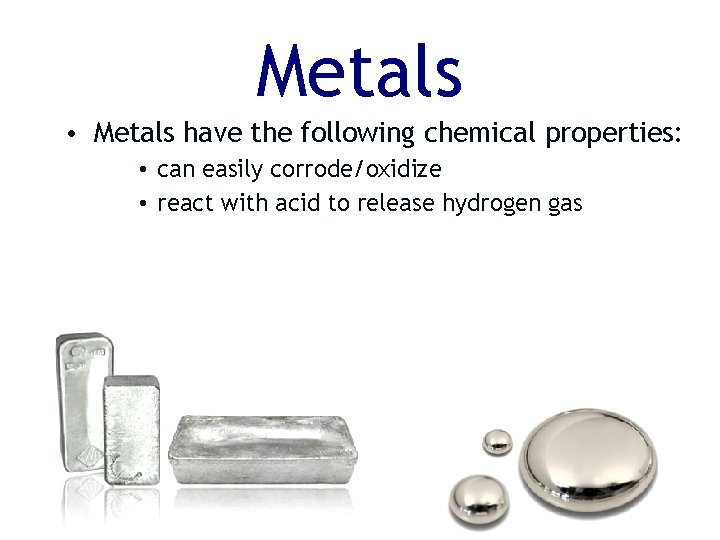
Metals • Metals have the following chemical properties: • can easily corrode/oxidize • react with acid to release hydrogen gas
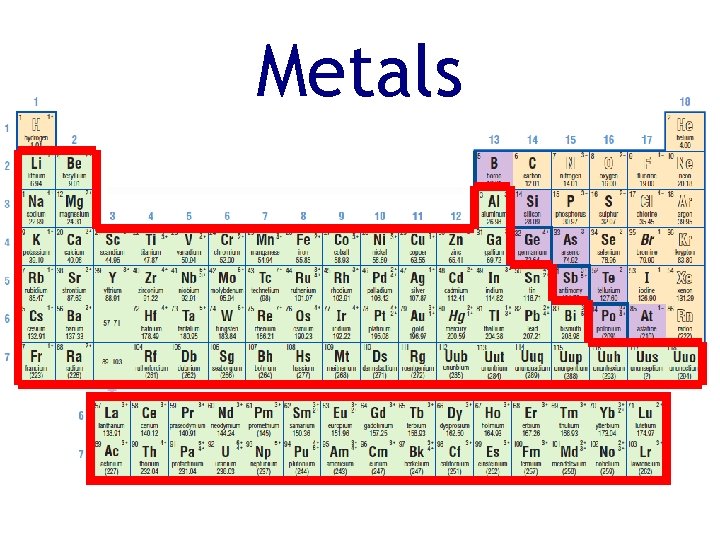
Metals
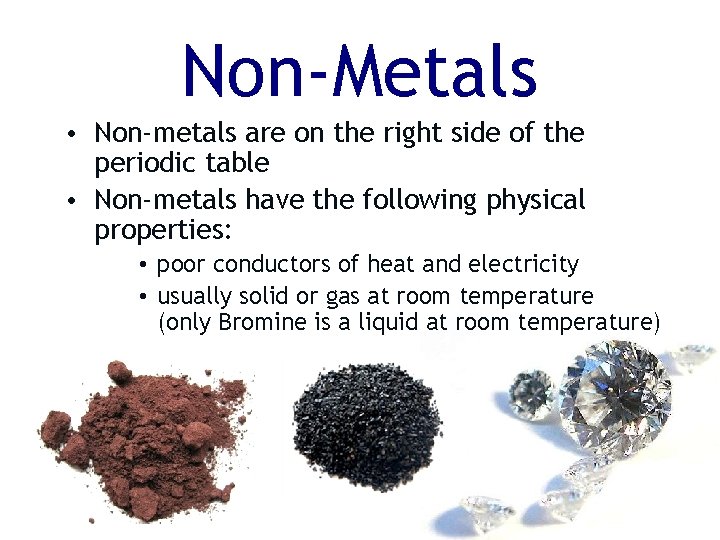
Non-Metals • Non-metals are on the right side of the periodic table • Non-metals have the following physical properties: • poor conductors of heat and electricity • usually solid or gas at room temperature (only Bromine is a liquid at room temperature)
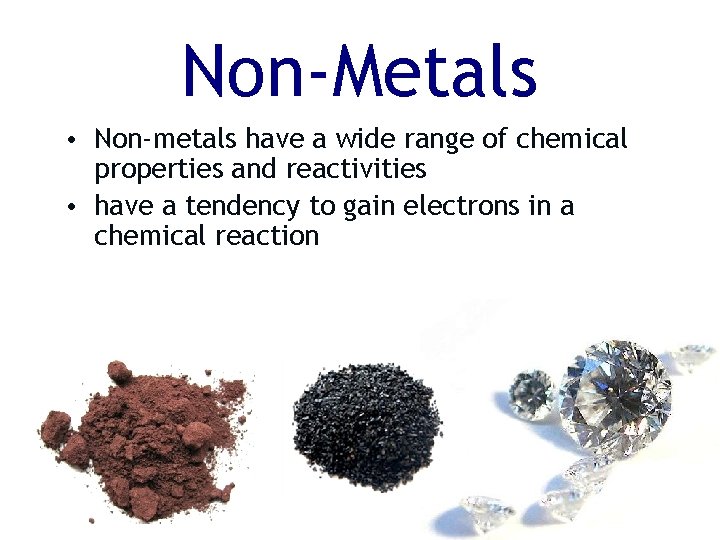
Non-Metals • Non-metals have a wide range of chemical properties and reactivities • have a tendency to gain electrons in a chemical reaction
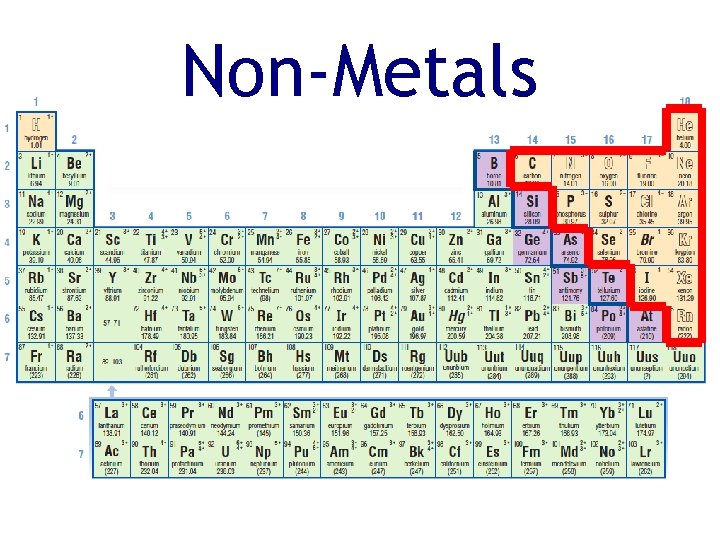
Non-Metals
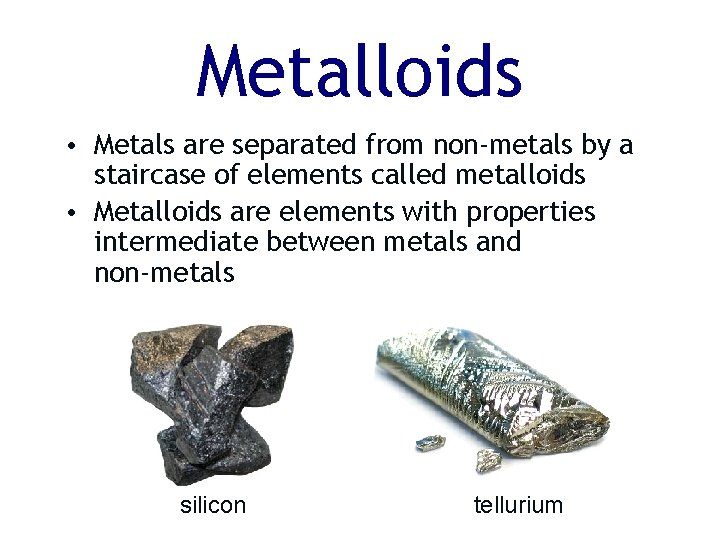
Metalloids • Metals are separated from non-metals by a staircase of elements called metalloids • Metalloids are elements with properties intermediate between metals and non-metals silicon tellurium
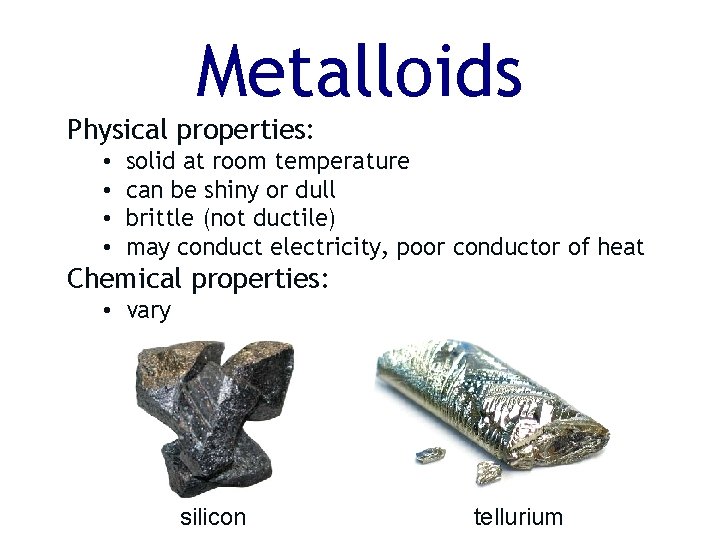
Metalloids Physical properties: • • solid at room temperature can be shiny or dull brittle (not ductile) may conduct electricity, poor conductor of heat Chemical properties: • vary silicon tellurium
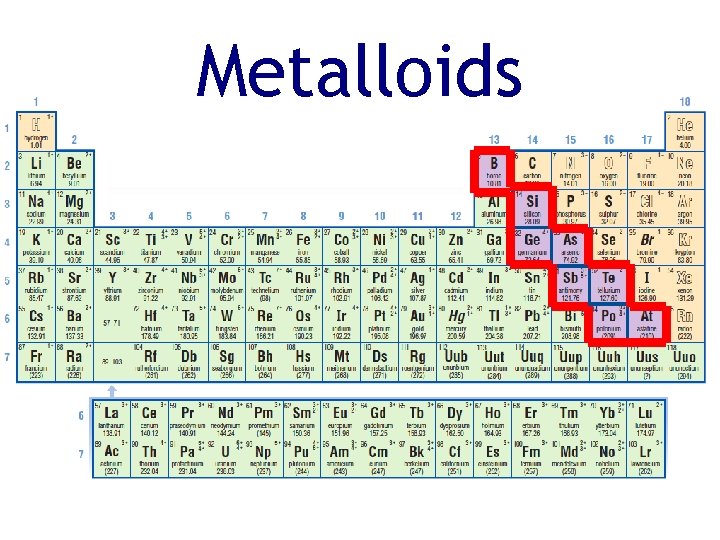
Metalloids
Chemical Families Chemical Family = Groups of elements that have similar physical and chemical properties
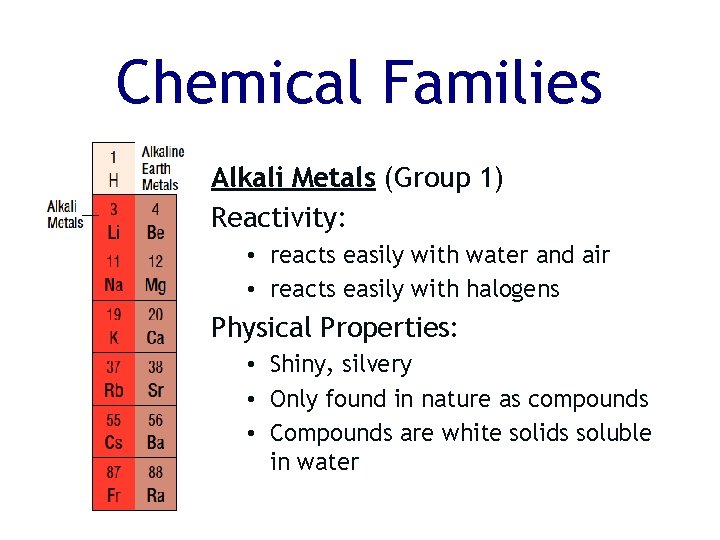
Chemical Families Alkali Metals (Group 1) Reactivity: • reacts easily with water and air • reacts easily with halogens Physical Properties: • Shiny, silvery • Only found in nature as compounds • Compounds are white solids soluble in water
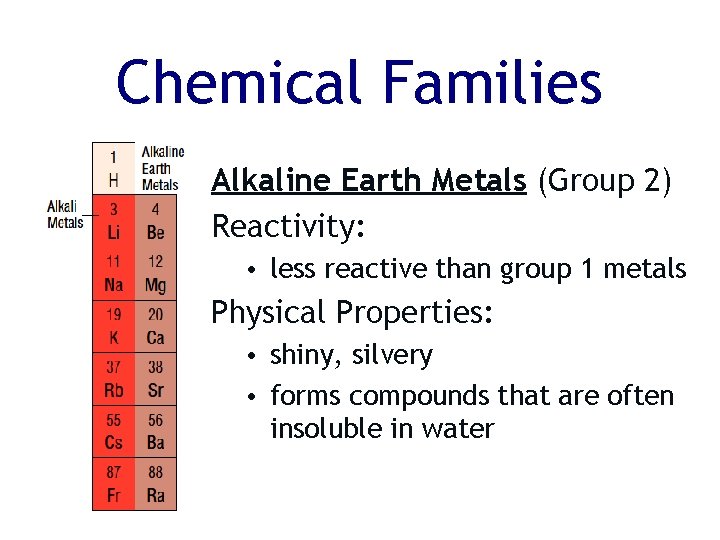
Chemical Families Alkaline Earth Metals (Group 2) Reactivity: • less reactive than group 1 metals Physical Properties: • shiny, silvery • forms compounds that are often insoluble in water
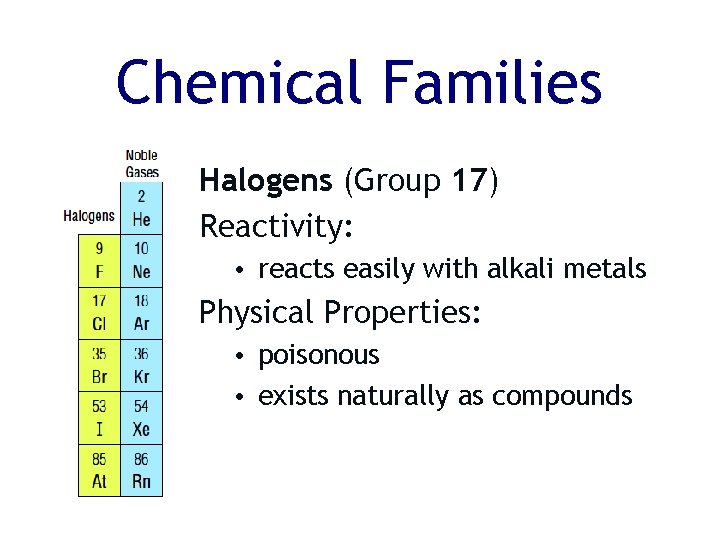
Chemical Families Halogens (Group 17) Reactivity: • reacts easily with alkali metals Physical Properties: • poisonous • exists naturally as compounds
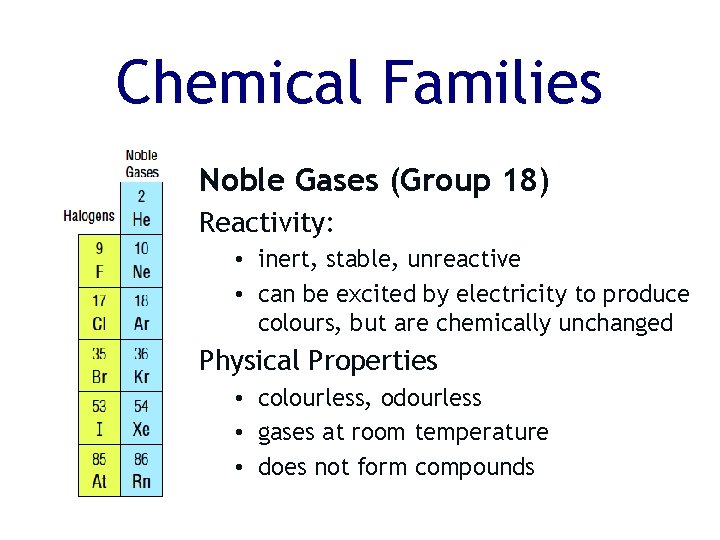
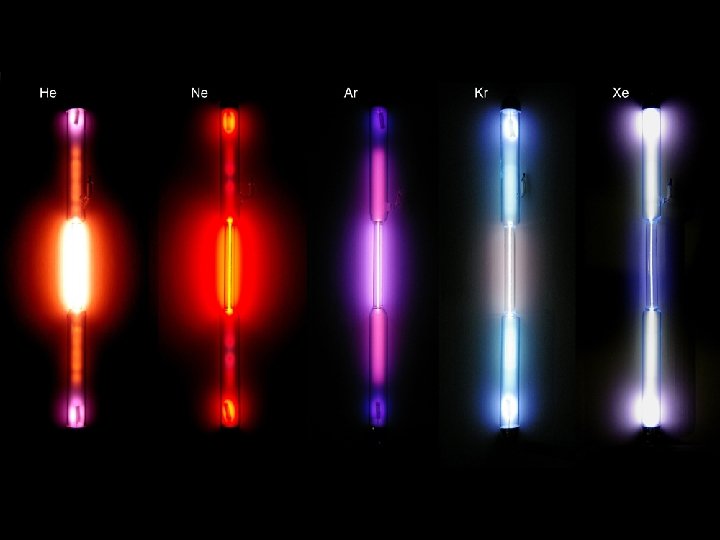
Chemical Families Noble Gases (Group 18) Reactivity: • inert, stable, unreactive • can be excited by electricity to produce colours, but are chemically unchanged Physical Properties • colourless, odourless • gases at room temperature • does not form compounds
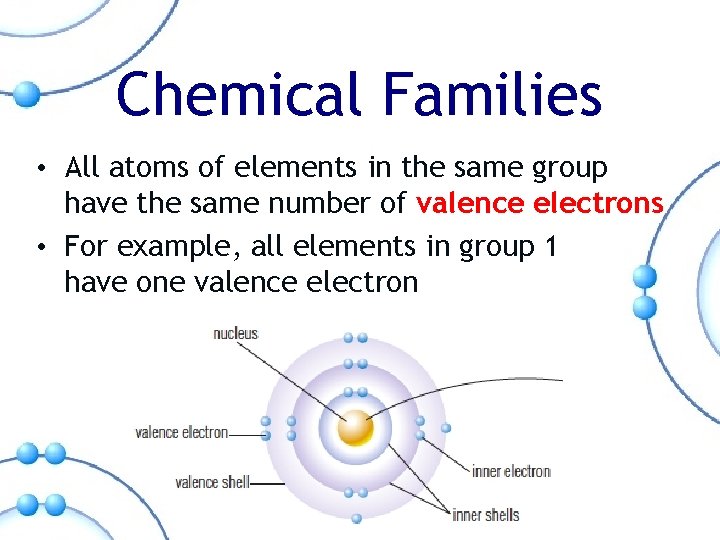
Chemical Families • All atoms of elements in the same group have the same number of valence electrons • For example, all elements in group 1 have one valence electron
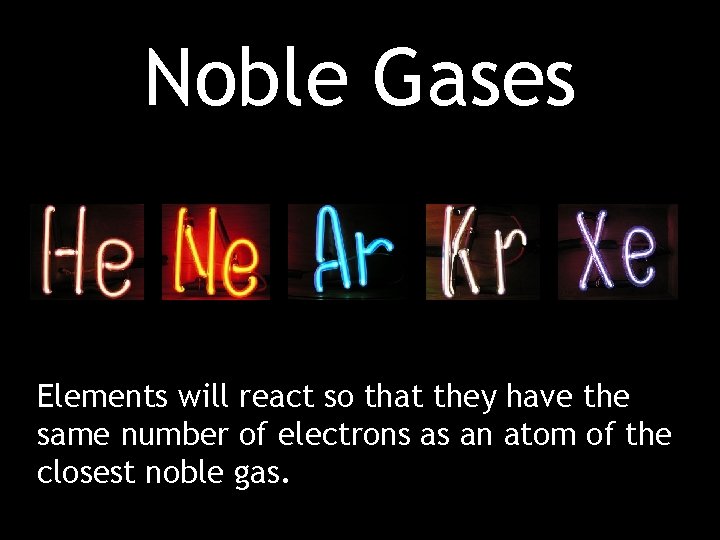
Noble Gases Elements will react so that they have the same number of electrons as an atom of the closest noble gas.
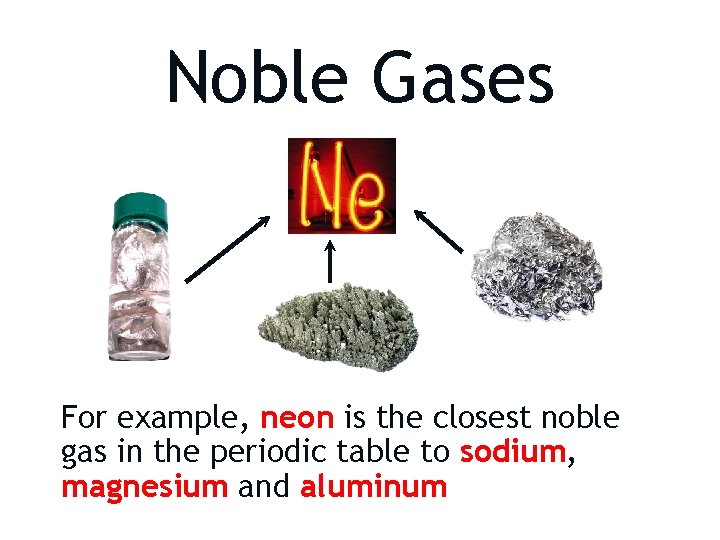
Noble Gases For example, neon is the closest noble gas in the periodic table to sodium, magnesium and aluminum
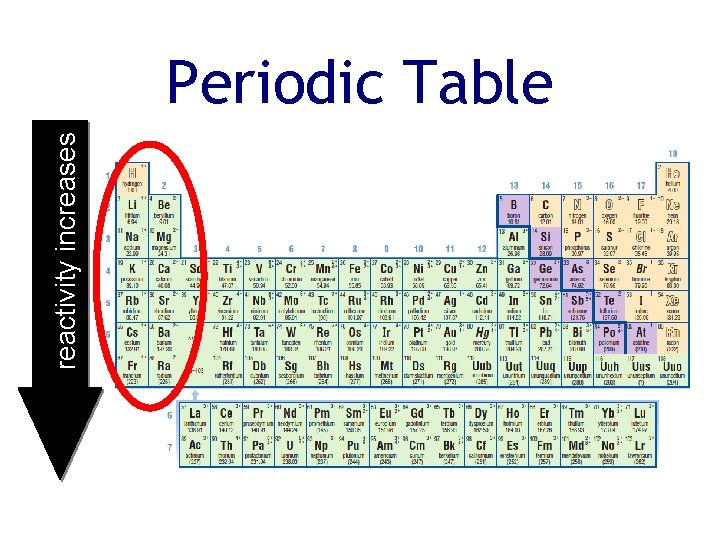
reactivity increases Periodic Table
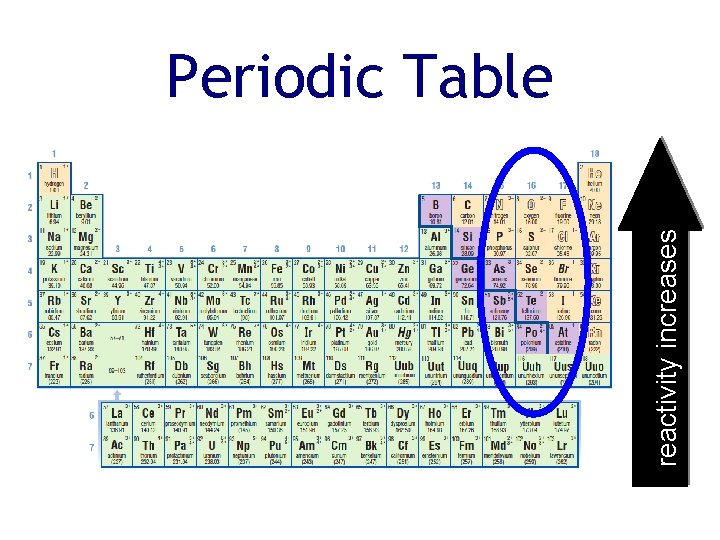
reactivity increases Periodic Table
- Slides: 23