
The PediCardiac Lecture Part 3 Pediatric Cardiovascular Disorders


- Slides: 53
‘ The Pedi-Cardiac Lecture ’ Part 3 Pediatric Cardiovascular Disorders Jerry Carley MSN, MA, RN, CNE
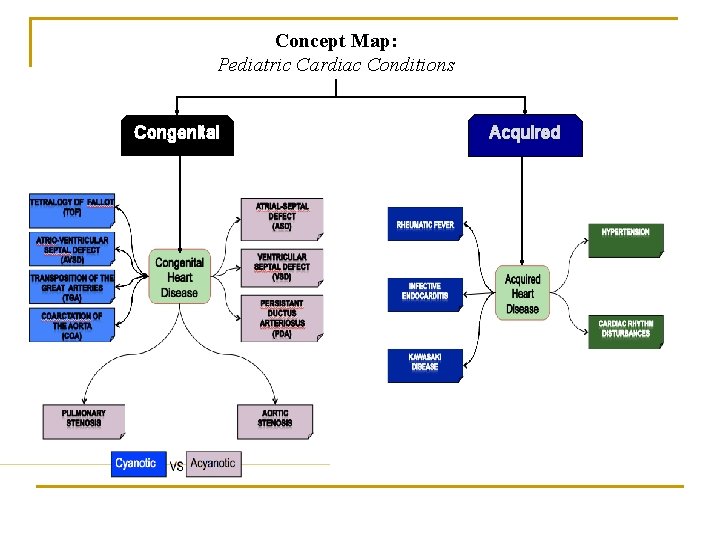
Concept Map: Pediatric Cardiac Conditions Congenital Acquired
n AS
Aortic Stenosis n n n 6% of CHD defects Aortic valve: has two rather than three leaflets. Leaflets are thickened or fused. Obstruction of blood flow from left ventricle Mild symptoms: dizziness, syncope, angina, fatigue 30% incidence of sudden death
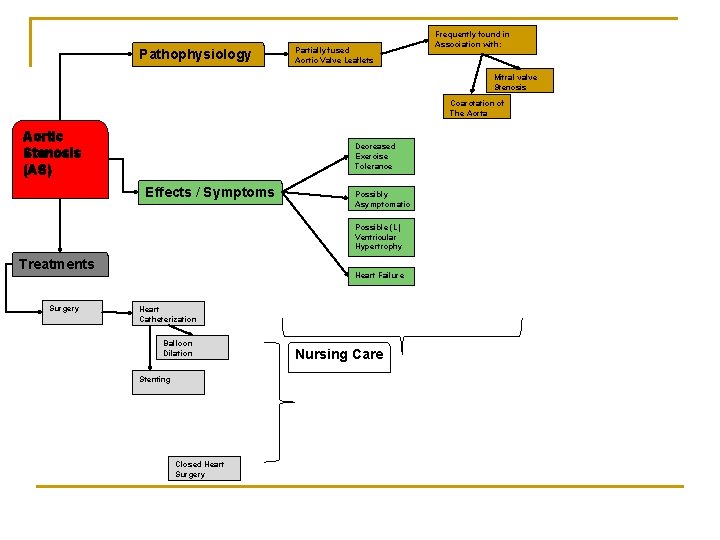
Pathophysiology Partially fused Aortic Valve Leaflets Frequently found in Association with: Mitral valve Stenosis Coarctation of The Aorta Aortic Stenosis (AS) Decreased Exercise Tolerance Effects / Symptoms Possibly Asymptomatic Possible (L) Ventricular Hypertrophy Treatments Surgery Heart Failure Heart Catheterization Balloon Dilation Stenting Closed Heart Surgery Nursing Care
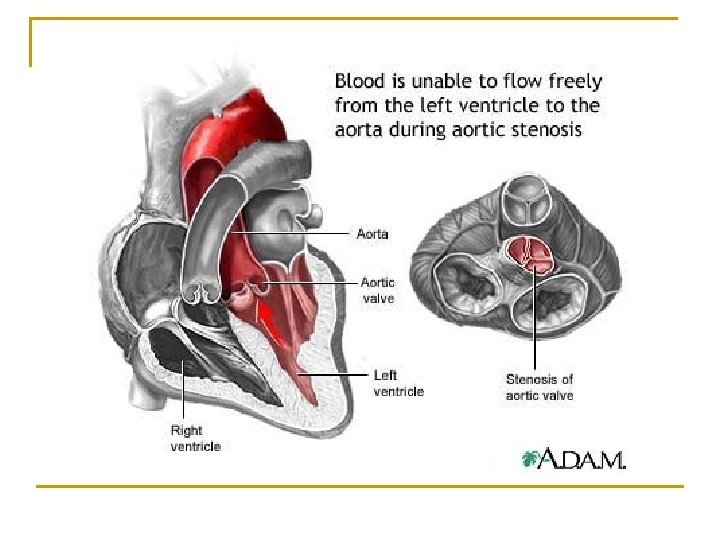
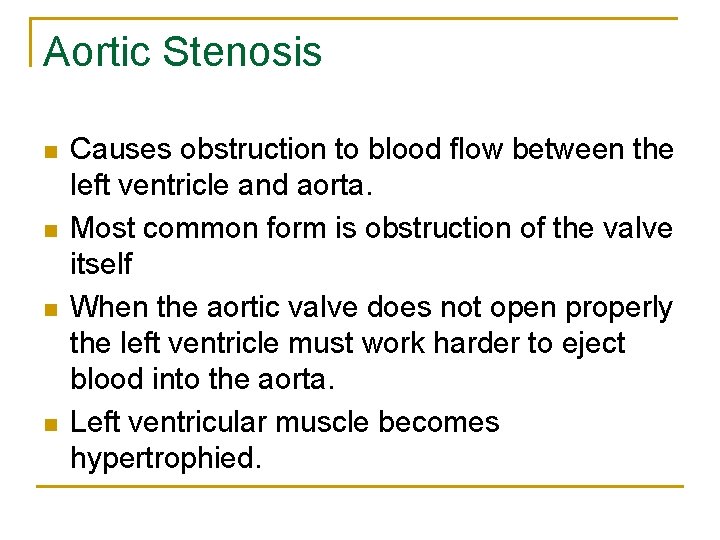
Aortic Stenosis n n Causes obstruction to blood flow between the left ventricle and aorta. Most common form is obstruction of the valve itself When the aortic valve does not open properly the left ventricle must work harder to eject blood into the aorta. Left ventricular muscle becomes hypertrophied.
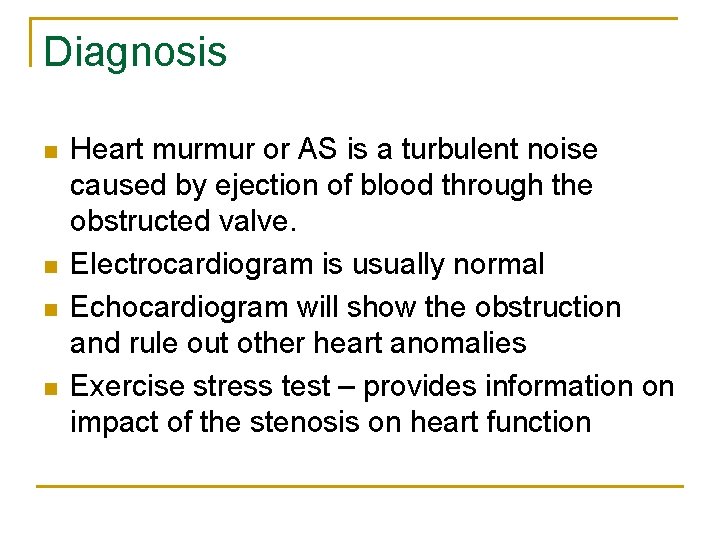
Diagnosis n n Heart murmur or AS is a turbulent noise caused by ejection of blood through the obstructed valve. Electrocardiogram is usually normal Echocardiogram will show the obstruction and rule out other heart anomalies Exercise stress test – provides information on impact of the stenosis on heart function
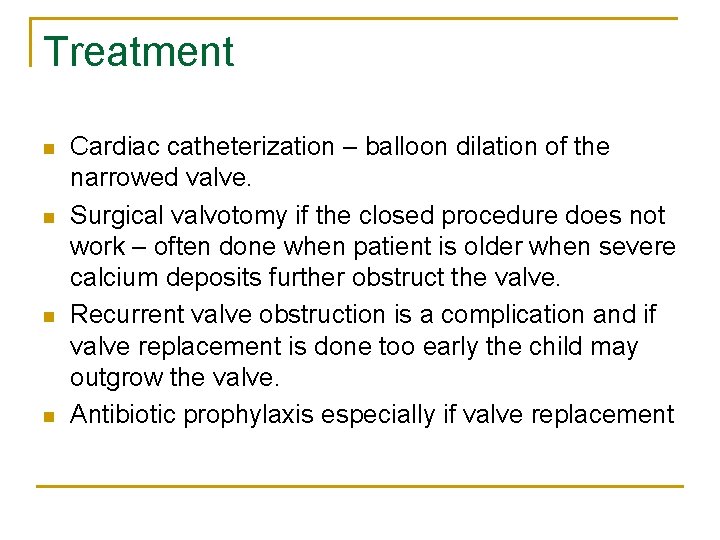
Treatment n n Cardiac catheterization – balloon dilation of the narrowed valve. Surgical valvotomy if the closed procedure does not work – often done when patient is older when severe calcium deposits further obstruct the valve. Recurrent valve obstruction is a complication and if valve replacement is done too early the child may outgrow the valve. Antibiotic prophylaxis especially if valve replacement
HLH
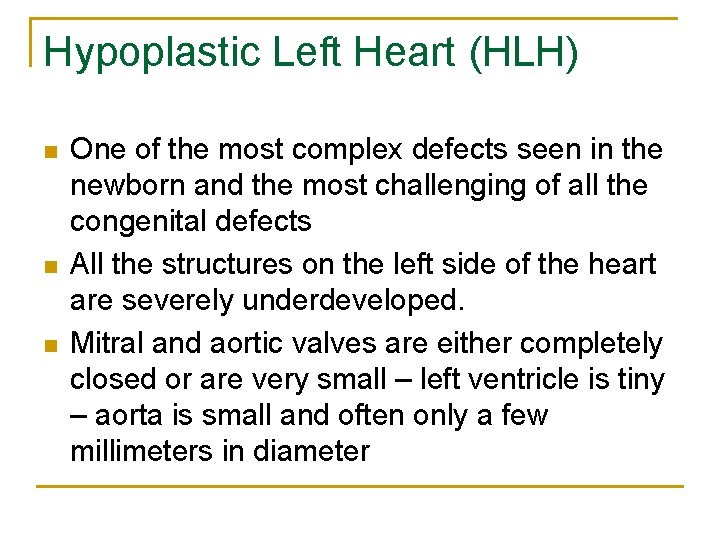
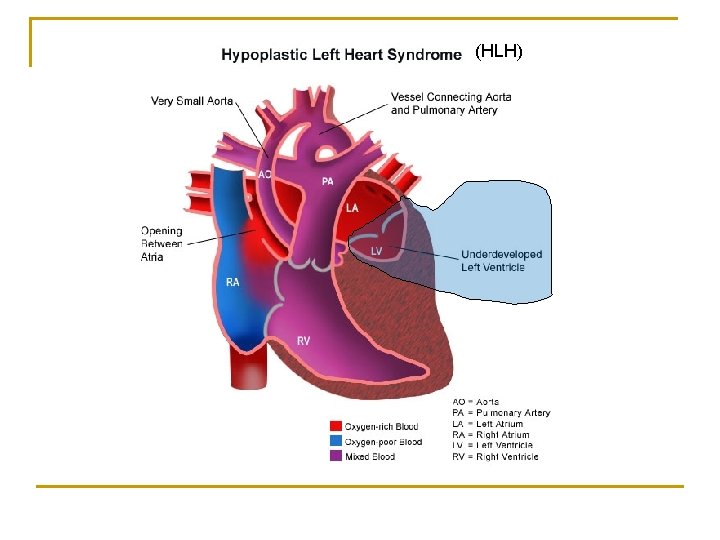
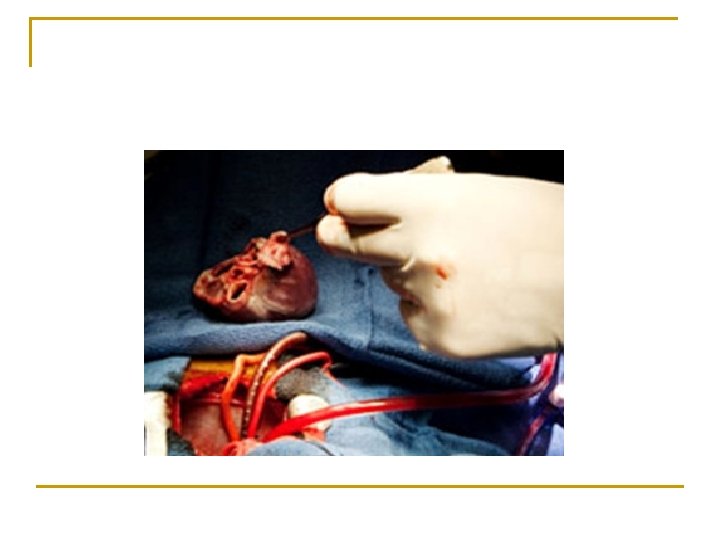
Hypoplastic Left Heart (HLH) n n n One of the most complex defects seen in the newborn and the most challenging of all the congenital defects All the structures on the left side of the heart are severely underdeveloped. Mitral and aortic valves are either completely closed or are very small – left ventricle is tiny – aorta is small and often only a few millimeters in diameter
(HLH)
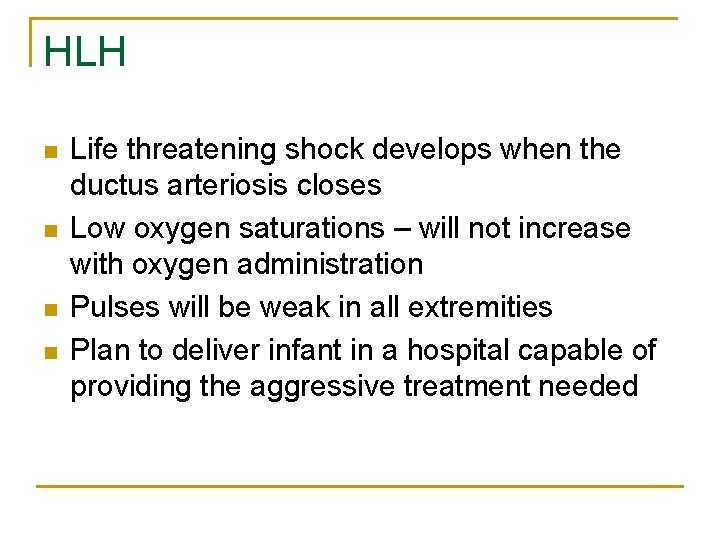
HLH n n Life threatening shock develops when the ductus arteriosis closes Low oxygen saturations – will not increase with oxygen administration Pulses will be weak in all extremities Plan to deliver infant in a hospital capable of providing the aggressive treatment needed
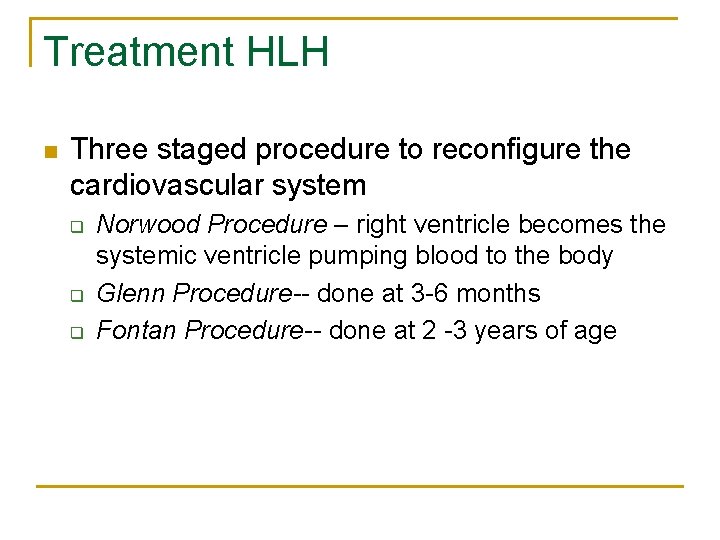
Treatment HLH n Three staged procedure to reconfigure the cardiovascular system q q q Norwood Procedure – right ventricle becomes the systemic ventricle pumping blood to the body Glenn Procedure-- done at 3 -6 months Fontan Procedure-- done at 2 -3 years of age
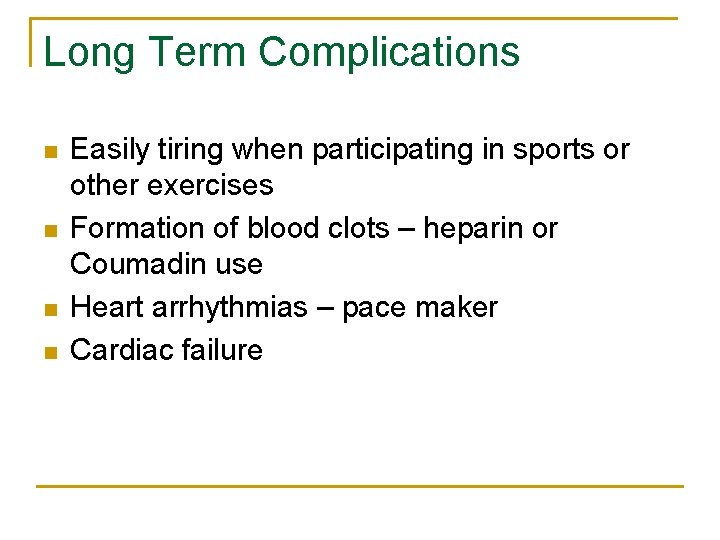
Long Term Complications n n Easily tiring when participating in sports or other exercises Formation of blood clots – heparin or Coumadin use Heart arrhythmias – pace maker Cardiac failure
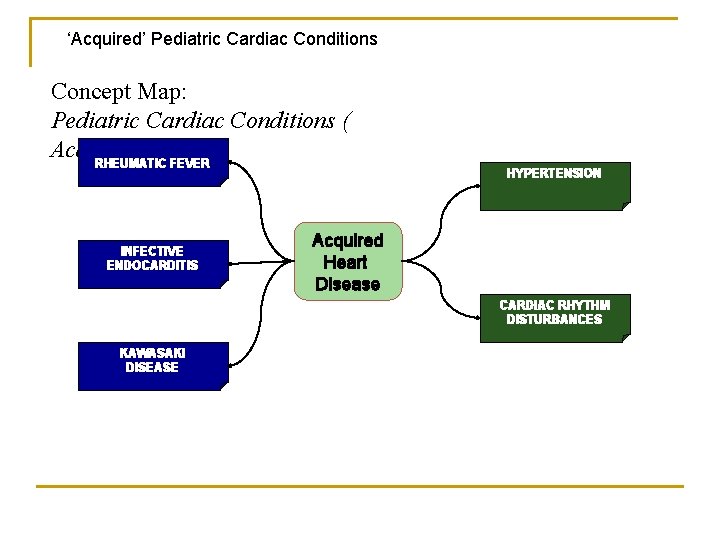
‘Acquired’ Pediatric Cardiac Conditions Concept Map: Pediatric Cardiac Conditions ( Acquired ) RHEUMATIC FEVER INFECTIVE ENDOCARDITIS HYPERTENSION Acquired Heart Disease CARDIAC RHYTHM DISTURBANCES KAWASAKI DISEASE
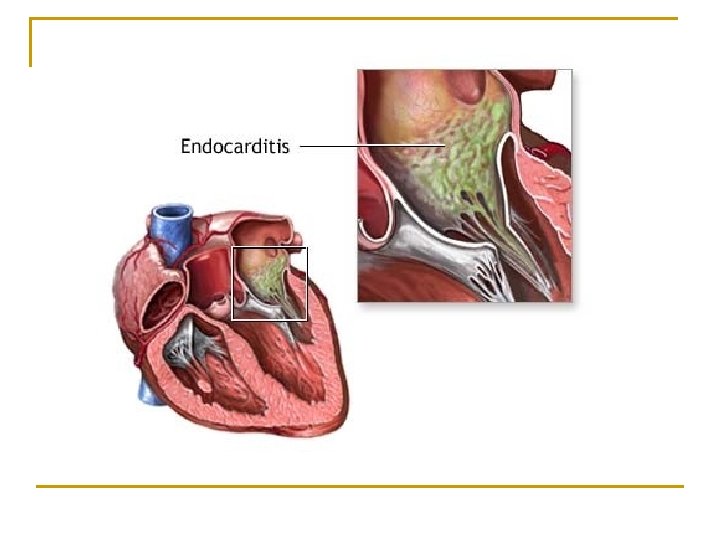
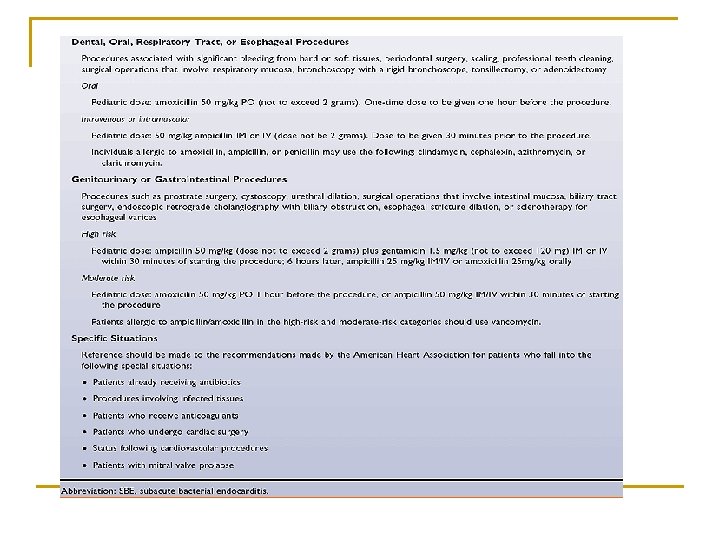
Frequent CHD Complication: Bacterial Endocarditis n n n Infection of endocardial surface of the heart History of CHD, Kawasaki Disease, Rheumatic Fever, or prosthetic valves are more susceptible to infection Prophylactic antibiotics with dental care, throat, intestinal, urinary or vaginal infections or surgery.
Rheumatic Fever an inflammatory disease that occurs as a reaction to Group A β-hemolytic streptococcus (GABHS) infection of the throat. ●● Assessment Risk Factors ◯◯ usually occurs within 2 to 6 weeks following an untreated or partially treated upper respiratory infection (strep throat) with GABHS. ●● Subjective and Objective Data ◯◯ History of recent upper respiratory infection ◯◯ Fever ◯◯ Fatigue ◯◯ Sore throat ●●
Rheumatic Fever… S/S Continued ◯◯ Activity intolerance ◯◯ Poor appetite ◯◯ Tachycardia, cardiomegaly, prolonged PR interval, new or changed heart murmur, muffled heart sounds, pericardial friction rub, and reports of chest pain, which may indicate carditis ◯◯ Nontender, subcutaneous nodules over bony prominence ◯◯ Large joints (knees, elbows, ankles, wrists, shoulders) that have painful swelling indicating polyarthritis ■■ Symptoms last a few days and then disappear without treatment, frequently returning in another joint.
Rheumatic Fever…… ◯◯ Pink, nonpruritic macular rash on the trunk and inner surfaces of extremities that appears and disappears rapidly, indicating erythema marginatum. ◯◯ CNS involvement (chorea) including involuntary, purposeless muscle movements; muscle weakness; involuntary facial movements; difficulty performing fine motor activities; labile emotions; and random, uncoordinated movements of the extremities ◯◯ Irritability, poor concentration, and behavioral problems
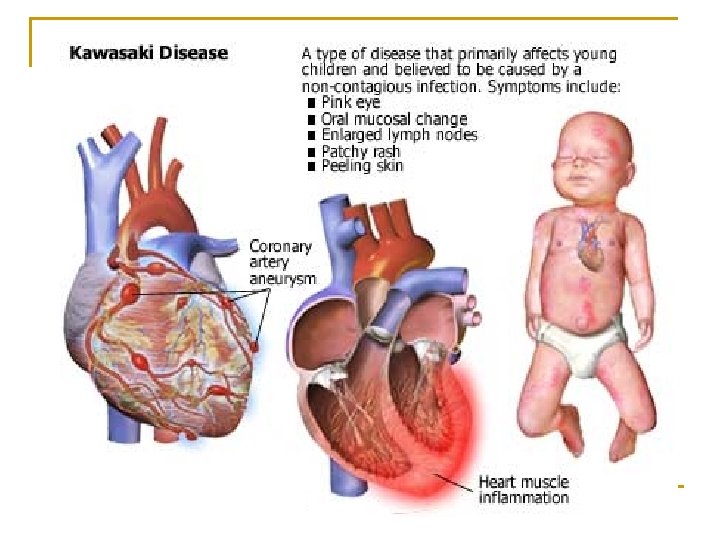
Kawasaki Disease n n Acute-self limiting disease Generalized vasculitis Peak incidence 6 months to 2 years More common in males and Japanese http: //www. aafp. org/afp/990600 ap/3093. html
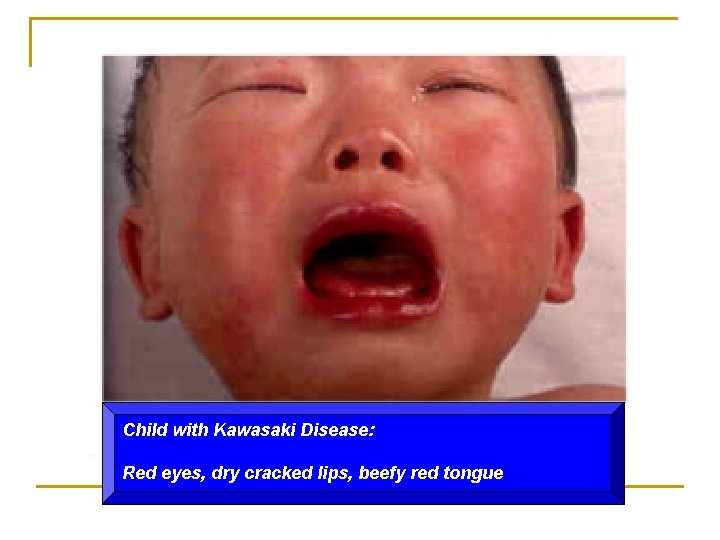
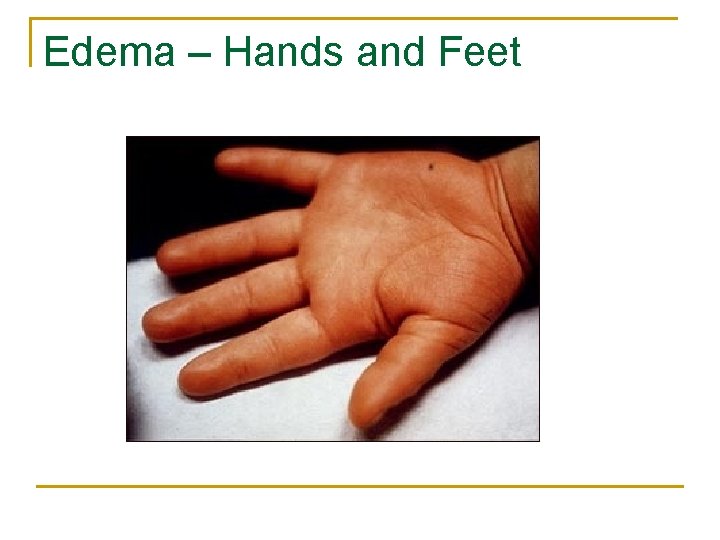
Clinical Manifestations n n n High fever Conjunctivitis – no drainage Strawberry tongue Edema of hands and feed Reddening of palms and soles Lymph node swelling
Child with Kawasaki Disease: Red eyes, dry cracked lips, beefy red tongue
Edema – Hands and Feet
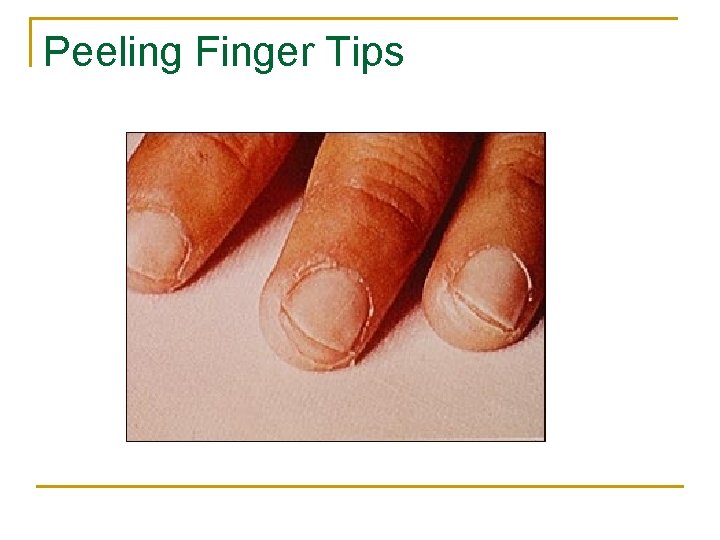
Peeling Finger Tips
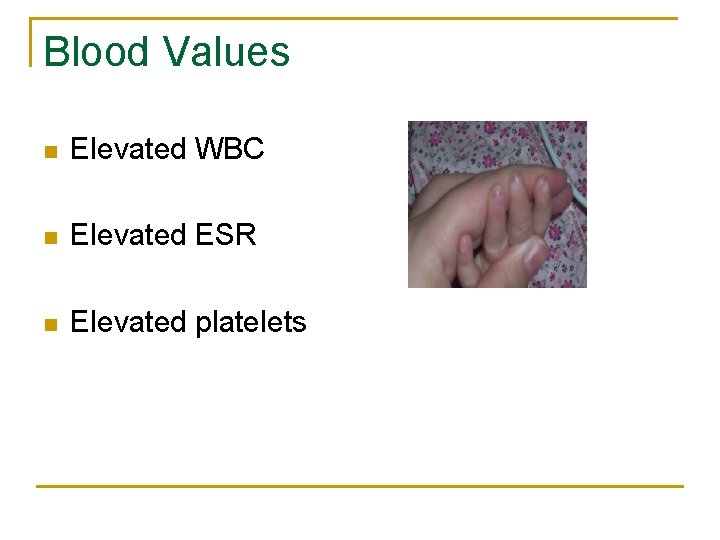
Blood Values n Elevated WBC n Elevated ESR n Elevated platelets
Interdisciplinary Interventions n n Intravenous gamma globulin High dose of ASA while in hospital Low dose ASA upon discharge Base-line echocardiogram to assess coronary artery status
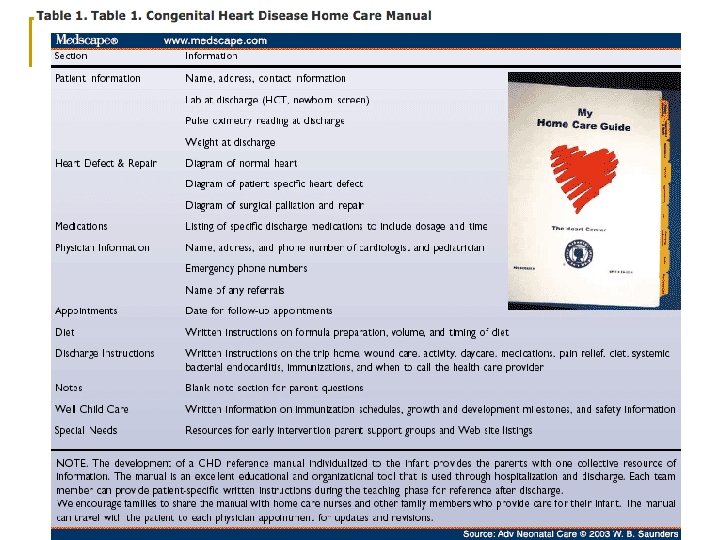
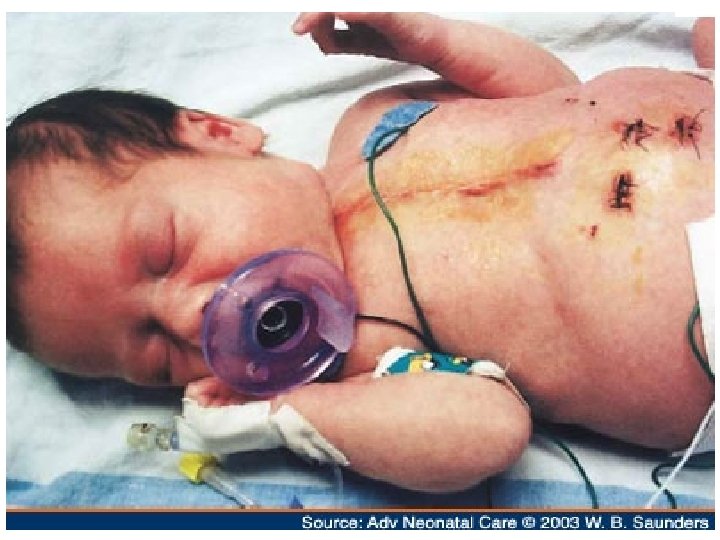
Pye, S. & Green, A. (2011) Parent Education After Newborn Congenital Heart Surgery. Retrieved from http: //www. medscape. com/viewarticle/4582 06
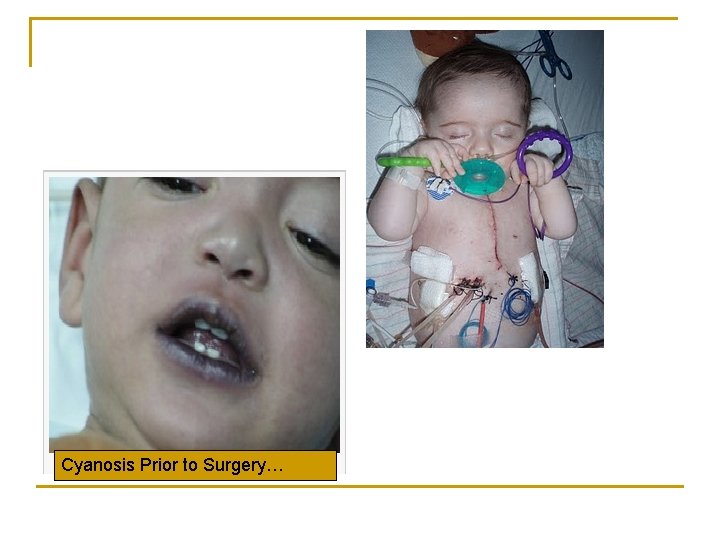
Cyanosis Prior to Surgery…
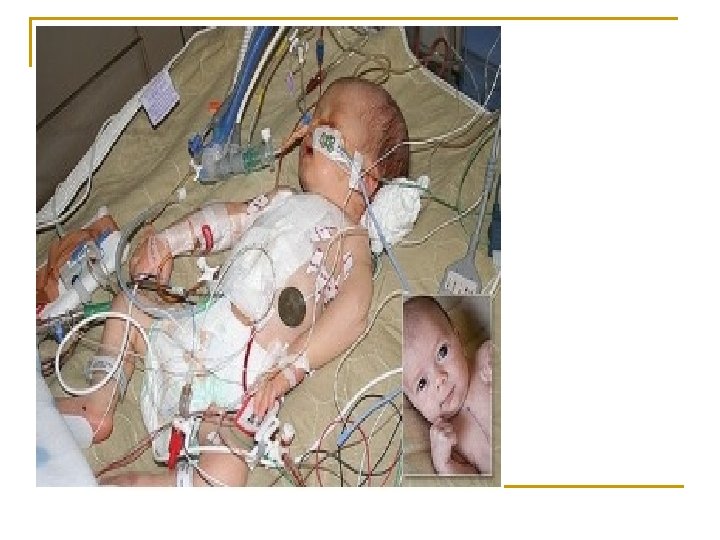
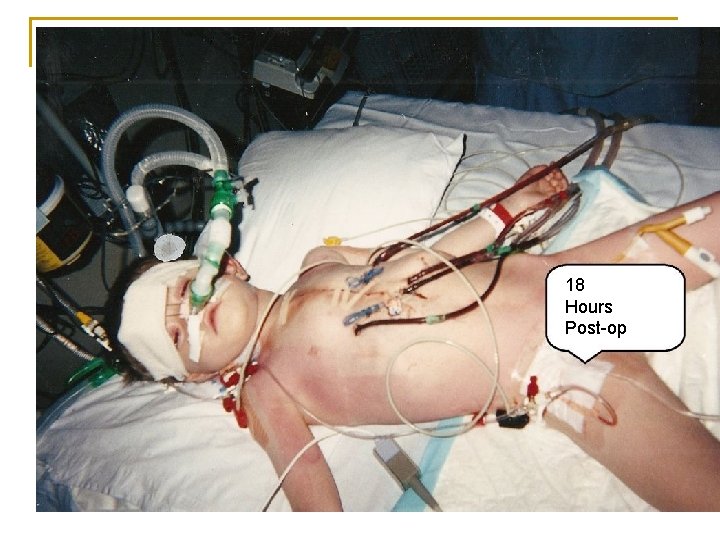
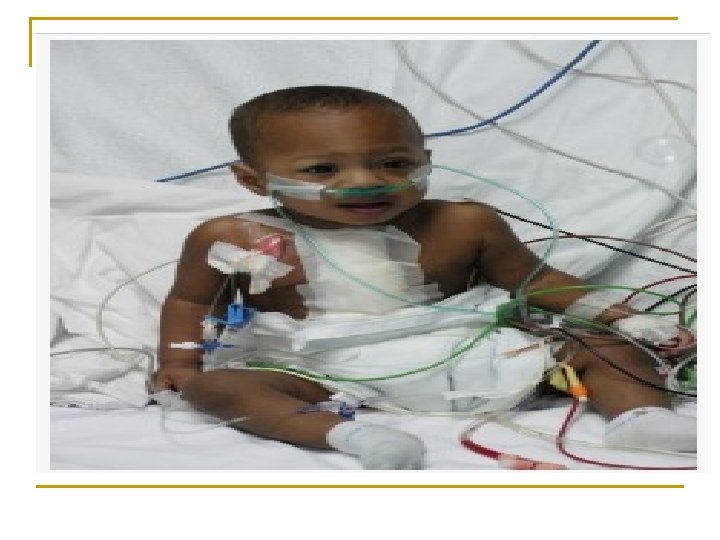
18 Hours Post-op
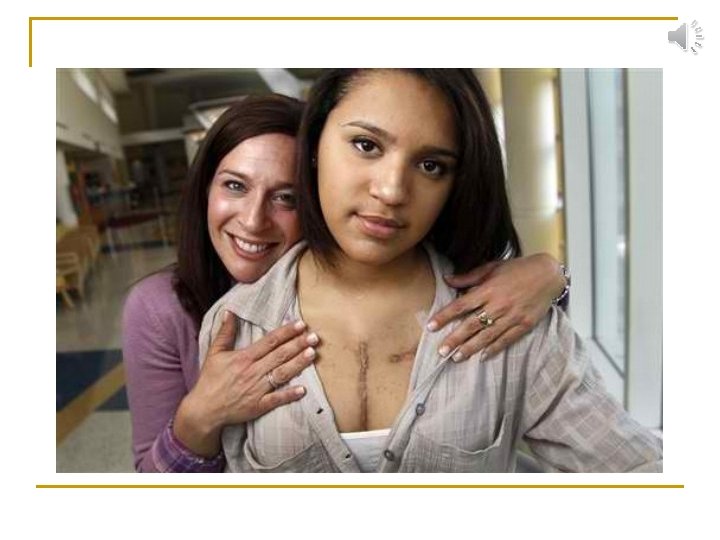
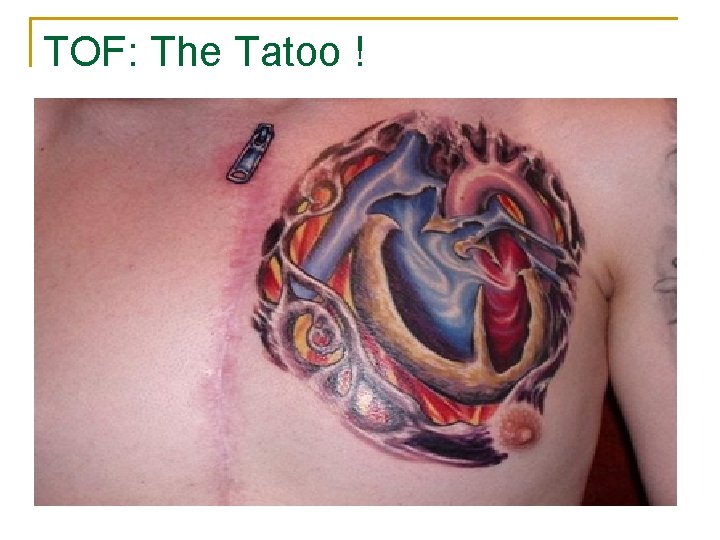
TOF: The Tatoo !
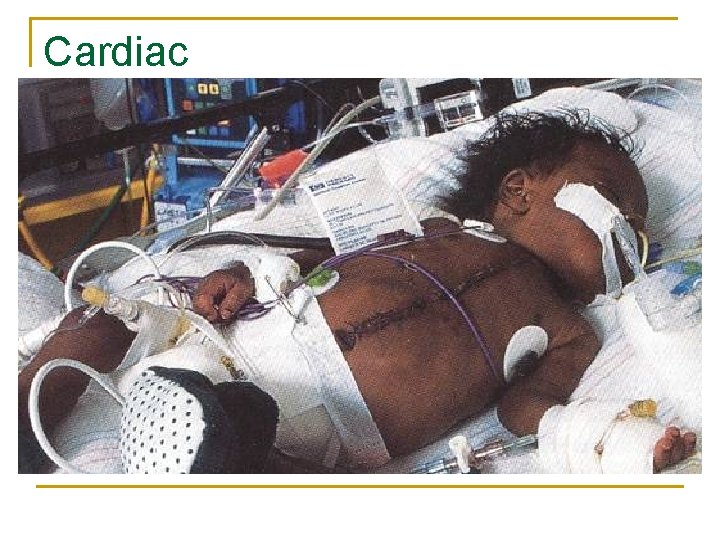
Cardiac
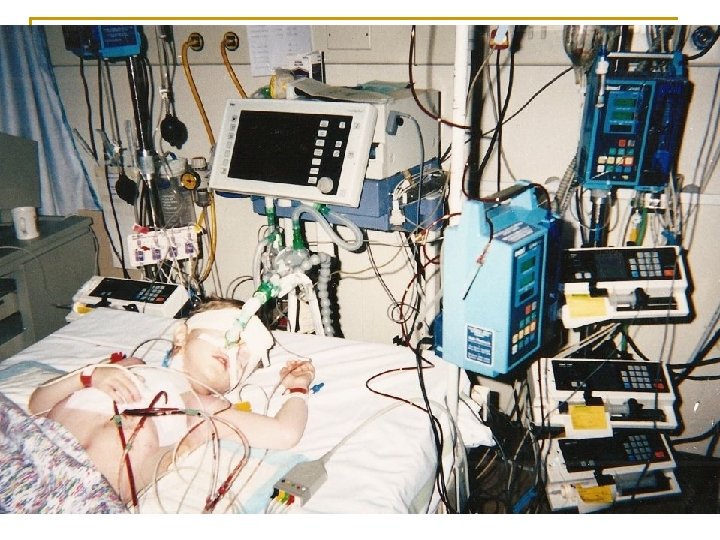
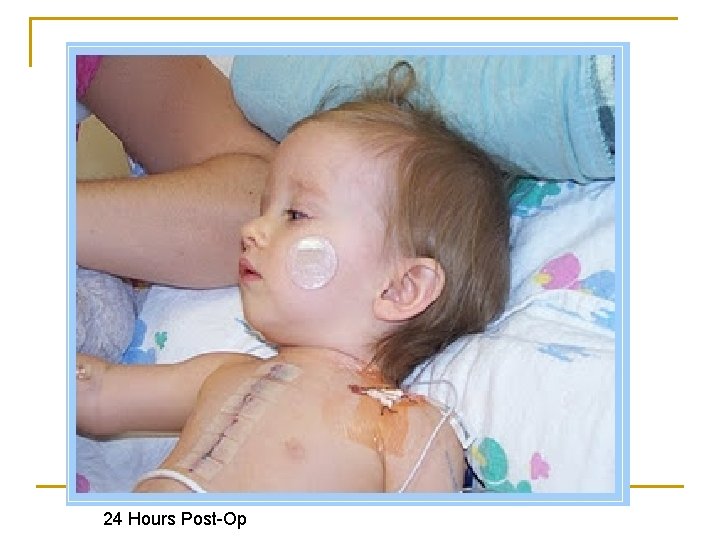
24 Hours Post-Op
http: //www. youtube. com/watch? v=KFf. CKy 0 n. Kr 0