
The Path of Air The Lungs main organs
- Slides: 10
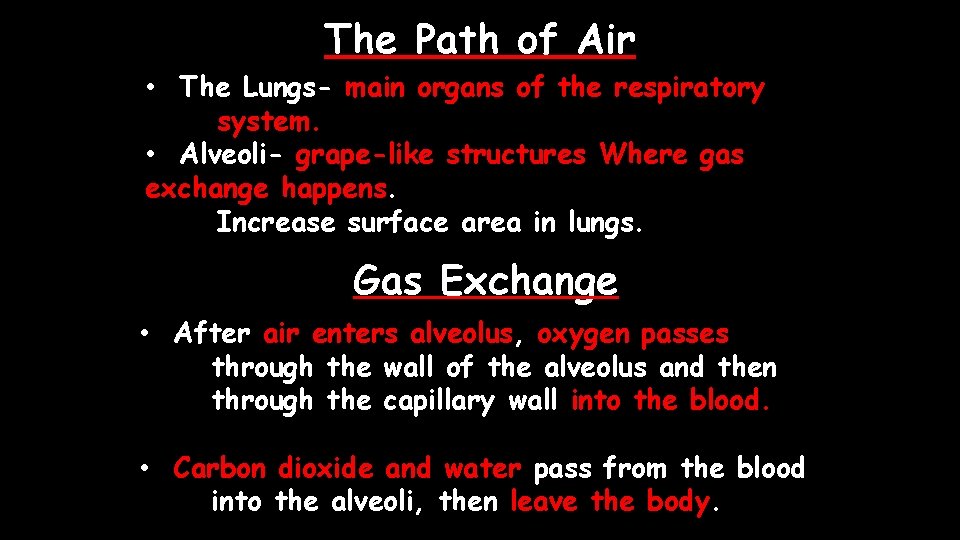
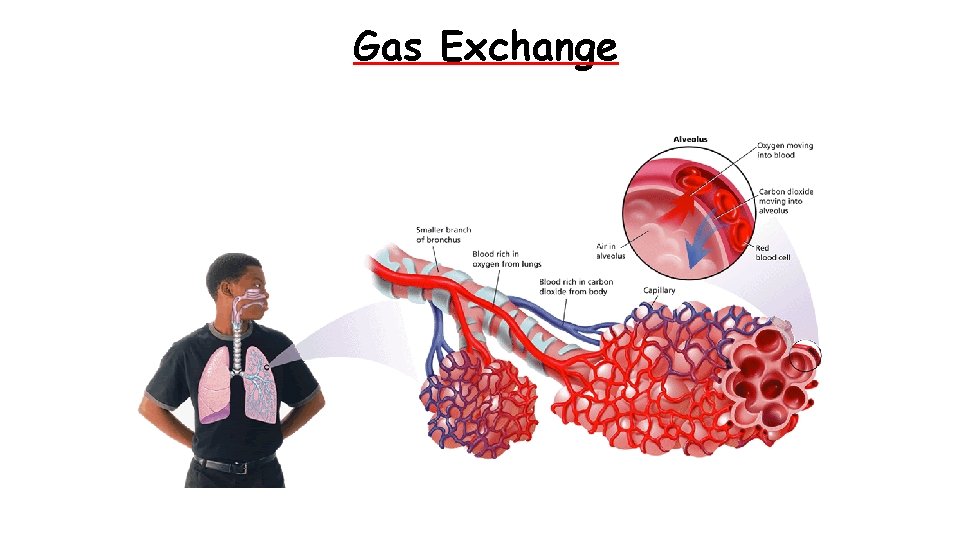
The Path of Air • The Lungs- main organs of the respiratory system. • Alveoli- grape-like structures Where gas exchange happens. Increase surface area in lungs. Gas Exchange • After air enters alveolus, oxygen passes through the wall of the alveolus and then through the capillary wall into the blood. • Carbon dioxide and water pass from the blood into the alveoli, then leave the body.
- The Respiratory System Gas Exchange
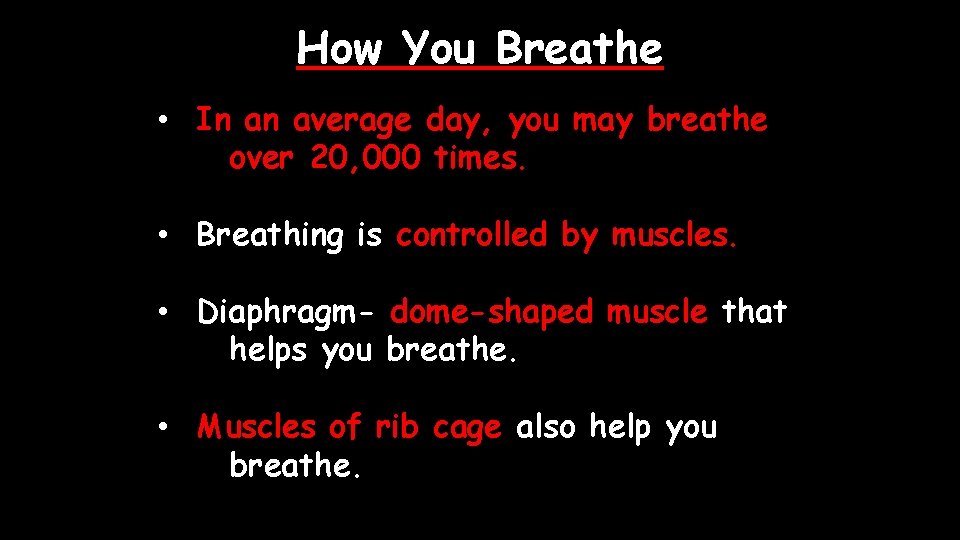
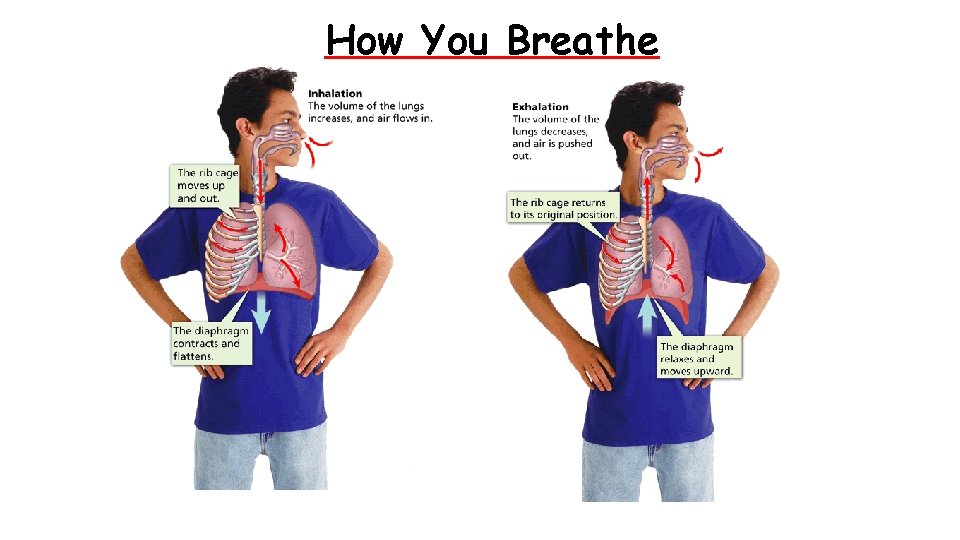
How You Breathe • In an average day, you may breathe over 20, 000 times. • Breathing is controlled by muscles. • Diaphragm- dome-shaped muscle that helps you breathe. • Muscles of rib cage also help you breathe.
- The Respiratory System How You Breathe
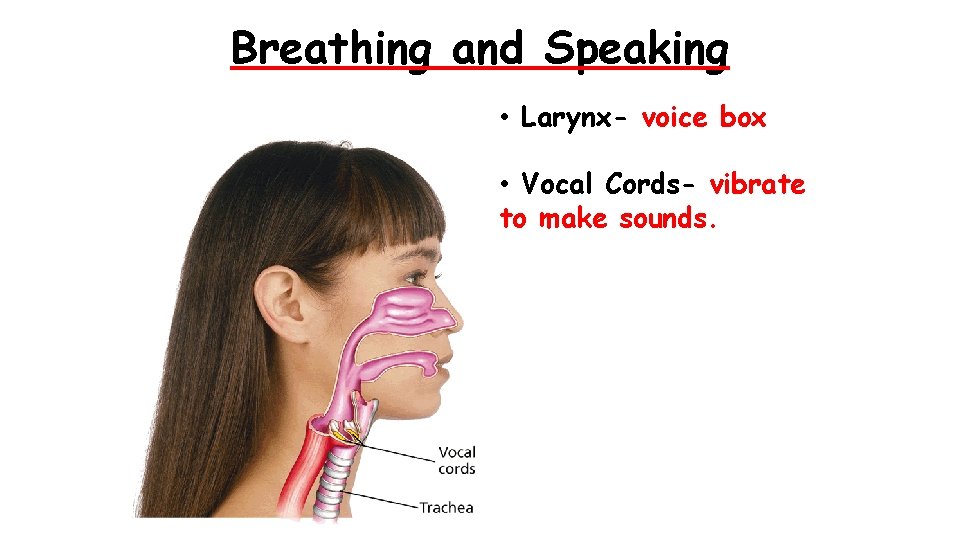
Breathing and Speaking • Larynx- voice box • Vocal Cords- vibrate to make sounds.
Chemicals in Tobacco Smoke • Tar- dark, sticky substance (forms when tobacco burns). - Sticks to cilia and causes them not to function, also causes cancer • Carbon Monoxide- released when tobacco burns. - Clings to hemoglobin and reduces oxygen delivered to cells - Smokers have higher respiration rates to get oxygen required by body
Chemicals in Tobacco Smoke • Nicotine- found in tobacco - stimulant that speeds up nervous system and heart rate • Smokers get addicted to nicotine
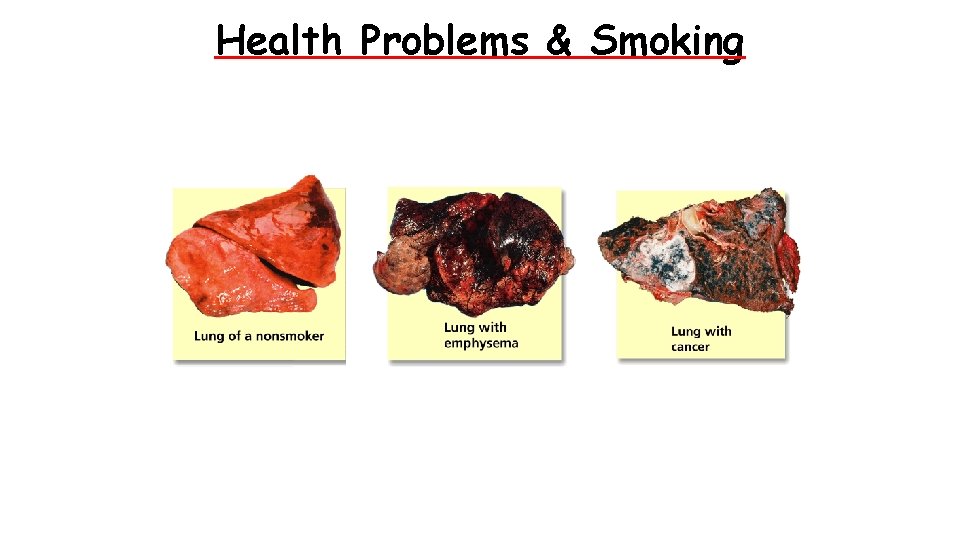
Health Problems & Smoking • Smokers are at high risk of chronic bronchitis, emphysema, lung cancer, and atherosclerosis • Bronchitis- inflammation of bronchioles, makes breathing difficult • Emphysema- destroys lung tissue and makes breathing difficult, not enough oxygen delivered to cells, sufferers are short of breath
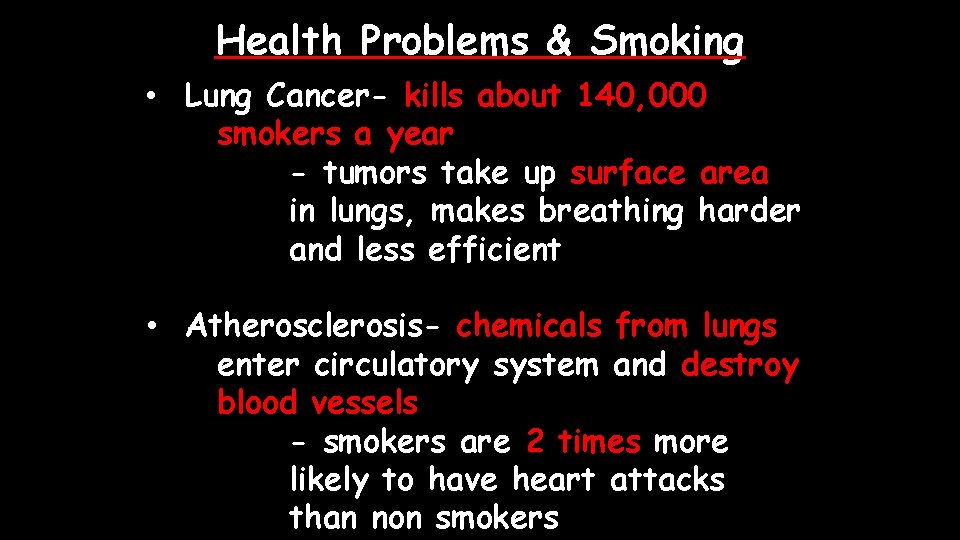
Health Problems & Smoking • Lung Cancer- kills about 140, 000 smokers a year - tumors take up surface area in lungs, makes breathing harder and less efficient • Atherosclerosis- chemicals from lungs enter circulatory system and destroy blood vessels - smokers are 2 times more likely to have heart attacks than non smokers
- Smoking and Your Health Problems & Smoking