
The Origins of Humans Hominid Development Scientists to


- Slides: 42
The Origins of Humans Hominid Development
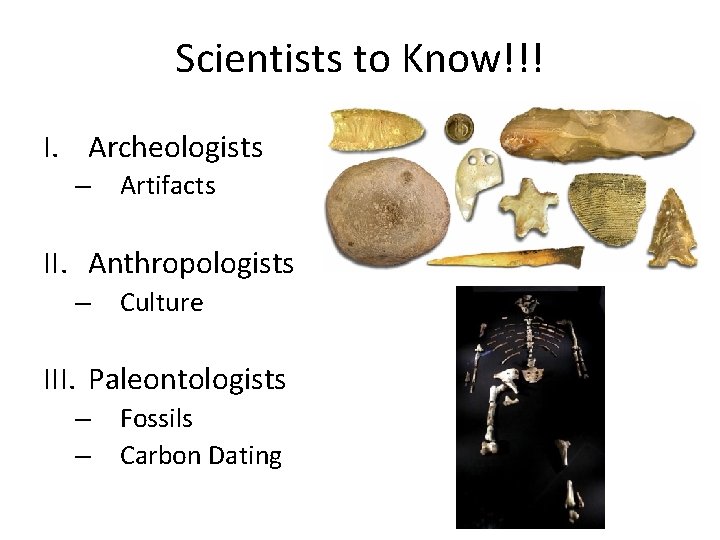
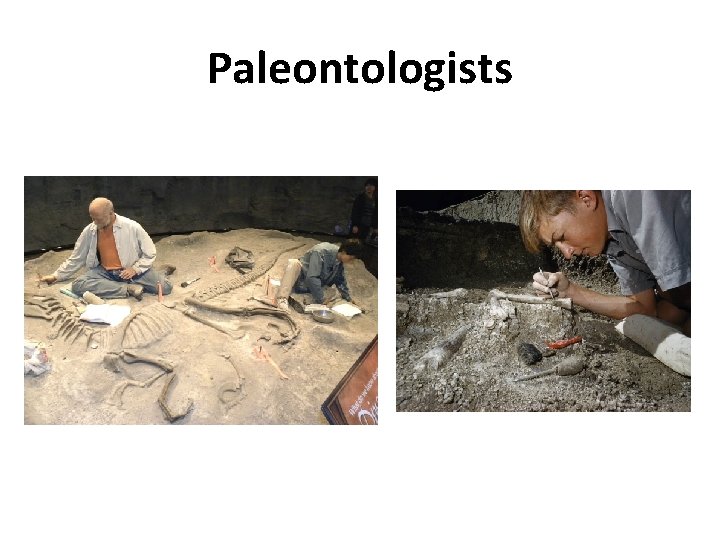
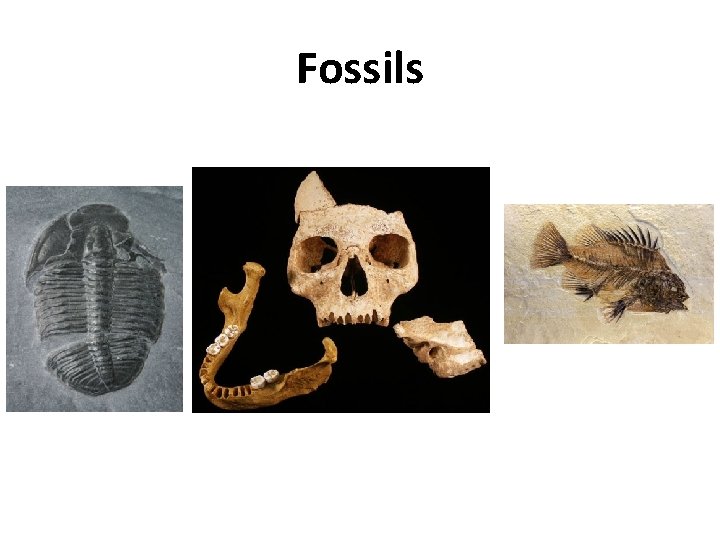
Scientists to Know!!! I. Archeologists – Artifacts II. Anthropologists – Culture III. Paleontologists – – Fossils Carbon Dating
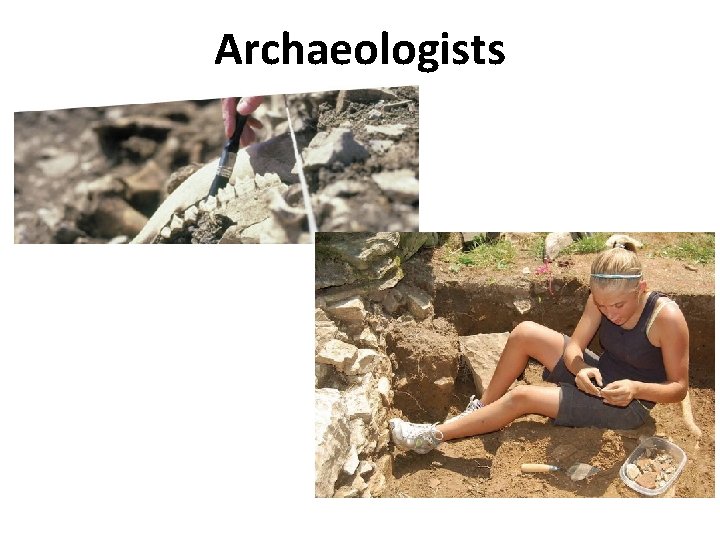
Archaeologists
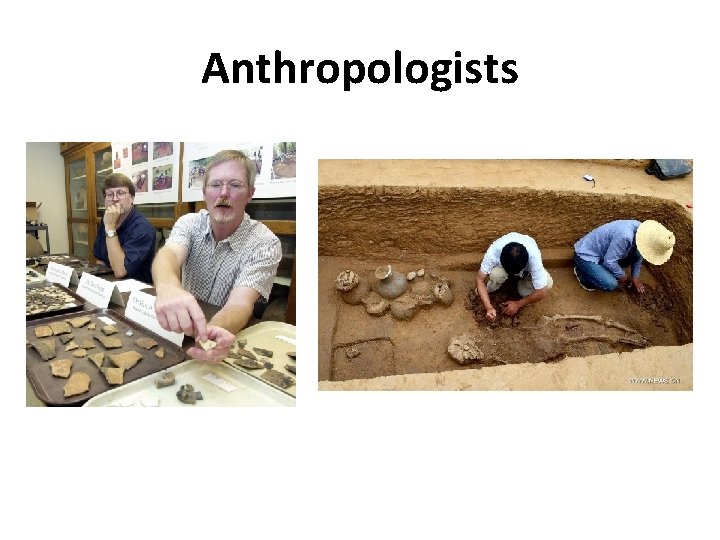
Anthropologists
Culture
Paleontologists
Fossils
Discussion Question • How do these scientists work together to help us understand more about early humans?
Prehistory I. What is Prehistory? ? ? II. Two Ages A. Paleolithic Age (2. 5 million to 10, 000 BCE) 1. Hominids B. Neolithic Age (8000 to 3000 BCE) 1. Agriculture
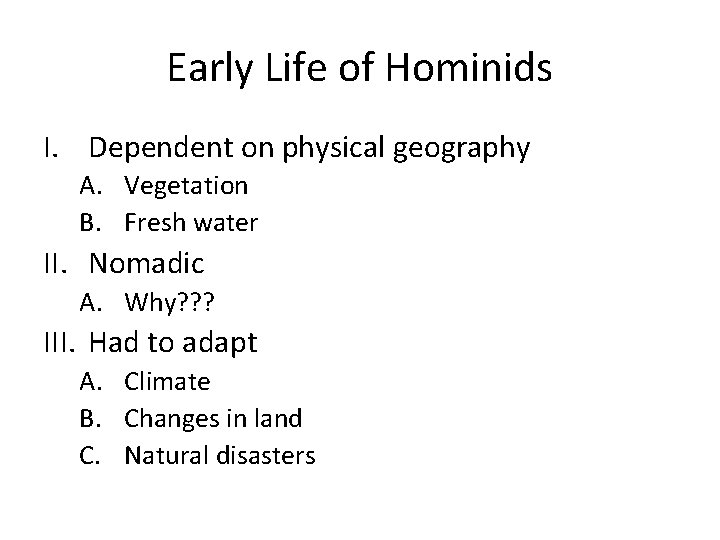
Early Life of Hominids I. Dependent on physical geography A. Vegetation B. Fresh water II. Nomadic A. Why? ? ? III. Had to adapt A. Climate B. Changes in land C. Natural disasters
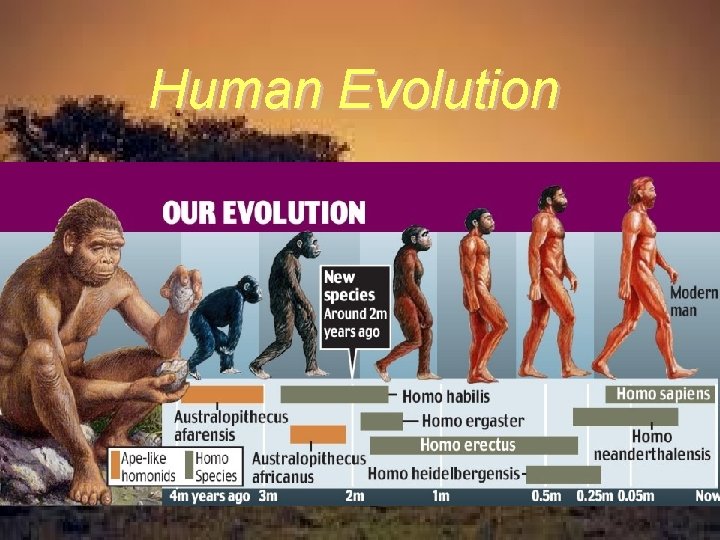
Human Evolution
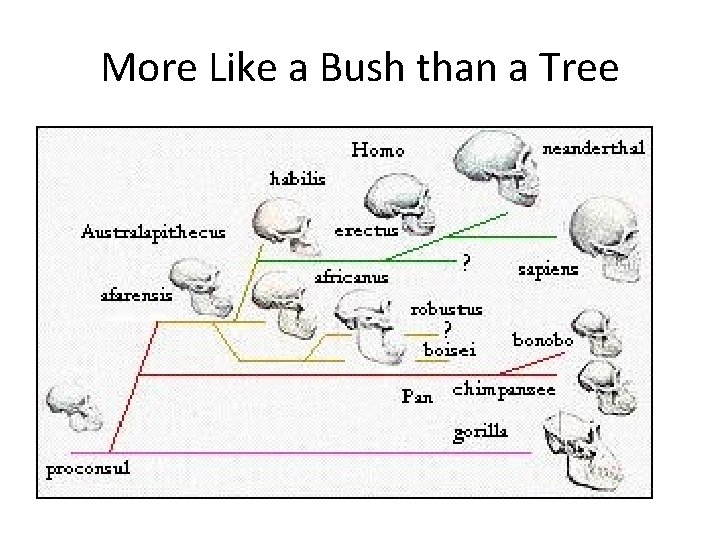
More Like a Bush than a Tree
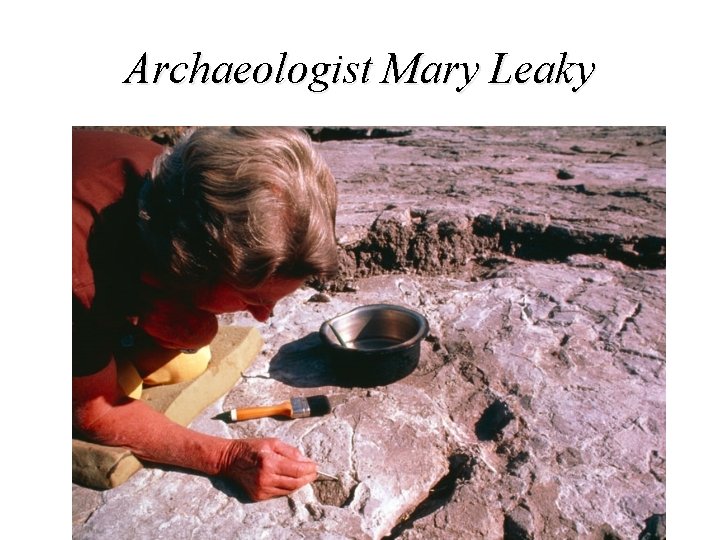
Archaeologist Mary Leaky
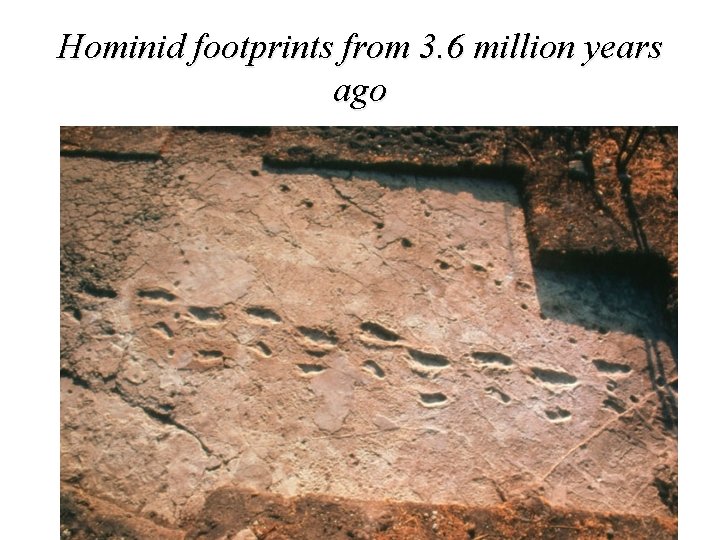
Hominid footprints from 3. 6 million years ago
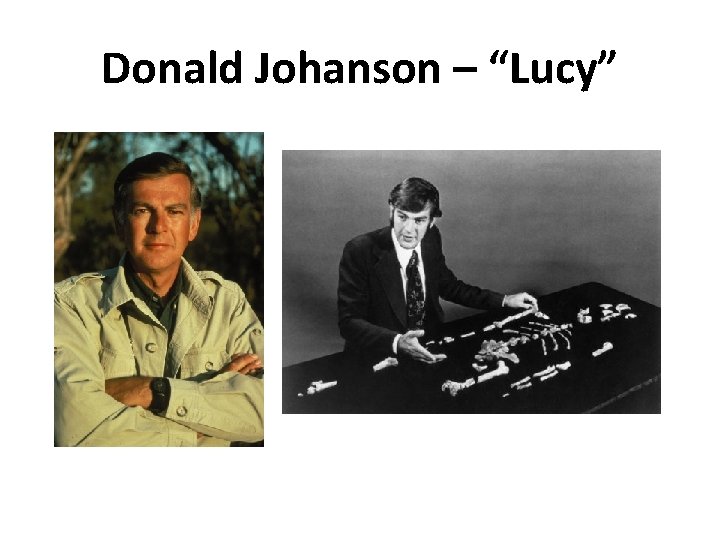
Donald Johanson – “Lucy”
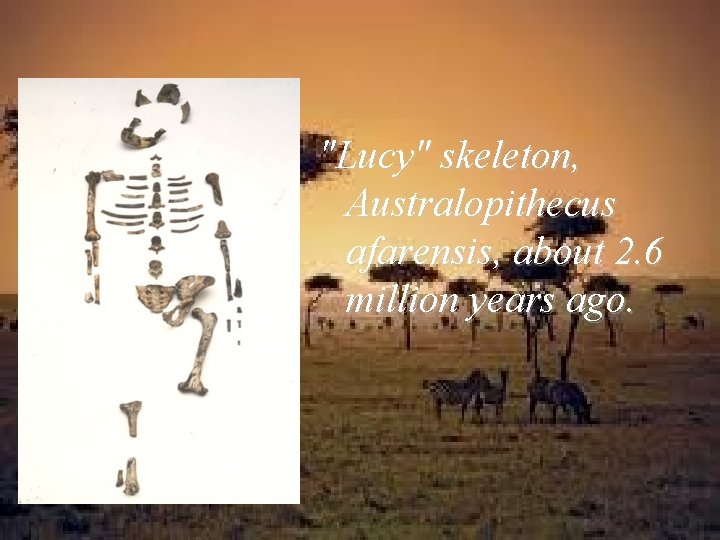
"Lucy" skeleton, Australopithecus afarensis, about 2. 6 million years ago.
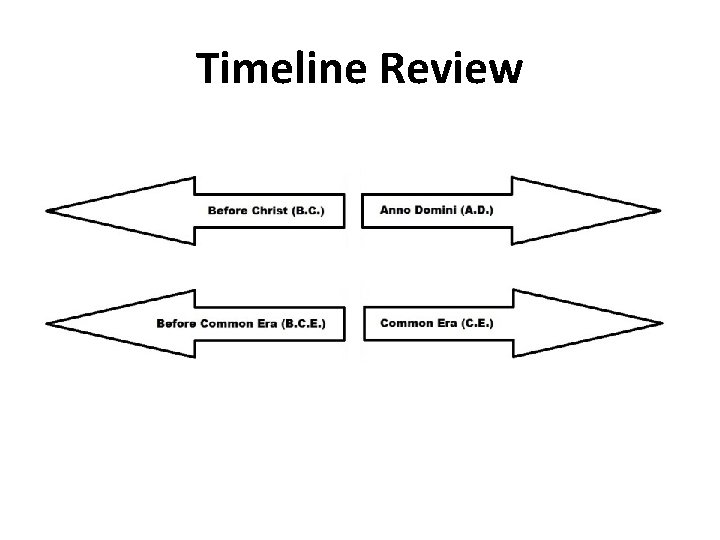
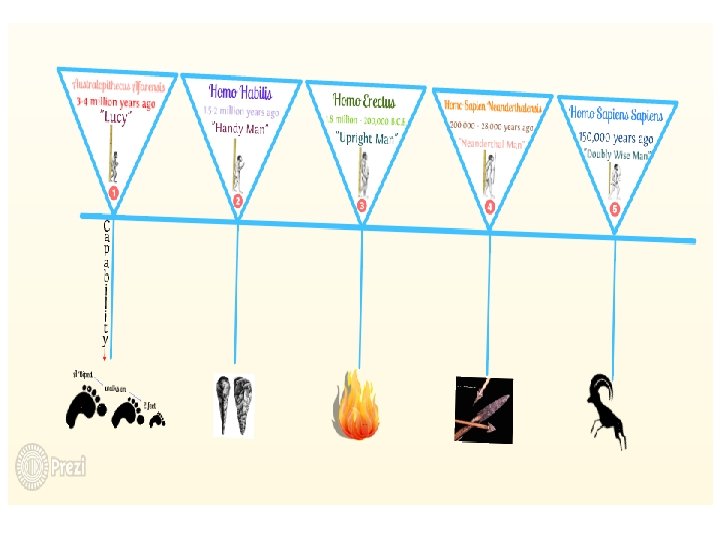
Timeline Review
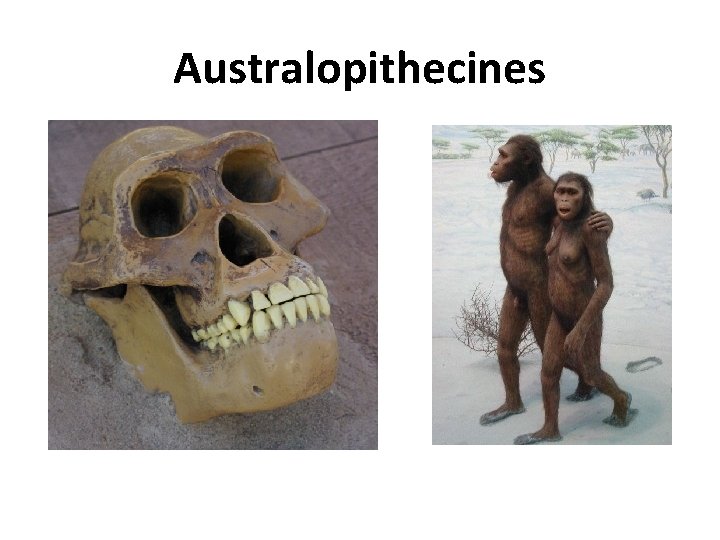
Australopithecines
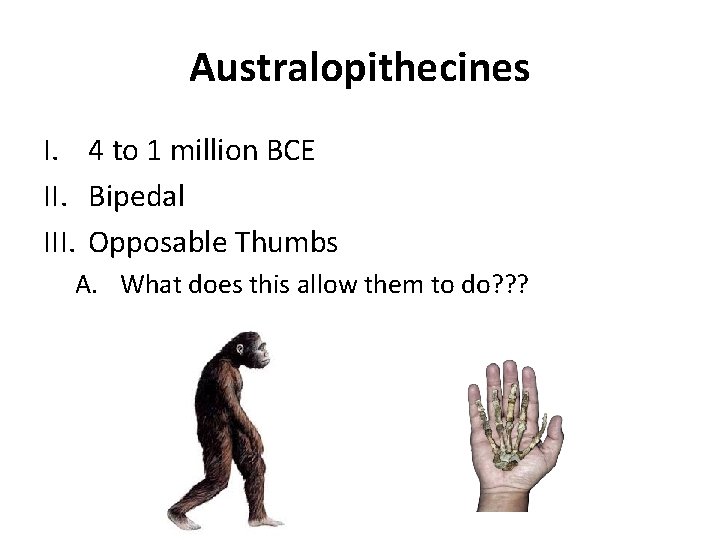
Australopithecines I. 4 to 1 million BCE II. Bipedal III. Opposable Thumbs A. What does this allow them to do? ? ?
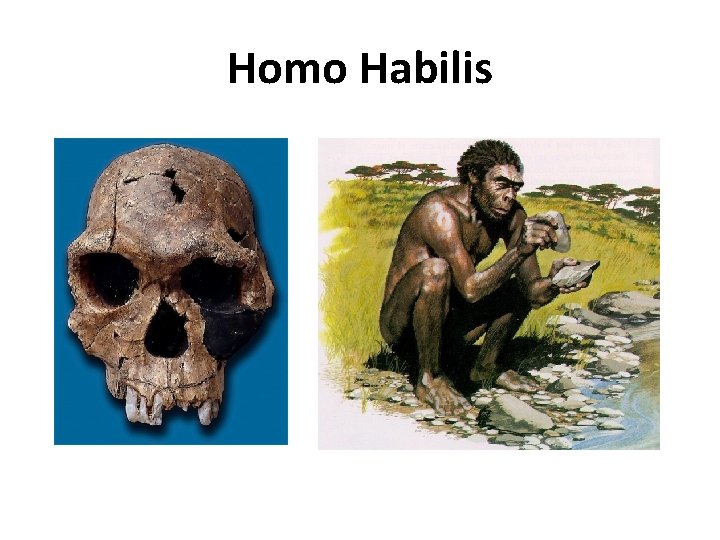
Homo Habilis
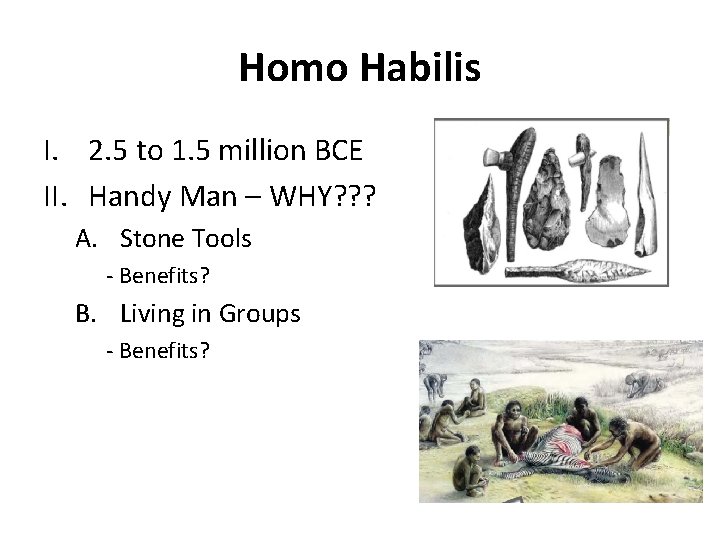
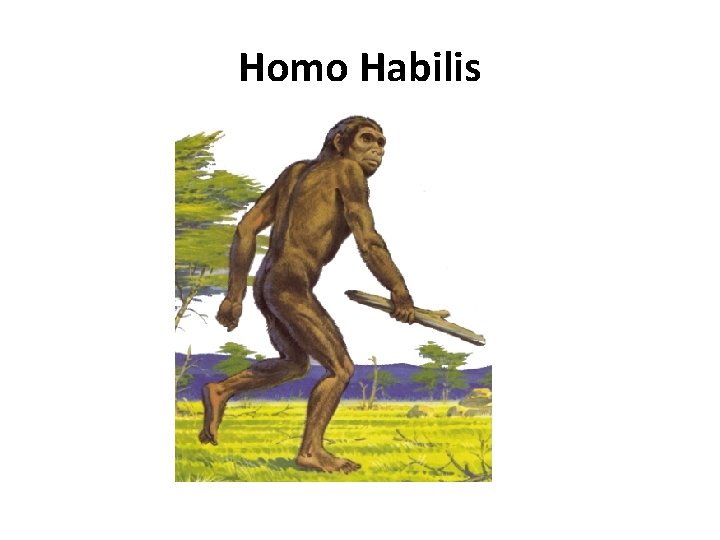
Homo Habilis I. 2. 5 to 1. 5 million BCE II. Handy Man – WHY? ? ? A. Stone Tools - Benefits? B. Living in Groups - Benefits?
Homo Habilis
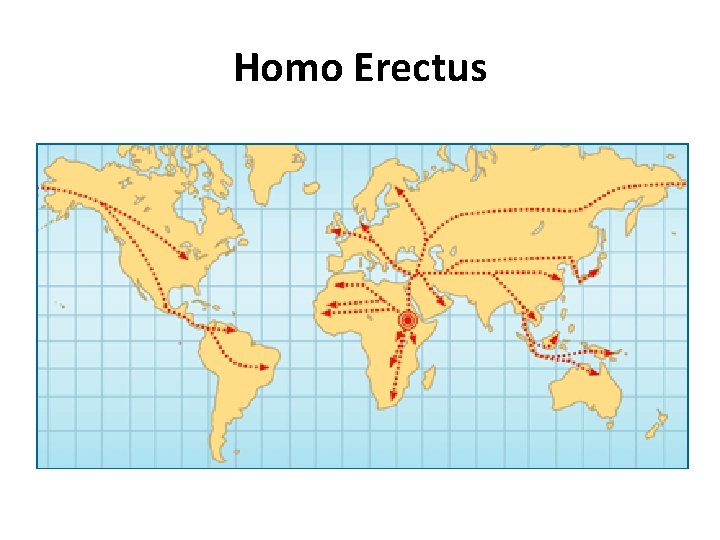
Homo Erectus
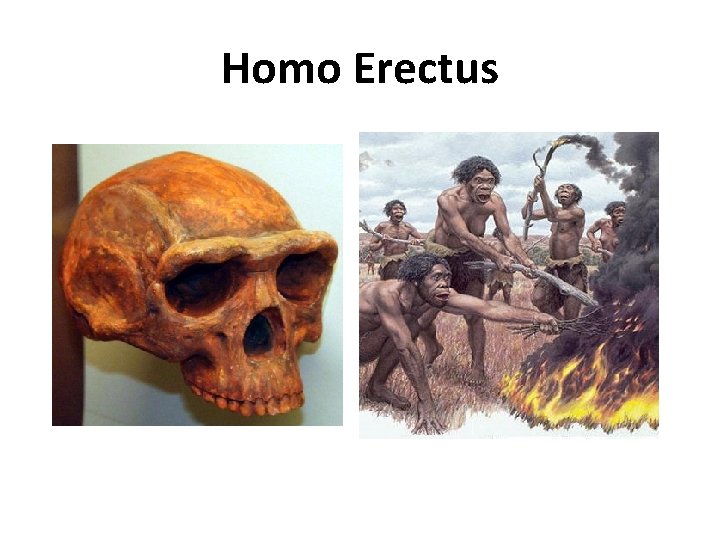
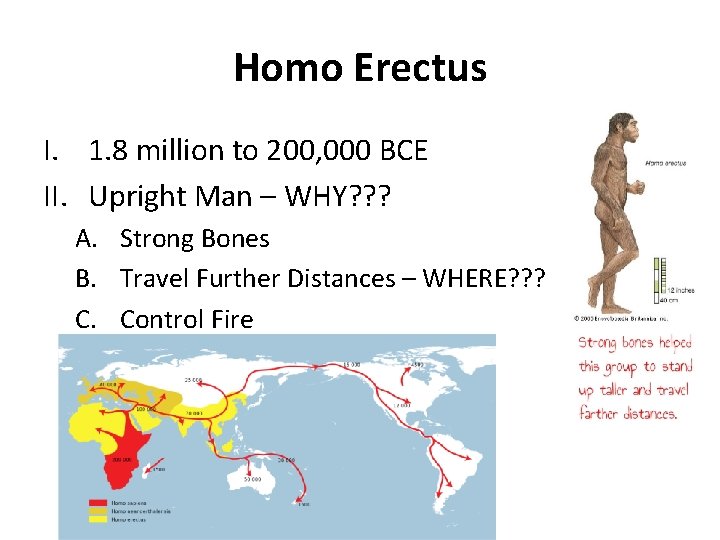
Homo Erectus I. 1. 8 million to 200, 000 BCE II. Upright Man – WHY? ? ? A. Strong Bones B. Travel Further Distances – WHERE? ? ? C. Control Fire
Homo Erectus
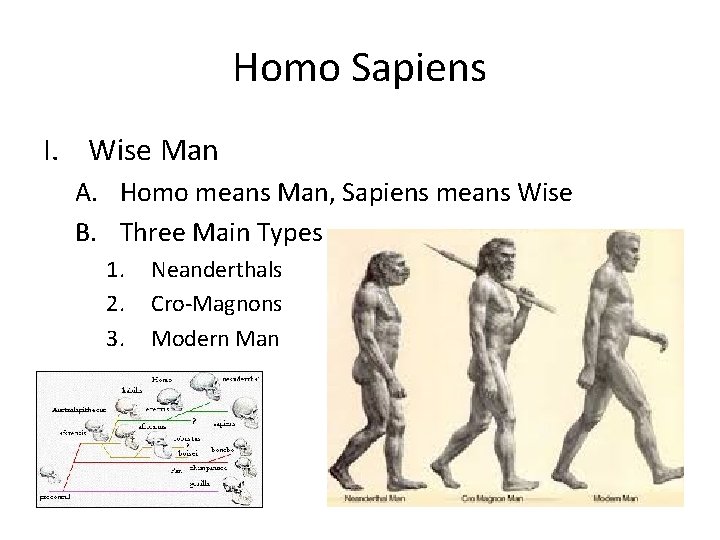
Homo Sapiens I. Wise Man A. Homo means Man, Sapiens means Wise B. Three Main Types 1. 2. 3. Neanderthals Cro-Magnons Modern Man
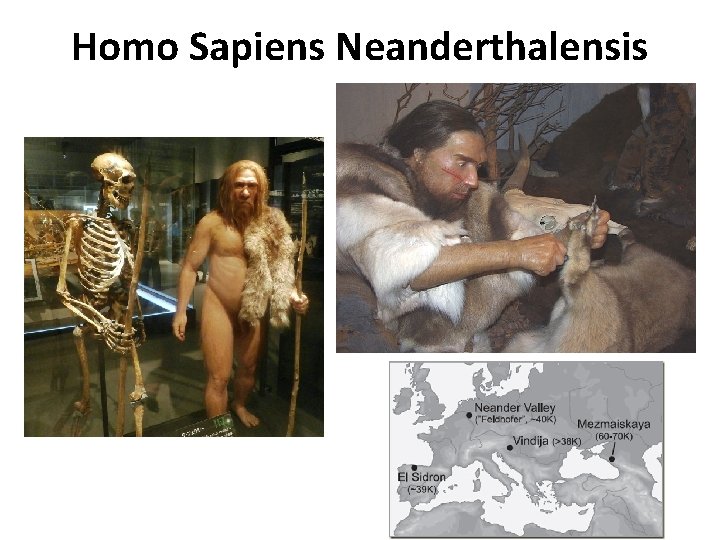
Homo Sapiens Neanderthalensis
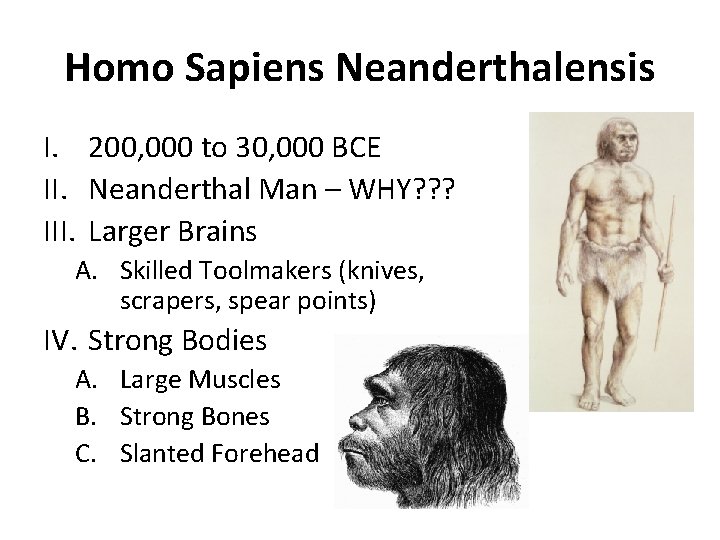
Homo Sapiens Neanderthalensis I. 200, 000 to 30, 000 BCE II. Neanderthal Man – WHY? ? ? III. Larger Brains A. Skilled Toolmakers (knives, scrapers, spear points) IV. Strong Bodies A. Large Muscles B. Strong Bones C. Slanted Forehead
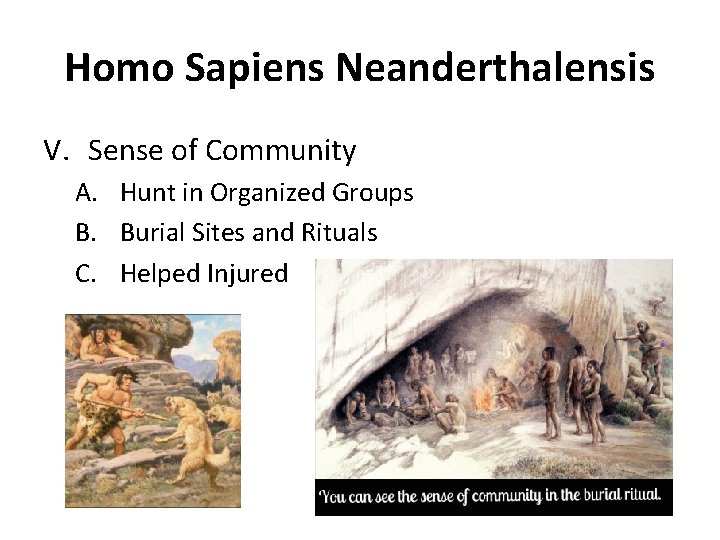
Homo Sapiens Neanderthalensis V. Sense of Community A. Hunt in Organized Groups B. Burial Sites and Rituals C. Helped Injured
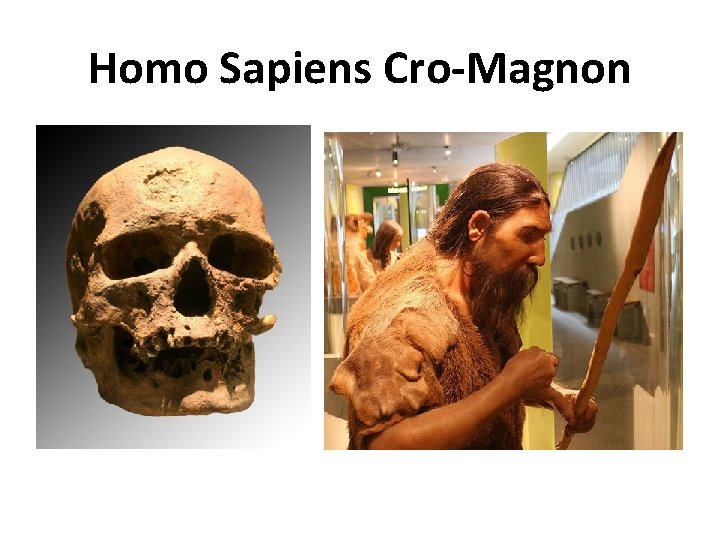
Homo Sapiens Cro-Magnon
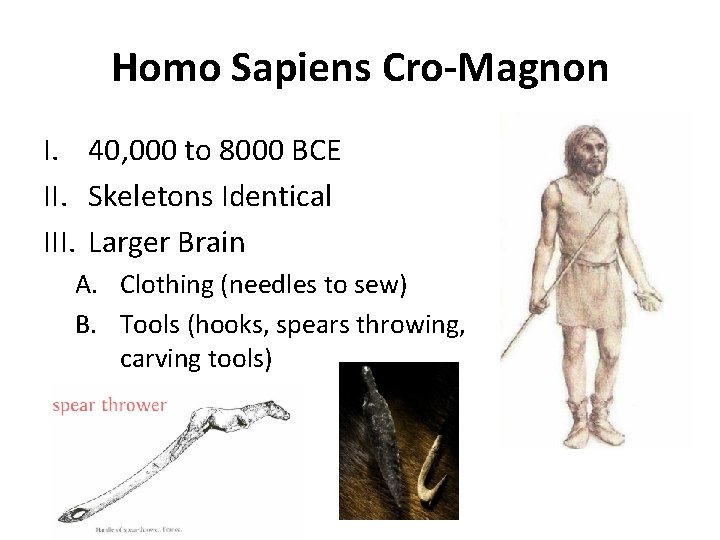
Homo Sapiens Cro-Magnon I. 40, 000 to 8000 BCE II. Skeletons Identical III. Larger Brain A. Clothing (needles to sew) B. Tools (hooks, spears throwing, carving tools)
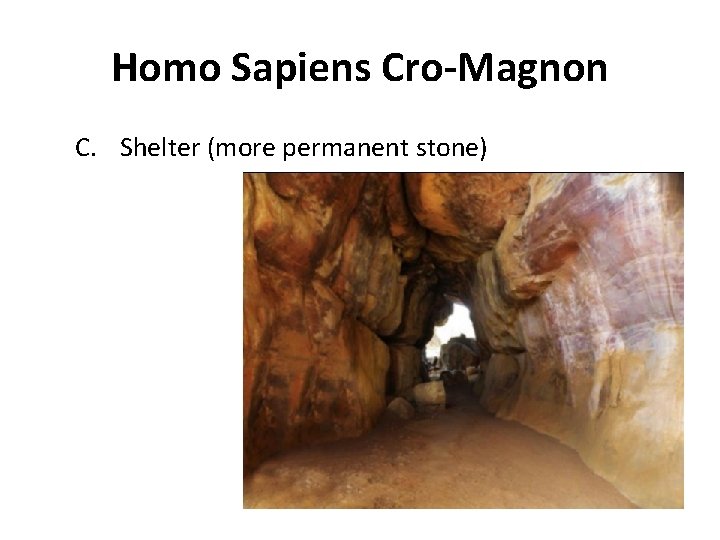
Homo Sapiens Cro-Magnon C. Shelter (more permanent stone)
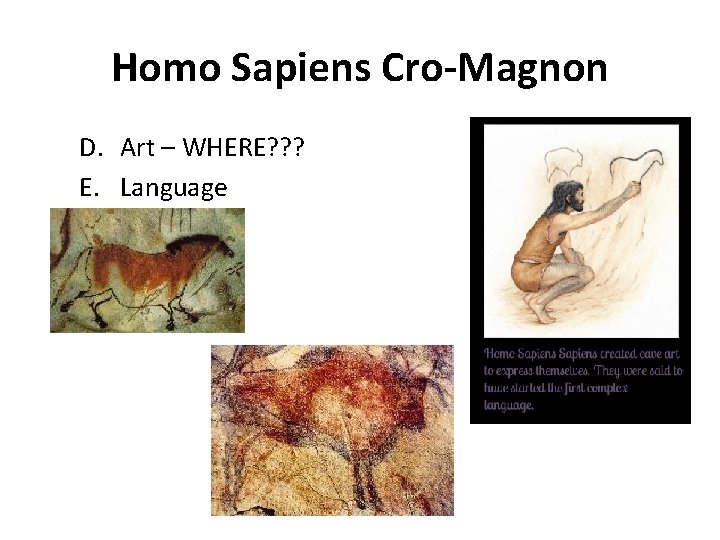
Homo Sapiens Cro-Magnon D. Art – WHERE? ? ? E. Language
Homo Sapiens I. 8000 BCE to present day II. Doubly Wise (Wise) Man III. Modern Man – YOU and I
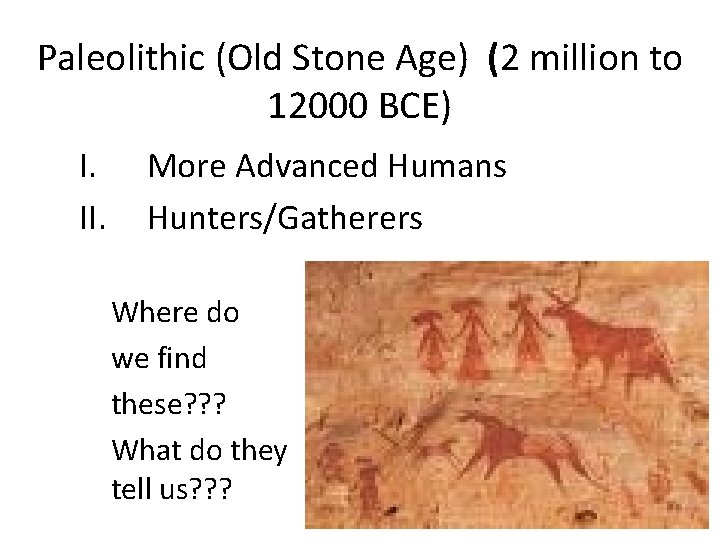
Paleolithic (Old Stone Age) (2 million to 12000 BCE) I. II. More Advanced Humans Hunters/Gatherers Where do we find these? ? ? What do they tell us? ? ?
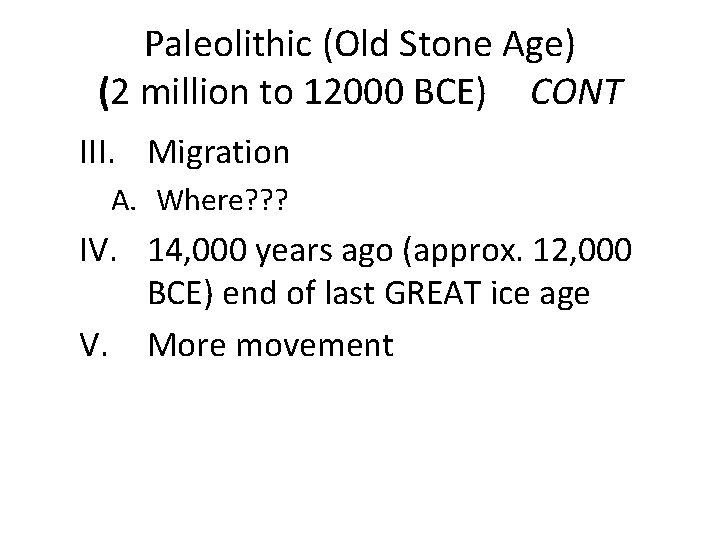
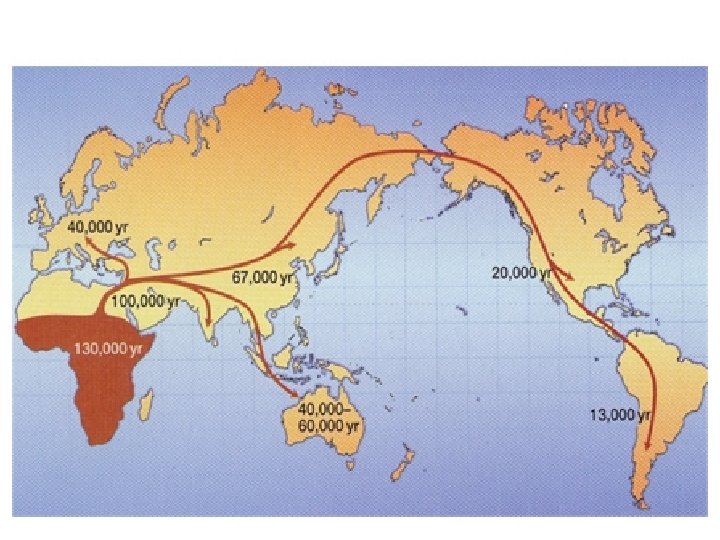
Paleolithic (Old Stone Age) (2 million to 12000 BCE) CONT III. Migration A. Where? ? ? IV. 14, 000 years ago (approx. 12, 000 BCE) end of last GREAT ice age V. More movement
Discussion Question • Discuss some advantages AND disadvantages of the lifestyle of Hunters/Gatherers?
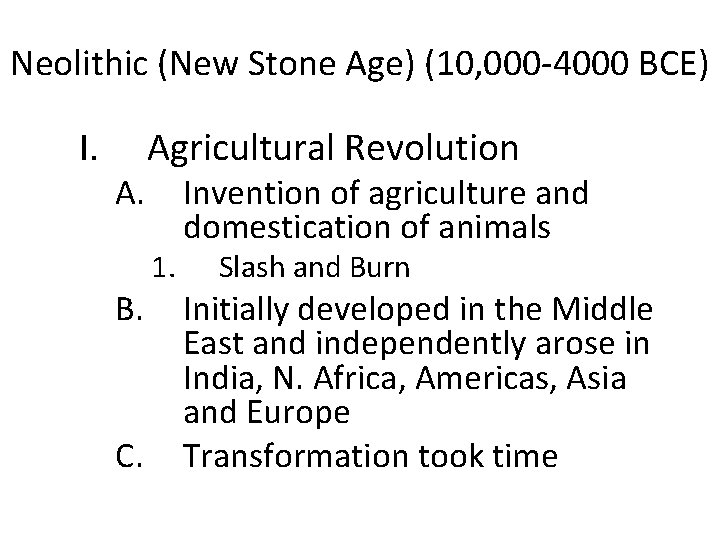
Neolithic (New Stone Age) (10, 000 -4000 BCE) I. A. B. C. Agricultural Revolution 1. Invention of agriculture and domestication of animals Slash and Burn Initially developed in the Middle East and independently arose in India, N. Africa, Americas, Asia and Europe Transformation took time
Discussion Question: • What were some of the benefits of the Neolithic Revolution for humans? What were some of the drawbacks? Would YOU have chosen to settle and begin farming?