
The Oral History Project ReadingMiss Gibb The Oral
The Oral History Project Reading—Miss Gibb
The Oral History Project Introduction • The Oral History Project is a project that helps you to learn more about someone important to you and learn more about the past. As you complete this project you will learn how to do research and put together a presentation that will show off all of your hard work. The Oral History Project will also help your classmates understand the local area better as well as understand different points of view.
The Oral History Project Components • • Permission Slip Interview with subject Artifacts belonging to subject Five paragraph research article Memoir written by subject Portrait of subject Triptych for presentation
The Oral History Project Interview • Students will interview a subject • Picking a subject – The subject must be over the age of 45 – Good subjects include grandmothers, grandfathers, older relatives – Look for someone with an interesting event in their past (ex. Participation in a war, interesting career, birth in another country, a different way of life)
The Oral History Project Interview • Conducting the interview – Students will use at least 20 questions from the provided list – Students may ask questions not on the list and can improvise questions – Interview should last about 30 -45 minutes minimum
The Oral History Project Interview – Questions should be like Good Discussion Director questions – Ask subject to bring three to four artifacts to the interview to talk about – Use the sentence starter “Tell me the story about…” to get great interview results
The Oral History Project Interview • Transcribing the interview – Interviews should be taped on video or on audio cassette for ease of transcription – Students should type or write out a summary of their interview that should be at least 1 ½ pages typed, 3 pages written
The Oral History Project Artifacts • What is an artifact? – An artifact is an object that has meaning for the subject – An artifact can be a picture, a figurine, a medal, a piece of clothing, recipe, newspaper clippings, yearbooks, etc. ***Artifacts brought in for the project should not be irreplaceable items or items that are valuable***
The Oral History Artifacts • Minimum of three artifacts, maximum of four • Students MUST receive permission from the subject to bring in the artifact • Artifact should be discussed in interview • Students will be required to get a signed permission slip from their interviewee. YOU CANNOT MAKE A PRESENTATION WITHOUT A SIGNED PERMISSION SLIP!
The Oral History Project Permission Slip • • Miss Gibb-Reading-Pleasant Valley Middle School District Eighth Grade Oral History Project Interviewer/Interviewee Agreement – • • Thank you for participating in our Oral History Project. The information gathered from this interview will be used to enhance the students’ understanding of local history. A summary of your interview along with a “feature article” that stems from an area of interest from your interview will be presented to the class. Along with the interview, your portrait, artifacts, and memoir will be displayed. – This is an exciting project for the students as it will serve to connect generations within our community. We greatly appreciate your willingness to be a part of this process. – Having read the above, I knowingly and voluntarily permit Miss Gibb’s class to have full use of the information shared during this interview. I also give permission for my portrait, artifacts, and memoir to be displayed. Artifacts my interviewer has permission to use— ________________________________________ Interviewee Signature ___________________ Date _____ As the interviewer, I agree to be polite and courteous throughout the interview process. I will assist the interviewee through the portrait procedure and treat any artifacts with the greatest of care. I will share my completed work with the interviewee. Interviewer Signature _____________________ Date _____ Teacher Signature __________________________
The Oral History Project Research • Students are required to do a research project in relation to their subject – Research topics should come from the interview Ex. If your grandfather was in Vietnam and you talk about the war, a good topic to do research on might be the Vietnam War. If your grandmother was an artist, you can do research on her favorite artist.
The Oral History Project Research • Your research will be turned into a Feature Article that will be part of your triptych – Feature Articles will be a 5 paragraph essay written in the same format you just learned in English class – The article is a research article. This means that your article should feature mostly research and your sources must be cited!
The Oral History Project Memoir • Your subjects have to do some work too! • What is a “memoir”? – A memoir is a personal memory that your subject has. It can be on any part of their life or can be about their whole life. IT IS WRITTEN BY YOUR SUBJECT, NOT YOU! ***Make sure that before you interview your subject, they agree to do a memoir. If the person you choose doesn’t want to—pick someone else!***
The Oral History Project Portrait • We all want to know what your subject looks like! – Students must provide a recent portrait or picture of their subject – The portrait can be a photograph, a drawing, or a painting
The Oral History Project Triptych • This is where all the pieces of your project come together! – A triptych is a display board that will show your interview, feature article, artifacts, memoir, and portrait. – The triptych can be a trifold poster board or it can be in the shape of another object. I’ll show you some pictures to see what I mean… – Be creative!
Digital Triptychs • Triptychs can be digital, however the written components must be turned in written and be in the triptych. • Your triptych should not be a taped interview. You can include clips of your interview, however. It should include pictures of your subject, important places, events, etc.
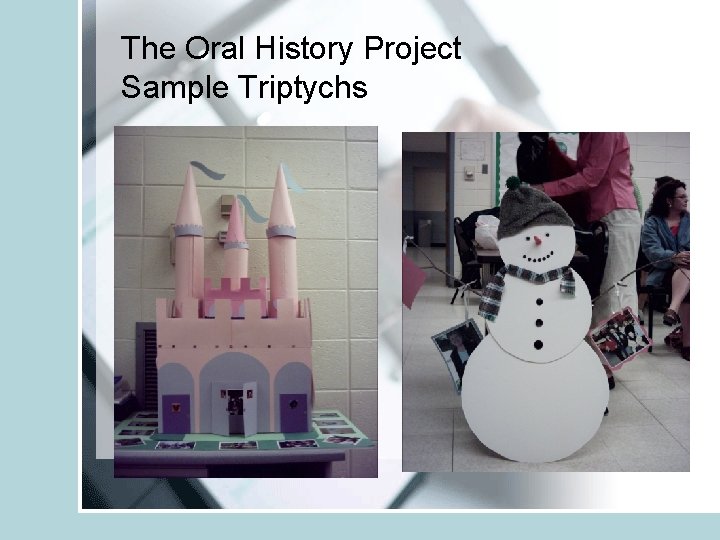
The Oral History Project Sample Triptychs
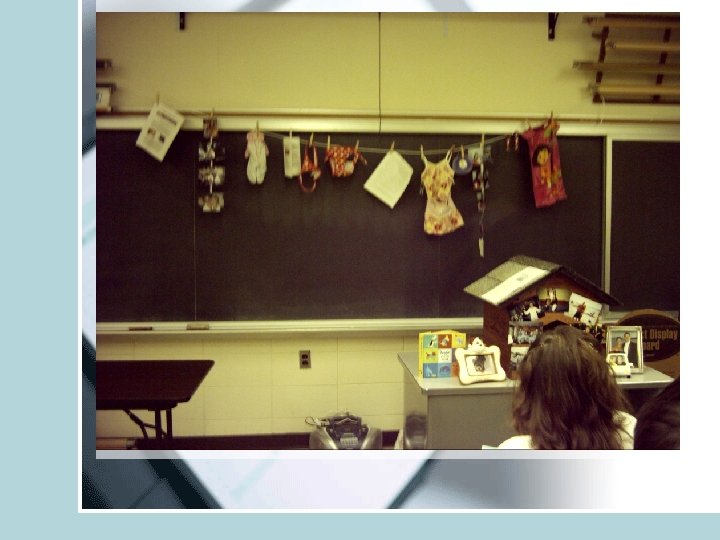
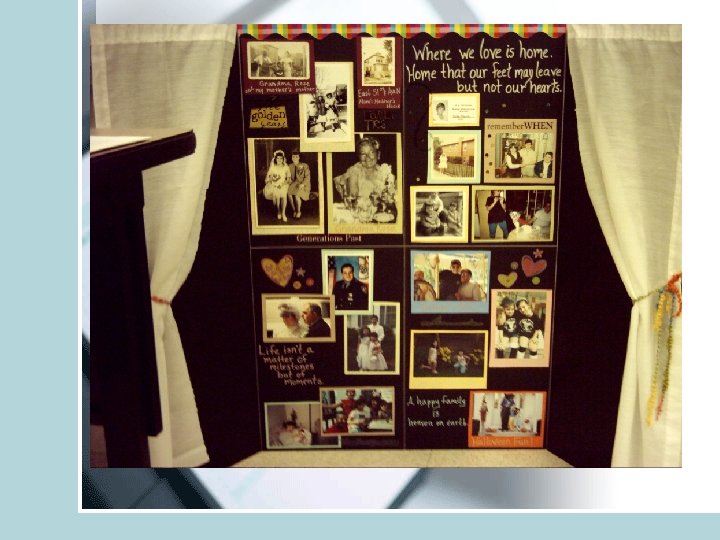
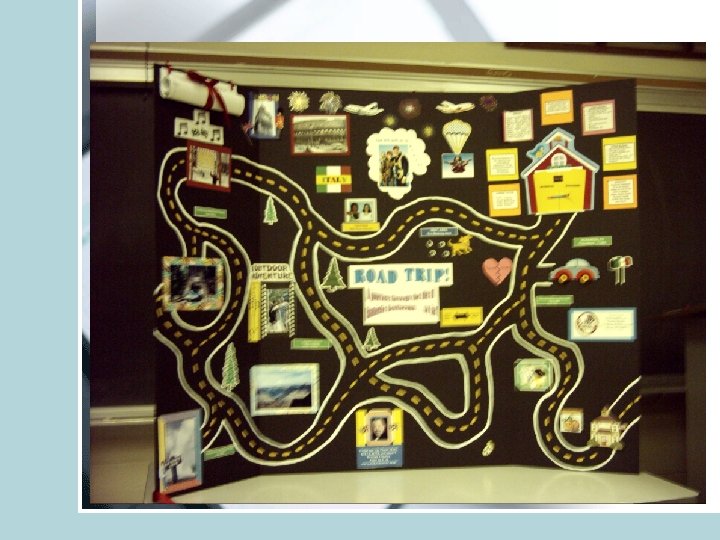
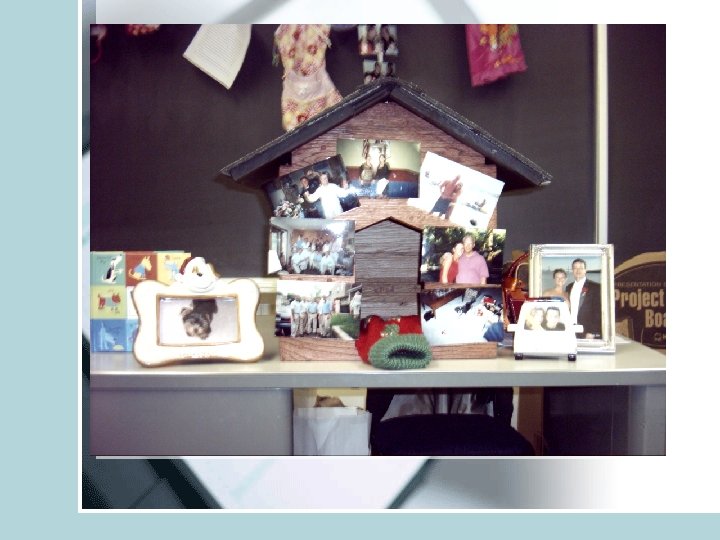
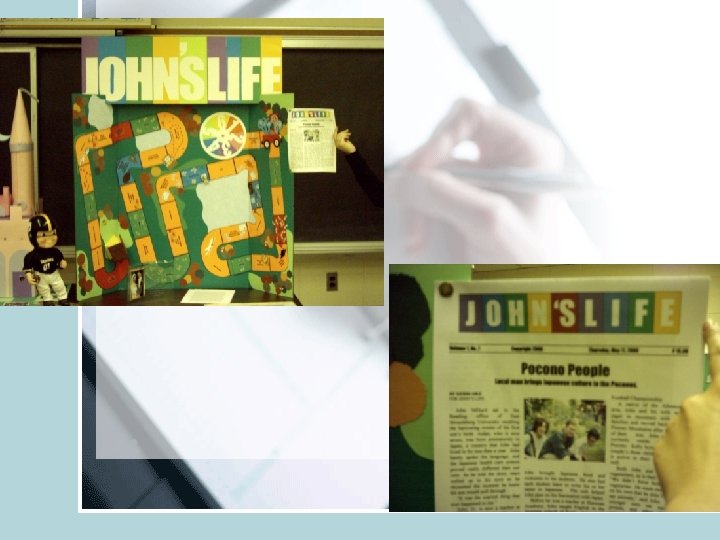
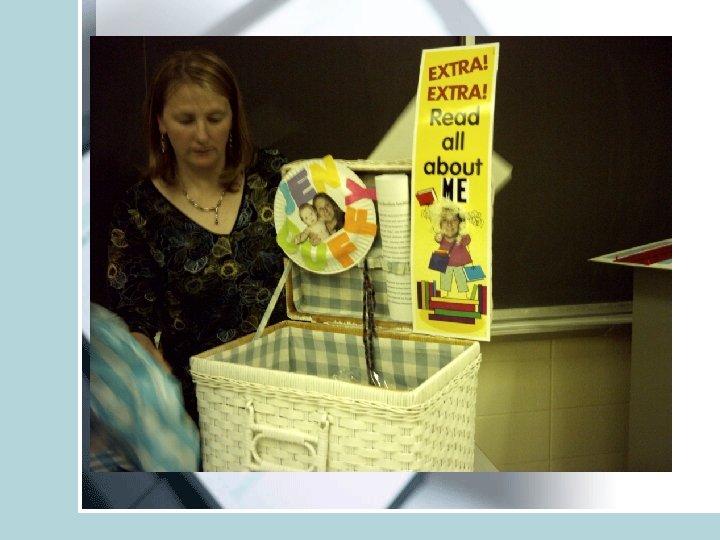
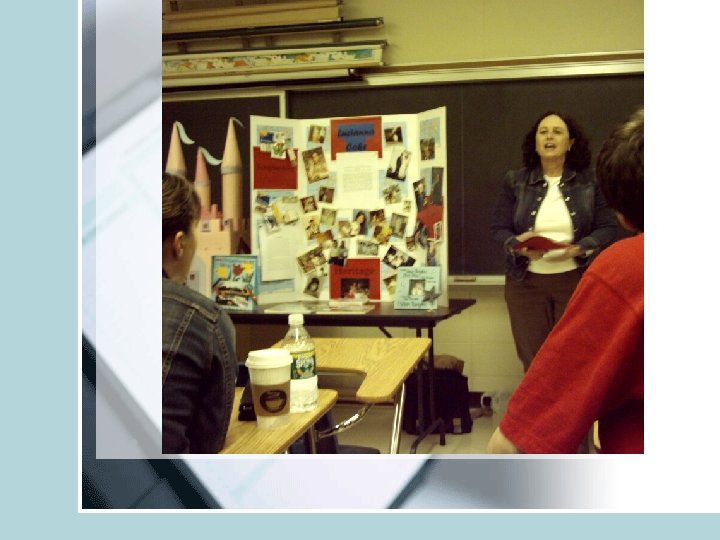
The Oral History Project Triptychs • The finale of the project is a 5 to 10 minute presentation in which you will tell us about your subject • You can use notecards to help you remember important parts of the person’s life, or you can just tell us two or three cool stories about the person • Invite your subject in—it makes it even more fun!
The Oral History Project Due Dates • Due dates for the components of the project are as follows… • Interview and permission slip-due _____ • Artifacts – You will not have to bring in the artifacts on the due date, but you will have to have a list of what you will be bringing on _____
The Oral History Project Due Dates • Memoir-due _____ • Feature article- due _____ – Research topic due ______ – Research will be completed in class. Completed research must be shown to me on ______ – Rough draft due ______ – The Feature Article will be due on _____-research packets must be handed in with article
The Oral History Project Due Dates • The Portrait will be due when you turn in your triptych. • After all required components are collected they will be given back to you so that you can create your triptych • Final triptychs will be due on _____. Presentations will begin on that date.
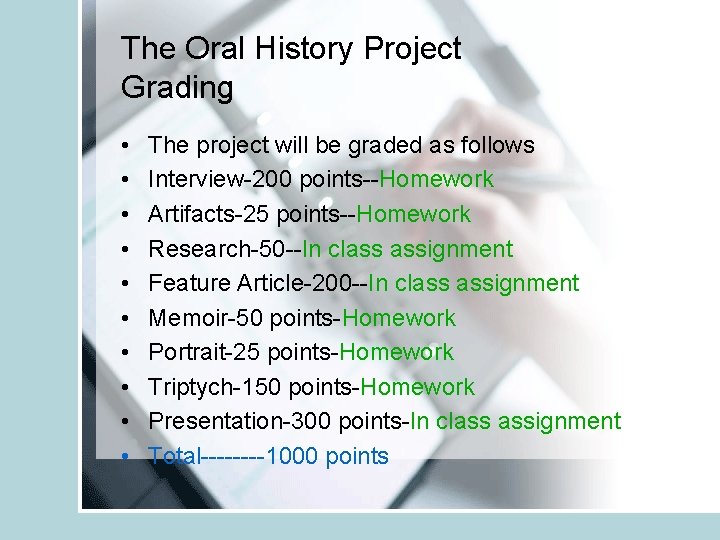
The Oral History Project Grading • • • The project will be graded as follows Interview-200 points--Homework Artifacts-25 points--Homework Research-50 --In class assignment Feature Article-200 --In class assignment Memoir-50 points-Homework Portrait-25 points-Homework Triptych-150 points-Homework Presentation-300 points-In class assignment Total----1000 points
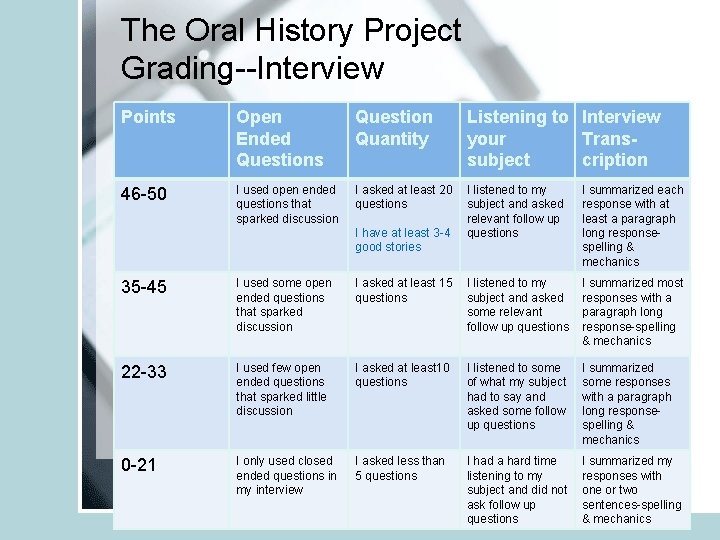
The Oral History Project Grading--Interview Points Open Ended Questions Question Quantity Listening to Interview your Transsubject cription 46 -50 I used open ended questions that sparked discussion I asked at least 20 questions I listened to my subject and asked relevant follow up questions I summarized each response with at least a paragraph long responsespelling & mechanics I have at least 3 -4 good stories 35 -45 I used some open ended questions that sparked discussion I asked at least 15 questions I listened to my subject and asked some relevant follow up questions I summarized most responses with a paragraph long response-spelling & mechanics 22 -33 I used few open ended questions that sparked little discussion I asked at least 10 questions I listened to some of what my subject had to say and asked some follow up questions I summarized some responses with a paragraph long responsespelling & mechanics 0 -21 I only used closed ended questions in my interview I asked less than 5 questions I had a hard time listening to my subject and did not ask follow up questions I summarized my responses with one or two sentences-spelling & mechanics
The Oral History Project Grading-Artifacts, Portrait, & Memoir • Artifacts, your subject’s portrait, and your subject’s memoir will be graded on completion. If you have them in, you will get full points for them.
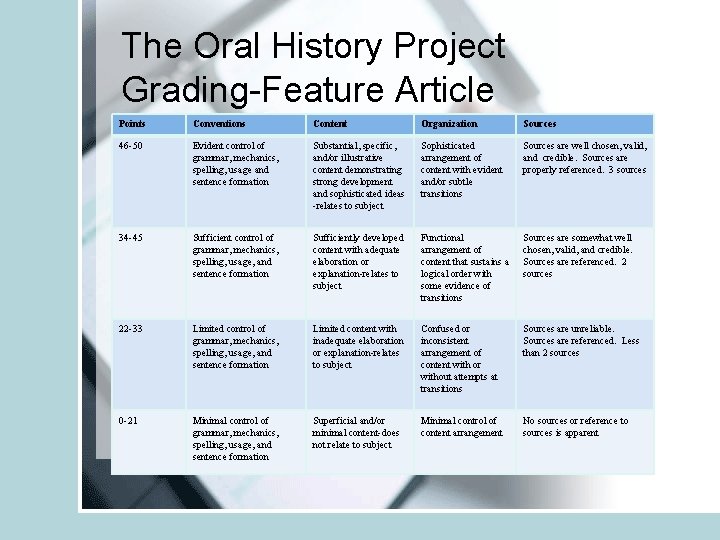
The Oral History Project Grading-Feature Article Points Conventions Content Organization Sources 46 -50 Evident control of grammar, mechanics, spelling, usage and sentence formation Substantial, specific, and/or illustrative content demonstrating strong development and sophisticated ideas -relates to subject Sophisticated arrangement of content with evident and/or subtle transitions Sources are well chosen, valid, and credible. Sources are properly referenced. 3 sources 34 -45 Sufficient control of grammar, mechanics, spelling, usage, and sentence formation Sufficiently developed content with adequate elaboration or explanation-relates to subject Functional arrangement of content that sustains a logical order with some evidence of transitions Sources are somewhat well chosen, valid, and credible. Sources are referenced. 2 sources 22 -33 Limited control of grammar, mechanics, spelling, usage, and sentence formation Limited content with inadequate elaboration or explanation-relates to subject Confused or inconsistent arrangement of content with or without attempts at transitions Sources are unreliable. Sources are referenced. Less than 2 sources 0 -21 Minimal control of grammar, mechanics, spelling, usage, and sentence formation Superficial and/or minimal content-does not relate to subject Minimal control of content arrangement No sources or reference to sources is apparent
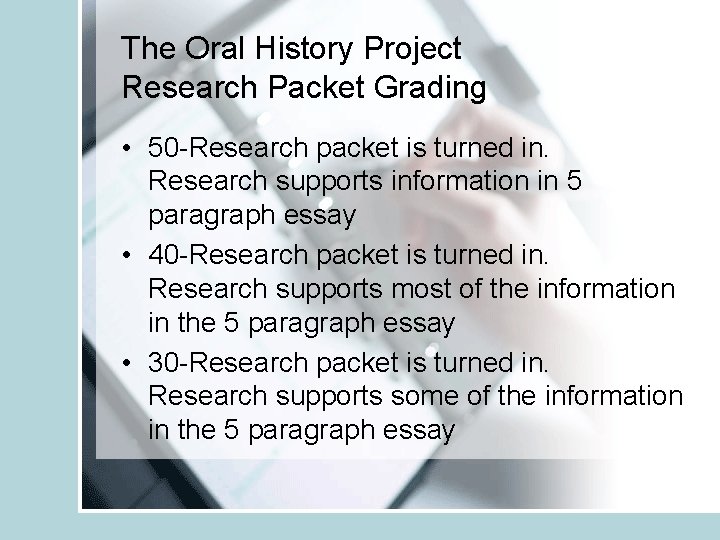
The Oral History Project Research Packet Grading • 50 -Research packet is turned in. Research supports information in 5 paragraph essay • 40 -Research packet is turned in. Research supports most of the information in the 5 paragraph essay • 30 -Research packet is turned in. Research supports some of the information in the 5 paragraph essay
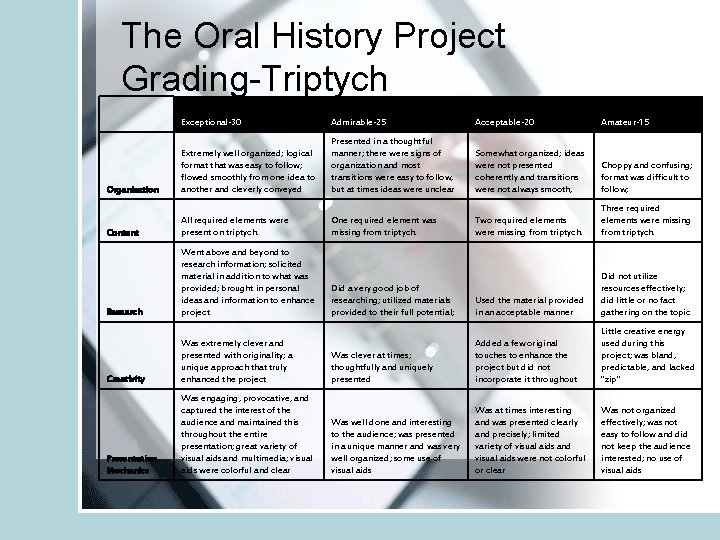
The Oral History Project Grading-Triptych Exceptional-30 Admirable-25 Acceptable-20 Amateur-15 Organization Extremely well organized; logical format that was easy to follow; flowed smoothly from one idea to another and cleverly conveyed Presented in a thoughtful manner; there were signs of organization and most transitions were easy to follow, but at times ideas were unclear Somewhat organized; ideas were not presented coherently and transitions were not always smooth, Choppy and confusing; format was difficult to follow; Content All required elements were present on triptych. One required element was missing from triptych. Two required elements were missing from triptych. Three required elements were missing from triptych. Research Went above and beyond to research information; solicited material in addition to what was provided; brought in personal ideas and information to enhance project Did a very good job of researching; utilized materials provided to their full potential; Used the material provided in an acceptable manner Did not utilize resources effectively; did little or no fact gathering on the topic Creativity Was extremely clever and presented with originality; a unique approach that truly enhanced the project Was clever at times; thoughtfully and uniquely presented Added a few original touches to enhance the project but did not incorporate it throughout Little creative energy used during this project; was bland, predictable, and lacked "zip" Presentation Mechanics Was engaging, provocative, and captured the interest of the audience and maintained this throughout the entire presentation; great variety of visual aids and multimedia; visual aids were colorful and clear Was well done and interesting to the audience; was presented in a unique manner and was very well organized; some use of visual aids Was at times interesting and was presented clearly and precisely; limited variety of visual aids and visual aids were not colorful or clear Was not organized effectively; was not easy to follow and did not keep the audience interested; no use of visual aids
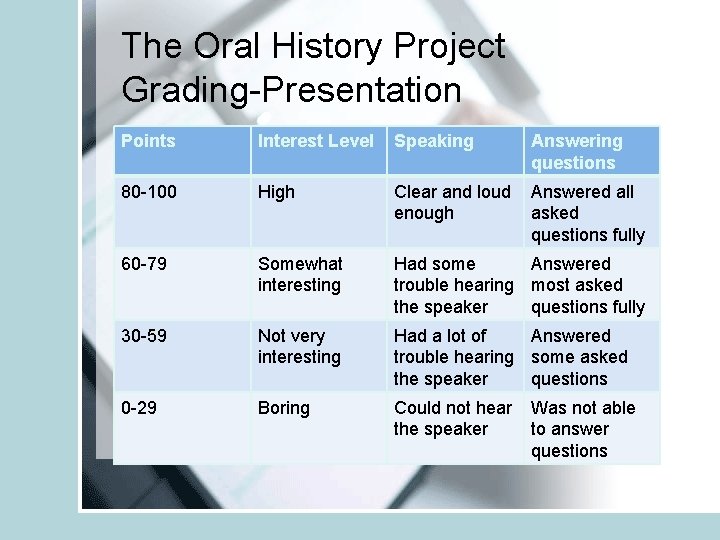
The Oral History Project Grading-Presentation Points Interest Level Speaking Answering questions 80 -100 High Clear and loud enough Answered all asked questions fully 60 -79 Somewhat interesting Had some Answered trouble hearing most asked the speaker questions fully 30 -59 Not very interesting Had a lot of Answered trouble hearing some asked the speaker questions 0 -29 Boring Could not hear the speaker Was not able to answer questions
The Oral History Project • It looks and sounds like a lot. It will be hard work, but it is meant to be fun. • Hopefully, you will learn about someone interesting and have an enjoyable time creating something that you can share with your family and your classmates that will teach them about those around us.
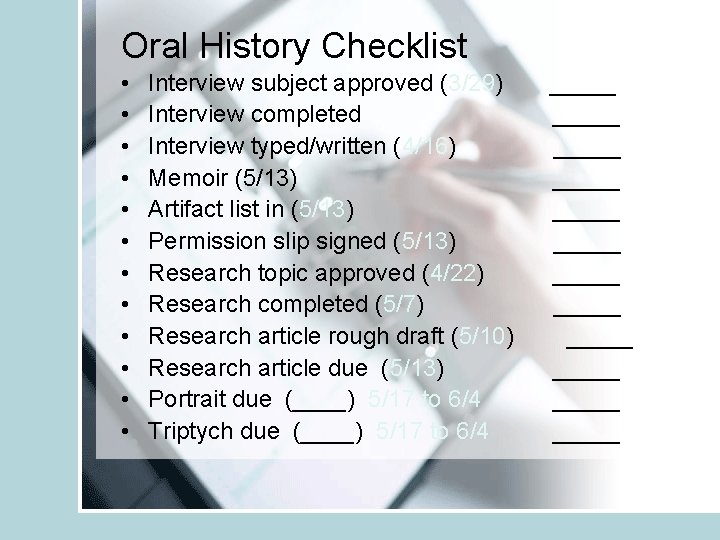
Oral History Checklist • • • Interview subject approved (3/29) Interview completed Interview typed/written (4/16) Memoir (5/13) Artifact list in (5/13) Permission slip signed (5/13) Research topic approved (4/22) Research completed (5/7) Research article rough draft (5/10) Research article due (5/13) Portrait due (____) 5/17 to 6/4 Triptych due (____) 5/17 to 6/4 _____ _____ _____
The Oral History Project • Rubrics to follow • Write any notes here!
- Slides: 38