
The Olympic Games Origins of the Modern Olympic


- Slides: 93
The Olympic Games
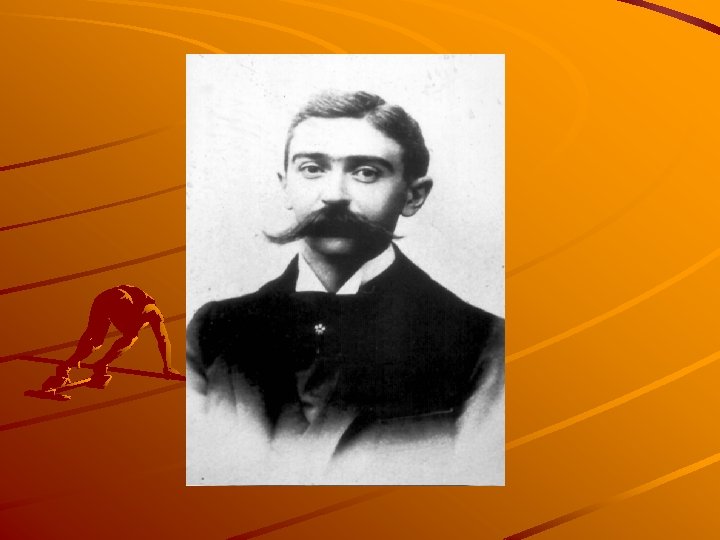
Origins of the Modern Olympic Movement Olympic-like Festivals Baron Pierre de Coubertin
Olympic-like Festivals and References 1. Olympic festivals in England, Scandinavia, Yugoslavia – W. P. Brooks 2. World’s Fairs 3. Montreal Olympic Festival – 1844 4. Scottish Highland Games 5. German and German American Turnfests 6. 19 th Century Greek Olympics (Zappas) 7. World Fairs and Expositions 8. Helmuth College Olympics – London, Ontario
Coubertin Otto von Bismark Education Travel – Britain, US, Canada Thomas Hughes, Tom Brown’s Schooldays Muscular Christianity “Whoever learns not to shrink from a football scrimmage will not retreat from the mouth of a Prussian cannon. ”
Coubertin cont’d 1894 Paris International Athletic Congress The Sorbonne, University of Paris The Premise: Amateur Sport
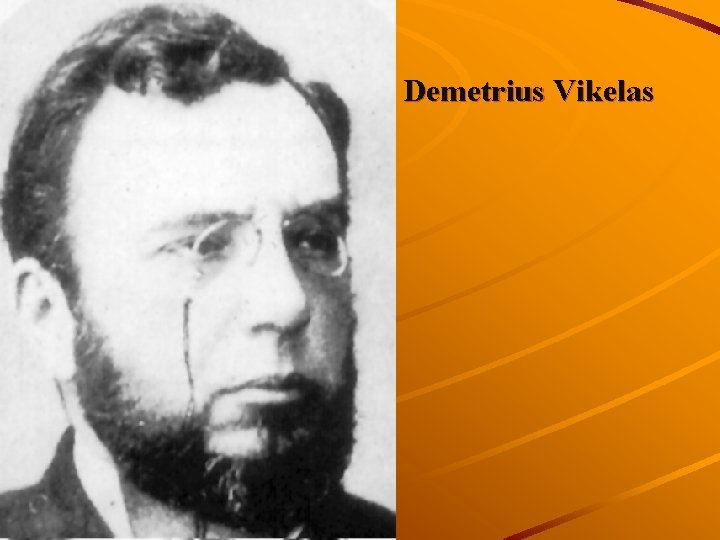
Demetrius Vikelas
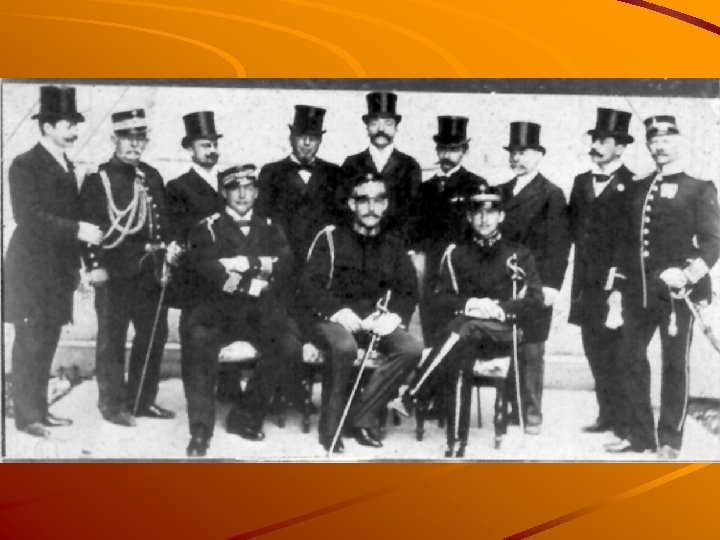
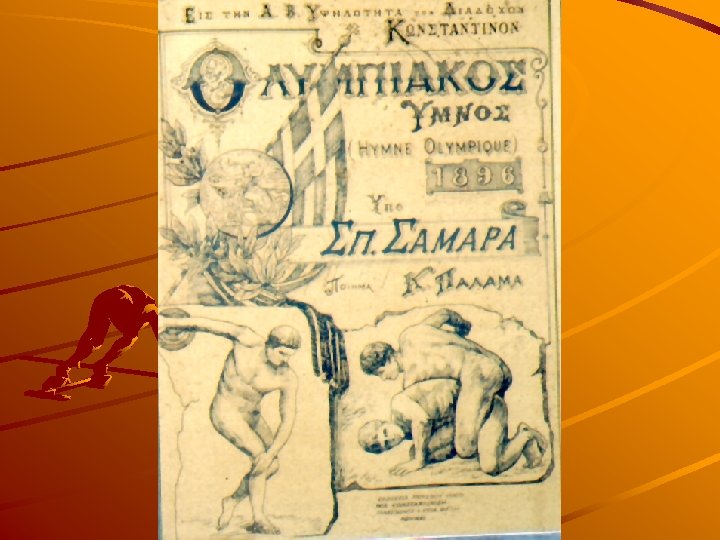
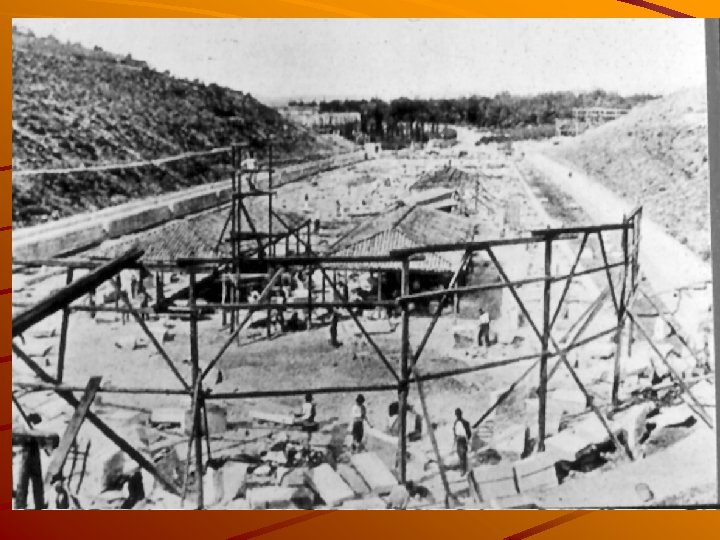
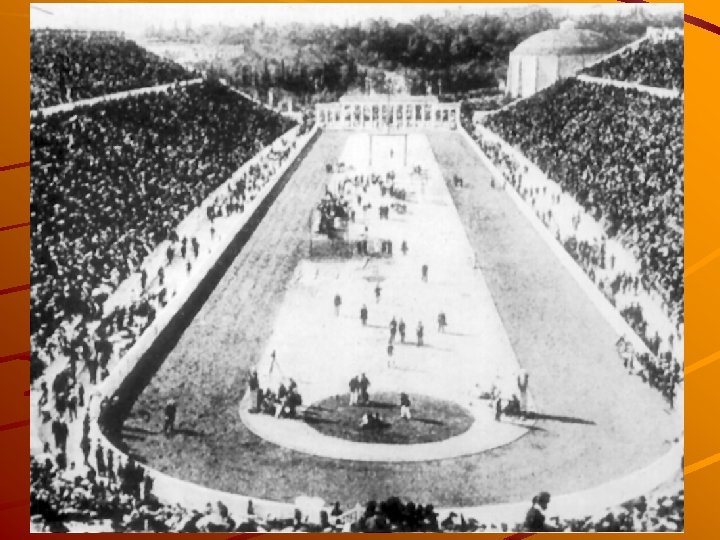
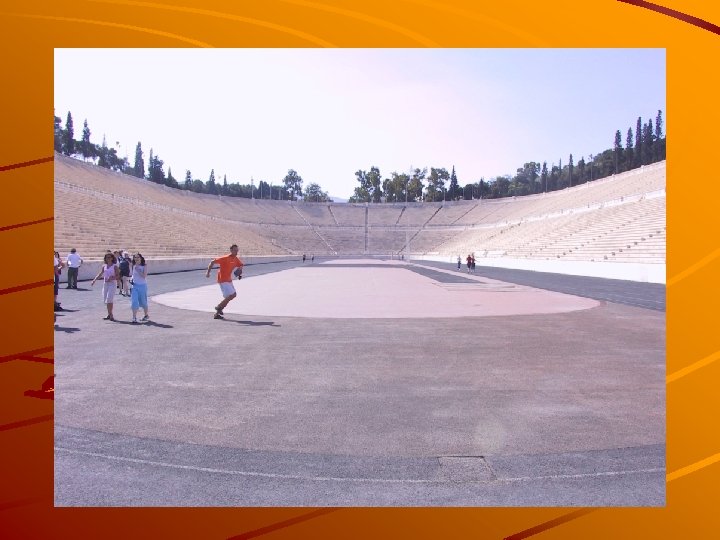
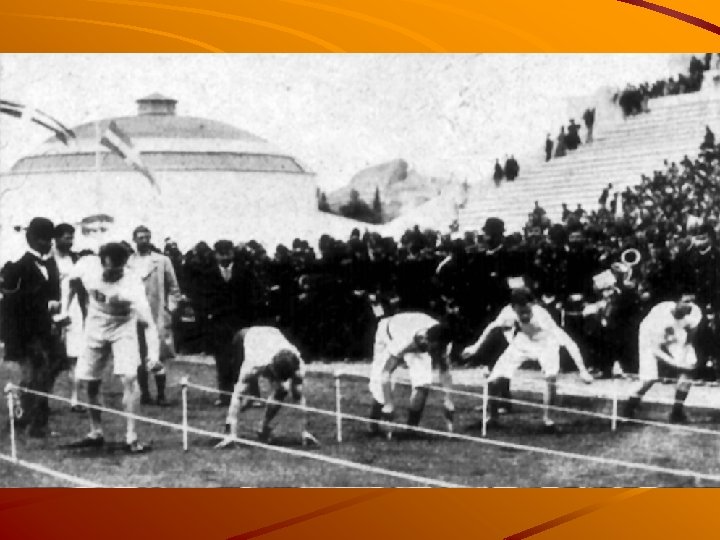
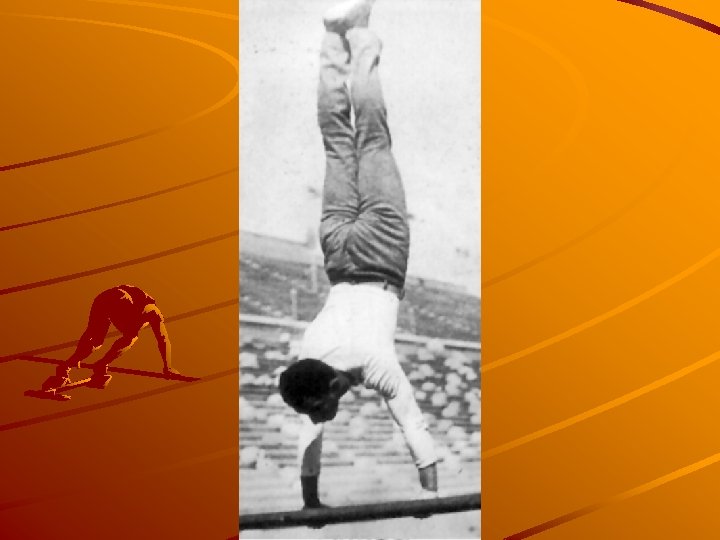
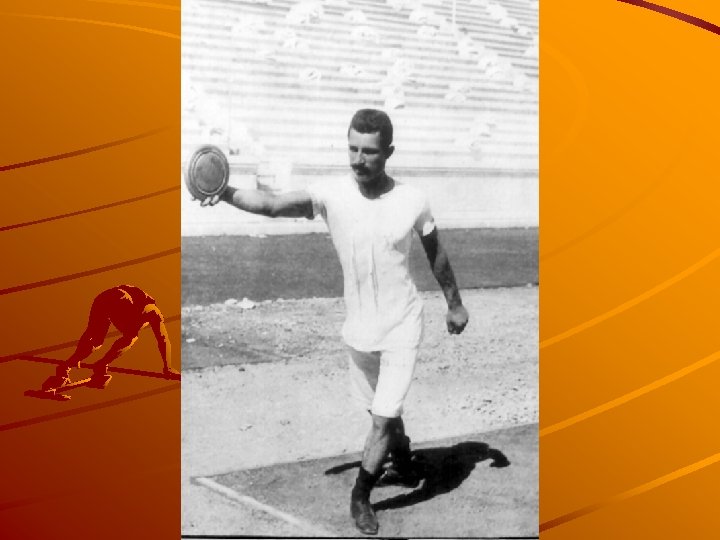
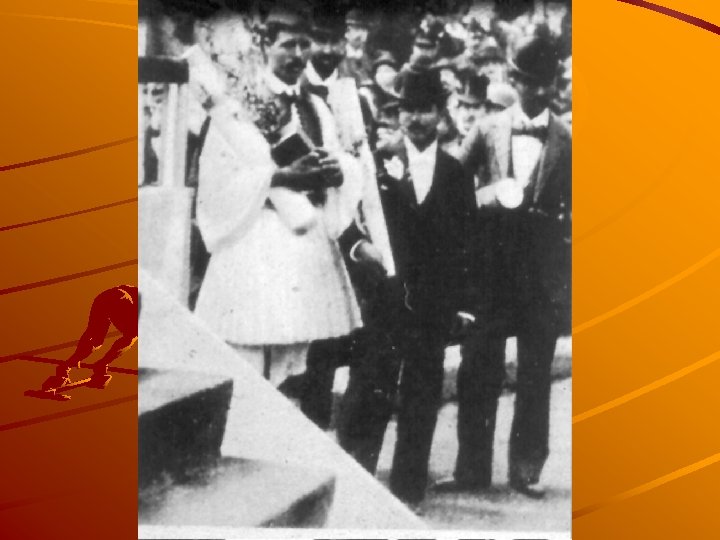
Athens, 1896 Georges Averoff
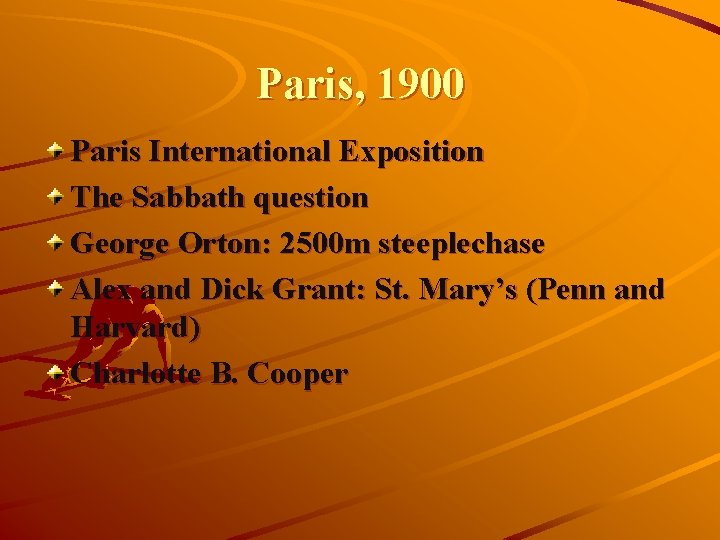
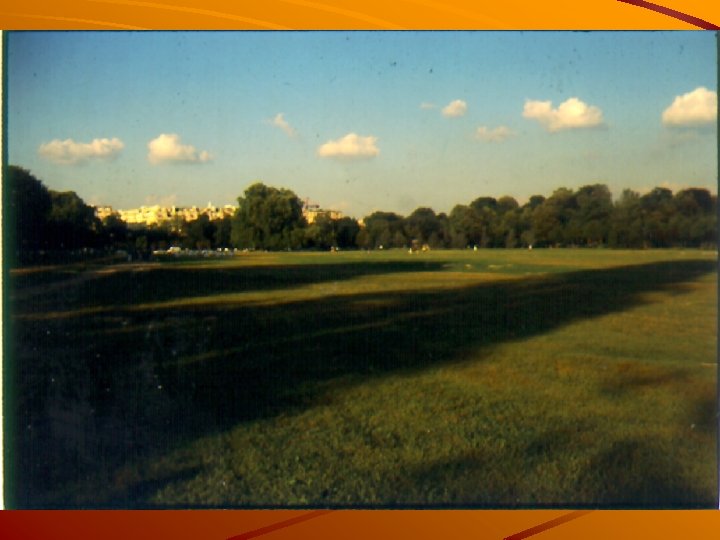
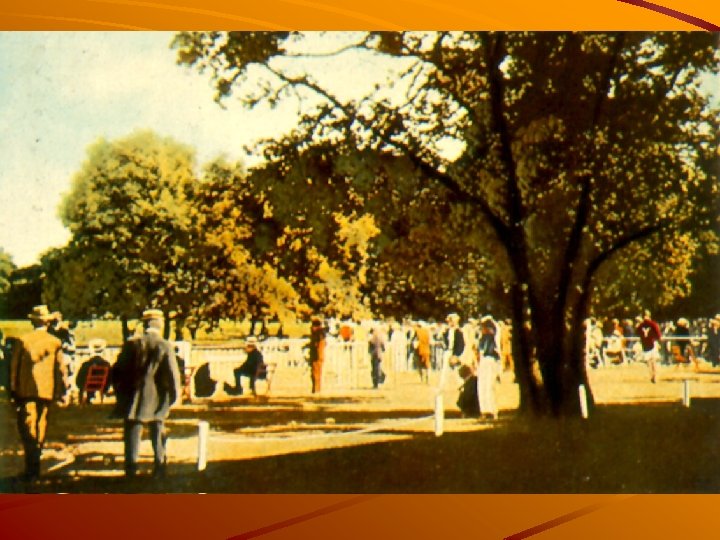
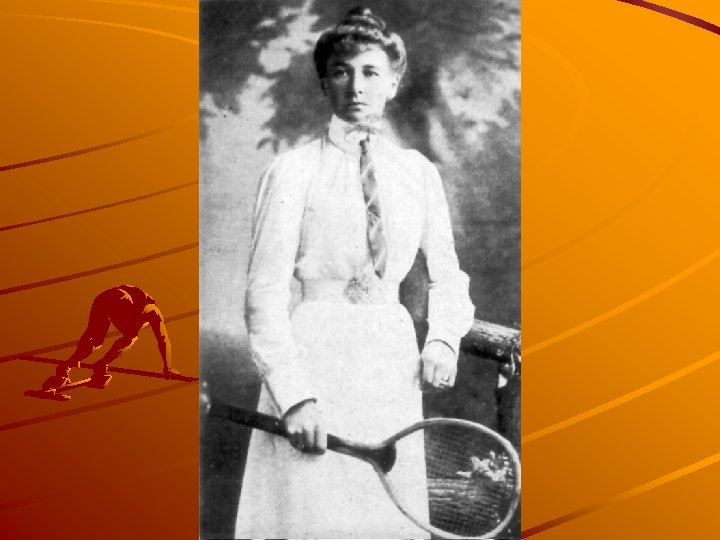
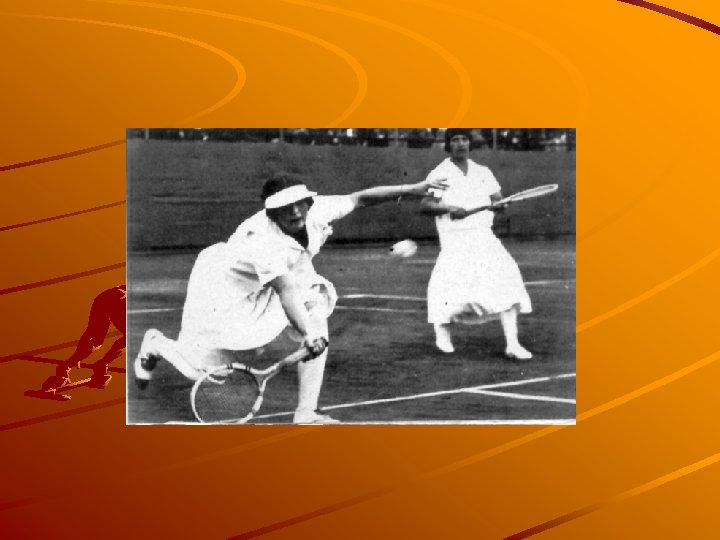
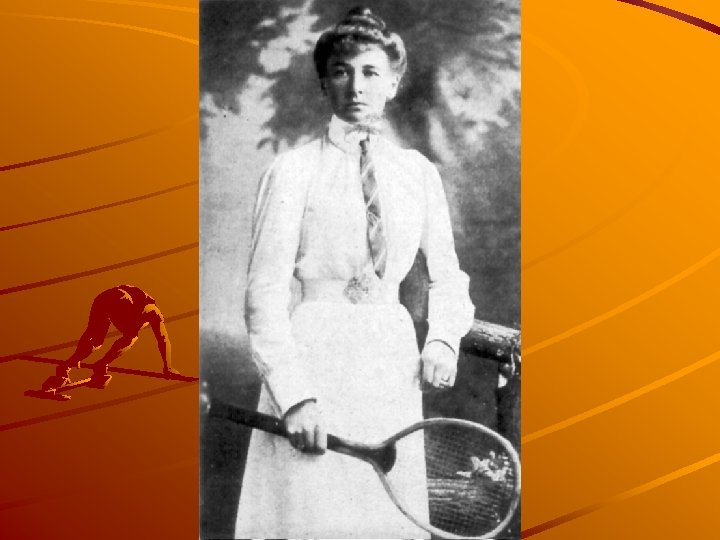
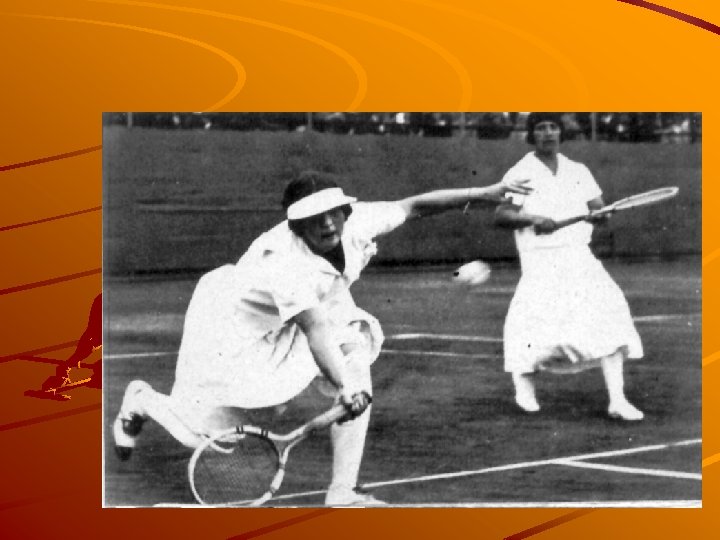
Paris, 1900 Paris International Exposition The Sabbath question George Orton: 2500 m steeplechase Alex and Dick Grant: St. Mary’s (Penn and Harvard) Charlotte B. Cooper
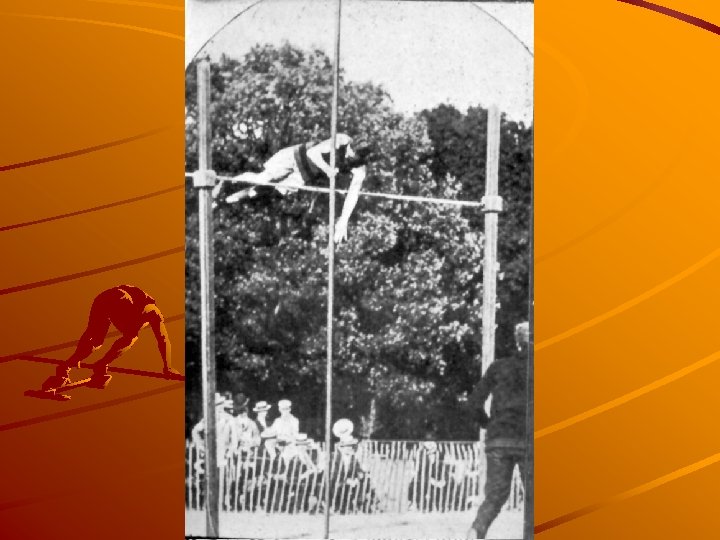
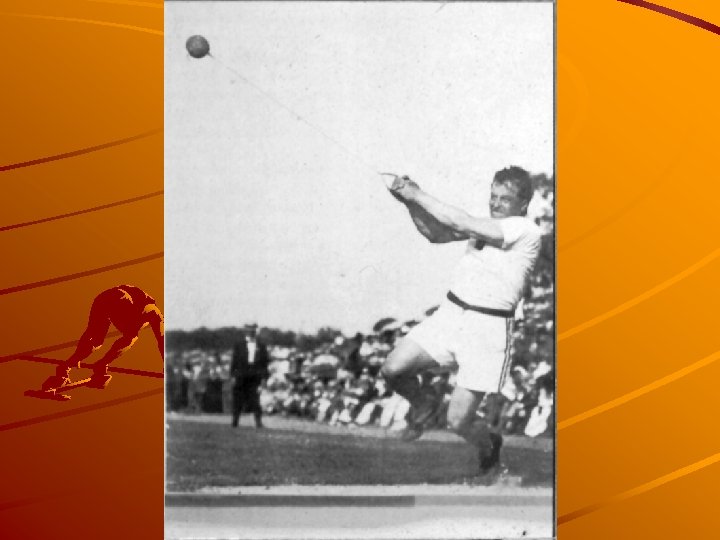
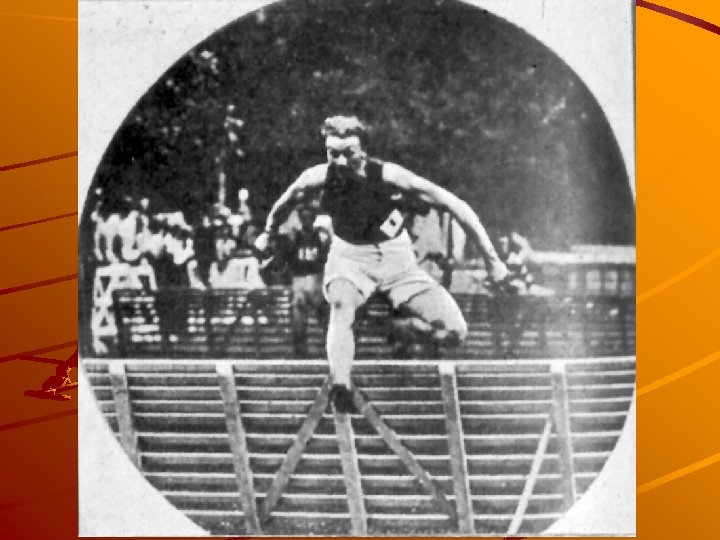
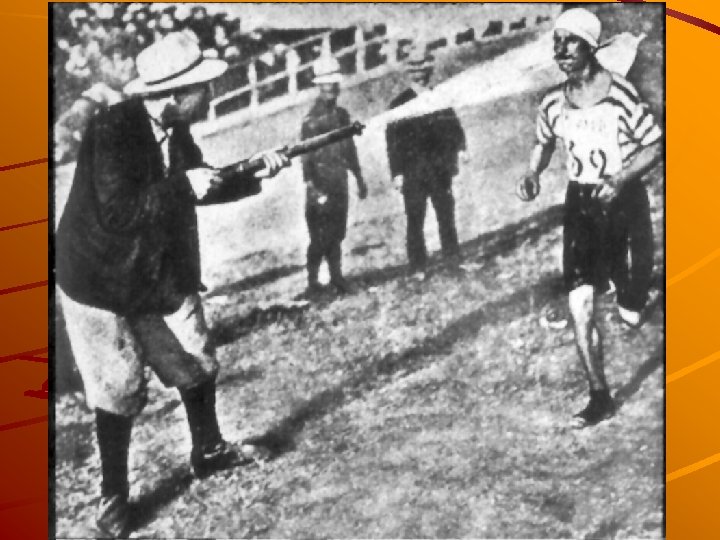
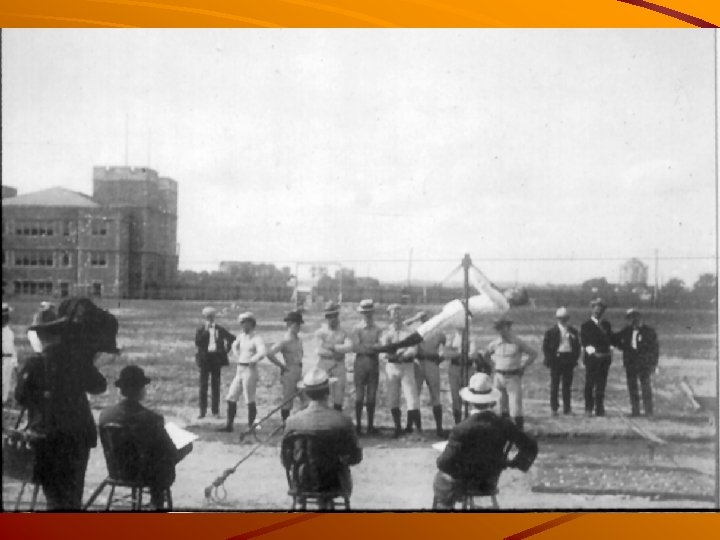
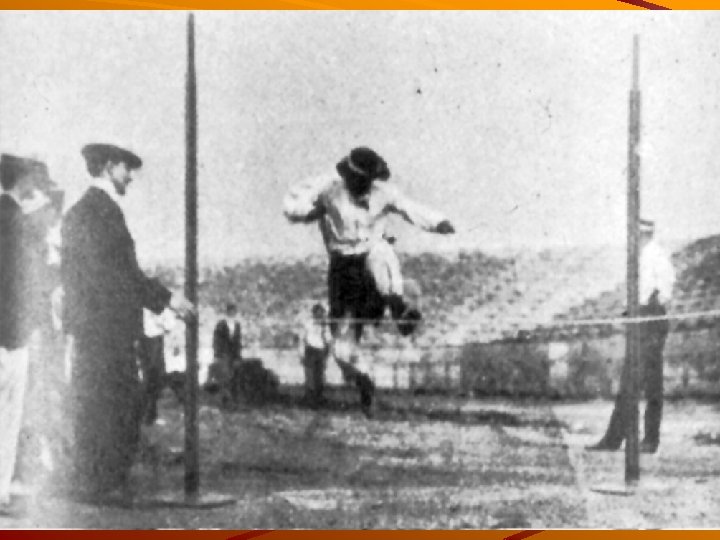
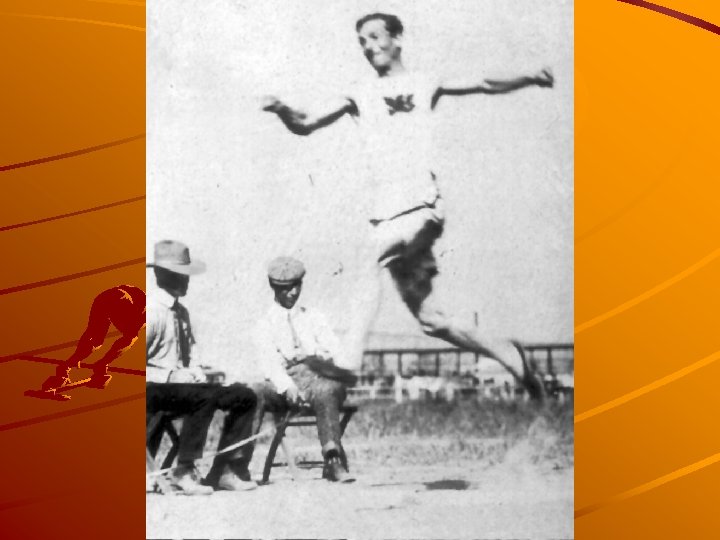
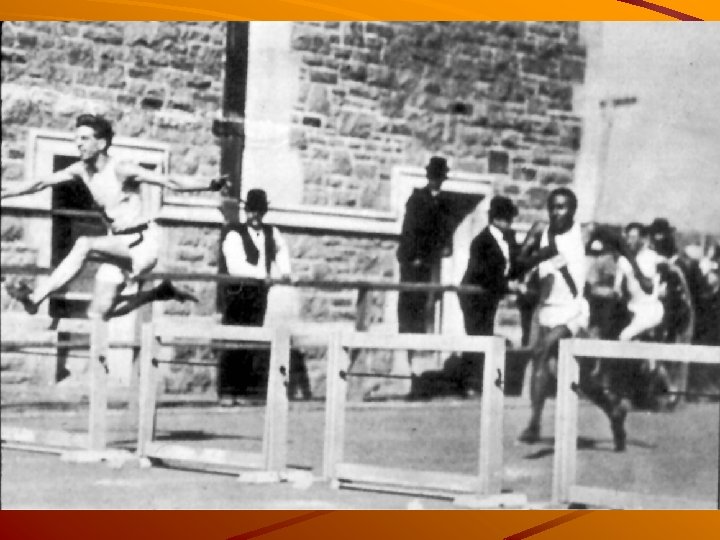
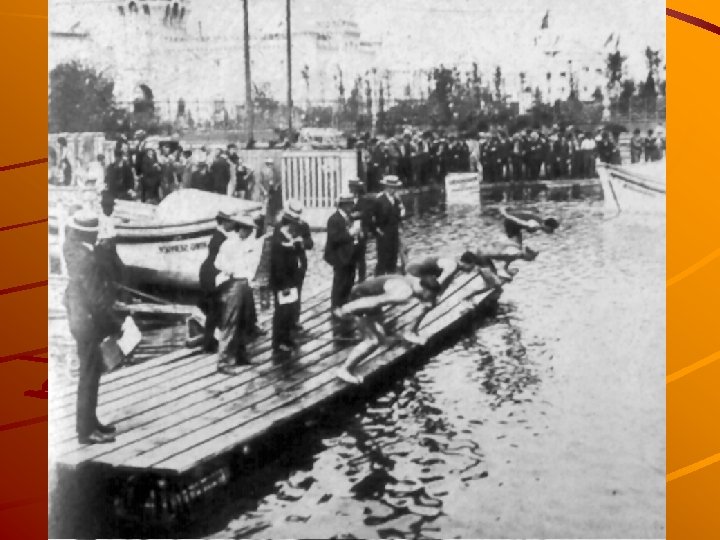
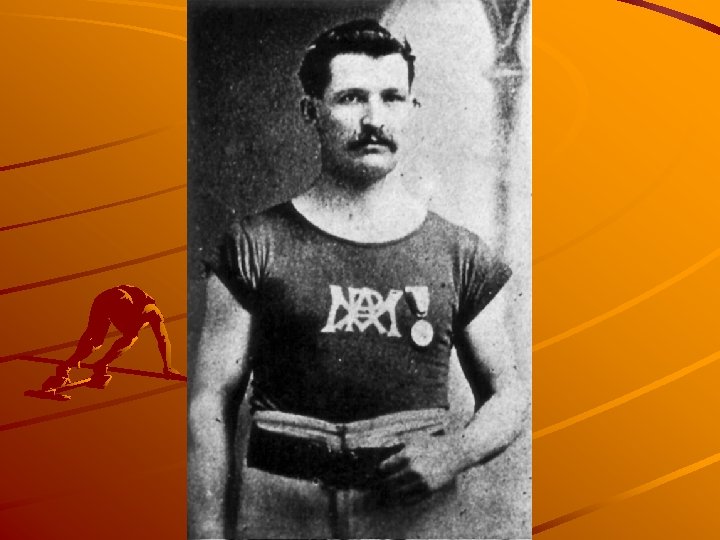
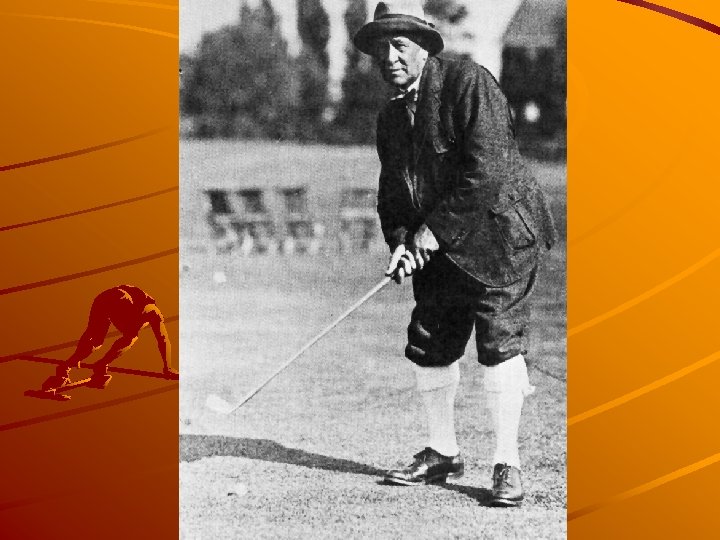
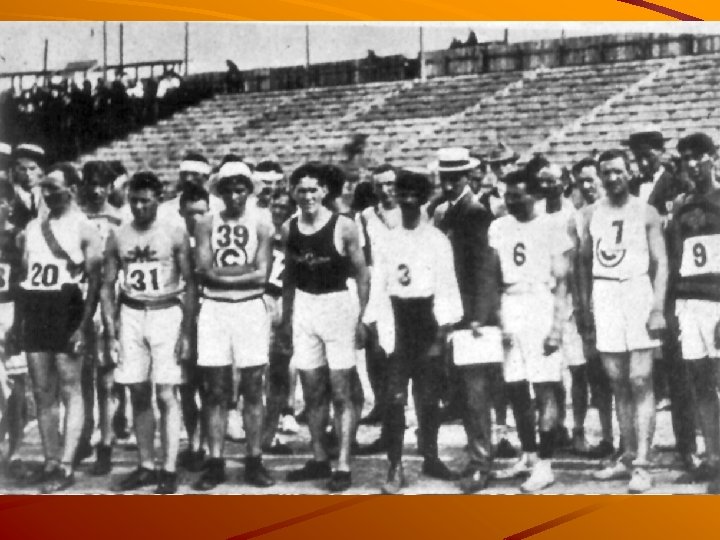
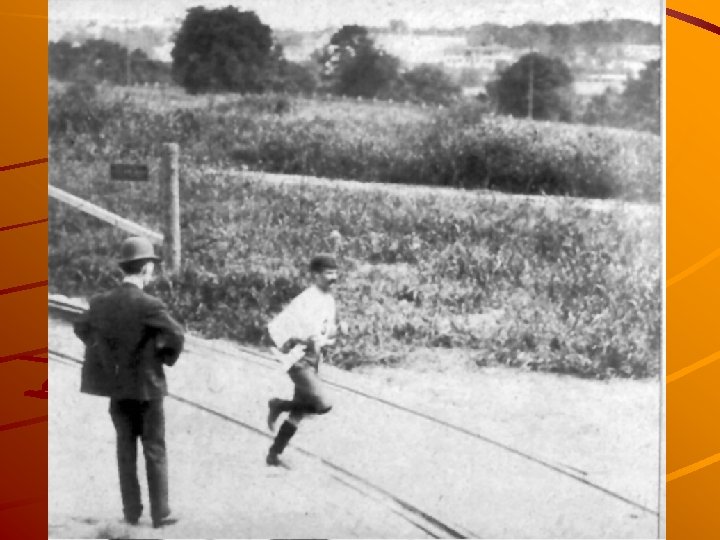
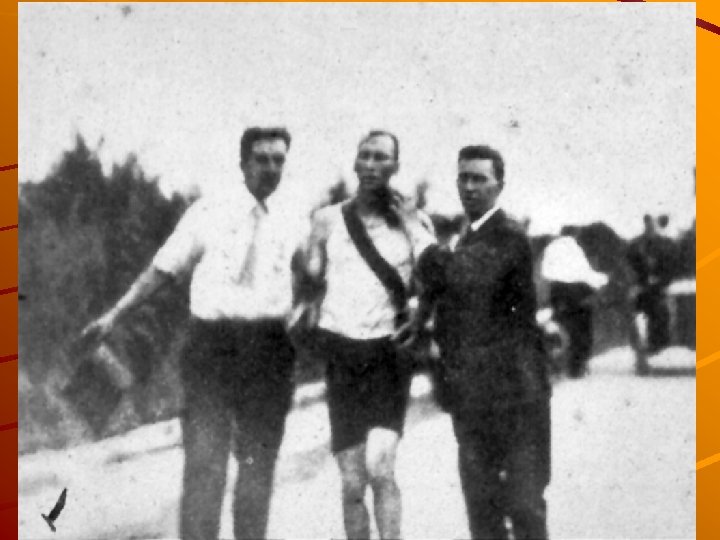
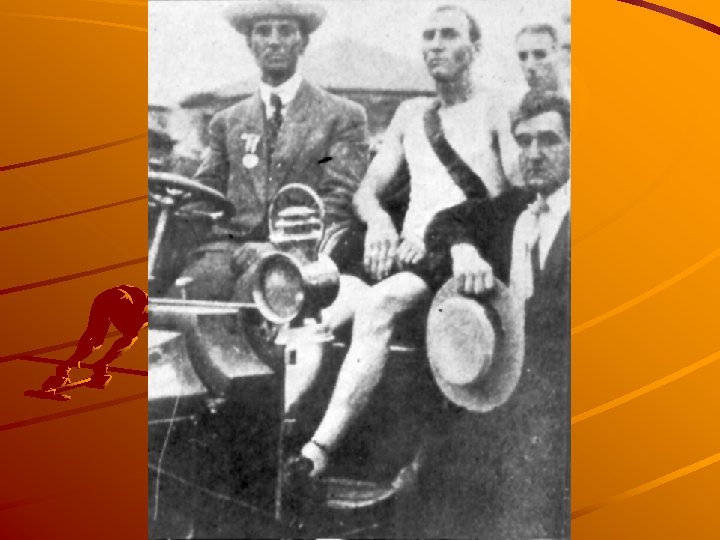
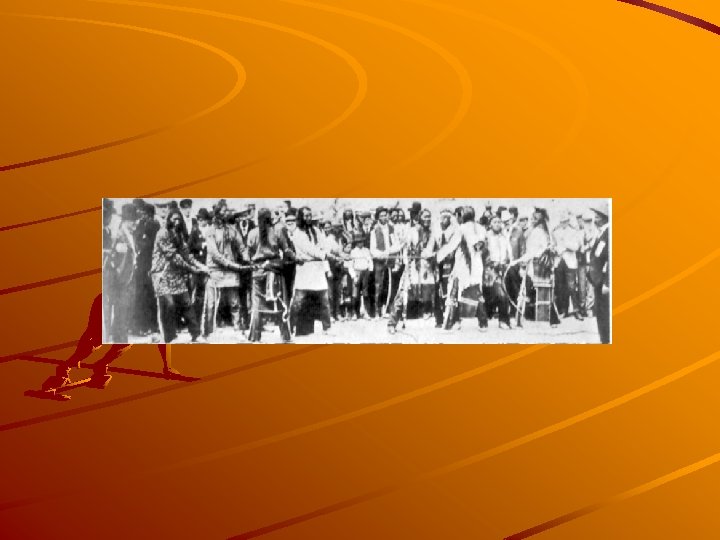
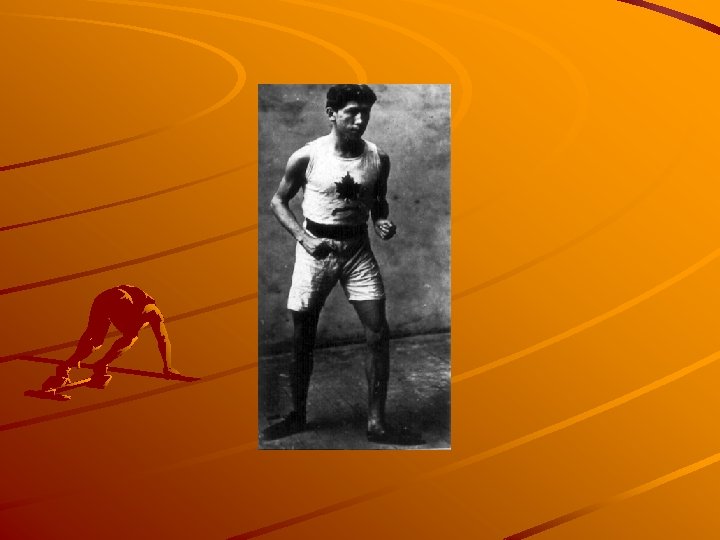
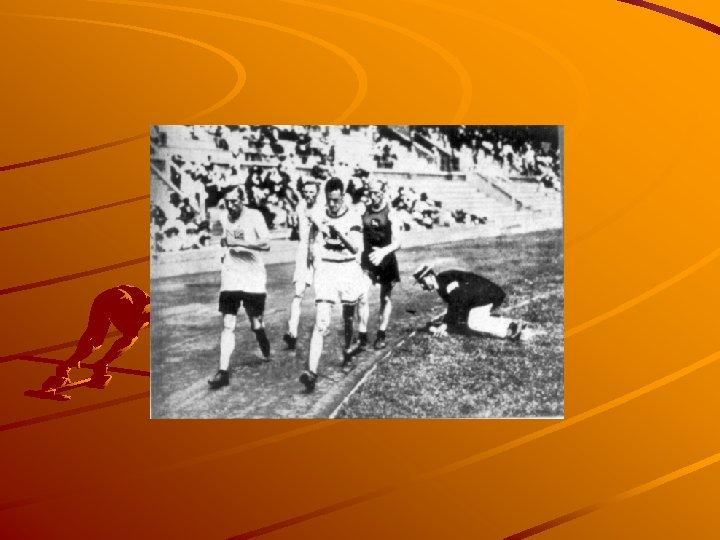
St. Louis, 1904 Louisiana Purchase Exposition Etienne Desmarteau George S. Lyon Felix Carvajal Fred Lorz - Thomas Hicks
The Interim Games - Athens 1906
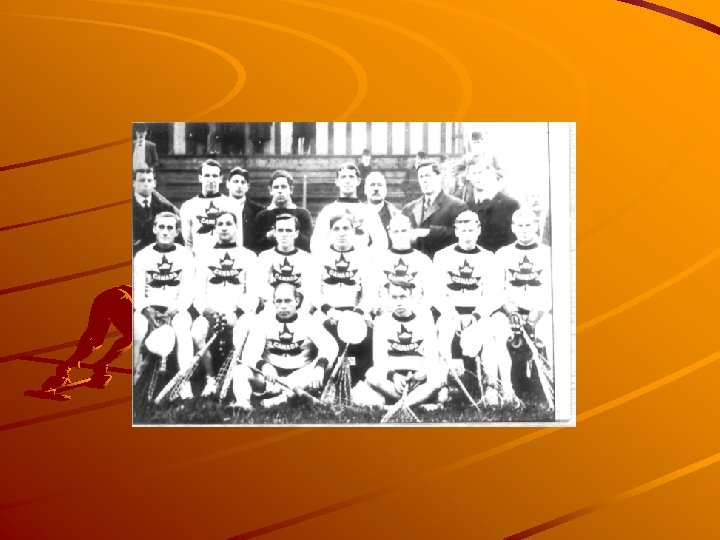
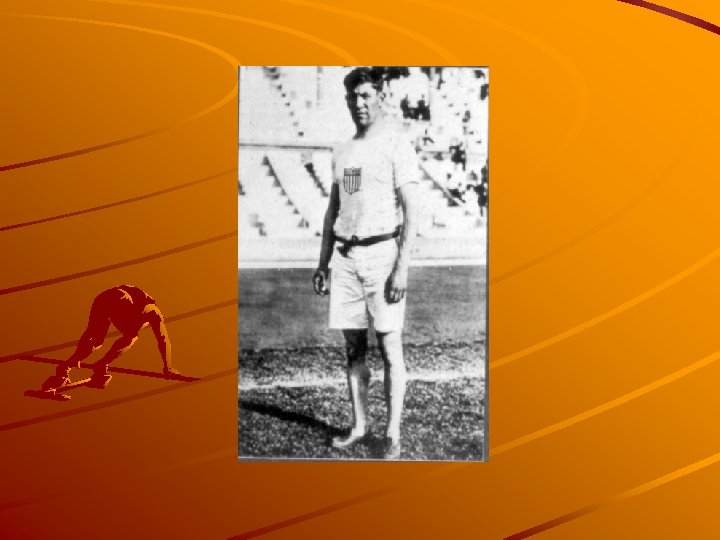
London 1908
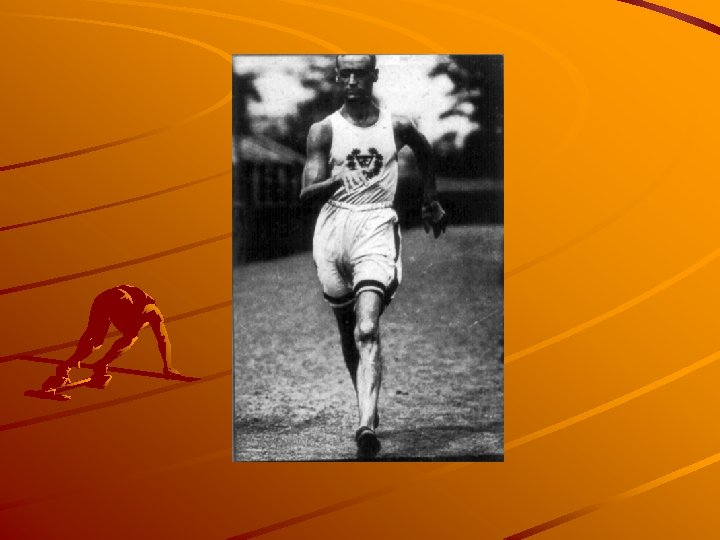
Stockholm 1912
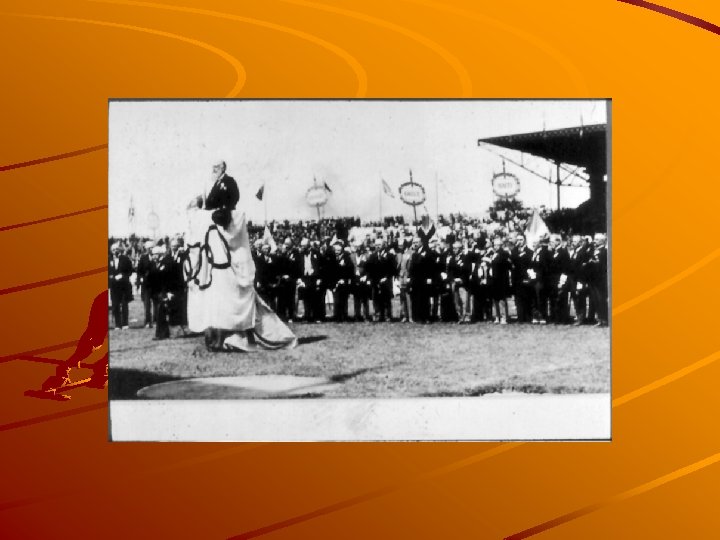
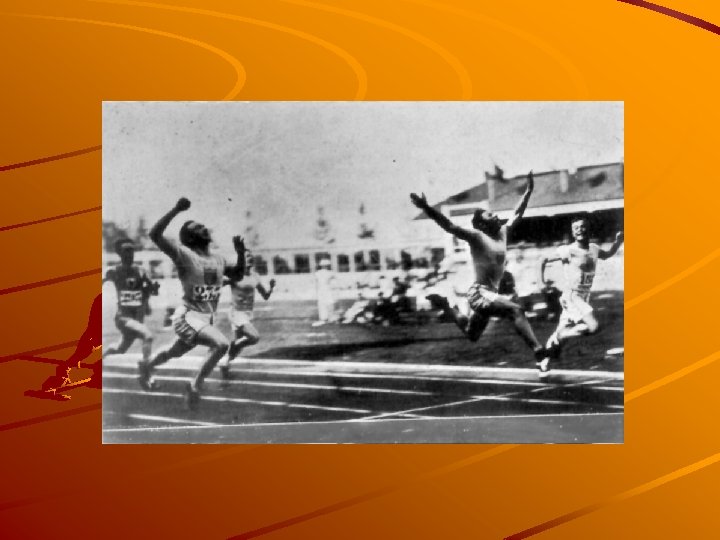
Antwerp 1920
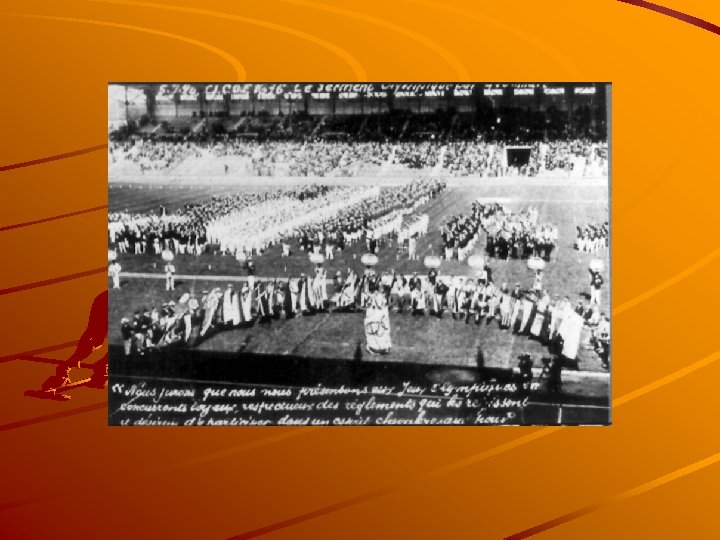
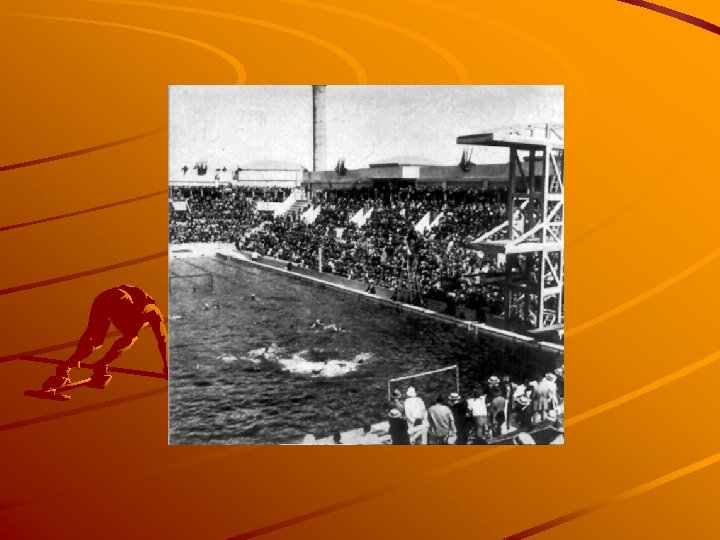
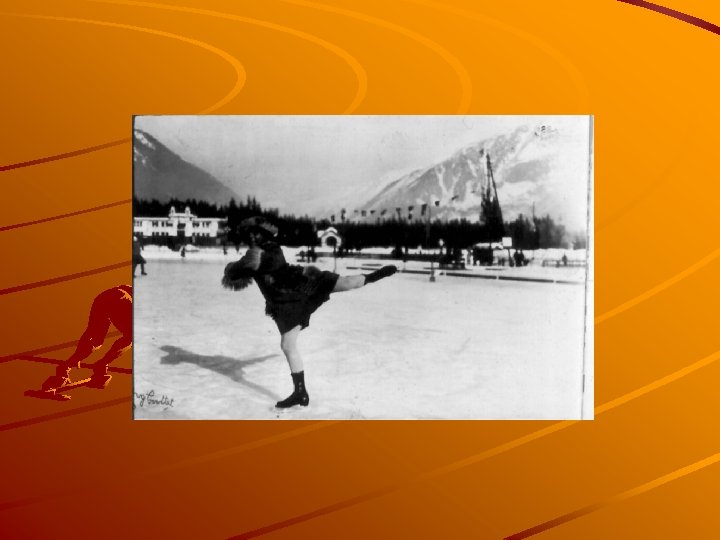
Paris 1924 Winter and Summer
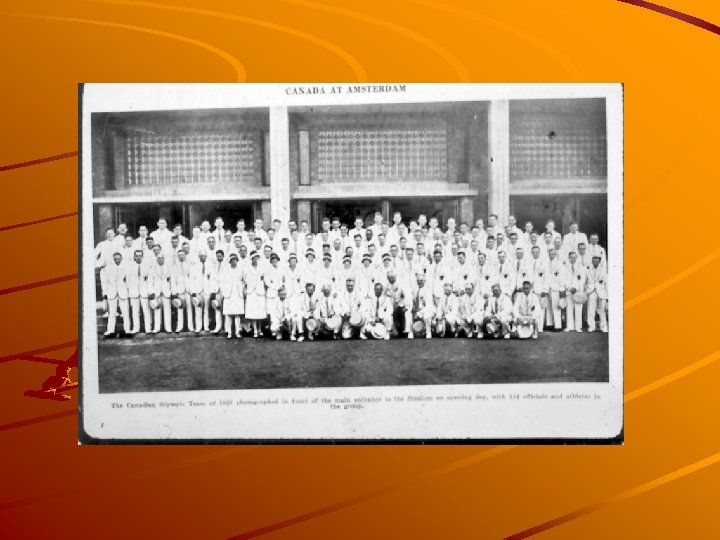
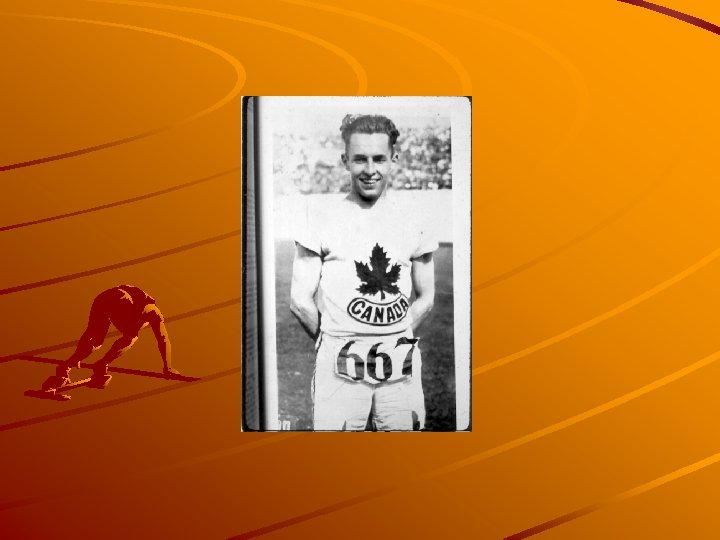
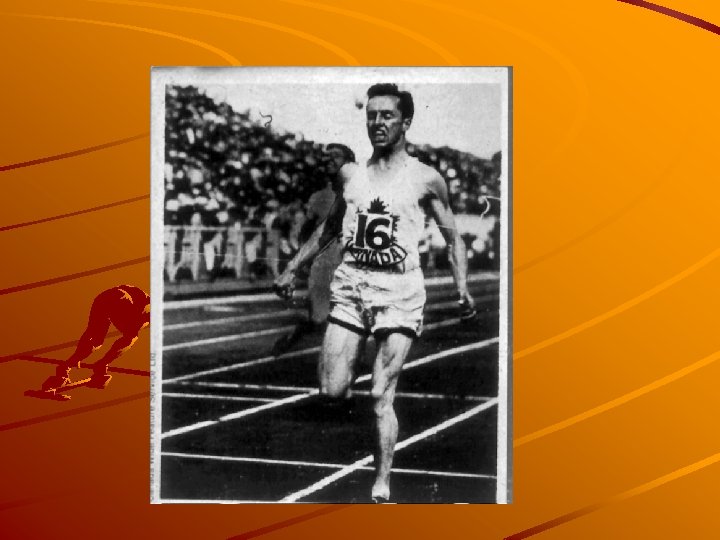
Amsterdam 1928
Women’s Participation at the Olympic Games
Background Athletics – Track &Field Sigfrid Edstrom 1914 IAAF Olympics as World championships
On Women’s Participation Hosts and organizing committees 1912
Women and the Olympic Games 1. Men’s attitudes about women and exercise: Medical; social; religious; sexuality and fashion 2. IOC attitudes about women’s participation
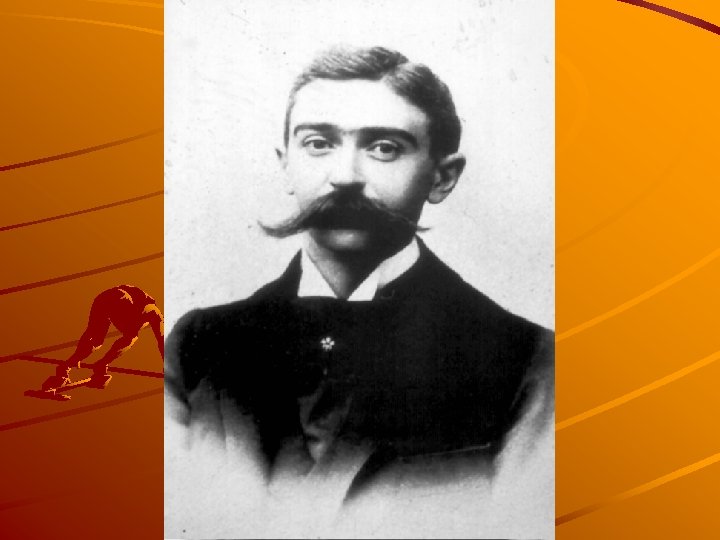
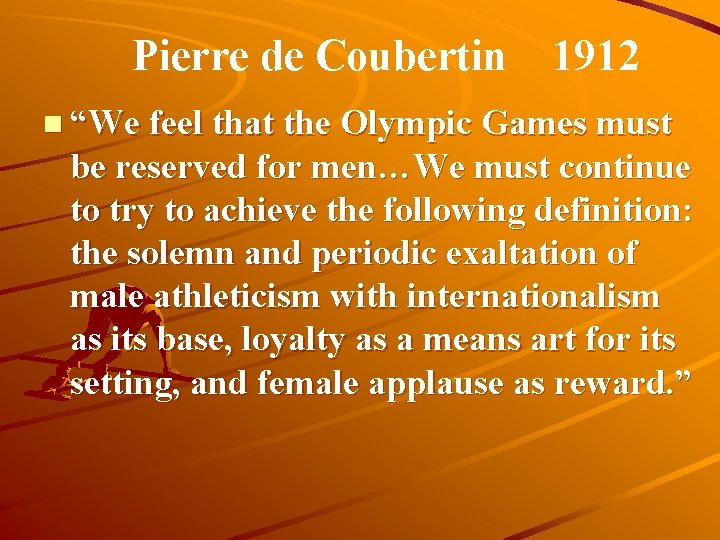
Pierre de Coubertin 1912 n “We feel that the Olympic Games must be reserved for men…We must continue to try to achieve the following definition: the solemn and periodic exaltation of male athleticism with internationalism as its base, loyalty as a means art for its setting, and female applause as reward. ”
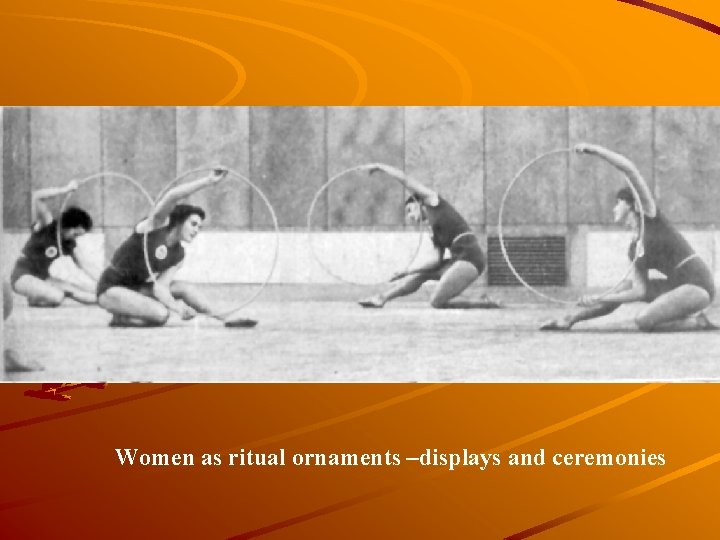
Women as ritual ornaments –displays and ceremonies
l. Coubertin l. Woman’s glory: l“through the number and quality of children she produced” l“encourage her sons to excel rather than to seek records for herself”
Sigfrid Edstrom – IAAF
Alice Milliat n Federation Sportive Feminine Internationale 1921
n. Women’s Olympics – 1922 n. Control over women’s sport – athletics n“Olympic” nfashion
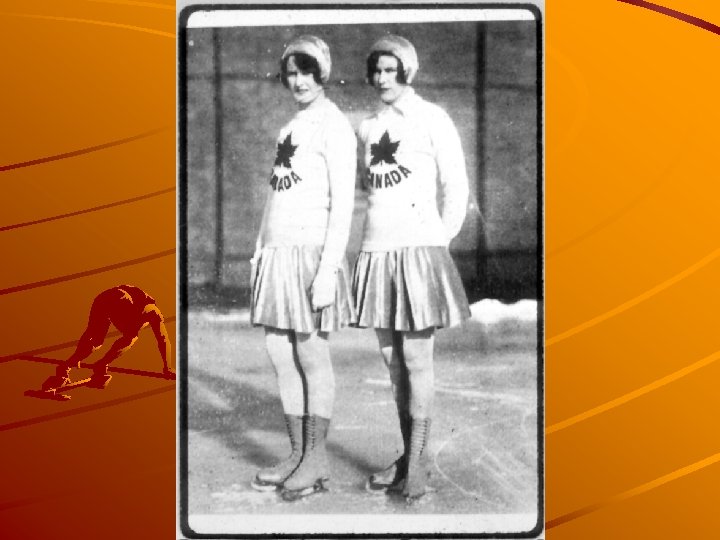
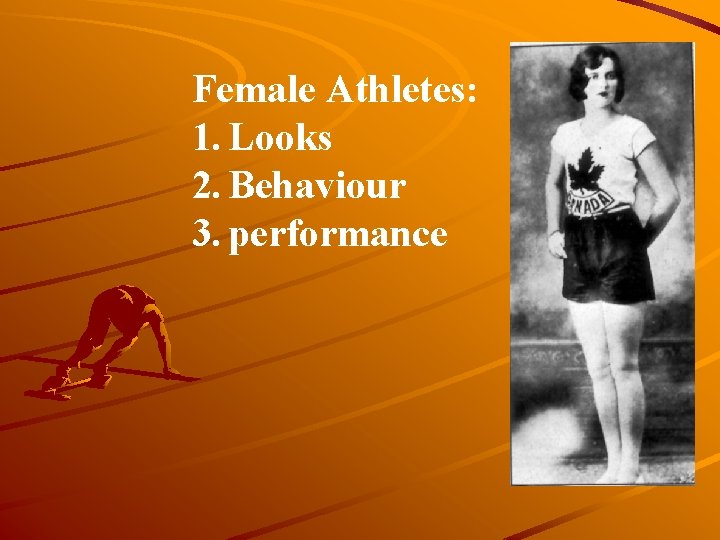
Female Athletes: 1. Looks 2. Behaviour 3. performance
Maxwell Stiles - Los Angeles Examiner (1932) “The Canadian girls are undoubtedly the prettiest and most wholesome looking group of girls who have arrived for the competition. They constitute a denial of the general idea that a woman athlete must be built like a baby grand piano and have a face like a hatchet. Their ages range from 16 to 21, and they are here to show the world that Canada has some splendid young women who are good-looking and who know how to conduct themselves. ”
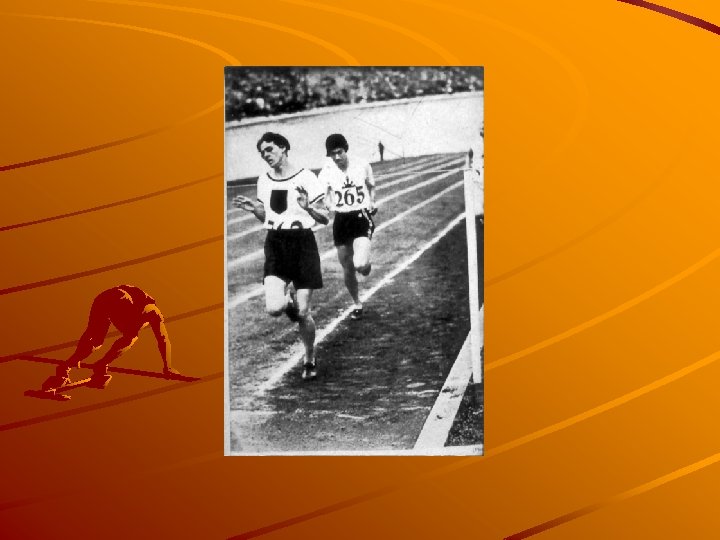
1928 5 Track and Field Events Boycott – Britain – women The 800 m Attempts in 1930 and 1931 to expel women from the Olympics
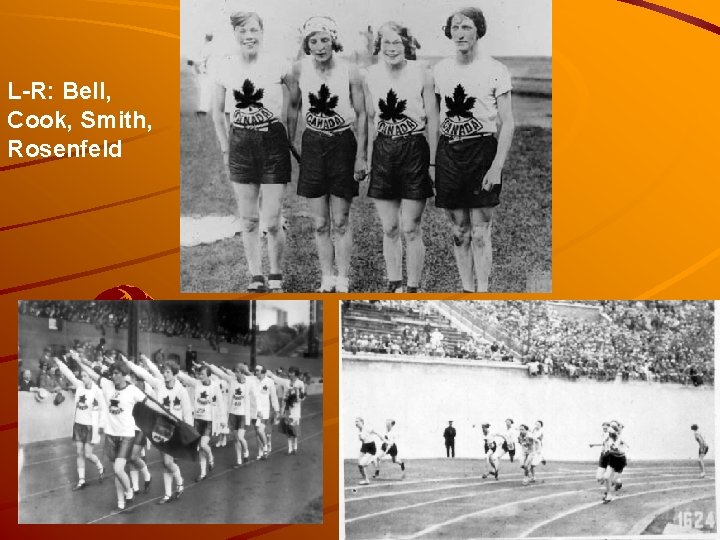
L-R: Bell, Cook, Smith, Rosenfeld
The Feminizing Process Control over women’s sport – incorporation Channeling Appropriately feminine – grace, rhythm Gender polarities
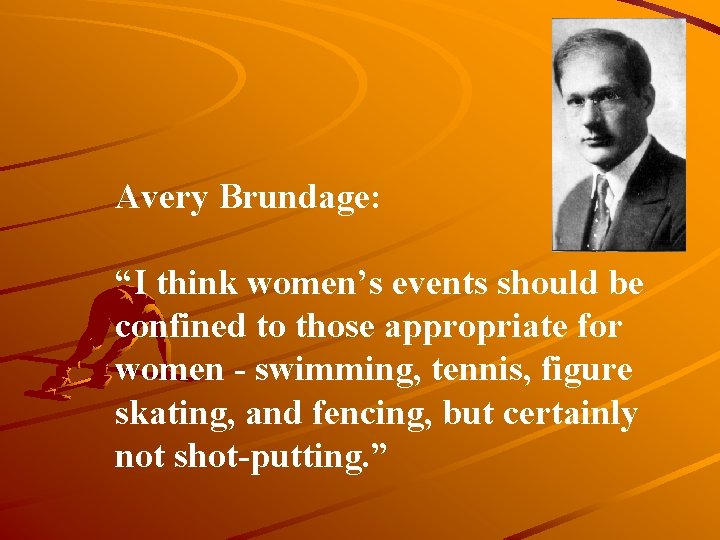
Avery Brundage: “I think women’s events should be confined to those appropriate for women - swimming, tennis, figure skating, and fencing, but certainly not shot-putting. ”
Against the Grain Edmonton Commercial Graduates Basketball Team 1915 -1940
Coach, manager, promoter Percy Page Feeder system – juniors, boys Regional, national, international A traveling women’s team?
Single No smoking No drinking Fair play Chaperones dress
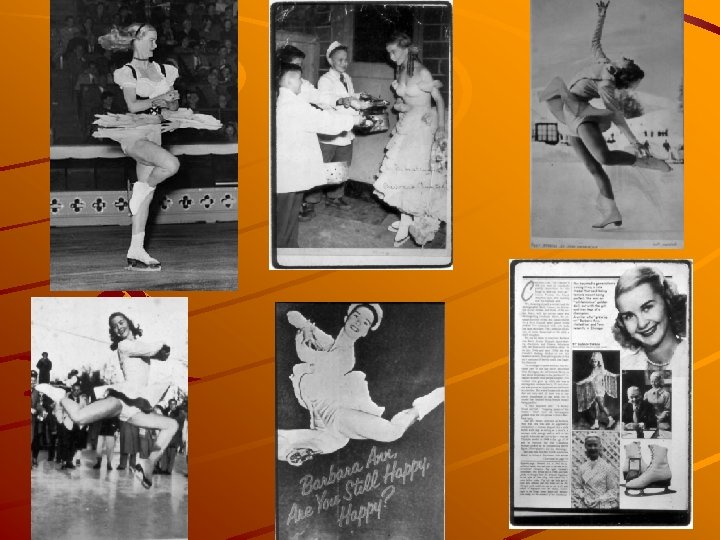
With the Grain Feminized sport Darlings, pixies, mermaids
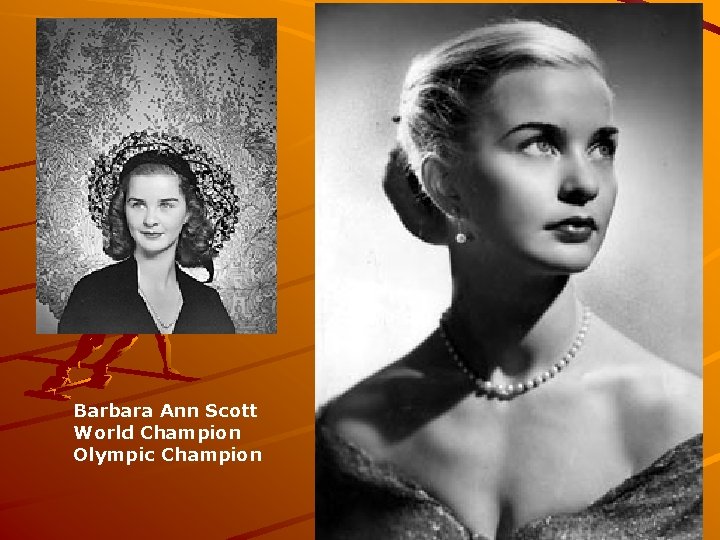
Barbara Ann Scott World Champion Olympic Champion