
The OHIO LISWS Survey Results and Discussion Richard
- Slides: 28
The OHIO LISW-S Survey: Results and Discussion Richard Boettcher, Ph. D, LISW-S Linda Helm, Ph. D LISW-S Danielle Smith, LSW January 19, 2018
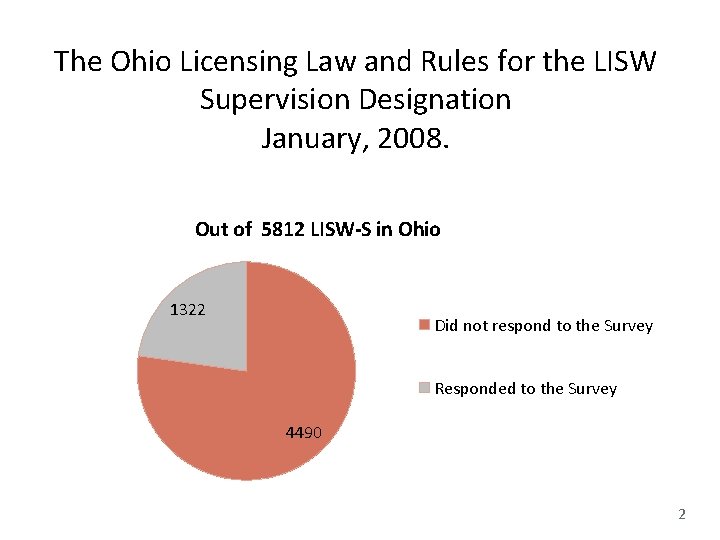
The Ohio Licensing Law and Rules for the LISW Supervision Designation January, 2008. Out of 5812 LISW-S in Ohio 1322 Did not respond to the Survey Responded to the Survey 4490 2
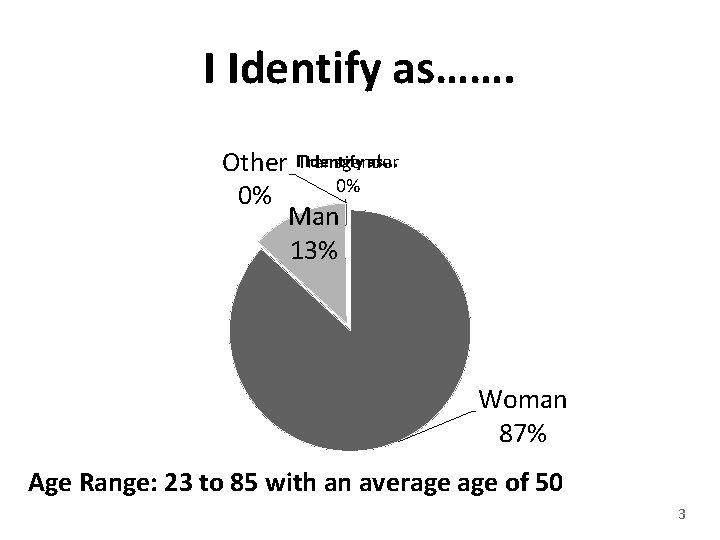
I Identify as……. Identify as. . . Other ITransgender 0% 0% Man 13% Woman 87% Age Range: 23 to 85 with an average of 50 3
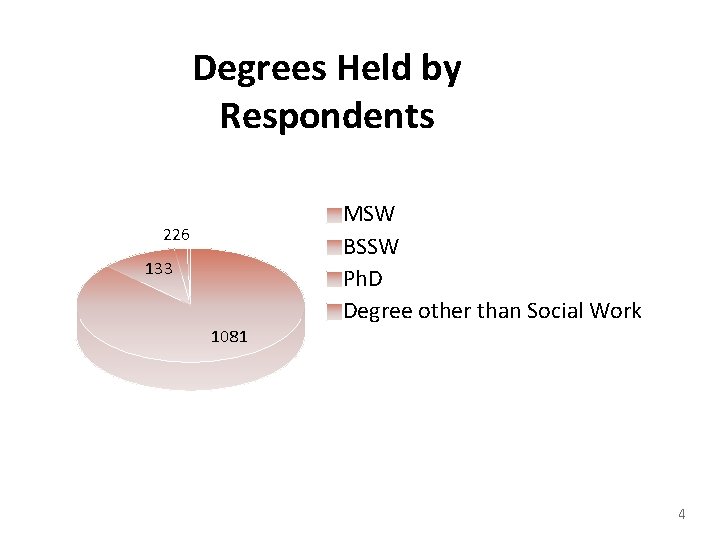
Degrees Held by Respondents 226 133 1081 MSW BSSW Ph. D Degree other than Social Work 4
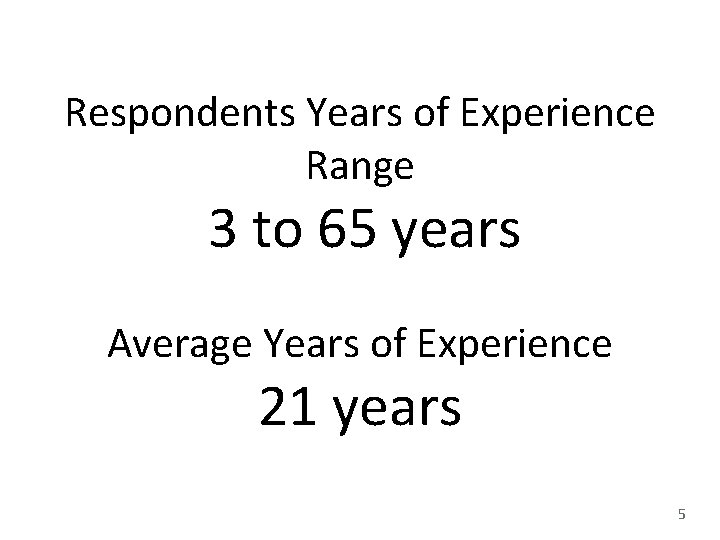
Respondents Years of Experience Range 3 to 65 years Average Years of Experience 21 years 5
6
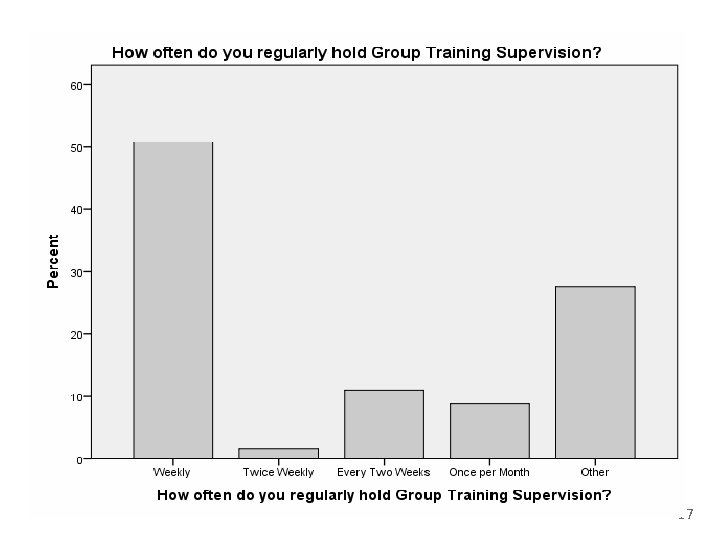
7
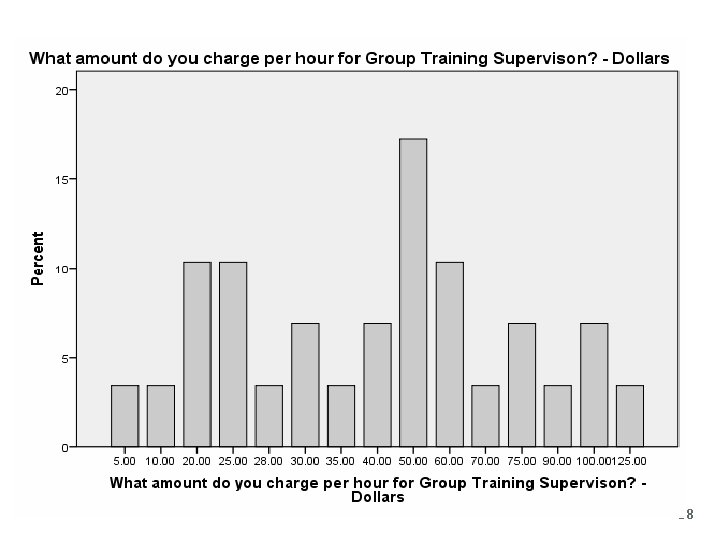
8
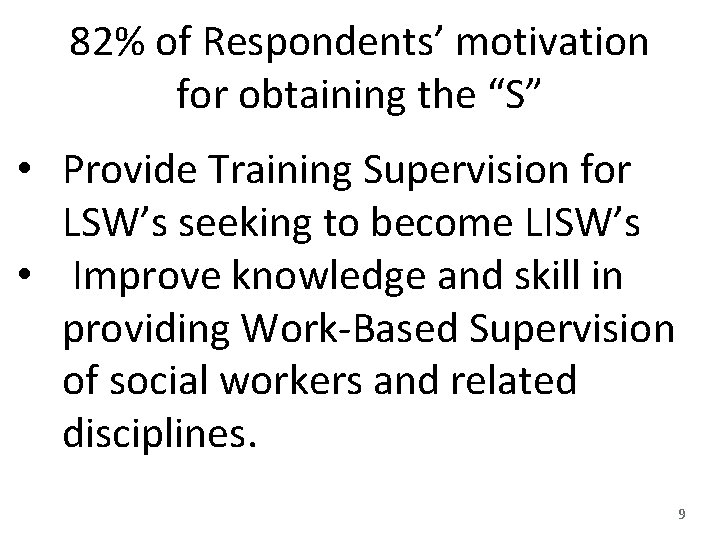
82% of Respondents’ motivation for obtaining the “S” • Provide Training Supervision for LSW’s seeking to become LISW’s • Improve knowledge and skill in providing Work-Based Supervision of social workers and related disciplines. 9
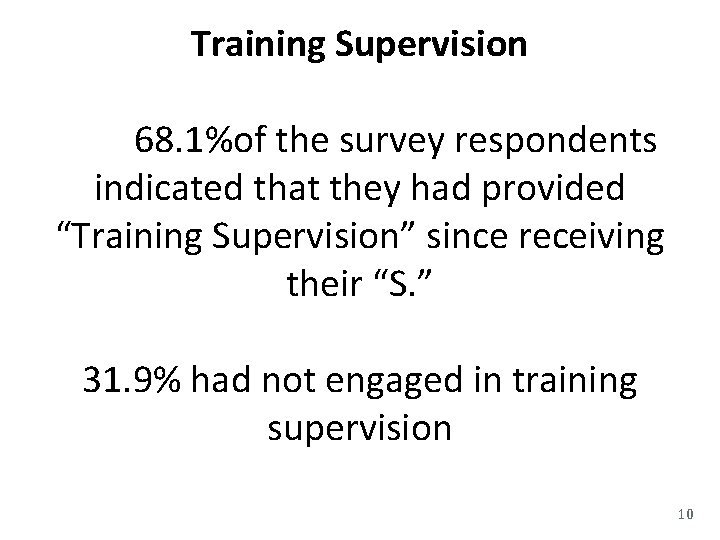
Training Supervision 68. 1%of the survey respondents indicated that they had provided “Training Supervision” since receiving their “S. ” 31. 9% had not engaged in training supervision 10
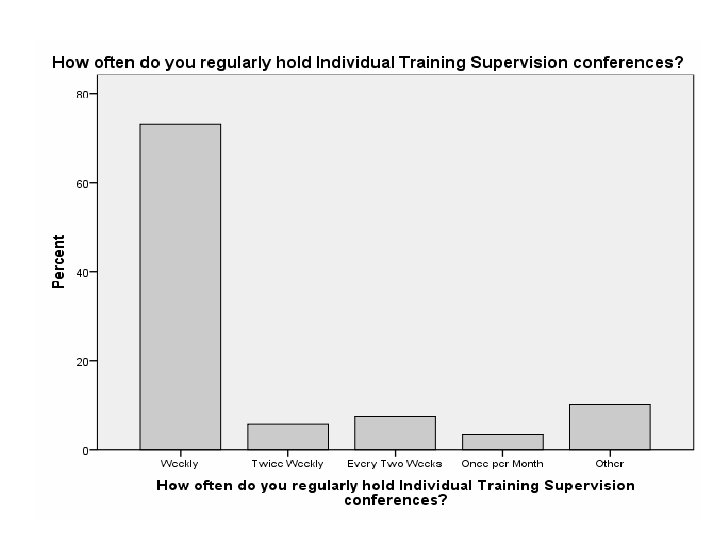
11
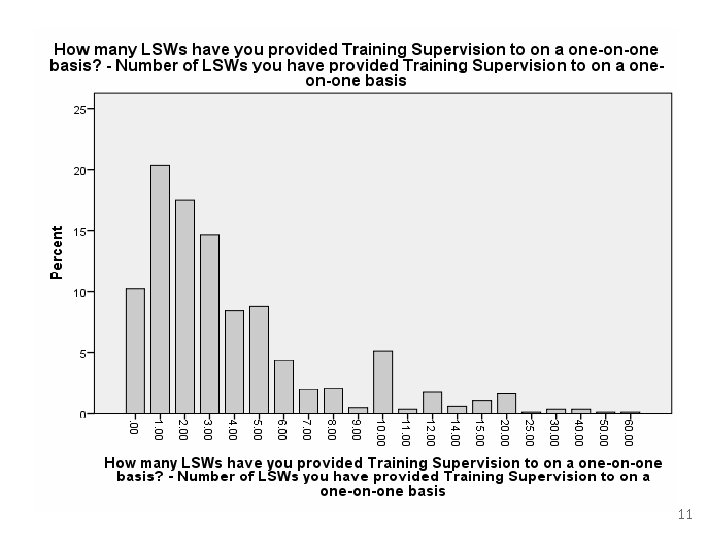
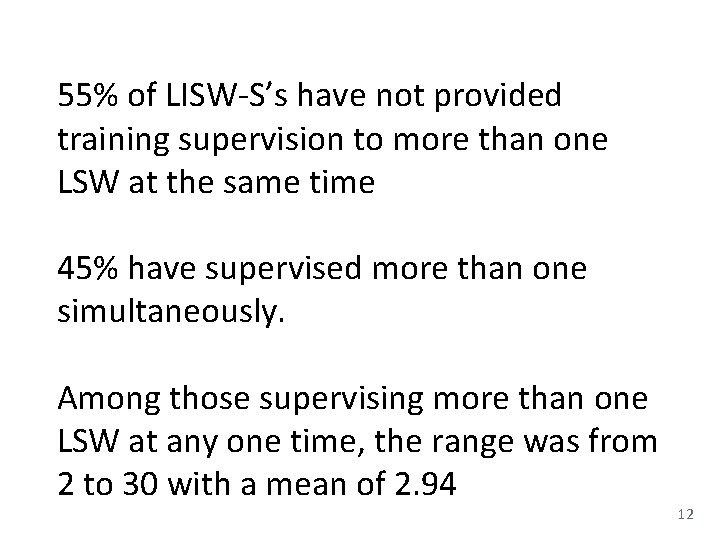
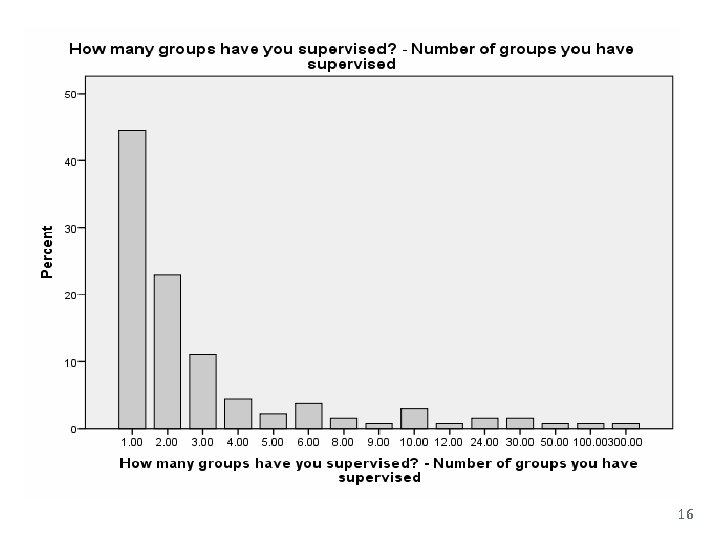
55% of LISW-S’s have not provided training supervision to more than one LSW at the same time 45% have supervised more than one simultaneously. Among those supervising more than one LSW at any one time, the range was from 2 to 30 with a mean of 2. 94 12
13
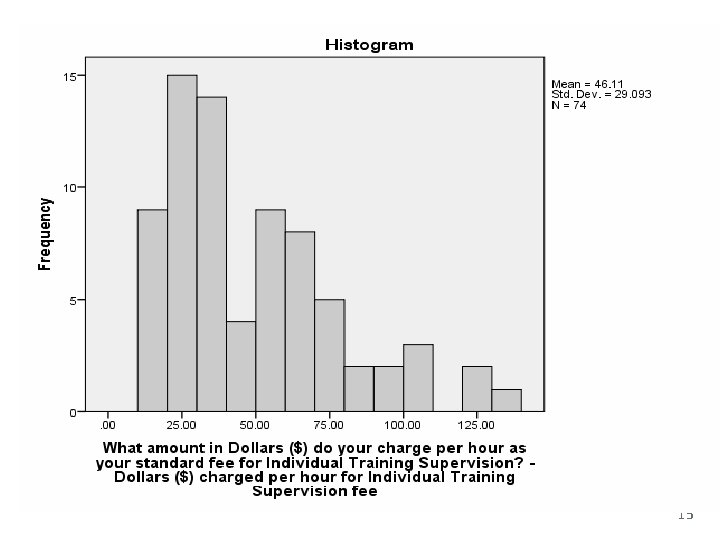
9. 4% respondents reported that they charge a fee for supervising LSW’s. 59% indicated they charge no fee for training supervision because it is provided through work as a benefit to employees 27% charge no fee because this is their contribution to the profession. 14
15
16
17
18
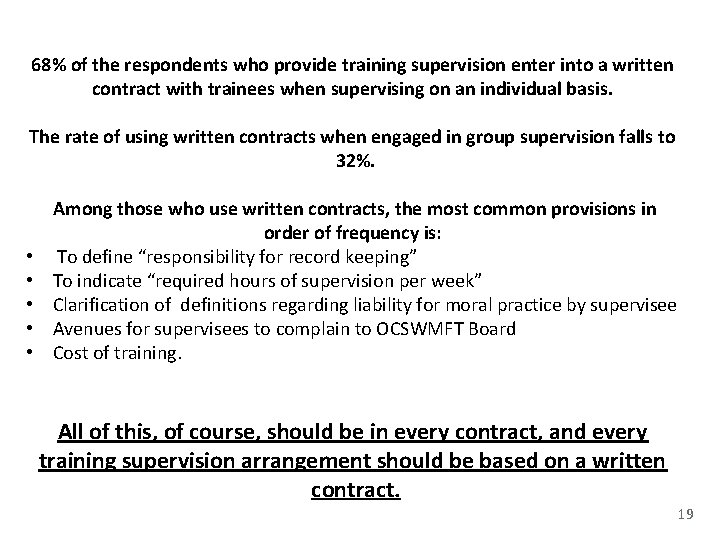
68% of the respondents who provide training supervision enter into a written contract with trainees when supervising on an individual basis. The rate of using written contracts when engaged in group supervision falls to 32%. • • • Among those who use written contracts, the most common provisions in order of frequency is: To define “responsibility for record keeping” To indicate “required hours of supervision per week” Clarification of definitions regarding liability for moral practice by supervisee Avenues for supervisees to complain to OCSWMFT Board Cost of training. All of this, of course, should be in every contract, and every training supervision arrangement should be based on a written contract. 19
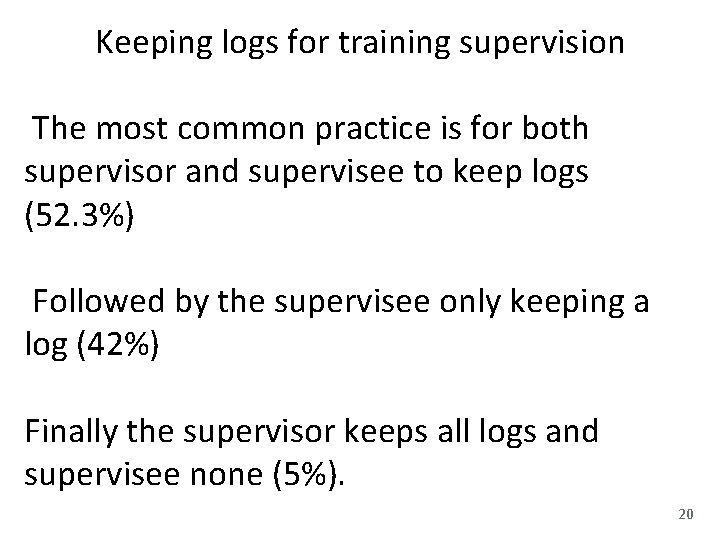
Keeping logs for training supervision The most common practice is for both supervisor and supervisee to keep logs (52. 3%) Followed by the supervisee only keeping a log (42%) Finally the supervisor keeps all logs and supervisee none (5%). 20
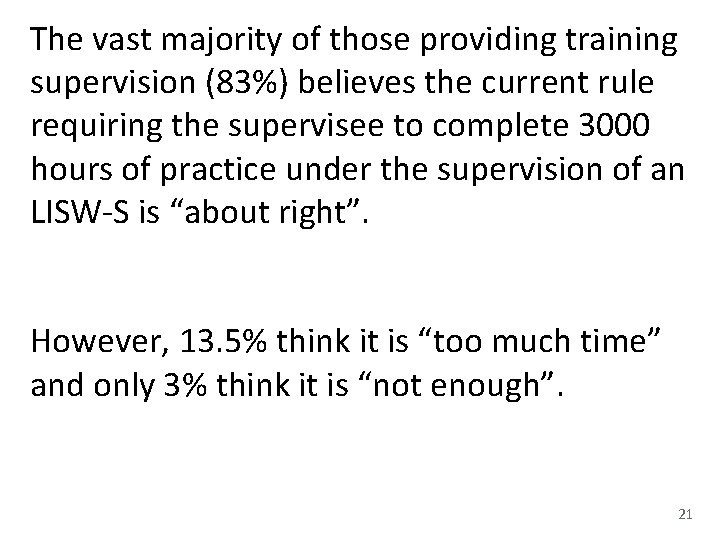
The vast majority of those providing training supervision (83%) believes the current rule requiring the supervisee to complete 3000 hours of practice under the supervision of an LISW-S is “about right”. However, 13. 5% think it is “too much time” and only 3% think it is “not enough”. 21
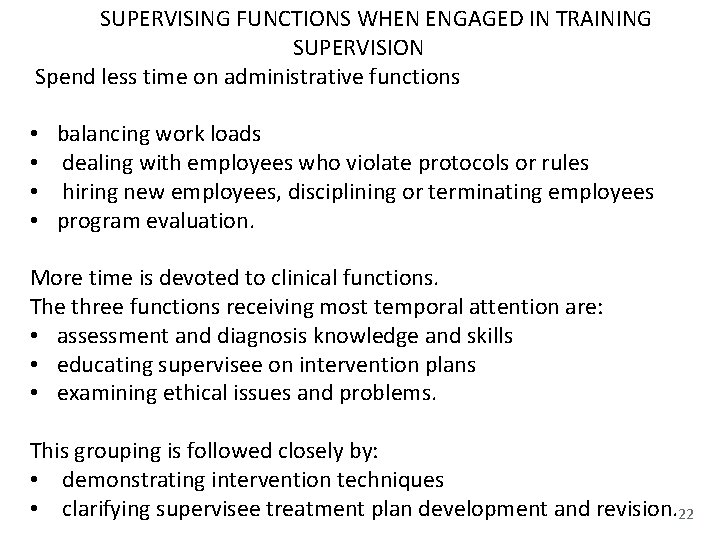
SUPERVISING FUNCTIONS WHEN ENGAGED IN TRAINING SUPERVISION Spend less time on administrative functions • • balancing work loads dealing with employees who violate protocols or rules hiring new employees, disciplining or terminating employees program evaluation. More time is devoted to clinical functions. The three functions receiving most temporal attention are: • assessment and diagnosis knowledge and skills • educating supervisee on intervention plans • examining ethical issues and problems. This grouping is followed closely by: • demonstrating intervention techniques • clarifying supervisee treatment plan development and revision. 22
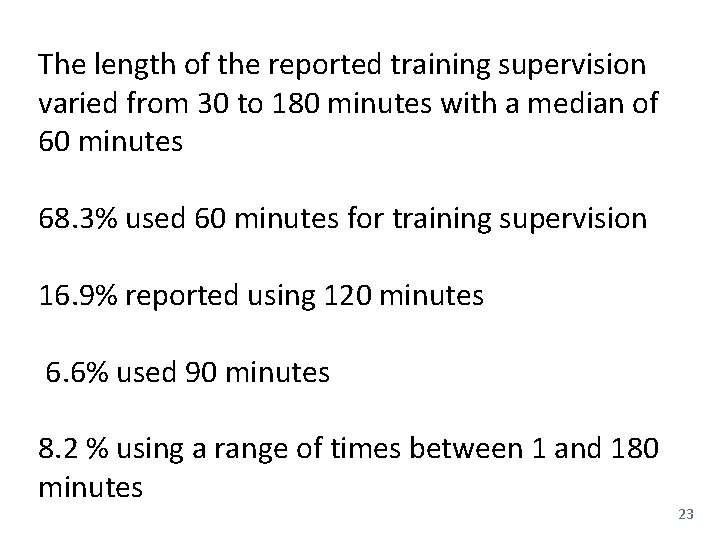
The length of the reported training supervision varied from 30 to 180 minutes with a median of 60 minutes 68. 3% used 60 minutes for training supervision 16. 9% reported using 120 minutes 6. 6% used 90 minutes 8. 2 % using a range of times between 1 and 180 minutes 23
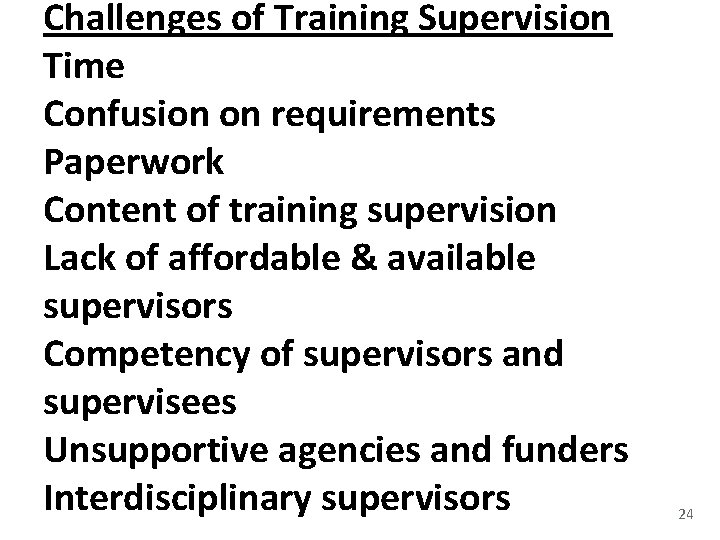
Challenges of Training Supervision Time Confusion on requirements Paperwork Content of training supervision Lack of affordable & available supervisors Competency of supervisors and supervisees Unsupportive agencies and funders Interdisciplinary supervisors 24
Suggestions from Challenges Paperwork should be electronic (specifically the logs) so they can be worked on and viewed by both parties. A set curriculum or syllabus should be provided by the Board for training supervision. A directory of available LISW-Ss should be provided. 25
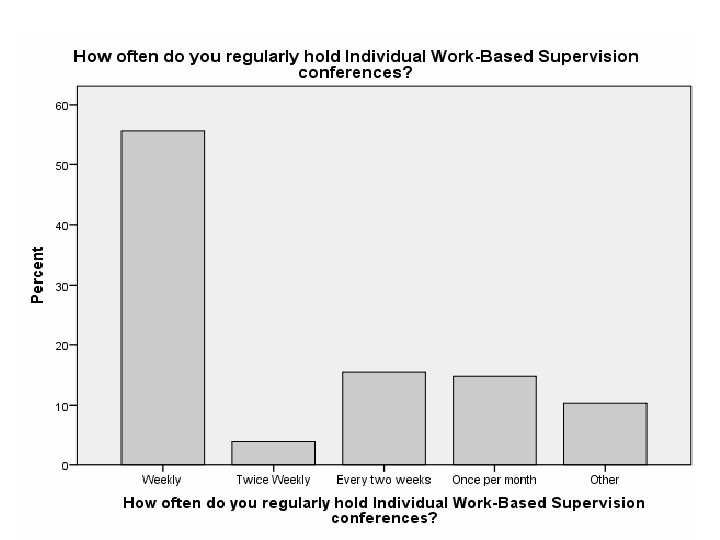
26
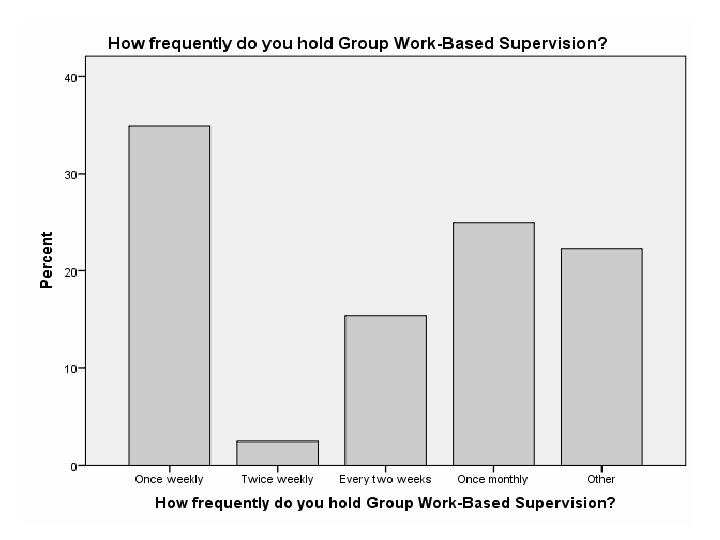
27
27. 9% of respondents indicated that they had written contracts with those whom they supervise at work 66. 5% do not employ written contracts. Some (6. 2%) indicate that the requirements for supervision are spelled out in employment letters of offer or in agency policies and procedures and, thus, a contract is already in place. This, of course, is not the same as a working supervision contract. 28