
The Odyssey Major Gods and Goddesses Zeus Position

- Slides: 35
The Odyssey Major Gods and Goddesses
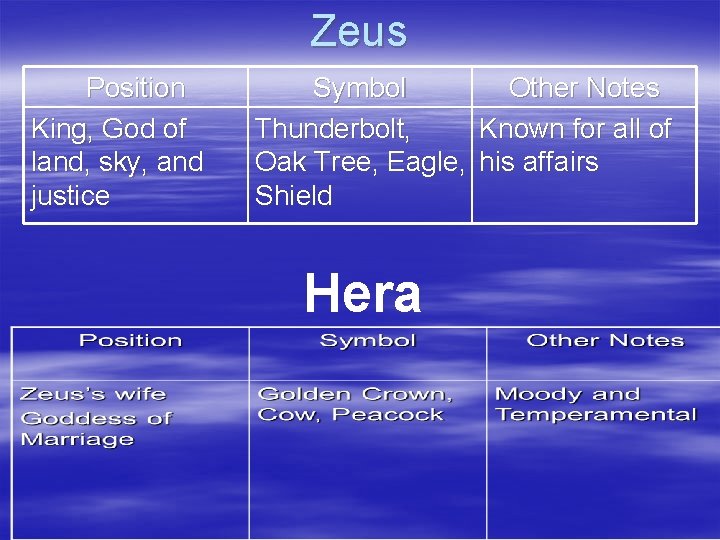
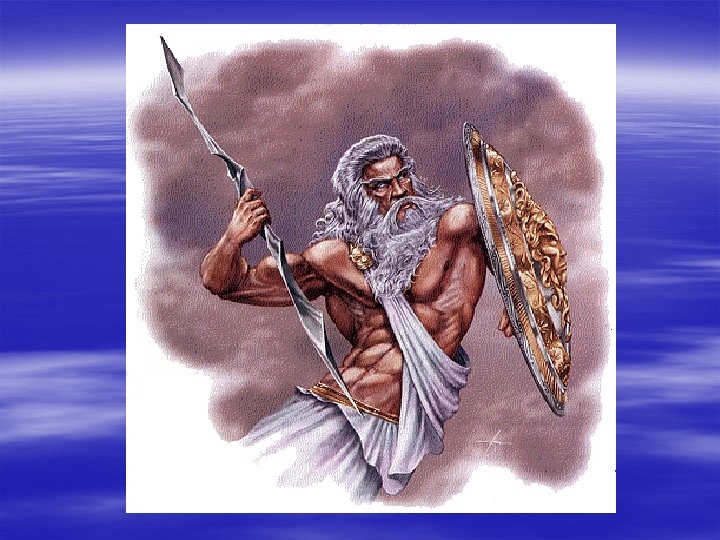
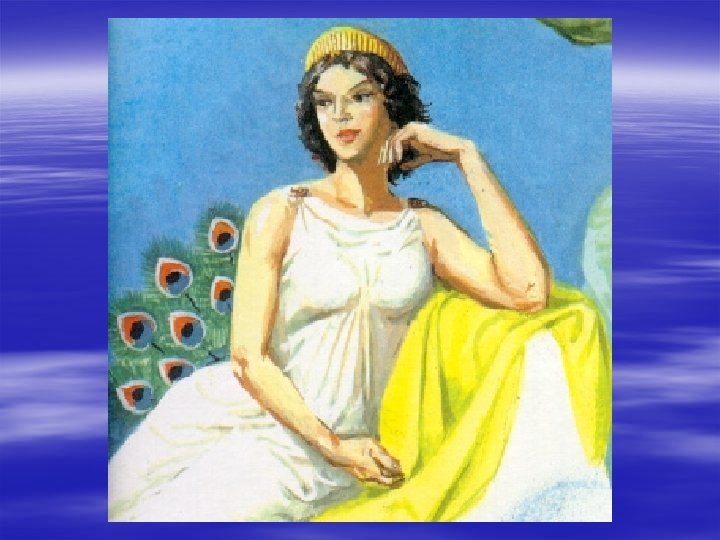
Zeus Position King, God of land, sky, and justice Symbol Other Notes Thunderbolt, Known for all of Oak Tree, Eagle, his affairs Shield Hera
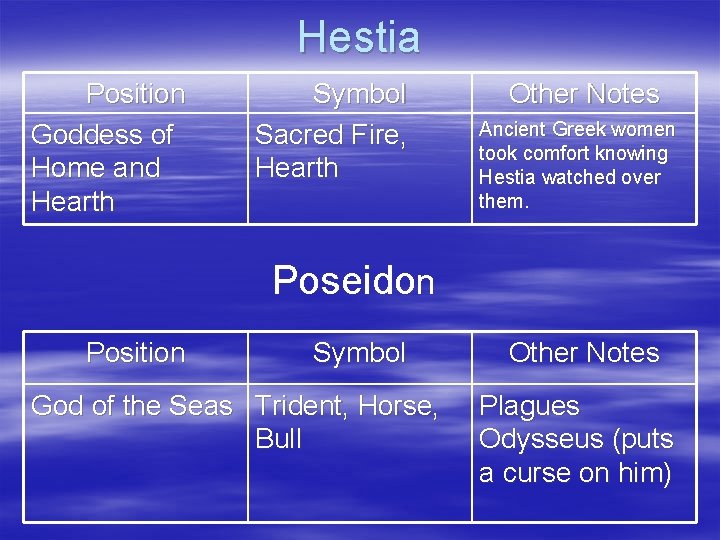
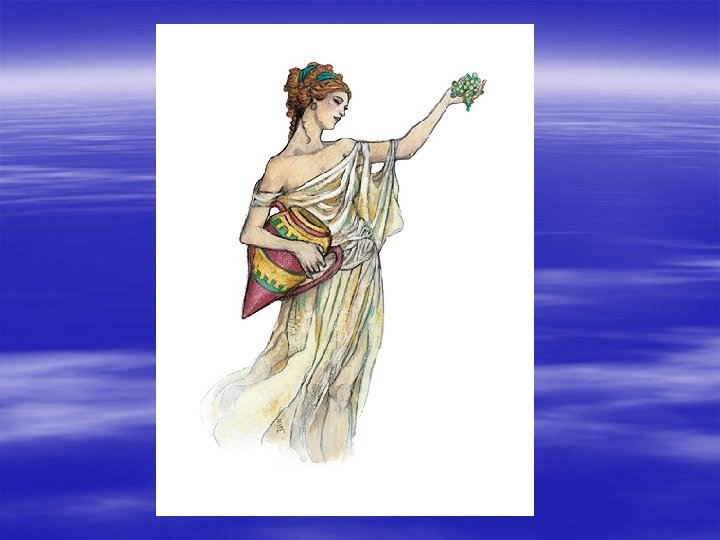
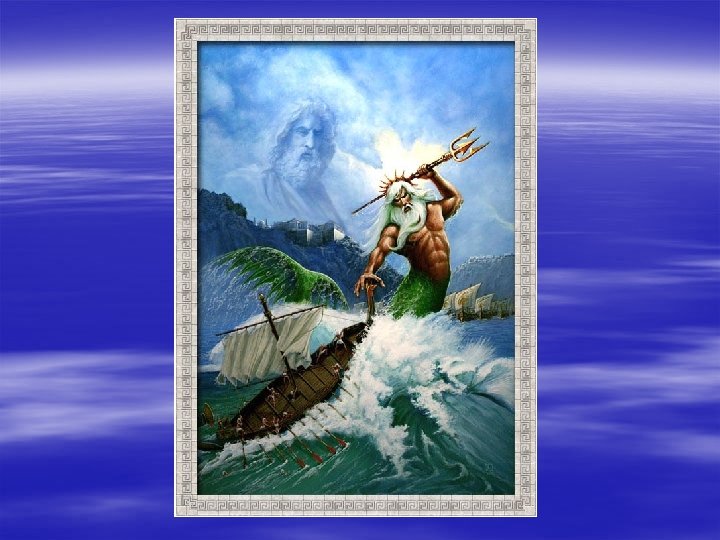
Hestia Position Goddess of Home and Hearth Symbol Sacred Fire, Hearth Other Notes Ancient Greek women took comfort knowing Hestia watched over them. Poseidon Position Symbol God of the Seas Trident, Horse, Bull Other Notes Plagues Odysseus (puts a curse on him)
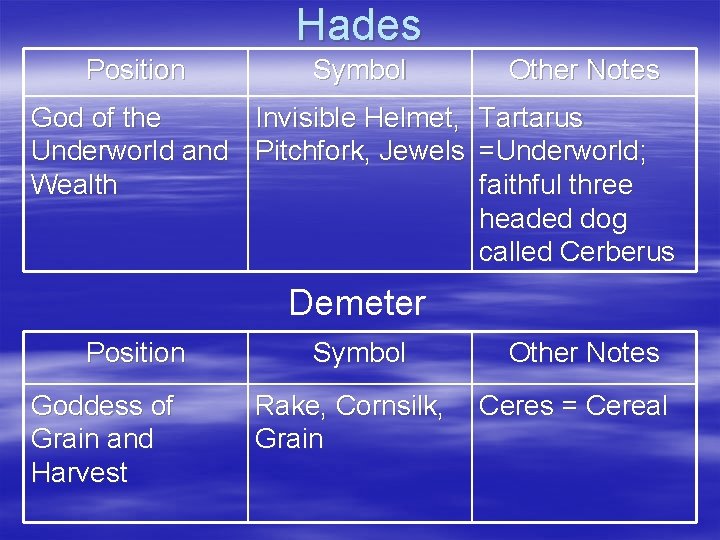
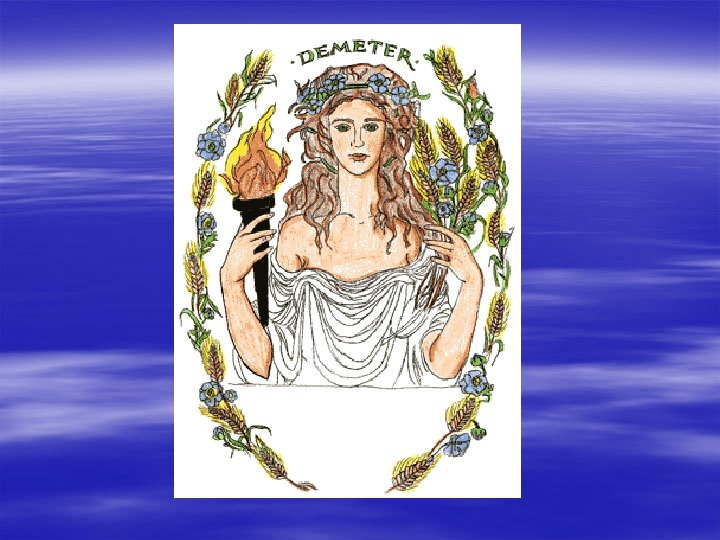
Hades Position Symbol Other Notes God of the Invisible Helmet, Tartarus Underworld and Pitchfork, Jewels =Underworld; Wealth faithful three headed dog called Cerberus Demeter Position Goddess of Grain and Harvest Symbol Rake, Cornsilk, Grain Other Notes Ceres = Cereal
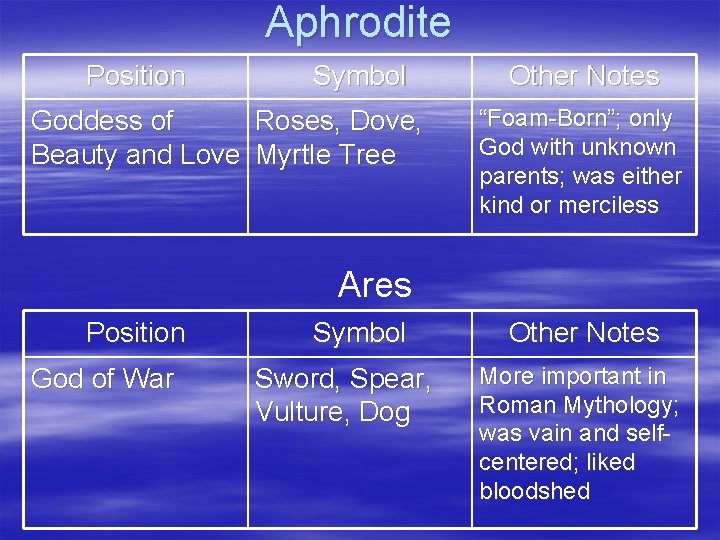
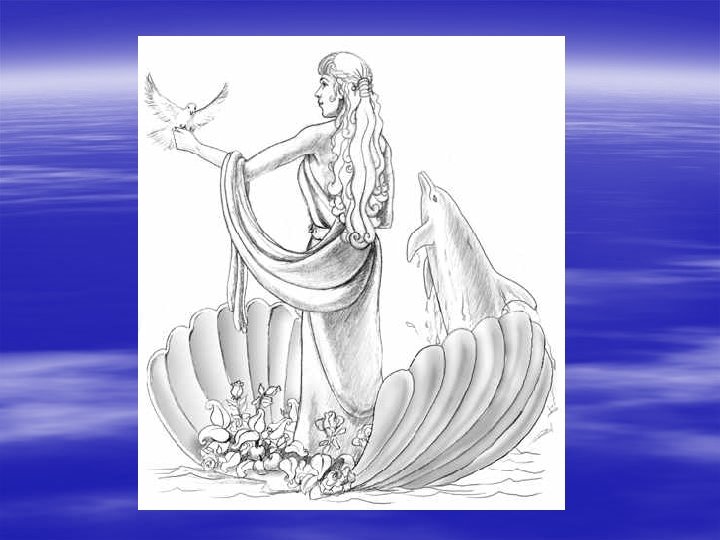
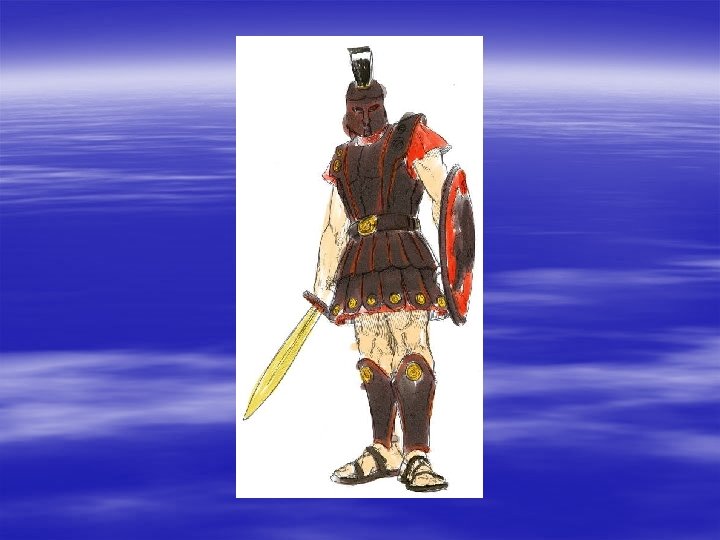
Aphrodite Position Symbol Goddess of Roses, Dove, Beauty and Love Myrtle Tree Other Notes “Foam-Born”; only God with unknown parents; was either kind or merciless Ares Position God of War Symbol Sword, Spear, Vulture, Dog Other Notes More important in Roman Mythology; was vain and selfcentered; liked bloodshed
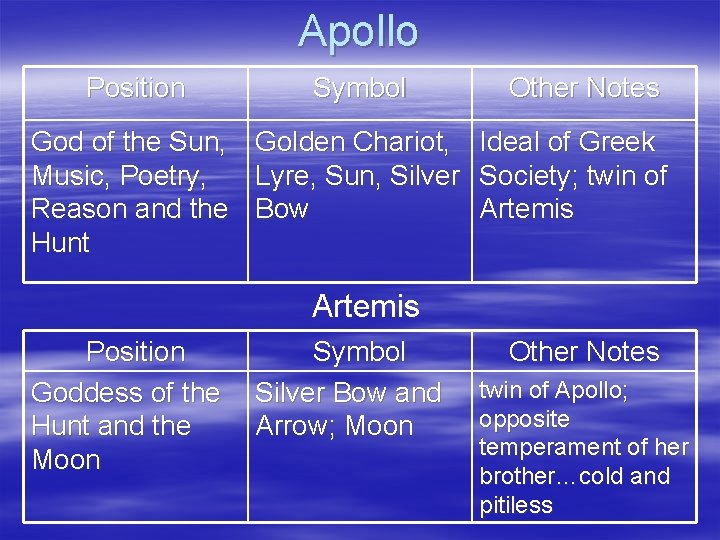
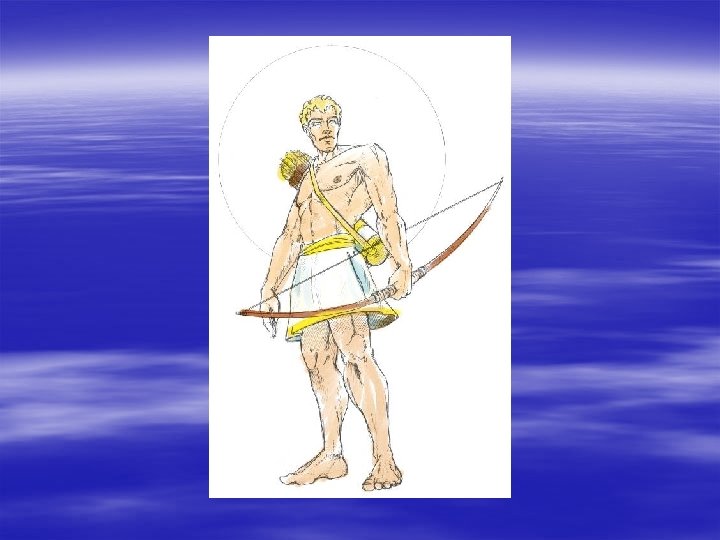
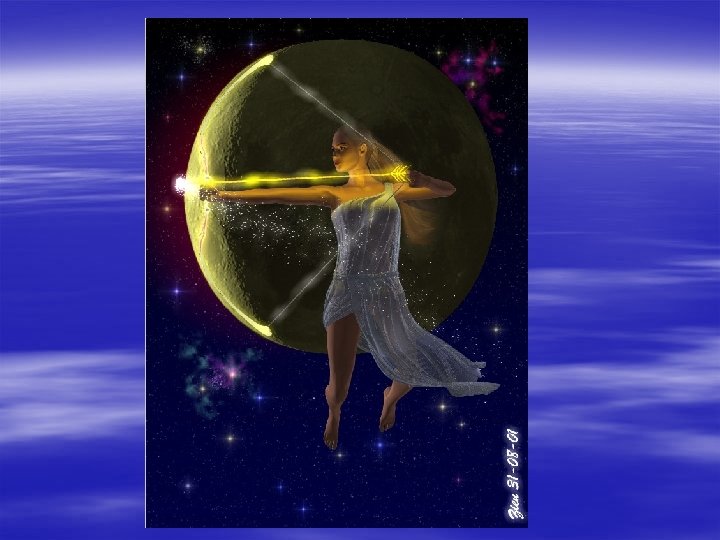
Apollo Position Symbol God of the Sun, Music, Poetry, Reason and the Hunt Golden Chariot, Lyre, Sun, Silver Bow Other Notes Ideal of Greek Society; twin of Artemis Position Goddess of the Hunt and the Moon Symbol Silver Bow and Arrow; Moon Other Notes twin of Apollo; opposite temperament of her brother…cold and pitiless
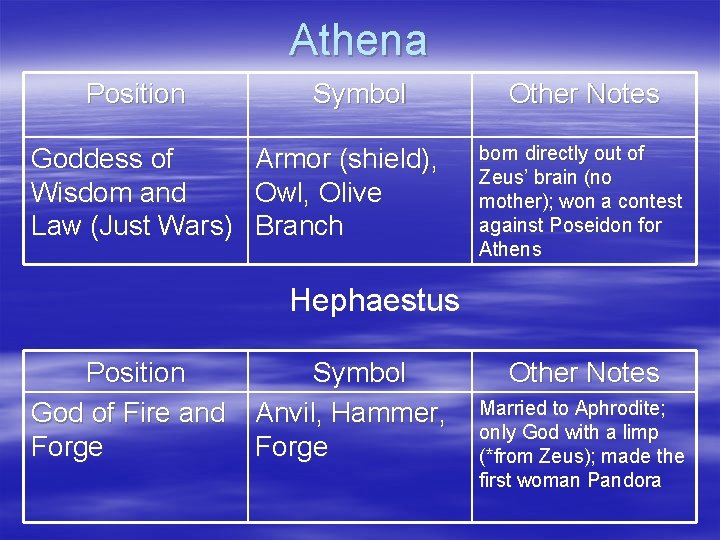
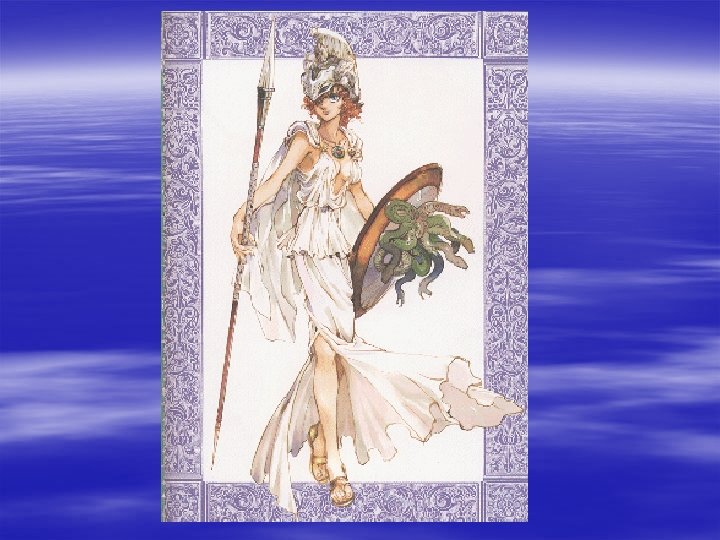
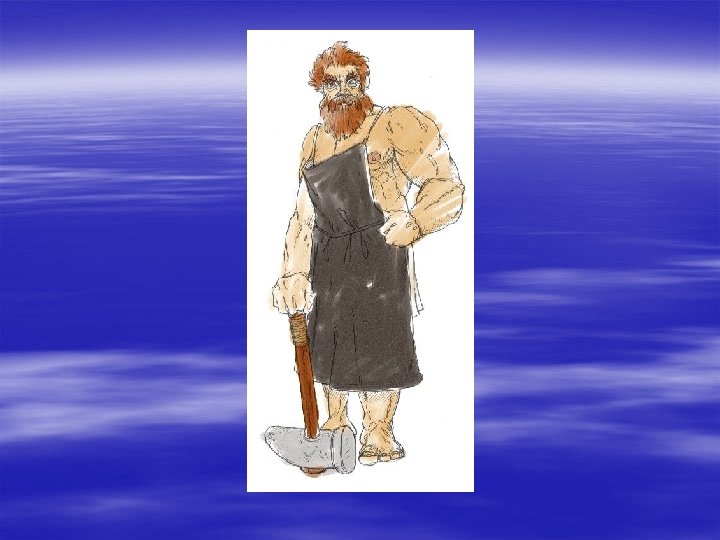
Athena Position Goddess of Wisdom and Law (Just Wars) Symbol Armor (shield), Owl, Olive Branch Other Notes born directly out of Zeus’ brain (no mother); won a contest against Poseidon for Athens Hephaestus Position God of Fire and Forge Symbol Anvil, Hammer, Forge Other Notes Married to Aphrodite; only God with a limp (*from Zeus); made the first woman Pandora
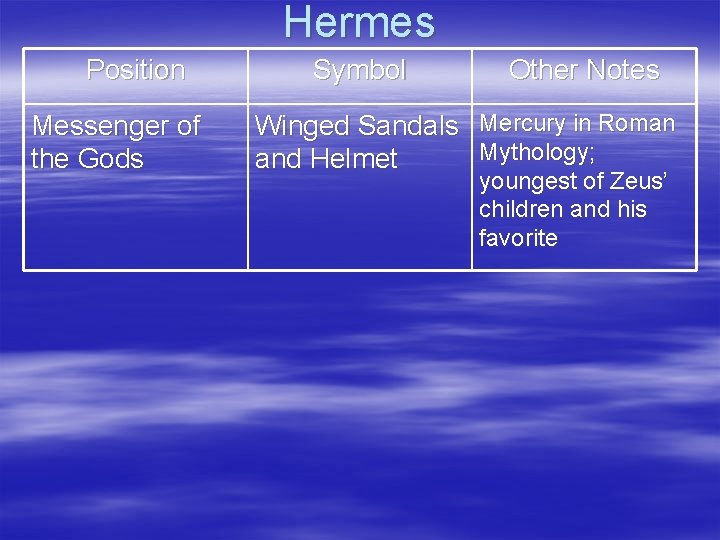
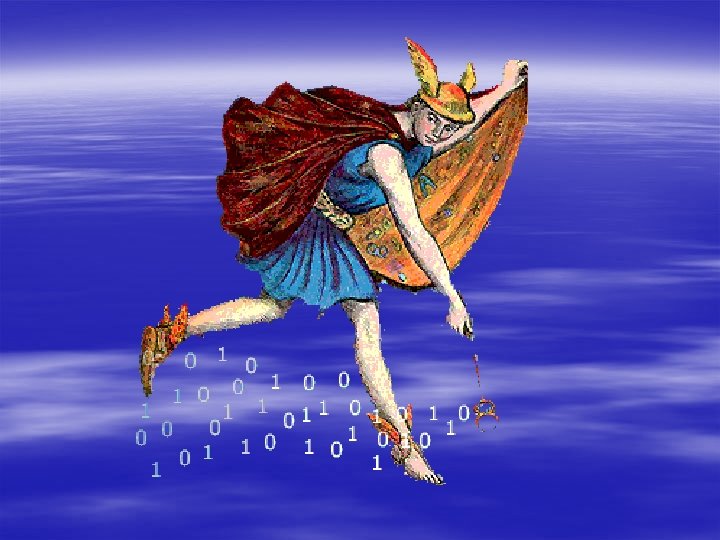
Hermes Position Messenger of the Gods Symbol Other Notes Winged Sandals Mercury in Roman Mythology; and Helmet youngest of Zeus’ children and his favorite
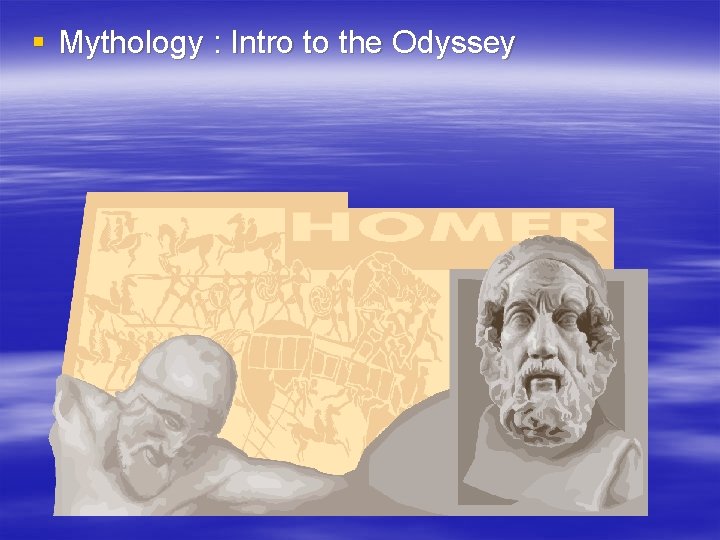
§ Mythology : Intro to the Odyssey
§ Mythology is the study of ancient myths. § A myth’s purpose is an attempt to explain something in nature. § Myths were created for two main reasons: § How anything and everything in the universe came into existence. § EX: men, animals, trees, flowers, stars § 2. Why certain things occured § EX: earthquakes, volcano eruptions, storms, floods (Thunder and lightening = zeus hurled his lightning bolt in anger
§ Homer’s Background § § § § Lived from 850 to 800 B. C. Homer's life is considered a bit of a mystery No one is even sure of his birthplace and age He was a wandering poet and minstrel Most historians agree he was blind He was the first to: Combine isolated tales about various heroic exploits into a single, coherent whole, creating THE EPIC
§ Homer’s Contributions § Prior to the invention of the written language, the legends, myths, or epics were handed down by “rhapsodes” who were verbal storytellers. § Two Epic Poems § The Iliad § The Odyssey
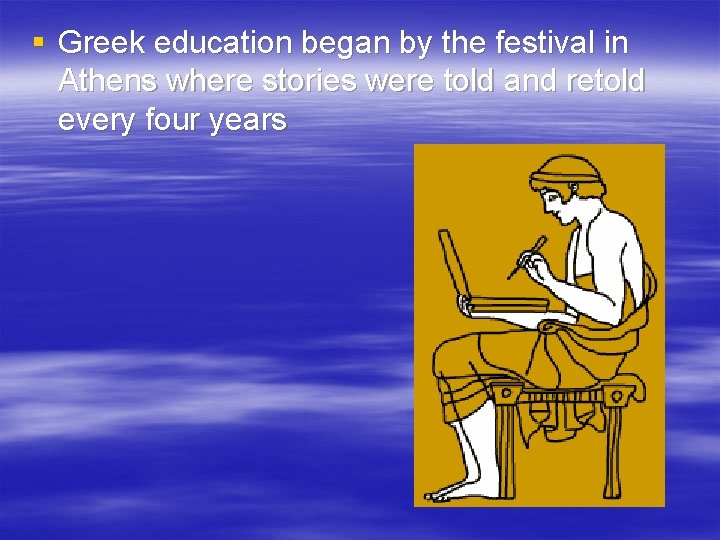
§ Greek education began by the festival in Athens where stories were told and retold every four years
§ Epic § An extended narrative poem recounting actions, travels, adventures, and heroic episodes § handed down through the generations telling a people’s history, reflecting their culture, and teaching religion, morals, and ethics to the young § Epic Characteristics § The main character (protagonist) is the source and subject of legend or a national hero § Setting covers several nations, the whole world, or even the universe § Deeds of hero presented without favoritism, revealing failings and virtues on his journey § Actions of heroism and courage sometimes reveal superhuman powers § The Gods play an active role in the outcomes of actions
§ Epic Characteristics Continued – Episodes, even though they may be fictional, provide an explanation for some of the circumstances or events in the history of a nation or people – All of the various adventures are essential; each event relates in some way to the central theme Conventions – Poem begins with a statement of theme – Invocation (prayer) to muse or other deity – Story begins in medias res (in the middle of things) with the hero at a low point and previous episodes are later recounted – Histories and descriptions of significant items (who made a sword or shield, how it was decorated, who owned it from generation to generation)
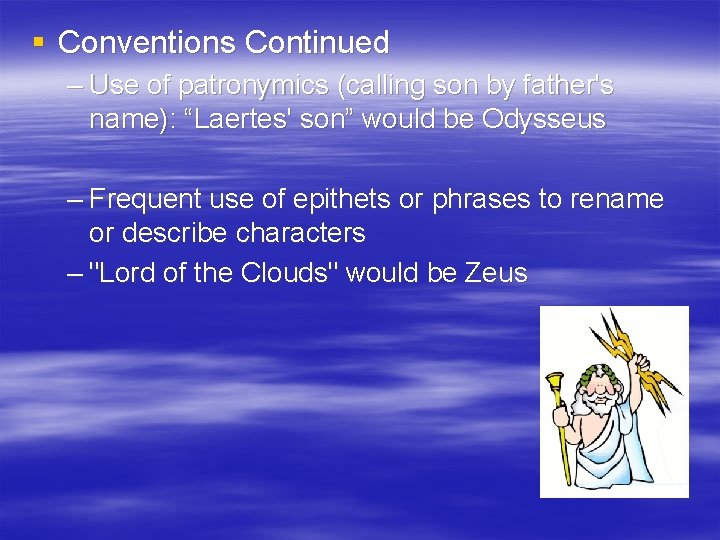
§ Conventions Continued – Use of patronymics (calling son by father's name): “Laertes' son” would be Odysseus – Frequent use of epithets or phrases to rename or describe characters – "Lord of the Clouds" would be Zeus
§ Homeric Similes – Also known as Epic Similes – The Homeric simile compares something everyone would have been familiar with to help create an image of something fantastic that no one would have been able to see. – Often used to help develop characters and theme – A. COMPARE - something familiar to the common man (lions, storms, deer, rivers) or everyday activities (fishing, herding) WITH something fantastical or abstract (slaying of a dragon, hope, peace) – – – B. Example: "Just as an angler poised on a jutting rock flings his treacherous bait in the offshore swell, whips his long rod—hook sheathed in an oxhorn lure— and whisks up little fish he flips on the beach-break, writhing, gasping out their lives. . . so now they writhed, gasping as Scylla swung them up her cliff and there at her cavern’s mouth she bolted them down raw— screaming out, flinging their arms down toward me, lost in that mortal struggle. . .
§ Epic Terms – anthropomorphism- a literary device that gives human form/attributes to a non-human being, such as a god or spirit – archetype- a recurring image, character, story, symbol, situation, or pattern in human thought and expression and part of the collective unconscious – arête- excellence as a virtue; striving to achieve one’s highest human potential – deity- a supernatural, Supreme Being, god, or goddess – deus ex machina- Some Greek playwrights like Euripides used to end the play by having a god lowered onto the stage by ropes and mechanical apparatus. Then he would make his commands and judgments and solve the problems for the humans-like Zeus at the end of the book. The phrase is now used for any forced or improbable device an author uses to resolve his plot. – hubris- excessive pride. – in medias res- a Latin term literally meaning “in the midst of things”; a technique used in most epics when a story begins in the middle of the action – Invocation of the Muse- a technique used in most epics in which the poet pleads with one of the muses (nine goddesses of the creative arts) to help him compose or tell his story – xenia- the ancient Greeks’ belief in the importance of treating guests with kindness, generosity, respect, sometimes offering luxurious gifts (aka code of hospitality)
§ Epic Hero – A larger than life hero from history or legend – Is a main character who represents his people and nation – Usually favored by or descended from deities – Characterized as noble, virtuous, larger than life, and good looking – Participates in a cyclical journey or quest
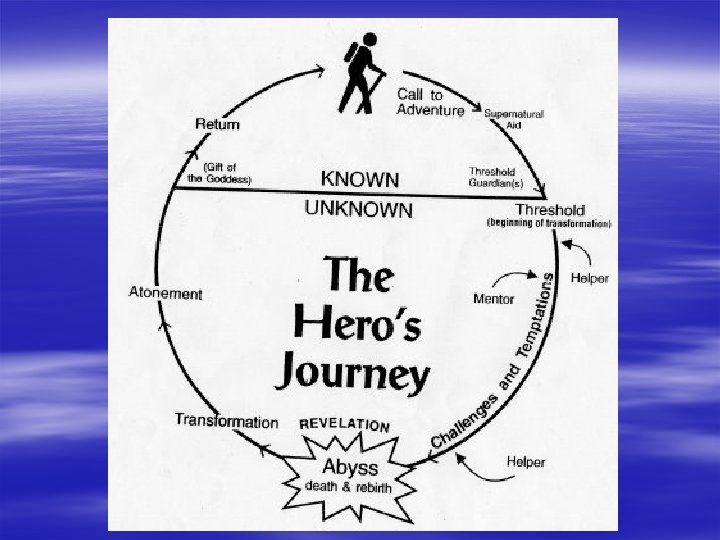
§ Epic Hero Cycle – The hero is charged with a quest or a call to adventure – The hero is tested, to prove his worthiness of himself and his quest – Presences of mythical beings, magical and helpful animals, and human helpers and companions – The hero’s travels take him to a supernatural world, often one where human beings are barred like the underworld – The cycle reaches a low point and the hero nearly gives up his quest or appears defeated or dead – A resurrection occurs; helps comes to him in this dire hour of need – Restitution--the hero often regains his place on the throne
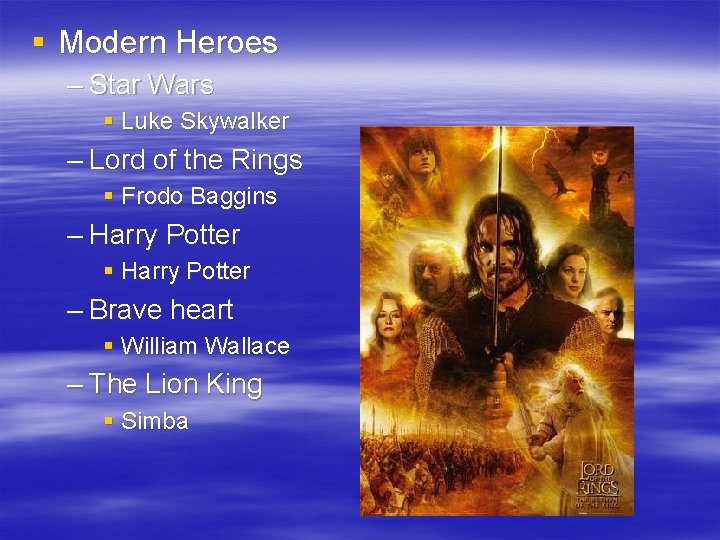
§ Modern Heroes – Star Wars § Luke Skywalker – Lord of the Rings § Frodo Baggins – Harry Potter § Harry Potter – Brave heart § William Wallace – The Lion King § Simba