
The Oceans A Presentation on AtmosphereOcean Interaction Presented
![Bragging Rights… Which ocean is the biggest? OCEAN SURFACE AREA [km 2] OF ALL](https://slidetodoc.com/presentation_image_h/0465b0f6f71f52d9a7276834479b85c6/image-9.jpg "Bragging Rights… Which ocean is the biggest? OCEAN SURFACE AREA [km 2] OF ALL")
![Bragging Rights… Which ocean has the most coastline? OCEAN COASTLINE LENGTH [km] Atlantic 111,](https://slidetodoc.com/presentation_image_h/0465b0f6f71f52d9a7276834479b85c6/image-10.jpg "Bragging Rights… Which ocean has the most coastline? OCEAN COASTLINE LENGTH [km] Atlantic 111,")

- Slides: 51
The Oceans A Presentation on Atmosphere-Ocean Interaction Presented by: National Weather Service Shreveport, LA
Why study major bodies of water? • Water covers nearly ¾ of the earth’s surface • More than 50% of the world’s population lives within an hour of the coast • Plays a role in both climate and day-today weather • FOOD! – Cost of your food could depend on it
The “Basics” There are FOUR oceans • ATLANTIC • PACIFIC • INDIAN • SOUTHERN
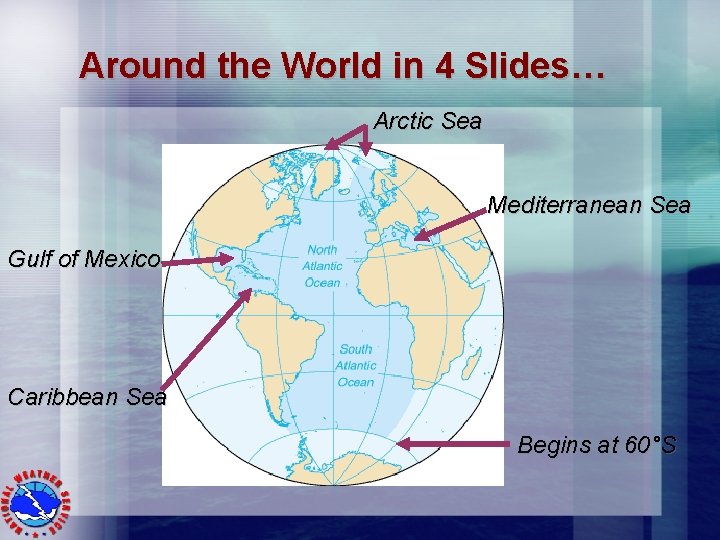
Around the World in 4 Slides… Arctic Sea Mediterranean Sea Gulf of Mexico Caribbean Sea Begins at 60°S
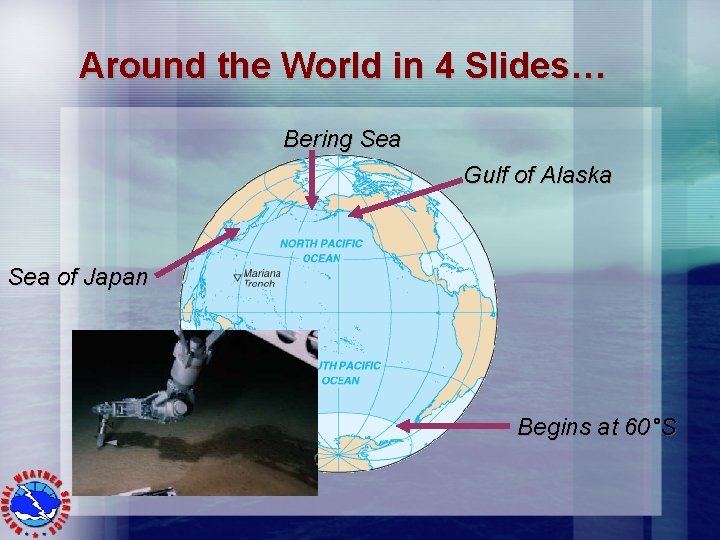
Around the World in 4 Slides… Bering Sea Gulf of Alaska Sea of Japan Begins at 60°S
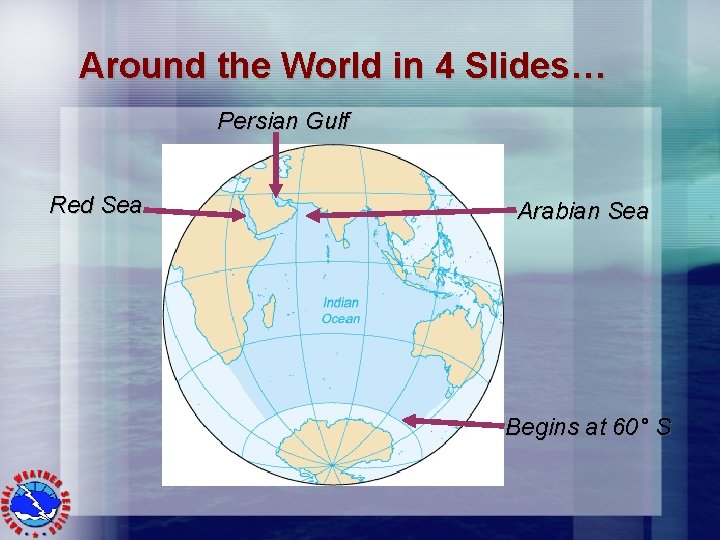
Around the World in 4 Slides… Persian Gulf Red Sea Arabian Sea Begins at 60° S
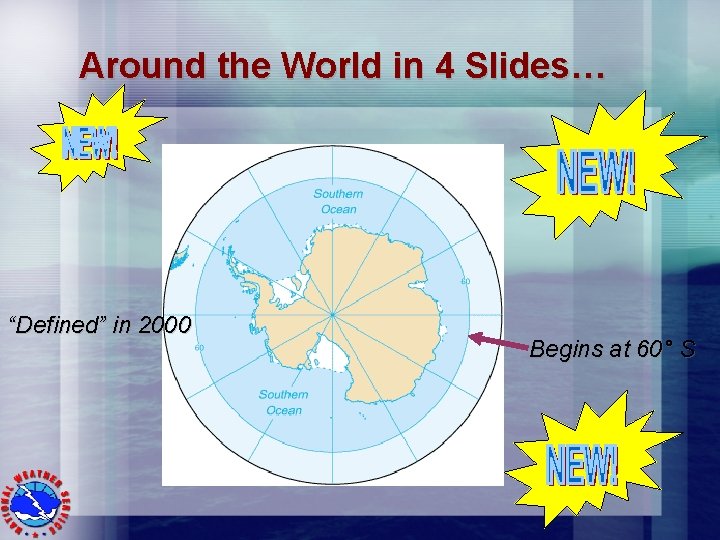
Around the World in 4 Slides… “Defined” in 2000 Begins at 60° S
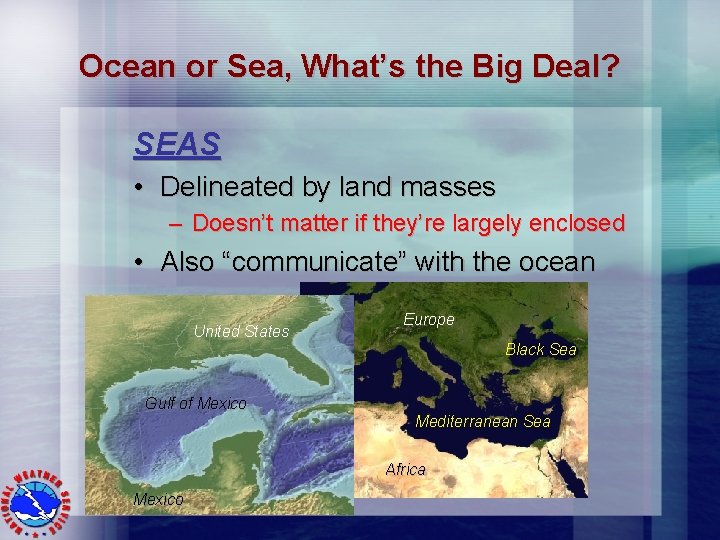
Ocean or Sea, What’s the Big Deal? SEAS • Delineated by land masses – Doesn’t matter if they’re largely enclosed • Also “communicate” with the ocean Strait of States Gibralter United Gulf of Mexico Europe Black Sea Mediterranean Sea Africa Mexico
Bragging Rights… Which ocean is the biggest? OCEAN SURFACE AREA [km 2] OF ALL OCEANS… Atlantic 90, 818, 000 27. 1% Indian 68, 556, 000 20. 4% Pacific 155, 557, 000 46. 4% Southern 20, 327, 000 6. 1%
Bragging Rights… Which ocean has the most coastline? OCEAN COASTLINE LENGTH [km] Atlantic 111, 866 Indian 66, 526 Pacific 135, 663 Southern 17, 968
Water is Water…or is it? ! FRESHWATER • Rivers • Streams • Lakes SALTWATER • Oceans • Gulfs • Seas
Water is Water…or is it? ! QUESTION: Is saltwater the same everywhere? ANSWER: Nope. In general, the Atlantic Ocean is the “saltiest. ”
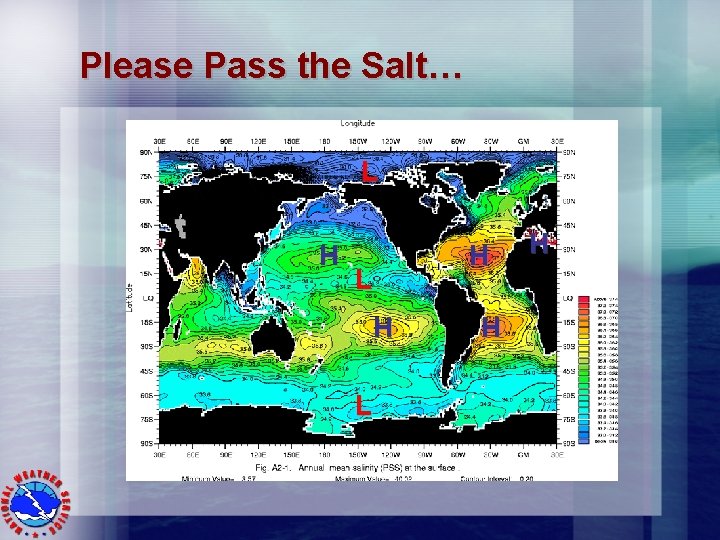
Please Pass the Salt… • “Run-of-the-mill” concentration? – 3. 5 grams/liter • Like weather, there areas of – HIGH salinity – LOW salinity So, where are these “highs” and “lows”?
Please Pass the Salt… L H L H H H
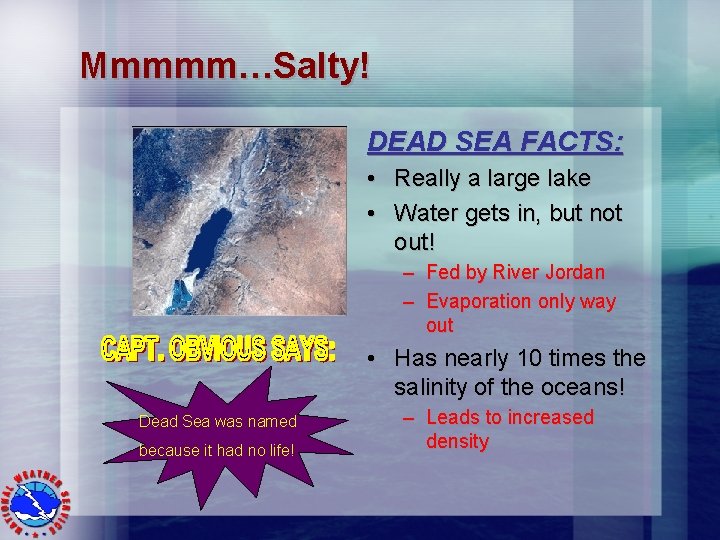
Mmmmm…Salty! DEAD SEA FACTS: • Really a large lake • Water gets in, but not out! – Fed by River Jordan – Evaporation only way out • Has nearly 10 times the salinity of the oceans! Dead Sea was named because it had no life! – Leads to increased density
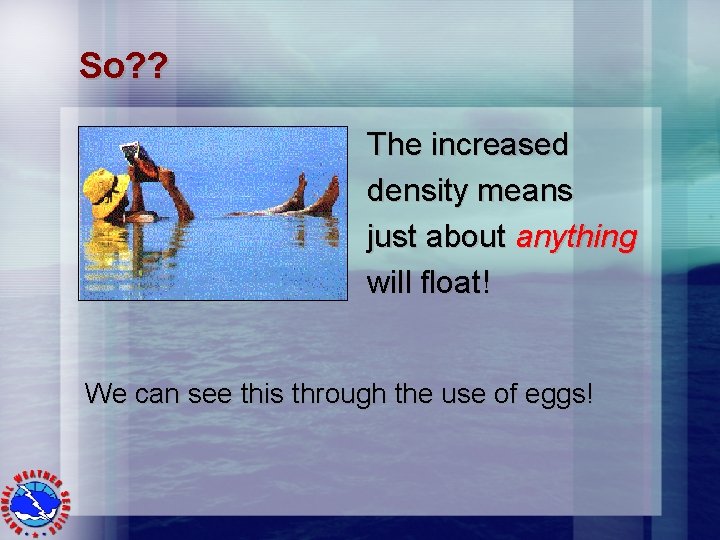
So? ? The increased density means just about anything will float! We can see this through the use of eggs!
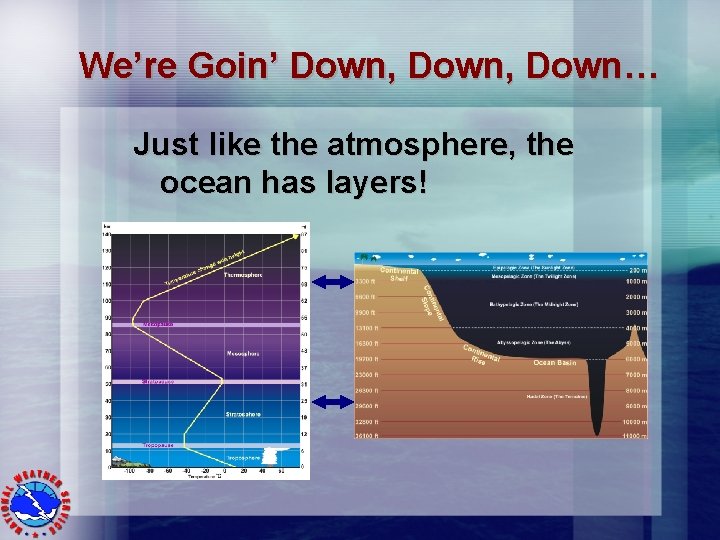
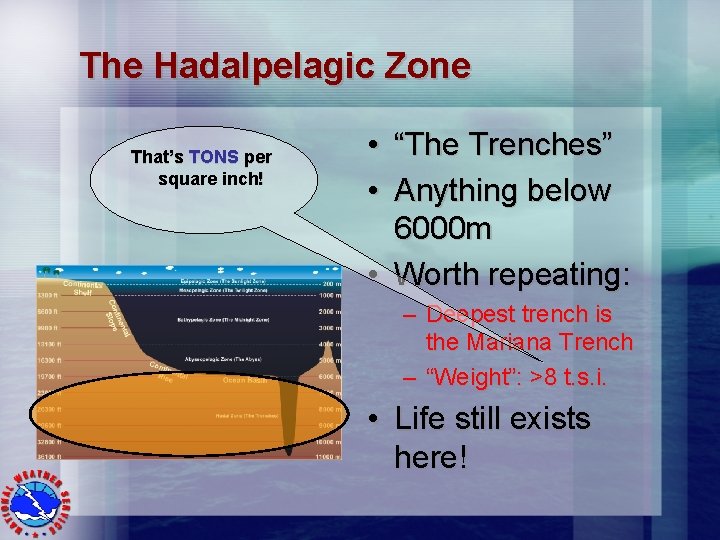
We’re Goin’ Down, Down… Just like the atmosphere, the ocean has layers!
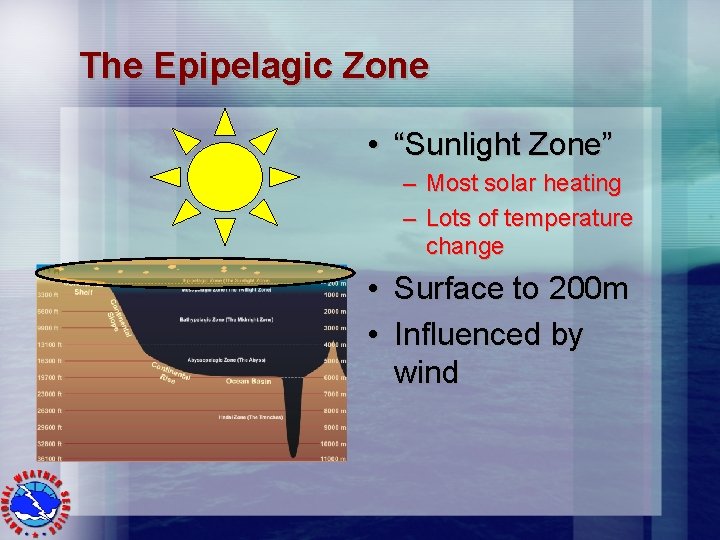
The Epipelagic Zone • “Sunlight Zone” – Most solar heating – Lots of temperature change • Surface to 200 m • Influenced by wind
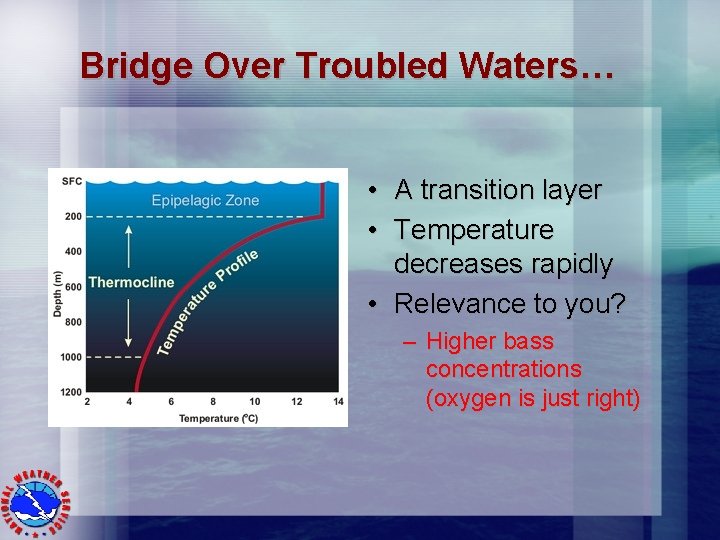
Bridge Over Troubled Waters… • A transition layer • Temperature decreases rapidly • Relevance to you? – Higher bass concentrations (oxygen is just right)
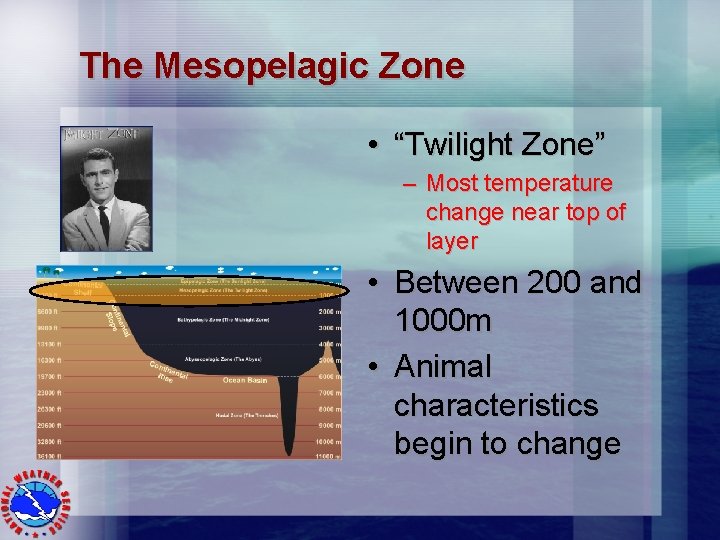
The Mesopelagic Zone • “Twilight Zone” – Most temperature change near top of layer • Between 200 and 1000 m • Animal characteristics begin to change
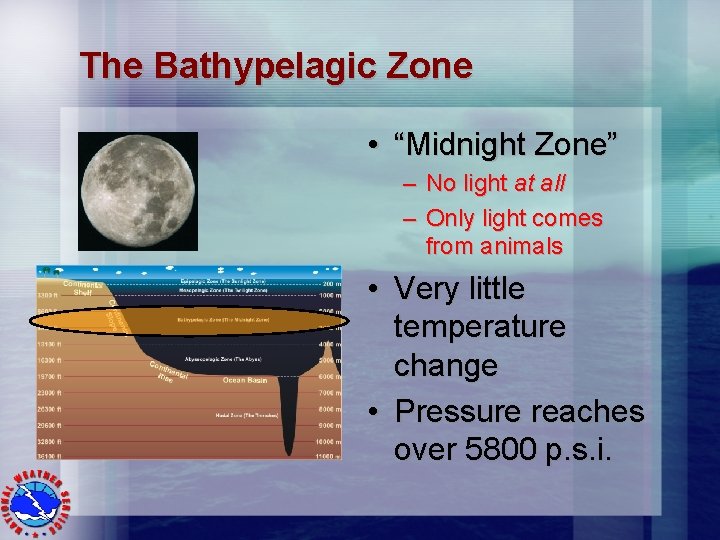
The Bathypelagic Zone • “Midnight Zone” – No light at all – Only light comes from animals • Very little temperature change • Pressure reaches over 5800 p. s. i.
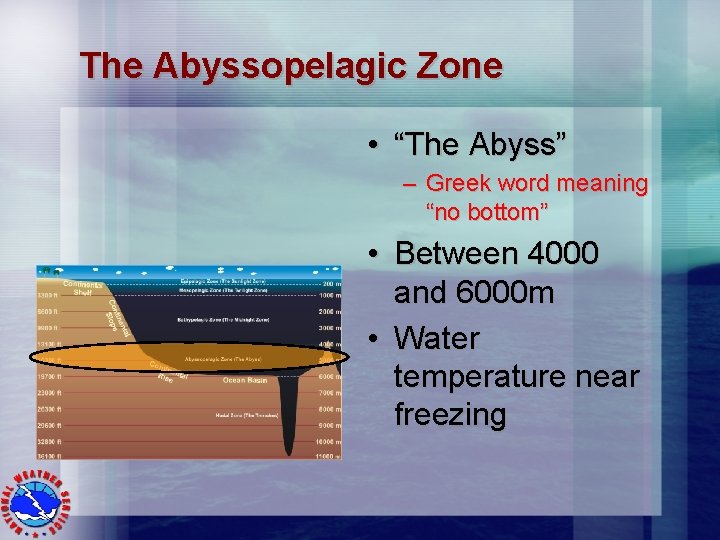
The Abyssopelagic Zone • “The Abyss” – Greek word meaning “no bottom” • Between 4000 and 6000 m • Water temperature near freezing
The Hadalpelagic Zone That’s TONS per square inch! • “The Trenches” • Anything below 6000 m • Worth repeating: – Deepest trench is the Mariana Trench – “Weight”: >8 t. s. i. • Life still exists here!
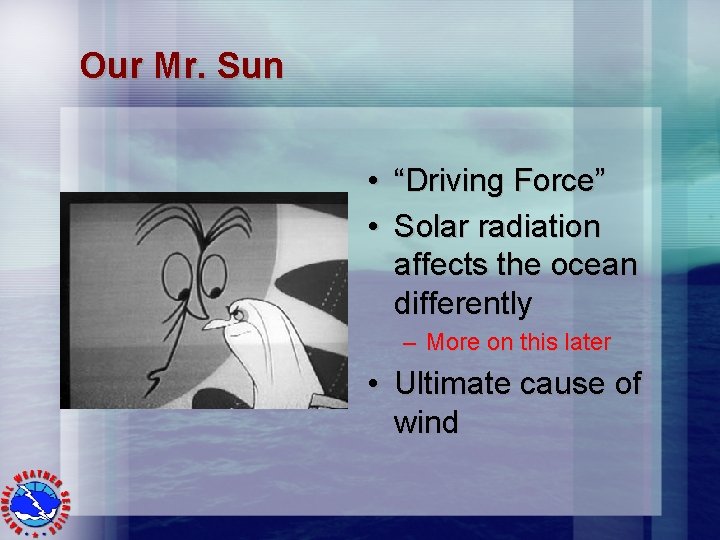
Our Mr. Sun • “Driving Force” • Solar radiation affects the ocean differently – More on this later • Ultimate cause of wind
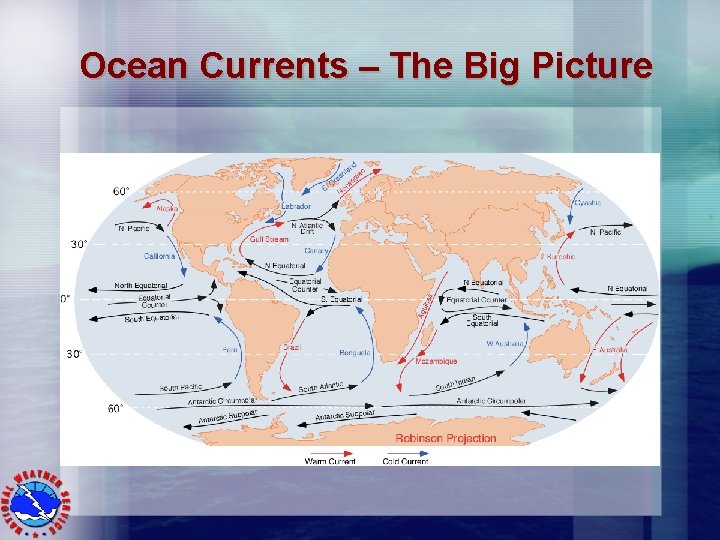
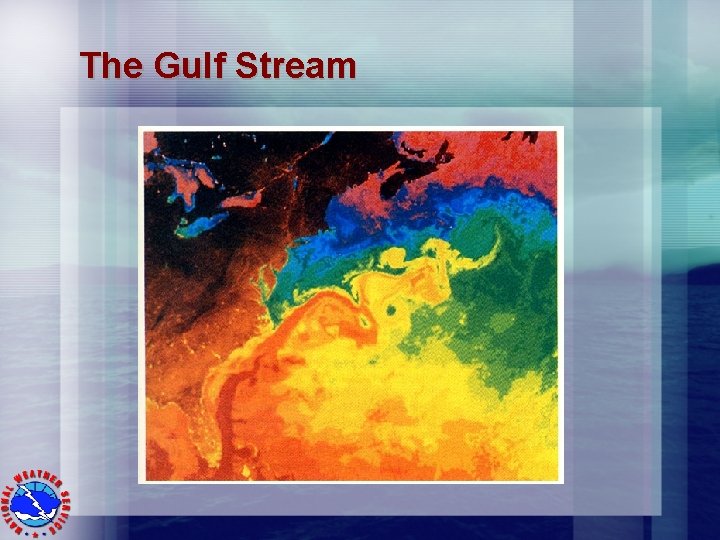
Ocean Currents – Just the Facts • Two types: – Wind-driven Currents – Deep Water Currents • 40% of the global heat transport • Move slower than surface winds – Kilometers per day vs. kilometers per hour • Long-term climate impacts – Gulf Stream most important in our region
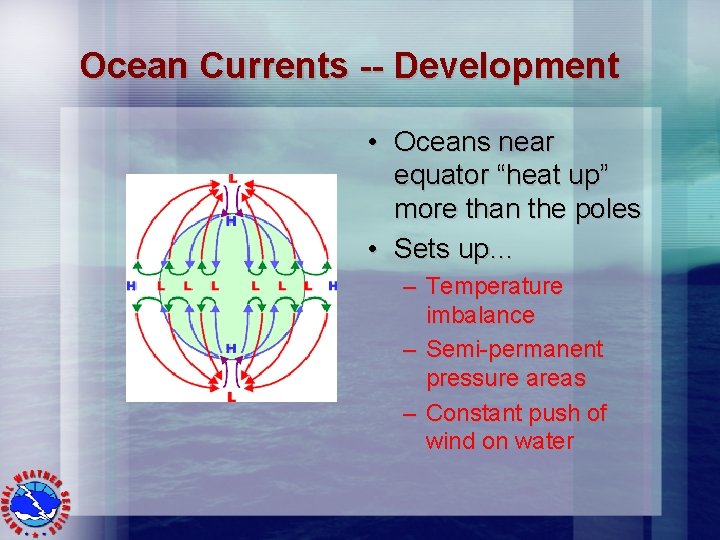
Ocean Currents -- Development • Oceans near equator “heat up” more than the poles • Sets up… – Temperature imbalance – Semi-permanent pressure areas – Constant push of wind on water
Ocean Currents – The Big Picture
The Gulf Stream
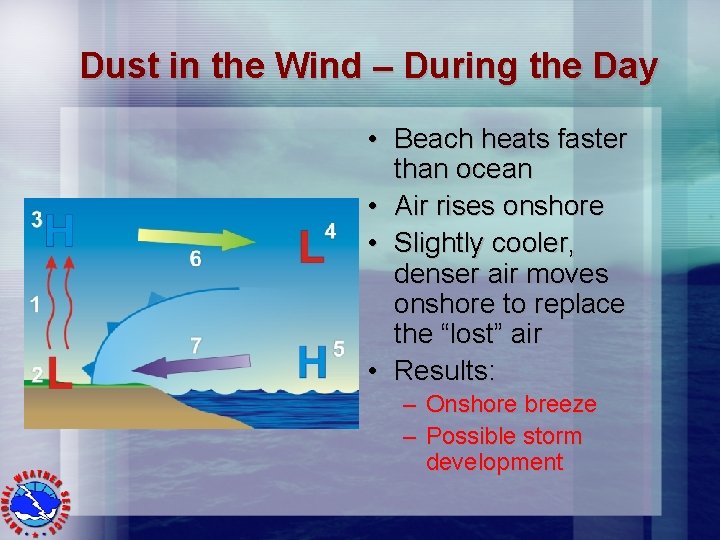
Dust in the Wind – During the Day • Beach heats faster than ocean • Air rises onshore • Slightly cooler, denser air moves onshore to replace the “lost” air • Results: – Onshore breeze – Possible storm development
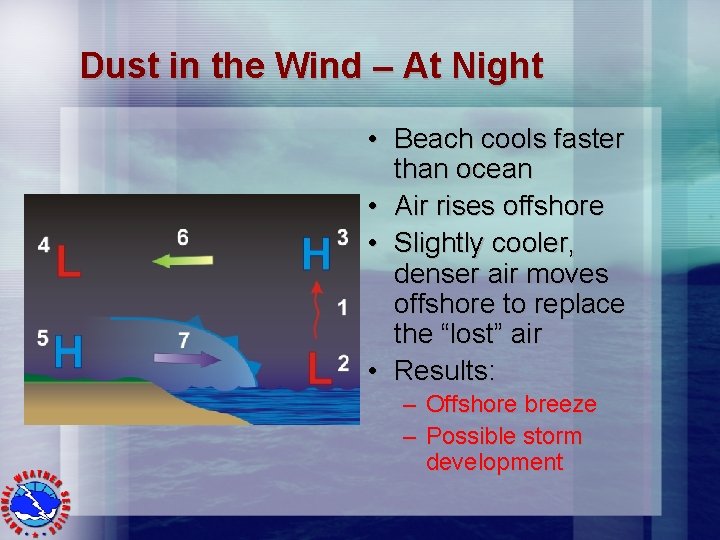
Dust in the Wind – At Night • Beach cools faster than ocean • Air rises offshore • Slightly cooler, denser air moves offshore to replace the “lost” air • Results: – Offshore breeze – Possible storm development
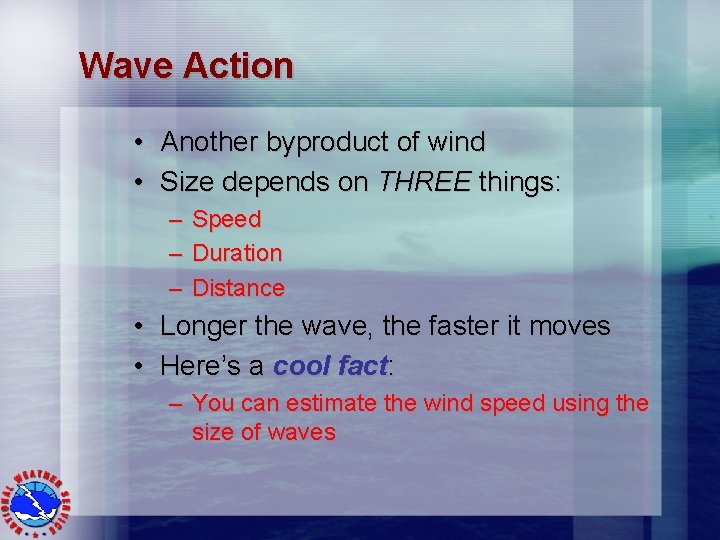
Wave Action • Another byproduct of wind • Size depends on THREE things: – – – • • Speed Duration Distance Longer the wave, the faster it moves Here’s a cool fact: – You can estimate the wind speed using the size of waves
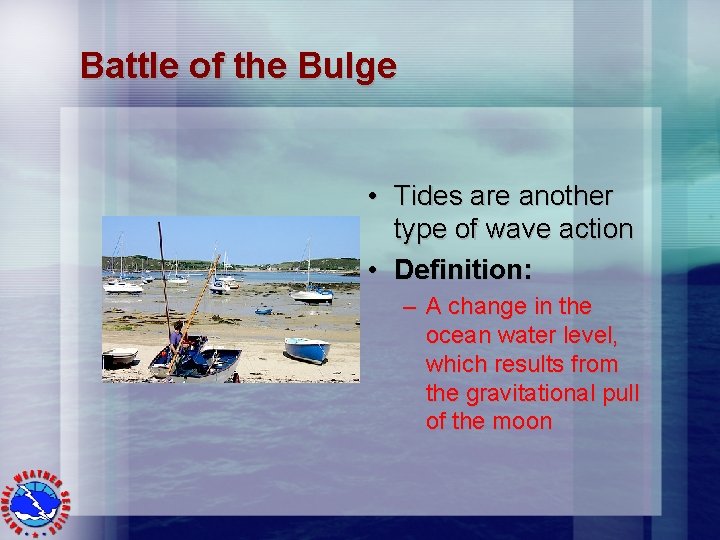
Battle of the Bulge • Tides are another type of wave action • Definition: – A change in the ocean water level, which results from the gravitational pull of the moon
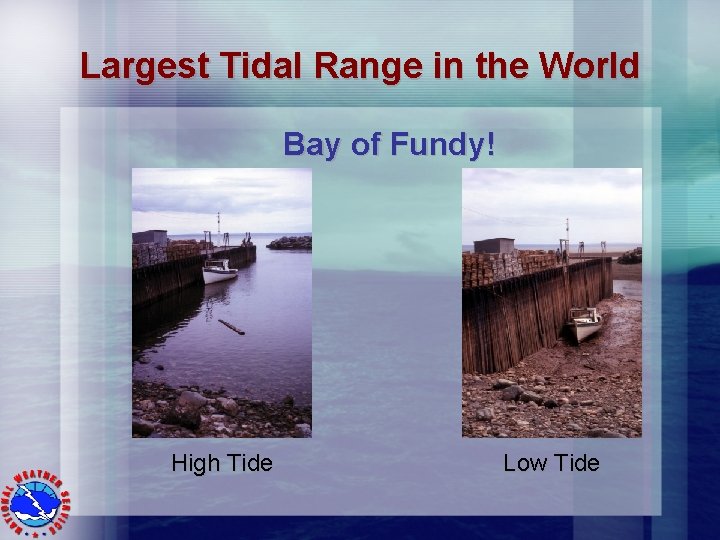
POP QUIZ Where are the largest ranges from high to low tide in the world?
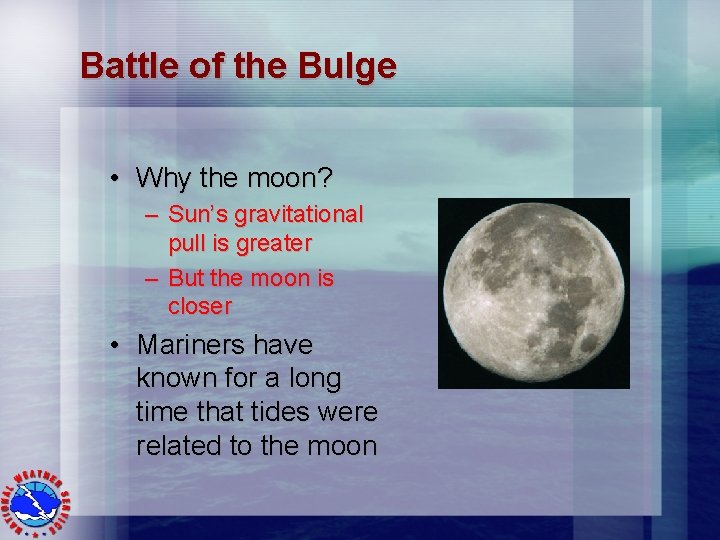
Battle of the Bulge • Why the moon? – Sun’s gravitational pull is greater – But the moon is closer • Mariners have known for a long time that tides were related to the moon
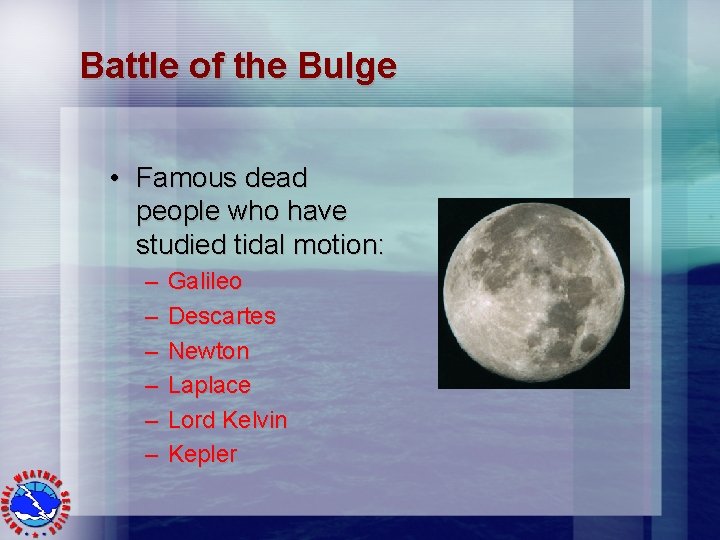
Battle of the Bulge • Famous dead people who have studied tidal motion: – – – Galileo Descartes Newton Laplace Lord Kelvin Kepler
POP QUIZ Where are the largest ranges from high to low tide in the world? HINT: It’s in North America
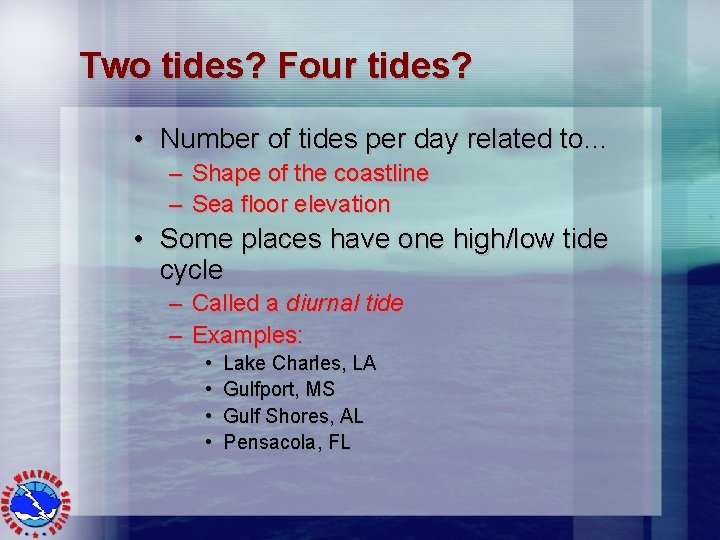
Two tides? Four tides? • Number of tides per day related to… – Shape of the coastline – Sea floor elevation • Some places have one high/low tide cycle – Called a diurnal tide – Examples: • • Lake Charles, LA Gulfport, MS Gulf Shores, AL Pensacola, FL
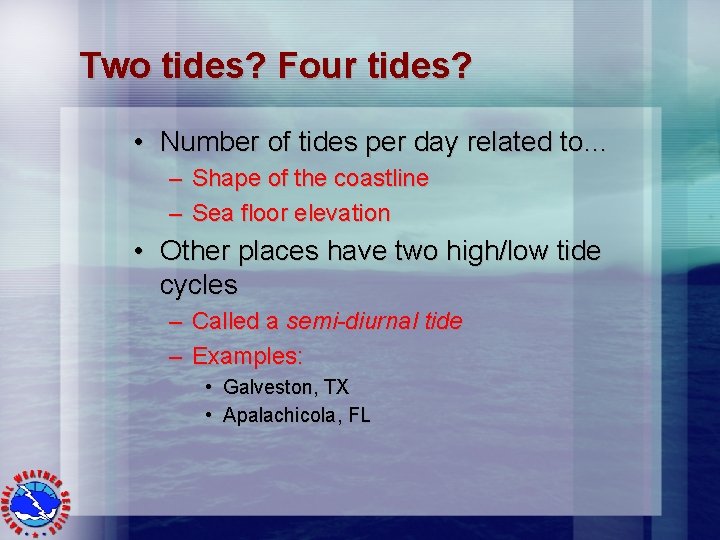
Two tides? Four tides? • Number of tides per day related to… – Shape of the coastline – Sea floor elevation • Other places have two high/low tide cycles – Called a semi-diurnal tide – Examples: • Galveston, TX • Apalachicola, FL
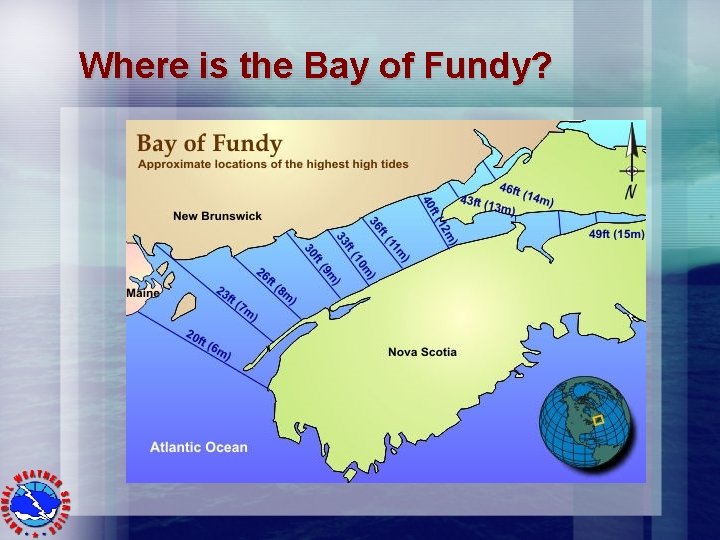
Largest Tidal Range in the World Bay of Fundy! High Tide Low Tide
Where is the Bay of Fundy?
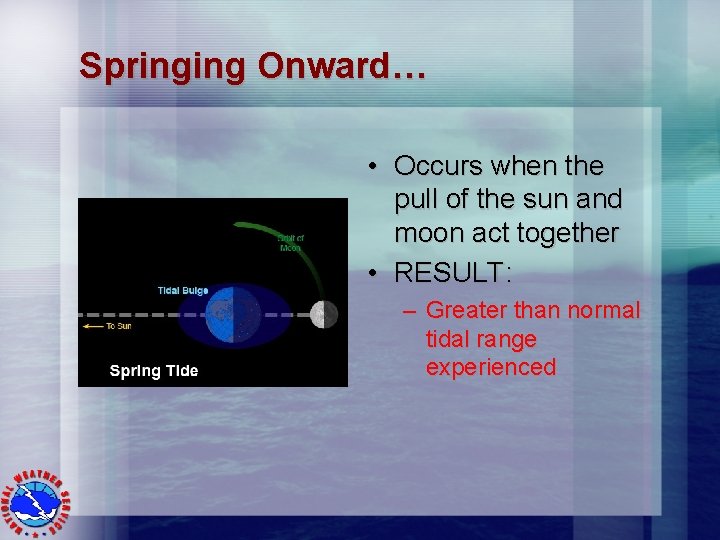
The Knights Who Say “Neap” • Occur when the pull of the moon and sun partially cancel each other • RESULT: – Very little change between high and low tides
Springing Onward… • Occurs when the pull of the sun and moon act together • RESULT: – Greater than normal tidal range experienced
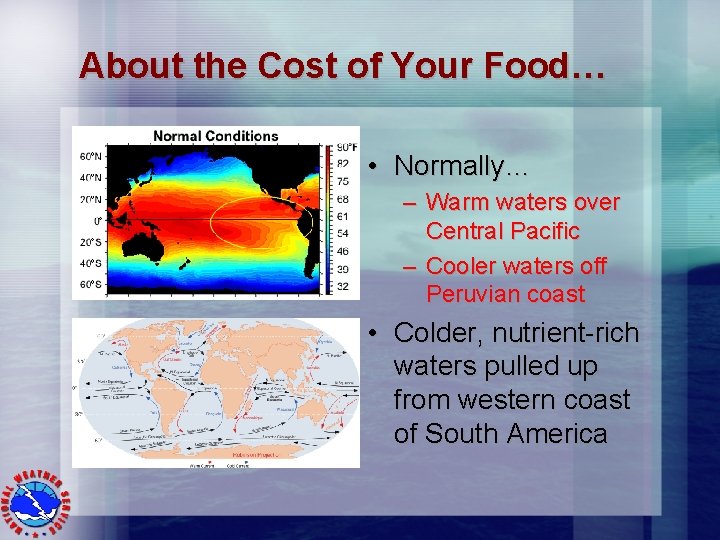
About the Cost of Your Food… • Normally… – Warm waters over Central Pacific – Cooler waters off Peruvian coast • Colder, nutrient-rich waters pulled up from western coast of South America
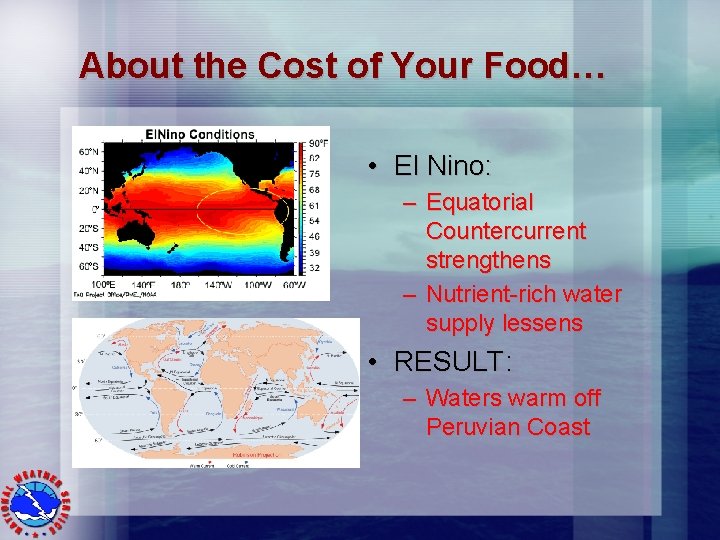
About the Cost of Your Food… • El Nino: – Equatorial Countercurrent strengthens – Nutrient-rich water supply lessens • RESULT: – Waters warm off Peruvian Coast
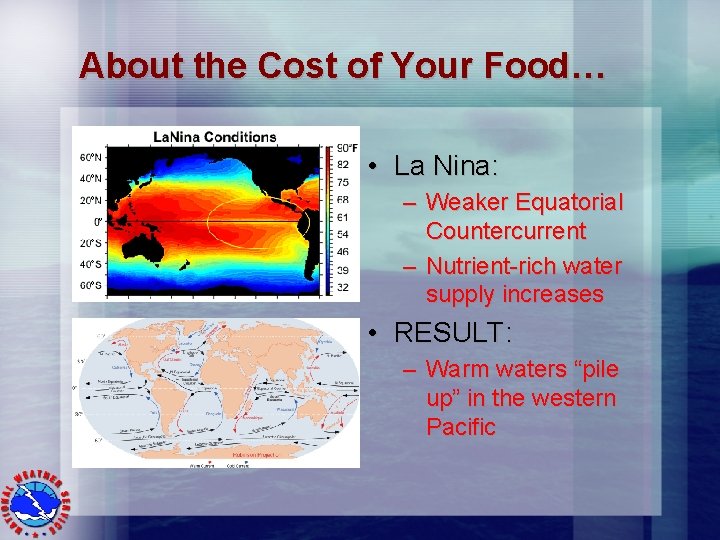
About the Cost of Your Food… • La Nina: – Weaker Equatorial Countercurrent – Nutrient-rich water supply increases • RESULT: – Warm waters “pile up” in the western Pacific
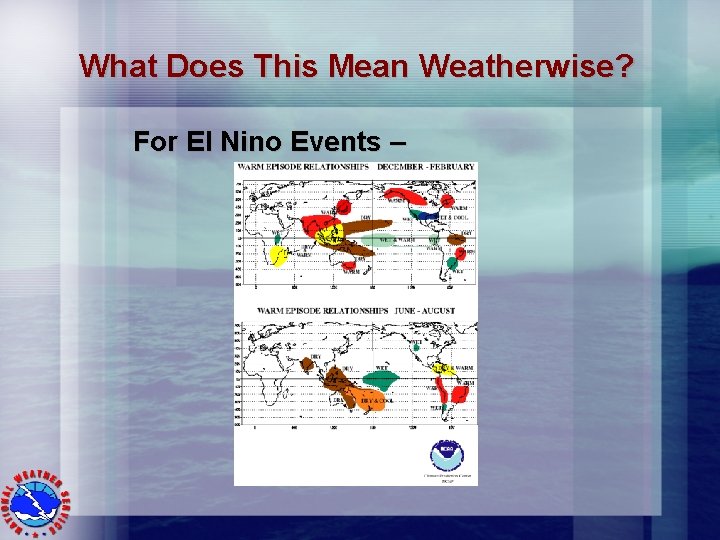
What Does This Mean Weatherwise? For El Nino Events –
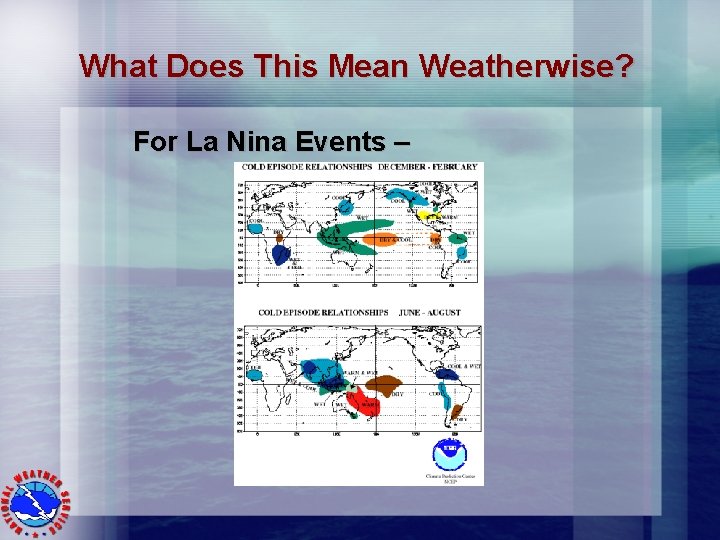
What Does This Mean Weatherwise? For La Nina Events –
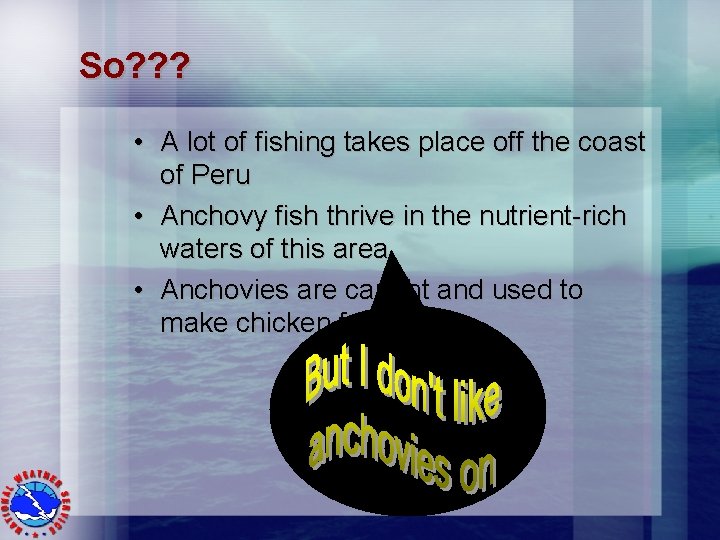
So? ? ? • A lot of fishing takes place off the coast of Peru • Anchovy fish thrive in the nutrient-rich waters of this area • Anchovies are caught and used to make chicken feed
So? ? ? • During big El Nino events: – – Waters are not full as nutrients Not as many anchovies Cost of chicken feed increases Therefore, the cost of chicken increases
Thank You!!! Douglas Butts Senior Forecaster WFO Shreveport 5655 Hollywood Ave. Shreveport, LA 71109 318. 631. 3669
CREDITS: Texas A&M University Oceanography Department www-ocean. tamu. edu NWS Southern Region Jetstream Program www. srh. noaa. gov/srh/jetstream