
The Nu Moon experiment first results Stijn Buitink
The Nu. Moon experiment: first results Stijn Buitink for the Nu. Moon collaboration Radboud University Nijmegen 20 th Rencontres de Blois, 2008 May 19
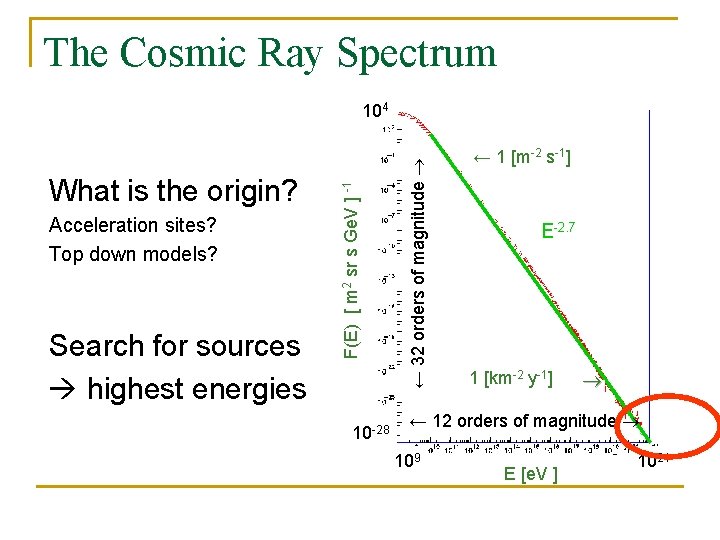
The Cosmic Ray Spectrum Acceleration sites? Top down models? Search for sources highest energies 10 -28 ← 32 orders of magnitude What is the origin? F(E) [ m 2 sr s Ge. V ] -1 104 ← 1 [m-2 s-1] E-2. 7 1 [km-2 y-1] ← 12 orders of magnitude 109 E [e. V ] 1021
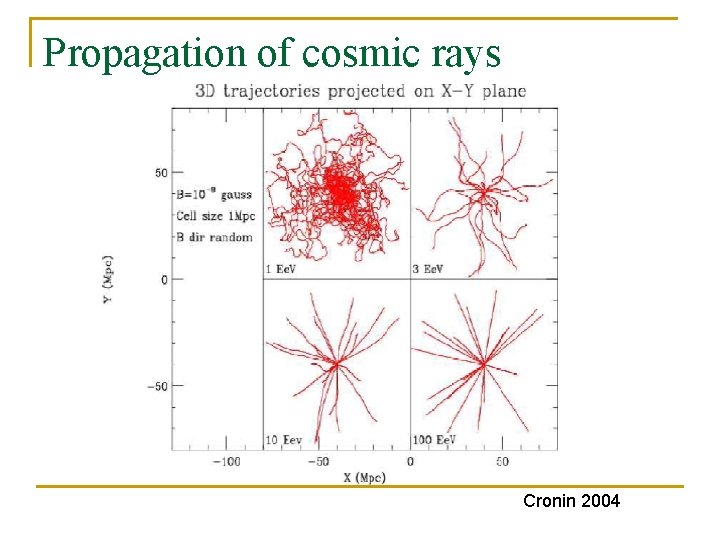
Propagation of cosmic rays Cronin 2004
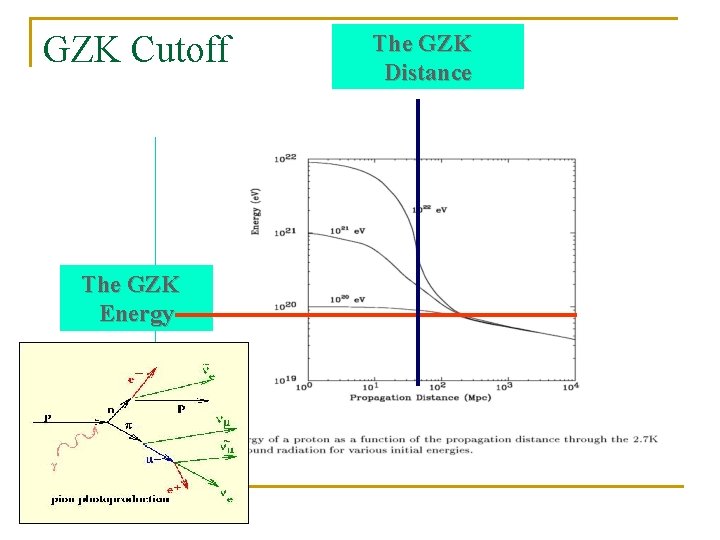
GZK Cutoff The GZK Energy The GZK Distance
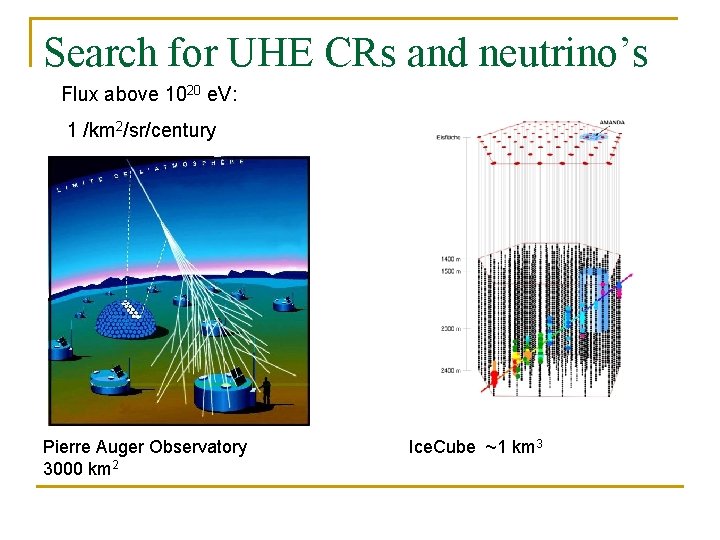
Search for UHE CRs and neutrino’s Flux above 1020 e. V: 1 /km 2/sr/century Pierre Auger Observatory 3000 km 2 Ice. Cube ~1 km 3

Principle of the measurement Cosmic ray Detection: Westerbork antennas 107 km 2 100 MHz Radio waves
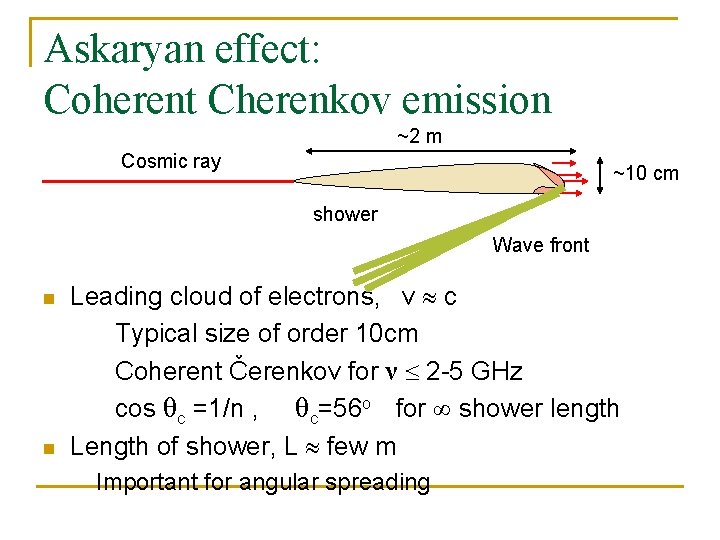
Askaryan effect: Coherent Cherenkov emission ~2 m Cosmic ray ~10 cm shower Wave front n n Leading cloud of electrons, v c Typical size of order 10 cm Coherent Čerenkov for ν 2 -5 GHz cos θc =1/n , θc=56 o for ∞ shower length Length of shower, L few m Important for angular spreading
Neutrino’s vs. CRs n n CR convert all energy into hadronic shower Neutrino: 20% of energy into electromagnetic shower CR interacts close to surface Neutrino can penetrate deeply
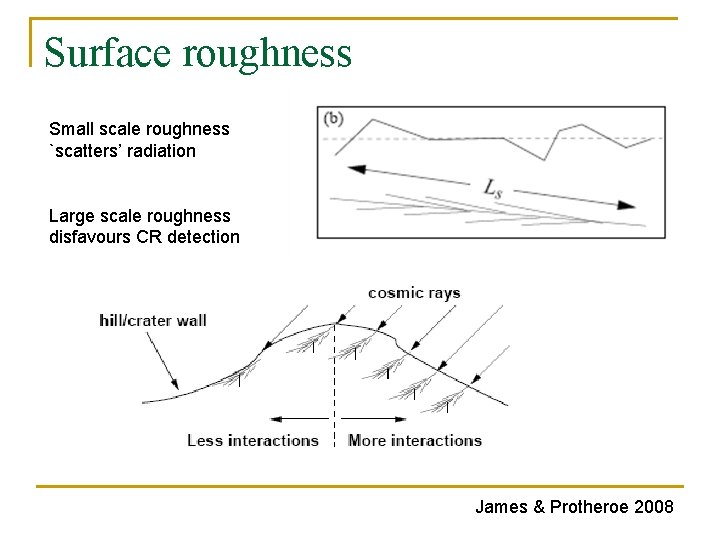
Surface roughness Small scale roughness `scatters’ radiation Large scale roughness disfavours CR detection James & Protheroe 2008
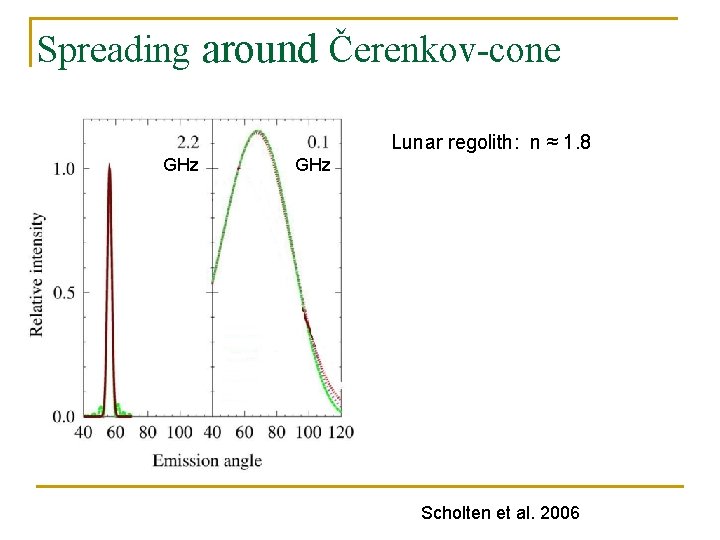
Spreading around Čerenkov-cone Lunar regolith: n ≈ 1. 8 GHz Scholten et al. 2006
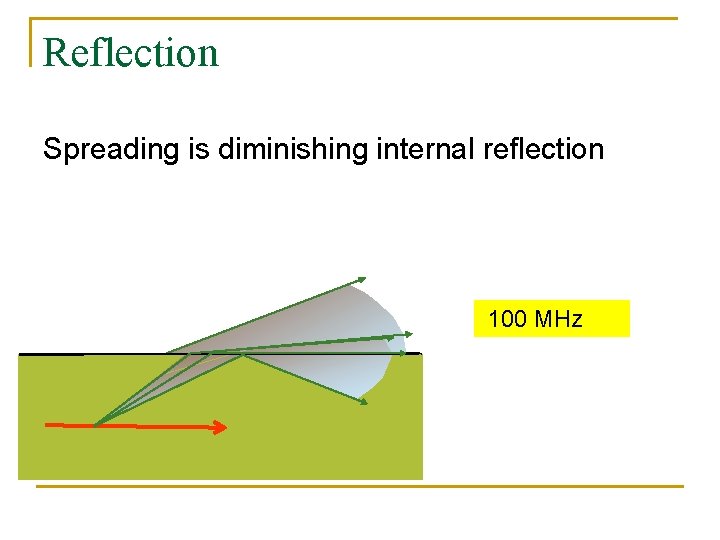
Reflection Spreading is diminishing internal reflection 3100 GHz MHz
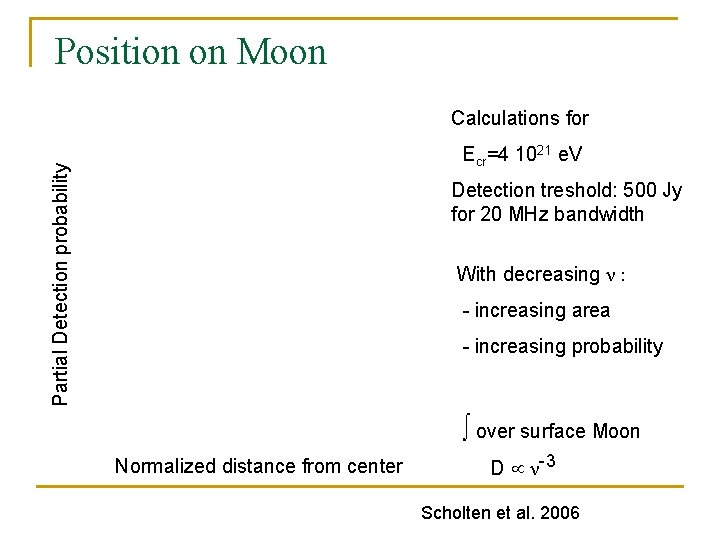
Position on Moon Calculations for Partial Detection probability Ecr=4 1021 e. V Detection treshold: 500 Jy for 20 MHz bandwidth With decreasing ν : - increasing area - increasing probability ∫ over surface Moon Normalized distance from center D ν-3 Scholten et al. 2006
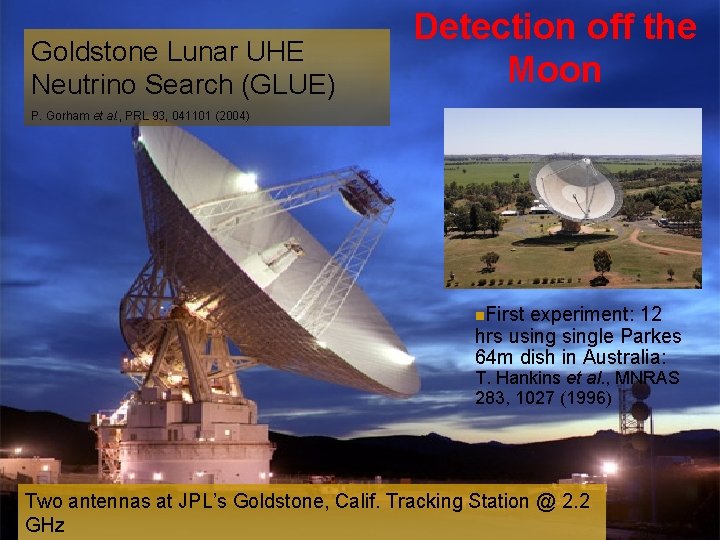
Goldstone Lunar UHE Neutrino Search (GLUE) Detection off the Moon P. Gorham et al. , PRL 93, 041101 (2004) n. First experiment: 12 hrs usingle Parkes 64 m dish in Australia: T. Hankins et al. , MNRAS 283, 1027 (1996) Two antennas at JPL’s Goldstone, Calif. Tracking Station @ 2. 2 GHz
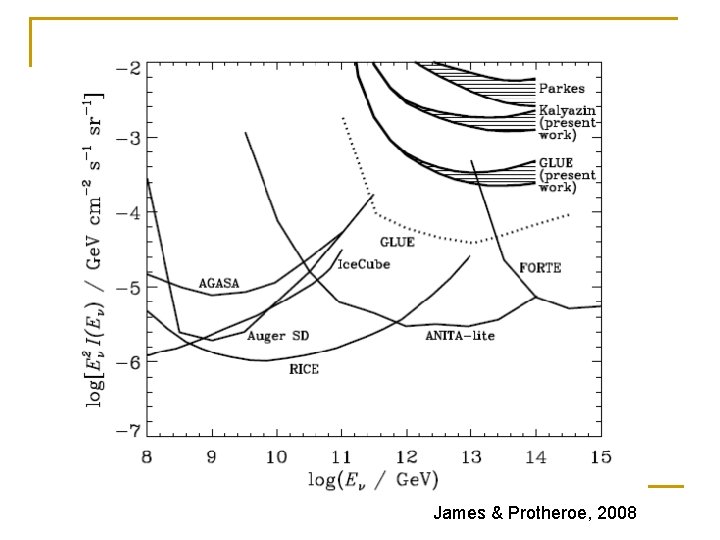
James & Protheroe, 2008
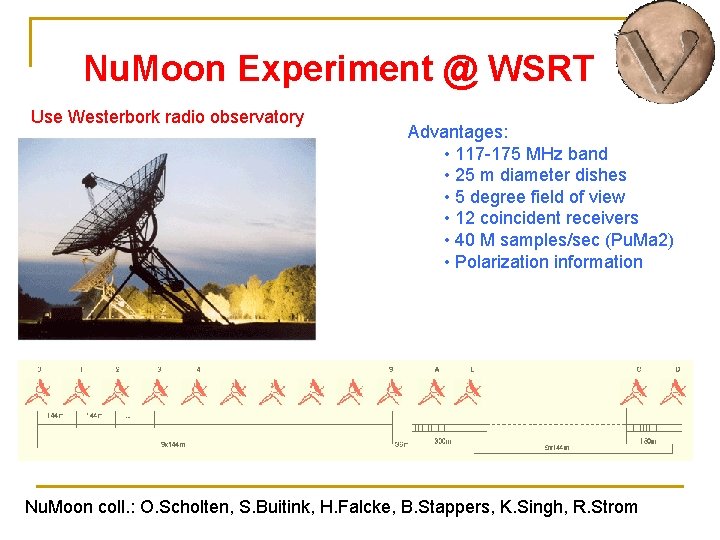
Nu. Moon Experiment @ WSRT Use Westerbork radio observatory Advantages: • 117 -175 MHz band • 25 m diameter dishes • 5 degree field of view • 12 coincident receivers • 40 M samples/sec (Pu. Ma 2) • Polarization information Nu. Moon coll. : O. Scholten, S. Buitink, H. Falcke, B. Stappers, K. Singh, R. Strom
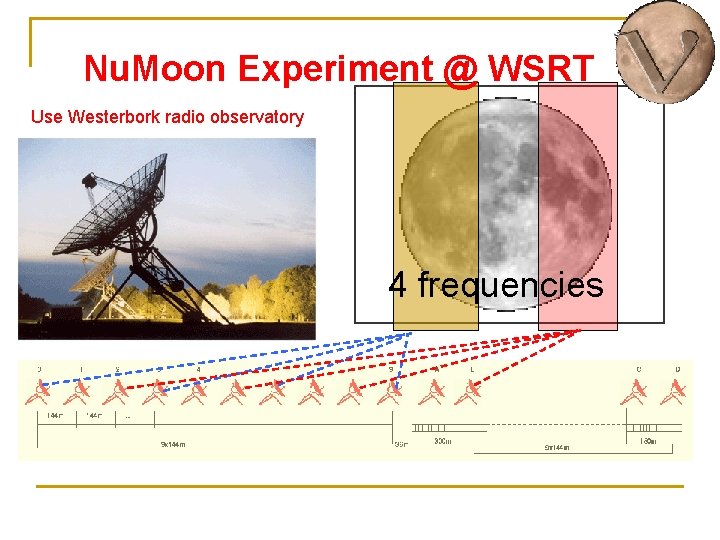
Nu. Moon Experiment @ WSRT Use Westerbork radio observatory 4 frequencies
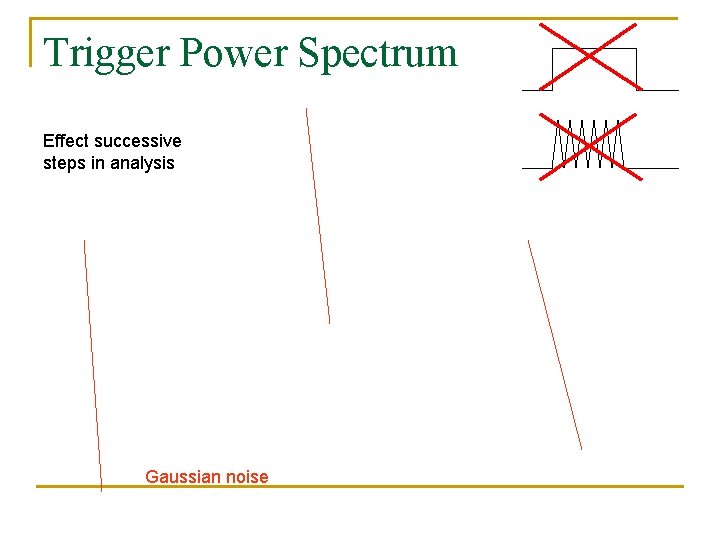
Processing Pipeline n n n 18 TB raw time series data per 6 hr slot Removal of narrow-band radio interference (RFI) Dedispersion for ionosphere Peak search ~1% of data stored for offline processing
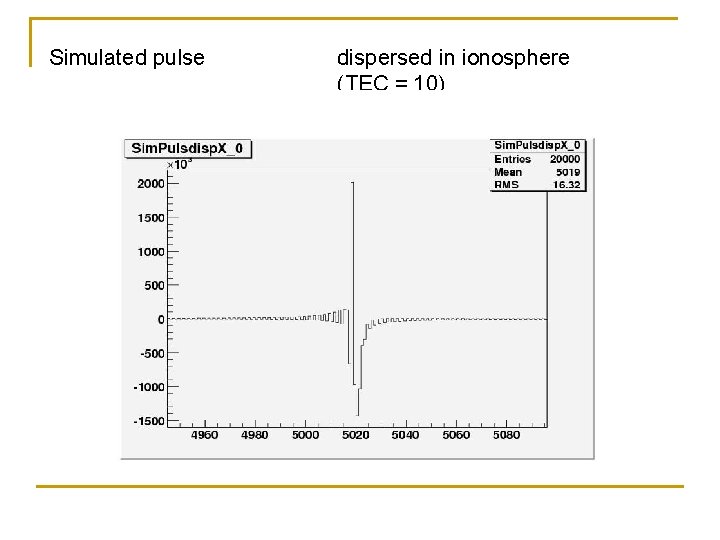
Simulated pulse dispersed in ionosphere (TEC = 10)
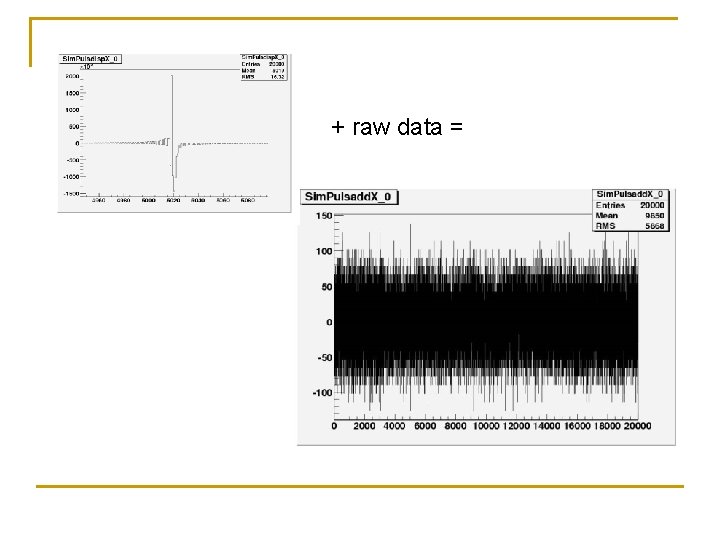
+ raw data =
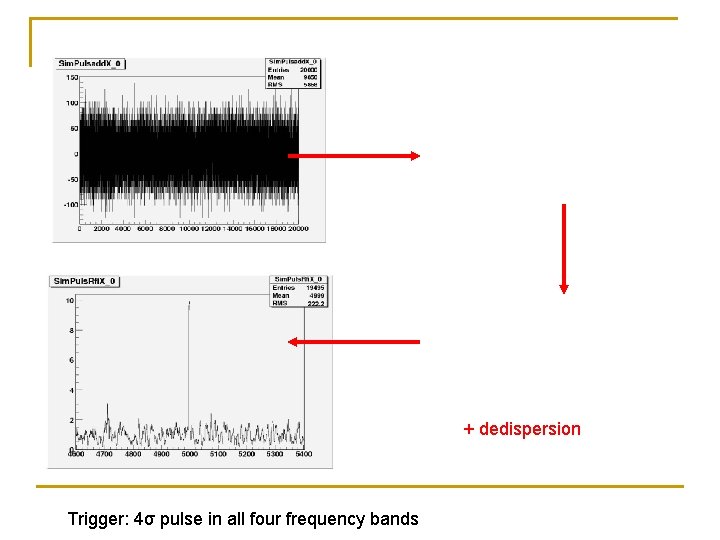
+ dedispersion Trigger: 4σ pulse in all four frequency bands
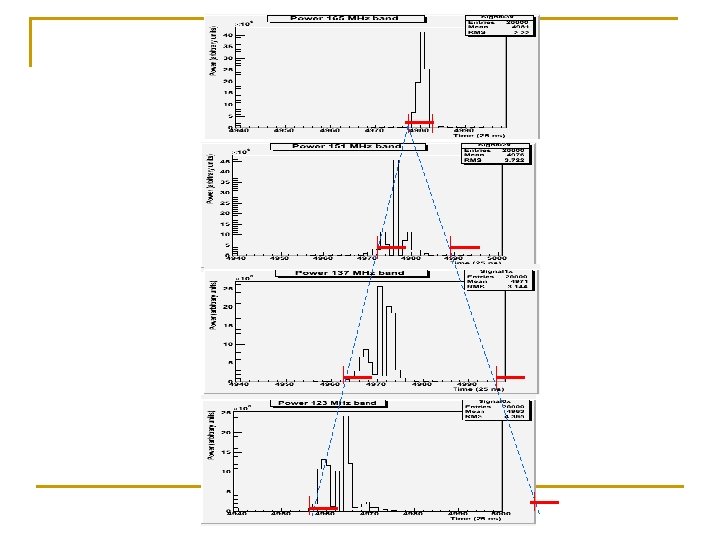
Trigger Power Spectrum Effect successive steps in analysis Gaussian noise
Prelimenary Results Analysis of 10 h 40 min data
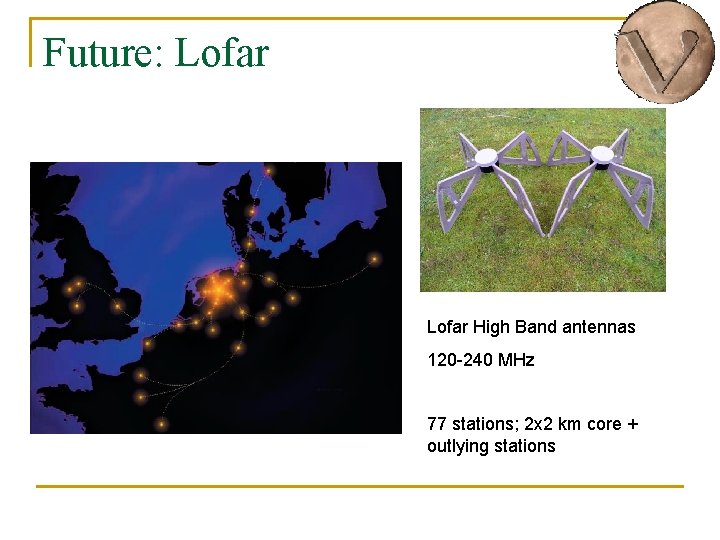
Future: Lofar High Band antennas 120 -240 MHz 77 stations; 2 x 2 km core + outlying stations
Lofar neutrino sensitivity
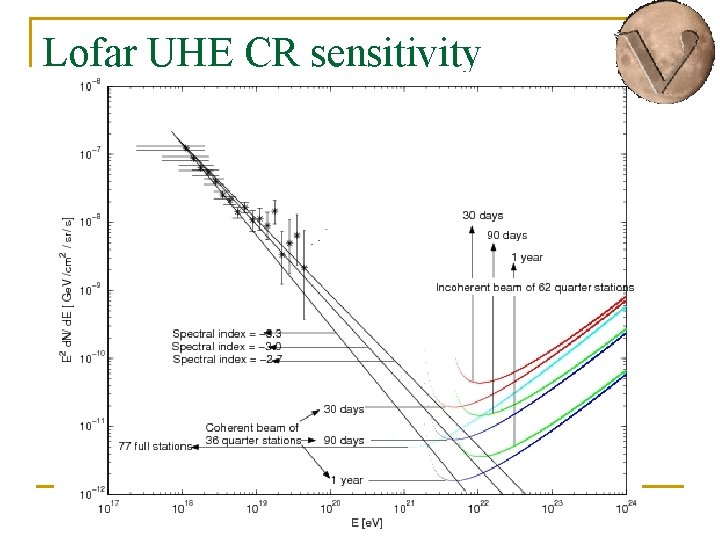
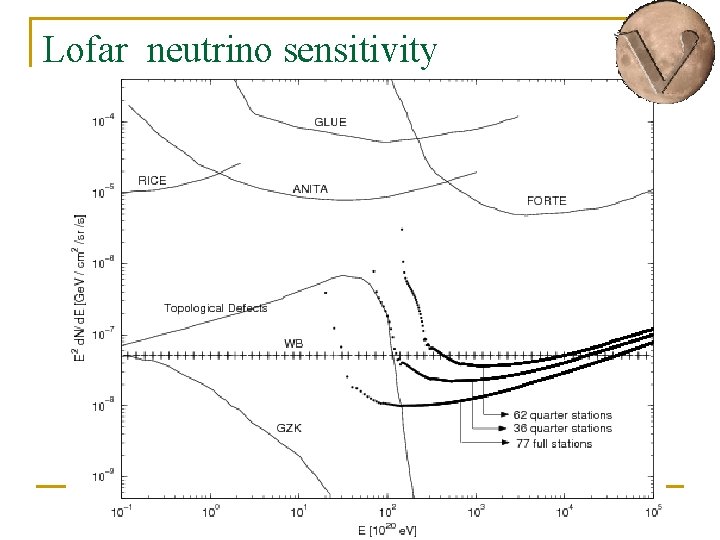
Lofar UHE CR sensitivity
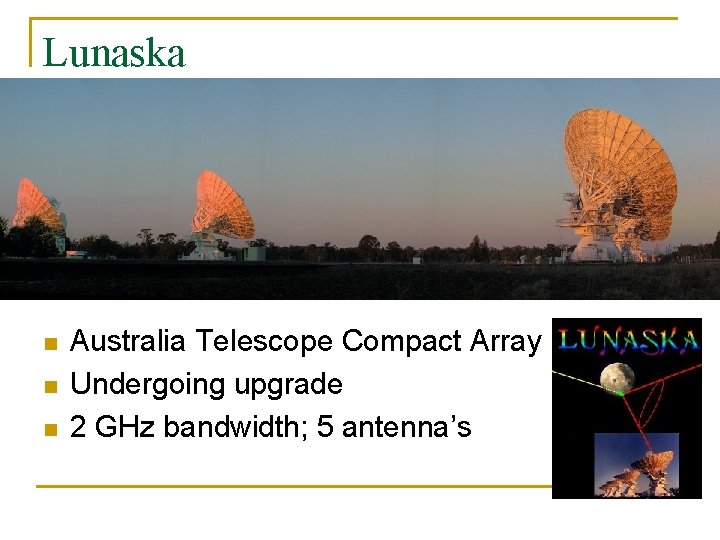
Lunaska n n n Australia Telescope Compact Array Undergoing upgrade 2 GHz bandwidth; 5 antenna’s
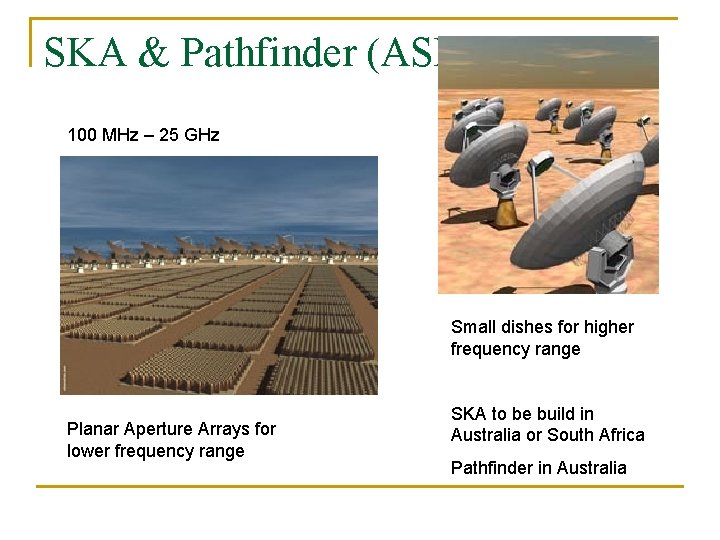
SKA & Pathfinder (ASKAP) 100 MHz – 25 GHz Small dishes for higher frequency range Planar Aperture Arrays for lower frequency range SKA to be build in Australia or South Africa Pathfinder in Australia
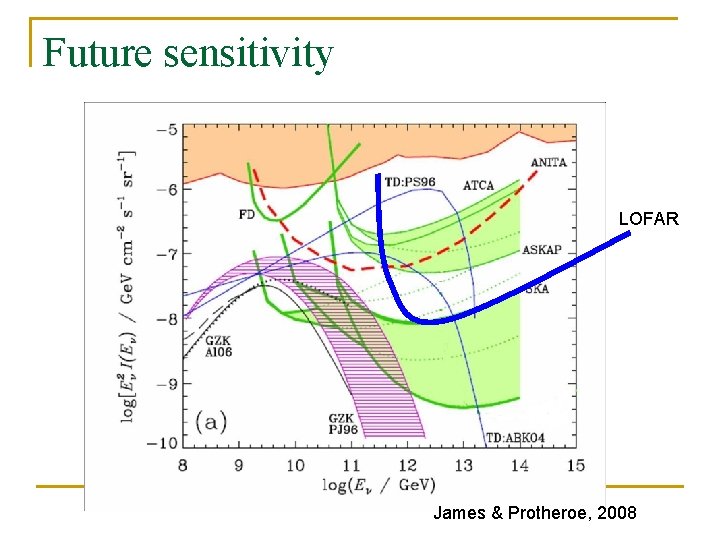
Future sensitivity LOFAR James & Protheroe, 2008
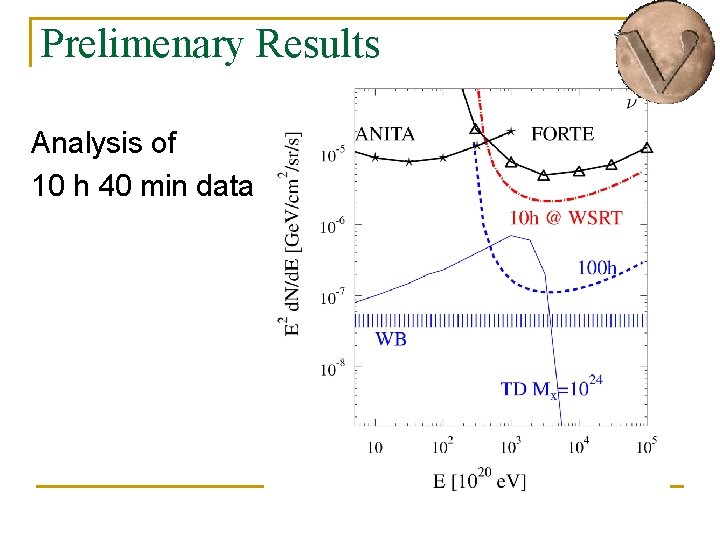
Conclusions n n Radio detection of lunar showers promising technique for detection of highest energy particles Nu. Moon @ WSRT sets competitive limits on UHE neutrino flux Future missions will provide constraints for TD models SKA will be sensitive to expected GZK flux
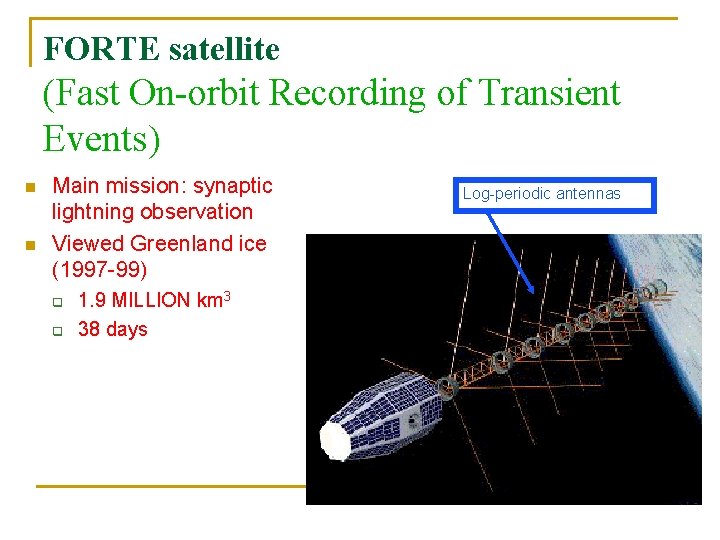
FORTE satellite (Fast On-orbit Recording of Transient Events) n n Main mission: synaptic lightning observation Viewed Greenland ice (1997 -99) q q 1. 9 MILLION km 3 38 days N. Lehtinen et al. , PRD 69, 013008 (2004) Log-periodic antennas
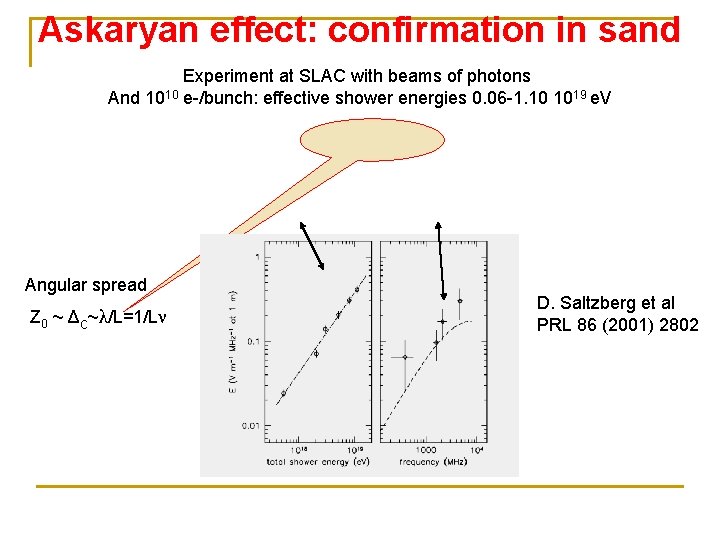
Askaryan effect: confirmation in sand Experiment at SLAC with beams of photons And 1010 e-/bunch: effective shower energies 0. 06 -1. 10 1019 e. V Angular spread D. Saltzberg et al PRL 86 (2001) 2802 Z 0 ~ Δc~λ/L=1/Lν 1 Jy = 10 -26 W/m 2/Hz
- Slides: 32