
The Normal Curve Standardization and z Scores Chapter
- Slides: 26
The Normal Curve, Standardization and z Scores Chapter 6
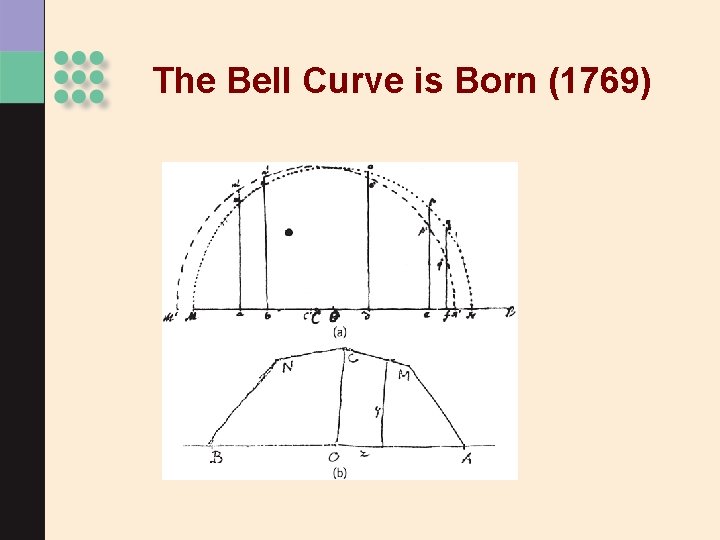
The Bell Curve is Born (1769)
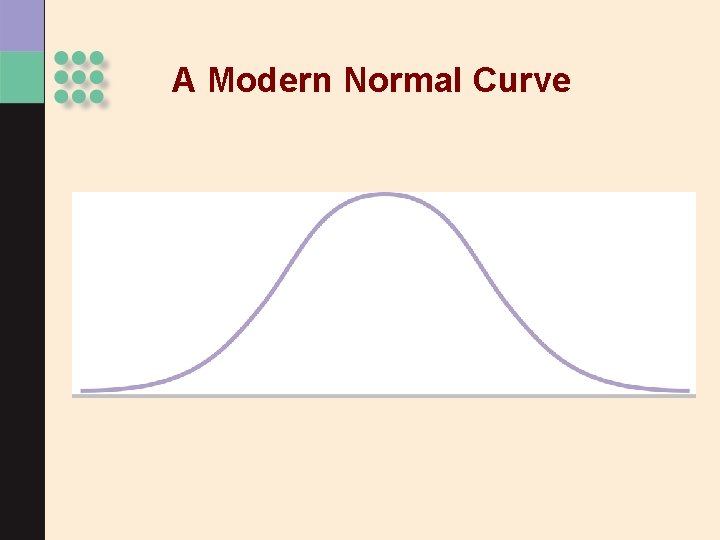
A Modern Normal Curve
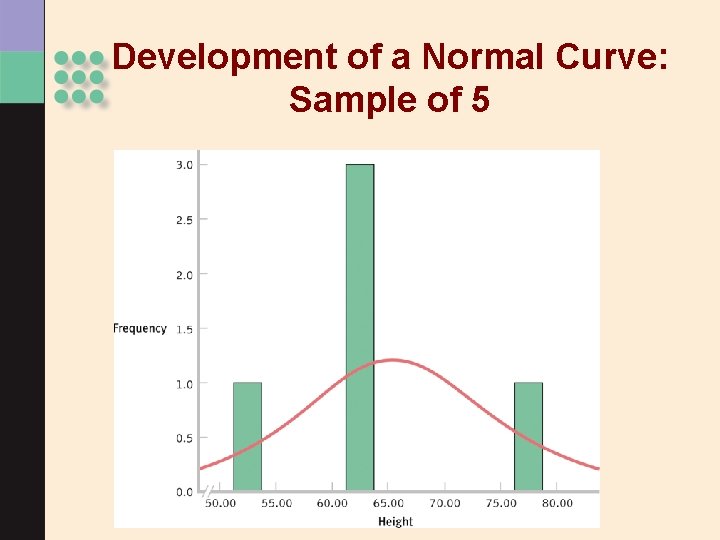
Development of a Normal Curve: Sample of 5
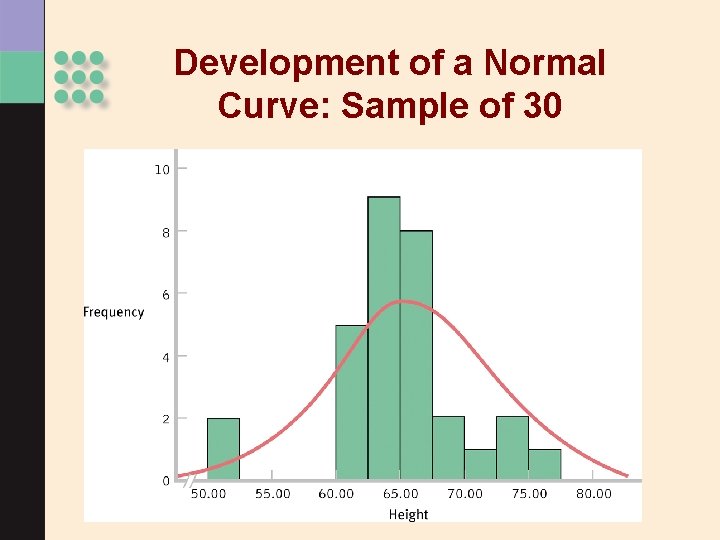
Development of a Normal Curve: Sample of 30
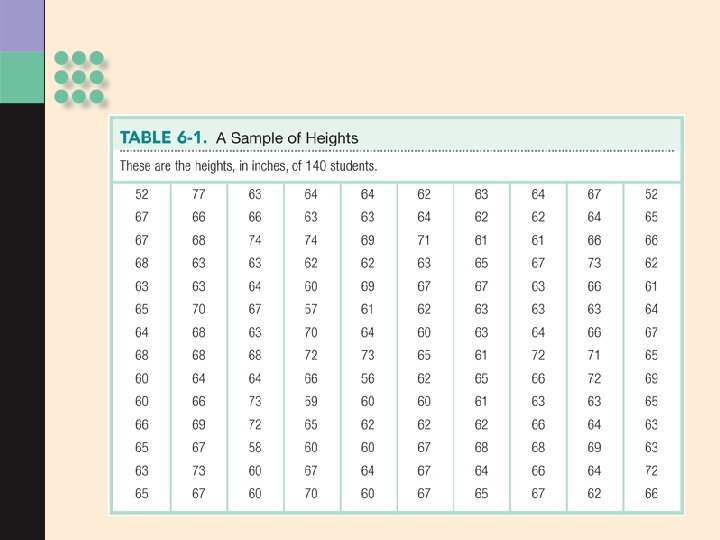
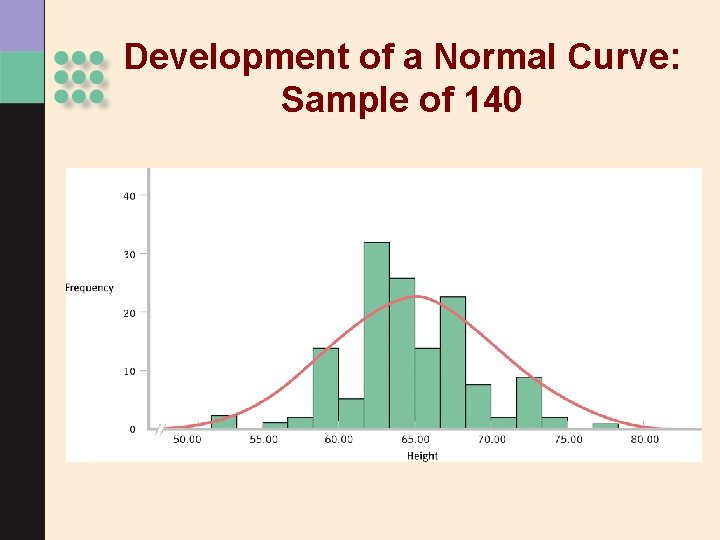
Development of a Normal Curve: Sample of 140
> As the sample size increases, the shape of the distribution becomes more like the normal curve. > Can you think of variables that might be normally distributed? • Think about it: Can nominal (categorical) variables be normally distributed?
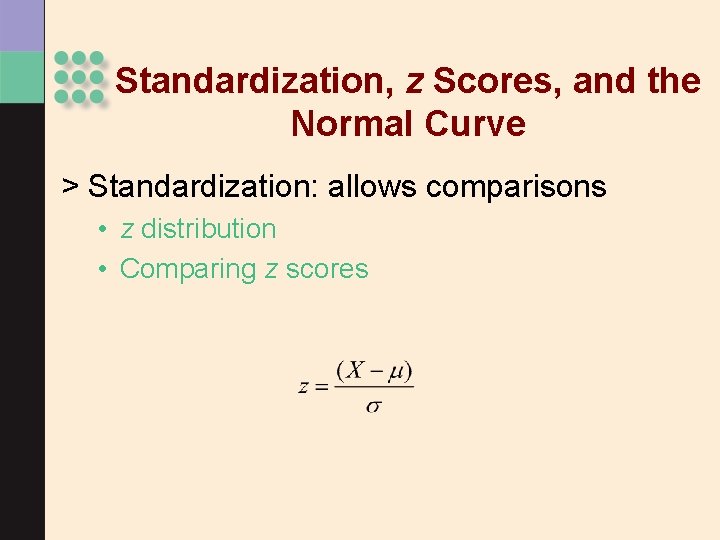
Standardization, z Scores, and the Normal Curve > Standardization: allows comparisons • z distribution • Comparing z scores
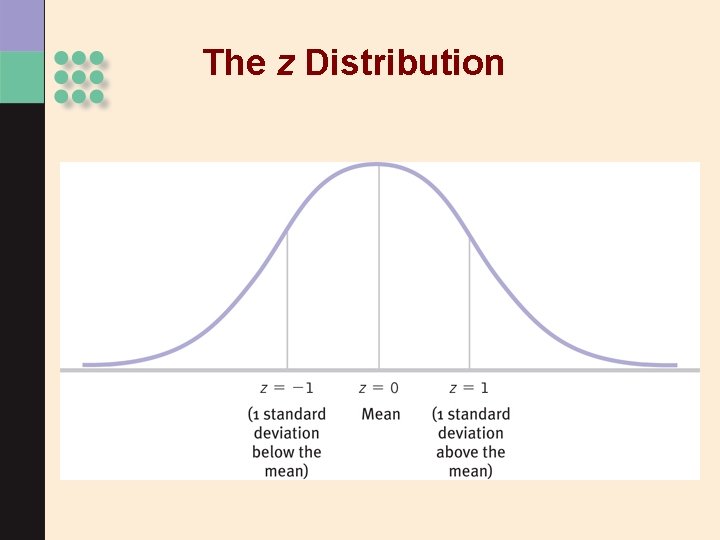
The z Distribution
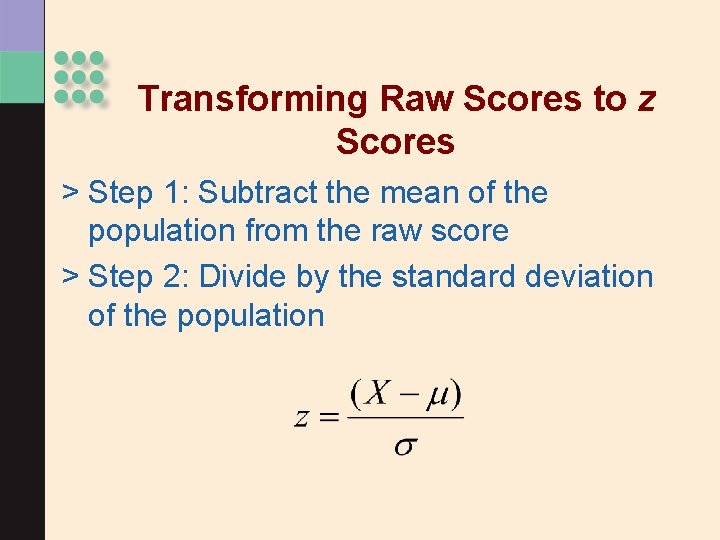
Transforming Raw Scores to z Scores > Step 1: Subtract the mean of the population from the raw score > Step 2: Divide by the standard deviation of the population
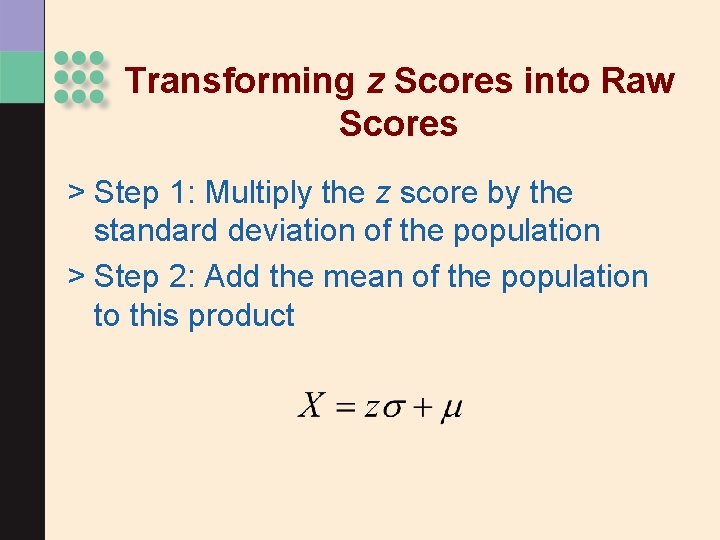
Transforming z Scores into Raw Scores > Step 1: Multiply the z score by the standard deviation of the population > Step 2: Add the mean of the population to this product
Using z Scores to Make Comparisons > If you know your score on an exam, and a friend’s score on an exam, you can convert to z scores to determine who did better and by how much. > z scores are standardized, so they can be compared!
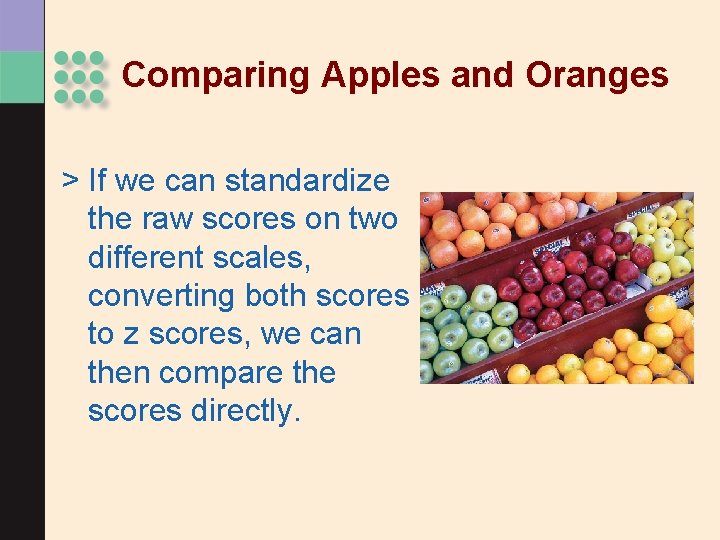
Comparing Apples and Oranges > If we can standardize the raw scores on two different scales, converting both scores to z scores, we can then compare the scores directly.
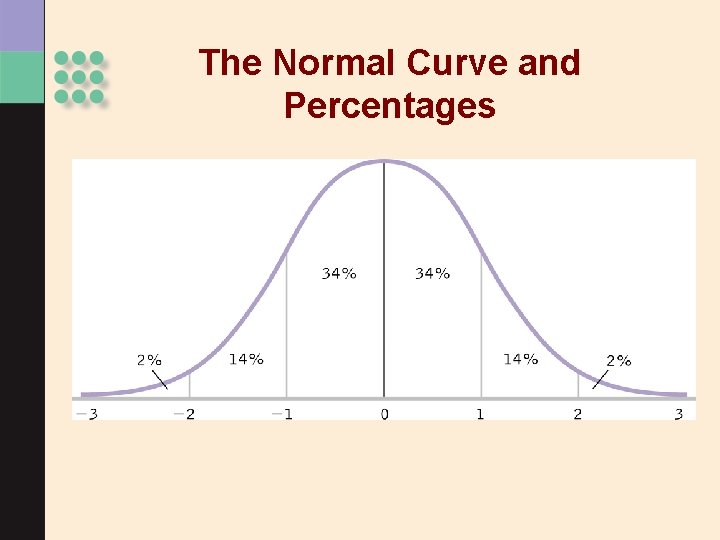
Transforming z Scores into Percentiles > z scores tell you where a value fits into a normal distribution. > Based on the normal distribution, there are rules about where scores with a z value will fall, and how it will relate to a percentile rank. > You can use the area under the normal curve to calculate percentiles for any score.
The Normal Curve and Percentages
Check Your Learning > If the mean is 10 and the standard deviation is 2: • If a student’s score is 8, what is z? • If a student’s scores at the 84 th percentile, what is her raw score? z score? • Would you expect someone to have a score of 20?
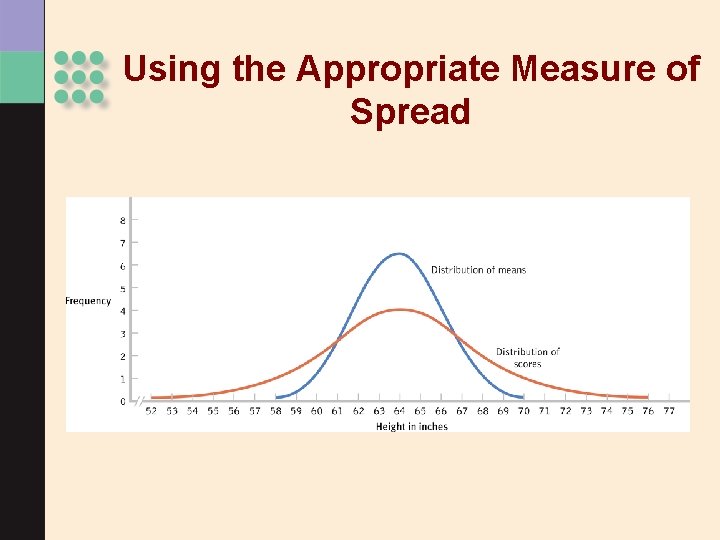
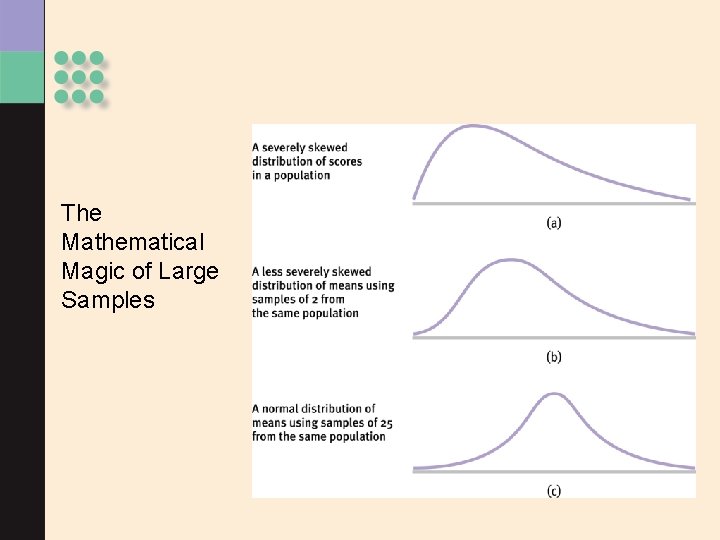
The Central Limit Theorem > Distribution of sample means is normally distributed even when the population from which it was drawn is not normal! > A distribution of means is less variable than a distribution of individual scores.
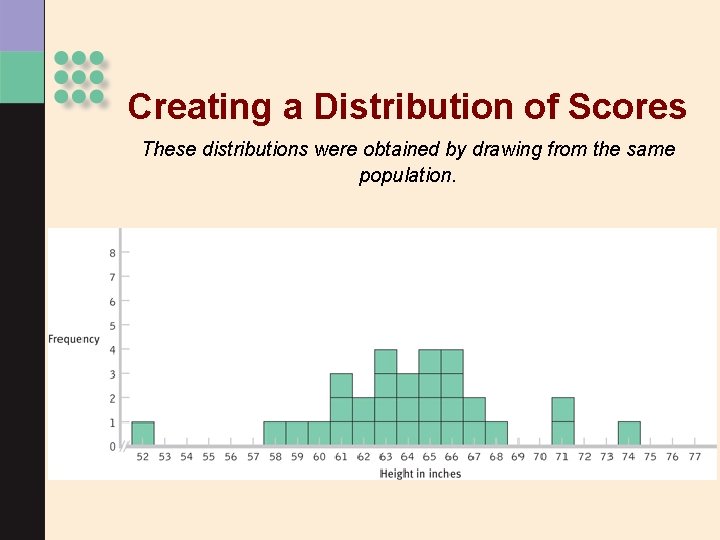
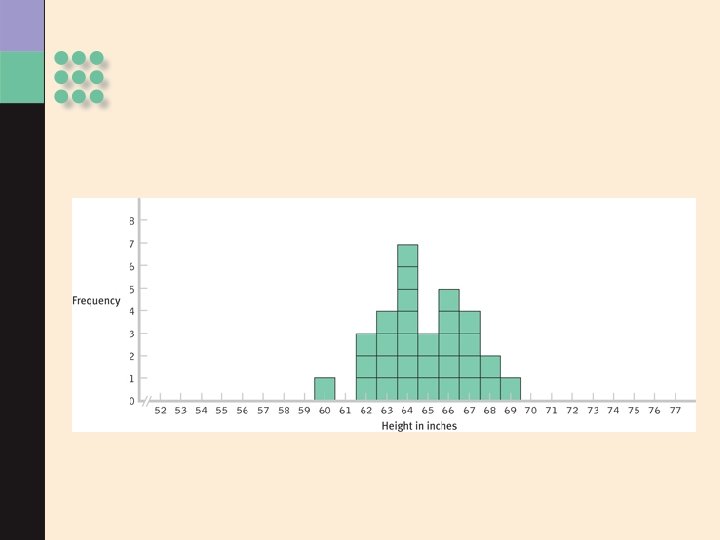
Creating a Distribution of Scores These distributions were obtained by drawing from the same population.
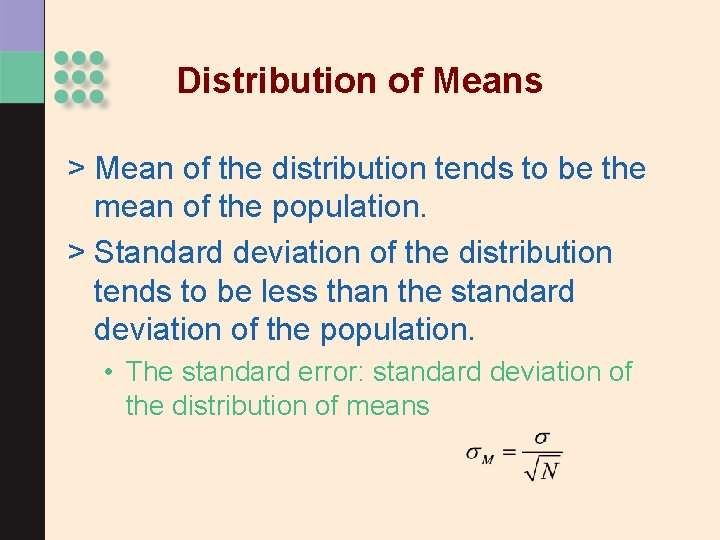
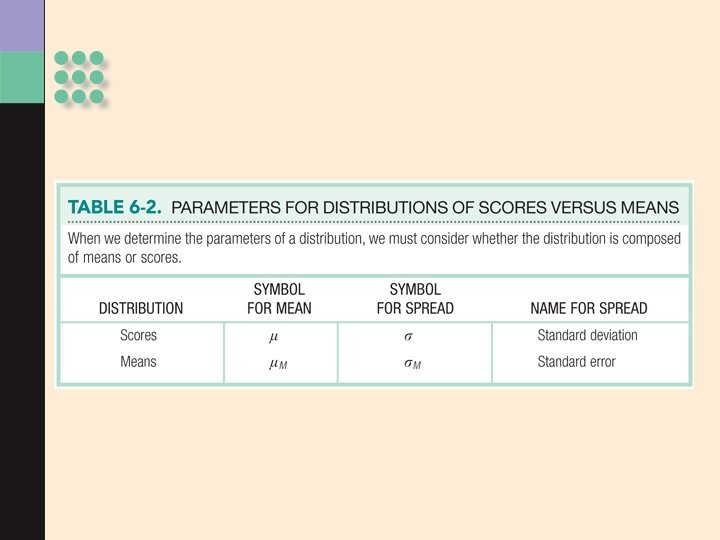
Distribution of Means > Mean of the distribution tends to be the mean of the population. > Standard deviation of the distribution tends to be less than the standard deviation of the population. • The standard error: standard deviation of the distribution of means
Using the Appropriate Measure of Spread
The Mathematical Magic of Large Samples
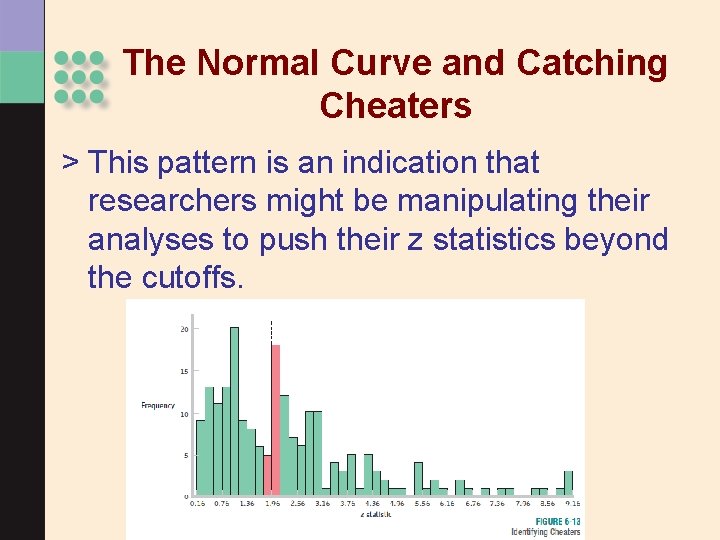
The Normal Curve and Catching Cheaters > This pattern is an indication that researchers might be manipulating their analyses to push their z statistics beyond the cutoffs.
Check Your Learning > We typically are not interested in only the sample on which our study is based. How can we use the sample data to talk about the population?