
The Nine Mile Run River Conservation Project City
- Slides: 37
The Nine Mile Run River Conservation Project • • • City of Pittsburgh Carnegie Mellon University Carnegie Museum of Natural History Pennsylvania State University The Individuals and Communities of the Watershed.
The Steering Committee • • • • Barbara Balbot Dianne Barnett Elizabeth Barrow Eileen Bell A. B. Carl Senator Jay Costa Rep. William Coyne Sarah Dixon Rep. Mike Doyle Jack Fisher Mark Knezevich Faith Gallo Don Gibbon • Jane Harrison • Jonathon Hill • Rep. Ivan Itkin • Andrew Mc. Elwaine • Paul Peffer • Bob Hurley • Maggie Schmidt • John Schombert • John Sheilds • Jack Solomon • Kenny Steinberg • Jeff Wagner
Tonight's Presentation • • I -Project Area II -Issues III -Land Resources IV - Water Resources V - Biological Resources VI - Recreation and Use VII - Management and Stewardship • Recommendations and Projects 45 min. • Community Comments and transcription 45 min.
The Watershed
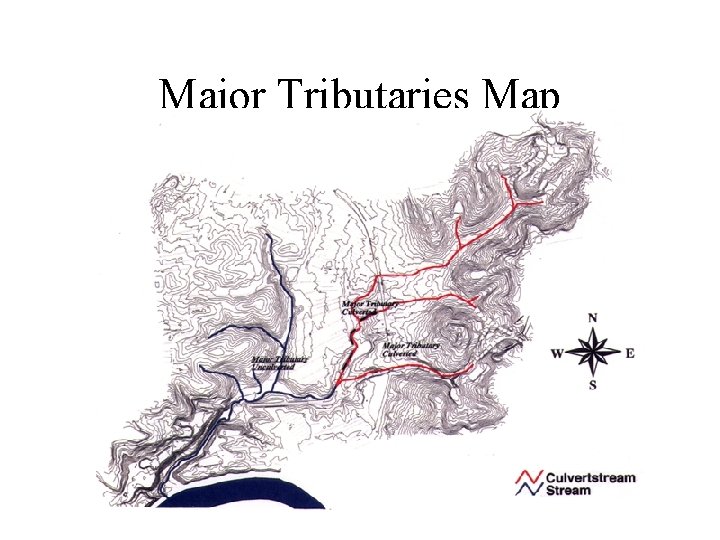
Major Tributaries Map
Population Centers
II. Issues • • • Watershed Management and Ecosystems Water Quality Slag and Toxicity Public Access and Use Development
II. Issues: Watershed Management Infrastructure: Sanitary Sewers Storm Sewers Ecosystems: Urban Streams as the “Receiving Waters”
II. Issues: Water Quality in Relationship to Human Use Water Quality in Relationship to Ecosystem Function
II. ISSUES: • Slag and Toxicity ongoing studies and involvement • Public Access and Use connections and conflicts • Development grading and the valley
III. Land Resources: Critical Land Areas • Land with Habitat Value • Land with Infiltration, Detention and Retention Potential • Land for Playing Fields • Slag Soils and Revegetation
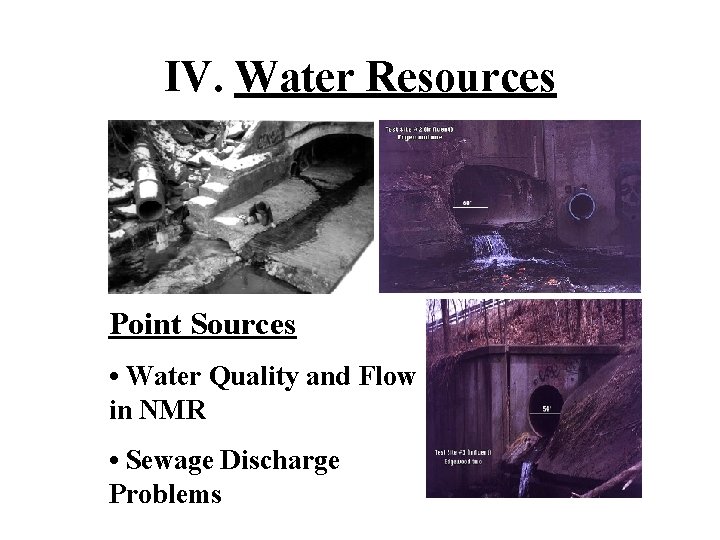
IV. Water Resources Point Sources • Water Quality and Flow in NMR • Sewage Discharge Problems
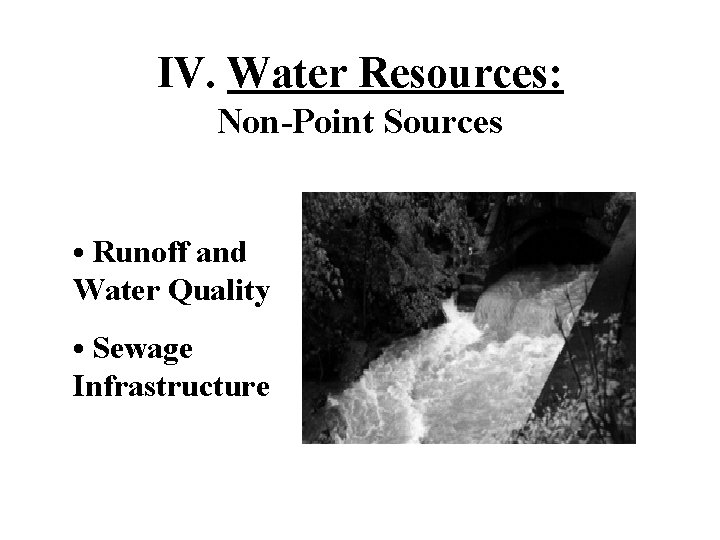
IV. Water Resources: Non-Point Sources • Runoff and Water Quality • Sewage Infrastructure
IV. Water Resources: Stream Restoration Recommendations • Upstream Testing • Sewage Infrastructure Mapping, Assessment and Maintenance Planning. • Pittsburgh NPDES Permit
IV. Water Resources: Further Stream Restoration Recommendations • Modifications to CSO Discharges • Stream Odor Survey • Stream Erosion Survey. . . Sue
V. Biological Resources BIODIVERSITY and Parks: 1. Biodiversity translates into city parks that are rich in natural experiences. 2. Biodiversity and ecosystem functions contribute to improved water quality, land soil regeneration, and pest control. 3. Plant communities with a diversity of species require less maintenance and teach us to work with nature and to recognize natural cycles and systems. 4. Understanding biodiversity and its effects can help us understand ecosystems value and management in urban settings. This can transfer to increase awareness and respect of wilderness systems.
V. Biological Resources • other organisms • plants and fungi • mammals • invertebrates • fish • birds • amphibians and reptiles Bioblitz 98 Bioblitz 97 Biodiversity Pa
V. Biological Resources • Terrestrial Urban Wildlife vertebrates and invertebrates
V. Biological Resources • Aquatic Urban Wildlife vertebrates and invertebrates
V. Biological Resources Vegetation • Severely Degraded System • Not Likely to be Restored to Original Condition • Rehabilitate and Remediate for Aesthetics and Functional Diversity
V. Biological Resources PNDI Pennsylvania Natural Diversity Inventory • The hop-tree • The fringe-tree Historical Records on: passion-flower American-gromwell blue false-indigo white trout-lily
V. Biological Resources Important Habitats • Interior Habitat • Riparian Forests • Rock Outcroppings. . . ken
VI. Cultural Resources • Frick Park: major cultural and recreational resource (one of four regional parks) • two primary types: – organized sports, particularly soccer (410, 000/year ‘ 97) – nature programming and individual activities: environmental education (15, 000/year ‘ 97), nature reserve walkers (12, 000/year ‘ 97) plus many others • also many peripheral facilities close to NMR (local parks, playgrounds, ball courts, etc. )
VII. Management Options • Mission: to educate and inspire; to reveal the opportunity that exists in degraded urban landscapes. • Goals: Overall -- to protect, restore, and enhance the biotic, abiotic, cultural and scenic values of a post-industrial watershed, and to promote public understanding, appreciation, and enjoyment of this heritage within a sustainable greenway program • Also: Goals for natural history, cultural heritage, education & interpretation and recreation.
VII. Management Options • • Restoration, Healing and Ecosystem Regeneration Sustainability General Revegetation Principles Management Issues: – Rare & Endangered Species – Wildlife and Feral Pets – Invasive Plants • Recovery of Riparian Plant Communities • Regeneration of Slag Slopes . . . Tim
VII. Management Options Site Based Infiltration Balancing the Flow Dynamics in an Urban Watershed • roof leader disconnects • cisterns • surface infiltration basins • parking lot redesign • subsurface detention/infiltration
VII. Management Options Watershed Management. . . WHY 1. Multi-municipal authorities enable a geographical (watershed approach) insuring that problems are integrated in definition as well as solution. 2. Economies of scale become evident 3. Personnel costs can be leveraged with collective crews and mitigated overlap and consistent integrated solutions resulting in employee pride and satisfaction. 4. Many grants and low interest loan programs not give priority to watershed authorities and multi-municipality projects.
VII. Management Options Integrated Ecosystems and Infrastructure Mgt. as a Goal If the goal of infrastructure design and maintenance is minimal impact on the receiving waters, then the management of the infrastructure must be integrated with the monitoring of those waters. • manage the watershed to its best possible effect rather than the lowest possible regulatory mandate. • short term change in water quality may track the regulatory mandate • long term benefits of this approach would be found in a watershed mgt. team that has the tools to understand the systemic fluctuations.
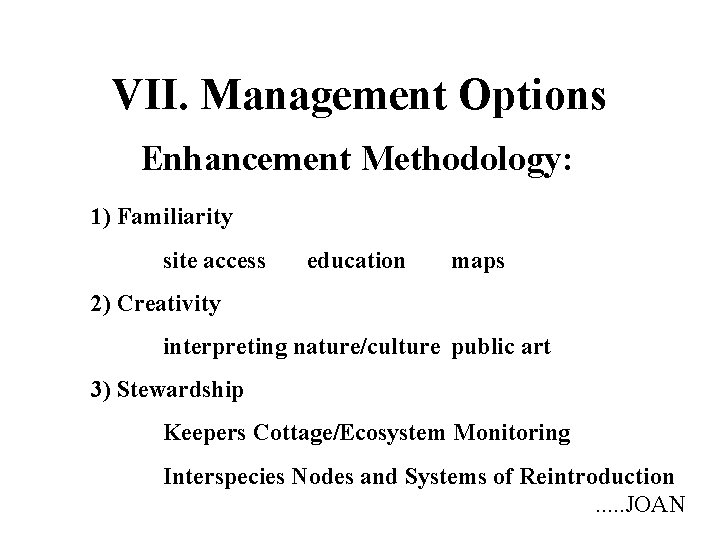
VII. Management Options Enhancement Methodology: 1) Familiarity site access education maps 2) Creativity interpreting nature/culture public art 3) Stewardship Keepers Cottage/Ecosystem Monitoring Interspecies Nodes and Systems of Reintroduction. . . JOAN
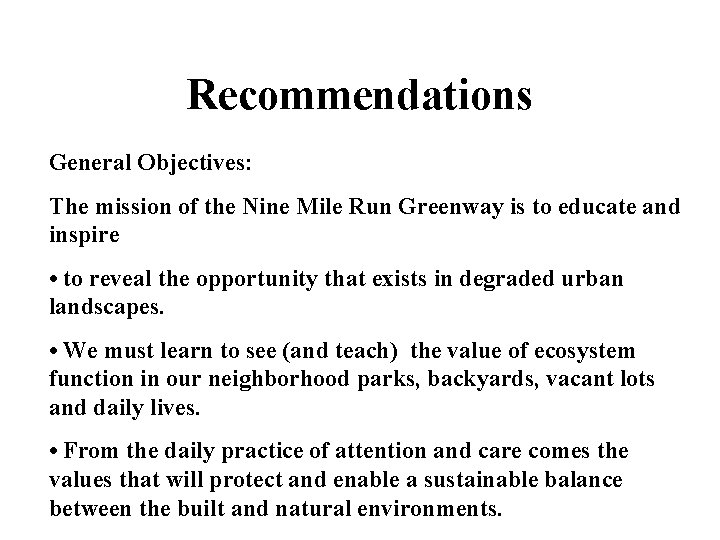
Recommendations General Objectives: The mission of the Nine Mile Run Greenway is to educate and inspire • to reveal the opportunity that exists in degraded urban landscapes. • We must learn to see (and teach) the value of ecosystem function in our neighborhood parks, backyards, vacant lots and daily lives. • From the daily practice of attention and care comes the values that will protect and enable a sustainable balance between the built and natural environments.
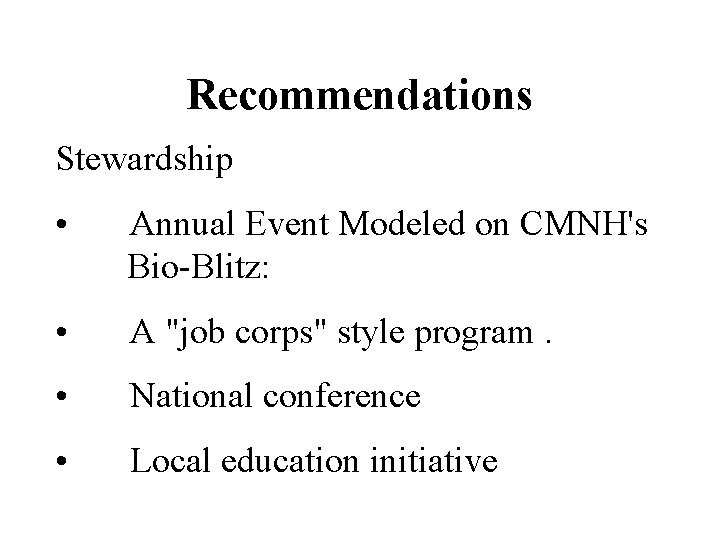
Recommendations Stewardship • Annual Event Modeled on CMNH's Bio-Blitz: • A "job corps" style program. • National conference • Local education initiative
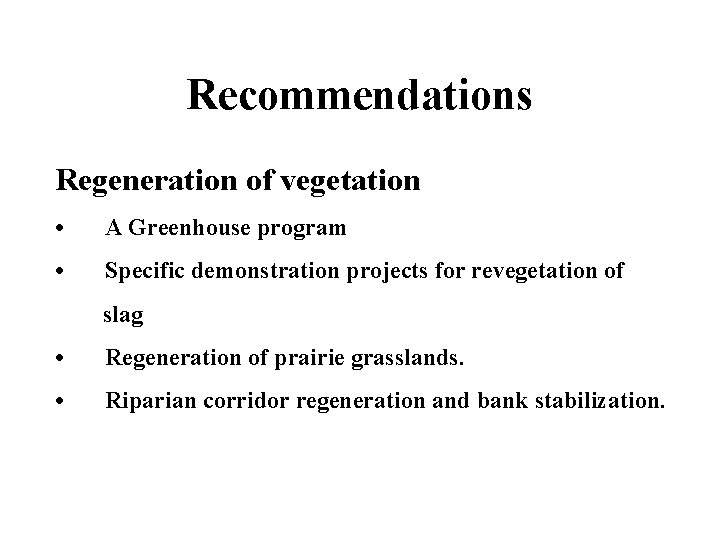
Recommendations Regeneration of vegetation • A Greenhouse program • Specific demonstration projects for revegetation of slag • Regeneration of prairie grasslands. • Riparian corridor regeneration and bank stabilization.
Recommendations Addressing water problems • Upstream testing • Sewage infrastructure mapping and assessment • A Watershed Storm Water management program • A long term plan to upgrade the sewer system • Modifications of the existing CSO discharges
Recommendations Addressing water problems * Stream odor survey should be undertaken. * Streambed/bank Erosion Survey. * The restoration of floodplain * Creating a watershed stakeholder committee * Engineering feasibility studies on alkaline leachate. * Investigate development stormwater issues * Pilot infiltration projects for upstream communities.
Recommendations Access and interface. * Engineering feasibility studies on: the Forward Ave. greenway crossing trail heads access / parking points: removal of paved creek bottoms * Repair of the existing pedestrian bridge. * Greenway access to Glen Hazel and Rankin
Recommendations Development • Discussion groups for politicians to pursue alternatives • Elected official involvement • Equity in trade/sports fields • Monitor development as an ongoing process
Current Status of Current and Planned Projects • DCNR Rivers Conservation Plan • The Heinz Funded Program in the STUDIO for Creative Inquiry • The Army Corp of Engineers, Ecosystem Restoration • The Rocky Mountain Institutes, Infiltration and Retention Charrette • Upper Watershed Sewer Inspection and Maintenance • EPA Sustainable Development Challenge Grant • The Three Rivers Wet Weather Demonstration Project