
THE NEW OLD PUBLIC HEALTH How Neuroscience Is
THE NEW (OLD) PUBLIC HEALTH How Neuroscience Is Changing Child and Maternal Health Jeffrey P. Brosco M. D. , Ph. D. Mailman Center for Child Development

Disclosures • Employment and Positions • University of Miami • Jackson Health Systems • State of Florida Title V program • SACHDNC (HRSA, MCHB) • No disclosures re conflict of interest • No commercial interests • Medical-legal testimony (not related to topic today)
Child Health Today • What are the 3 most significant issues for the health of children in the US today?
Child Health Today • Poverty • Obesity • Access to health care • Maternal depression • Homelessness • Substance abuse • Hunger • Violence • Substandard schools • Access to mental health • Child abuse • Early childhood • AIDS • Low on political agenda • Car crashes/trauma • Language/Culture
Child Health Today • Which of these issues will be solved in a pharmaceutical or genomics laboratory? • Which will be substantially impacted by 15 minute well child care visit with a health care provider? • Which will be affected by a admission to a tertiary care hospital?
Learning Objectives At the end of this session, you will be able to 1. Explain the strengths and weaknesses of the US system of care using historical examples 2. Provide evidence of the relationship between child development and long-term health outcomes 3. Describe at least one change in systems of care (clinical practice, public policy, or professional education) to address 21 st c. child health issues
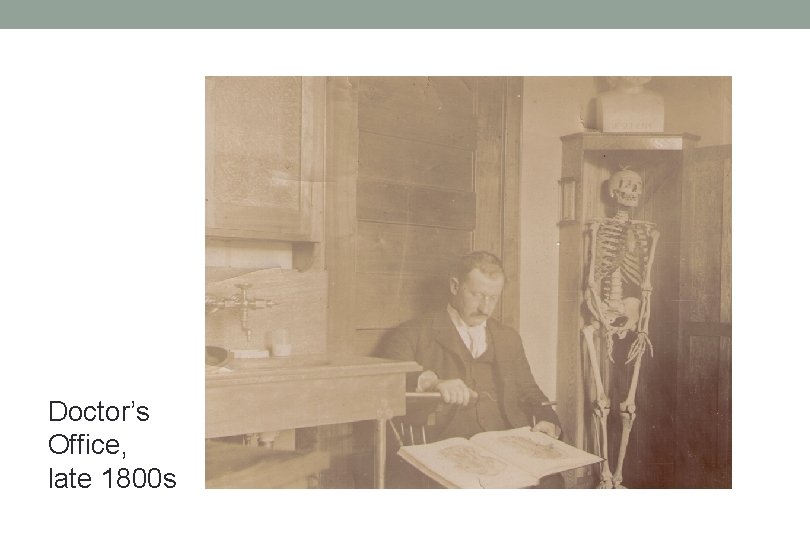
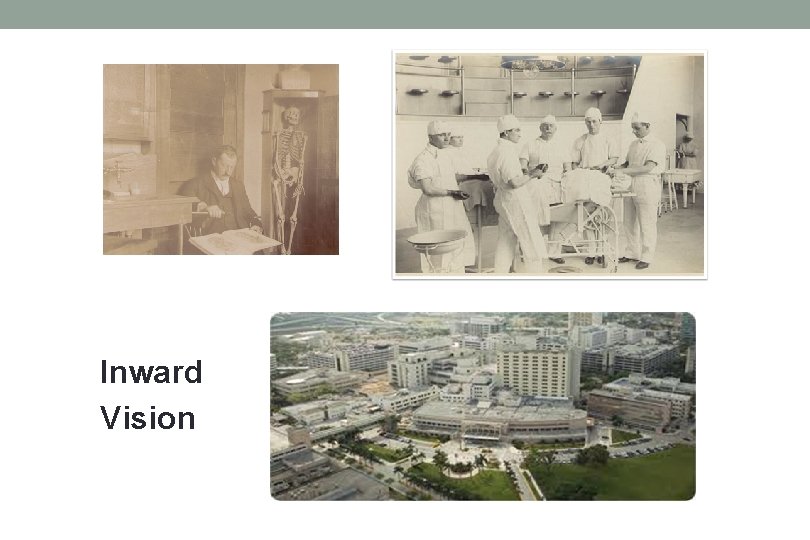
Doctor’s Office, late 1800 s
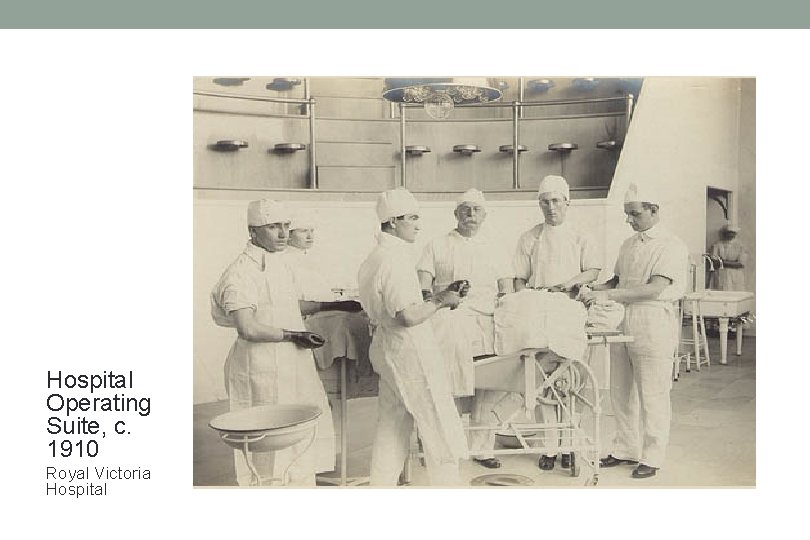
Hospital Operating Suite, c. 1910 Royal Victoria Hospital
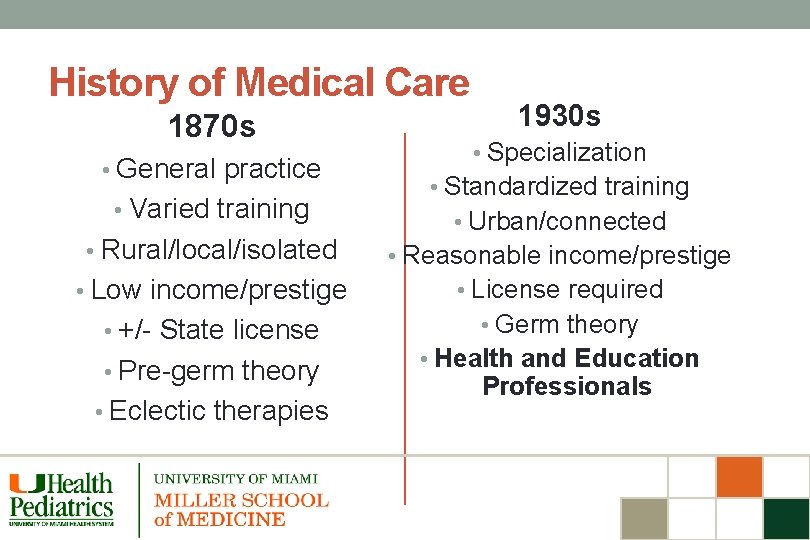
History of Medical Care 1870 s • General practice • Varied training 1930 s • Specialization • Standardized training • Urban/connected • Rural/local/isolated • Reasonable income/prestige • Low income/prestige • License required • +/- State license • Germ theory • Pre-germ theory • Eclectic therapies • Health and Education Professionals
Faith in Science: Polio Vaccine • NY Times, July 11, 1957 • “MASS VACCINATION CUTS POLIO'S TOLL” “Mass vaccination with Salk vaccine has sharply reduced the number of paralytic polio cases in the city and state this year, health officials reported yesterday. ” • Time Magazine, Aug. 12, 1957 • “POLIO DECLINE” “Polio is declining sharply in most of the U. S. for the second year, with abundant evidence that much of the improvement is due to the Salk vaccine. ”
“Inward Vision; Outward Glance” • The best way to improve health is to provide technologically sophisticated interventions to patients in the office, in the operating suite, or at the bedside of a modern hospital • “Technological imperative in medicine” • Machines, vaccines, antibiotics, surgery, new drugs • The “Medical Model” Charles Rosenberg
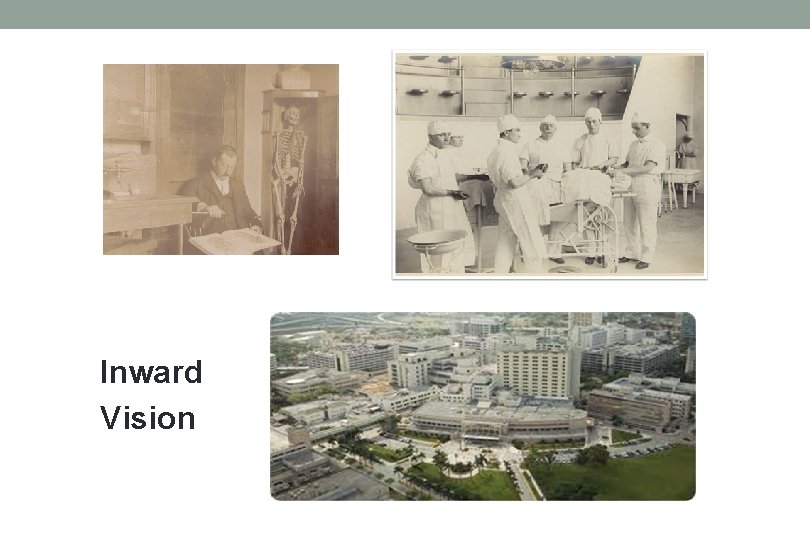
Inward Vision
Outline –History, Biology, and Policy 1. Why is the health care system the way it is? 2. What are the consequences of our current health care system? 3. What is the evidence that we should change (and focus on child development)? 4. Challenge to the current systems of care 5. [Your work here]
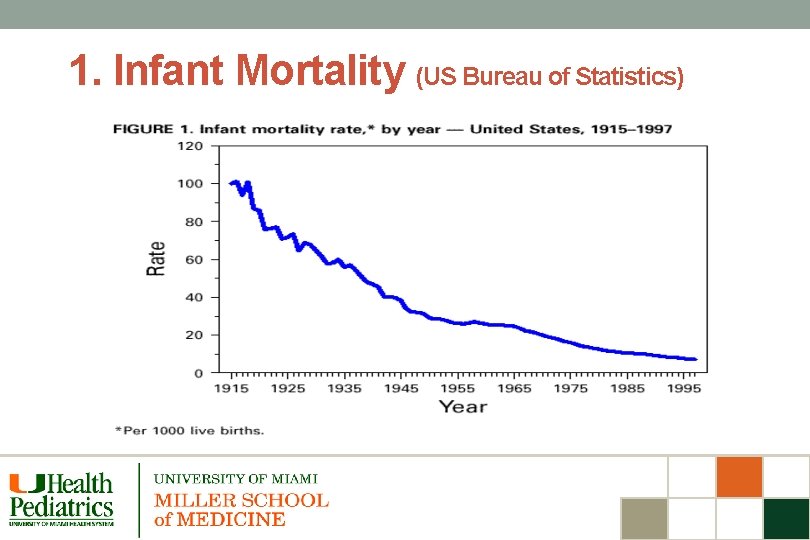
1. Infant Mortality (US Bureau of Statistics)
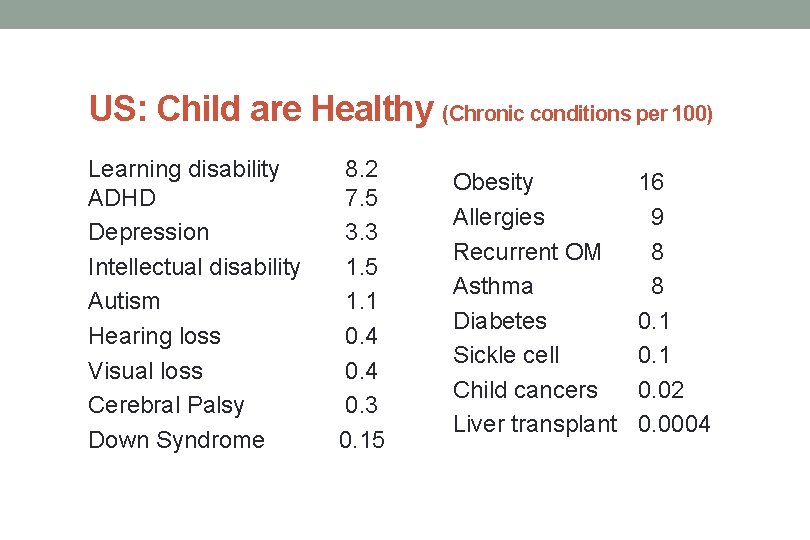
US: Child are Healthy (Chronic conditions per 100) Learning disability ADHD Depression Intellectual disability Autism Hearing loss Visual loss Cerebral Palsy Down Syndrome 8. 2 7. 5 3. 3 1. 5 1. 1 0. 4 0. 3 0. 15 Obesity Allergies Recurrent OM Asthma Diabetes Sickle cell Child cancers Liver transplant 16 9 8 8 0. 1 0. 02 0. 0004
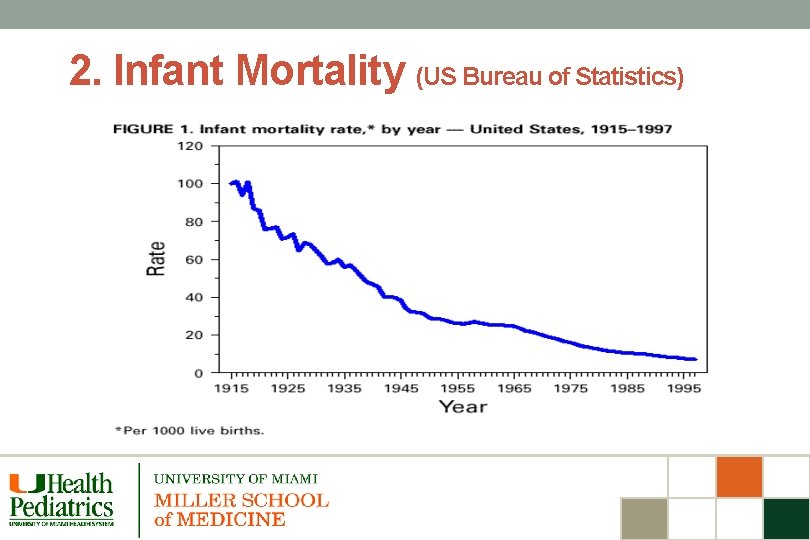
2. Infant Mortality (US Bureau of Statistics)
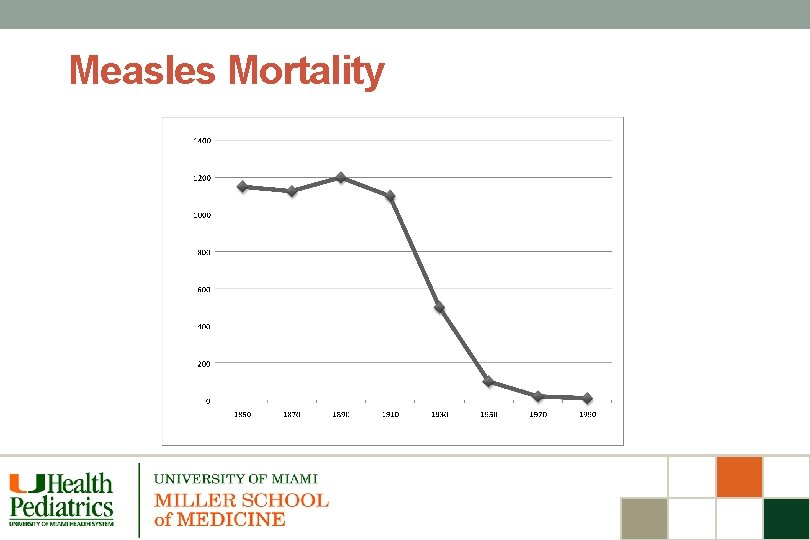
Measles Mortality
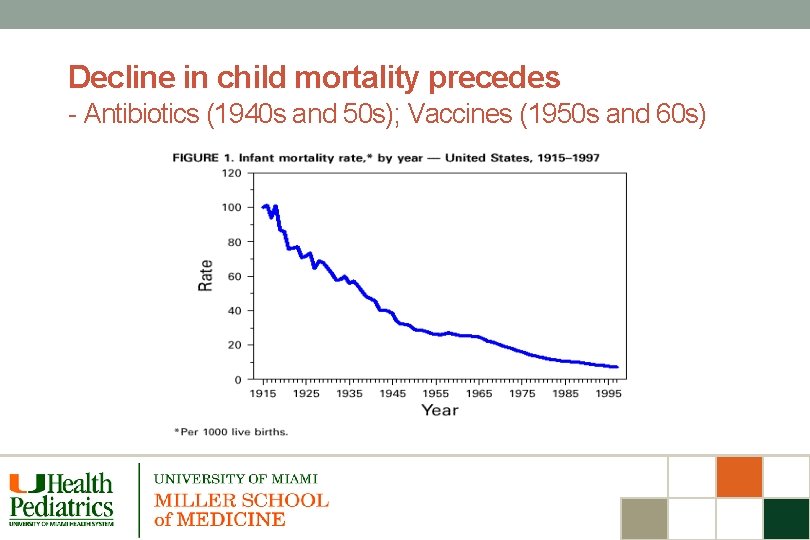
Decline in child mortality precedes - Antibiotics (1940 s and 50 s); Vaccines (1950 s and 60 s)

What is this? Hint: 1854
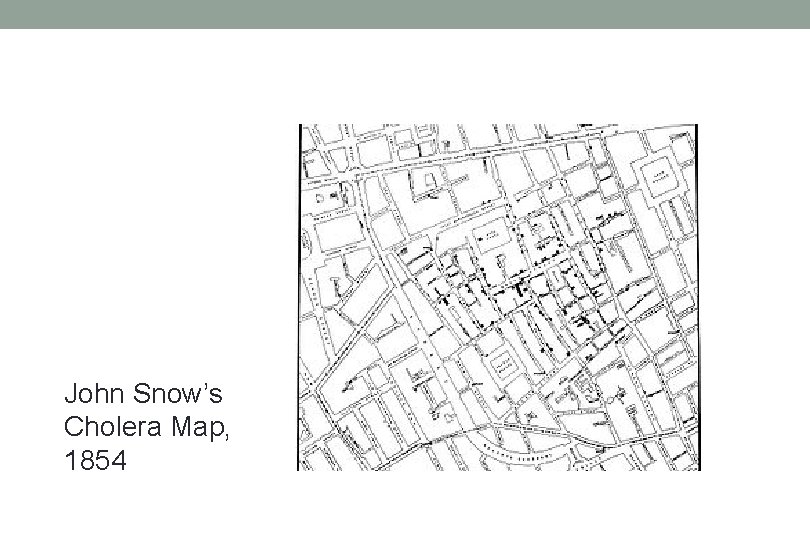
John Snow’s Cholera Map, 1854
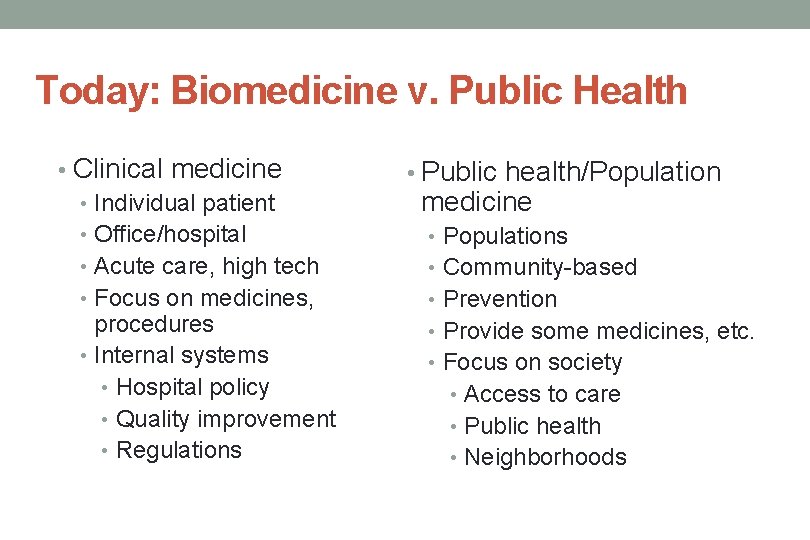
Today: Biomedicine v. Public Health • Clinical medicine • Individual patient • Office/hospital • Acute care, high tech • Focus on medicines, procedures • Internal systems • Hospital policy • Quality improvement • Regulations • Public health/Population medicine • Populations • Community-based • Prevention • Provide some medicines, etc. • Focus on society • Access to care • Public health • Neighborhoods
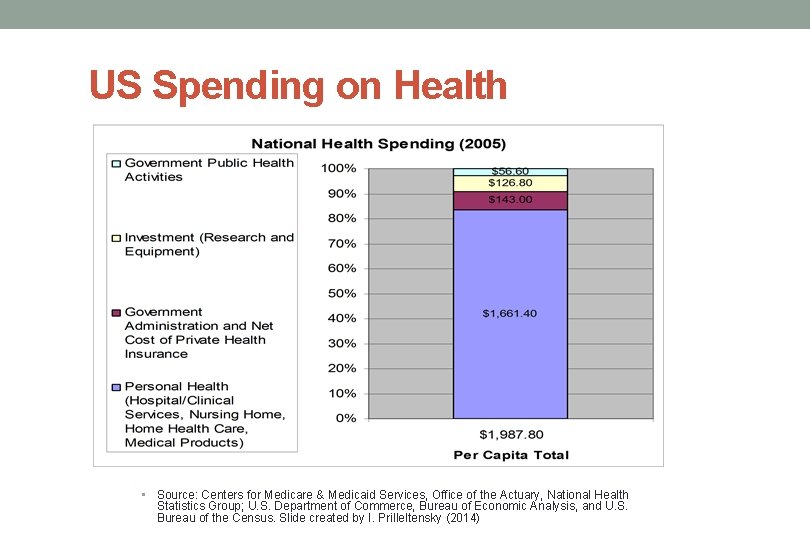
US Spending on Health • Source: Centers for Medicare & Medicaid Services, Office of the Actuary, National Health Statistics Group; U. S. Department of Commerce, Bureau of Economic Analysis, and U. S. Bureau of the Census. Slide created by I. Prilleltensky (2014)
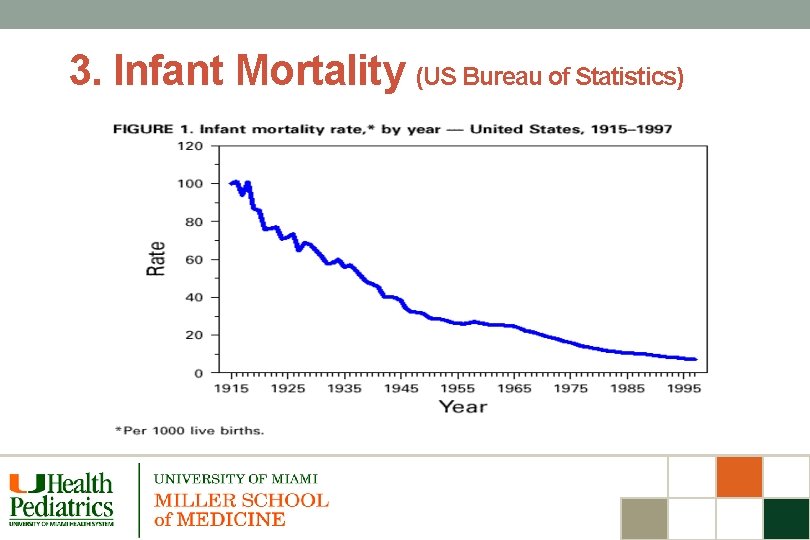
3. Infant Mortality (US Bureau of Statistics)
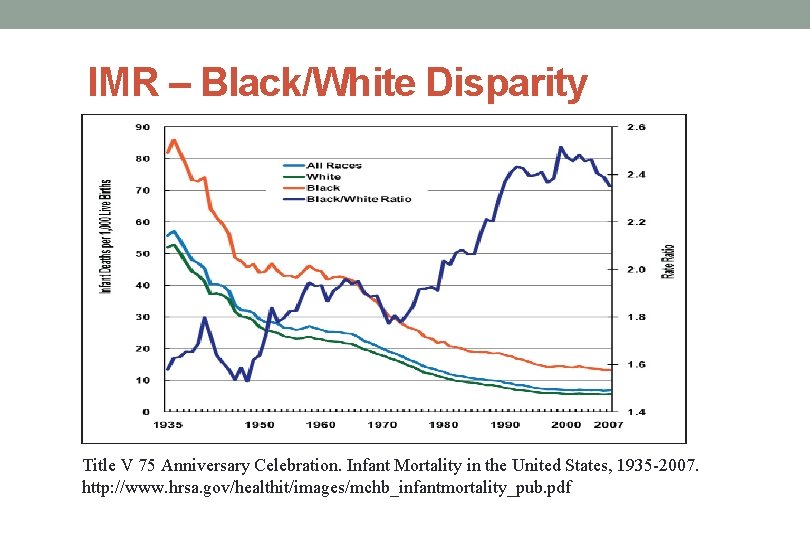
IMR – Black/White Disparity Title V 75 Anniversary Celebration. Infant Mortality in the United States, 1935 -2007. http: //www. hrsa. gov/healthit/images/mchb_infantmortality_pub. pdf
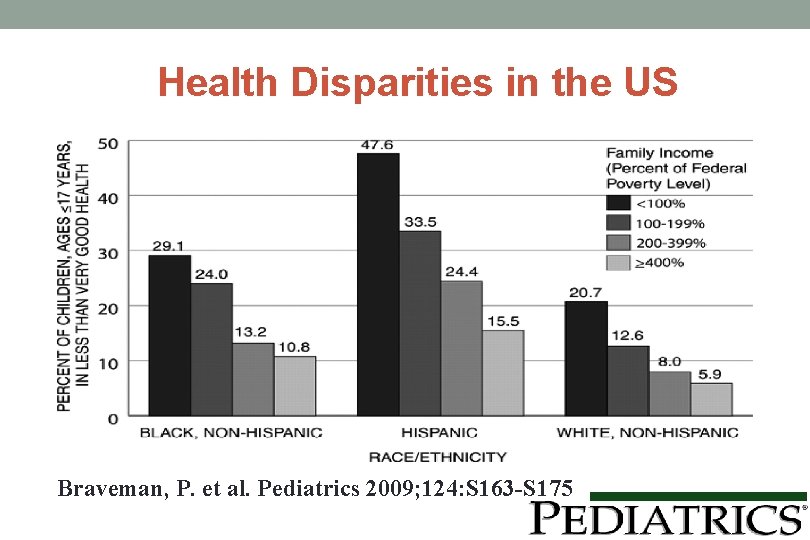
Health Disparities in the US Braveman, P. et al. Pediatrics 2009; 124: S 163 -S 175
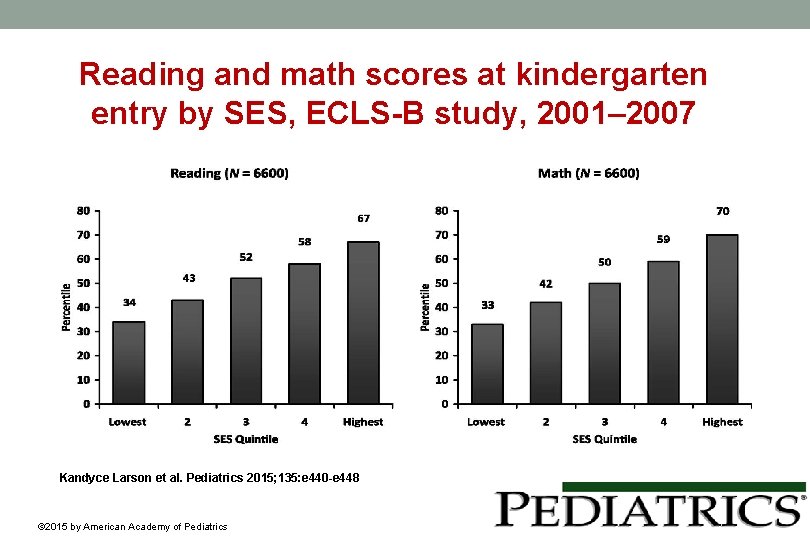
Reading and math scores at kindergarten entry by SES, ECLS-B study, 2001– 2007 Kandyce Larson et al. Pediatrics 2015; 135: e 440 -e 448 © 2015 by American Academy of Pediatrics
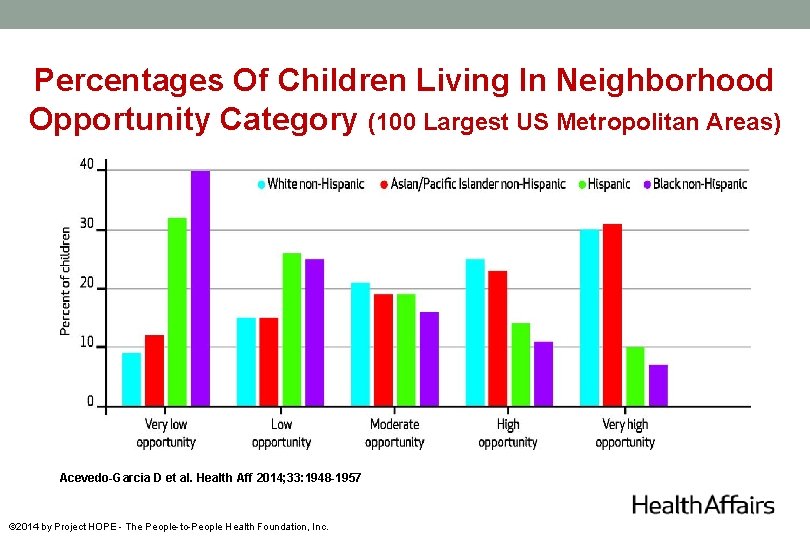
Percentages Of Children Living In Neighborhood Opportunity Category (100 Largest US Metropolitan Areas) Acevedo-Garcia D et al. Health Aff 2014; 33: 1948 -1957 © 2014 by Project HOPE - The People-to-People Health Foundation, Inc.
Social Determinants • The social determinants of health are those factors which are outside of the individual; they are beyond genetic endowment and beyond individual behaviors. They are the context in which individual behaviors arise and in which individual behaviors convey risk. The social determinants of health include individual resources, neighborhood (place-based) or community (group-based) resources, hazards and toxic exposures, and opportunity structures. Camara Jones, CDC, 2010
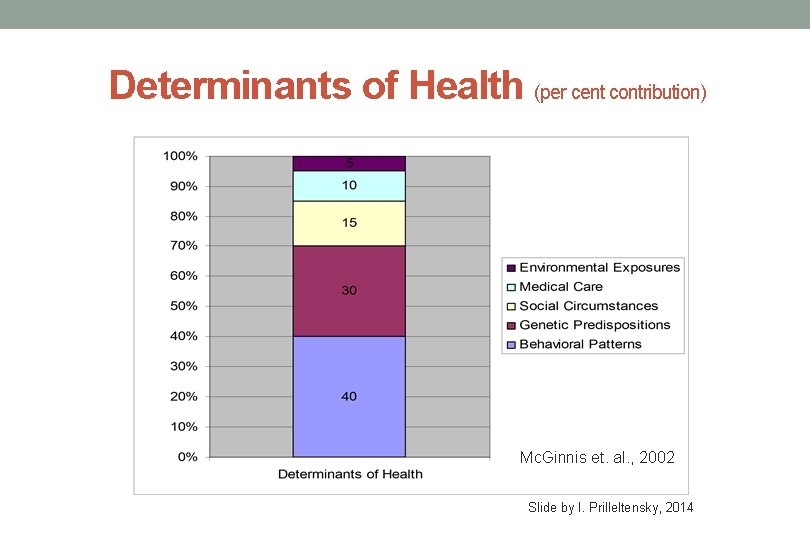
Determinants of Health (per cent contribution) Mc. Ginnis et. al. , 2002 Slide by I. Prilleltensky, 2014
Outline –History, Biology, and Policy 1. Why is the health care system the way it is? 2. What are the consequences of our current health care system? 3. What is the evidence that we should change (and focus on child development)? 4. Challenge to the current systems of care 5. [Your work here]
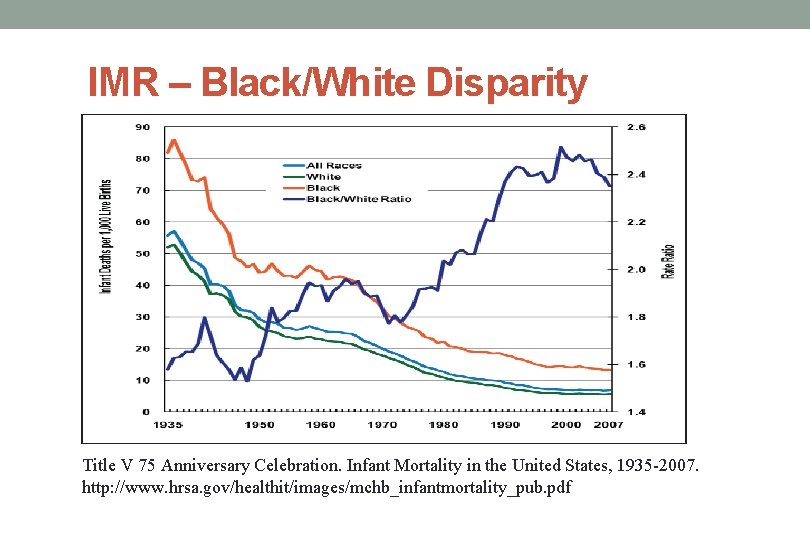
IMR – Black/White Disparity Title V 75 Anniversary Celebration. Infant Mortality in the United States, 1935 -2007. http: //www. hrsa. gov/healthit/images/mchb_infantmortality_pub. pdf
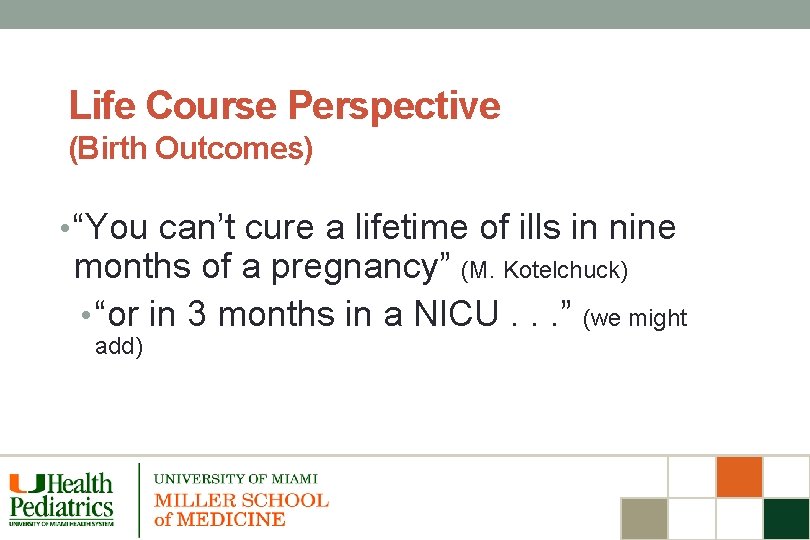
Life Course Perspective (Birth Outcomes) • “You can’t cure a lifetime of ills in nine months of a pregnancy” (M. Kotelchuck) • “or in 3 months in a NICU. . . ” (we might add)
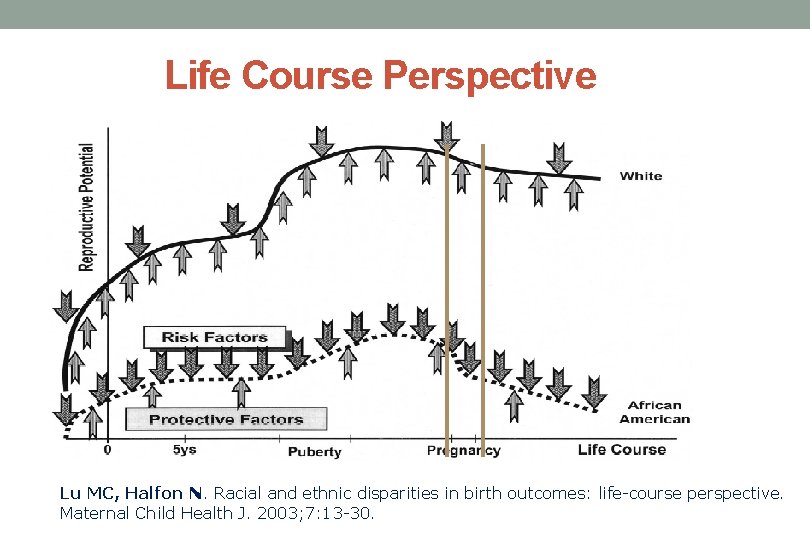
Life Course Perspective Lu MC, Halfon N. Racial and ethnic disparities in birth outcomes: life-course perspective. Maternal Child Health J. 2003; 7: 13 -30.
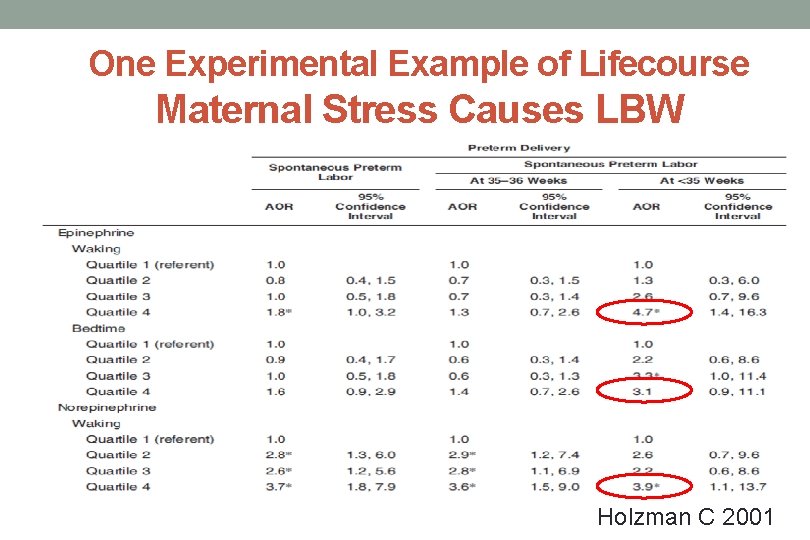
One Experimental Example of Lifecourse Maternal Stress Causes LBW Holzman C 2001
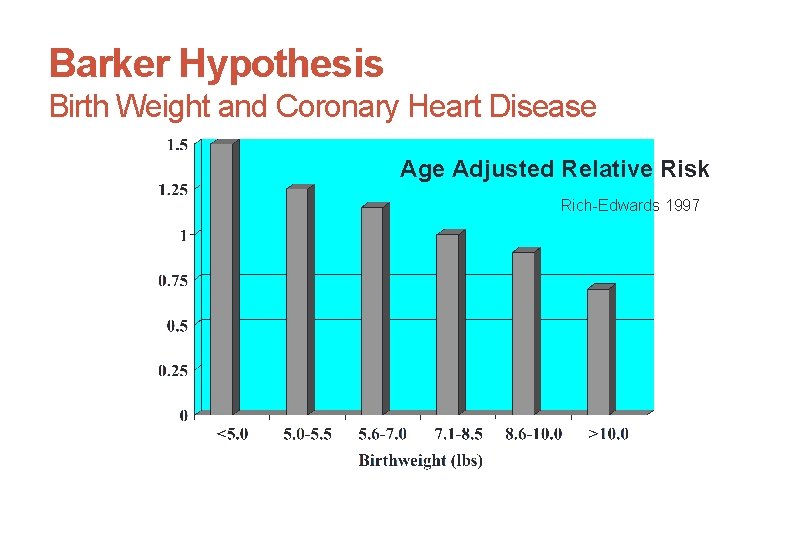
Barker Hypothesis Birth Weight and Coronary Heart Disease Age Adjusted Relative Risk Rich-Edwards 1997
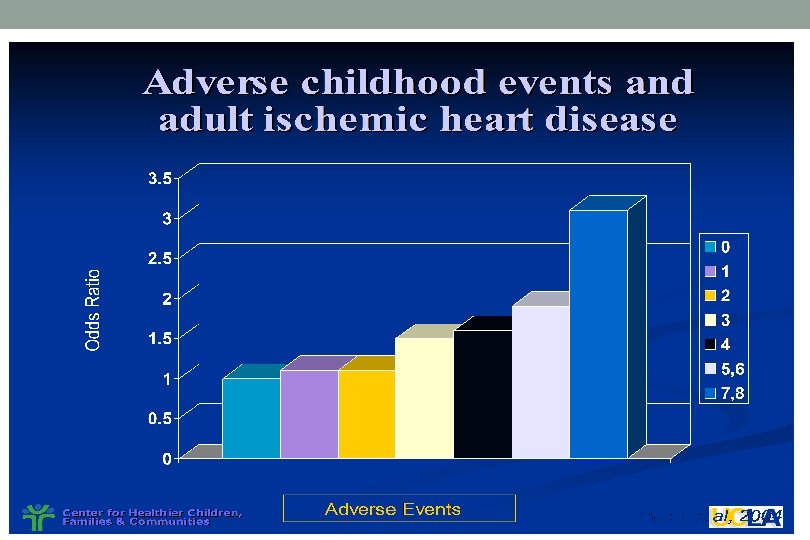
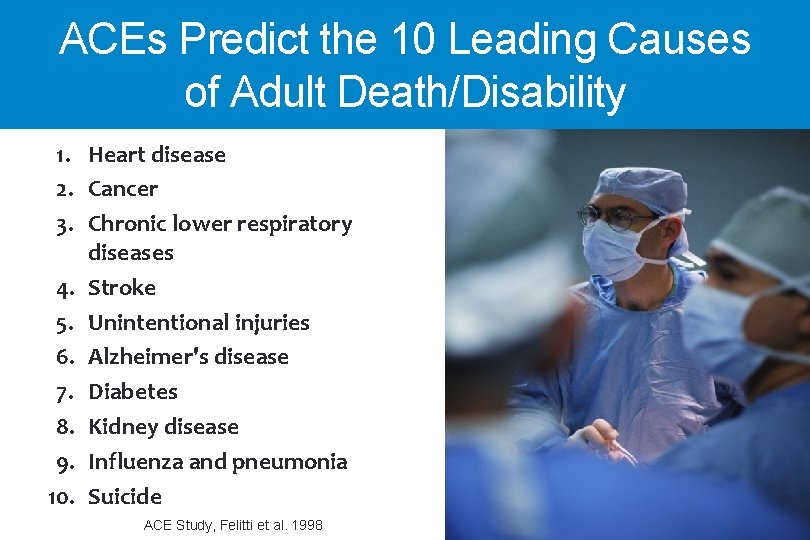
ACEs Predict the 10 Leading Causes of Adult Death/Disability 1. Heart disease 2. Cancer 3. Chronic lower respiratory diseases 4. Stroke 5. Unintentional injuries 6. Alzheimer's disease 7. Diabetes 8. Kidney disease 9. Influenza and pneumonia 10. Suicide ACE Study, Felitti et al. 1998
One Biological Mechanism: Epigenetics • Stress in early life causes long-lasting changes in physiology/behavior by inducing epigenetic changes • Mice: arginine vasopressin (AVP)Murgatroyd et al (2009) • AVP - hormone affects mood and cognition • Mice exposed to high stress early in life showed differences in AVP and behavior later in life • Same mice showed significantly lower levels of DNA methylation in the regulatory region of the AVP gene
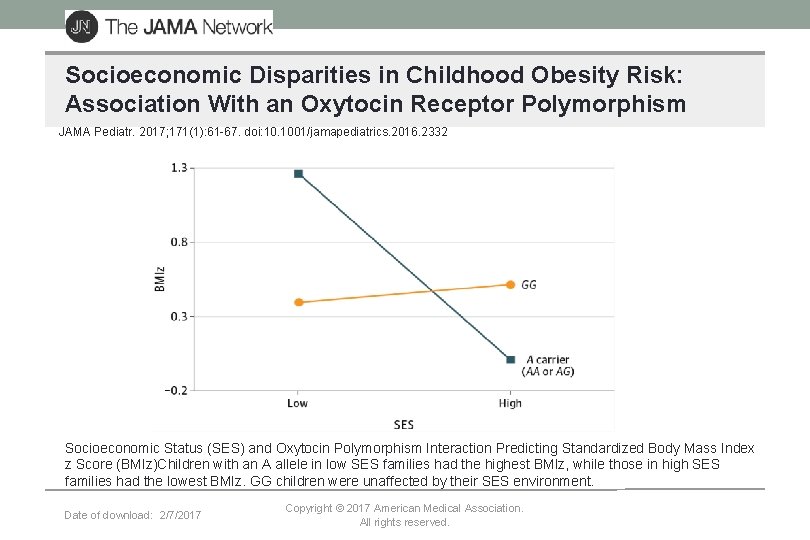
Socioeconomic Disparities in Childhood Obesity Risk: Association With an Oxytocin Receptor Polymorphism JAMA Pediatr. 2017; 171(1): 61 -67. doi: 10. 1001/jamapediatrics. 2016. 2332 Socioeconomic Status (SES) and Oxytocin Polymorphism Interaction Predicting Standardized Body Mass Index z Score (BMIz)Children with an A allele in low SES families had the highest BMIz, while those in high SES families had the lowest BMIz. GG children were unaffected by their SES environment. Date of download: 2/7/2017 Copyright © 2017 American Medical Association. All rights reserved.
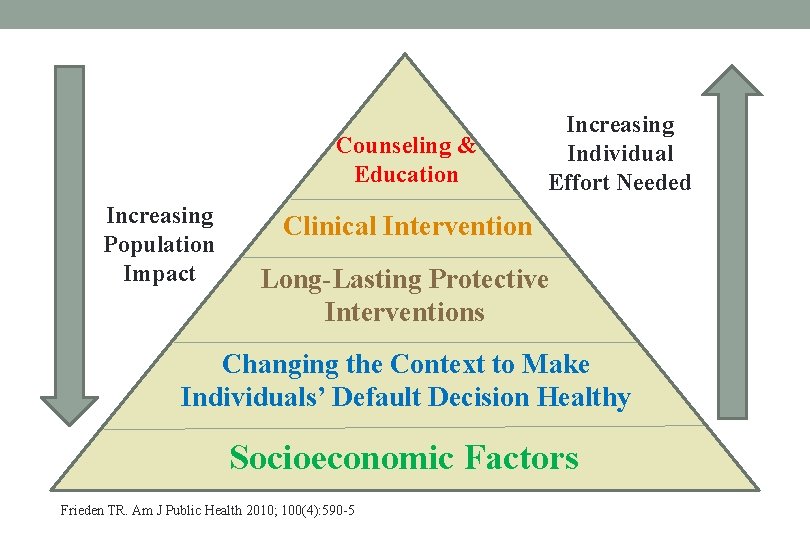
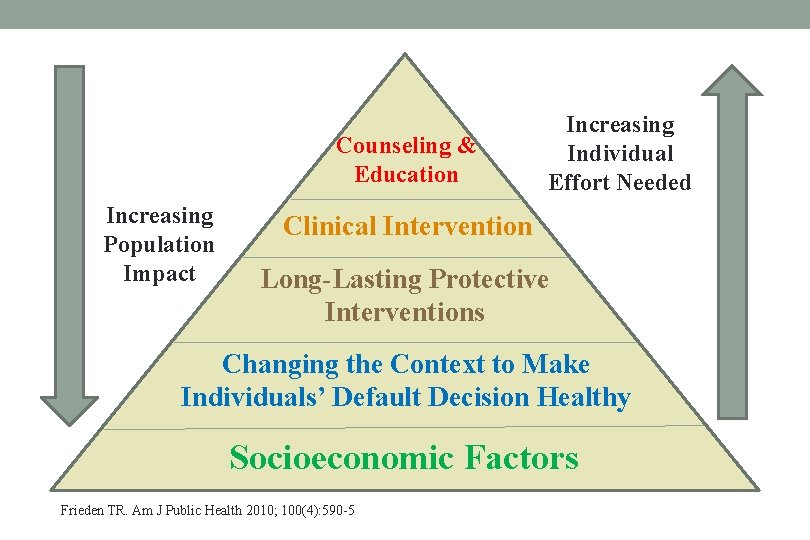
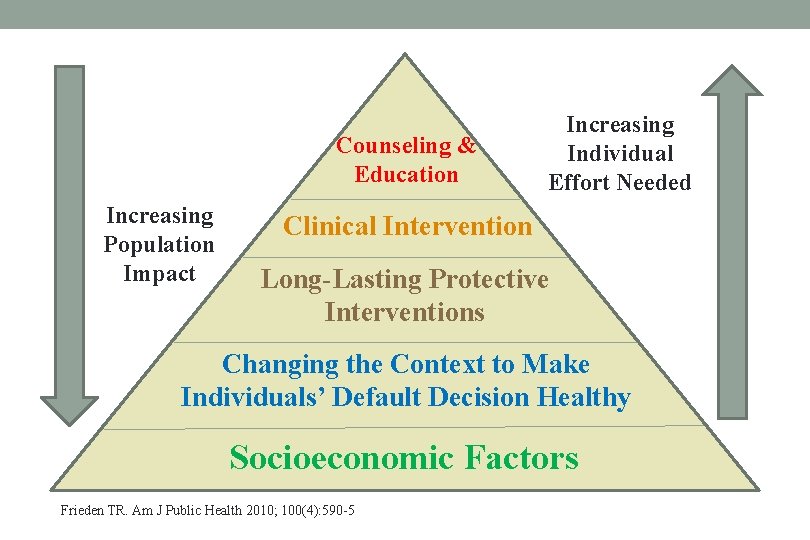
So what do we do? (4. Challenge) • Acknowledge that our health care system was not designed to address social determinants/adverse child events • Payments schemes, training, institutions all built on an acute care model designed to focus on technological interventions for individual patients • Do something. • Friedan’s public health pyramid
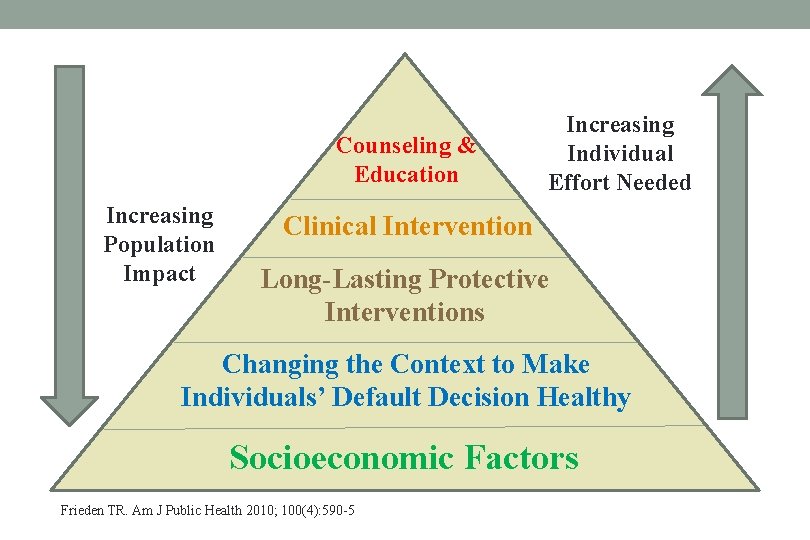
Counseling & Education Increasing Population Impact Increasing Individual Effort Needed Clinical Intervention Long-Lasting Protective Interventions Changing the Context to Make Individuals’ Default Decision Healthy Socioeconomic Factors Frieden TR. Am J Public Health 2010; 100(4): 590 -5
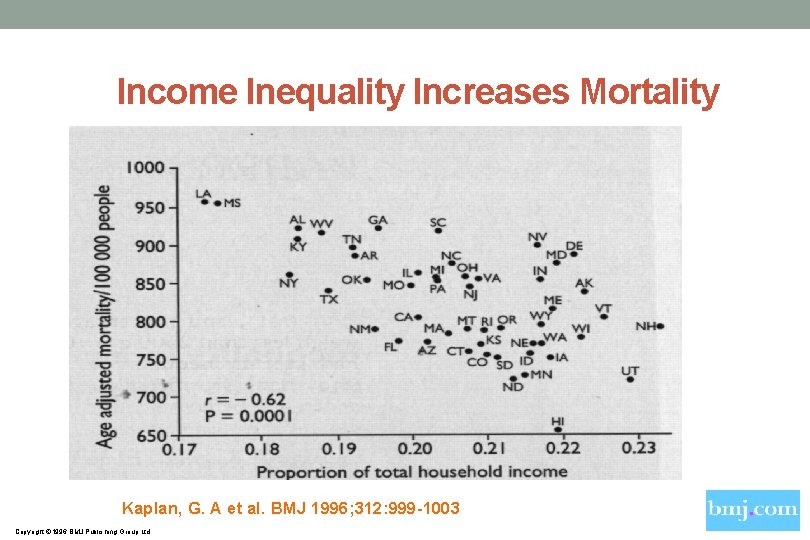
Income Inequality Increases Mortality Kaplan, G. A et al. BMJ 1996; 312: 999 -1003 Copyright © 1996 BMJ Publishing Group Ltd.
Poverty: What’s the Problem? • If social determinants are critical, what are we going to do about poverty, discrimination, structural inequities in our society? • US has long history of deep ambivalence about directly addressing social and economic inequities • Does reducing poverty really make a difference?
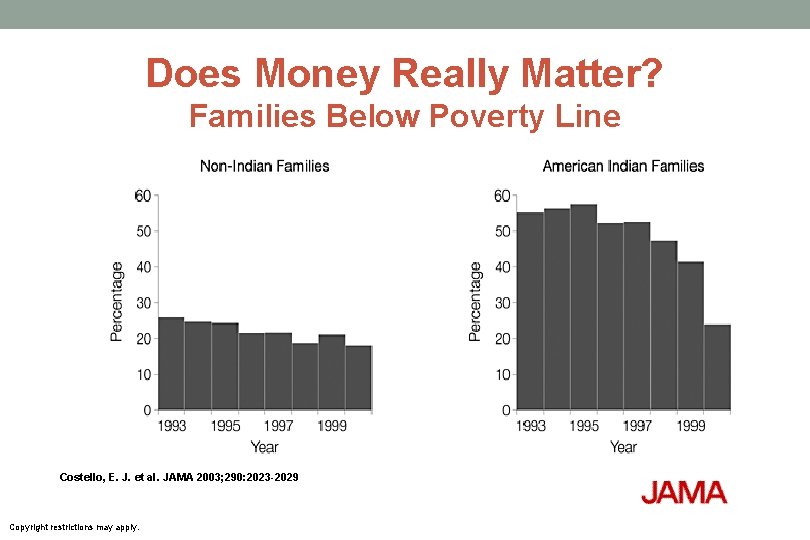
Does Money Really Matter? Families Below Poverty Line Costello, E. J. et al. JAMA 2003; 290: 2023 -2029 Copyright restrictions may apply.
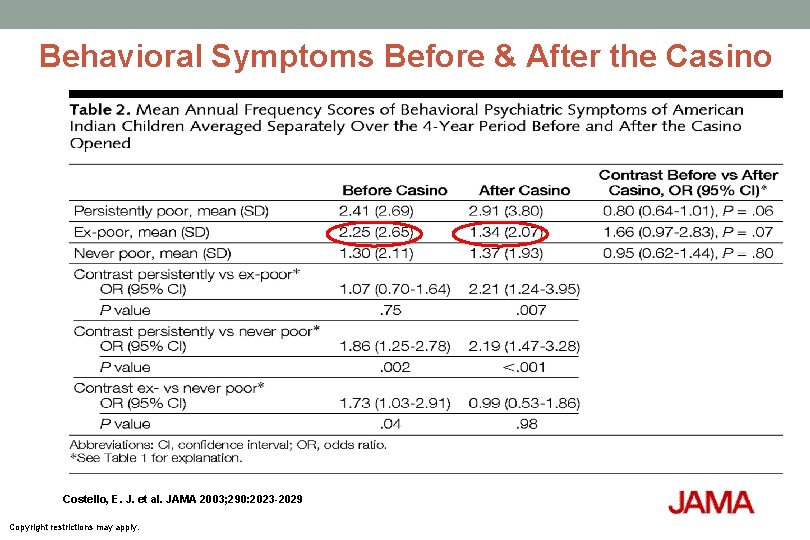
Behavioral Symptoms Before & After the Casino Costello, E. J. et al. JAMA 2003; 290: 2023 -2029 Copyright restrictions may apply.
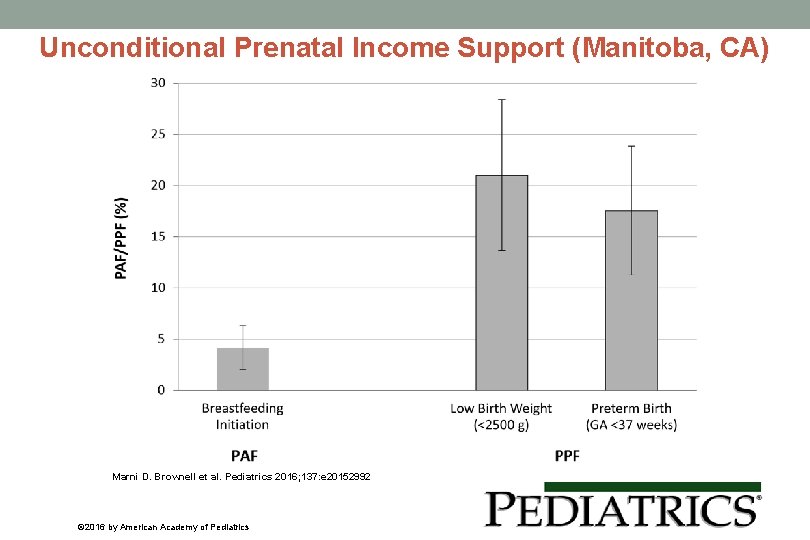
Unconditional Prenatal Income Support (Manitoba, CA) Marni D. Brownell et al. Pediatrics 2016; 137: e 20152992 © 2016 by American Academy of Pediatrics
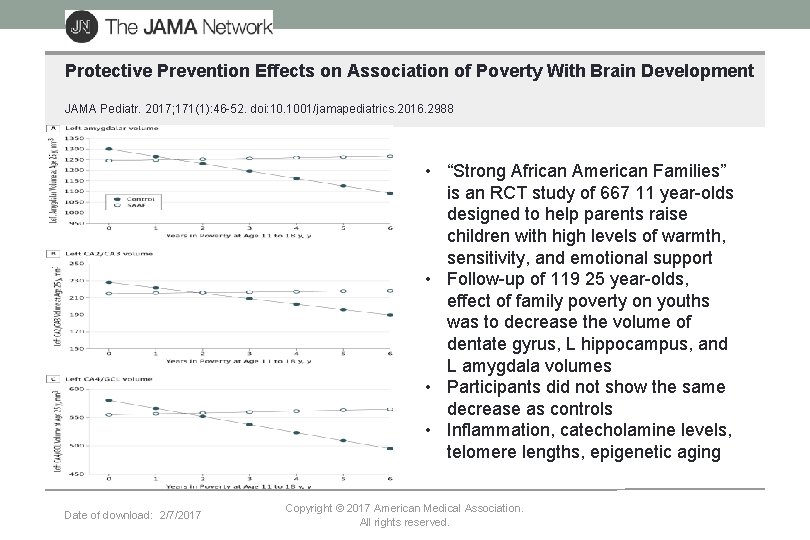
Protective Prevention Effects on Association of Poverty With Brain Development JAMA Pediatr. 2017; 171(1): 46 -52. doi: 10. 1001/jamapediatrics. 2016. 2988 Figure Legend: • “Strong African American Families” is an RCT study of 667 11 year-olds designed to help parents raise children with high levels of warmth, sensitivity, and emotional support • Follow-up of 119 25 year-olds, effect of family poverty on youths was to decrease the volume of dentate gyrus, L hippocampus, and L amygdala volumes • Participants did not show the same decrease as controls • Inflammation, catecholamine levels, telomere lengths, epigenetic aging . Date of download: 2/7/2017 Copyright © 2017 American Medical Association. All rights reserved.
Counseling & Education Increasing Population Impact Increasing Individual Effort Needed Clinical Intervention Long-Lasting Protective Interventions Changing the Context to Make Individuals’ Default Decision Healthy Socioeconomic Factors Frieden TR. Am J Public Health 2010; 100(4): 590 -5
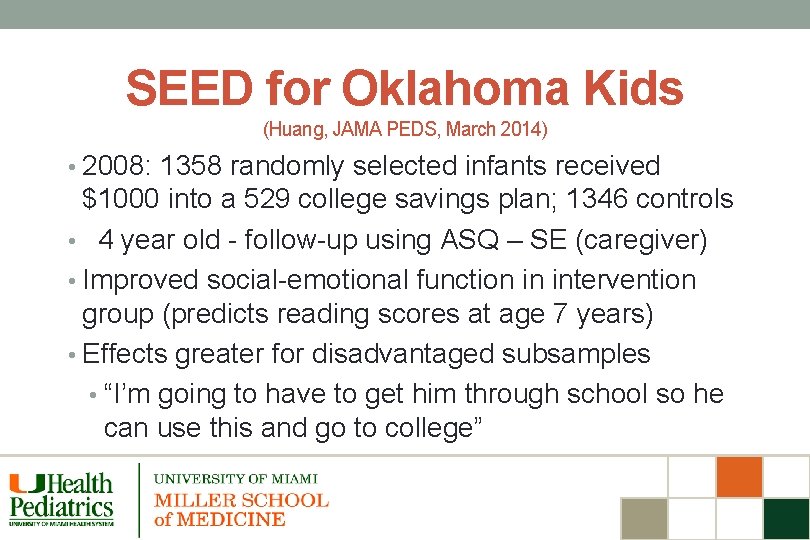
SEED for Oklahoma Kids (Huang, JAMA PEDS, March 2014) • 2008: 1358 randomly selected infants received $1000 into a 529 college savings plan; 1346 controls • 4 year old - follow-up using ASQ – SE (caregiver) • Improved social-emotional function in intervention group (predicts reading scores at age 7 years) • Effects greater for disadvantaged subsamples • “I’m going to have to get him through school so he can use this and go to college”
Counseling & Education Increasing Population Impact Increasing Individual Effort Needed Clinical Intervention Long-Lasting Protective Interventions Changing the Context to Make Individuals’ Default Decision Healthy Socioeconomic Factors Frieden TR. Am J Public Health 2010; 100(4): 590 -5
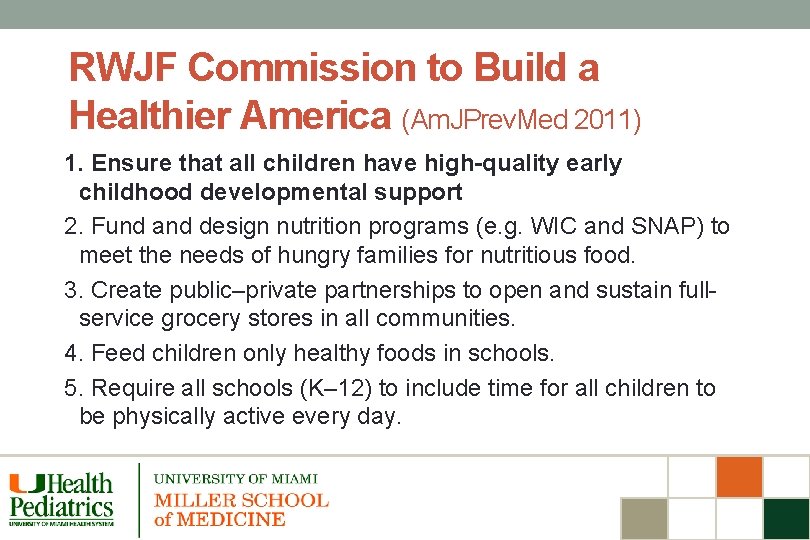
RWJF Commission to Build a Healthier America (Am. JPrev. Med 2011) 1. Ensure that all children have high-quality early childhood developmental support 2. Fund and design nutrition programs (e. g. WIC and SNAP) to meet the needs of hungry families for nutritious food. 3. Create public–private partnerships to open and sustain fullservice grocery stores in all communities. 4. Feed children only healthy foods in schools. 5. Require all schools (K– 12) to include time for all children to be physically active every day.
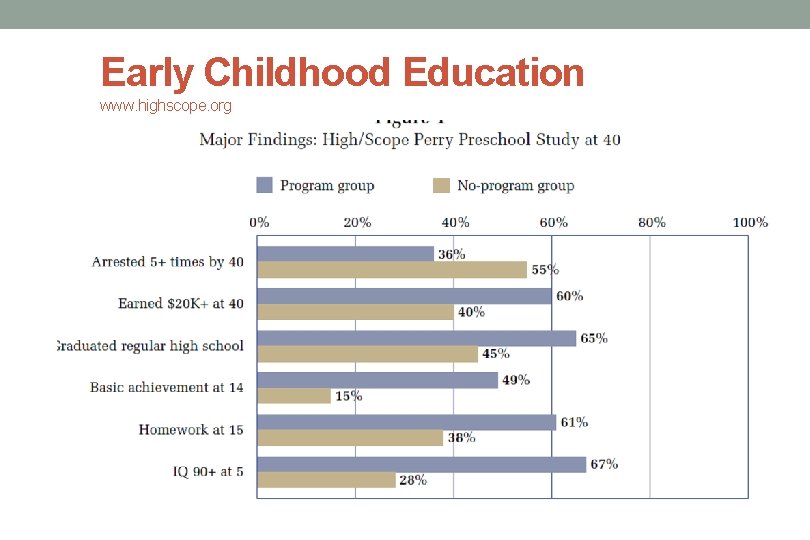
Early Childhood Education www. highscope. org
Counseling & Education Increasing Population Impact Increasing Individual Effort Needed Clinical Intervention Long-Lasting Protective Interventions Changing the Context to Make Individuals’ Default Decision Healthy Socioeconomic Factors Frieden TR. Am J Public Health 2010; 100(4): 590 -5
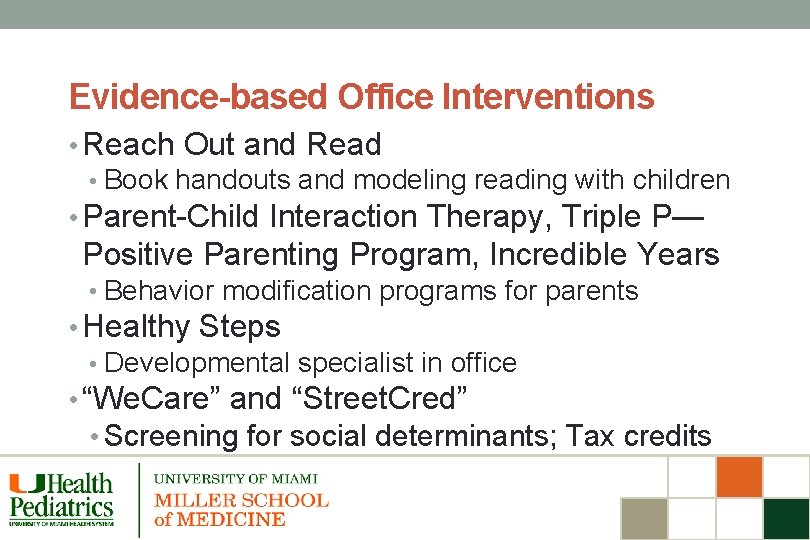
Evidence-based Office Interventions • Reach Out and Read • Book handouts and modeling reading with children • Parent-Child Interaction Therapy, Triple P— Positive Parenting Program, Incredible Years • Behavior modification programs for parents • Healthy Steps • Developmental specialist in office • “We. Care” and “Street. Cred” • Screening for social determinants; Tax credits
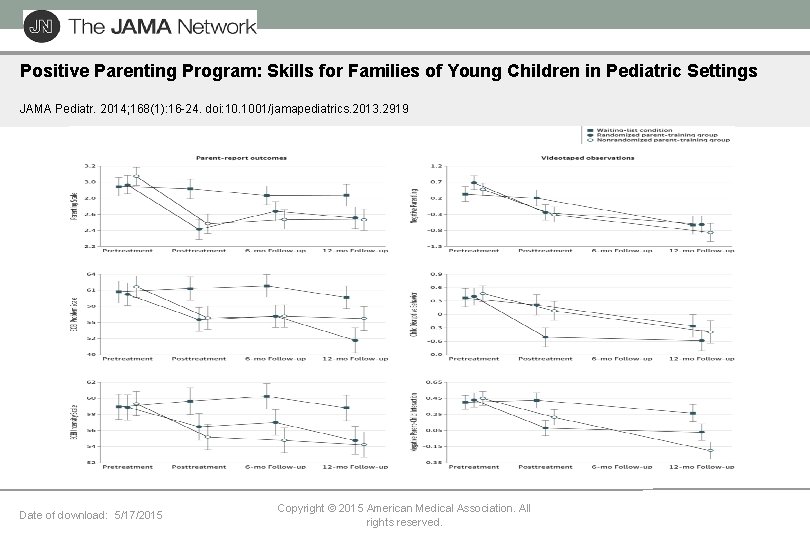
Positive Parenting Program: Skills for Families of Young Children in Pediatric Settings JAMA Pediatr. 2014; 168(1): 16 -24. doi: 10. 1001/jamapediatrics. 2013. 2919 Date of download: 5/17/2015 Copyright © 2015 American Medical Association. All rights reserved.
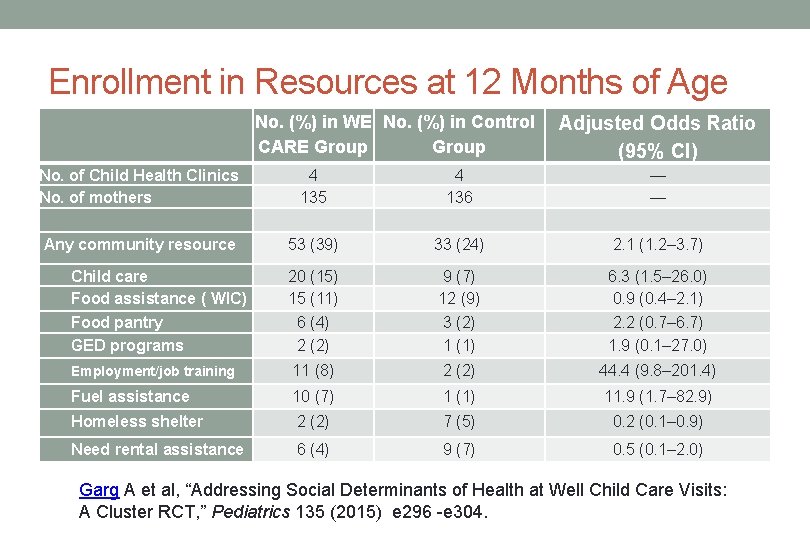
Enrollment in Resources at 12 Months of Age No. (%) in WE No. (%) in Control CARE Group Adjusted Odds Ratio (95% CI) No. of Child Health Clinics No. of mothers 4 135 4 136 — — Any community resource 53 (39) 33 (24) 2. 1 (1. 2– 3. 7) Child care Food assistance ( WIC) 20 (15) 15 (11) 9 (7) 12 (9) 6. 3 (1. 5– 26. 0) 0. 9 (0. 4– 2. 1) Food pantry GED programs 6 (4) 2 (2) 3 (2) 1 (1) 2. 2 (0. 7– 6. 7) 1. 9 (0. 1– 27. 0) Employment/job training 11 (8) 2 (2) 44. 4 (9. 8– 201. 4) Fuel assistance 10 (7) 1 (1) 11. 9 (1. 7– 82. 9) Homeless shelter 2 (2) 7 (5) 0. 2 (0. 1– 0. 9) Need rental assistance 6 (4) 9 (7) 0. 5 (0. 1– 2. 0) Garg A et al, “Addressing Social Determinants of Health at Well Child Care Visits: A Cluster RCT, ” Pediatrics 135 (2015) e 296 -e 304.
Outline –History, Biology, and Policy 1. Why is the health care system the way it is? 2. What are the consequences of our current health care system? 3. What is the evidence that we should change (and focus on child development)? 4. Challenge to the current systems of care 5. [Your work here]
What Are We Going to Do? • How should social determinants of health/lifecourse perspective affect how we train child health, education, and public health professionals? • How should social determinants of health/lifecourse perspective affect how we organize systems of care (medical, educational, child welfare, etc. )? • Do maternal-child health professionals have a special obligation to address the social determinants of health?
What Are We Going to Do? • Systems of care • “Value-based care” – quality and cost both require addressing social determinants of health • Focus on base of pyramid: jobs/poverty/tax law • Hospitals/universities as “anchor” institutions • Personal obligation (specialists? ) • Do what they do well, but ensure access (eg SCID) • Value-based care: work with interprofessional team
Inward Vision
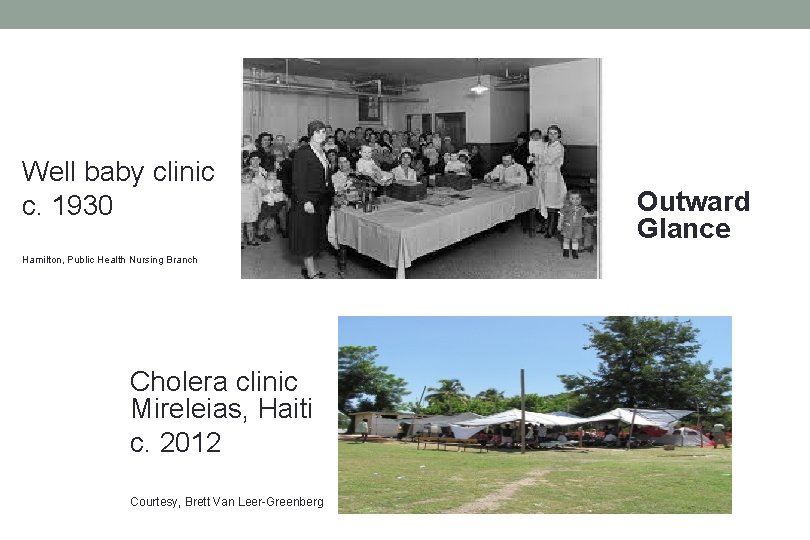
Well baby clinic c. 1930 Hamilton, Public Health Nursing Branch Cholera clinic Mireleias, Haiti c. 2012 Courtesy, Brett Van Leer-Greenberg Outward Glance
- Slides: 61