
The Neuron Computational Cognitive Neuroscience Randall OReilly The
- Slides: 38
The Neuron Computational Cognitive Neuroscience Randall O’Reilly
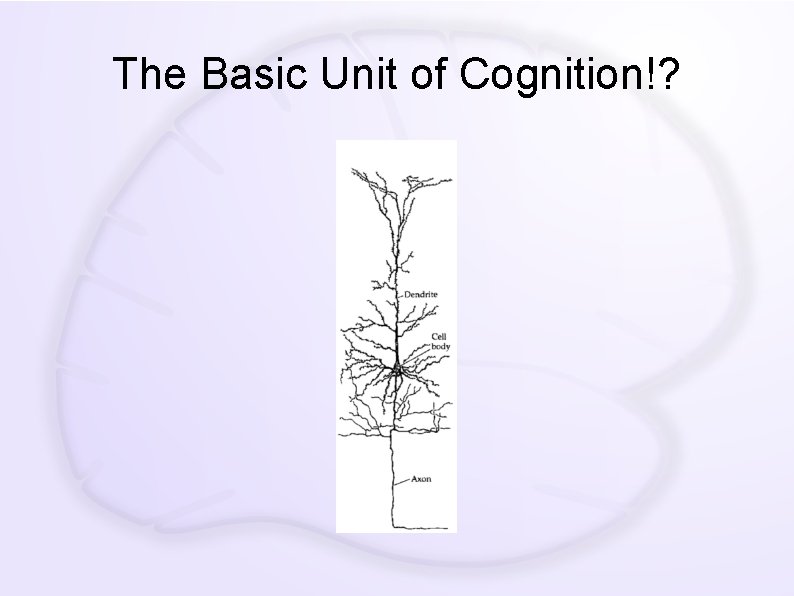
The Basic Unit of Cognition!?
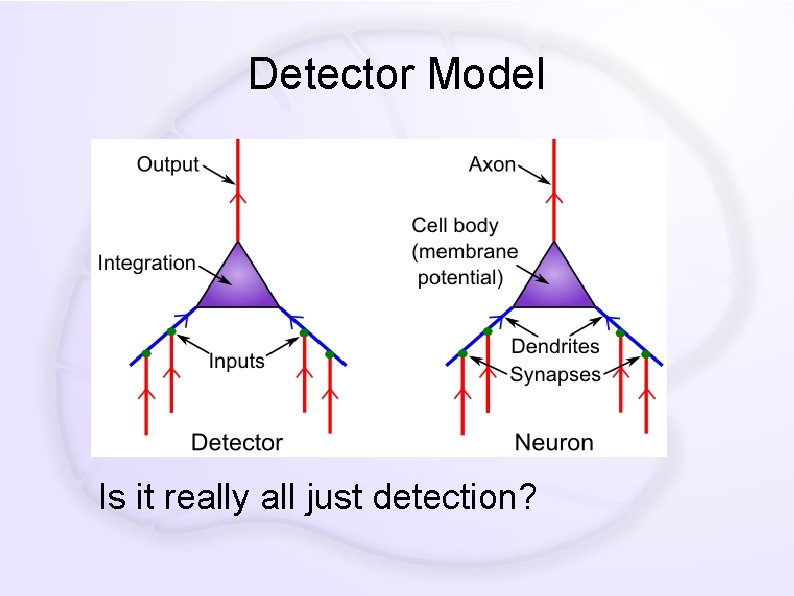
Detector Model Is it really all just detection?
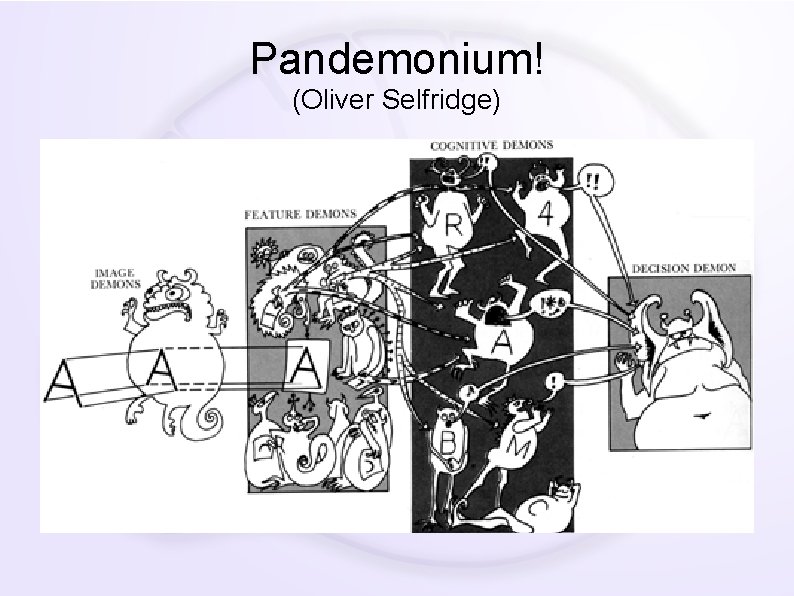
Pandemonium! (Oliver Selfridge)
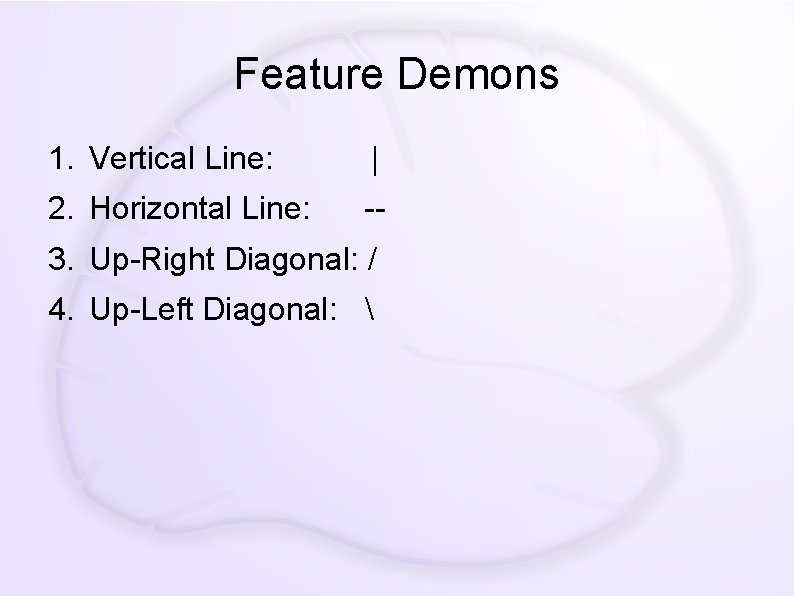
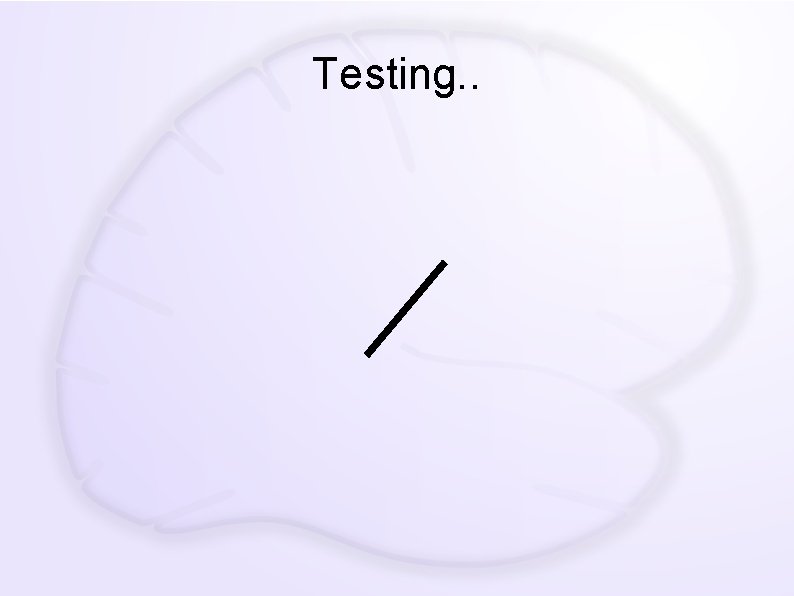
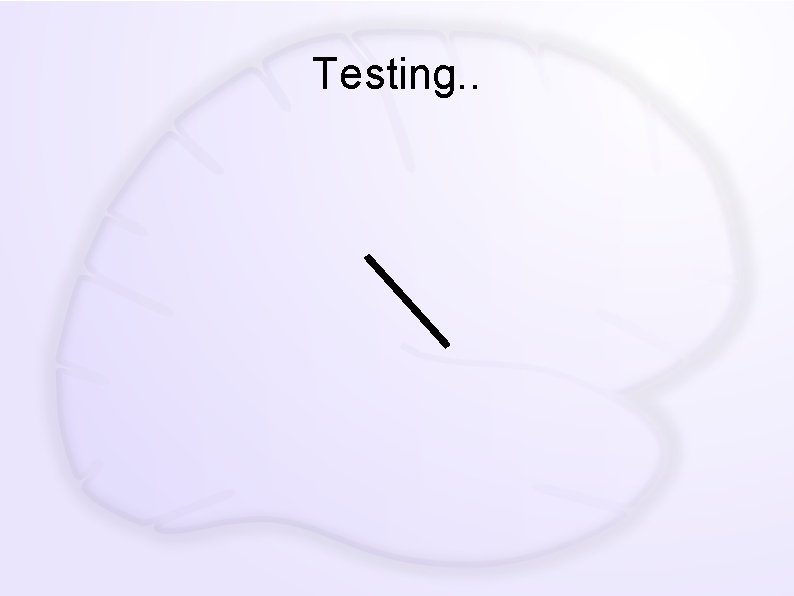
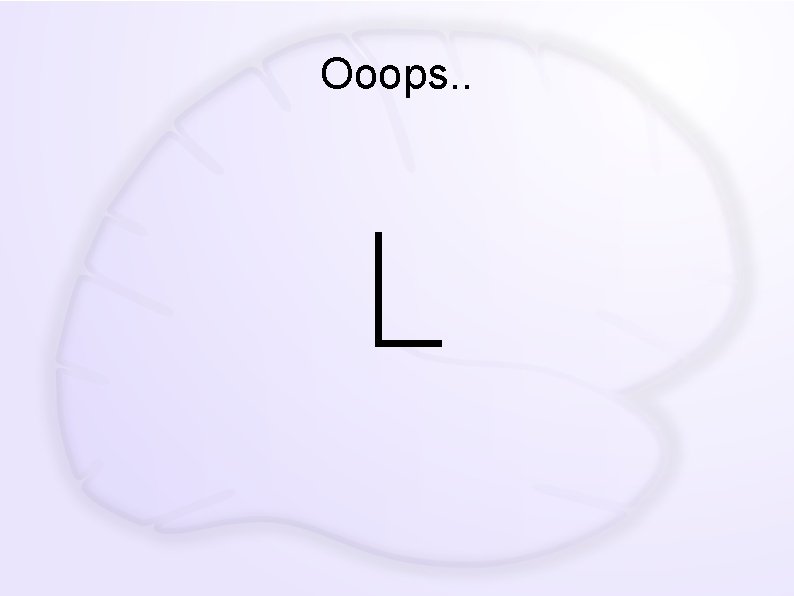
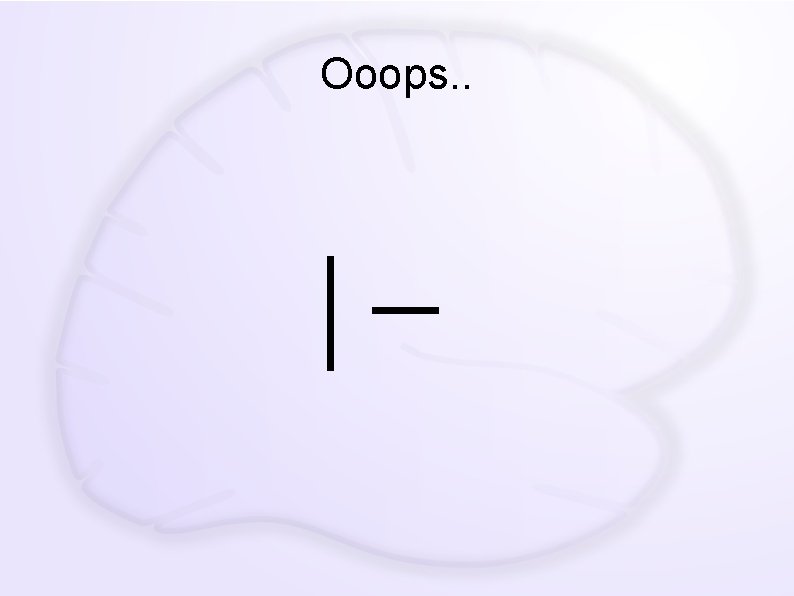
Feature Demons 1. Vertical Line: | 2. Horizontal Line: -- 3. Up-Right Diagonal: / 4. Up-Left Diagonal:
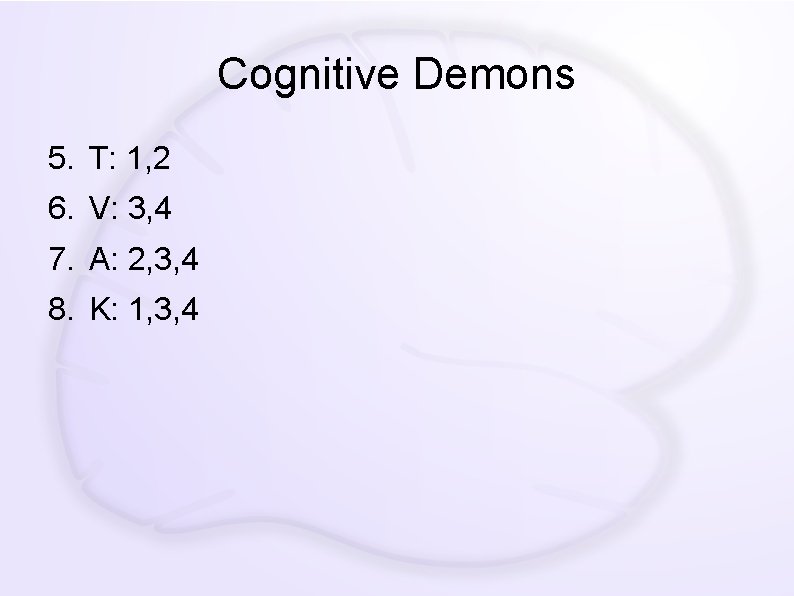
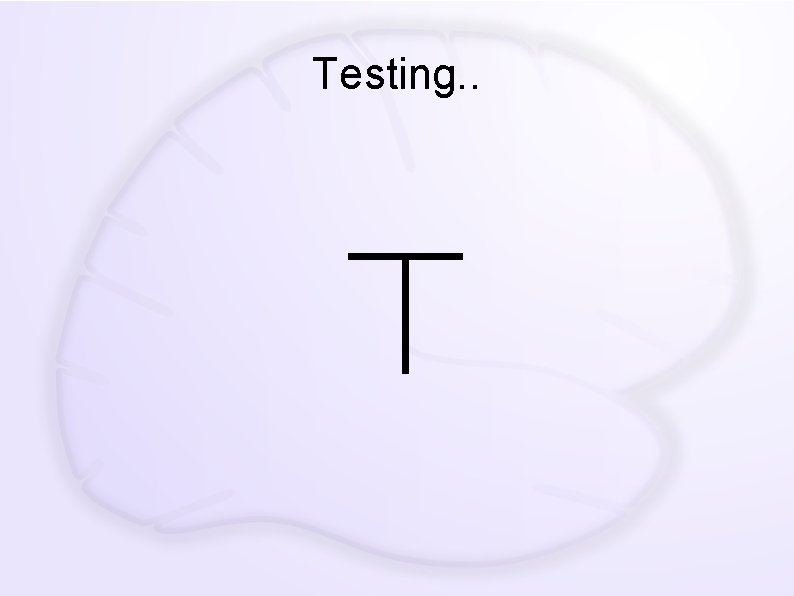
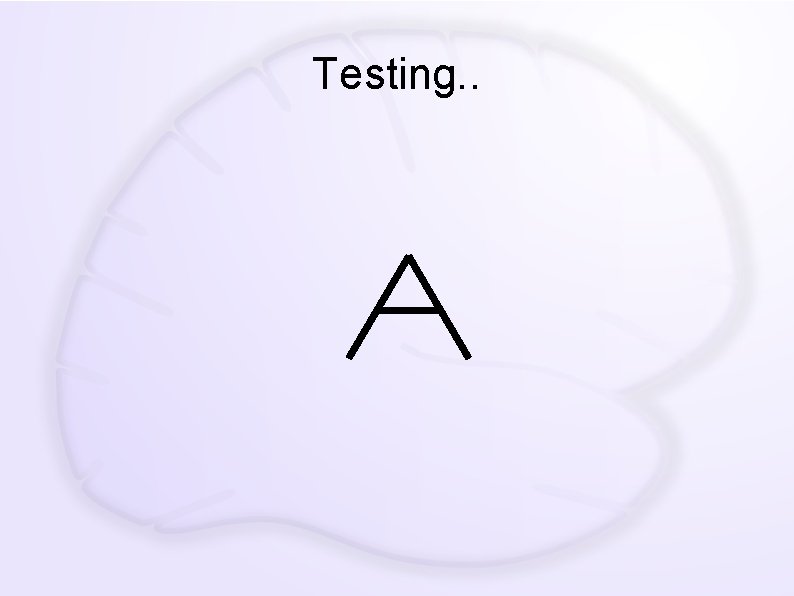
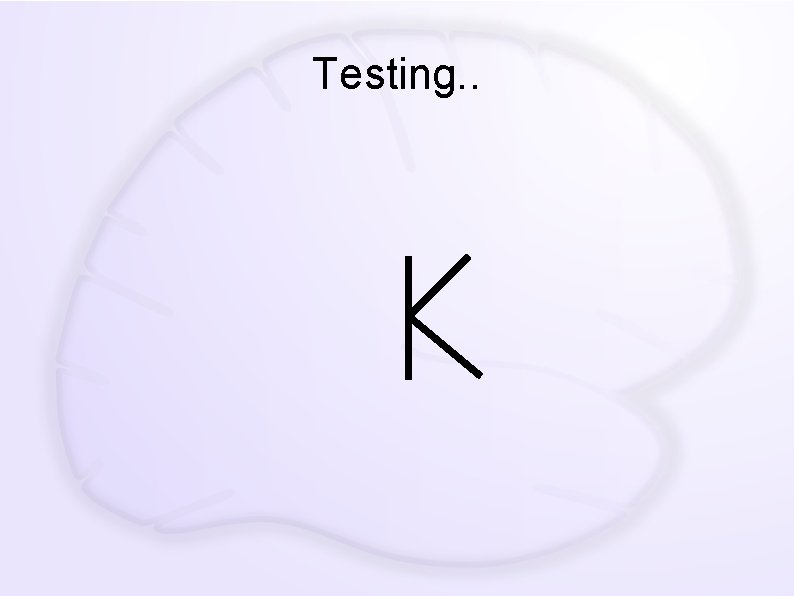
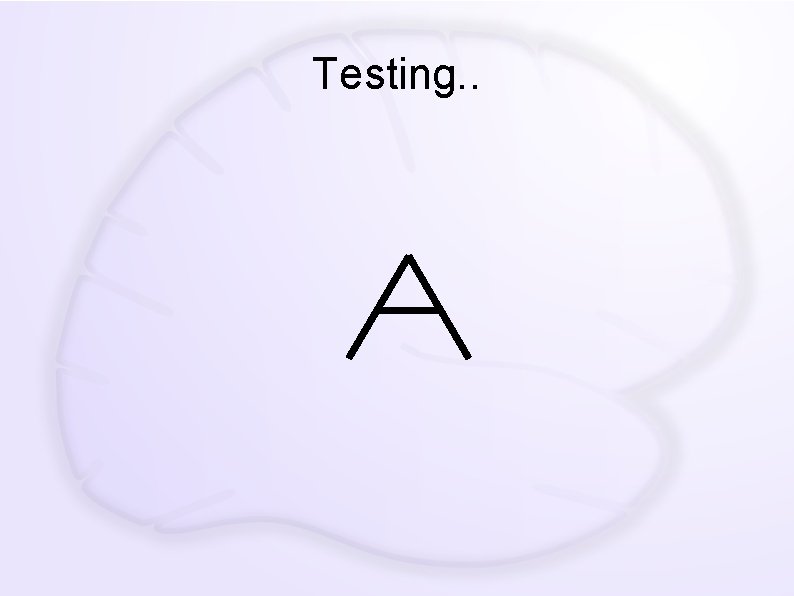
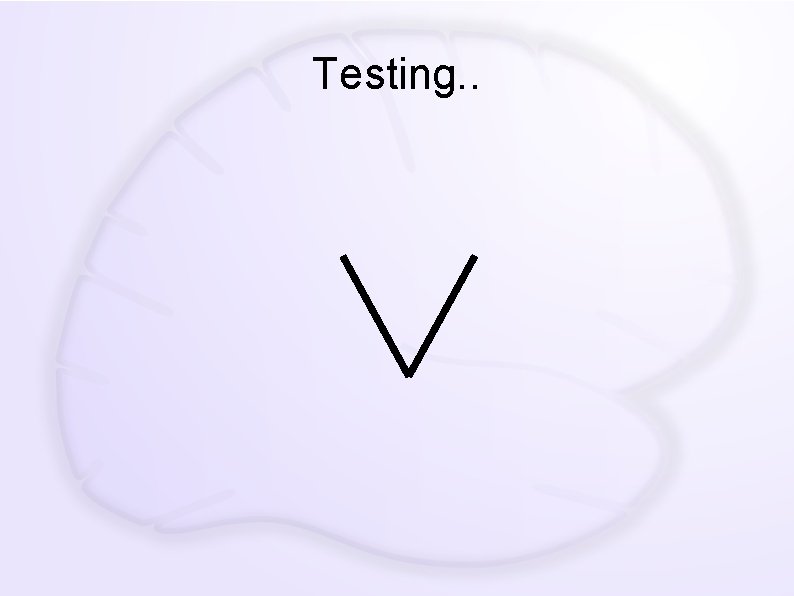
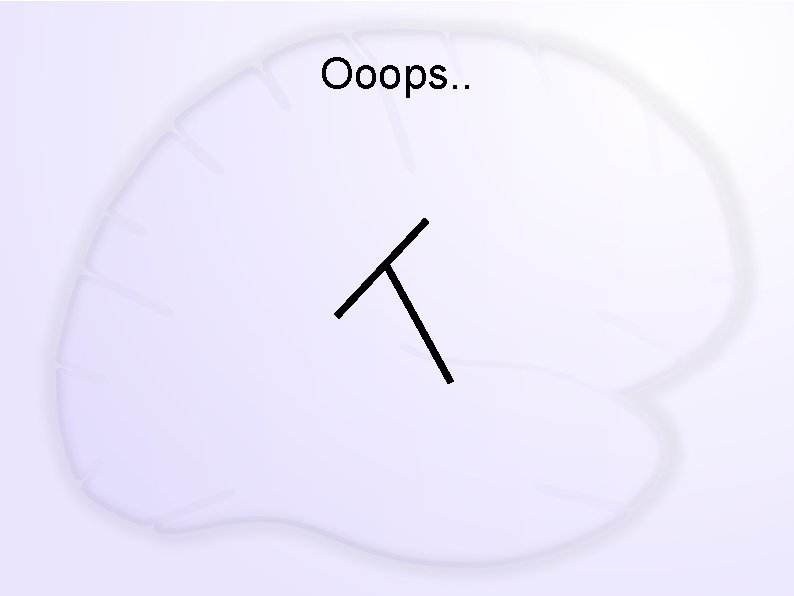
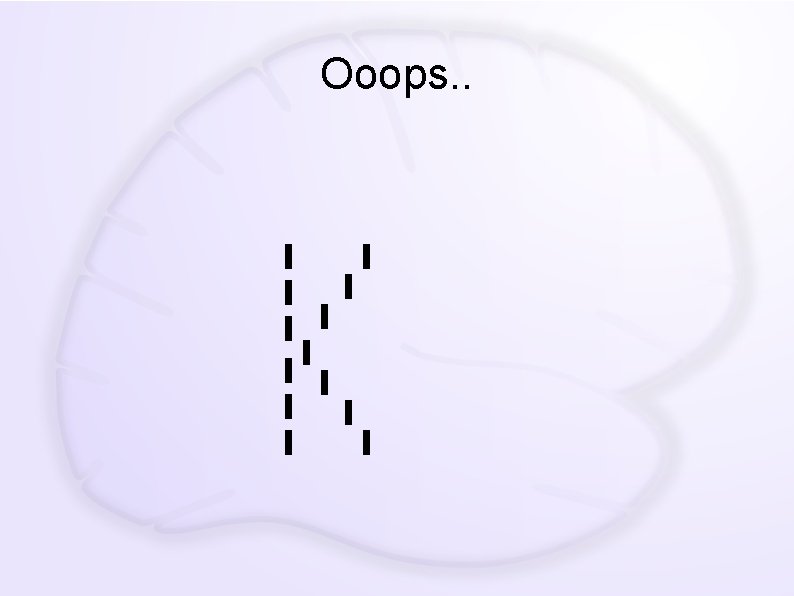
Cognitive Demons 5. T: 1, 2 6. V: 3, 4 7. A: 2, 3, 4 8. K: 1, 3, 4
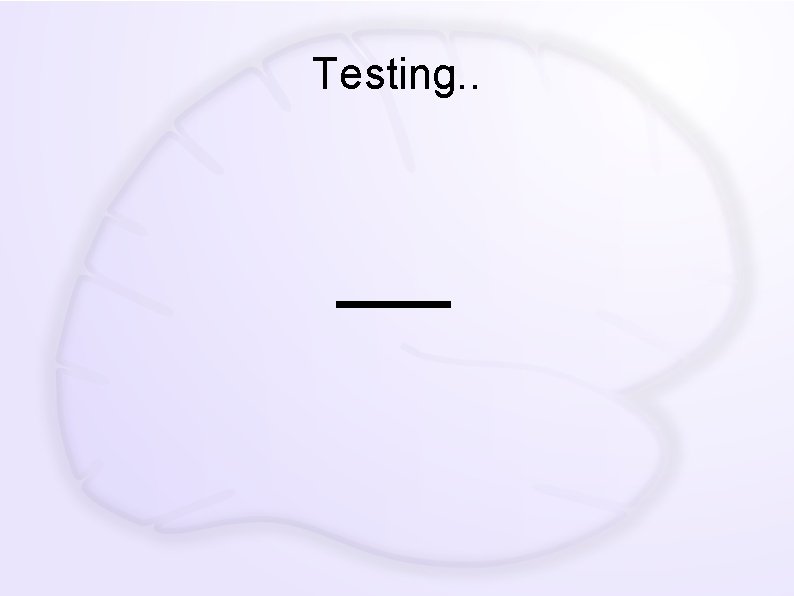
Testing. .
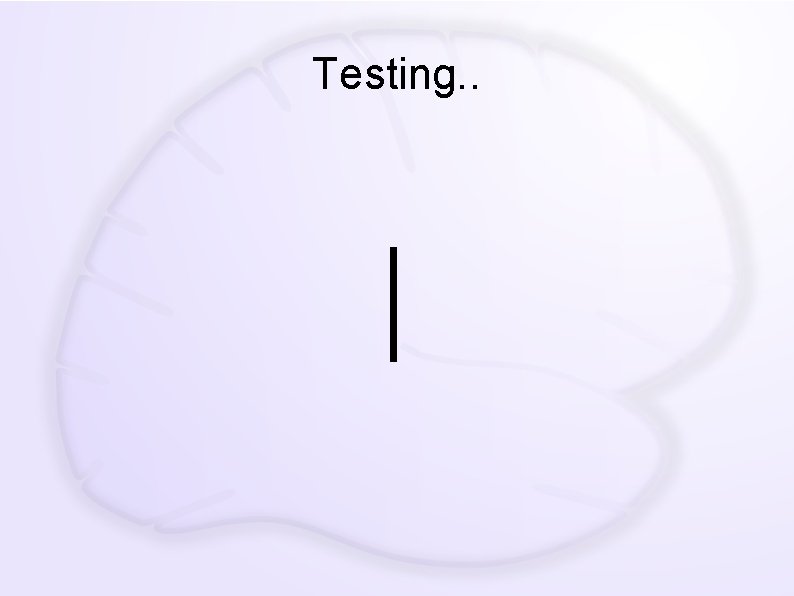
Testing. .
Testing. .
Testing. .
Testing. .
Testing. .
Testing. .
Testing. .
Testing. .
Ooops. .
Ooops. .
Ooops. .
Ooops. .
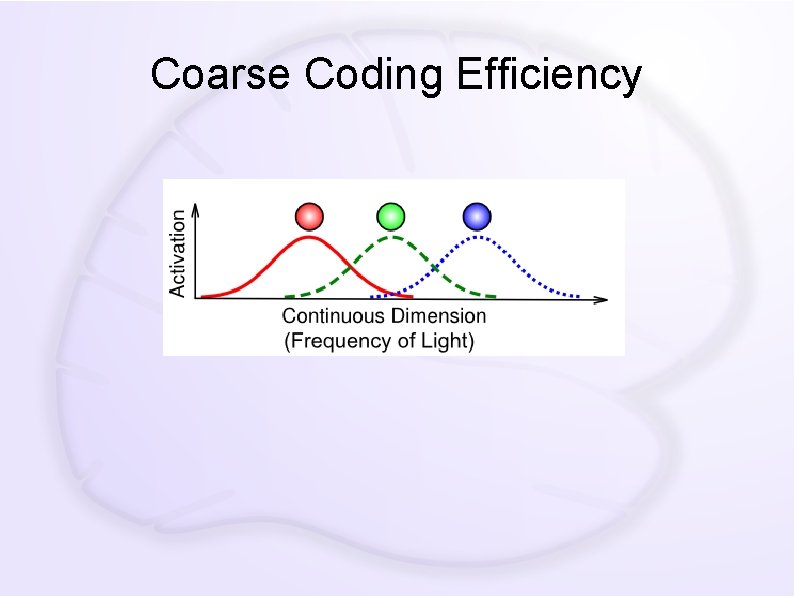
Coarse Coding Efficiency
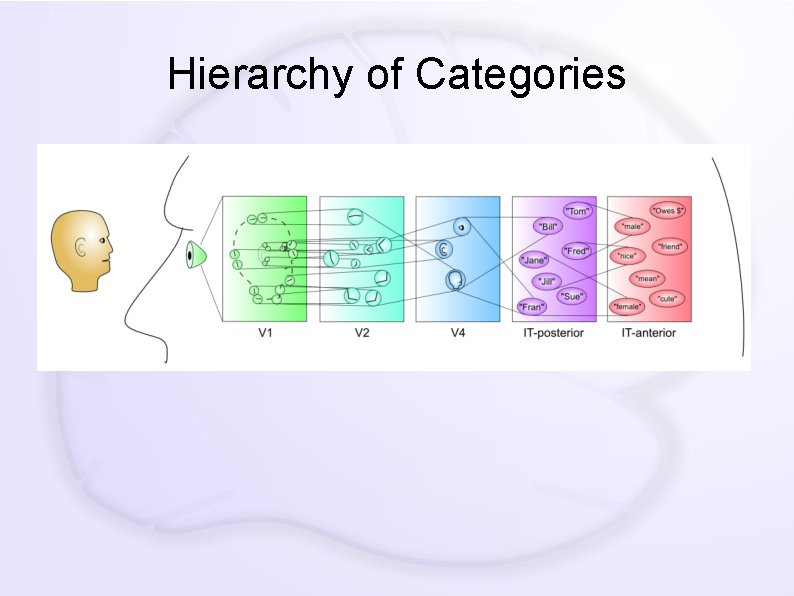
Hierarchy of Categories
Pandemonium Summary Maybe you can see how collective action of many detectors, organized hierarchically, could achieve more complex cognition? But detection needs to be a lot more sophisticated. .
Neurons in the Dark Neurons live in the dark! “Hear” an incredible jumble of inputs. Have absolutely no idea what is going on in the real world outside their little area of the brain. . All of this is very counterintuitive given that we tend to think of neurons as communicating in full English sentences about the weather, etc. . Neurons only get spikes, not words!
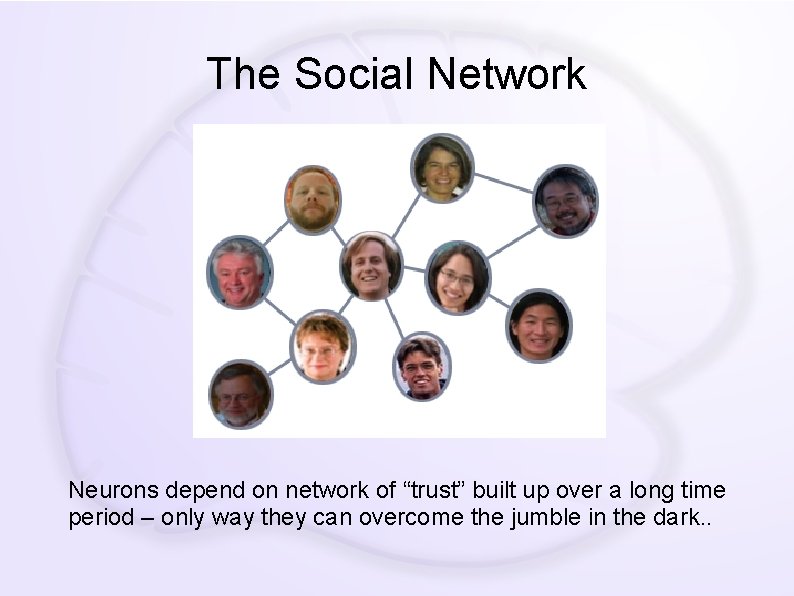
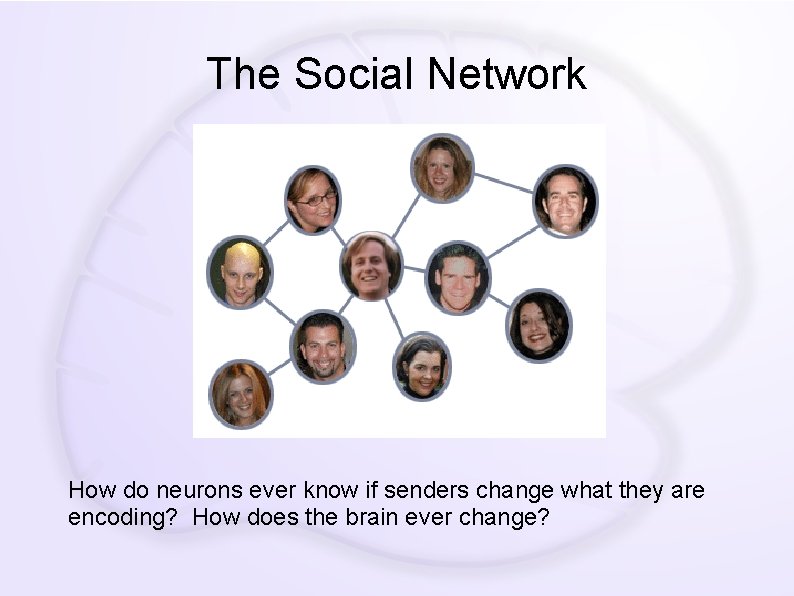
The Social Network Neurons depend on network of “trust” built up over a long time period – only way they can overcome the jumble in the dark. .
The Social Network How do neurons ever know if senders change what they are encoding? How does the brain ever change?
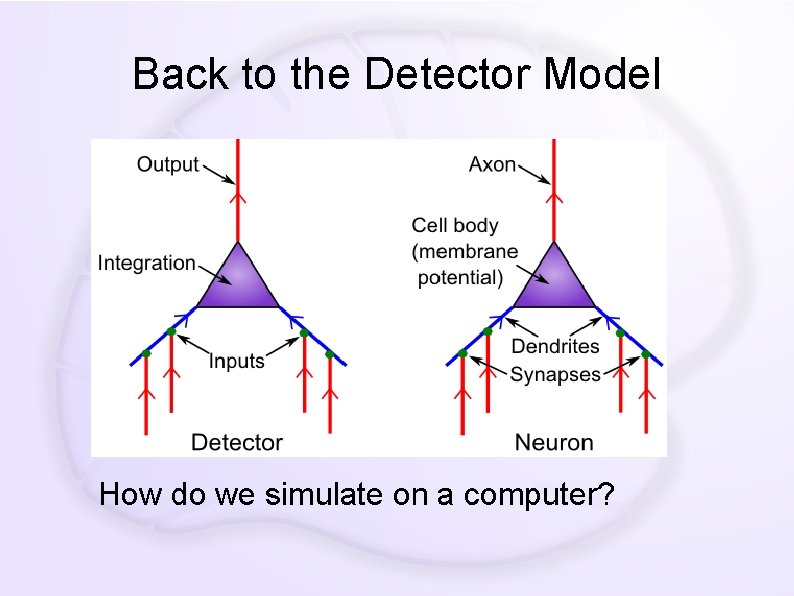
Back to the Detector Model How do we simulate on a computer?
Overall Strategy Neurons are electrical systems, can be described using basic electrical equations. Use these equations to simulate on a computer. Need a fair bit of math to get a full working model (more here than most chapters), but you only really need to understand conceptually.
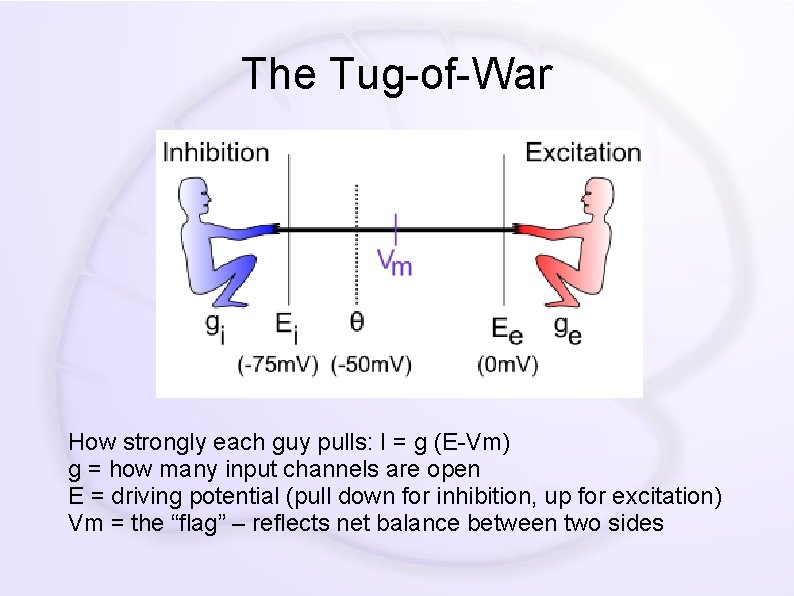
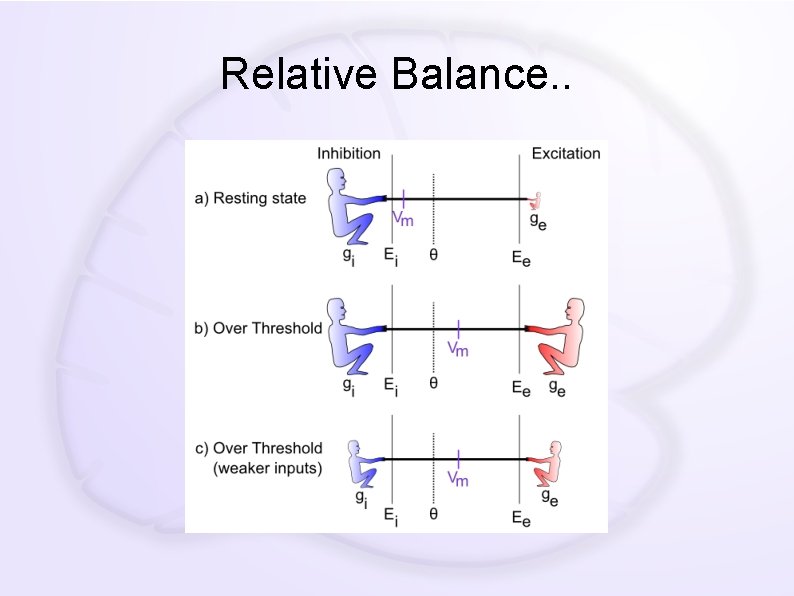
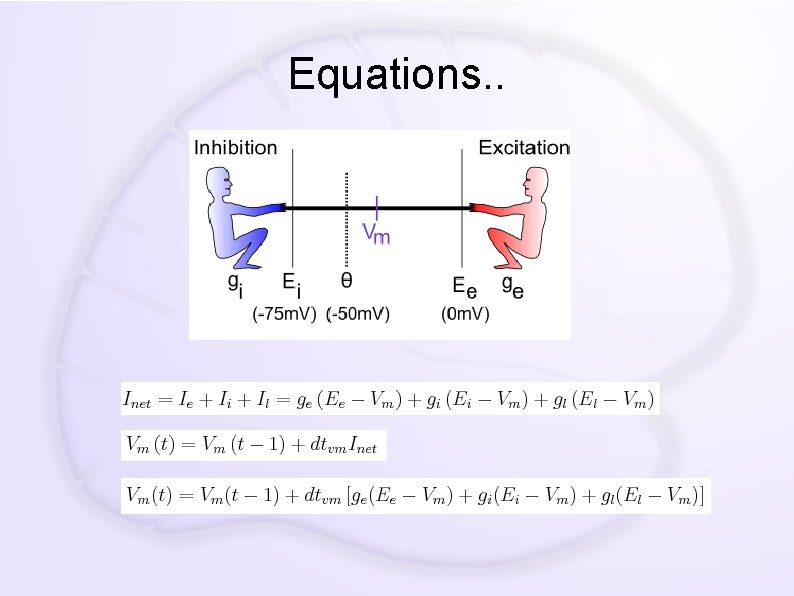
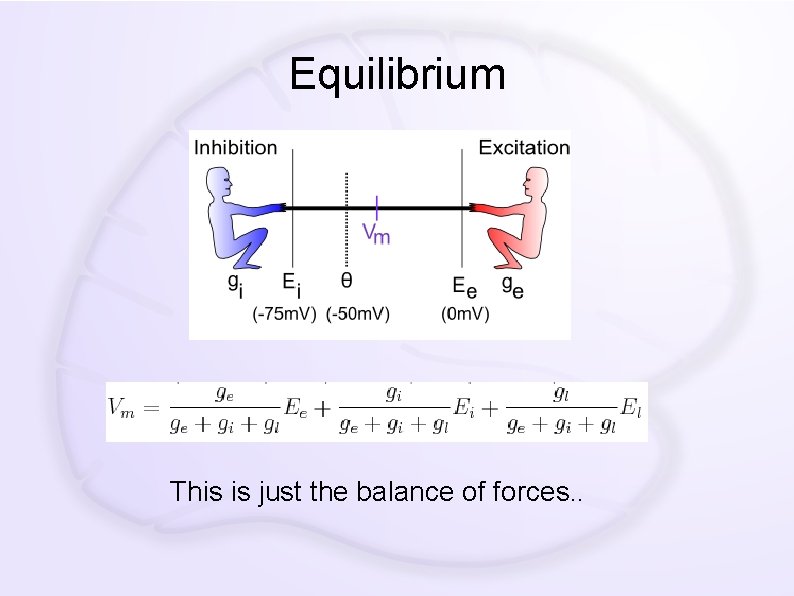
The Tug-of-War How strongly each guy pulls: I = g (E-Vm) g = how many input channels are open E = driving potential (pull down for inhibition, up for excitation) Vm = the “flag” – reflects net balance between two sides
Relative Balance. .
Equations. .
Equilibrium This is just the balance of forces. .
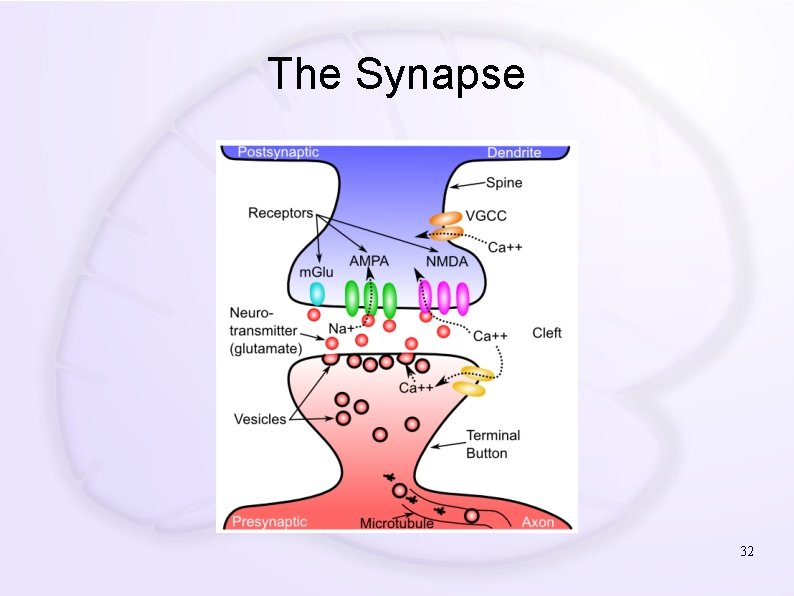
The Synapse 32
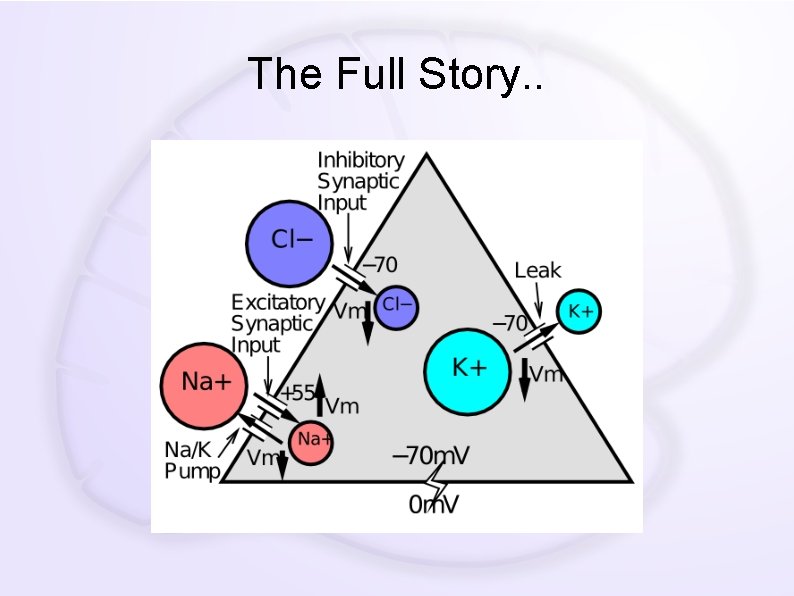
The Full Story. .
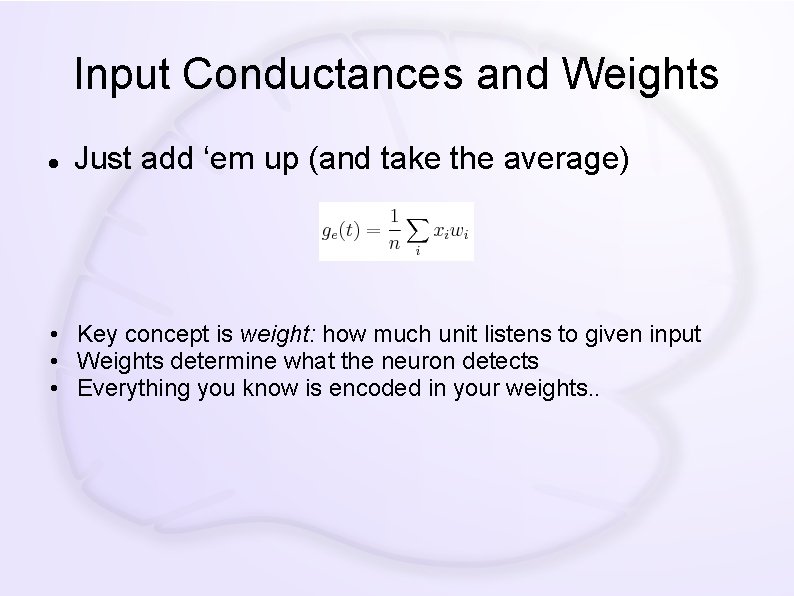
Input Conductances and Weights Just add ‘em up (and take the average) • Key concept is weight: how much unit listens to given input • Weights determine what the neuron detects • Everything you know is encoded in your weights. .
Generating Output If Vm gets over threshold, neuron fires a spike. Spike resets membrane potential back to rest. Has to climb back up to threshold to spike again
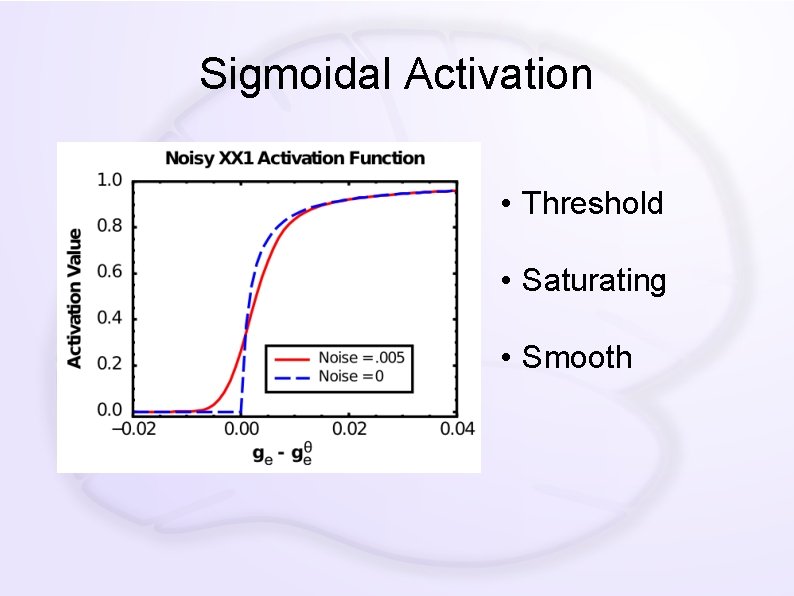
Rate Code Approximation Brain likes spikes, but rates are great! Instantaneous and steady – smaller, faster models But definitely lose several important things Soln: do it both ways, and see what the diffs are. . Goal: equation that makes good approx of actual spiking rate for same sets of inputs.
Sigmoidal Activation • Threshold • Saturating • Smooth
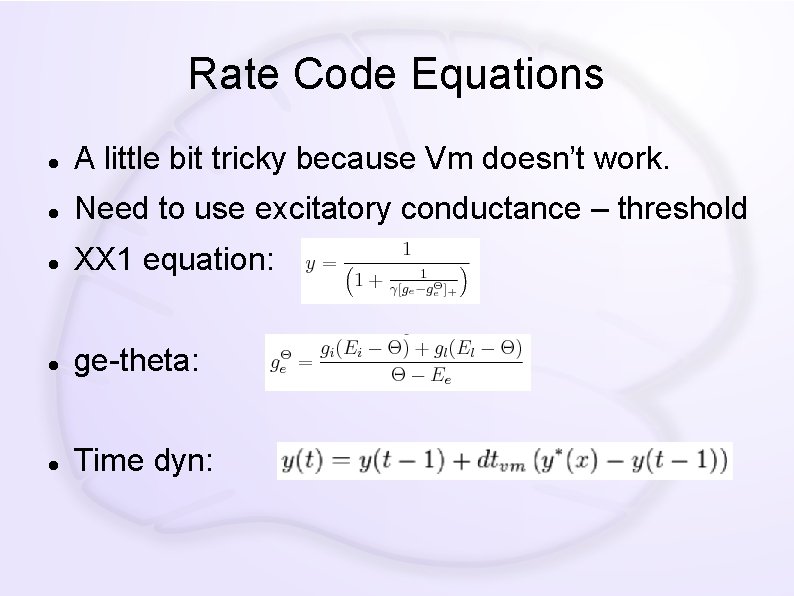
Rate Code Equations A little bit tricky because Vm doesn’t work. Need to use excitatory conductance – threshold XX 1 equation: ge-theta: Time dyn: