
The Nervous System By Rochelle Jones And Diana
The Nervous System By: Rochelle Jones And Diana Martinez
Table Of Content � � � � � The Nervous System The body Anatomy The body systems Physiology How does it work What other systems are effected What are the structures involved Diseases and conditions Photos Bibliography
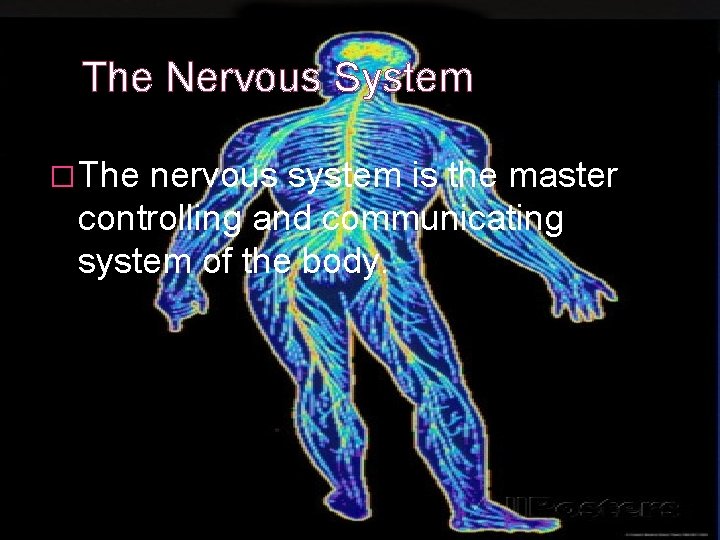
The Nervous System � The nervous system is the master controlling and communicating system of the body.
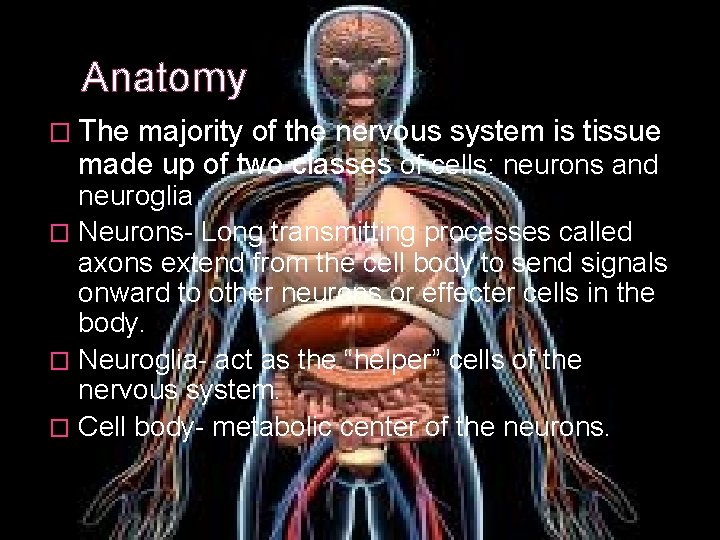
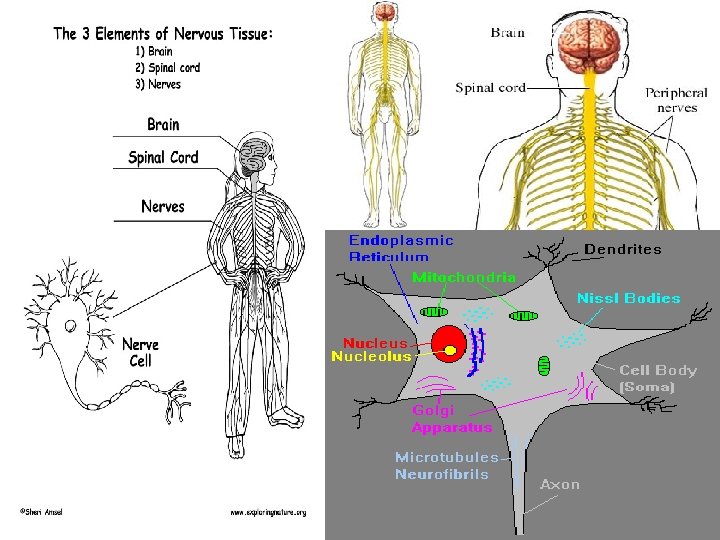
Anatomy � The majority of the nervous system is tissue made up of two classes of cells: neurons and neuroglia � Neurons- Long transmitting processes called axons extend from the cell body to send signals onward to other neurons or effecter cells in the body. � Neuroglia- act as the “helper” cells of the nervous system. � Cell body- metabolic center of the neurons.

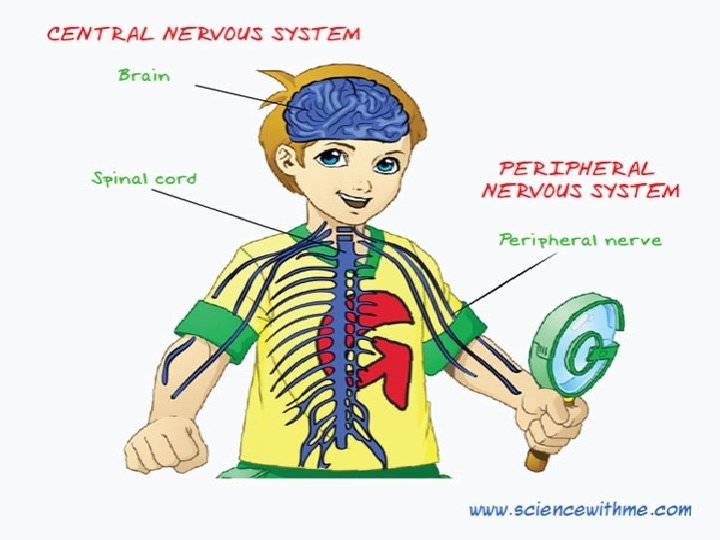
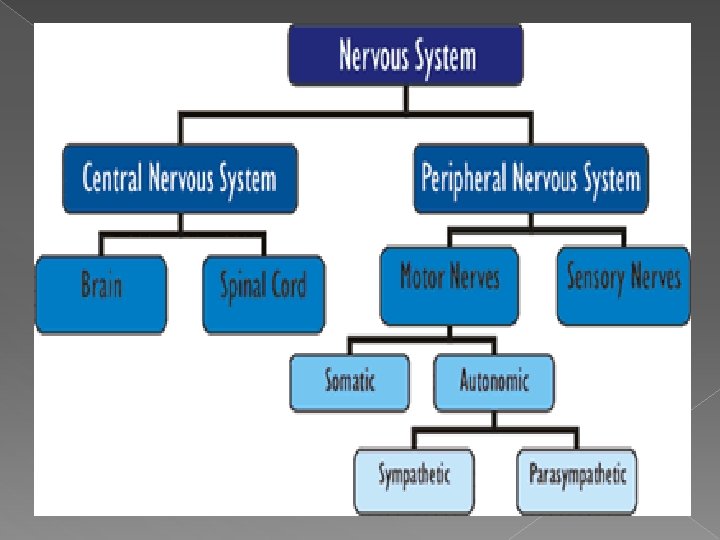
Physiology � The central nervous system includes the brain and spinal cord. The brain and spinal cord are protected by bony structures, membranes, and fluid. The brain is held in the cranial cavity of the skull and it consists of the cerebrum, cerebellum, and the brain stem. The nerves involved are cranial nerves and spinal nerves.
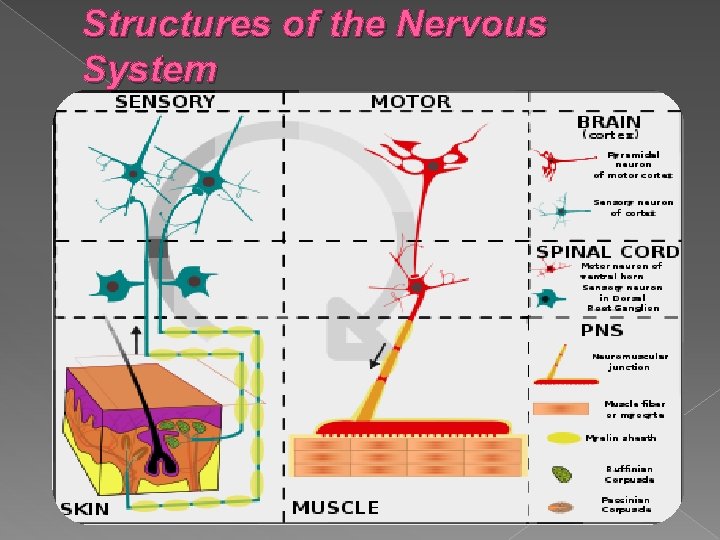
How does it work ? � The basic functioning of the nervous system depends a lot on tiny cells called neurons. The brain has billions of them, and they have many specialized jobs. For example, sensory neurons take information from the eyes, ears, nose, tongue, and skin to the brain. Motor neurons carry messages away from the brain and back to the rest of the body.
What other systems are affected ? � Your nervous system interacts with every other system in your body. In the same way that all of your cells need oxygen transported by the circulatory system, all of your tissues and organs require instruction and direction from the nervous system. There is obvious interaction between your muscles and your nervous system. That interaction helps you move around and interact with your environment.
Structures of the Nervous System • Central Nervous System (CNS) o Brain & Spinal Cord. • Peripheral Nervous System (PNS) o Contains all nerves outside of the brain & spinal cord. o Somatic Nervous System (Voluntary) § Two types: Sensory (or afferent) and motor (or efferent) nerves. o. Autonomic Nervous System (Involuntary) §Sympathetic üActivated by stress. üIncrease heart rate, breathing rate, pupil size, sweatin.
Structures of the Nervous System
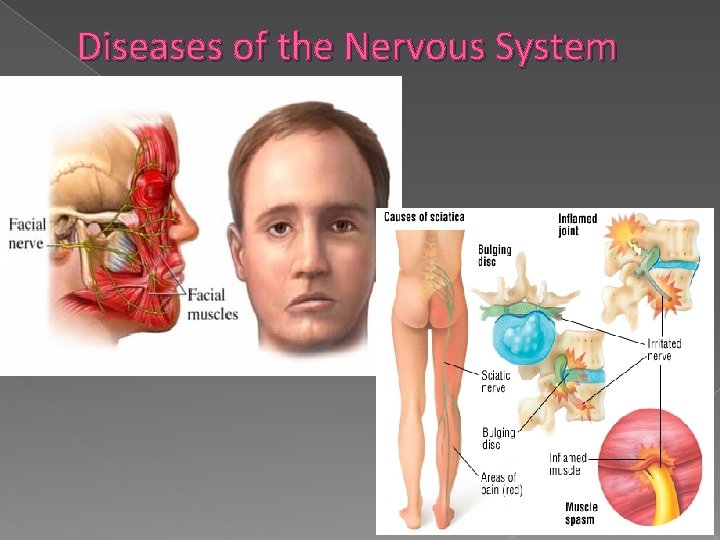
Diseases of the Nervous System
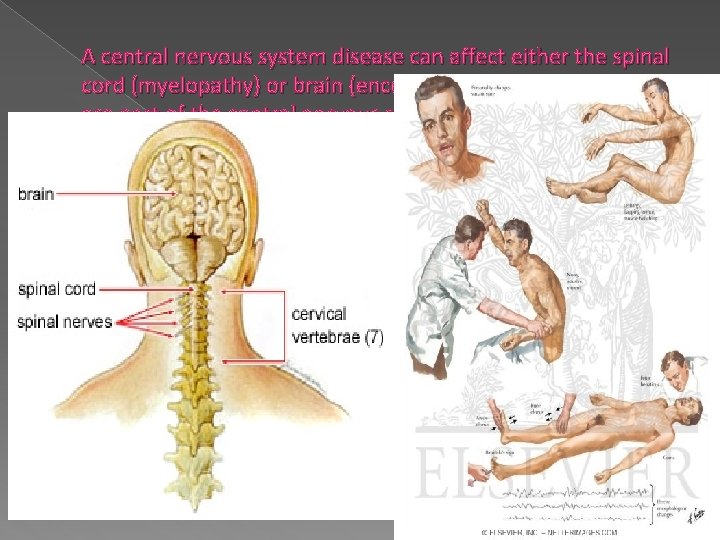
A central nervous system disease can affect either the spinal cord (myelopathy) or brain (encephalopathy), both of which are part of the central nervous system.
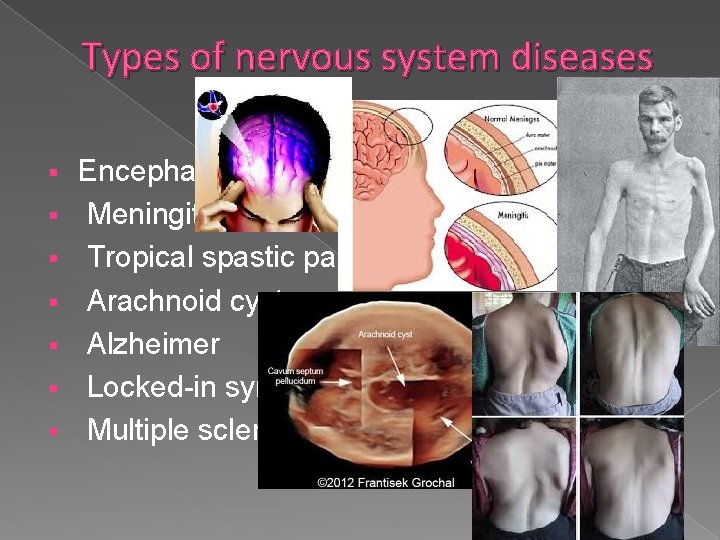
Types of nervous system diseases § § § § Encephalitis Meningitis Tropical spastic paraparesis Arachnoid cysts Alzheimer Locked-in syndrome Multiple sclerosis
- Slides: 15