
The Nag Hammadi library also known as the
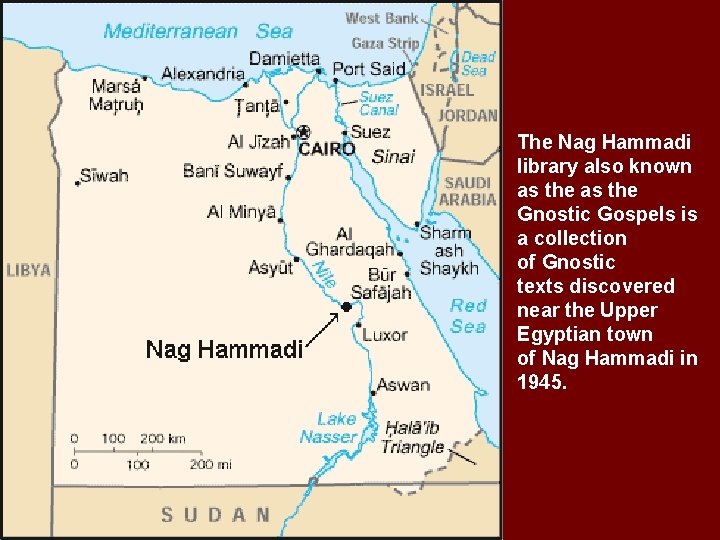
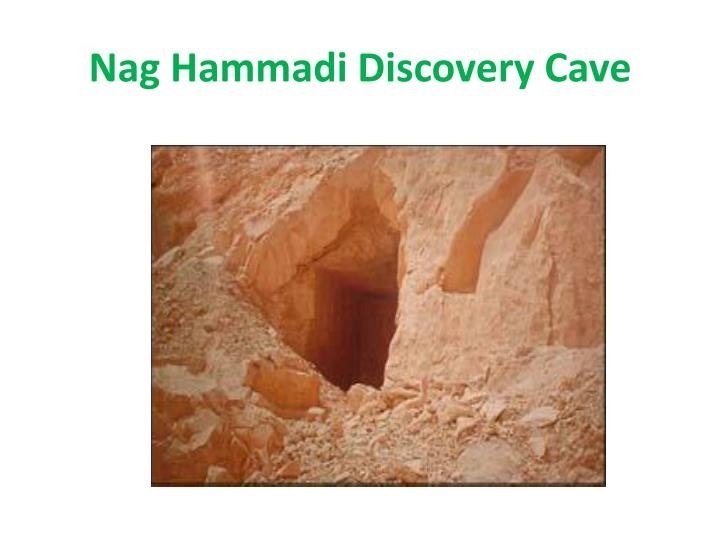
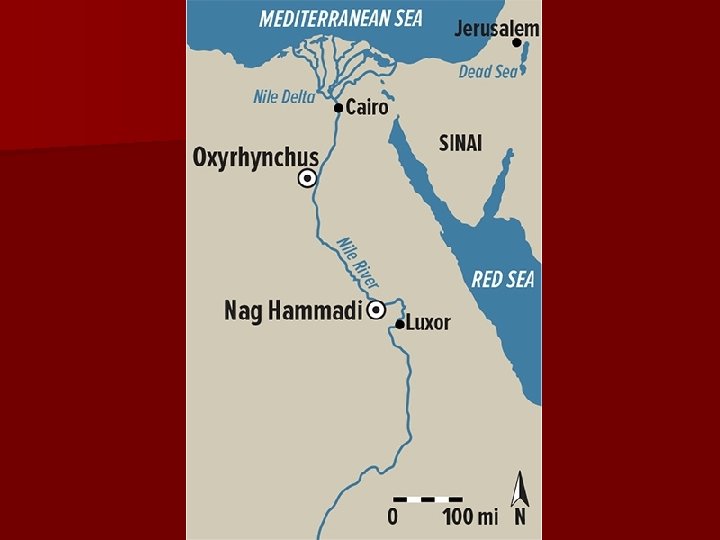
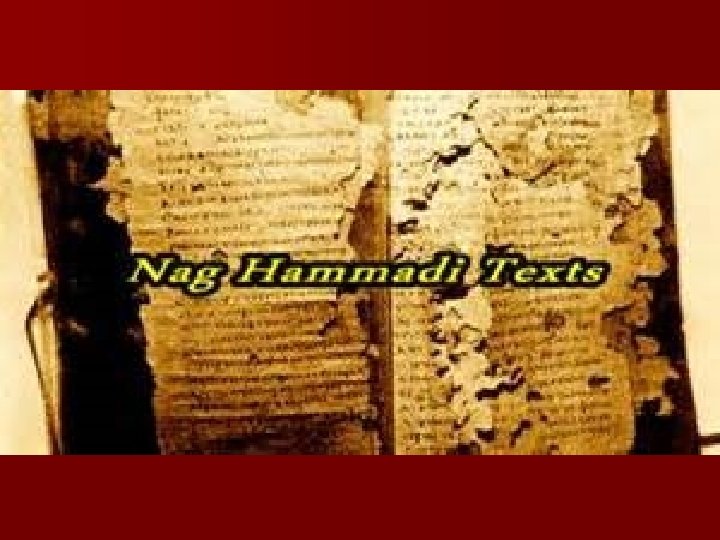
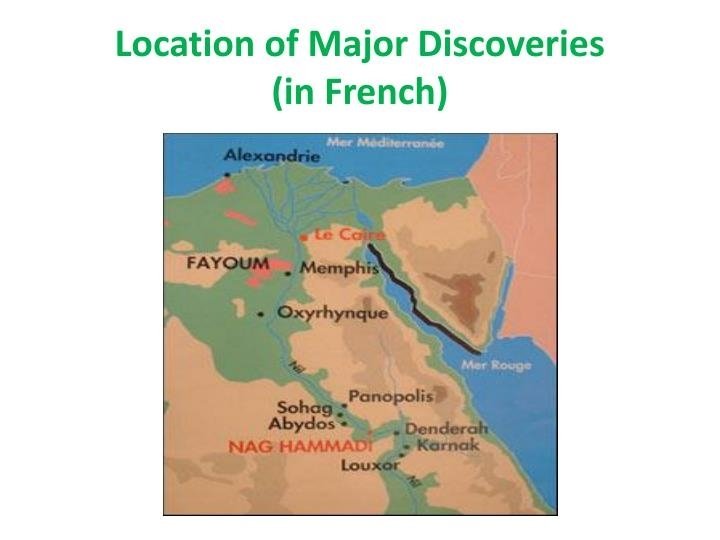
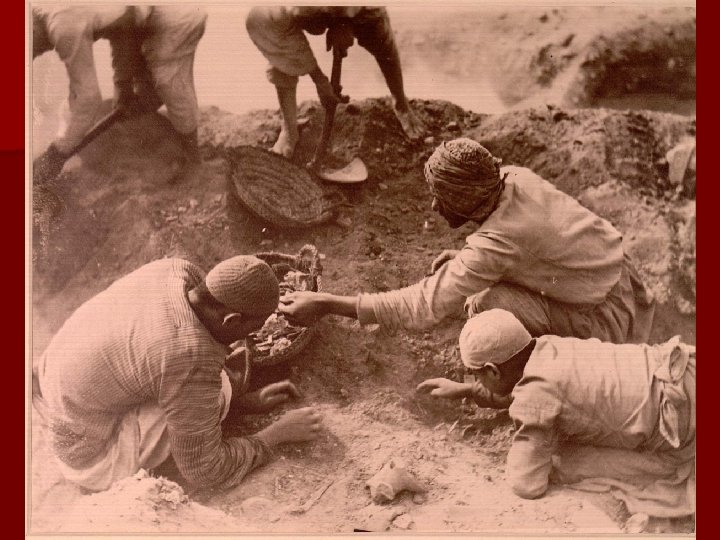
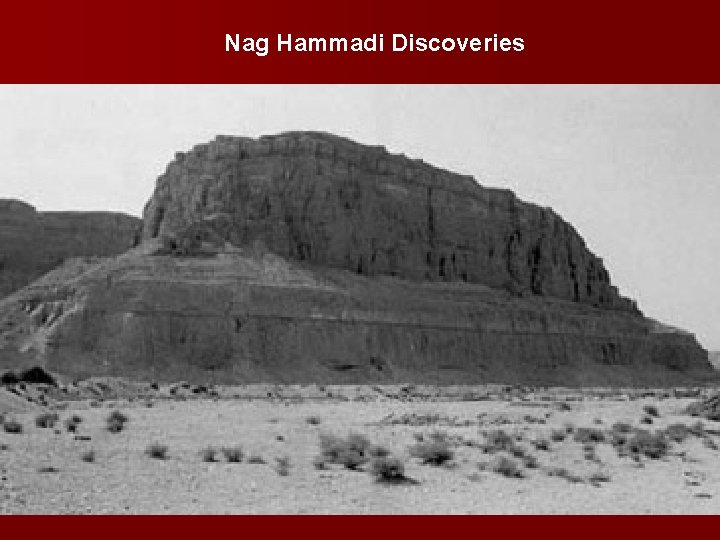
The Nag Hammadi library also known as the Gnostic Gospels is a collection of Gnostic texts discovered near the Upper Egyptian town of Nag Hammadi in 1945.
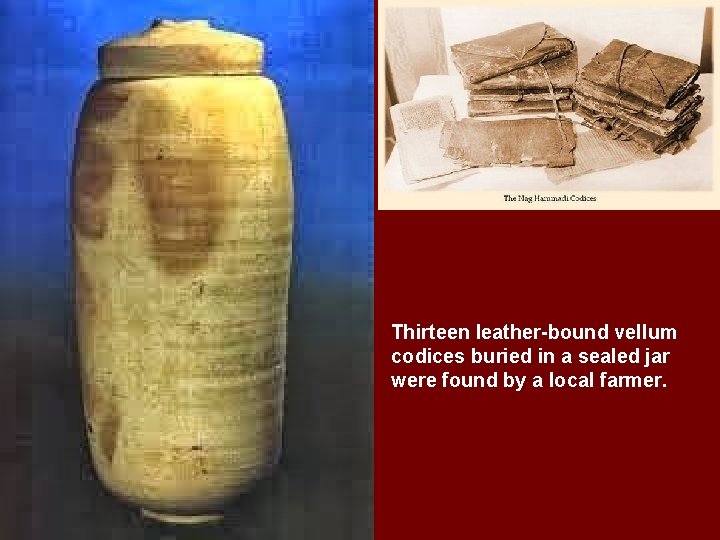
Thirteen leather-bound vellum codices buried in a sealed jar were found by a local farmer.
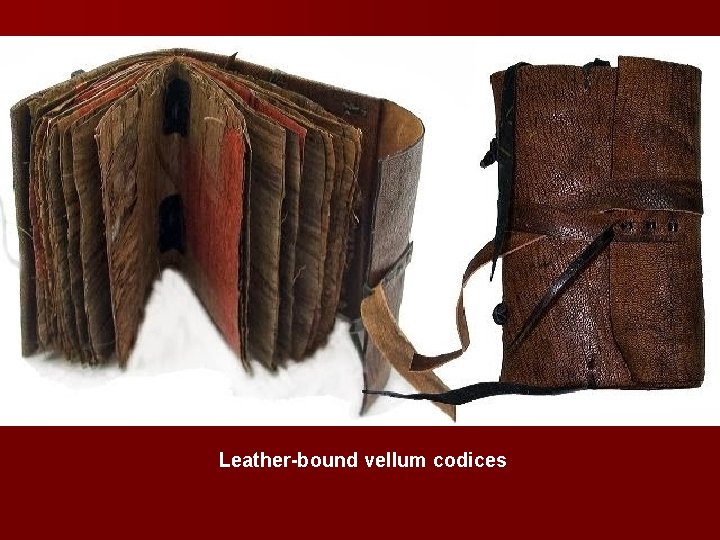
Leather-bound vellum codices
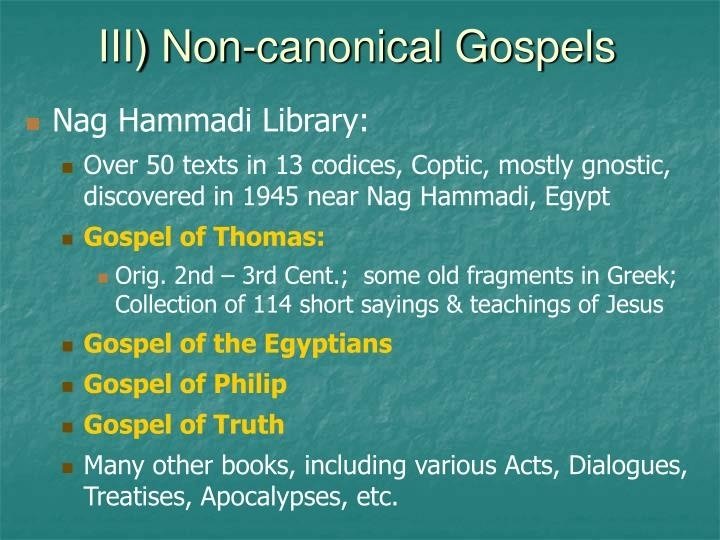
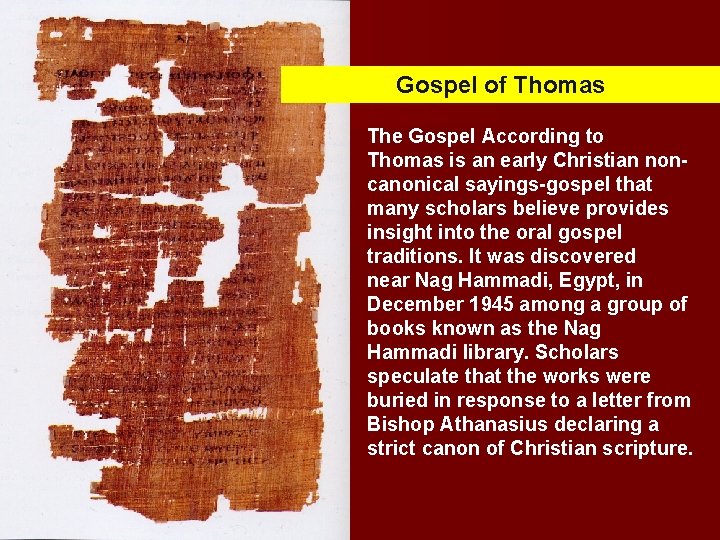
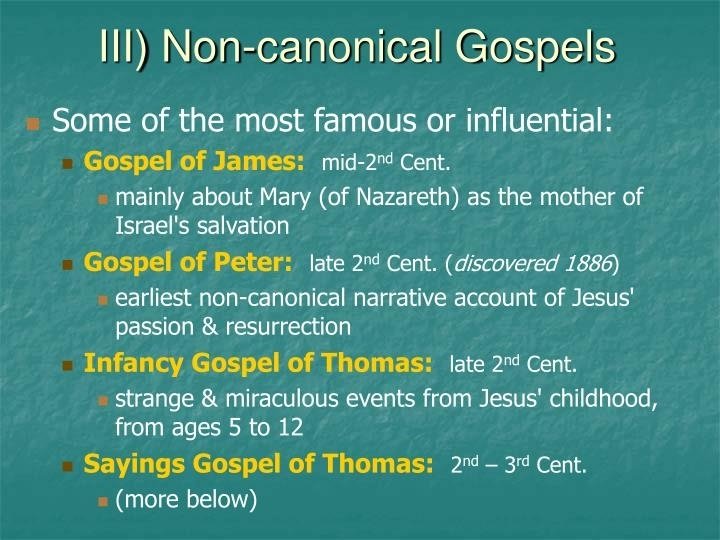
Gospel of Thomas The Gospel According to Thomas is an early Christian noncanonical sayings-gospel that many scholars believe provides insight into the oral gospel traditions. It was discovered near Nag Hammadi, Egypt, in December 1945 among a group of books known as the Nag Hammadi library. Scholars speculate that the works were buried in response to a letter from Bishop Athanasius declaring a strict canon of Christian scripture.
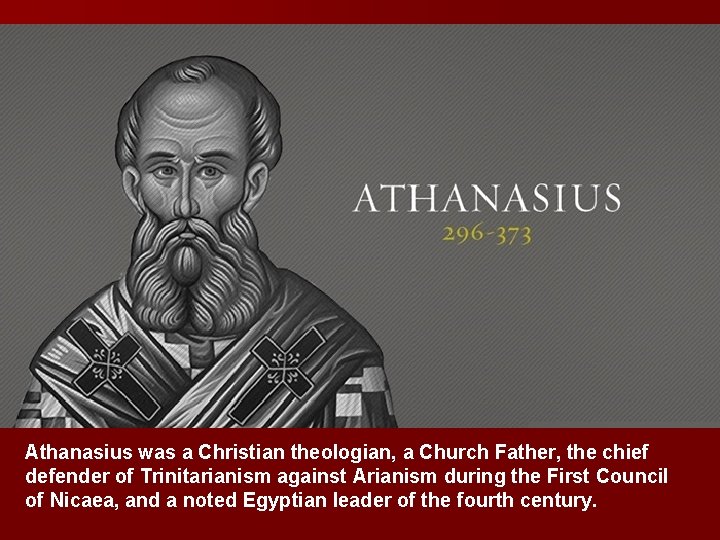
Athanasius was a Christian theologian, a Church Father, the chief defender of Trinitarianism against Arianism during the First Council of Nicaea, and a noted Egyptian leader of the fourth century.
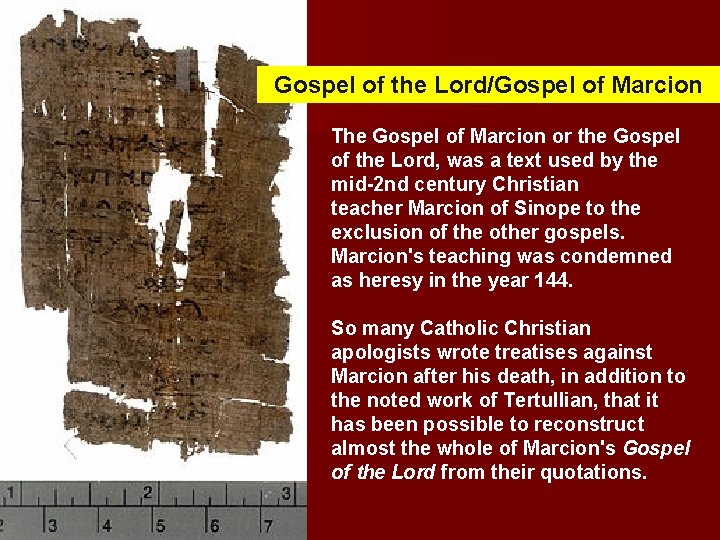
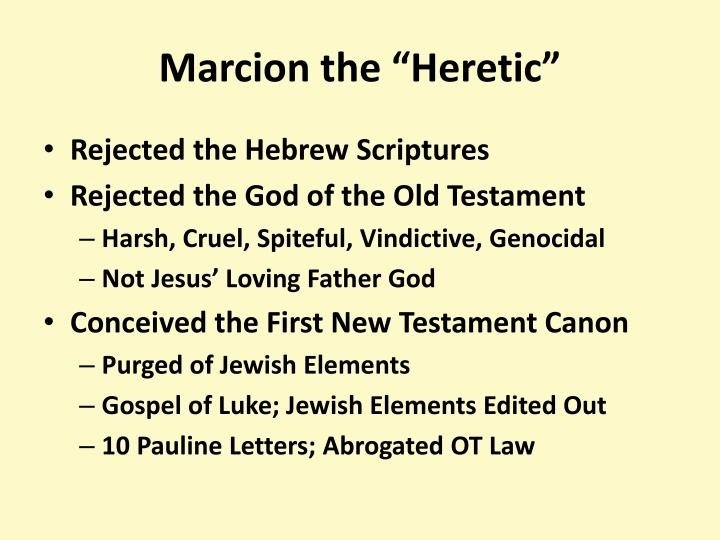
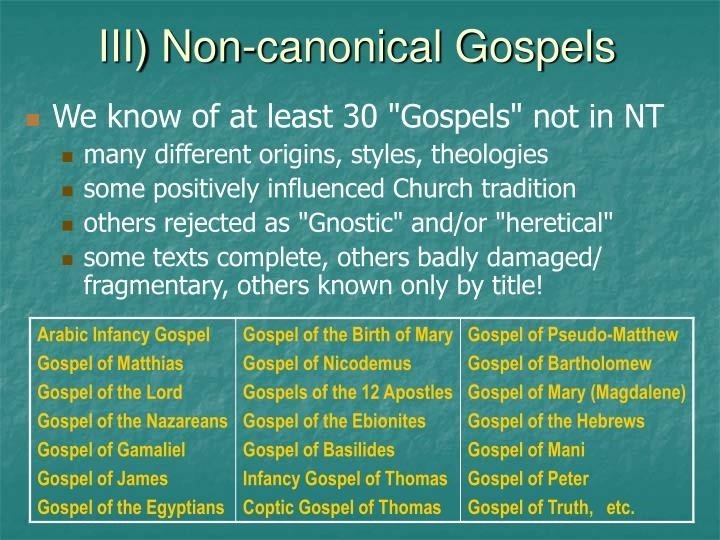
Gospel of the Lord/Gospel of Marcion The Gospel of Marcion or the Gospel of the Lord, was a text used by the mid-2 nd century Christian teacher Marcion of Sinope to the exclusion of the other gospels. Marcion's teaching was condemned as heresy in the year 144. So many Catholic Christian apologists wrote treatises against Marcion after his death, in addition to the noted work of Tertullian, that it has been possible to reconstruct almost the whole of Marcion's Gospel of the Lord from their quotations.
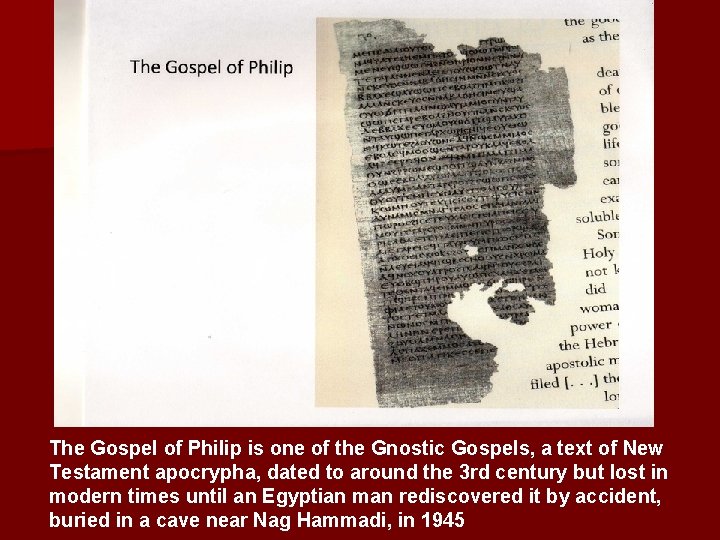
The Gospel of Philip is one of the Gnostic Gospels, a text of New Testament apocrypha, dated to around the 3 rd century but lost in modern times until an Egyptian man rediscovered it by accident, buried in a cave near Nag Hammadi, in 1945
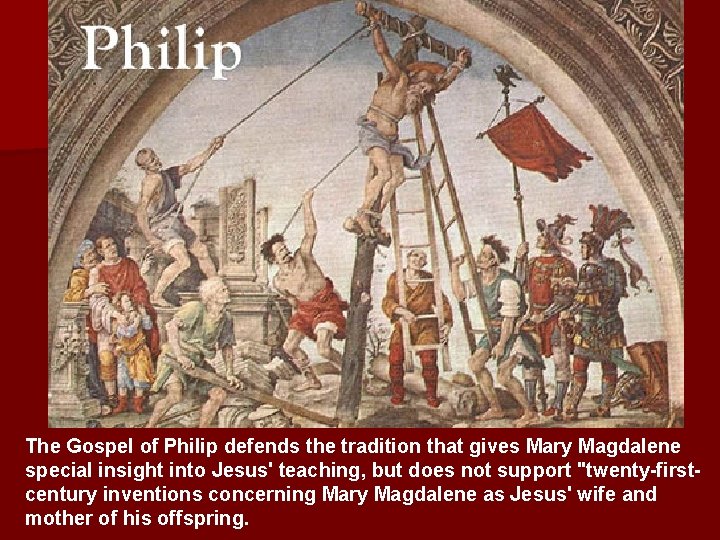
The Gospel of Philip defends the tradition that gives Mary Magdalene special insight into Jesus' teaching, but does not support "twenty-firstcentury inventions concerning Mary Magdalene as Jesus' wife and mother of his offspring.
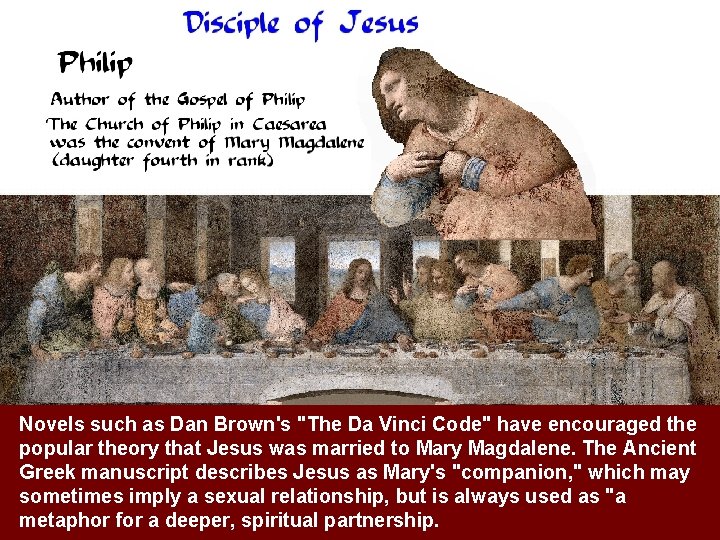
Novels such as Dan Brown's "The Da Vinci Code" have encouraged the popular theory that Jesus was married to Mary Magdalene. The Ancient Greek manuscript describes Jesus as Mary's "companion, " which may sometimes imply a sexual relationship, but is always used as "a metaphor for a deeper, spiritual partnership.
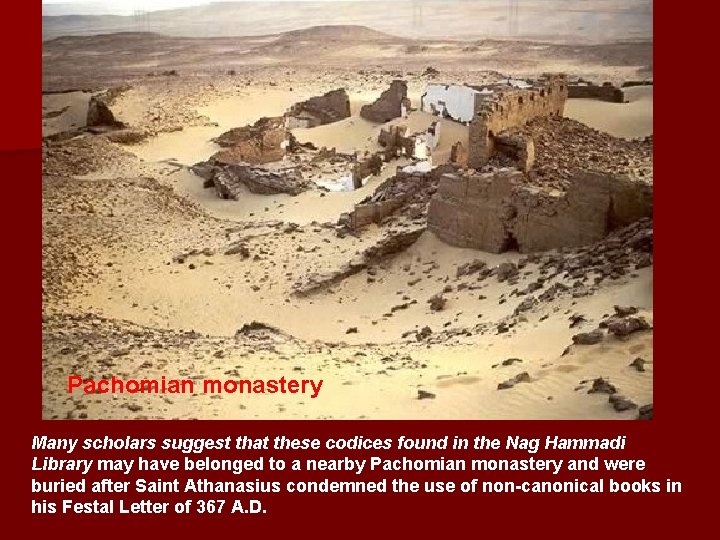
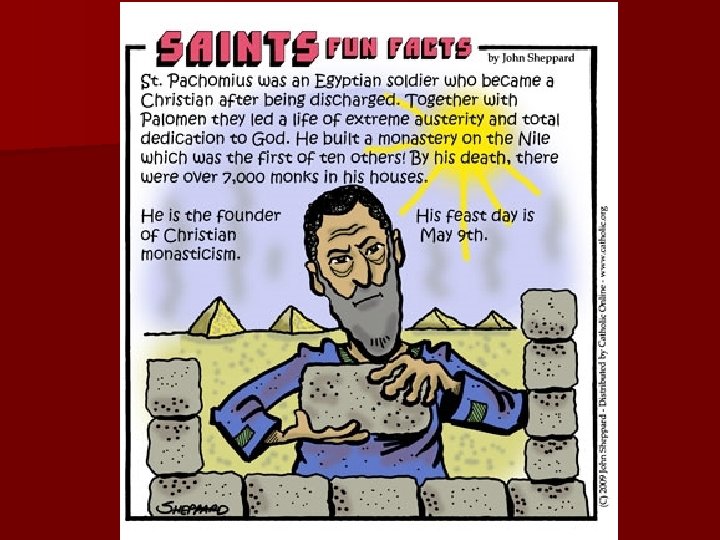
Pachomian monastery Many scholars suggest that these codices found in the Nag Hammadi Library may have belonged to a nearby Pachomian monastery and were buried after Saint Athanasius condemned the use of non-canonical books in his Festal Letter of 367 A. D.
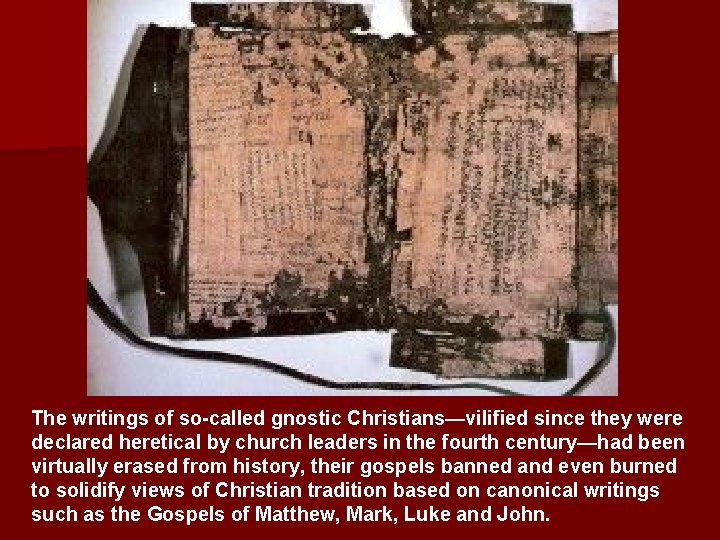
The writings of so-called gnostic Christians—vilified since they were declared heretical by church leaders in the fourth century—had been virtually erased from history, their gospels banned and even burned to solidify views of Christian tradition based on canonical writings such as the Gospels of Matthew, Mark, Luke and John.
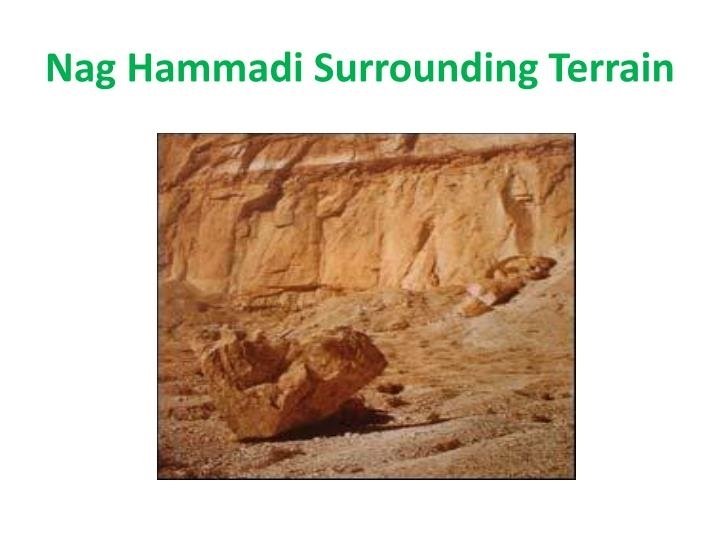

Nag Hammadi
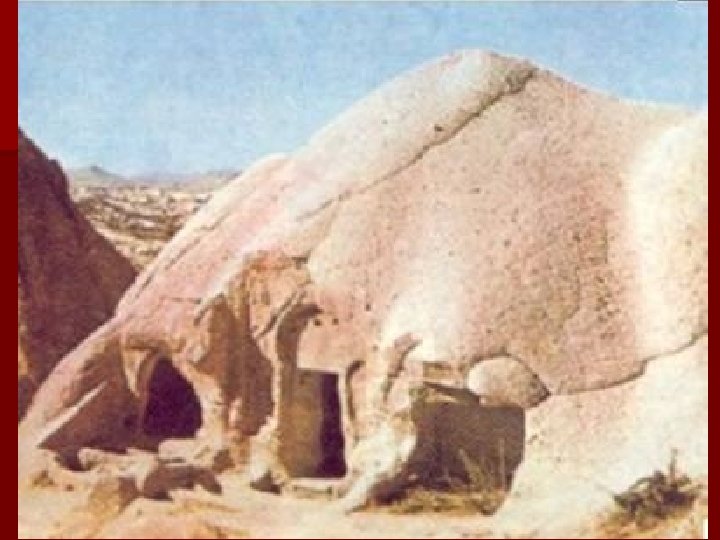
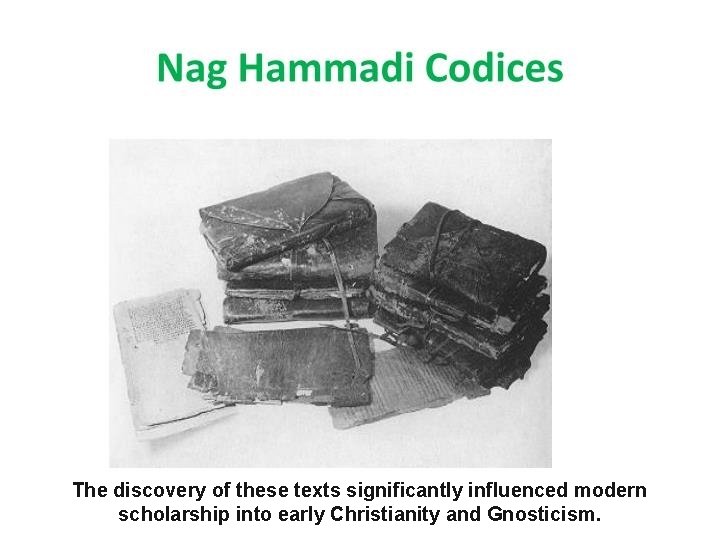
The discovery of these texts significantly influenced modern scholarship into early Christianity and Gnosticism.
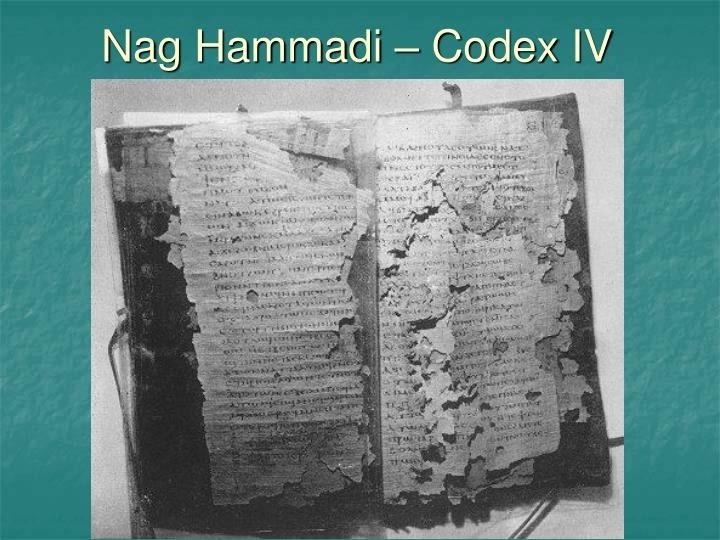
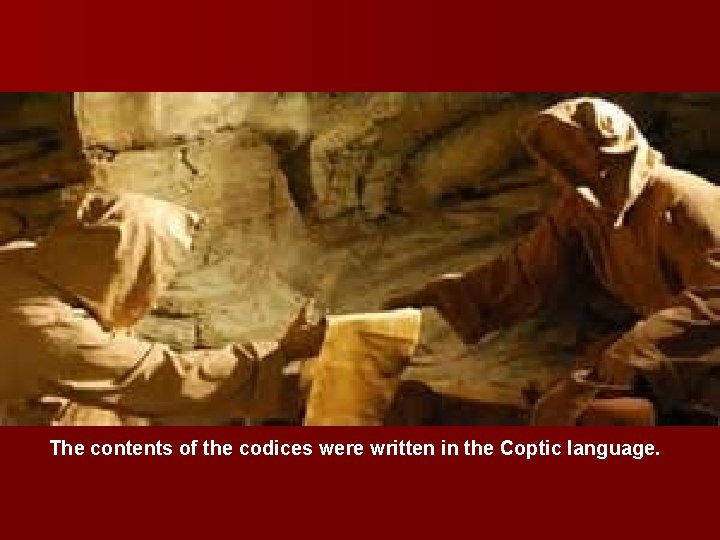
The contents of the codices were written in the Coptic language.
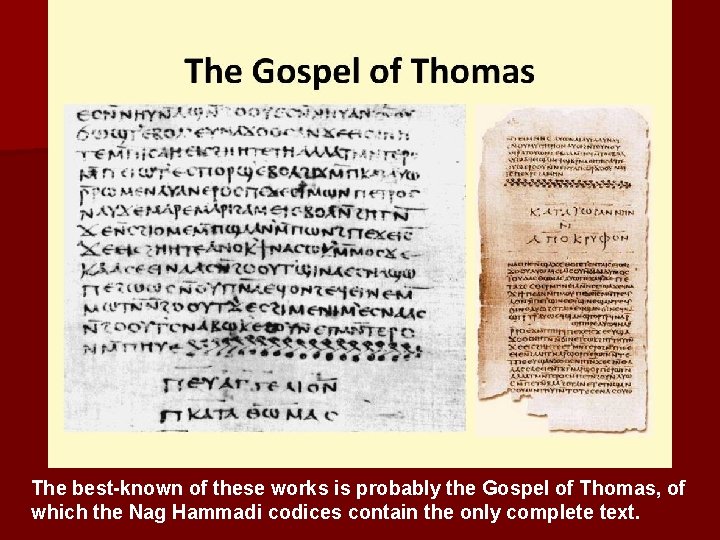
The best-known of these works is probably the Gospel of Thomas, of which the Nag Hammadi codices contain the only complete text.
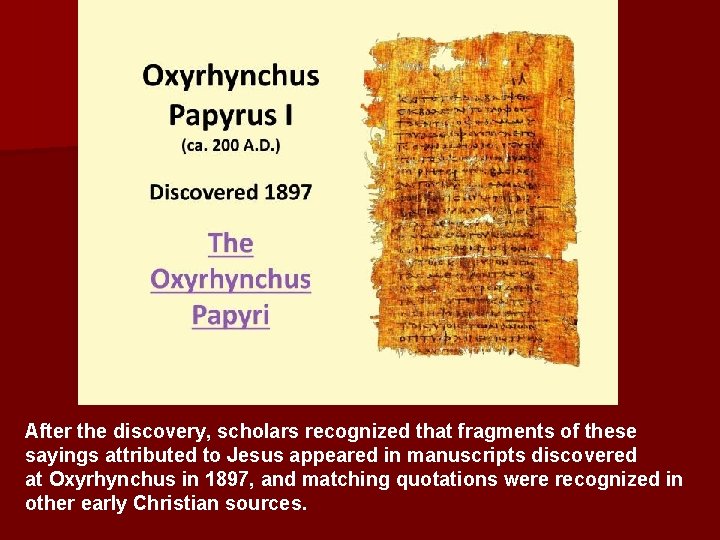
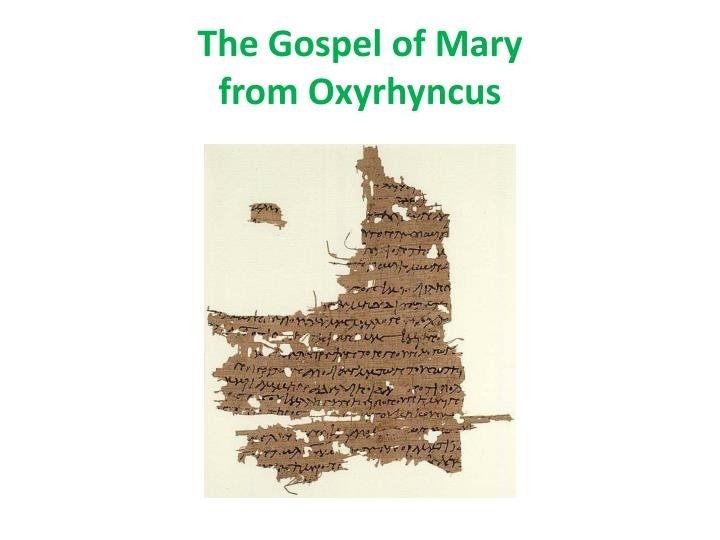
After the discovery, scholars recognized that fragments of these sayings attributed to Jesus appeared in manuscripts discovered at Oxyrhynchus in 1897, and matching quotations were recognized in other early Christian sources.
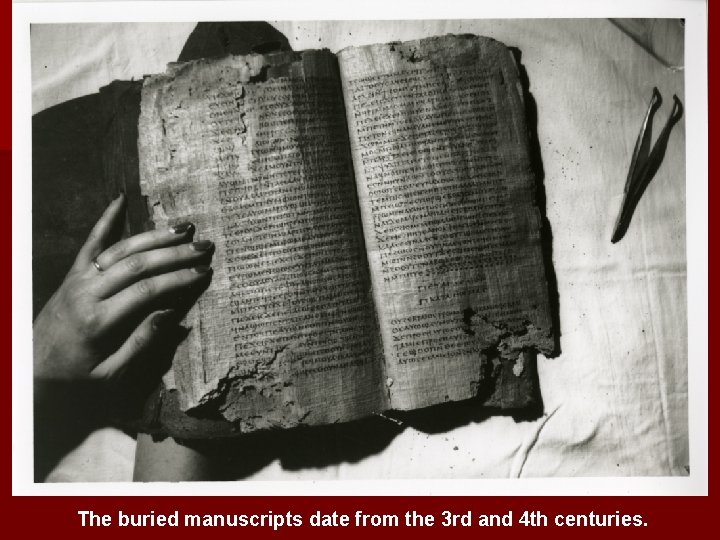
The buried manuscripts date from the 3 rd and 4 th centuries.
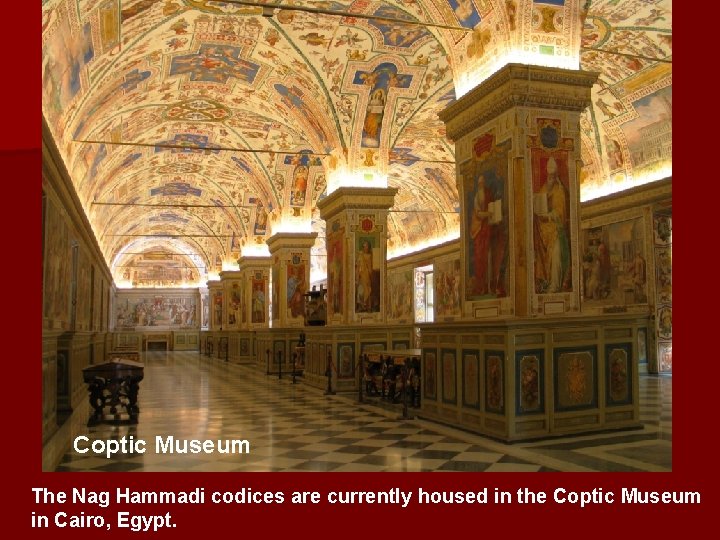
Coptic Museum The Nag Hammadi codices are currently housed in the Coptic Museum in Cairo, Egypt.

Nag Hammadi Discoveries
- Slides: 40