
The Muscular System Muscular System The body has
The Muscular System
Muscular System § The body has more than 650 muscles that make up 40 to 45% of the body’s weight
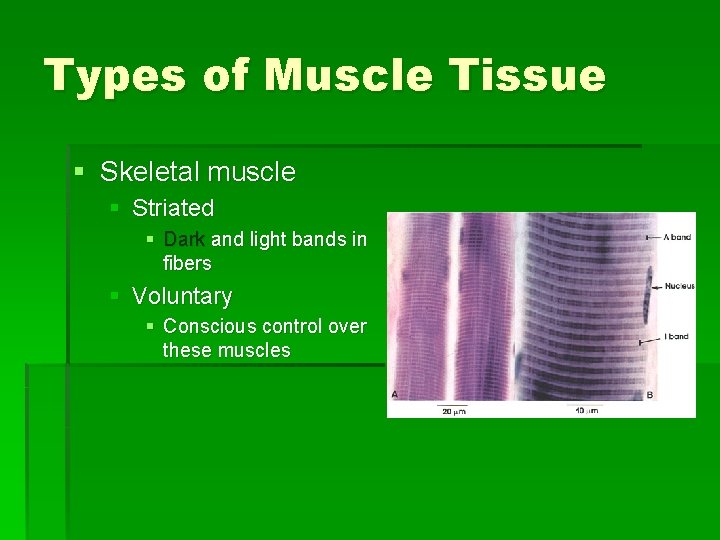
Types of Muscle Tissue § Skeletal muscle § Striated § Dark and light bands in fibers § Voluntary § Conscious control over these muscles
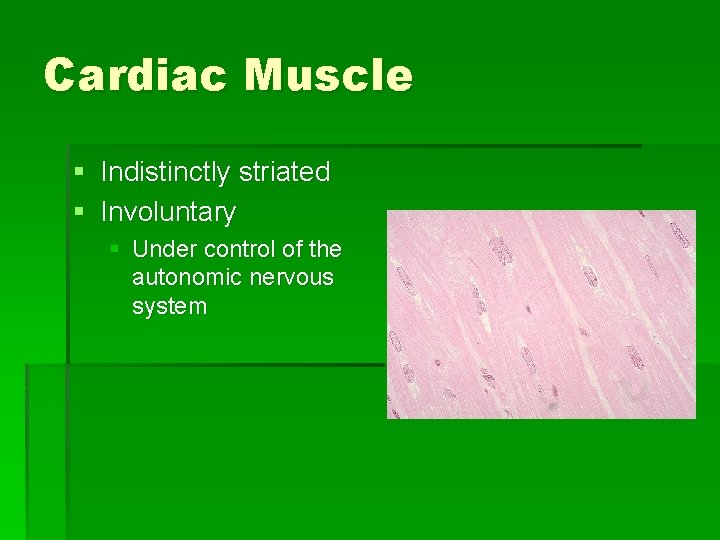
Cardiac Muscle § Indistinctly striated § Involuntary § Under control of the autonomic nervous system
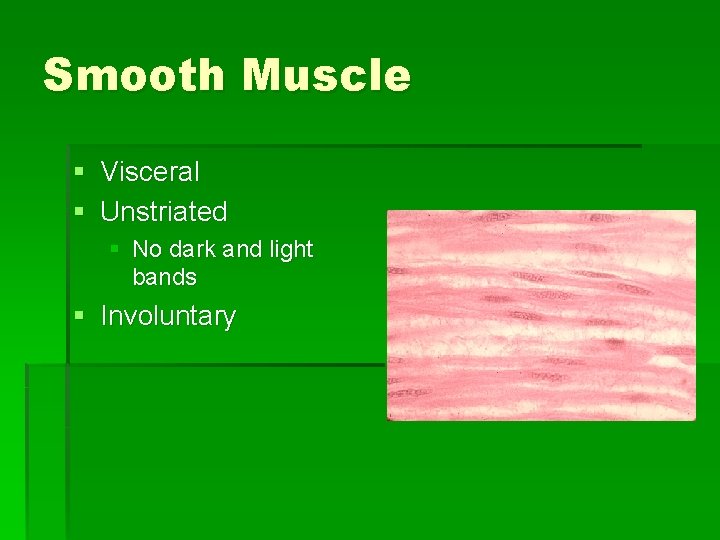
Smooth Muscle § Visceral § Unstriated § No dark and light bands § Involuntary

Smooth Muscle § Located: § Walls of internal organs § Respiratory and digestive tracts § Digestive tract=peristalsis § Wavelike movement § Causes contents to be propelled onward
Muscle Function
Muscle Function § Aid in movement of: § Body § Blood § Food § Waste § § § Provide and maintain posture Protect internal organs Provide heat
How Muscles Are Named
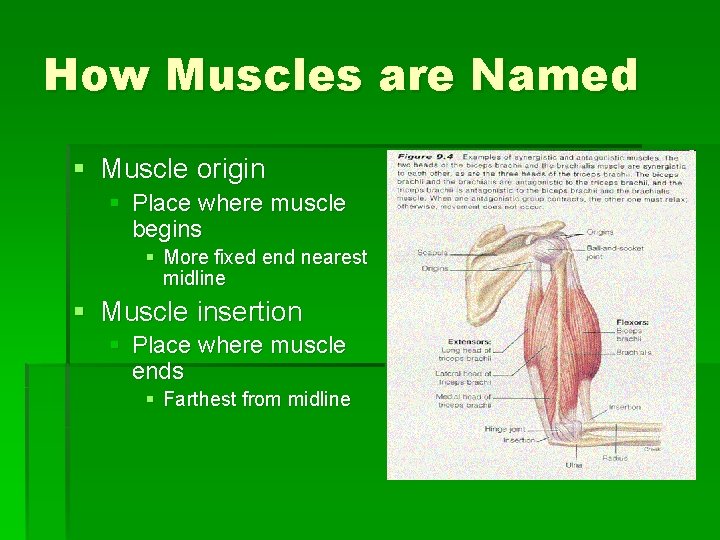
How Muscles are Named § Muscle origin § Place where muscle begins § More fixed end nearest midline § Muscle insertion § Place where muscle ends § Farthest from midline
How Muscles are Named § Size § Maximus § Minimus § Shape § Deltoid § Trapezius § Direction of fibers § Rectus § Oblique § Location § Anterior § Posterior § Bone § Number § Bi § Tri § Quad

Muscle Characteristics § Muscle tone or tonus § Partial state of contraction § Balanced muscle tension required to hold body in position § Flaccid § Soft when not contracted

Muscle Characteristics § Irritability § Ability to respond to stimulus § Contractibility § Ability to shorten § Extensibility § Ability to stretch and lengthen § Elasticity § Ability to return to original length at rest

Accessory Structures
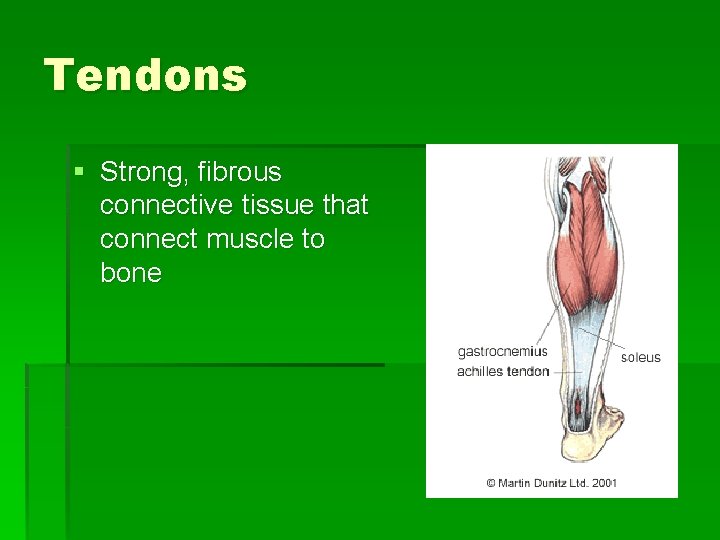
Tendons § Strong, fibrous connective tissue that connect muscle to bone
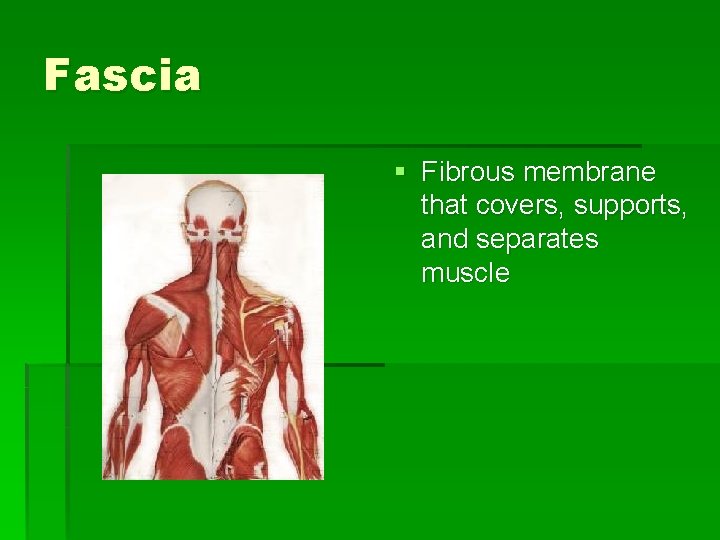
Fascia § Fibrous membrane that covers, supports, and separates muscle
Types of Muscle Contractions § Fibrillation: uncoordinated contractions § Convulsions: contractions of groups of muscles in abnormal manner § Spasms: involuntary, sudden, prolonged § Twitch: quick, jerky movement

Rules for Muscle Movement § § § Pull never push on bones Always cross a joint Work in pairs: § Prime mover (agonist): pulls to cause movement § Antagonist: relaxes when agonist pulls
Body Movements Caused by Skeletal Muscle § Flexion: § Decrease angle between two bones or bending a limb at a joint § § § Elbow bent and lower arm brought upward Plantar flexion: bending foot forward Dorsiflexion: bending foot toward knee § Extension § Increase angle between two bones or straightening out a limb § Elbow straightened and lower arm downward
Body Movements Caused by Skeletal Muscle § Abduction § Movement away from body midline § Arm moves outward, away from side of body § Adduction § Movement toward midline of body § Arm moves inward, toward side of body § Rotation § Circular or semi-circular movement around an axis § Turning the head when saying no
Body Movements Caused by Skeletal Muscle § Pronation: § Turning hand downward § Supination: § Turning hand upward
Pathology of the Muscular System
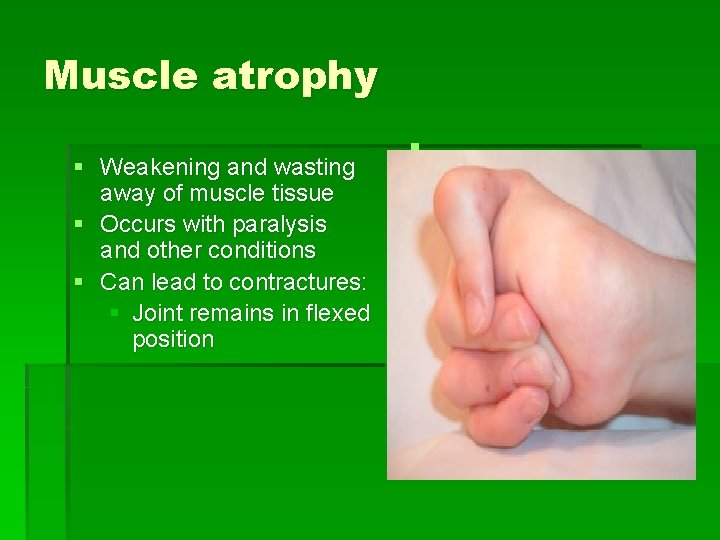
Muscle atrophy § Weakening and wasting away of muscle tissue § Occurs with paralysis and other conditions § Can lead to contractures: § Joint remains in flexed position §
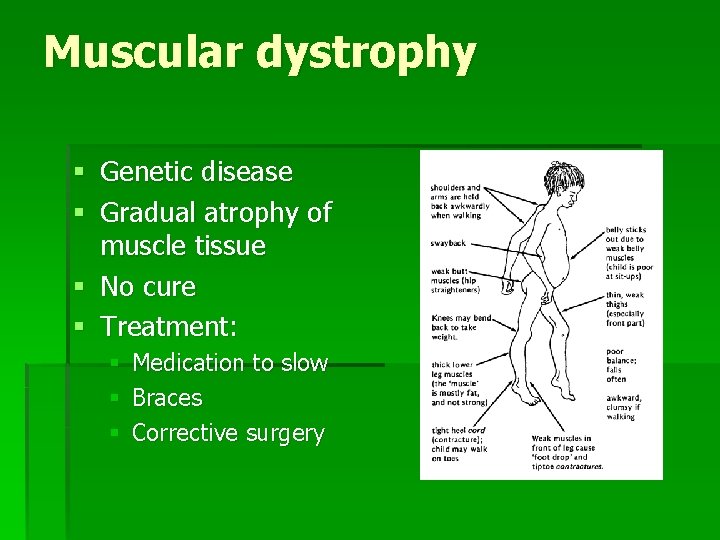
Muscular dystrophy § Genetic disease § Gradual atrophy of muscle tissue § No cure § Treatment: § § § Medication to slow Braces Corrective surgery
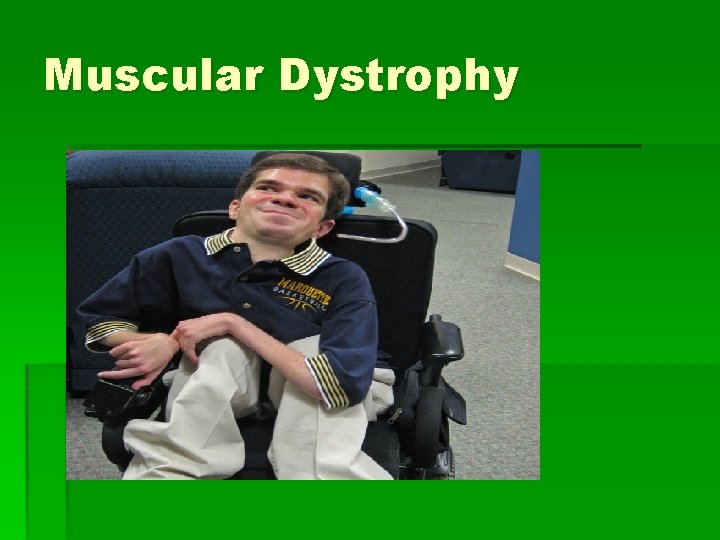
Muscular Dystrophy
Fibromyalgia § A group of muscle disorders affecting the tendons, ligaments, and other fibrous tissues § Common sites of pain § Neck, shoulders, thorax, lower back, thighs § Myalgia (pain) common § Treatment: reduce stress, therapy, exercise

Hernia § The abnormal protrusion of a body part into another body area § Result from weakness in stomach muscles § Treatment: bracing or surgery
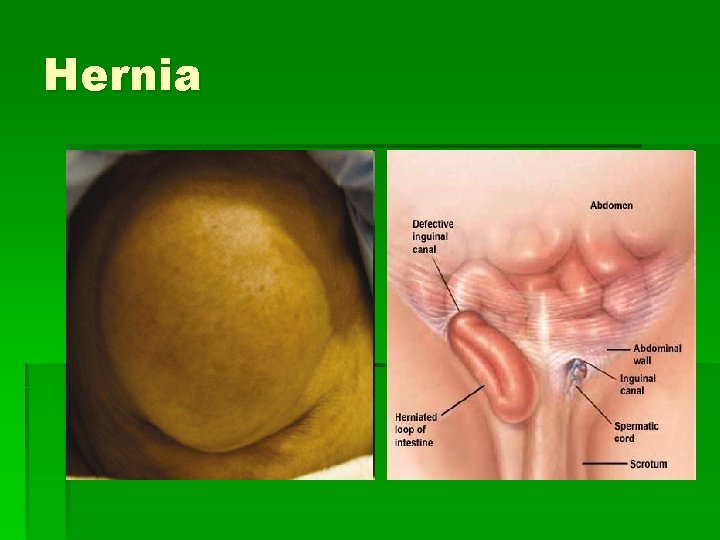
Hernia
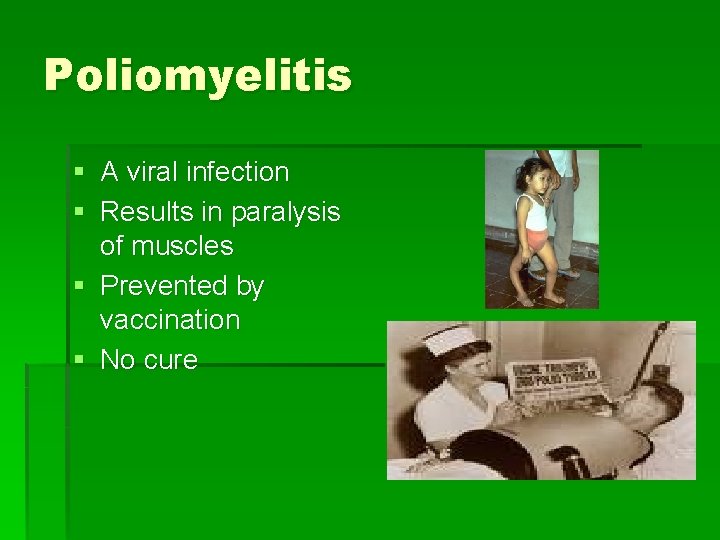
Poliomyelitis § A viral infection § Results in paralysis of muscles § Prevented by vaccination § No cure
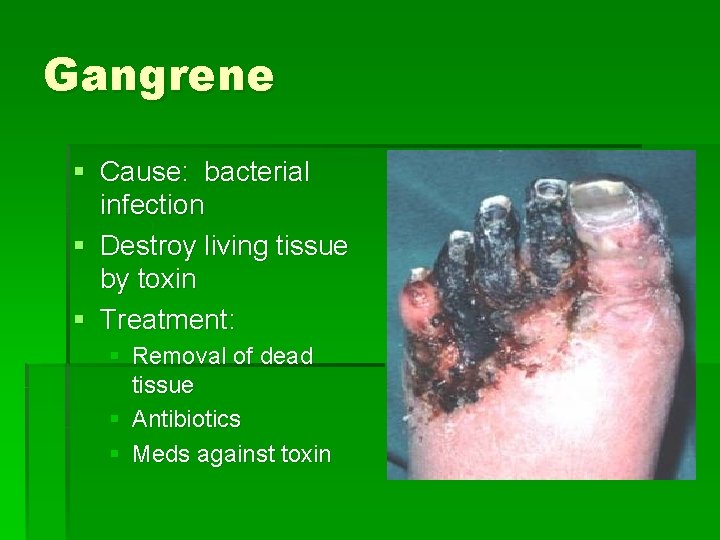
Gangrene § Cause: bacterial infection § Destroy living tissue by toxin § Treatment: § Removal of dead tissue § Antibiotics § Meds against toxin
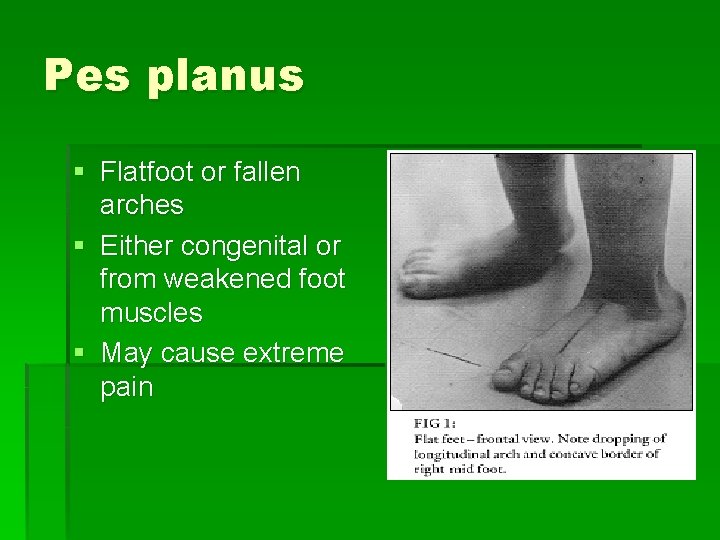
Pes planus § Flatfoot or fallen arches § Either congenital or from weakened foot muscles § May cause extreme pain
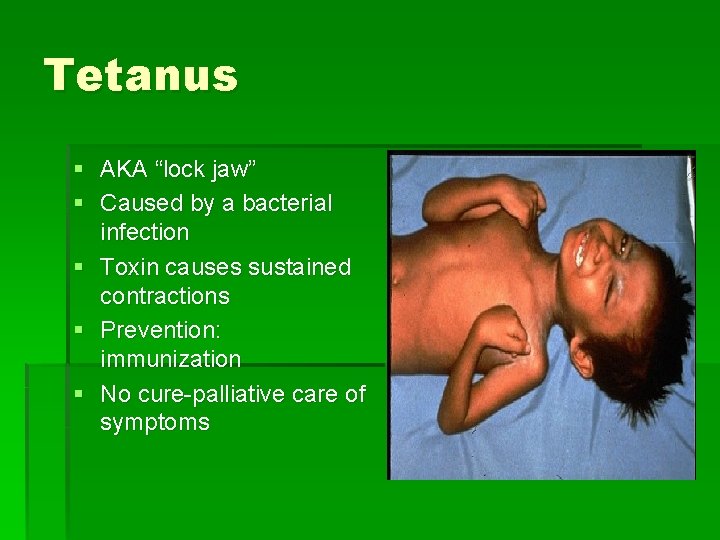
Tetanus § AKA “lock jaw” § Caused by a bacterial infection § Toxin causes sustained contractions § Prevention: immunization § No cure-palliative care of symptoms
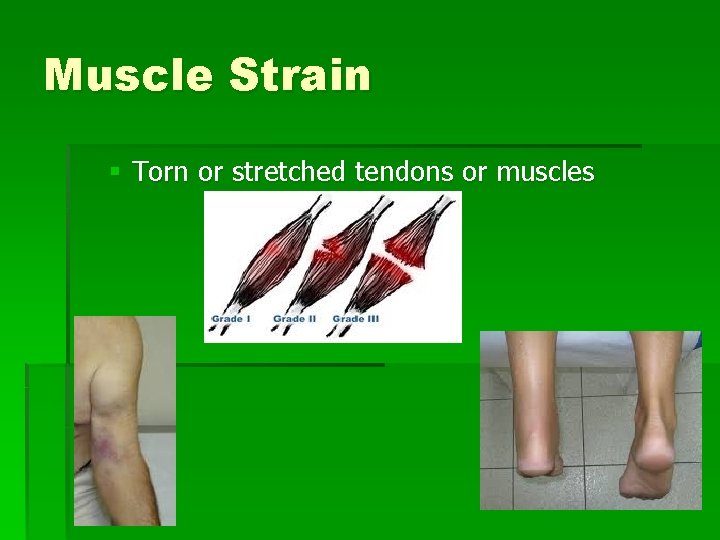
Muscle Strain § Torn or stretched tendons or muscles
The End
- Slides: 34