
The Muscular System Lets Get Moving What do
- Slides: 20
The Muscular System Let’s Get Moving!
What do muscles do? 1. allows movement through the nervous system 2. enables voluntary and involuntary movement voluntary – movements you can control ex. Shooting a basketball, playing piano, etc. involuntary – occurs without you knowing it ex. Muscles that help you breathe, make your heartbeat
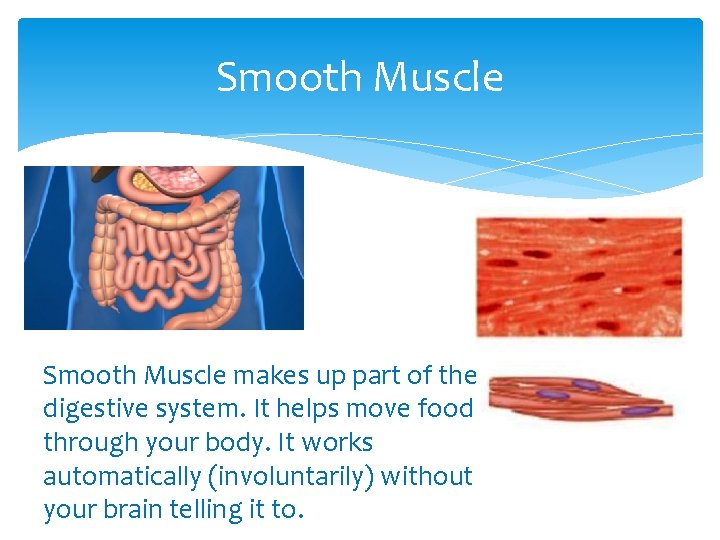
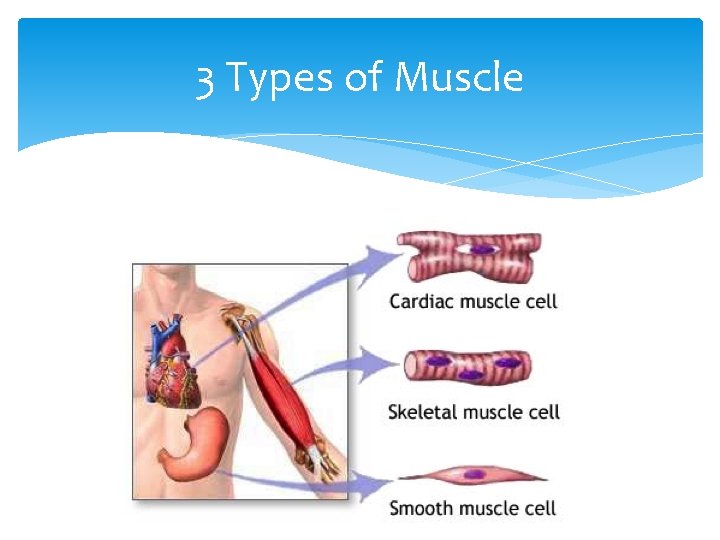
3 Types of Muscle 1. Smooth Muscle – acts on the lining of the body’s passageways and hollow internal organs - found inside digestive tract, lining of blood vessels - INVOLUNTARY – you cannot control the movement!
Smooth Muscle makes up part of the digestive system. It helps move food through your body. It works automatically (involuntarily) without your brain telling it to.
3 Types of Muscles 2. Skeletal Muscle – muscles attached to bone that cause body movements. - VOLUNTARY control!
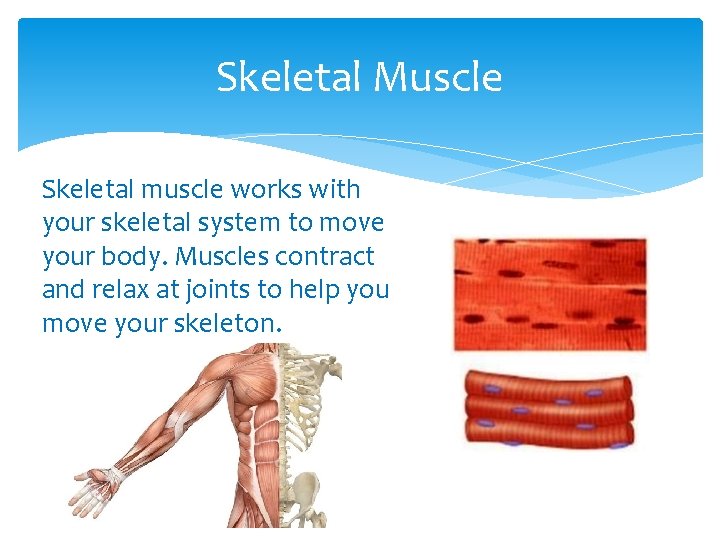
Skeletal Muscle Skeletal muscle works with your skeletal system to move your body. Muscles contract and relax at joints to help you move your skeleton.
3 Types of Muscles - Skeletal muscles often work together to perform contrasting movements - Flexor – muscle that closes a joint - Extensor – muscle that opens a joint - a great example is when you bend and straighten your arm at the elbow using your biceps and triceps.
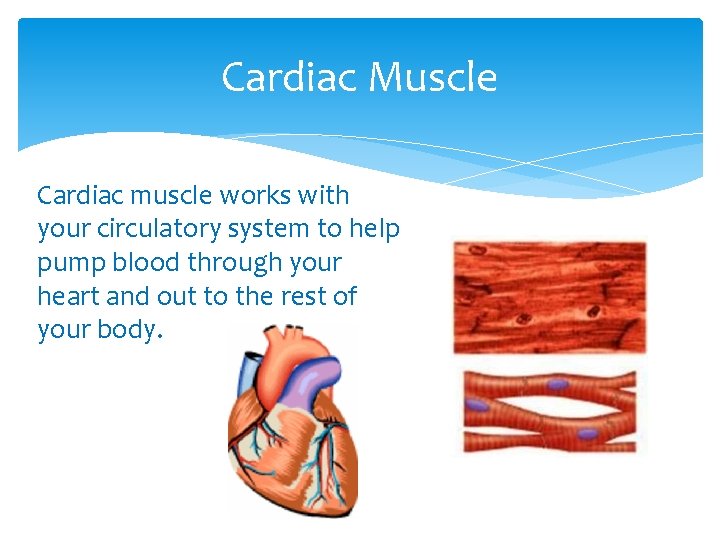
3 Types of Muscles 3. Cardiac Muscle – muscle that forms the walls of the heart - responsible for the contraction of your heart - INVOLUNTARY!
Cardiac Muscle Cardiac muscle works with your circulatory system to help pump blood through your heart and out to the rest of your body.
3 Types of Muscle
Properties of Muscles 1. Contractibility – muscles have the ability to shorten, or contract 2. Extensibility – muscles lengthen or straighten 3. Elasticity – Muscles have to ability to their original shape
Parts of Muscles 1. Tendons – Connects muscles to bones 2. Fascia – Connects muscles to other muscles
What do Muscles Need? Glucose (sugar) – to power the muscles Oxygen – to prevent cramping Work – to keep them strong
Muscle Size Key Facts and Terms a. Hypertrophy – increase in muscle size due to exercise b. Atrophy – decrease in muscle size from a lack of use of muscles
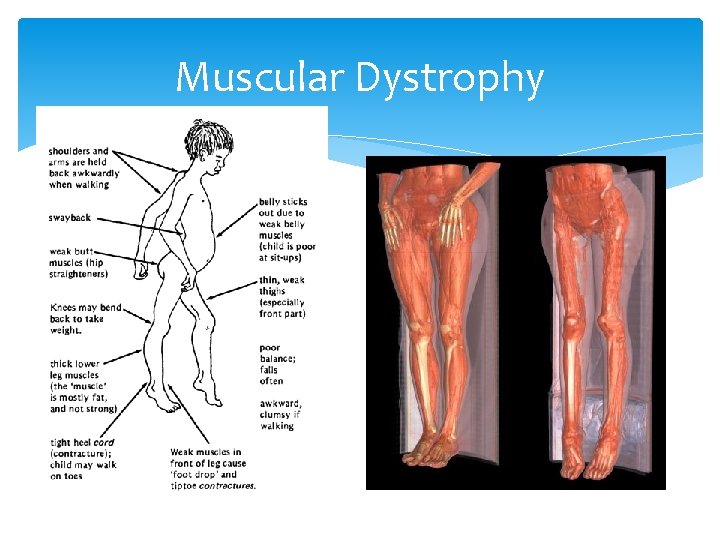
Diseases of Muscular System 1. Muscular Dystrophy a. crippling disease characterized by progressive wasting away of skeletal muscles b. muscle cells are unable to function properly c. symptoms – muscle weakness, difficulty standing/walking, frequent falling d. cannot be cured, but early detection is key as muscle weakening can be delayed
Muscular Dystrophy
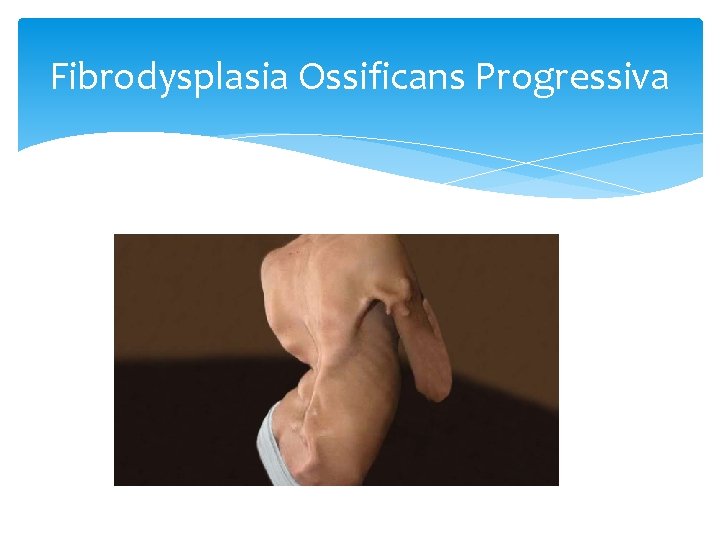
Diseases of Muscular System 2. Fibrodysplasia Ossificans Progressiva a. disease in which the soft tissue of the muscles hardens and permanently turns to bone b. caused by a genetic deformity c. symptoms – deformed phalanges d. cannot be cured. 40 is the life expectancy of someone with this disease
Fibrodysplasia Ossificans Progressiva
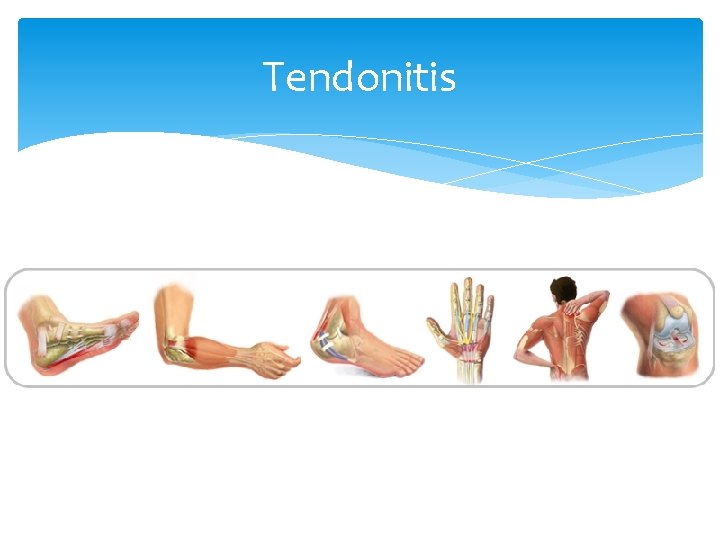
Diseases of Muscular System 3. Tendonitis a. inflammation or irritation of the tendons b. it is seen more commonly in wrists, elbows, shoulders and heels. c. symptoms – pain, mild swelling, tenderness d. can be treated with pain relievers, rest and ice
Tendonitis