
The mucosal immune system is the largest segment




- Slides: 34
The mucosal immune system is the largest segment of the body’s immune defense mechanism
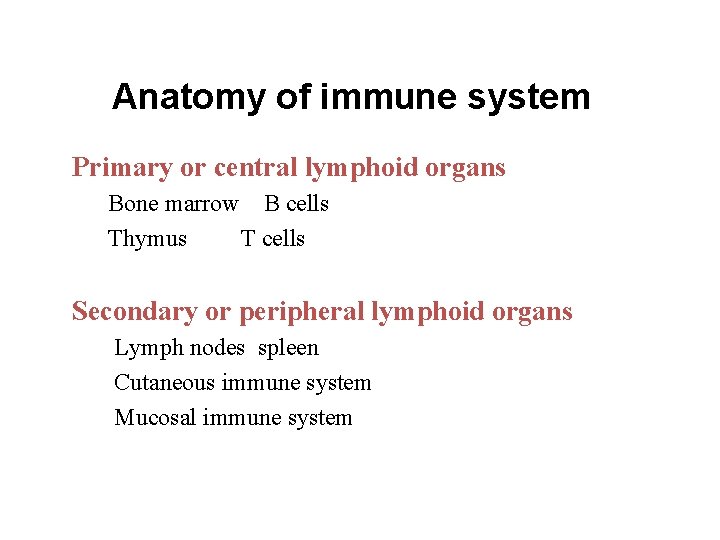
Anatomy of immune system Primary or central lymphoid organs Bone marrow B cells Thymus T cells Secondary or peripheral lymphoid organs Lymph nodes spleen Cutaneous immune system Mucosal immune system
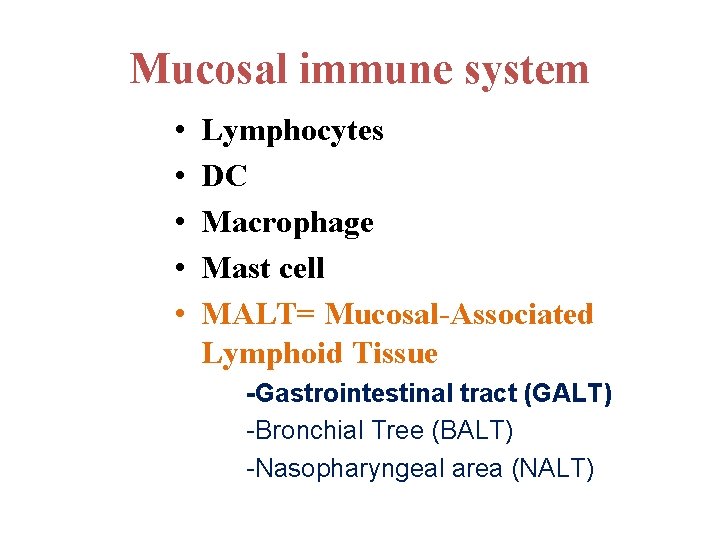
Mucosal immune system • • • Lymphocytes DC Macrophage Mast cell MALT= Mucosal-Associated Lymphoid Tissue -Gastrointestinal tract (GALT) -Bronchial Tree (BALT) -Nasopharyngeal area (NALT)
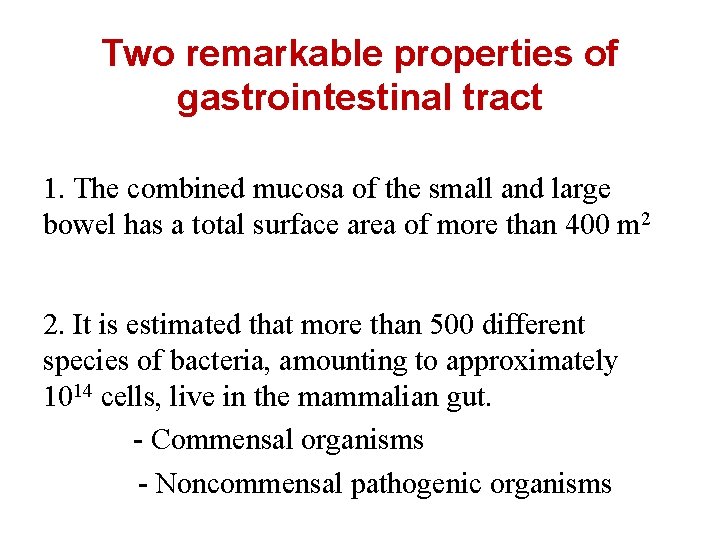
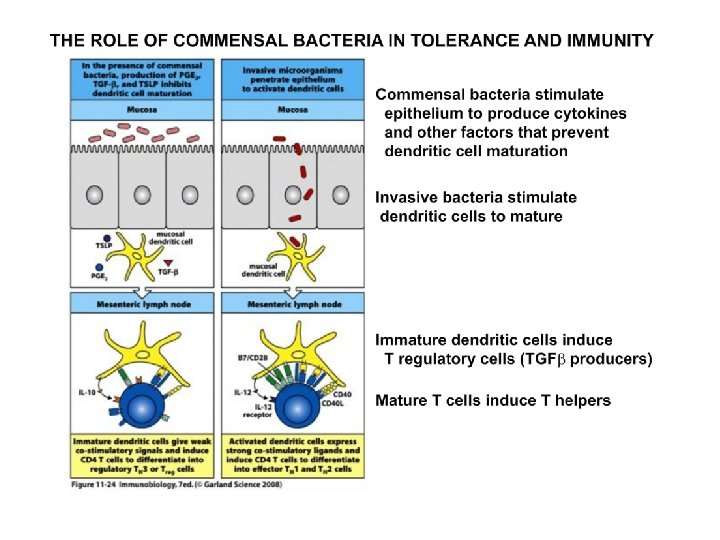
Two remarkable properties of gastrointestinal tract 1. The combined mucosa of the small and large bowel has a total surface area of more than 400 m 2 2. It is estimated that more than 500 different species of bacteria, amounting to approximately 1014 cells, live in the mammalian gut. - Commensal organisms - Noncommensal pathogenic organisms
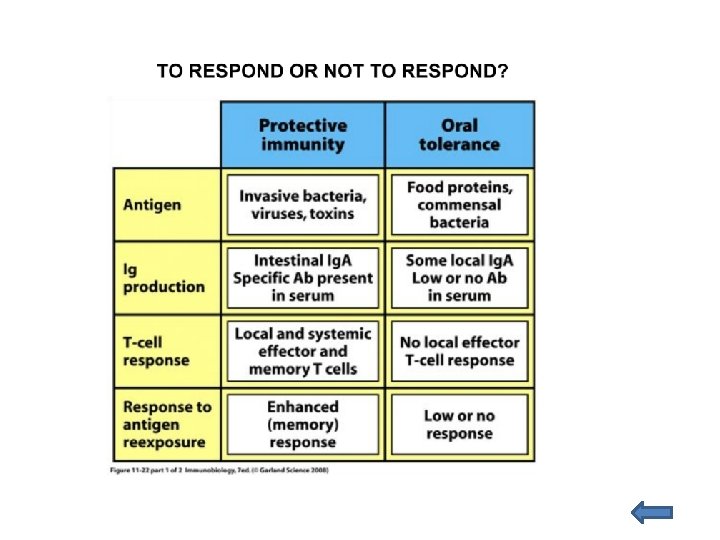
The Challenges • Most frequent portal of entry for harmful substances. Thus the MALT has to mount an effective response against numerous potential pathogens. • The mucosal membranes of the digestive tract must allow for the absorption of nutrients by the host. Thus the MALT must remain hyporesponsive to the harmless substances.
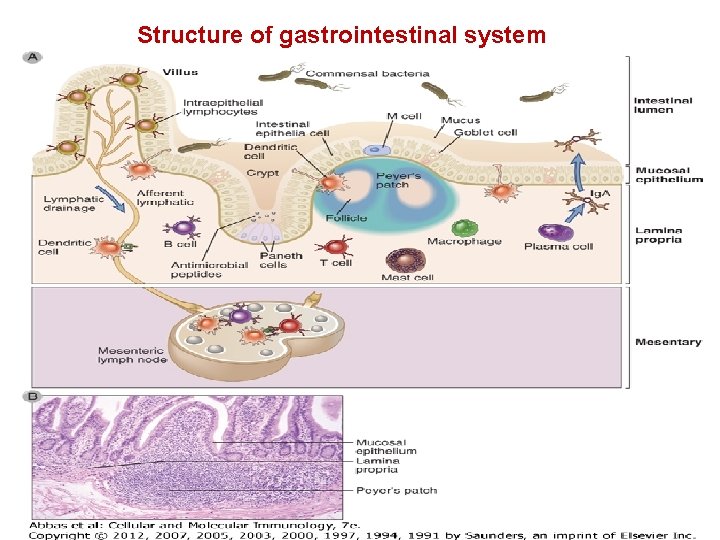
Structure of gastrointestinal system
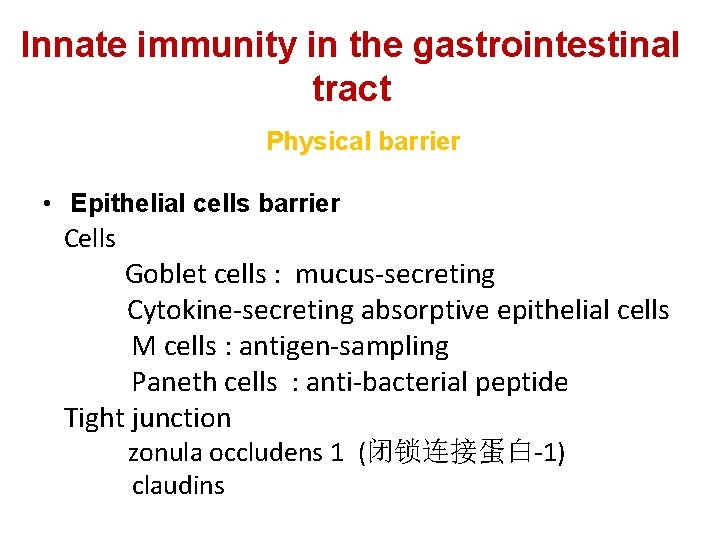
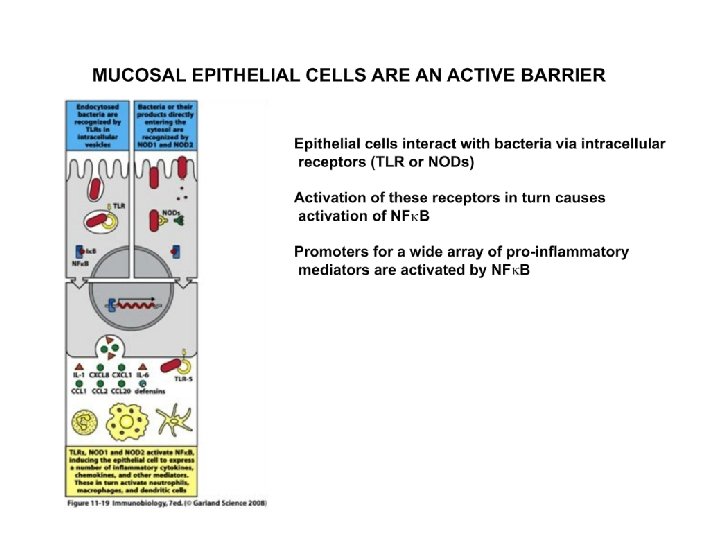
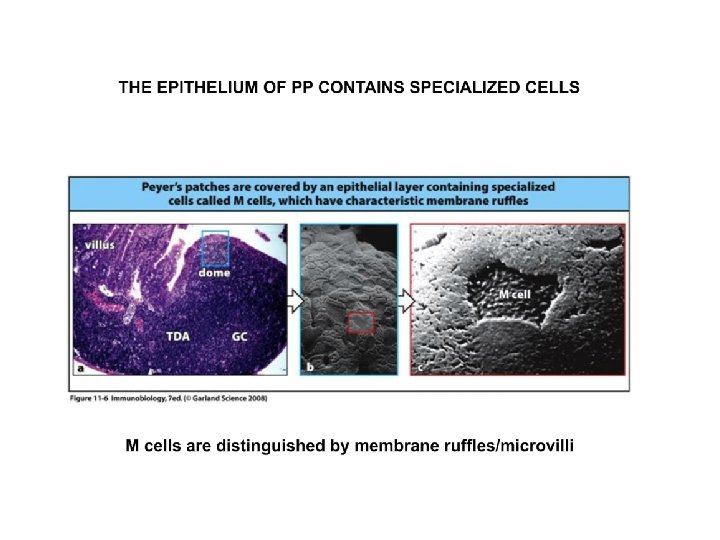
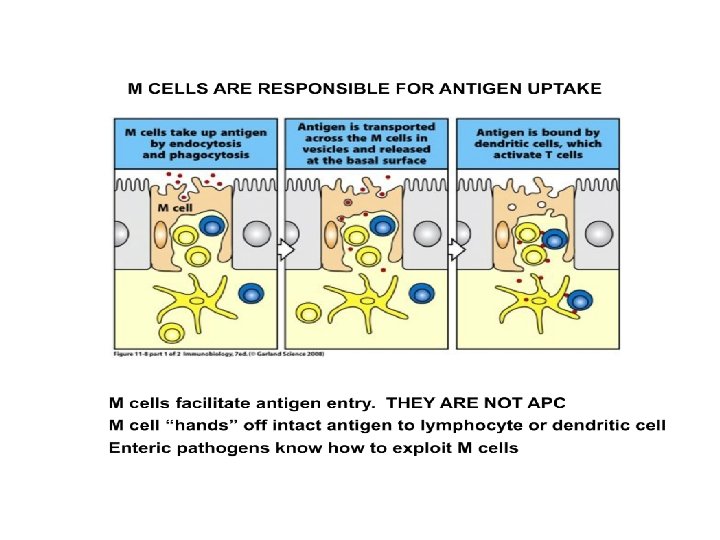
Innate immunity in the gastrointestinal tract Physical barrier • Epithelial cells barrier Cells Goblet cells : mucus-secreting Cytokine-secreting absorptive epithelial cells M cells : antigen-sampling Paneth cells : anti-bacterial peptide Tight junction zonula occludens 1 claudins (闭锁连接蛋白-1)
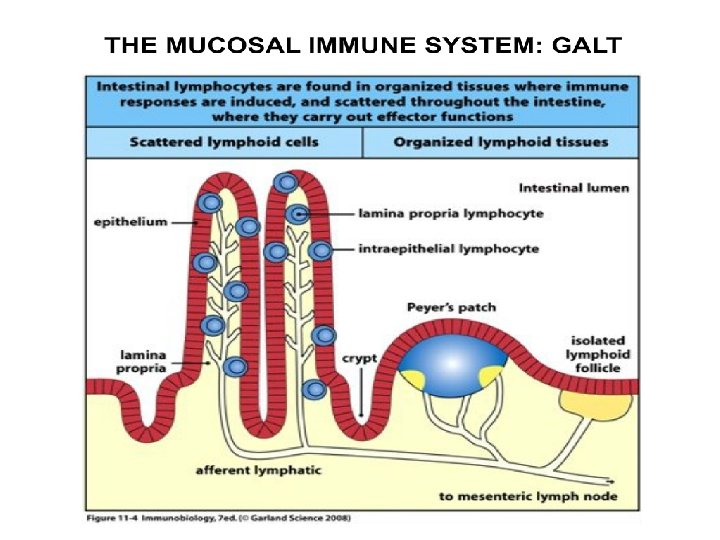
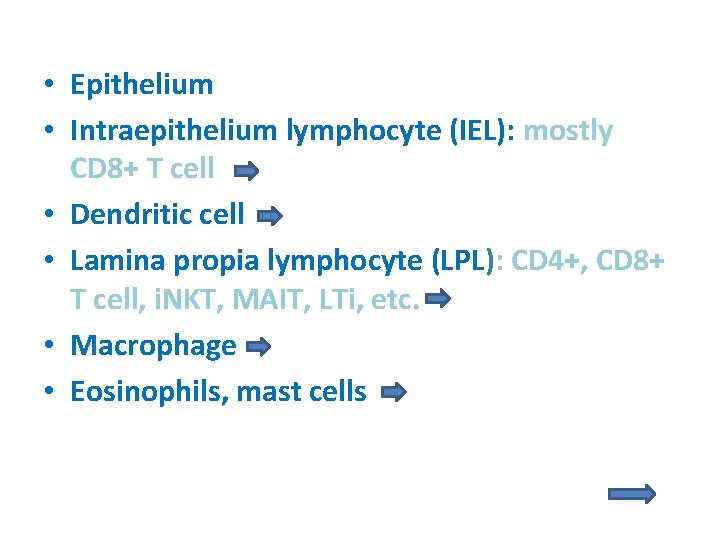
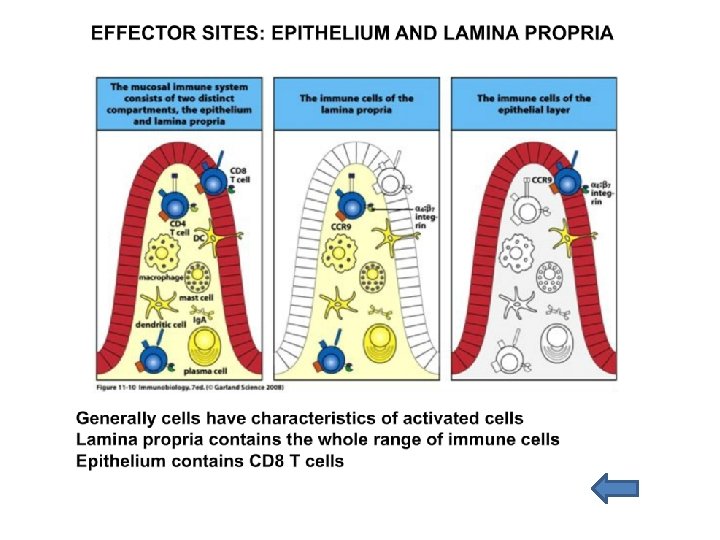
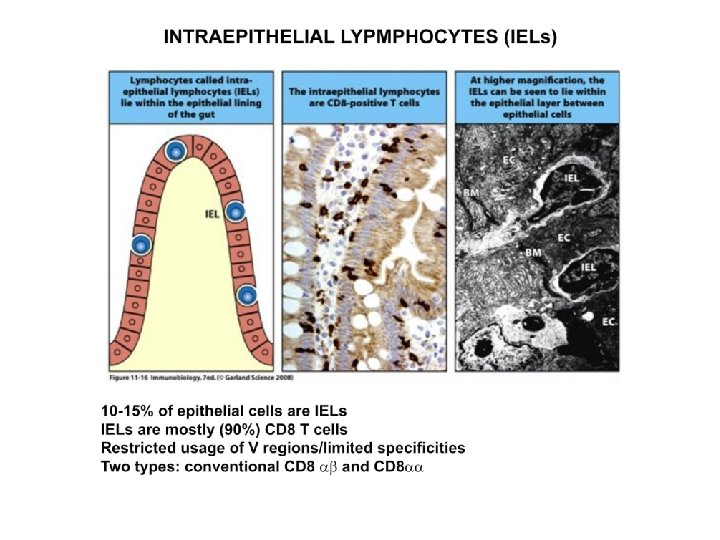
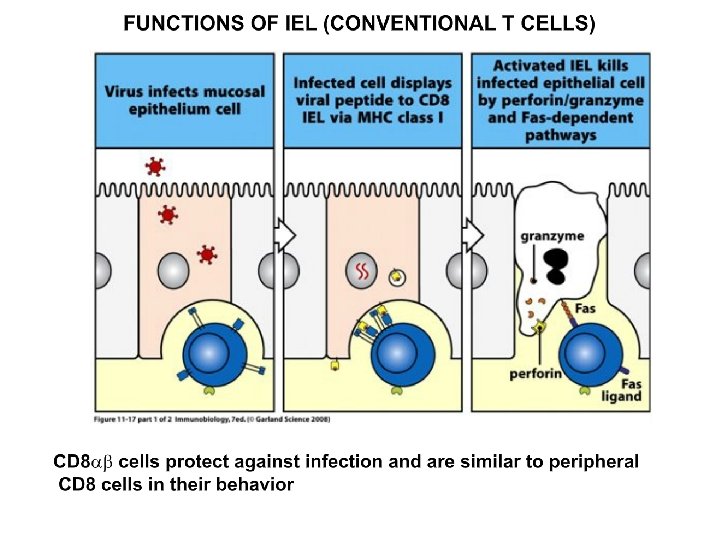
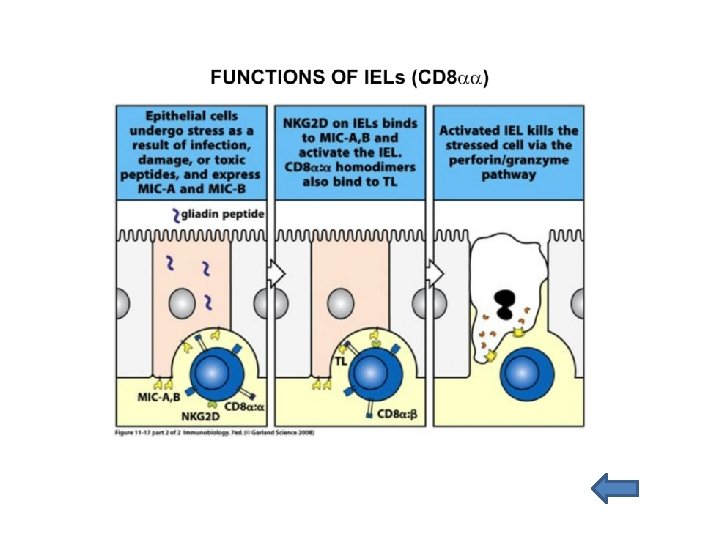
• Epithelium • Intraepithelium lymphocyte (IEL): mostly CD 8+ T cell • Dendritic cell • Lamina propia lymphocyte (LPL): CD 4+, CD 8+ T cell, i. NKT, MAIT, LTi, etc. • Macrophage • Eosinophils, mast cells
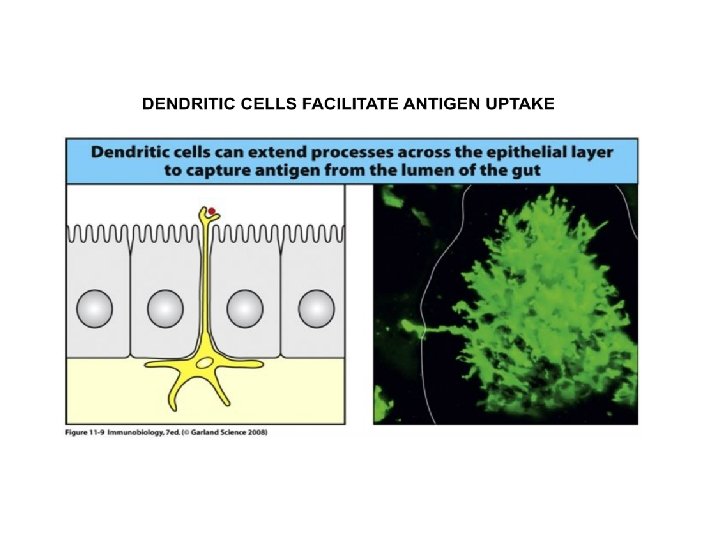
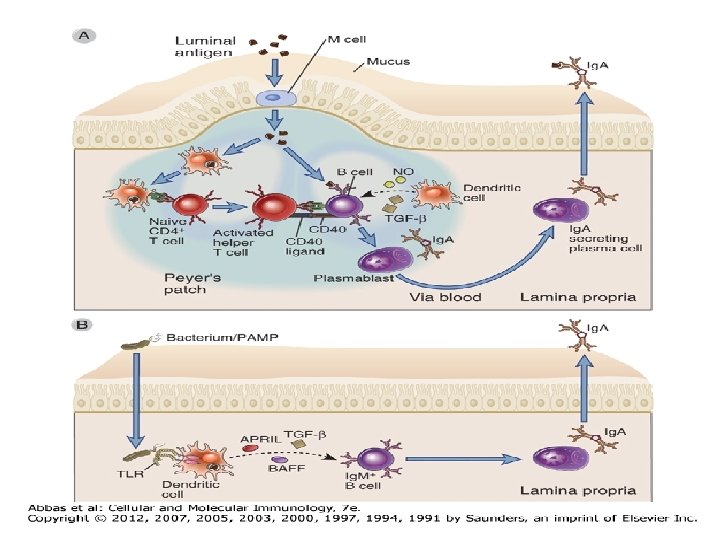
Adaptive Immunity in the Gastrointestinal Tract - Antigen entry into mucosal sites
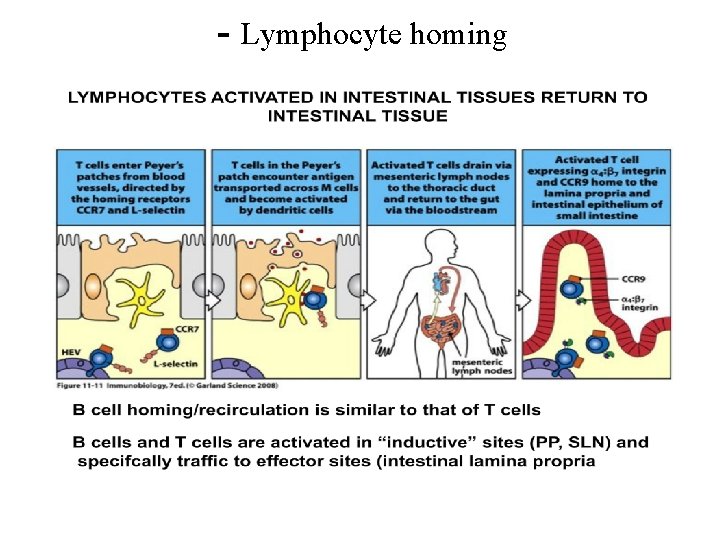
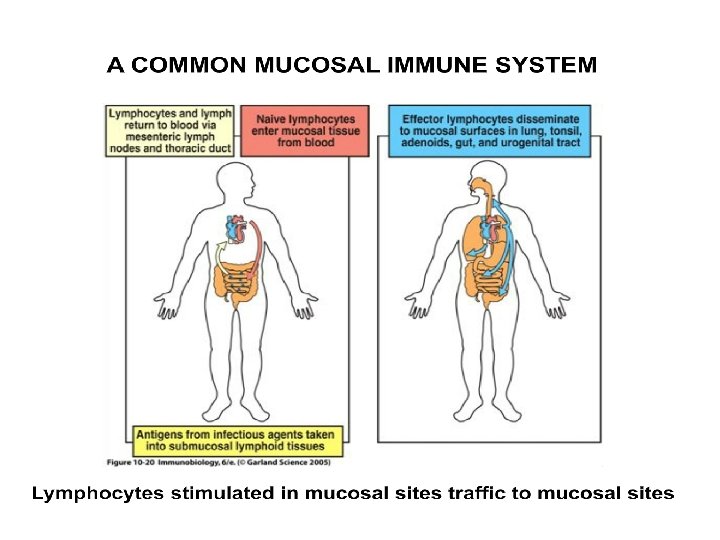
- Lymphocyte homing
Why SIg. A?
Critical features of SIg. A • Resistance against common intestinal protease • Inability to interact with complement or cells in a way to cause inflammation
Secreted Ig. A is transported through epithelial cells into the intestinal lumen by an Ig. A/Ig. M-specific Fc receptor called the poly-Ig receptor
Transport of Ig. M and Ig. G - Ig. M: Poly-Ig. R - Ig. G: neonatal Fc receptor (Fc. Rn) bidirectional transport
Regulation of Immunity in the Gastrointestinal Tract