
The Mongols Introduction The Mongols were a pastoral
- Slides: 16
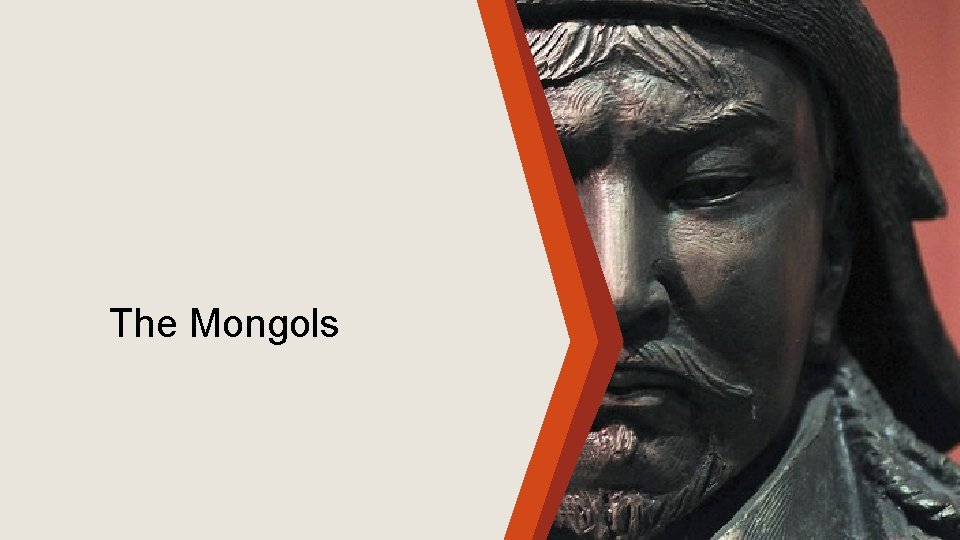
The Mongols
Introduction • The Mongols were a pastoral nomadic people • From central Asia • Organized around families, clans, and/or tribes • Lived in small villages with kinfolk • Moved based on seasonal changes • Took their homes with them
Mongol Women • Pastoralists offered women a higher status in society • Fewer restrictions • Greater role in public life • Involved in productive labor • Mongol women: • Could initiate divorce • Could remarry if widowed • Served as political advisors • active in the military
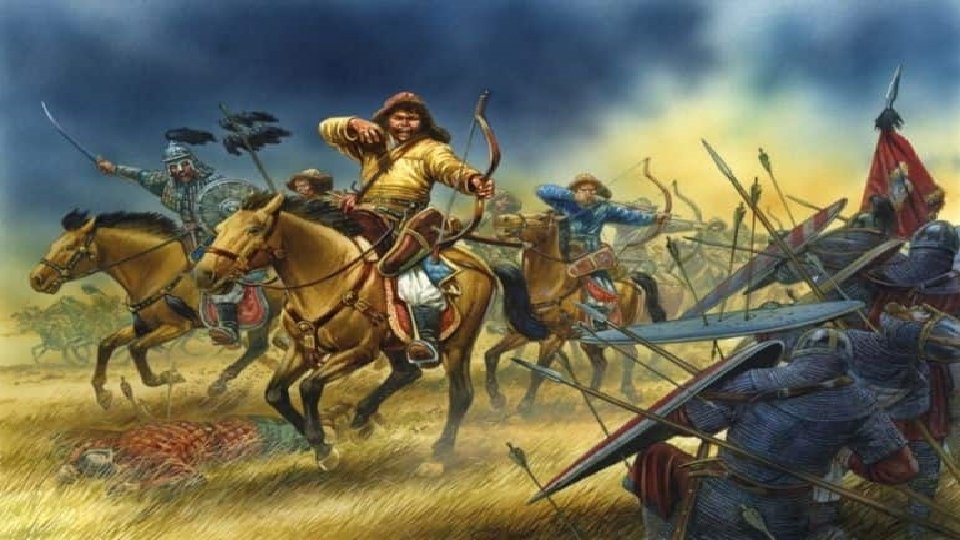
Military Interactions • Nomadic states had military advantages • Horseback riding and hunting skills • Entire male population and many females trained in these skills • Mongols developed the stirrup to help a rider stay on the horse • Used their militaries to extract wealth from larger civilizations through raiding, trading, and extortion
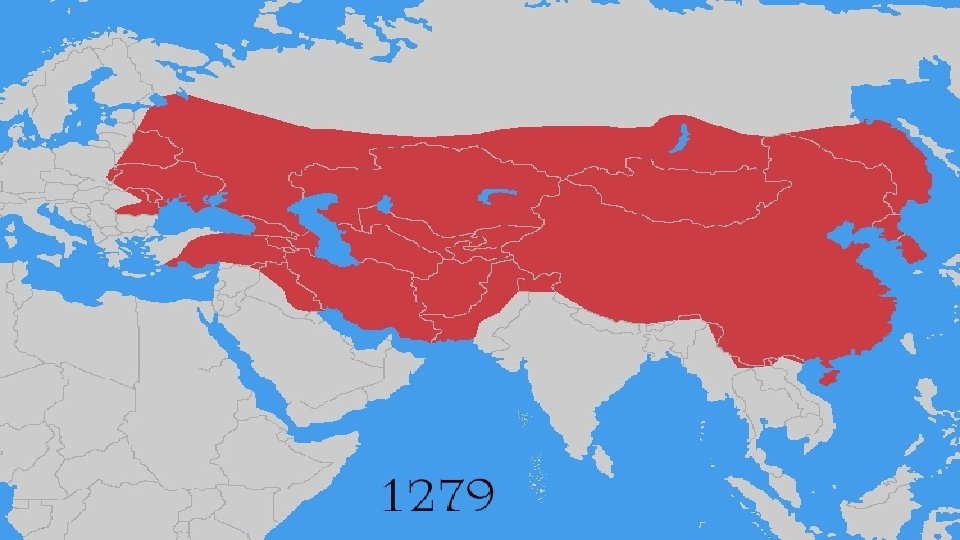
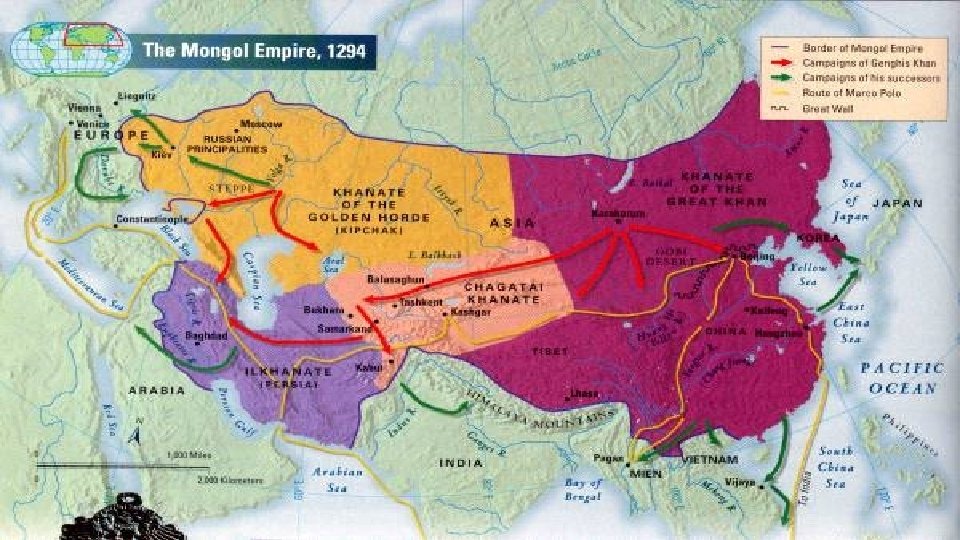
The Mongol Empire • Largest land-based empire in world history • Stretched from the Pacific coast of Asia to Eastern Europe • Brought the major civilizations of Eurasia (Europe, China, and the Islamic world) into more direct contact • One major contribution = facilitated worldwide networks of exchange and communication • No real cultural impact • Did not spread any major religion • Did not spread their language or culture
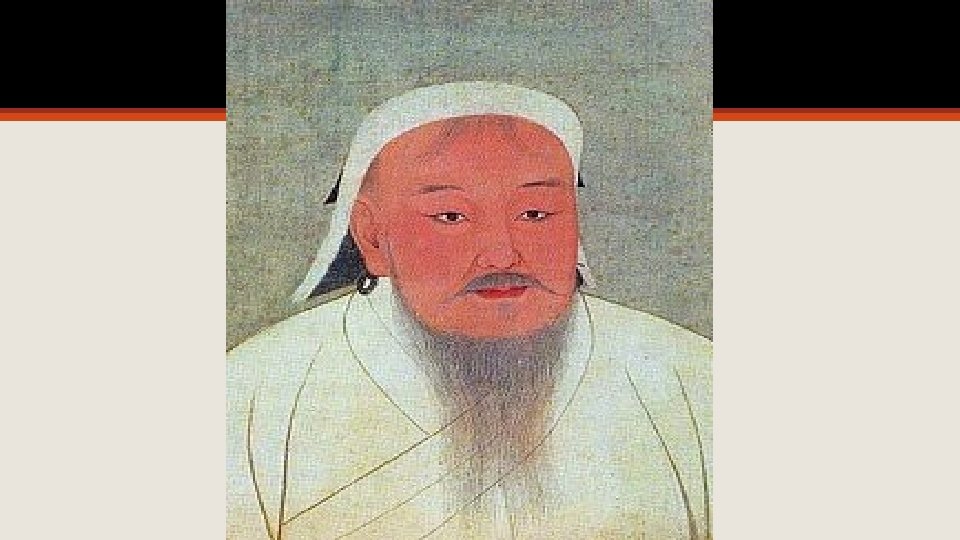
Genghis • United and led the Mongols • Used shifting tribal alliances and betrayals • military victories • Used his reputation as a leader generous to friends and ruthless to enemies • Incorporated warriors from defeated tribes into his own forces • In 1206 the kurlitai recognized Genghis as the Khan • Means “universal” or “supreme” ruler
Mongol Expansion • Two major reasons for expansion • The newly united Mongols needed a common task or else they would fragment and fall apart • needed external resources with which to reward followers • Conquests continued for about 50 years under Genghis Khan • China was #1 goal • 1227 - Genghis dies and his empire is split into 4 Khanates ruled by his 3 sons and grandson
Mongols and Russia • Golden Horde – khanate that controlled Russia • Invaded most of Russia • Tartars- Russia name for the Mongols • Major cities destroyed • Saint Sophia Cathedral spared because the Mongols were tolerant of religions
Mongols in China • The Mongols conquered the Song Dynasty (first defeated the Jin Kingdom) • The Khanate of the Great Khan • Led by Kublai Khan • Established the Yuan Dynasty in China
Marco Polo • Merchant from Venice, Italy • Served as an administrator to Kublai Khan for 17 years • Kept a diary of everything he encountered and experienced • Primary way in which Europeans learned about the east
Legacy • Total religious toleration as long as religion wasn’t the cause of political opposition • Major religions throughout the Mongol Empire = Buddhism, Christianity, Islam, and Daoism • The Mongols also helped spread the Plague (Black Death) on their conquest westward.