
THE MIDDLE MIOCENE CLIMATE TRANSITION IN LOUISIANA PALEOENVIRONMENTAL
- Slides: 28
THE MIDDLE MIOCENE CLIMATE TRANSITION IN LOUISIANA: PALEOENVIRONMENTAL EVIDENCE FROM UNGULATE ENAMEL STABLE ISOTOPES Grant Stanley Boardman, Ph. D. Trivium Preparatory Academy, Goodyear, AZ gboardman@triviumprep. org Travis Atwood University of Alaska, Anchorage, AK
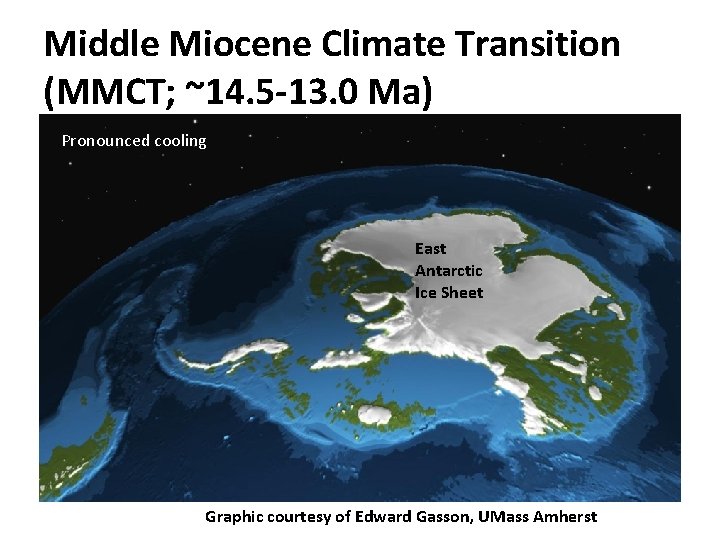
Middle Miocene Climate Transition (MMCT; ~14. 5 -13. 0 Ma) Pronounced cooling East Antarctic Ice Sheet Graphic courtesy of Edward Gasson, UMass Amherst
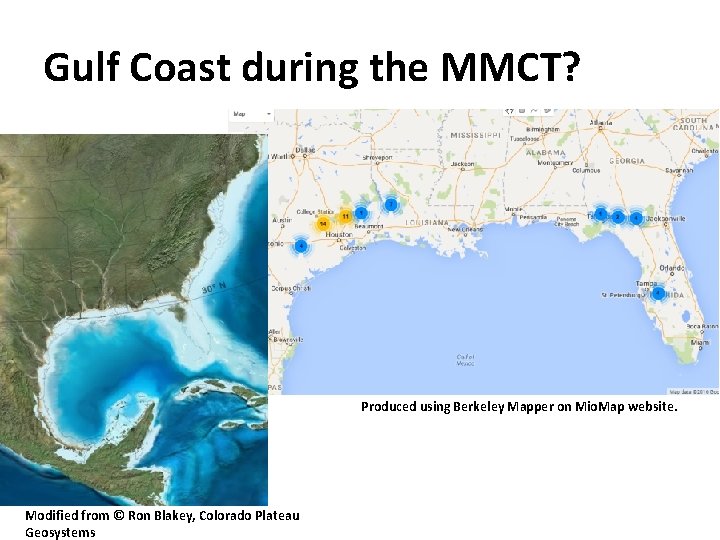
Gulf Coast during the MMCT? Produced using Berkeley Mapper on Mio. Map website. Modified from © Ron Blakey, Colorado Plateau Geosystems
Major Questions • What types of vegetative biomes were present? • What was the δ 18 O of meteoric precipitation? • What was the temperature seasonality? • What was the mean annual precipitation and was it seasonal?
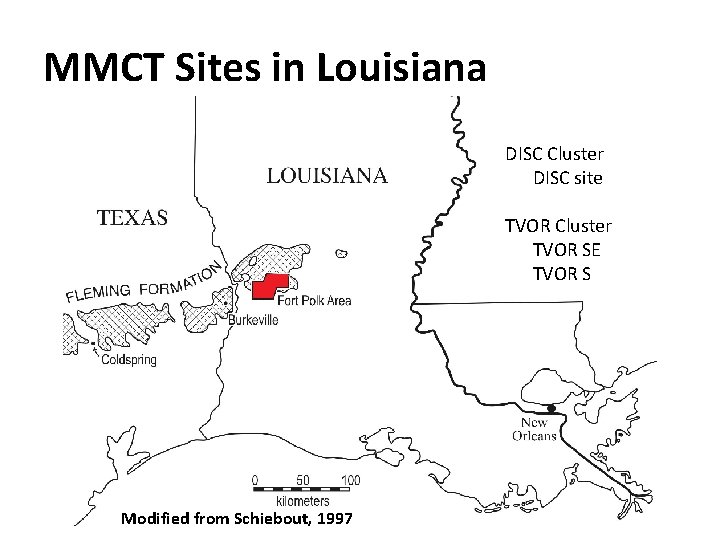
MMCT Sites in Louisiana DISC Cluster DISC site TVOR Cluster TVOR SE TVOR S Modified from Schiebout, 1997
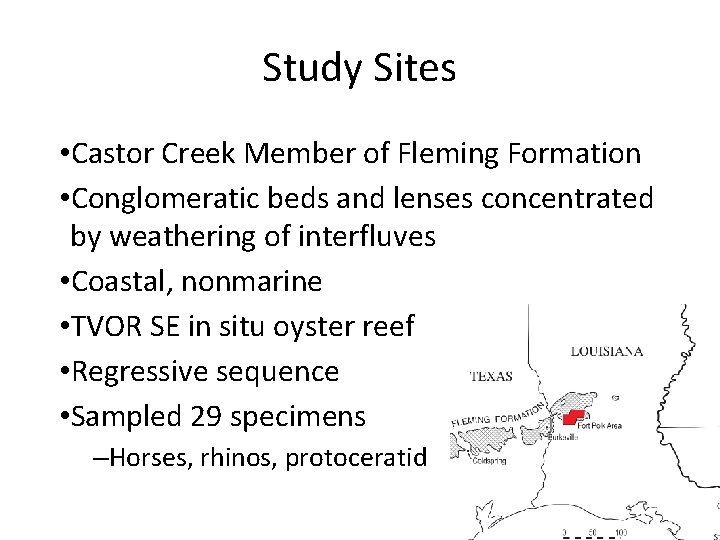
Study Sites • Castor Creek Member of Fleming Formation • Conglomeratic beds and lenses concentrated by weathering of interfluves • Coastal, nonmarine • TVOR SE in situ oyster reef • Regressive sequence • Sampled 29 specimens –Horses, rhinos, protoceratid
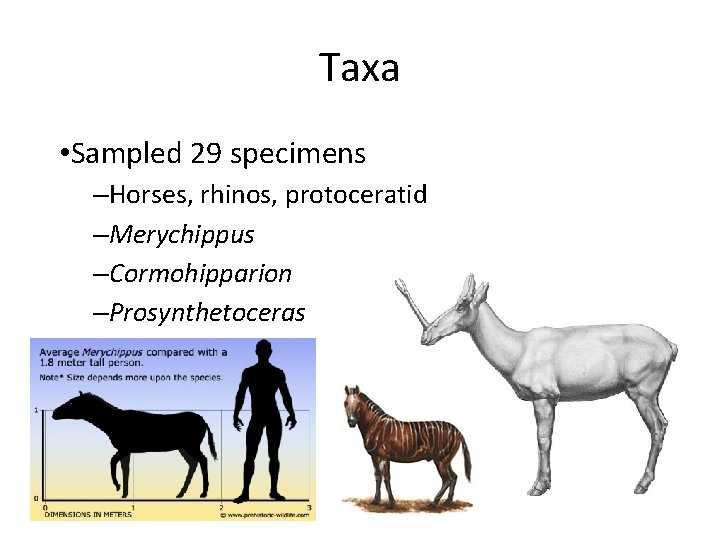
Taxa • Sampled 29 specimens –Horses, rhinos, protoceratid –Merychippus –Cormohipparion –Prosynthetoceras
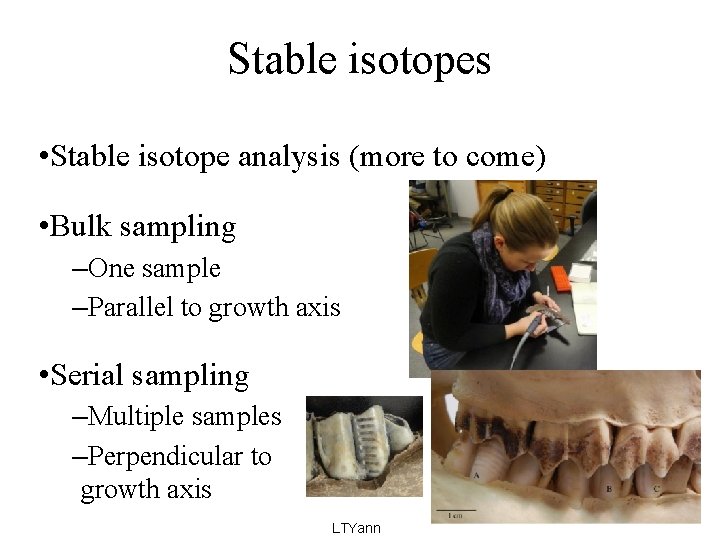
Stable isotopes • Stable isotope analysis (more to come) • Bulk sampling –One sample –Parallel to growth axis • Serial sampling –Multiple samples –Perpendicular to growth axis LTYann
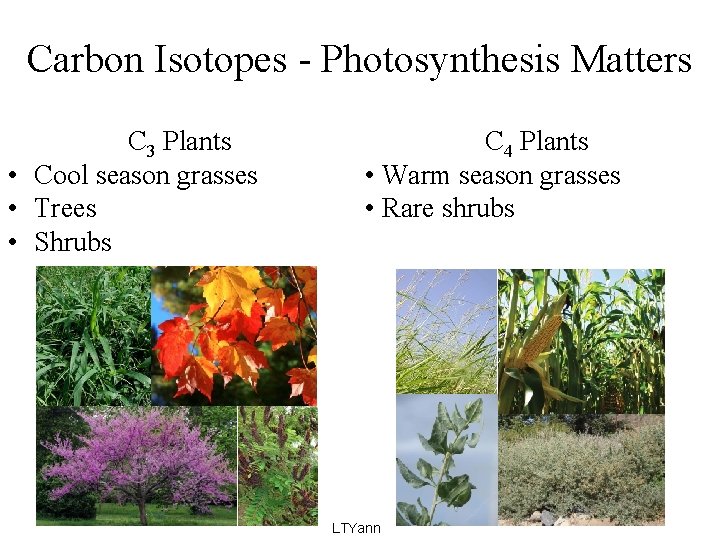
Carbon Isotopes - Photosynthesis Matters C 3 Plants • Cool season grasses • Trees • Shrubs C 4 Plants • Warm season grasses • Rare shrubs LTYann
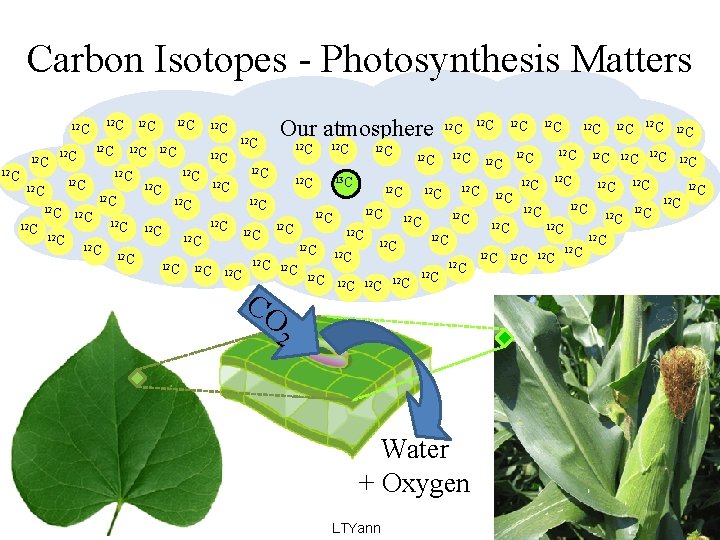
Carbon Isotopes - Photosynthesis Matters 12 C 12 C 12 C 12 C 12 C 12 C 12 C 12 C Our atmosphere 12 C 12 C CO 12 C 12 C 12 C 2 Water + Oxygen LTYann 12 C 12 C 12 C 12 C 12 C 12 C 13 C 12 C 12 C 12 C 12 C 12 C 12 C 12 C
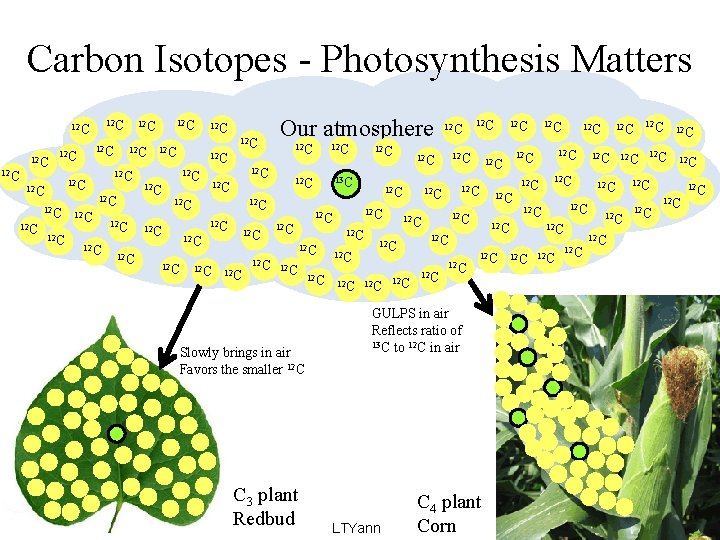
Carbon Isotopes - Photosynthesis Matters 12 C 12 C 12 C 12 C 12 C 12 C 12 C 12 C 12 C Slowly brings in air Favors the smaller 12 C C 3 plant Redbud 12 C 12 C 12 C GULPS in air Reflects ratio of 13 C to 12 C in air LTYann 12 C C 4 plant Corn 12 C 12 C 12 C 12 C 12 C 12 C 13 C 12 C 12 C Our atmosphere 12 C 12 C 12 C 12 C 12 C 12 C
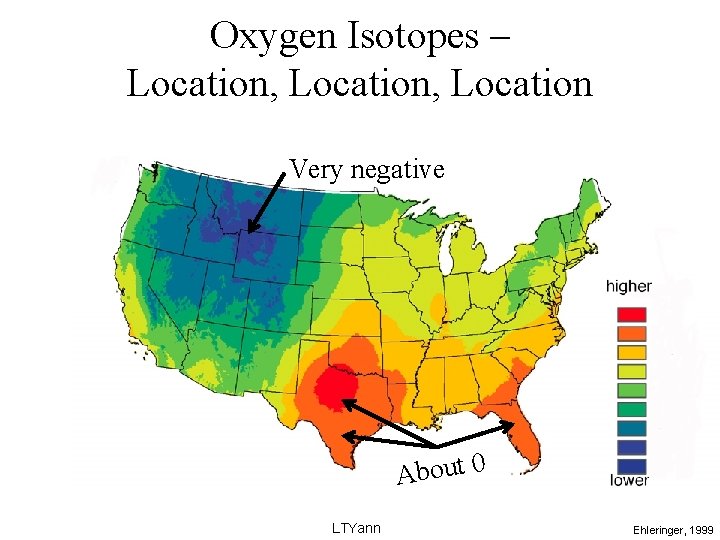
Oxygen Isotopes – Location, Location Very negative About 0 LTYann Ehleringer, 1999
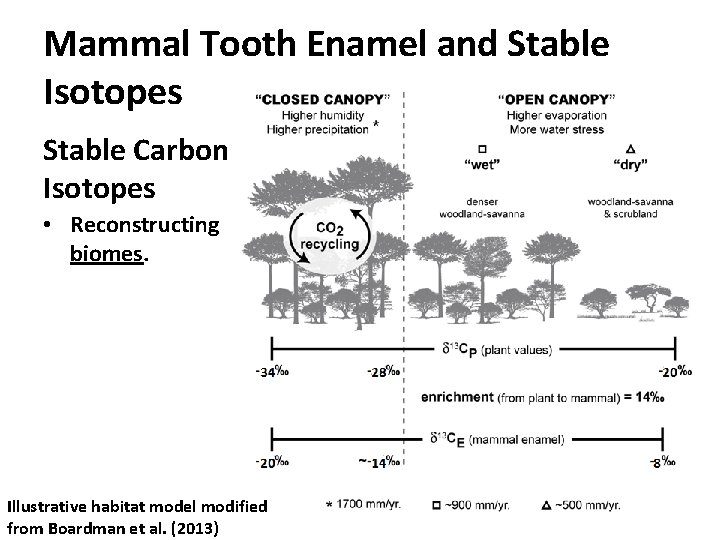
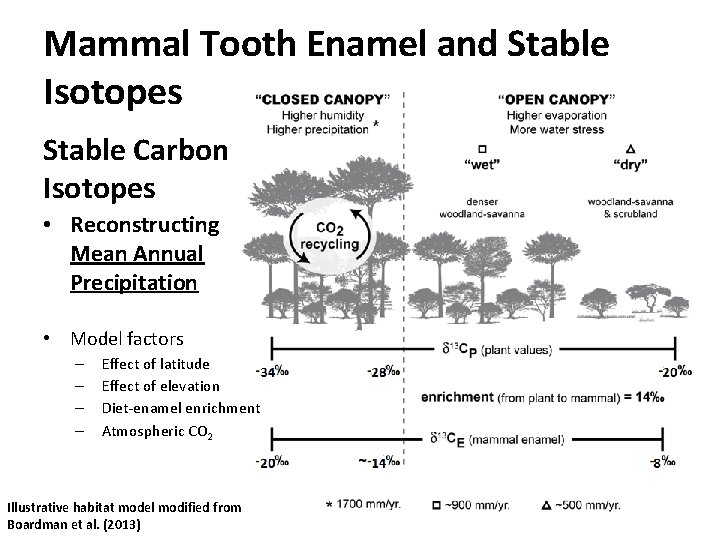
Mammal Tooth Enamel and Stable Isotopes Stable Carbon Isotopes • Reconstructing biomes. Illustrative habitat model modified from Boardman et al. (2013)
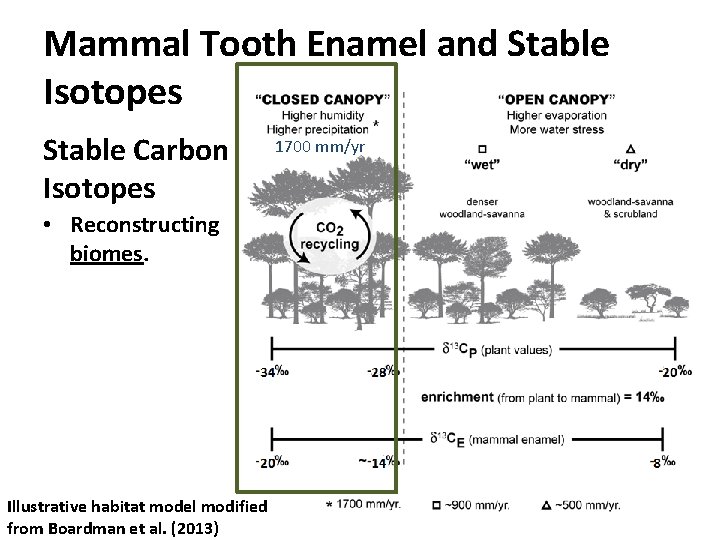
Mammal Tooth Enamel and Stable Isotopes Stable Carbon Isotopes • Reconstructing biomes. Illustrative habitat model modified from Boardman et al. (2013) 1700 mm/yr
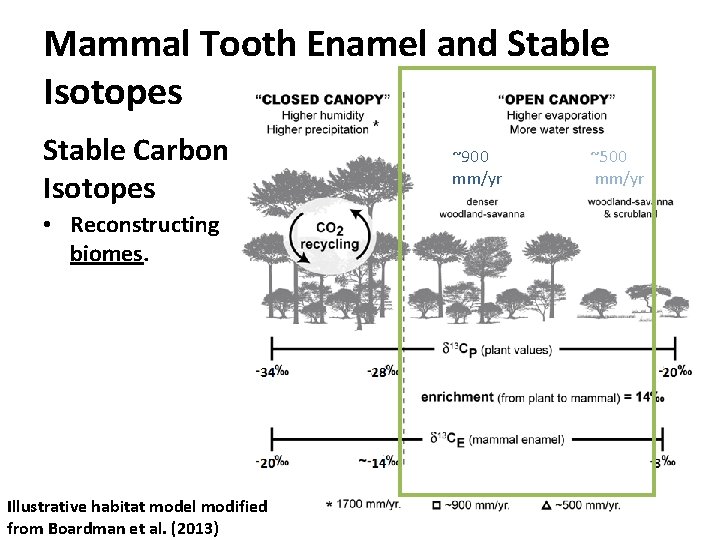
Mammal Tooth Enamel and Stable Isotopes Stable Carbon Isotopes • Reconstructing biomes. Illustrative habitat model modified from Boardman et al. (2013) ~900 mm/yr ~500 mm/yr
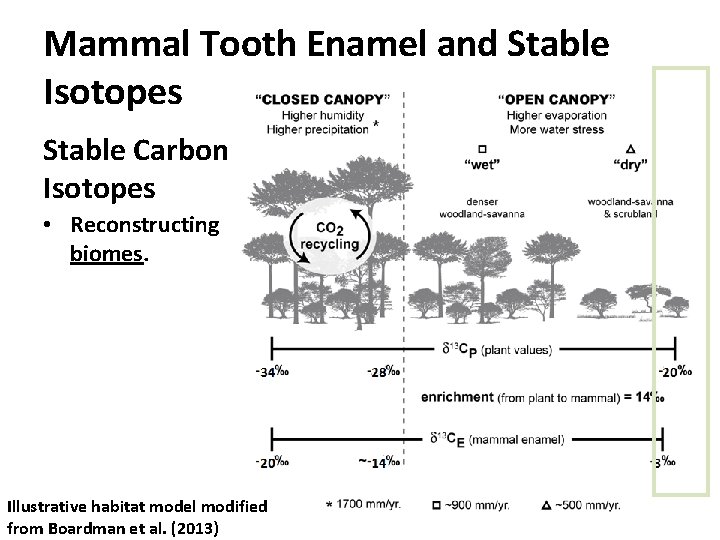
Mammal Tooth Enamel and Stable Isotopes Stable Carbon Isotopes • Reconstructing biomes. Illustrative habitat model modified from Boardman et al. (2013)
Mammal Tooth Enamel and Stable Isotopes Stable Carbon Isotopes • Reconstructing Mean Annual Precipitation • Model factors – – Effect of latitude Effect of elevation Diet-enamel enrichment Atmospheric CO 2 Illustrative habitat model modified from Boardman et al. (2013)
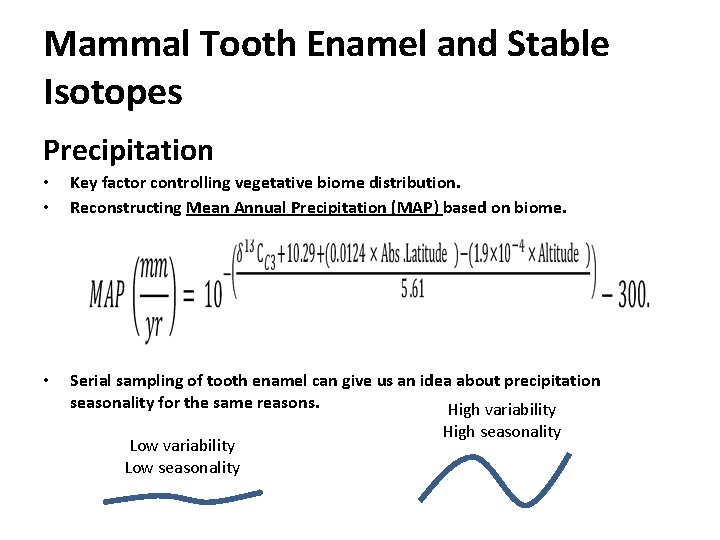
Mammal Tooth Enamel and Stable Isotopes Precipitation • • Key factor controlling vegetative biome distribution. Reconstructing Mean Annual Precipitation (MAP) based on biome. • Serial sampling of tooth enamel can give us an idea about precipitation seasonality for the same reasons. High variability Low seasonality High seasonality
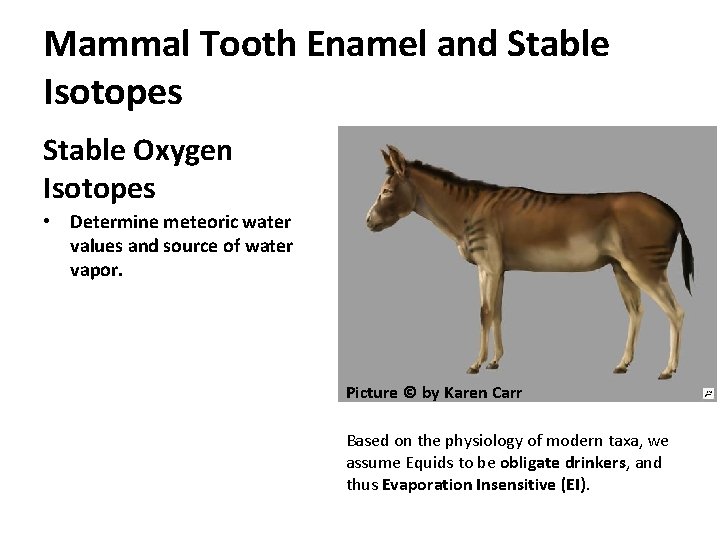
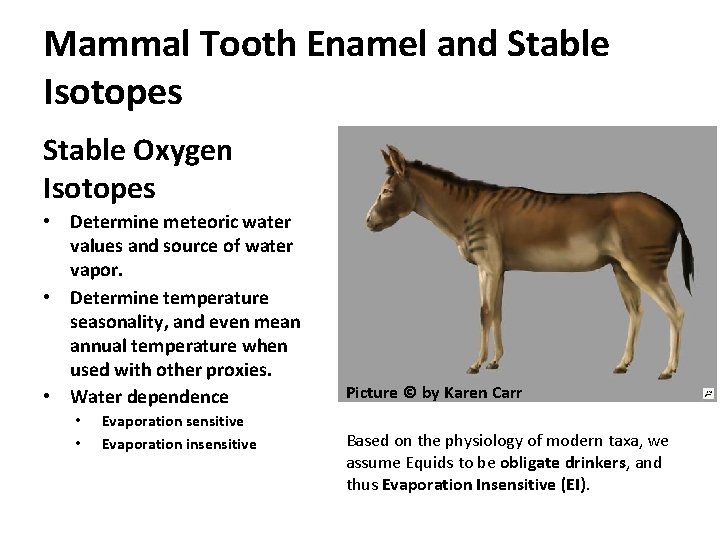
Mammal Tooth Enamel and Stable Isotopes Stable Oxygen Isotopes • Determine meteoric water values and source of water vapor. Picture © by Karen Carr Based on the physiology of modern taxa, we assume Equids to be obligate drinkers, and thus Evaporation Insensitive (EI).
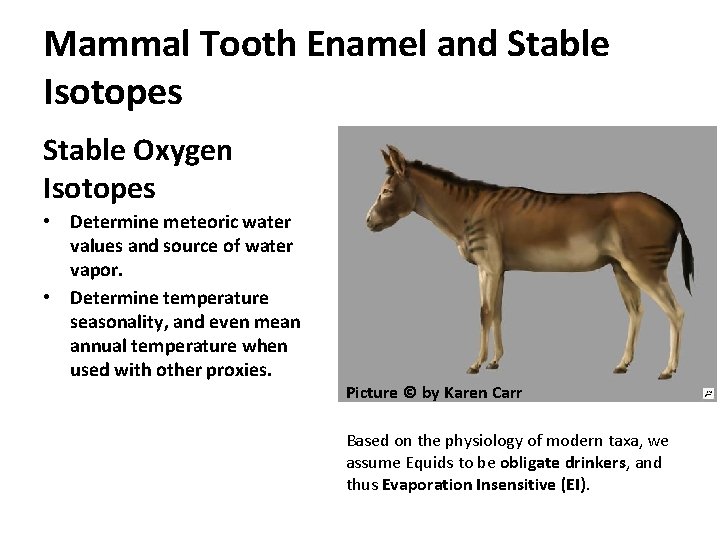
Mammal Tooth Enamel and Stable Isotopes Stable Oxygen Isotopes • Determine meteoric water values and source of water vapor. • Determine temperature seasonality, and even mean annual temperature when used with other proxies. Picture © by Karen Carr Based on the physiology of modern taxa, we assume Equids to be obligate drinkers, and thus Evaporation Insensitive (EI).
Mammal Tooth Enamel and Stable Isotopes Stable Oxygen Isotopes • Determine meteoric water values and source of water vapor. • Determine temperature seasonality, and even mean annual temperature when used with other proxies. • Water dependence • • Evaporation sensitive Evaporation insensitive Picture © by Karen Carr Based on the physiology of modern taxa, we assume Equids to be obligate drinkers, and thus Evaporation Insensitive (EI).
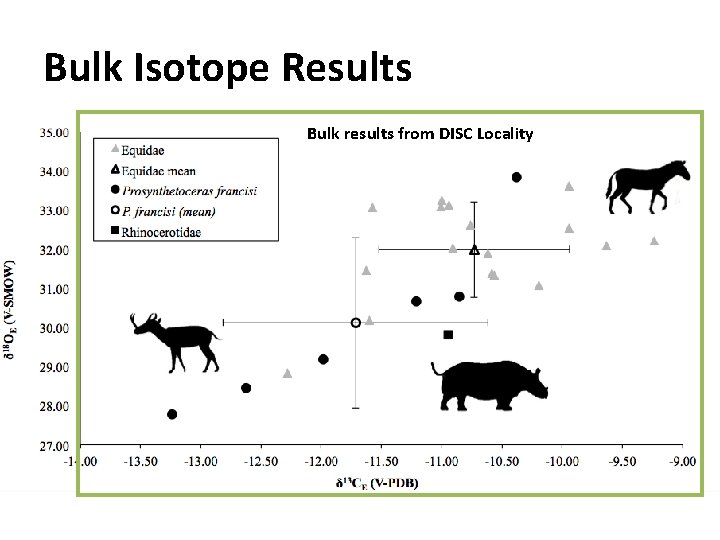
Bulk Isotope Results Bulk results from DISC Locality
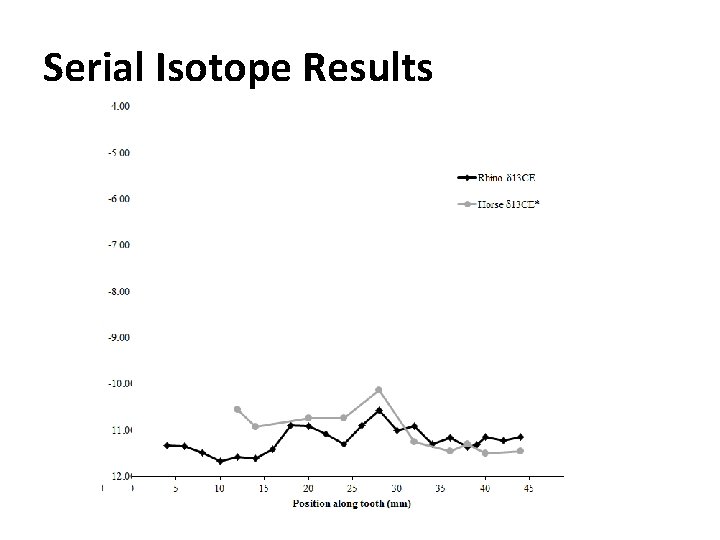
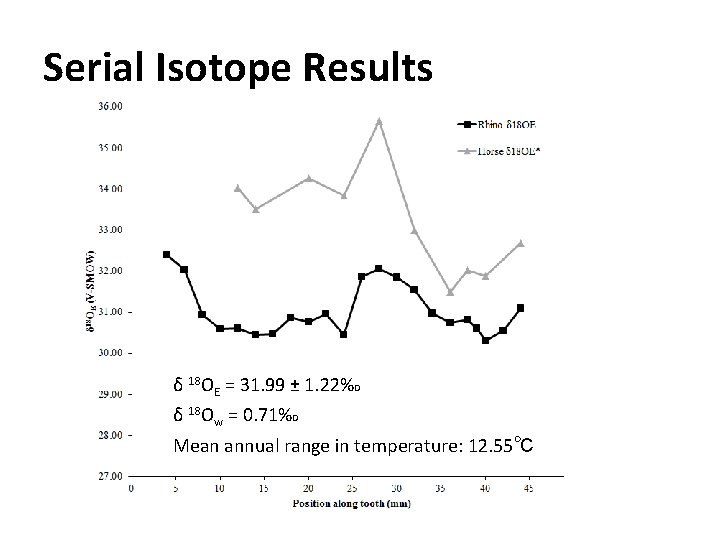
Serial Isotope Results
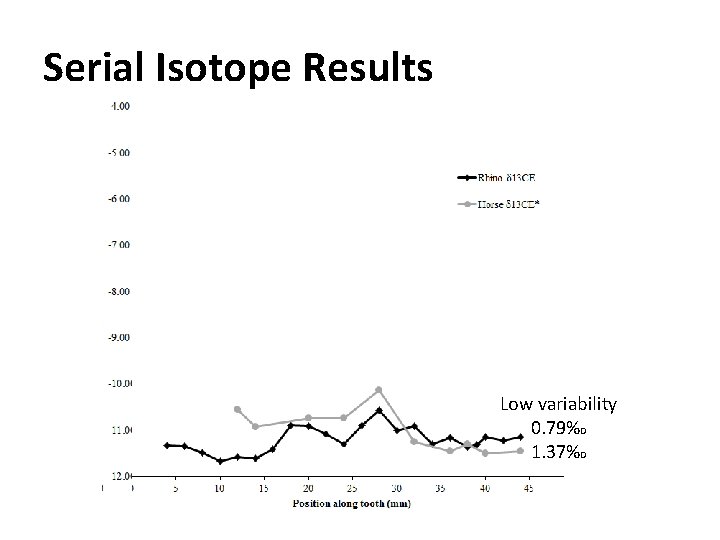
Serial Isotope Results Low variability 0. 79‰ 1. 37‰
Serial Isotope Results δ 18 OE = 31. 99 ± 1. 22‰ δ 18 Ow = 0. 71‰ Mean annual range in temperature: 12. 55℃
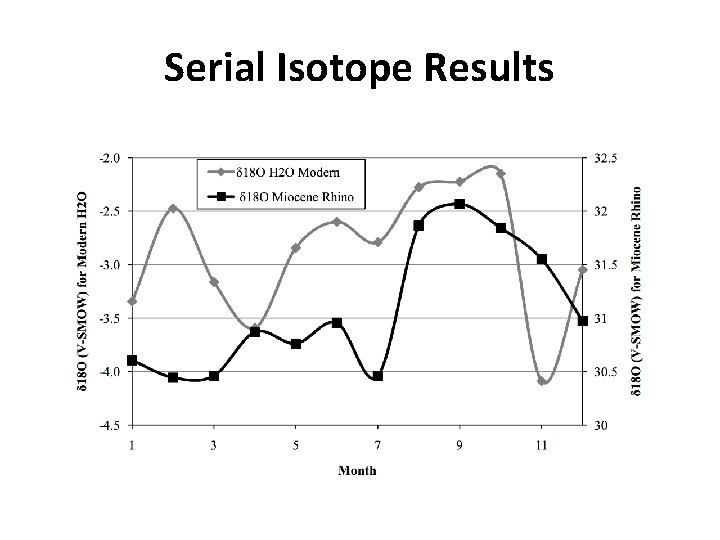
Serial Isotope Results
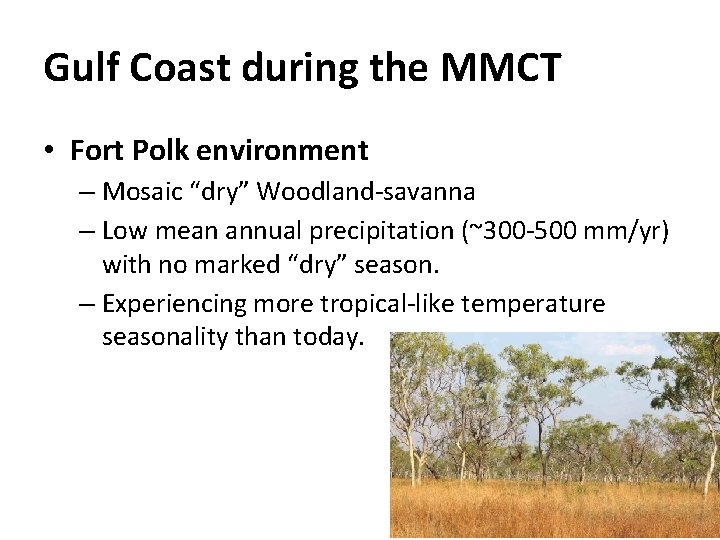
Gulf Coast during the MMCT • Fort Polk environment – Mosaic “dry” Woodland-savanna – Low mean annual precipitation (~300 -500 mm/yr) with no marked “dry” season. – Experiencing more tropical-like temperature seasonality than today.
Acknowledgments • We thank: – Drs. B. J. Mac. Fadden, J. Curtis, and G. Kamenoc (University of Florida) for assistance with sample analysis, – Dr. A. Engel (formerly of Louisiana State University) for use of lab space and equipment during sampling and pretreatment – Drs. H. -M. Bao, B. Dutrow, and S. -Y. Ting (Louisiana State University) for helpful comments on this project. – We also thank J. Grafton (formerly at Fort Polk) and other environmental staff that have worked at Fort Polk over the years for their assistance in collecting fossils. – Funding was provided to T. Atwood by the Gulf Coastal Association of Geological Societies, LSU Museum of Natural Science, and the LSU Department of Geology and Geophysics. – Dr. Yann (Oklahoma State University Center for Health Sciences) for giving this presentation.