
THE MIDDLE AGES DARK AGES How did we
- Slides: 14
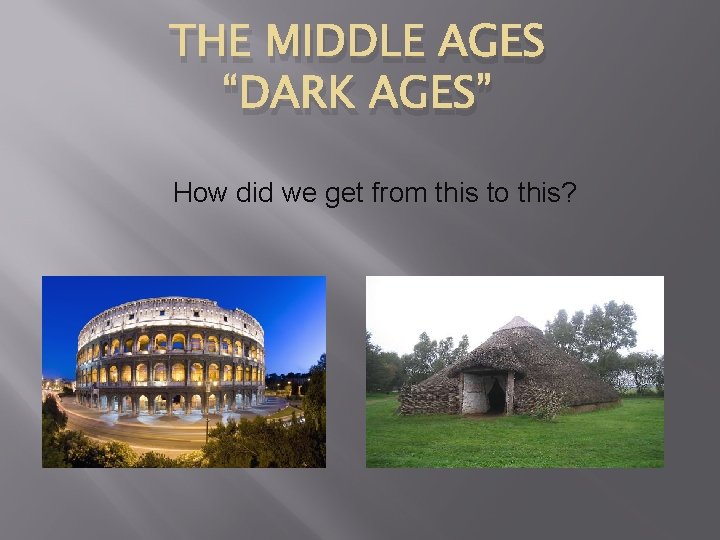
THE MIDDLE AGES “DARK AGES” How did we get from this to this?
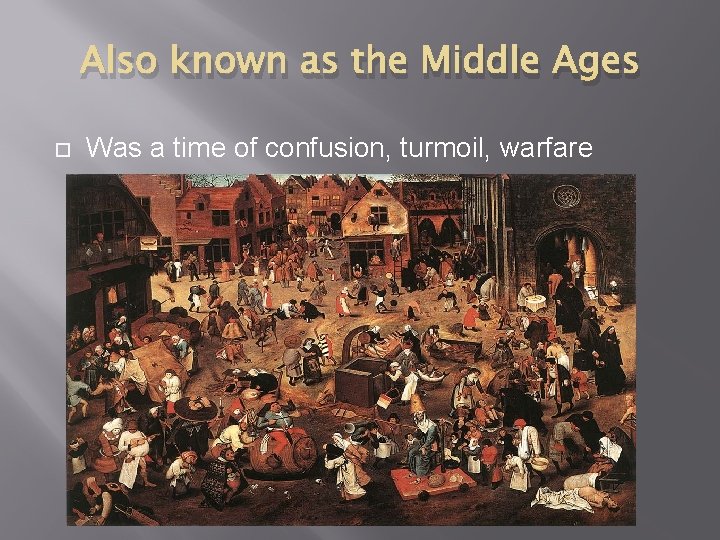
Also known as the Middle Ages Was a time of confusion, turmoil, warfare
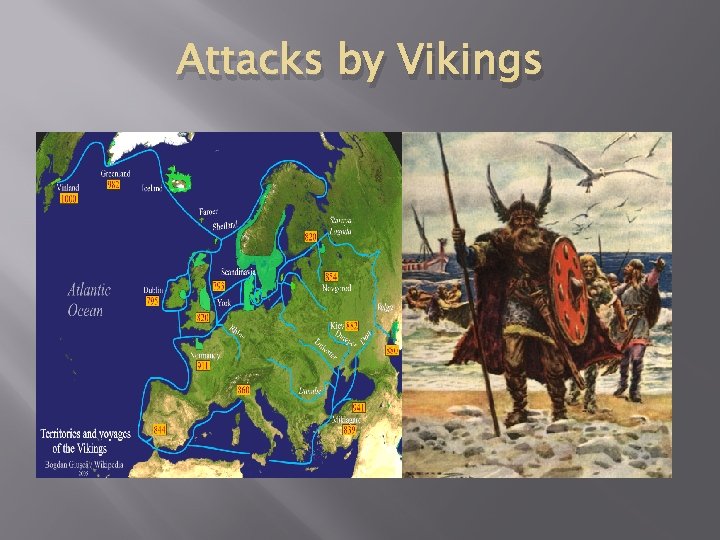
Attacks by Vikings
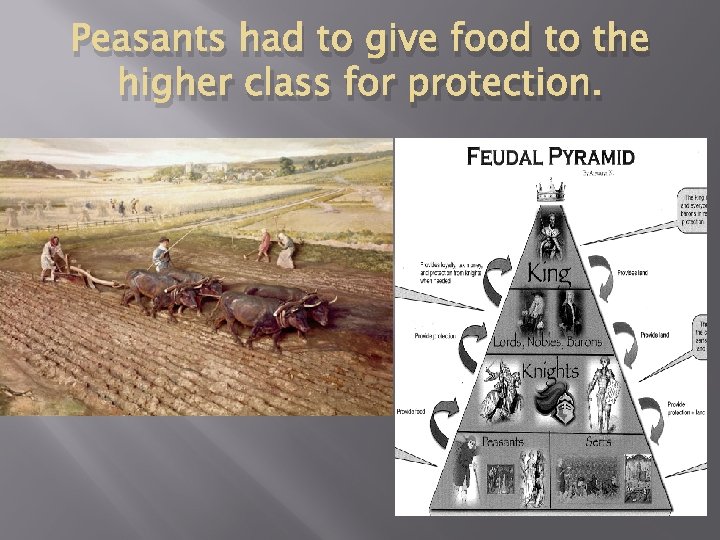
Peasants had to give food to the higher class for protection.
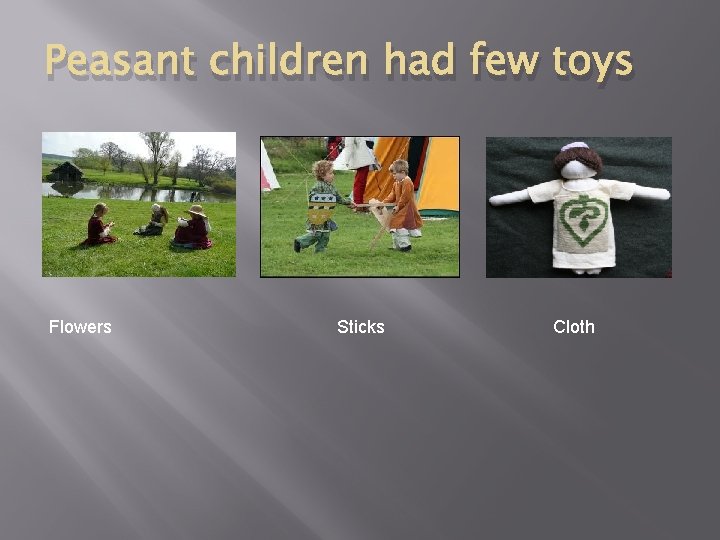
Peasant children had few toys Flowers Sticks Cloth
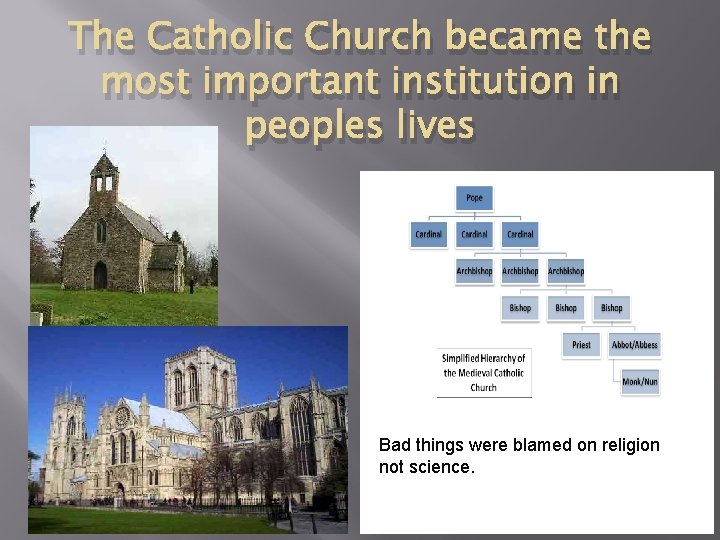
The Catholic Church became the most important institution in peoples lives Bad things were blamed on religion not science.
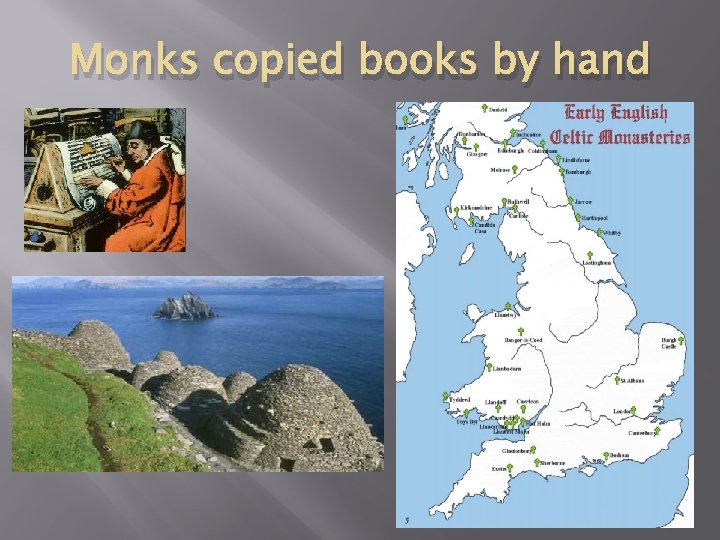
Monks copied books by hand
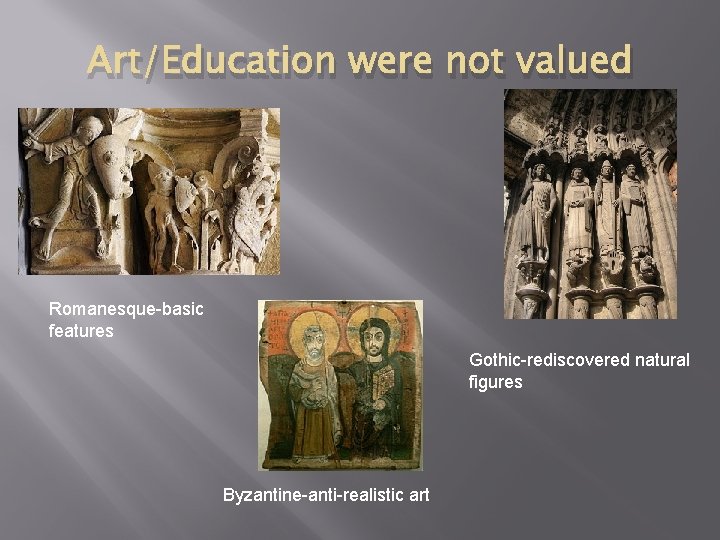
Art/Education were not valued Romanesque-basic features Gothic-rediscovered natural figures Byzantine-anti-realistic art
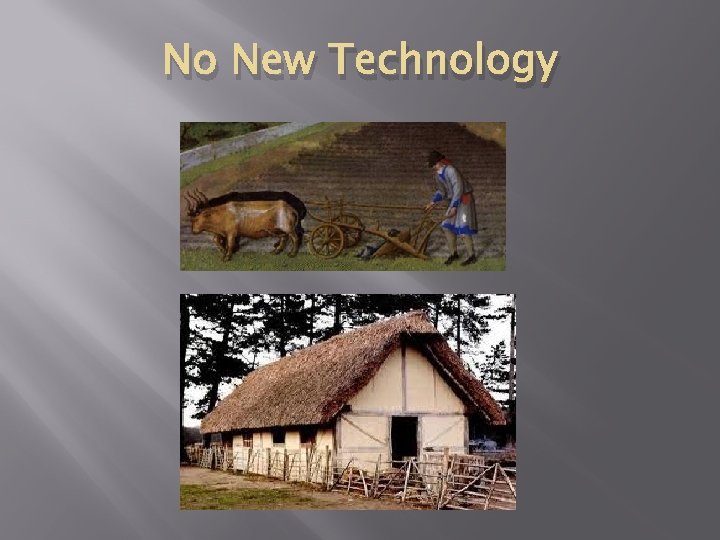
No New Technology
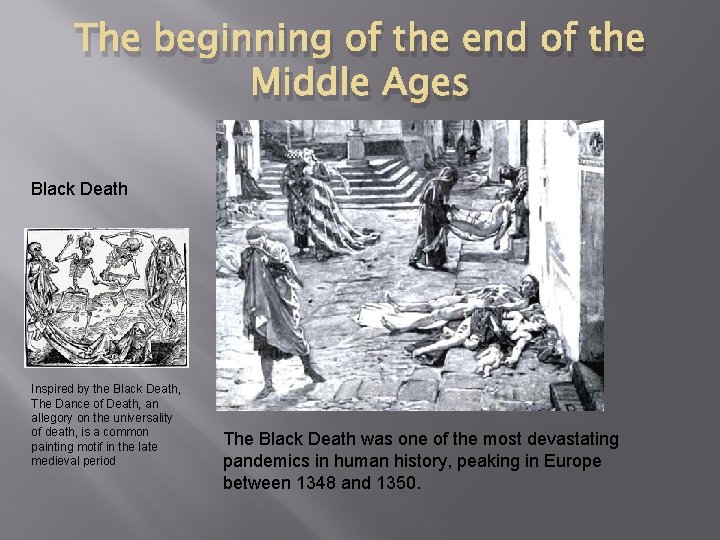
The beginning of the end of the Middle Ages Black Death Inspired by the Black Death, The Dance of Death, an allegory on the universality of death, is a common painting motif in the late medieval period The Black Death was one of the most devastating pandemics in human history, peaking in Europe between 1348 and 1350.
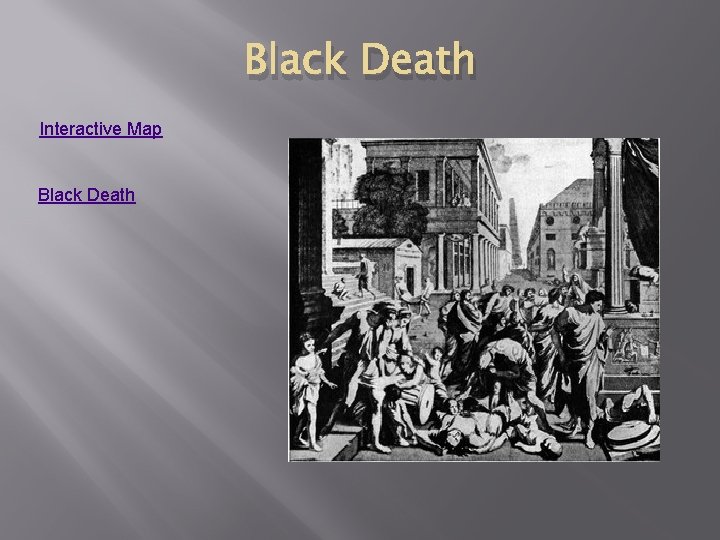
Black Death Interactive Map Black Death
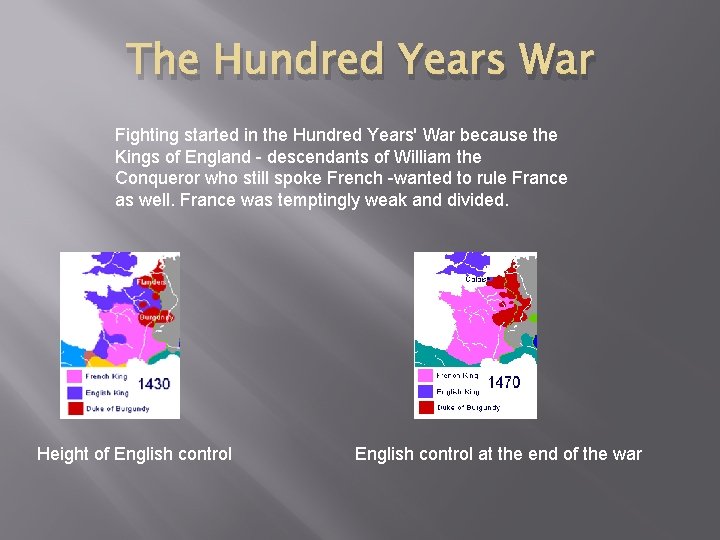
The Hundred Years War Fighting started in the Hundred Years' War because the Kings of England - descendants of William the Conqueror who still spoke French -wanted to rule France as well. France was temptingly weak and divided. Height of English control at the end of the war
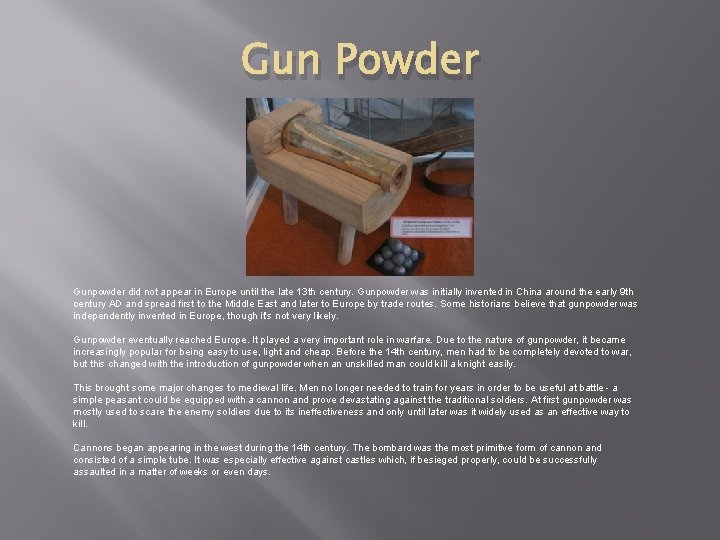
Gun Powder Gunpowder did not appear in Europe until the late 13 th century. Gunpowder was initially invented in China around the early 9 th century AD and spread first to the Middle East and later to Europe by trade routes. Some historians believe that gunpowder was independently invented in Europe, though it's not very likely. Gunpowder eventually reached Europe. It played a very important role in warfare. Due to the nature of gunpowder, it became increasingly popular for being easy to use, light and cheap. Before the 14 th century, men had to be completely devoted to war, but this changed with the introduction of gunpowder when an unskilled man could kill a knight easily. This brought some major changes to medieval life. Men no longer needed to train for years in order to be useful at battle - a simple peasant could be equipped with a cannon and prove devastating against the traditional soldiers. At first gunpowder was mostly used to scare the enemy soldiers due to its ineffectiveness and only until later was it widely used as an effective way to kill. Cannons began appearing in the west during the 14 th century. The bombard was the most primitive form of cannon and consisted of a simple tube. It was especially effective against castles which, if besieged properly, could be successfully assaulted in a matter of weeks or even days.
Middle Ages • Black Death, War, Gun Powder, and New Philosophies all helped bring an end to the Middle Ages • Lasted 1000 Years • Replaced by the Renaissance