
THE MAJOR LEGAL LANGUAGES A COMPARATIVE OVERVIEW Major


























- Slides: 143
THE MAJOR LEGAL LANGUAGES A COMPARATIVE OVERVIEW
Major legal languages Legal Latin Legal French Legal English Legal German
Legal Latin
Preview The development of Roman law Major codifications Latin in European culture Latin as the language of European ius comune Latin in modern legal languages Communication value of legal Latin
Ancient Rome
Roman kingdom (753 BC 509 BC)
Roman kingdom The city's founding - traditionally dated to 753 BC with settlements around the Palatine Hill along the river Tiber in central Italy, and ended with the overthrow of the kings and the establishment of the Republic in about 509 BC. The kings, excluding Romulus, who according to legend held office by virtue of being the city's founder, were all elected by the people of Rome to serve for life, with none of the kings relying on military force to gain or keep the throne.
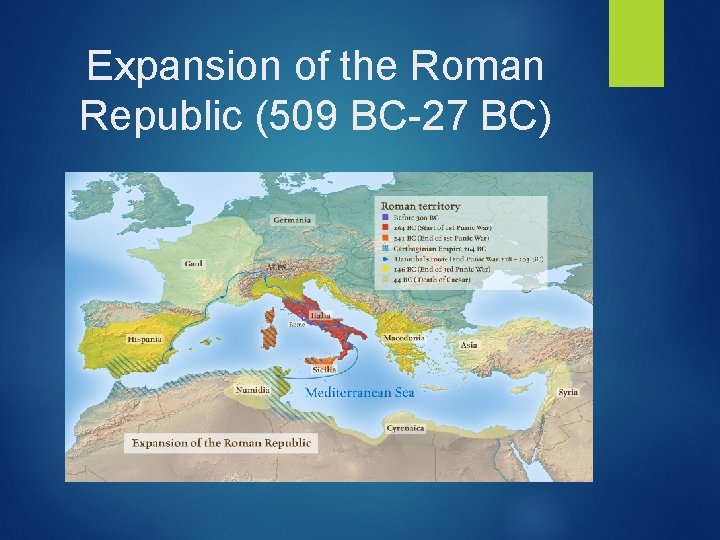
Expansion of the Roman Republic (509 BC-27 BC)
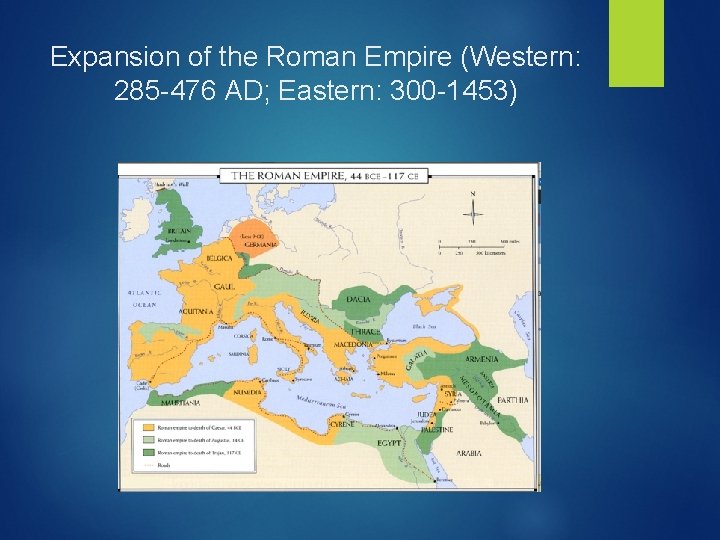
Expansion of the Roman Empire (Western: 285 -476 AD; Eastern: 300 -1453)
Beginnings of Roman law The jurist Sextus Pomponius said, "At the beginning of our city, the people began their first activities without any fixed law, and without any fixed rights: all things were ruled despotically, by kings". It is believed that Roman Law is rooted in the Etruscan religion, emphasizing ritual.
Early Roman law Early law: linked to religion; undeveloped, with attributes of strict formalism, symbolism, and conservatism, e. g. the ritual practice of mancipatio (a form of sale).
Mancipatio a solemn verbal contract by which the ownership of certain types of goods, called res mancipi, was transferred. effected in the presence of at least 5 witnesses, who must be Roman citizens, and another person who holds a pair of brazen scales. The purchaser, taking hold of the thing, says: e. g. I affirm that this slave is mine according to quiritary right, and he is purchased by me with this piece of bronze and scales). He then strikes the scales with the piece of bronze, and gives it to the seller as a symbol of the price
Lex Duodecim Tabularum (450 BC)
Lex Duodecim Tabularum (Law of the Twelve Tables) The plebeian tribune, C. Terentilius Arsa, proposed that the law should be written, in order to prevent magistrates from applying the law arbitrarily In 451 BC a board of ten men (Decemvirate) was appointed to draw up a code Formally promulgated in 449 BC Drawn up on 12 tablets posted in the Forum Romanum
Classical Roman law The first 250 years AD are the period during which Roman law and Roman legal science reached its greatest degree of sophistication. The law of this period is often referred to as the classical period of Roman law. The literary and practical achievements of the jurists of this period gave Roman law its unique shape
Languages of the Roman Empire Latin – lingua franca between diverse populations of the Empire Byzantine Empire – Greek The boundary between the zones of dominance of these languages ran from north to south along the centre of the Empire: it crossed the Balkans and ran along the eastern side of the territories of today’s Tunisia
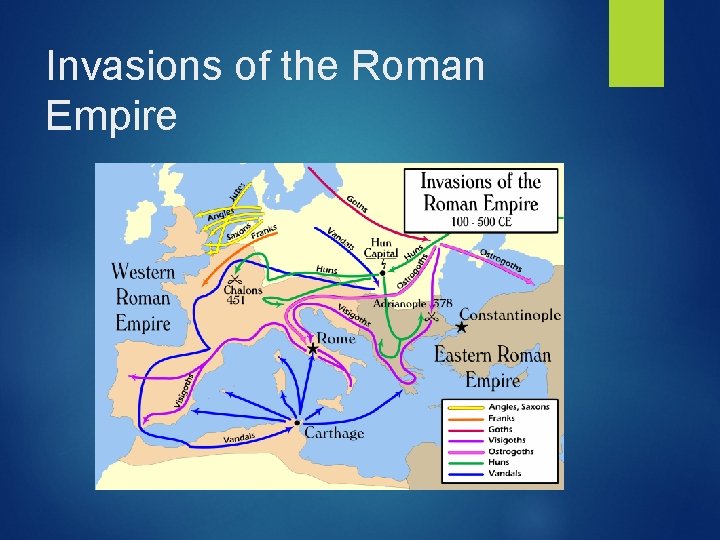
Invasions of the Roman Empire
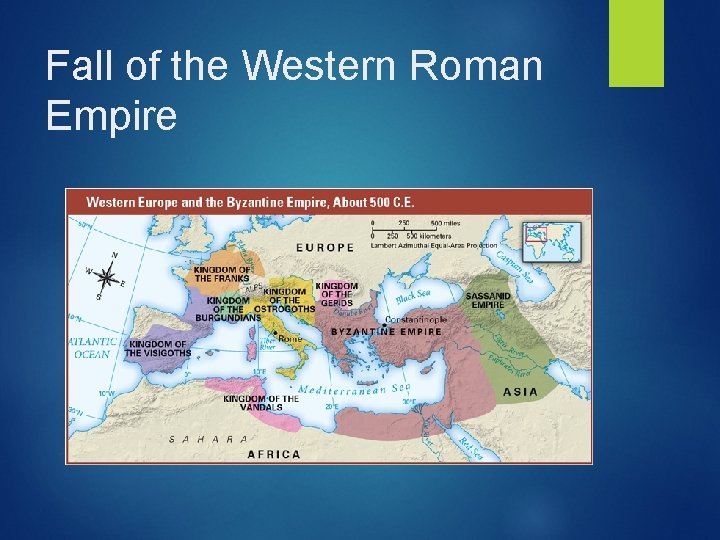
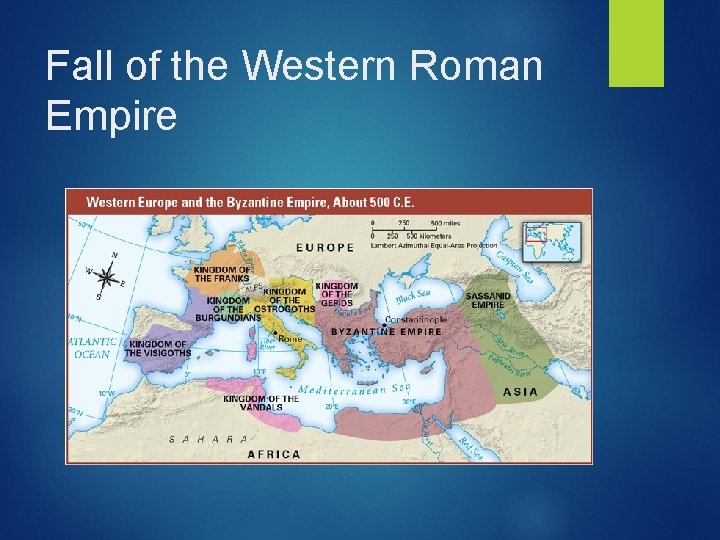
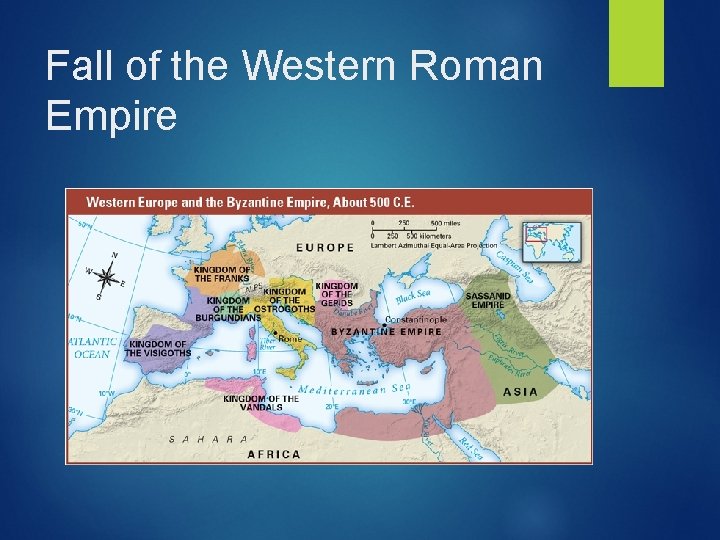
Fall of the Western Roman Empire
Germanic laws (5 th-9 th c. ) Leges barbarorum Customary law: local, fragmented; oral, based on careful memorization When justice is oral, the judicial act is personal and subjective Power, whose origins were at once magical, divine and military, was exercised jointly by the king and his warriors
CANON LAW Law of the church courts, Based on Roman law
History In Western Europe, Roman law as a coherent legal system disappeared with the fall of the Western Roman Empire in 476 Maintained at a very high level in the Byzantine Empire
Corpus Iuris Civilis (Codex Justinianus, 529 -35 AD) Most comprehensive code of Roman law, compiled under Justinian I, by a commission of jurists
Latin in European culture Thanks to the Catholic church, Latin retained its position in medieval Europe as the dominant written language Latin – the language of law, religion, science, literature
Re-Emergence of Roman Law in the West C. 1050 Roman law, namely the Justinian’s Code, was re-discovered in Europe Scholars known as glossators, and later as commentators, interpreted Justinian’s Code and generated an influential body of law and legal literature that came to be known as the jus commune or common law of Europe
THE UNIVERSITY OF BOLOGNA The oldest university in the world (1088)
THE UNIVERSITY OF BOLOGNA Students who studied Roman law in Bologna found that many rules of Roman law were better suited to regulate complex economic transactions than customary rules; Roman law was re-introduced into legal practice
Ius comune The rediscovered Roman law dominated legal practice in most European countries. A legal system, in which Roman law was mixed with elements of canon law and of Germanic custom
Ius comune – common to countries of continental Europe Lawyers from continental Europe (and some other countries) speak the same conceptual language Latin – the language of European lawyes
NATIONAL CODIFICATIONS The practical application of ius comune came to an end when national codifications were made In 1804, the French civil code came into force In the 19 th century, many European states adopted the French model or drafted their own codes
Rise of national languages Strenghtening of nation states - the rise of the national languages as symbols of national identity and a tool of power politics
Latin in European Culture Use of Latin as a language of science began to diminish even in 17 th, above all in the 18 th c. France sought to replace Latin with her own national language End of 18 th c. national languages had ousted Latin Smaller nations, whose languages were not instruments of power in the international arena, kept to the use of Latin
Latin in modern legal languages: “Latin is dead – Long Live Latin!” Although Latin is no longer the language of legal science or of legal practice – leaving aside canon law – it has left important traces in modern legal languages The style of modern legal languages still reflects the rhythm of legal Latin A large proportion of the vocabulary of modern legal languages comes from legal Latin
Latin in modern legal languages Modern texts – direct Latin quotations: terms, expressions, maxims By using Latin expressions and maxims, a lawyer sets out to show his professional competence
The Display Function of Latin A high status value in the Western world Latin maxims: on the walls of courthouses Seals of judicial authorities – often adorned with such expressions; also: emblems of public organs and law societies or bar associations
The common heritage of legal Latin Common heritage - facilitates communication between lawyers from various countries
The Communication Value of Legal Latin However: “each language possesses its own Latin and its own way of using it” The same expressions and maxims – not used in all countries, and their meaning is not necessarily the same Today’s lawyers – lack an adequate knowledge of Latin
Legal German HISTORY AND DEVELOPMENT
Preview The Holy Roman Empire and its languages Customary law Reception of Roman law and its linguistic consequences The role of universities The impact of Reformation on language standardization (High German) French influence Eindeutschung (purism) Bürgerliches Gesetzbuch (BGB) (1900)
Fall of the Western Roman Empire
Germanic law Customary law – oral The first written collections of Germanic law are the socalled Leges Barbarorum (5 th century - 9 th century - written in Latin and show Roman influence by their use of the technical terms of Roman law Leges Barbarorum- not legislation in the modern sense but rather the records of customs that were first collected and then declared as law.
Leges barbarorum Dealt with specific situations rather than general rules and focused particularly on court procedure, monetary compensation for acts of violence, and succession on death. The initiative for declaring law usually came from the king, but the resulting laws normally required approval by the popular assemblies.
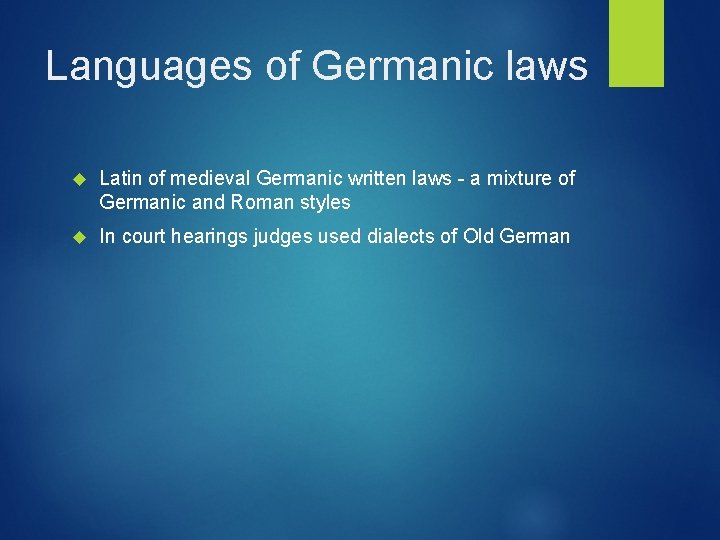
Languages of Germanic laws Latin of medieval Germanic written laws - a mixture of Germanic and Roman styles In court hearings judges used dialects of Old German
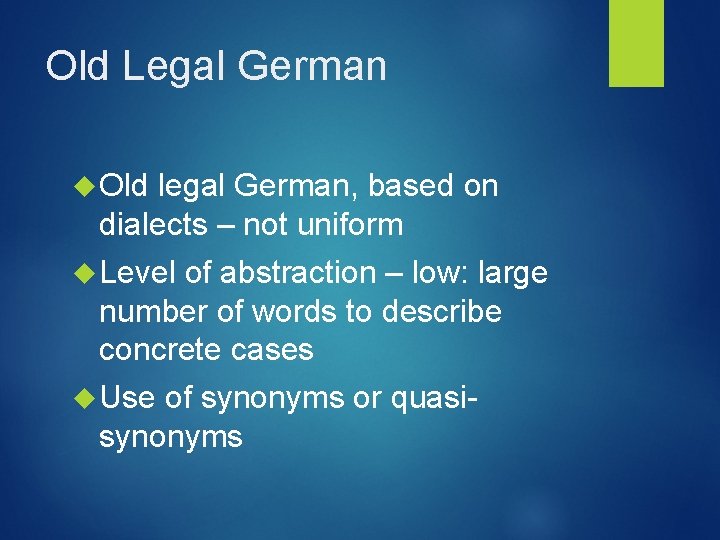
Old Legal German Old legal German, based on dialects – not uniform Level of abstraction – low: large number of words to describe concrete cases Use of synonyms or quasi- synonyms
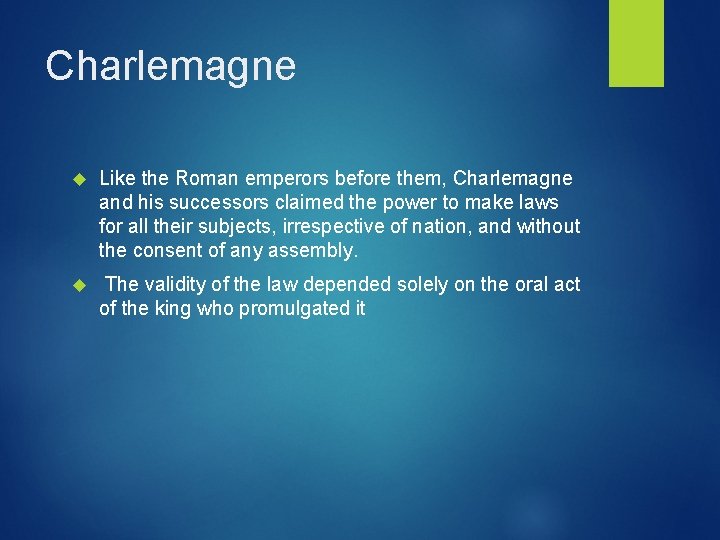
Charlemagne Like the Roman emperors before them, Charlemagne and his successors claimed the power to make laws for all their subjects, irrespective of nation, and without the consent of any assembly. The validity of the law depended solely on the oral act of the king who promulgated it
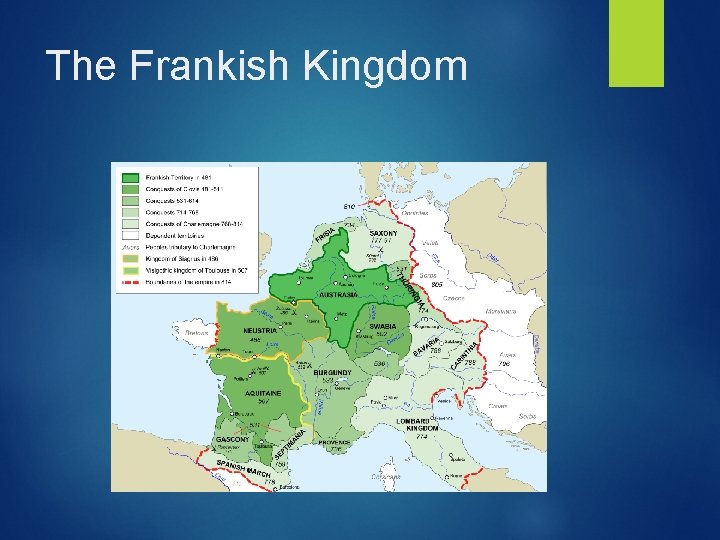
The Frankish Kingdom
Towards ius comune With the disintegration of the Frankish kingdom in the late 9 th century, government became highly decentralized the Roman Catholic Church became the main unifying force in western Europe and began to claim jurisdiction over many matters that earlier had been considered secular rather than ecclesiastical. The canon law was largely influenced by Roman law and contained very few Germanic elements.
Towards ius comune Merchants also found that the old Germanic customary law was inadequate to cope with the problems created by the rapid growth of commerce that had occurred by the 12 th century. A special commercial law, based mainly on Roman law was developed to settle disputes between merchants, without regard to their nationality or place of residence.
Towards ius comune The range of cases that were subject to the jurisdiction of the local courts - reduced. Some of the earlier Germanic codifications of customary law were forgotten, partly because the local judges were unable to understand Latin and partly because their rules were unsuited to the new social and economic conditions. The local courts applied an unwritten customary law based on the dominant tribal law of the area, and this formed the basis of such codifications as the “Mirror of the Saxons” in the 13 th century.
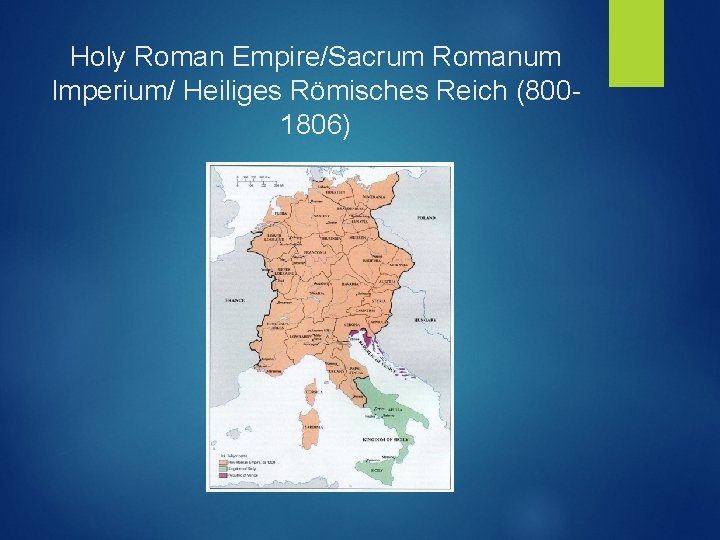
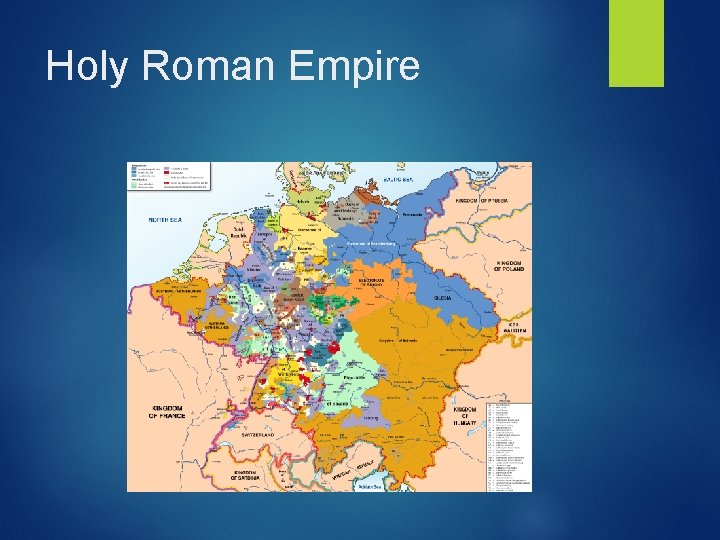
Holy Roman Empire/Sacrum Romanum Imperium/ Heiliges Römisches Reich (8001806)
Holy Roman Empire
Holy Roman Empire Germany, Austria, Switzerland, Liechtenstein, Belgium, Luxembourg, the Netherlands and the Czech Republic, as well as most of Italy and parts of Denmark, France and Poland. Few of these countries were more than geographical expressions for most of the Empire’s existence and none occupied its present borders
Seats of the Holy Roman Empire From 794 – Aachen 1328– 1347 and 1742– 1745 – Munich 1355– 1437 and 1576– 1611 – Prague 1437– 1576 and 1611– 1806 – Vienna
Official languages for the Holy Roman Empire for the whole of its existence: German and Latin
Holy Roman Empire Over time, the Empire grew increasingly powerless in relation to the regional power centres Power of the emperor diminished, that of regional princes flourished Formally, the Empire lasted until 1806
Germanic law The Holy Roman Empire - no uniform legal system
Reception of Roman law European universities taught Roman law Not classical Roman law but ius commune created by medieval lawyers Roman law was used to stress the status of the Empire as a continuation of the original Roman Empire
Reception of Roman law As the application of Roman law spread in the German justice system, judges began asking legal scholars for opinions Case files - sent to universities German law faculties provided a kind of higher court service esp. in 16 th and 17 th centuries
Martin Luther and the standaridsation of German Translation of the Bible 1534 Wide circulation was made possible by the invention of printing in 1455
The development of standard German After the Reformation, the protestant states used new German written standard (Hochdeutsch) and Low German was no longer accepted in the Diet
Linguistic consequences of reception of Roman law Latin loanwords Legal German – more abstract and precise From the end of 15 th c. German legal terminology was systematised and partly Latinised During the reception period, Latin gave some 80% loanwords in German Since 17 rh c. also French influence
The Enlightenment and Legal Language Enlightenment: the world had to be conceptualised as a rational system, functioning with virtually mathematical accuracy In law: the major systematic codifications were an expression of this notion ideal citizen – active, aware of his rights, rather than the passive subject of former times,
The German Enlightenment and Legal Language Legal language should be concise, simple and understandable It should be short, in the image of military orders Legal texts should be clearly constructed, mysterious abbreviations and complex sentence structures abandoned, the use of Latin curtailed, words of foreign origin replaced by German words
Germanisation of Legal Language End of 18 th c. : German – the main language of German legal culture; Latin – subsidiary means of clarifying new or difficult terms Binary formulas - facilitated understanding of terminology: purely German words clarifying the meaning of foreign words: publice und öffentlich, bona fide und unter gutem Glauben
Legal language of a unified Germany In 19 th c. Germany was unified and rose to the position of a great power National language – important reflection of nationalism Cleansing the German language of foreign influences intensified with strengthened nationalism; many neologisms
Germanisation of Legal Language More radical demands: Legal German had to be entirely cleansed of foreign words: methodical Germanisation (Eindeutschung) of the German language No need for loanwords, since any subject could be dealt with by using purely German words
Legal language of a unified Germany Bürgerliches Gesetzbuch (1900) almost completely Germanised terminology of German private law
Bürgerliches Gesetzbuch, BGB, 1900 The most celebrated piece of German legislation Excellent internal logic of the codes (on the model of natural sciences) but its content is not easily understood from the reader’s standpoint A monument of refined legal scholarship; written for judges versed in law, not for laymen
Bürgerliches Gesetzbuch, BGB, 1900 Power of BGB lies in the formalisation of its rules, balance of structures and general principles of civil law The code has remained in force despite great social and economic changes of 20 th c. In force in DDR before promulgation of the East German Civil Code in 1975 Reception in far-off countries such as Brazil and Japan
International coherence German used in several countries: Federal Republic of Germany Austria Switzerland Eastern Belgium North of Italy (South Tyrol)
Austrian legal German: history Austria had its own legal and administrative system, whose terminology was created in 19 th c. without the influence of the Eindeutschung movement Terms that were unknown in Germany and the meanings of the same terms could be divergent Ruling classes in Austria - in contact with non-German linguistic groups; a cultivated use of German developed, with no basis in German dialects: Schönbrunnerdeutsch or Hofratsdeutsch
Austrian legal German: Features Legal German in Germany and Austria - identical: same traditions Conceptual identity; legal terminology – similar Differences: some 650 Austrian terms differ from corresponding terms in Germany (13%)
International importance of legal German Historically – German was an important means of communication in the regions surrounding the Baltic Sea (notably in the Hanseatic era) and in Eastern Europe Late 19 th and early 20 th c. official language in a substantial part of Europe Large number of peoples of Central and Eastern Europe - In the immediate sphere of German influence of German; also: Alsace and Lorraine belonged to the German Empire
International importance of legal German Defeat in World War II; cultural attraction of German diminished; eastern regions of the country annexed to Poland the Soviet Union International position of German – inferior to that of English and French Today: 90 million German speakers in Europe; the corresponding figures worldwide: 120 million Economic weight: German occupies 3 rd place worldwide
International importance of legal German The position of German as an international scientific language weakened after World War II German – not an international language outside Europe; official status only in 3 global organisations and in 12 European organisations
Legal French HISTORY AND DEVELOPMENT
Preview Replacing Latin by French Imposing standard French and discarding regional languages Origins of legal terms Legal style Radiation of the French legal culture in Europe Colonization: Canada, Africa
Medieval laws Leges barbarum (Lex Salica) – written in Latin Customary law: each principality maintained its own law and customs 12 th c. the rise of the erudite laws, i. e. the Roman and canon law, which soon became the “common law” of Europe.
Fall of the Western Roman Empire
Old French The pronunciation, vocabulary, and syntax of the Vulgar Latin spoken in Roman Gaul in Late Antiquity - modified by the Old Frankish Language spoken by the Franks who settled in Gaul from the 5 th century and conquered the entire Old French-speaking area by the 530 s. The name français itself is derived from the name the Franks.
Old French The Old Frankonian influence is also believed to be responsible for the differences between the langue d′oïl and the langue d’oc (Occitan), since various parts of Northern France remained bilingual between vulgar Latin and Germanic for some time, and these areas correspond precisely to where the first documents in Old French were written. This Germanic language influenced the popular Latin spoken here and gave it a very distinctive identity compared to the other future Romance languages.
Earliest documents in the vernacular At the third Council of Tours (813), priests were ordered to preach in the vernacular language (either Romance or Germanic), since the common people could no longer understand formal Latin The earliest documents in the Gallo-Romance that presages French are the Oaths of Strasbourg (treaties and charters into which King Charles the Bald entered in 842):
From the Oaths of Strasbourg Pro Deo amur et pro Christian poblo et nostro commun salvament, d’ist di en avant, in quant Deus savir et podir me dunat, si salvarai eo cist meon fradre Karlo, et in aiudha et in cadhuna cosa. . . For the love of God and for the Christian people, and our common salvation, from this day forward, as God will give me the knowledge and the power, I will defend my brother Charles with my help in everything…
The origins of standard French The royal House of Capet founded in 987, inaugurated the development of northern French culture in and around Île-de-France, which slowly asserted its ascendency over the more southerly areas. The langue d'oïl, the forerunner of modern standard French, did not begin to become the common speech of all of France, however, until after the French Revolution
History of Legal French: Beginnings In 13 th c. French widely used in northern France Mid-13 th c. French was established language for legal documents, at least in the north Expansion of French began after the Hundred Years War (1337 -1453), which had increased the power of the king of France Linguistic unification – highly useful from the standpoint of the exercise of power
History of Legal French: Beginnings Legal and administrative language of Paris began to challenge Latin earlier than any other language The government and the courts played an important role in the development of French; much of their vocabulary transmitted to ordinary language French orthography also goes back to the practices of administrative and judicial organs
Discarding Regional Languages Decree of Lyon (1510) still refers to langue de pays Decree of Viller-Cotterêt (1539) introduces French explicitly Judgements and other legal documents had to be drawn up in French, old languages of provinces excluded; protests in non-French speaking regions At the time of the Revolution, 25 million inhabitants: 6 million did not understand French, 6 million understood it at the basic level, 10 million had a passable knowledge of French
Discarding Regional Languages Revolutionary decrees obliged civil servants to use French and draw up all public documents in it French – the language of the army Compulsory military service, the press, postal services and railways increased the movement of the population and consolidated the central administration
Origins of legal terms Latin terms transmitted from Antiquity by continuous tradition (loi<lex, juge <judex, justice < iustitia, délit < delictum, société<societas) Medieval Latin: contumace < contumax ‘contempt’, ‘non-appearance in court’ Greek: démocratie, politique Neologisms which were never used in Latin or Greek: autogestion, monoparental; today, legal neologisms of Graeco-Latin origin often come from English
Legal French Style: Text construction Cartesian spirit: texts constructed in a logical way Legal rules – systematically assembled in codes
Legal Style: Textual Level Legal texts – difficult to understand: complicated sentences, impersonal expressions, passive double negation (il n’est pas exclu que ‘ it is not impossible that’); abundance of nouns; stereotyped phrases (e. g. dont acte ‘in witness/faith/verification’), archaisms, petrified expressions (ci-après ‘hereafter’, ledit, susdit ‘aforesaid’
Improving the quality of legal language Association pour le bon usage du français dans l’administration, Commission de modernisation du langage judiciaire, Centre d’enregistrement et de révision des formulaires administratifs Terms felt to be discriminatory – replaced Courts should eliminate useless repetitions Latin maxims should be reduced Clarity of legal language Today: struggle against Anglicisms
Radiation of French Legal Culture The Civil Code (1804)- a model for corresponding codes in various countries (Rhineland, Belgium, Luxembourg, Italy, Spain, Portugal, the Netherlands, Poland, Rumania) French administrative law contributed to the birth of German administrative legal science in the late 19 th c.
Globalisation of Legal French: Diplomacy The Holy Roman Empire insisted on the use of Latin, while French ambassadors presented documents in French From 1676, all ambassadors of France spoke French in their countries of accreditation
Globalisation of Legal French: Diplomacy Until the 17 th c. Latin was the main language of inter-state relations Bilateral and multilateral treaties – drawn up in Latin Following the rise of France to a dominant position, the use of French spread as a language of diplomacy and international law
Globalisation of Legal French: Diplomacy End of 18 th c: the US decided to use only English in their diplomatic relations; 20 th c. English began to threaten the position of French in international relations, and acquired dominance in this field
Legal French in Switzerland Legal French of Switzerland – partly original with respect to Legal French of France Fusion of Germanic and Romance legal cultures
Legal French in Belgium French-speaking part of Belgium has tended until recently to look for inspiration almost exclusively to the legal culture of France, rather than to the legal culture of Dutch-speaking Belgium
Canada
Colonisation: Canada 16 th c. France became a colonial power: colonies in North America French Canada (1534 -1760) British Canada (1760 -1867) “Canadian Canada” (1867 -)
Colonisation: Canada History of legal language – closely linked to legal translation Before the British conquest - Canadian French – high quality After the British conquest - poor translators corrupted the language; Translators – no specialised training Laws were prepared exclusively in English until 1867
Colonisation: Canada Between the early 1790’s and the mid-19 th c. legal French in Canada moved very far from that in France Legal English – expressed a completely different legal culture French-Canadian legal texts – full of anglicisms (acte ‘loi’ (act), délai ‘retard’ (delay); évidence ‘preuve’ (evidence), offence ‘infraction’ (offence)
Canada today: bilingualism Both English and French – official languages of Canada, but only at the level of the federal government and its institutions Legal texts of the Canadian parliament – always translated into both languages Drafts of Canadian federal laws – worked out simultaneously in English and French: co-drafting The quality of the original draft – more easily revealed by comparing the two language versions than by examining a single version
International Homogeneity of Legal French: Canada Quebec: common law of English origin intermingles with law of French origin: mixed law Public law comes from common law, private law is mainly continental A French-style notarial profession – an important element of the Quebec legal system Hierarchy of sources of law - continental
International Homogeneity of Legal French: Canada Quebec legal French: the need to express traditional common law concepts in French and vice versa In some cases – terms from French law obtained a meaning different from that in France: danger of mistakes and misunderstandings in communications with France
International Homogeneity of Legal French: Canada Terminological work enabled compilation of legal dictionaries containing, in French, the terminology of various branches of common law (e. g. law of property, trusts, torts) “The mixed character of Quebec legal French is also in evidence in the fact that Latin maxims appearing in this form of French come both from the traditional Latin of common lawyers and from the Latin used as established in France. ”
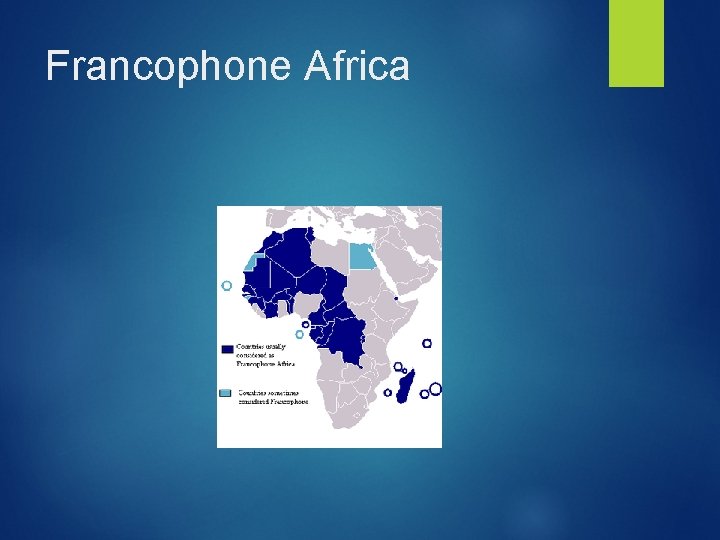
Francophone Africa
Colonisation: Africa 19 th c. French colonies in North Africa and Black Africa multilingual regions French – the sole official language in 19 th c. In today’s Maghreb, only Arabic is the official language;
Sub-Saharan Africa French – sole official language in Benin, Burkina Faso, the Democratic Republic of Congo (Kinshasa), the Republic of Congo (Brazzaville), the Ivory Coast, Gabon, Guinea, Mali, Senegal, Chad, Togo Traditional justice, based on customary law and administered by village elders – African languages In Rwanda and Burundi- government and local courts use regional languages, while the central authorities and higher courts use French
International Homogeneity of Legal French: Africa Sub-Saharan Africa – customary laws The French colonial power codified some of these Customary laws – inadequate for modern society; completed by French law France abolished customary rules if they were in contradiction with the fundamental European values, esp. in criminal law French Criminal Code – applicable throughout Frenchruled Africa
International Position Today In a large part of the world French is still the official language (Canada, Northern, Western, Central Africa) In Europe: Belgium, Switzerland, Luxembourg Establishment of the European Communities – new importance of French: one of three procedural languages Global organisations
International organisations 49% international organisations accord French the status of official language International organisations for legislative harmonisation: e. g. the Hague Conference on Private International Law, charged with drafting conventjons in private international law and international procedural law; until 1960, draft conventions only drawn up in French; today, French and English are used
International organisations Unidroit (Institute international pour l’unification du drolit privé) – originally attached to the League of Nations, today and international organisation aiming to unify national legislation on private international law; previously operated only in French; currently, several languages possess the official status; English and French used as working languages; Revue de droit uniforme/Uniform Law Review - bilingual
EU French – important in preparation of EU legal rules Working language of ECJ: decisions drawn up in French, although only the version in the procedural language is authentic French language division has to translate into French all documents lodged by parties in a language other than French Legal culture and techniques - received from the outset from France: it is always simple to describe a legal system by using the language by which the system was originally created
Legal English HISTORY AND DEVELOPMENT
Preview Historical development of English Language contacts in the history of English The spread of English Development of common law Development of legal English
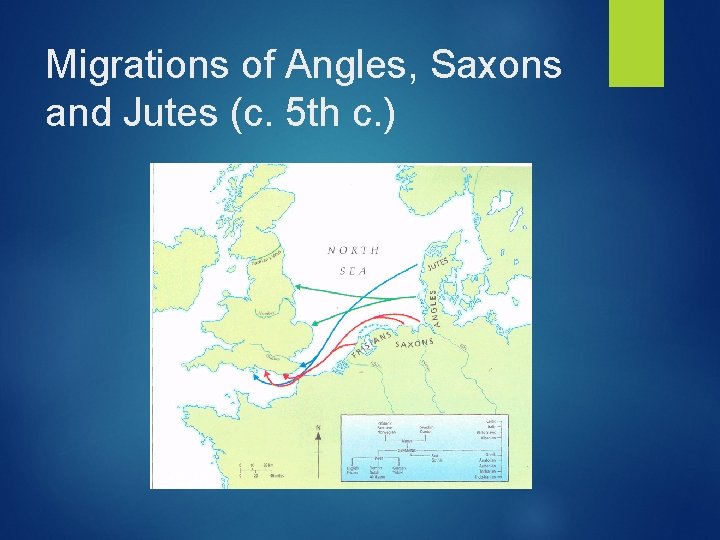
Migrations of Angles, Saxons and Jutes (c. 5 th c. )
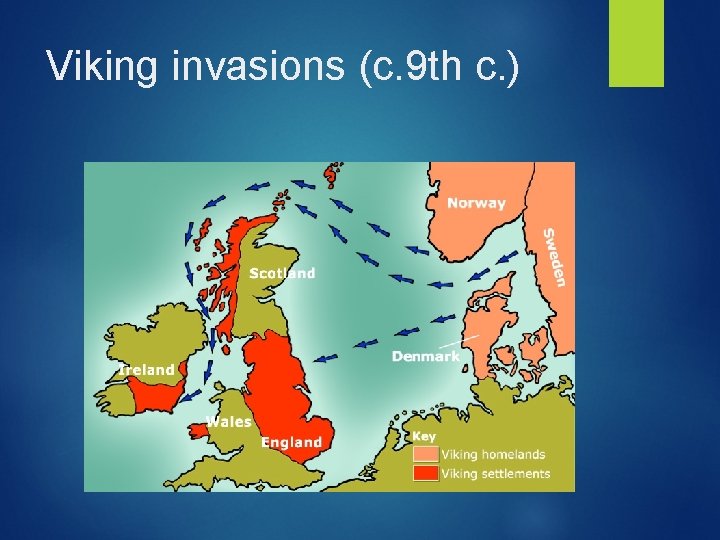
Viking invasions (c. 9 th c. )
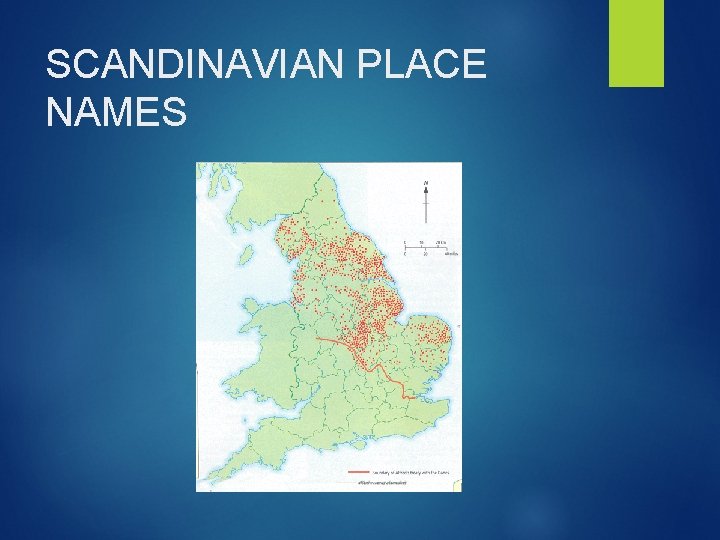
SCANDINAVIAN PLACE NAMES
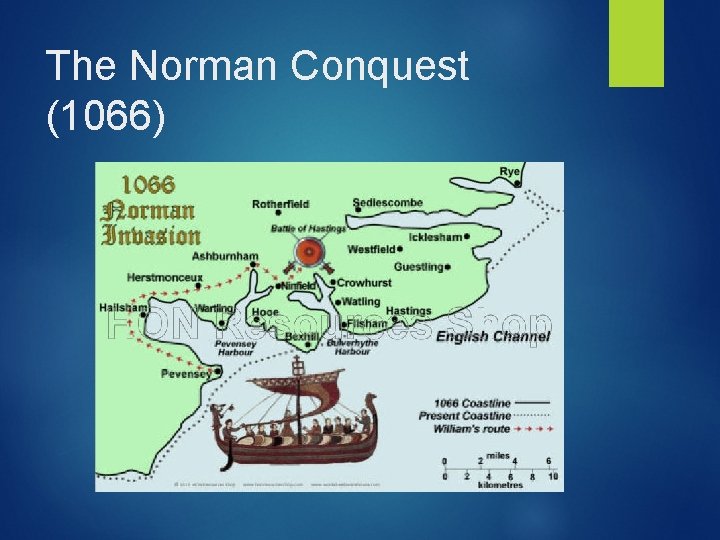
The Norman Conquest (1066)
HISTORY OF THE ENGLISH LANGUAGE OLD ENGLISH (c. 450 - c. 1100) MIDDLE ENGLISH (c. 1100 - c. 1450) MODERN ENGLISH (c. 1450 - )
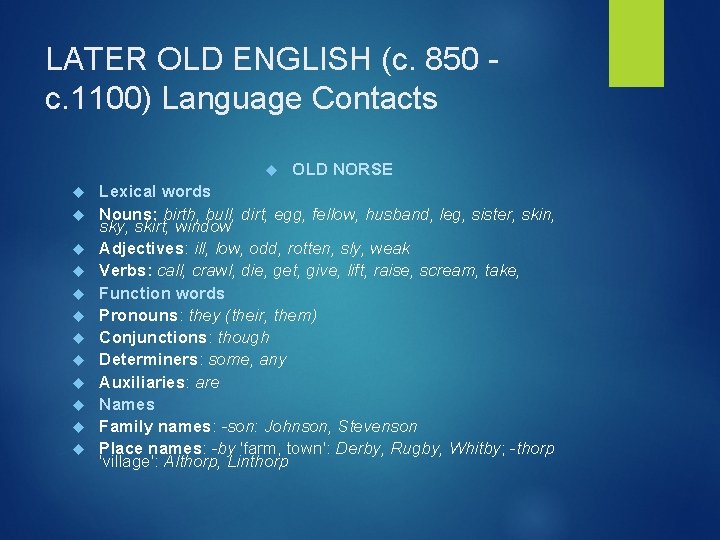
LATER OLD ENGLISH (c. 850 - c. 1100) Language Contacts OLD NORSE Lexical words Nouns: birth, bull, dirt, egg, fellow, husband, leg, sister, skin, sky, skirt, window Adjectives: ill, low, odd, rotten, sly, weak Verbs: call, crawl, die, get, give, lift, raise, scream, take, Function words Pronouns: they (their, them) Conjunctions: though Determiners: some, any Auxiliaries: are Names Family names: -son: Johnson, Stevenson Place names: -by 'farm, town': Derby, Rugby, Whitby; -thorp 'village': Althorp, Linthorp
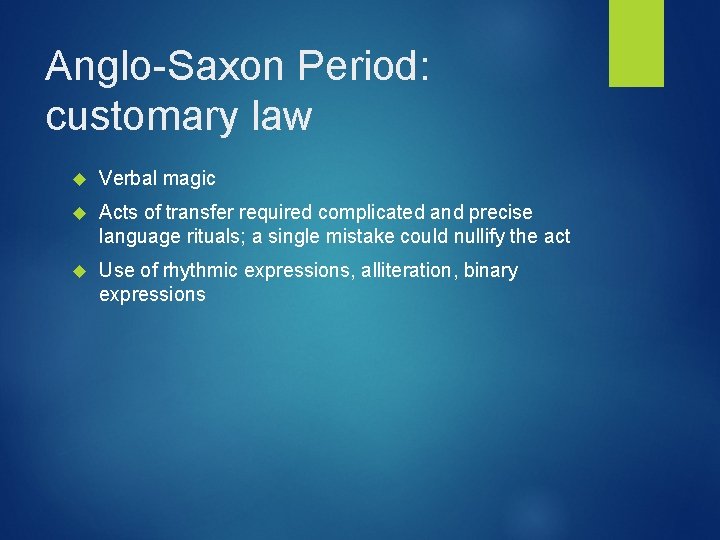
Anglo-Saxon Period: customary law Verbal magic Acts of transfer required complicated and precise language rituals; a single mistake could nullify the act Use of rhythmic expressions, alliteration, binary expressions
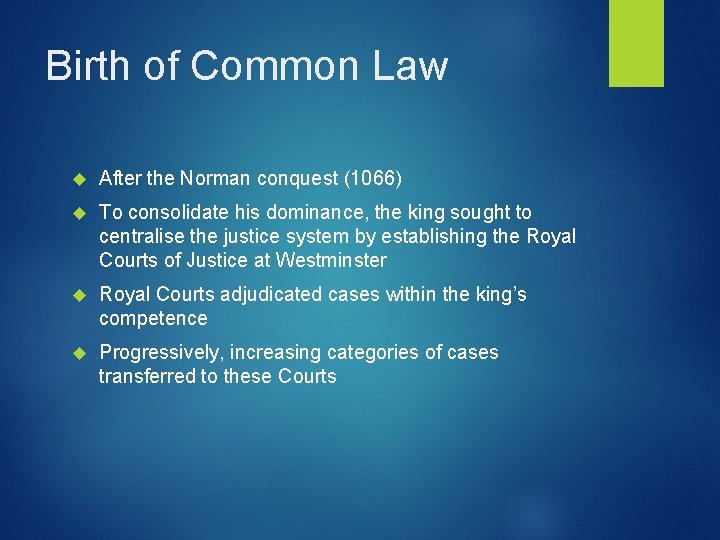
Birth of Common Law After the Norman conquest (1066) To consolidate his dominance, the king sought to centralise the justice system by establishing the Royal Courts of Justice at Westminster Royal Courts adjudicated cases within the king’s competence Progressively, increasing categories of cases transferred to these Courts
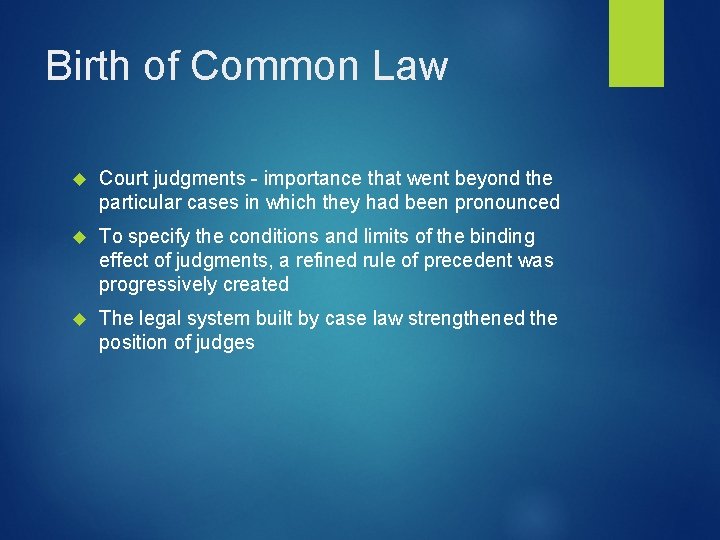
Birth of Common Law Court judgments - importance that went beyond the particular cases in which they had been pronounced To specify the conditions and limits of the binding effect of judgments, a refined rule of precedent was progressively created The legal system built by case law strengthened the position of judges
Dominance of Law Latin The Norman Conquest brought to England a French-speaking upper class Latin – dominant in law 11 -12 c. Latin was the language of legal documents in England
Dominance of Law Latin In this period – common law was created Many essential common law terms were originally formulated in Latin (e. g. breve ‘writ’) Meaning diverged from that of classical Latin
Rise of Law French 1 st law promulgated in French in 1275 End of 13 th c. both Latin and French used as legislative languages Early 14 th c. French used in drafting laws (except in Church matters) Late 13 th c. the Royal Courts used French during sessions; case reports – prepared in French became the legal language in England from the late 13 th c. , both for legislation and the law courts
MIDDLE ENGLISH (c. 11001450) French Influence Administration Authority, bailiff, baron, chamberlain, chancellor, constable, council, court, crown, duke, empire, exchequer, government, liberty, majesty, mayor, messenger, minister, noble, palace, parliament, prince, realm, reign, revenue, royal, servant, sir, sovereign, statute, tax, traitor, treason, treasurer, treaty Law Accuse, advocate, arrest, arson, assault, assize, attorney, bail, bar, blame, convict, crime, decree, depose, estate, evidence, executor, felon, fine, fraud, heir, indictment, inquest, jail, judge, jury, justice, larceny, legacy, libel, pardon, perjury, plaintiff, plea, prison, punishment, sue, summons, trespass, verdict, warrant Military Ambush, archer, army, battle, besiege, captain, combat, defend, enemy, garrison, guard, lance, lieutenant, navy, retreat, sergeant, siege, soldier, vanquish
Decline of Law Latin and Law French 1362 Statute of Pleading “All lawsuits shall be conducted in English, because French is much unknown in the said realm” – drafted in French! – According to Sir Edward Coke, it was better that the unlearned were not able to read legal materials because they would get it all wrong and harm themselves! French and Latin finally abolished in 1731
Latin influence shortened expressions: Nisi prius (‘unless before’) = a matter of proceedings at first instance with a jury present Affidavit (‘he affirmed’) = ‘a written or printed declaration confirmed by an oath’ Habeas corpus (‘you may have the body’) = a judge’s order to bring a prisoner before the court to clarify the legality of detaining him
French influence Influence on word formation: Old French past participle: -e or –ee Doer of the action: -or/-er (for the person obtaining sth or forming the object of an action Employer/employee, trustor/trustee, vendor/vendee Word order (Accounts payable, attorney general, court martial, fee simple, letters patent)
Leal language: synonyms Binary expressions: words with the same meaning existed at the same time in the form of Latin-French variants and Anglo-Saxon variants. Repetitions ensured that legal messages were understandable in a multilingual society Acknowledge and confess, act and deed, devise and bequeath, fit and proper, goods and chattels, will and testament null and void and of no effect, authorized, empowered and entitled to To tell the truth, the whole truth, and nothing but the truth
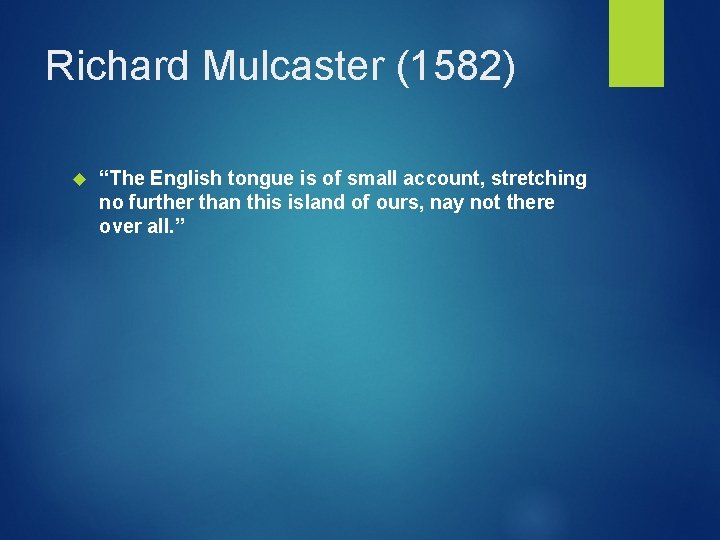
Richard Mulcaster (1582) “The English tongue is of small account, stretching no further than this island of ours, nay not there over all. ”
THE SPREAD OF ENGLISH
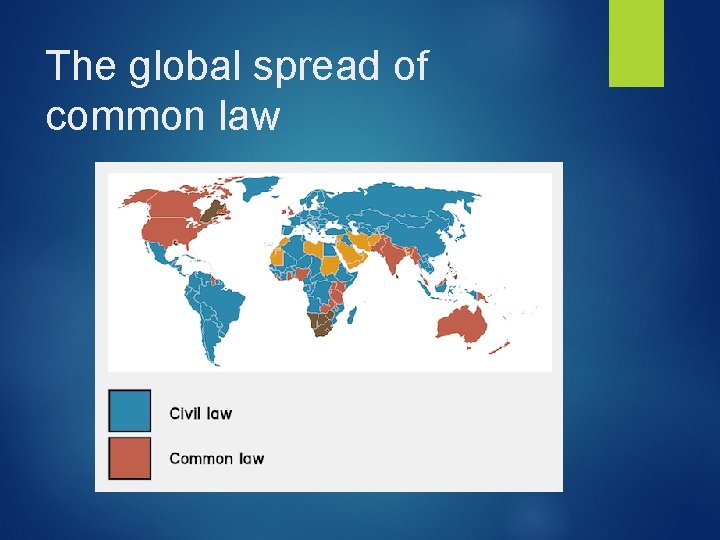
The global spread of common law
Legal English in the United States The influence of English law – terminated with the independence Nevertheless, the approach to the legal order, fundamental principles and concepts of law, essential legal terminology - the same in England the US
American legal culture Fundamental ideas in line with the English tradition 1) supremacy of the law (rule of law) 2) rule of precedent 3) adversarial procedure
American legal tradition Separation of powers: the system of checks and balances federalism
Legal English in the Indian Subcontinent: Anglo-Indian law Common law took root alongside the traditional systems of law: Hindu law and Muslim law – application limited to traditional branches of law (family law, inheritance) 19 th c. Laws were prepared by the British, often in London The highest judicial organ: the Judicial Committee of the Privy Council (London)
Expansion and Change of legal English in India English – language of higher education and colonial administration 1837 English became the official language in India From 1844 only those educated in English could be appointed civil servants After the independence – Hindi and English are official languages
English as the global language Tripartite model (B. Kachru)
English as a Global Language Some 1, 200 -1, 500 million people in command of English; 670 million native speakers English – official language in 75 states or administrative territories 85% international organisations use English as one of their languages Dominance in international trade
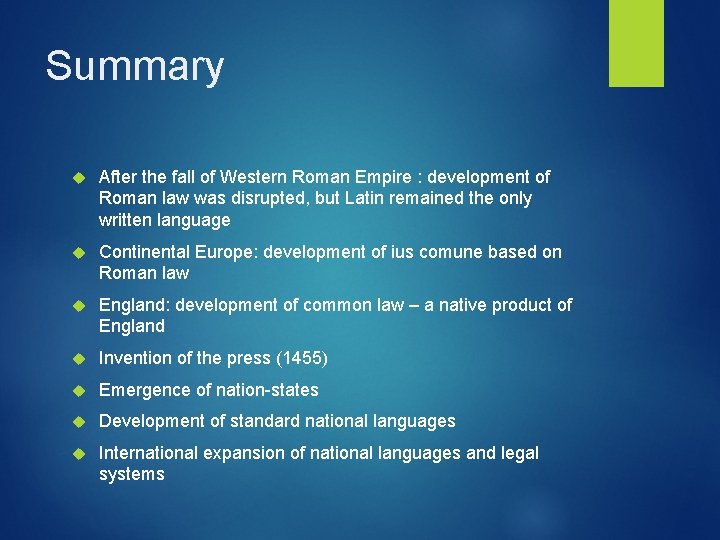
Summary After the fall of Western Roman Empire : development of Roman law was disrupted, but Latin remained the only written language Continental Europe: development of ius comune based on Roman law England: development of common law – a native product of England Invention of the press (1455) Emergence of nation-states Development of standard national languages International expansion of national languages and legal systems