
The Magic Door GameBased Learning and a Transformative

The Magic Door: Game-Based Learning and a Transformative Student Experience T. J. Kalaitzidis, Ph. D. , Brown University & David Seelow, Ph. D. , The College of Saint Rose and Revolutionary Learning
The Magic Door, Part 1 Dr. TJ Kalaitzidis , Brown University
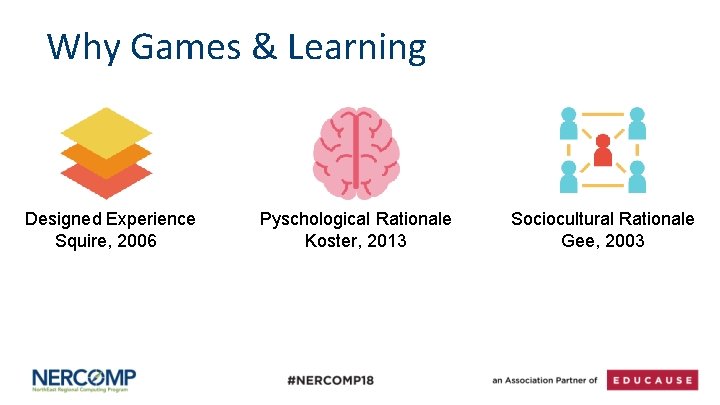
Why Games & Learning Designed Experience Squire, 2006 Pyschological Rationale Koster, 2013 Sociocultural Rationale Gee, 2003
The Design Perspective Games are a Designed Experience… 1. Context Matters. It creates a “grammar”. 2. Well Ordered Problems. 3. Challenge and Consolidation. 4. Just-in-Time/On Demand
The Psychological Perspective Games present “Yummy Patterns” 1. What does “fun” mean? 2. People are pattern-finding machines. 3. Games deliver “perfectly chunked puzzles” for our brain. * *Depending on the experience of the player.
The Sociocultural Perspective Games are about are creating and negotiating meaning. 1. Games use Situated Meanings. (Context again!) 2. Games allow players to take on unfamiliar identities. 3. Games encourage risk taking. 4. Games build learning communities.
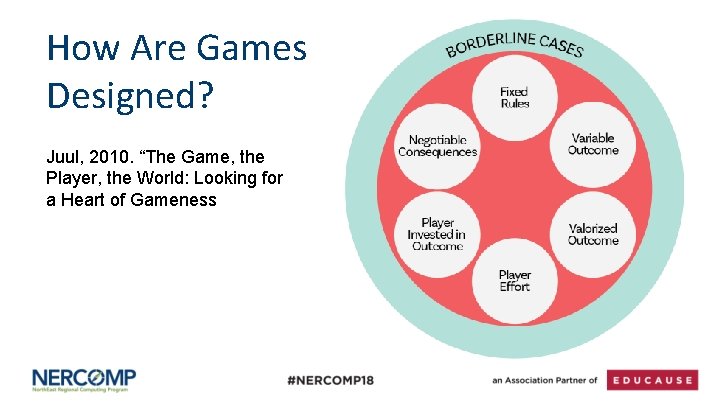
How Are Games Designed? Juul, 2010. “The Game, the Player, the World: Looking for a Heart of Gameness
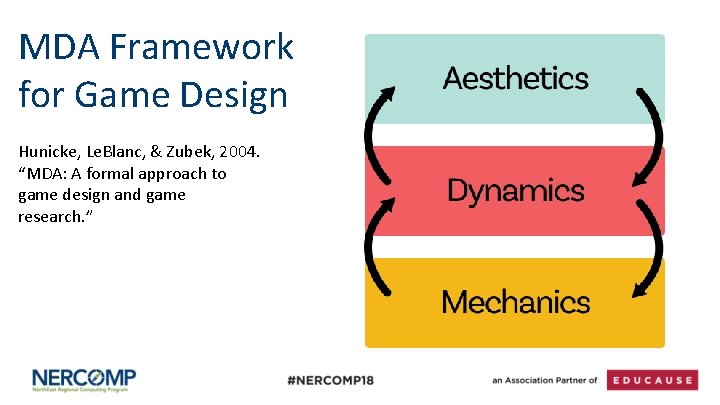
MDA Framework for Game Design Hunicke, Le. Blanc, & Zubek, 2004. “MDA: A formal approach to game design and game research. ”
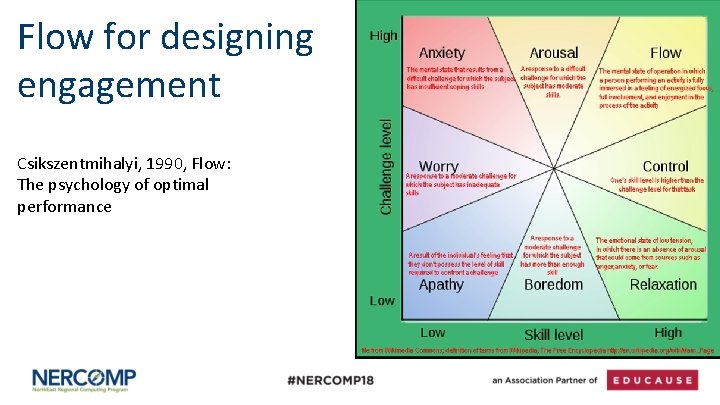
Flow for designing engagement Csikszentmihalyi, 1990, Flow: The psychology of optimal performance
Example: Health Care in the United States Context: • One of the largest face-to-face courses at Brown. • Course running now. Project started Spring ‘ 17. • Lecture-style instruction. • Instructor always experimenting with new tech. • Updates syllabus each year to keep course topics current. Core Problem: • Students & Assigned Readings
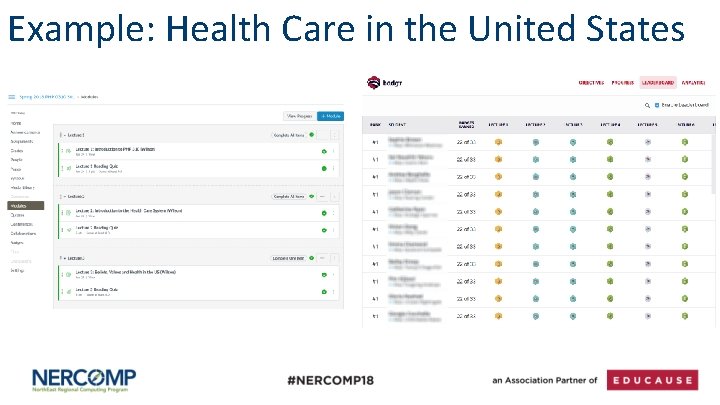
Example: Health Care in the United States
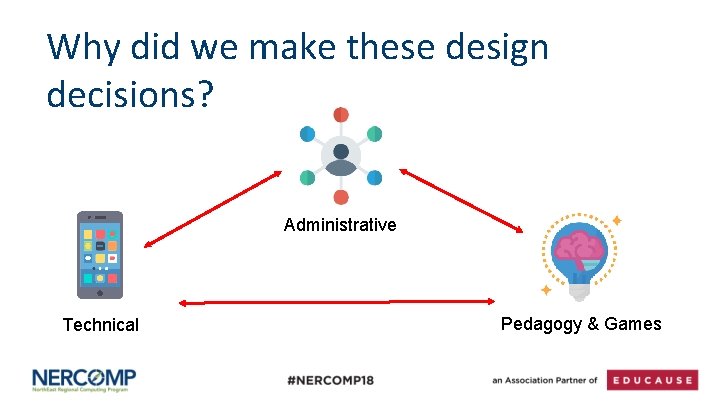
Why did we make these design decisions? Administrative Technical Pedagogy & Games
Three Challenges Learners learn game-winning heuristics rather than intended outcomes. Effort + Time = Benefit? Games are Reductive
Thank you! Questions? TJ. K@Brown. edu References • Csikszentmihalyi, M. (1990). Flow: The psychology of optimal performance. NY: Cambridge University. Press, 40. • Gee, J. P. (2003). What video games have to teach us about learning and literacy. Computers in Entertainment (CIE), 1(1), 20 -20. • Hunicke, R. , Le. Blanc, M. , & Zubek, R. (2004, July). MDA: A formal approach to game design and game research. In Proceedings of the AAAI Workshop on Challenges in Game AI(Vol. 4, No. 1, pp. 1 -5). AAAI Press San Jose, CA. • Juul, J. (2010). The game, the player, the world: Looking for a heart of gameness. PLURAIS-Revista Multidisciplinar, 1(2). • Koster, R. (2013). Theory of fun for game design. " O'Reilly Media, Inc. ". • Squire, K. (2006). From content to context: Videogames as designed experience. Educational researcher, 35(8), 19 -29.
The Magic Door, Part 2 Dr. David Seelow, The College of St. Rose & Revolutionary Learning
Super Power Class Challenge # 2: Super Strength Name the super hero or mythic/legendary character matching the hint. First to answer all 10 wins the challenge. • Princess Diana • Rock Star Strength • Speak softly and carry a big hammer • A labor of love times 12 • Don’t piss him off • Petite Power • Strength in Numbers • Weight of the World on His Shoulders • Strength of Conviction (hint: civil disobedience) • Powerful as a brick s- - - house
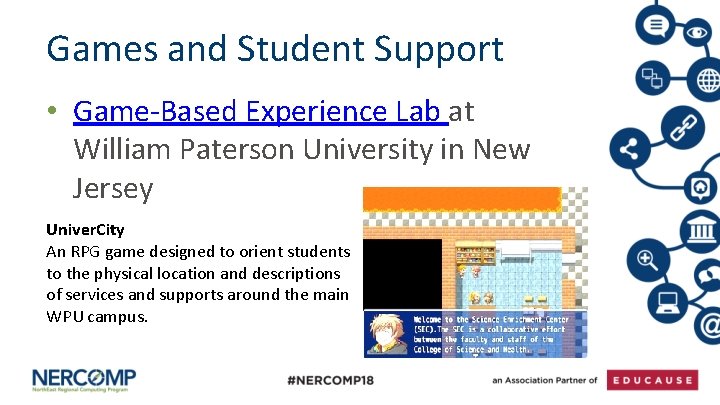
Games and Student Support • Game-Based Experience Lab at William Paterson University in New Jersey Univer. City An RPG game designed to orient students to the physical location and descriptions of services and supports around the main WPU campus.
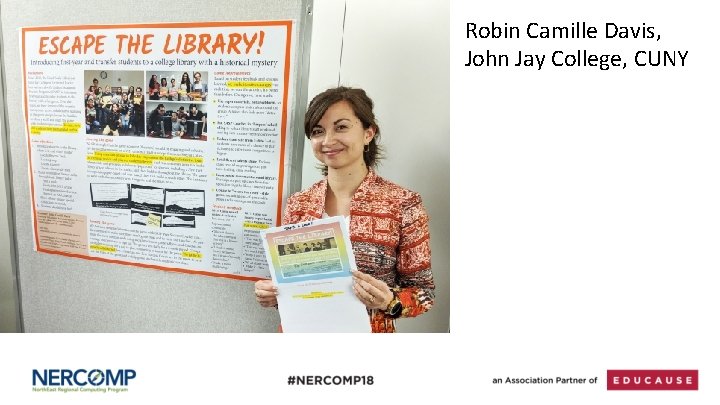
Robin Camille Davis, John Jay College, CUNY
Freshman Orientation as a Game “Just Press Play” at Rochester Institute of Technology’s (RIT)School of Interactive Games and Media.
ARGs Transforming Online Education • “Secrets: A Cyberculture Mystery Game” • “The ‘Secret’ of Secrets: The Teacher and the Students” International Journal on Innovations in Online Education
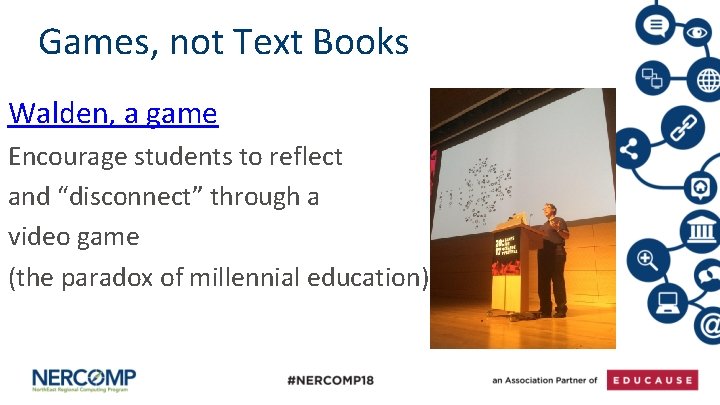
Games, not Text Books Walden, a game Encourage students to reflect and “disconnect” through a video game (the paradox of millennial education)
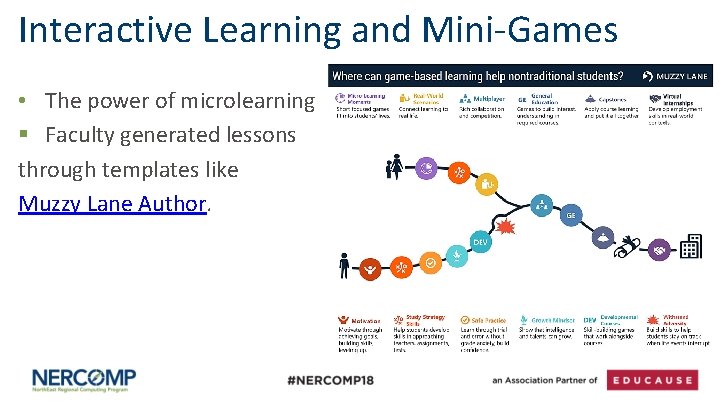
Interactive Learning and Mini-Games • The power of microlearning § Faculty generated lessons through templates like Muzzy Lane Author.
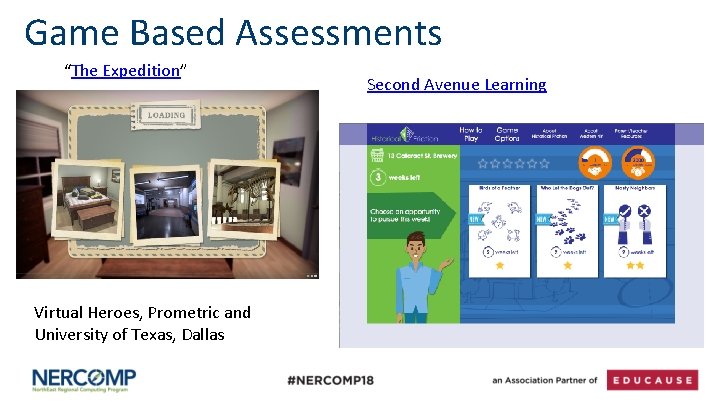
Game Based Assessments “The Expedition” Virtual Heroes, Prometric and University of Texas, Dallas Second Avenue Learning
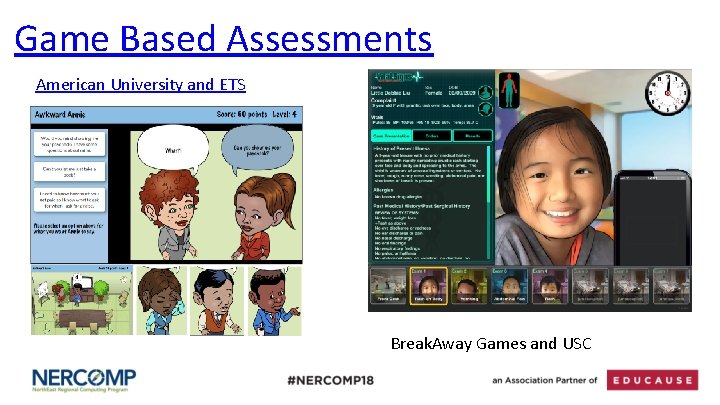
Game Based Assessments American University and ETS Break. Away Games and USC
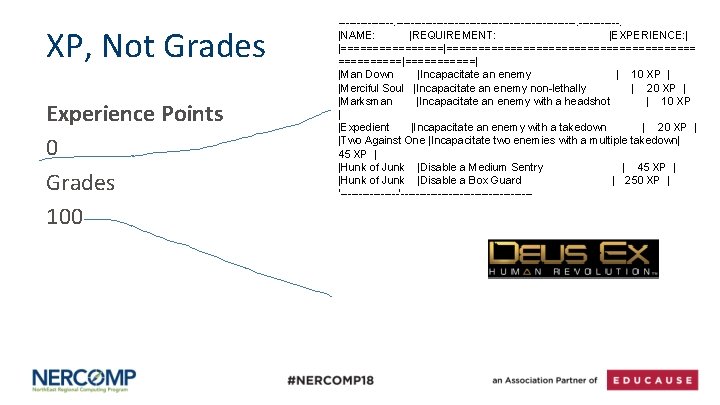
XP, Not Grades Experience Points 0 Grades 100 -------------------------. |NAME: |REQUIREMENT: |EXPERIENCE: | |============================|======| |Man Down |Incapacitate an enemy | 10 XP | |Merciful Soul |Incapacitate an enemy non-lethally | 20 XP | |Marksman |Incapacitate an enemy with a headshot | 10 XP | |Expedient |Incapacitate an enemy with a takedown | 20 XP | |Two Against One |Incapacitate two enemies with a multiple takedown| 45 XP | |Hunk of Junk |Disable a Medium Sentry | 45 XP | |Hunk of Junk |Disable a Box Guard | 250 XP | '--------------------------
Thank You • Revolutionary Learningwww. revolutionarylearning. net • @davidfreeplay • davidseelow@gmail. com
• "This presentation leaves copyright of the content to the presenter. Unless otherwise noted in the materials, uploaded content carries the Creative Commons Attribution. Non. Commercial-Share. Alike license, which grants usage to the general public with the stipulated criteria. "
- Slides: 28