
The Low Middle Ages Terminology Many historians have

- Slides: 53
The Low Middle Ages
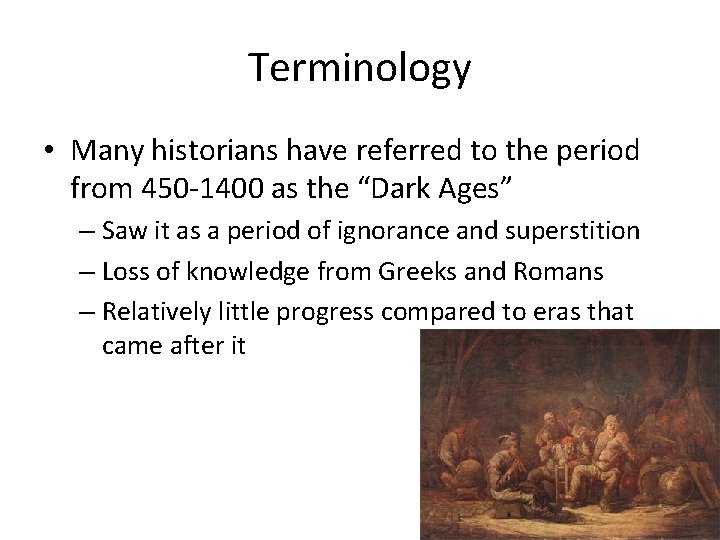
Terminology • Many historians have referred to the period from 450 -1400 as the “Dark Ages” – Saw it as a period of ignorance and superstition – Loss of knowledge from Greeks and Romans – Relatively little progress compared to eras that came after it
Terminology • In reality, a great deal of change took place, that laid the foundations for the modern era – Power shifts from Empire to kings – New systems of power-sharing have to emerge in order to keep the peace
Problems of the new age • Reduced population: Miniature ice age reduces harvest and growing seasons, further shrinking population • Tribes on the move: Groups like the Vikings and Visigoths prey on the settled people • Lawlessness: How do the kings restore stability to their kingdoms?
Germanic Tribes • Germanic tribes begin establishing systems based around the central concept of the family – Develop a clan system – Create law system based around this idea
Examples of Germanic Law • The Wergild (Literally “Money for a Man”) – Since the family was primary, criminals were expected to pay for their crimes to the victims’ family • Murder came with a blood price that had to be paid – Price was extremely high for killing a noble, much smaller for killing a peasant – Designed to prevent vicious blood feuds between clans
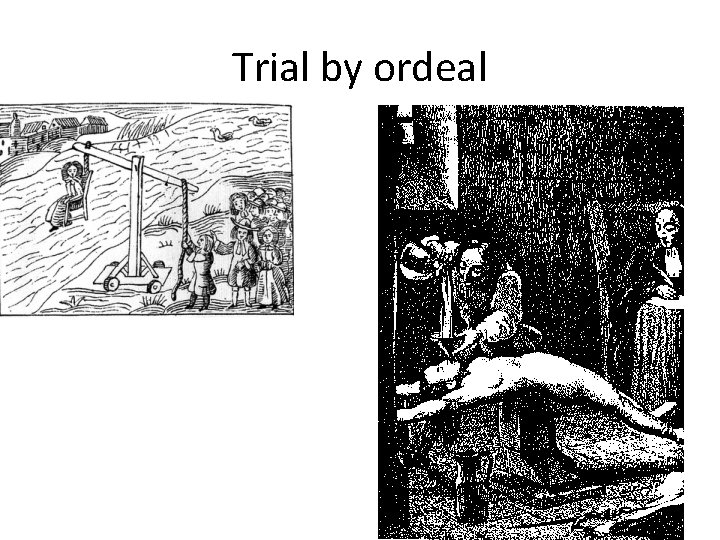
Examples of Germanic Law • Trial by Ordeal: In cases where it was impossible to discover the truth (especially in cases of witchcraft), leaders would use a physical ordeal – Believed that God would protect the just (or just the opposite, that the evil forces a witch served would protect him/her) – Often involved trials of fire or drowning
Trial by ordeal
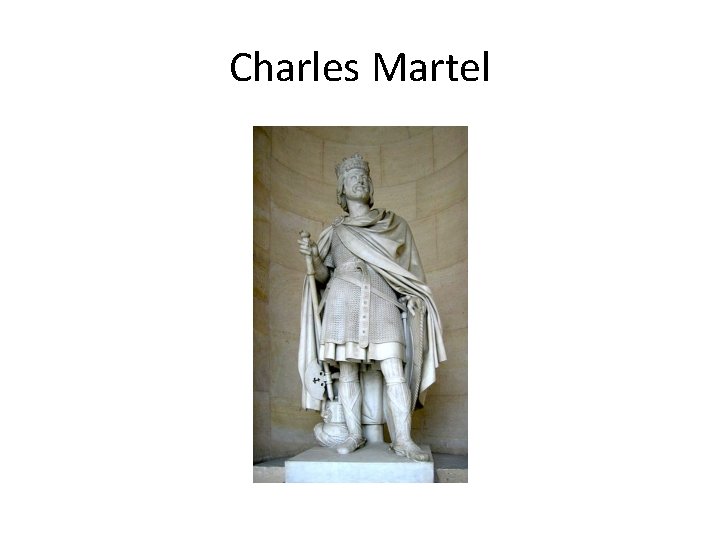
The Carolingian Empire • Battle of Tours/Battle of Poitiers, 732 – Background: Ummayad forces have already conquered Spain and are preparing to cross the Pyrenees Mountains and invade France – Odo the Great, Duke of Aquitaine, the last free Christian state in Northern Spain puts out a desperate call for help – Call is answered by most powerful chieftain of the Franks, Charles Martel (Charles the Hammer)
Charles Martel
Battle of Tours • Charles surprises Muslim forces and attacks, holding them with his infantry while charging at him with his elite cavalry – Cavalry led by Charles’ House Carls, the most trusted members of his inner circle – Muslim army defeated, leader killed, Muslims never advance past Spain – Had Charles failed, nothing would have stopped Umayyads from conquering Europe – Leaves the Franks the most powerful force in Europe
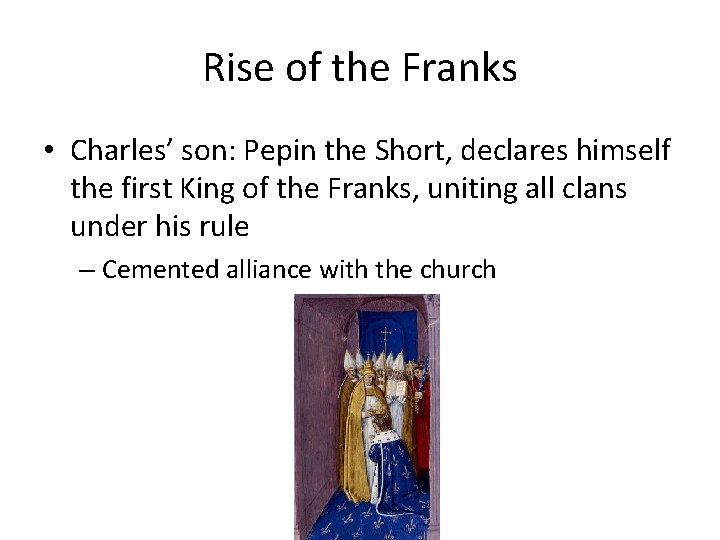
Rise of the Franks • Charles’ son: Pepin the Short, declares himself the first King of the Franks, uniting all clans under his rule – Cemented alliance with the church
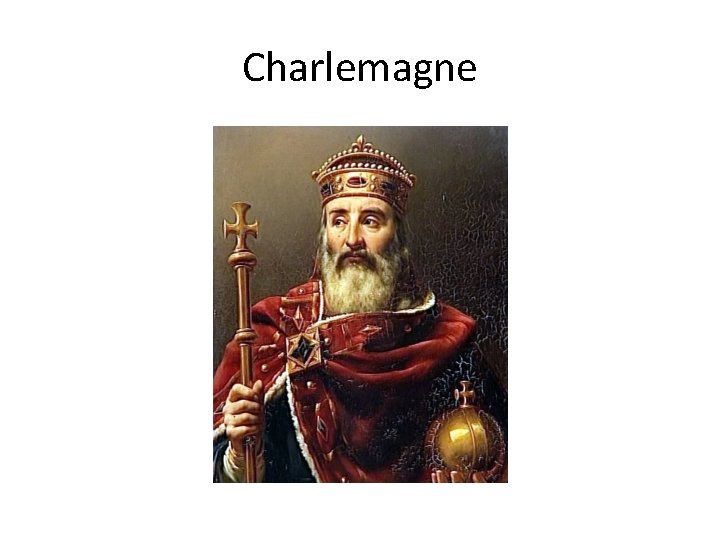
Charlemagne • Charlemagne (Charles the Great), son of Pepin, vastly expands the Kingdom – Though illiterate, he is cunning and intelligent – Forms the former House Carls into a hierarchy with titles to better govern land • Would become the basis for Feudalism – Created a system of messengers to keep in contact with his nobles
Charlemagne
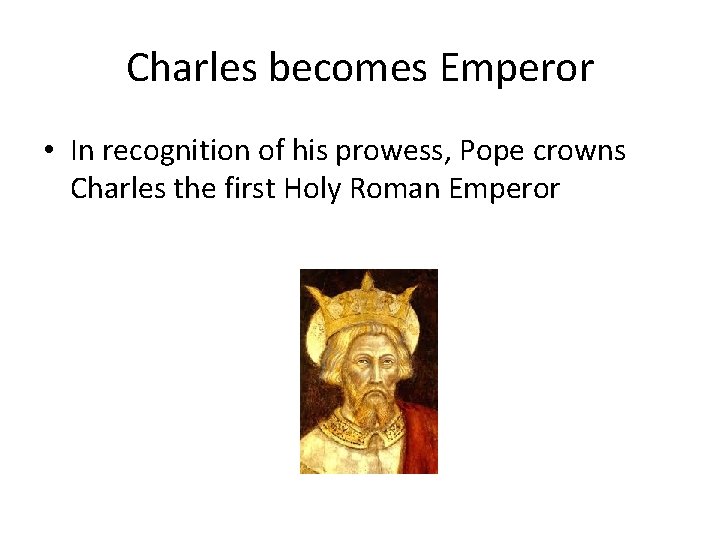
Charles becomes Emperor • In recognition of his prowess, Pope crowns Charles the first Holy Roman Emperor
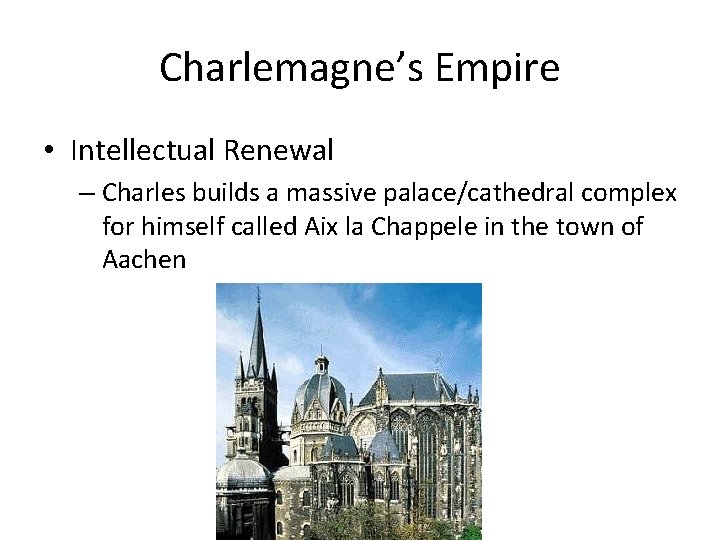
Charlemagne’s Empire • Intellectual Renewal – Charles builds a massive palace/cathedral complex for himself called Aix la Chappele in the town of Aachen
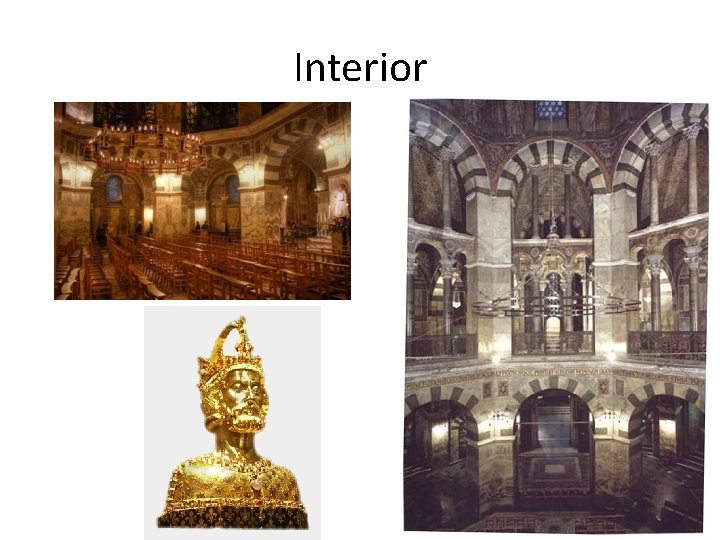
Interior
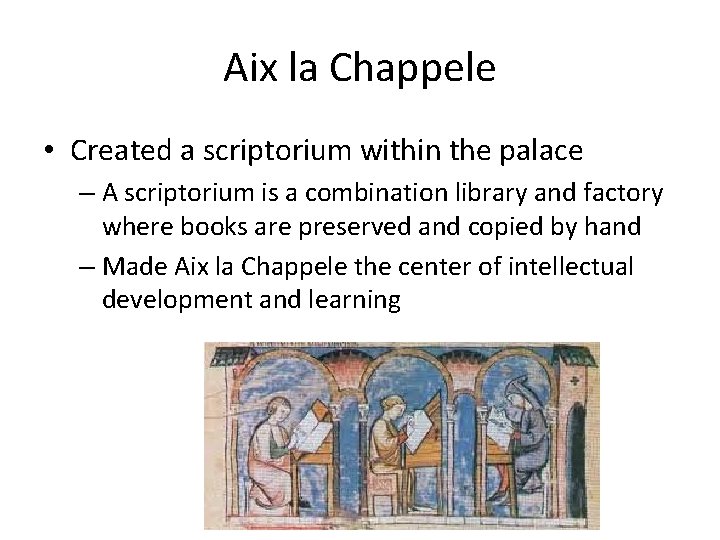
Aix la Chappele • Created a scriptorium within the palace – A scriptorium is a combination library and factory where books are preserved and copied by hand – Made Aix la Chappele the center of intellectual development and learning
Intellectual Renewal • Funded the construction of monasteries and cloisters – Monasteries are church structures that house monks, cloisters house nuns • These are non-priests who choose to devote themselves to religious study • Take a vow of chastity • Were among the few literate and well-read people in Europe
Monastaries • Types of Monastic Orders – The Benedictines: Founded by Saint Benedict • Believed in a life of work for the community • Thought that idleness lead to evil • Became famous for caring for the poor – The Augustinians: Founded by Saint Augustine • Believed that world was sinful and man needed to learn God’s nature • Became a major source of education • One of the few places noble children could learn to read
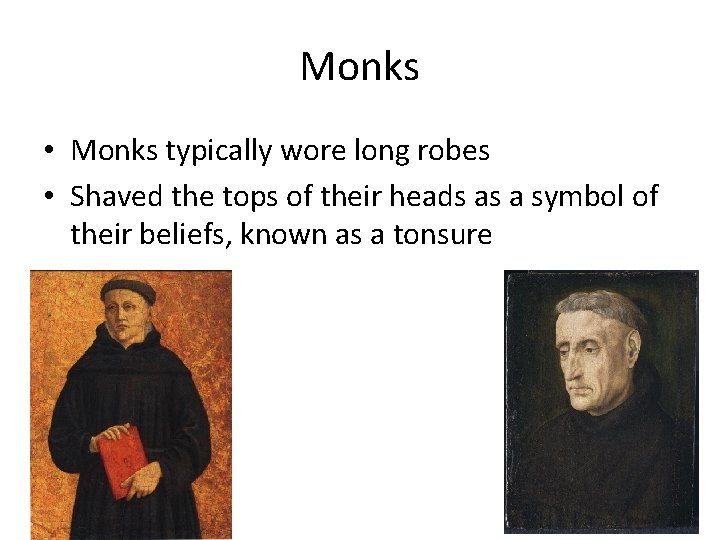
Monks • Monks typically wore long robes • Shaved the tops of their heads as a symbol of their beliefs, known as a tonsure
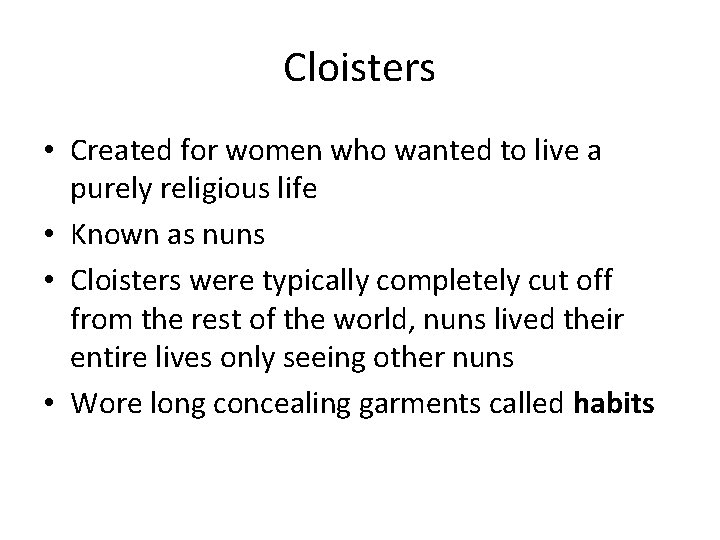
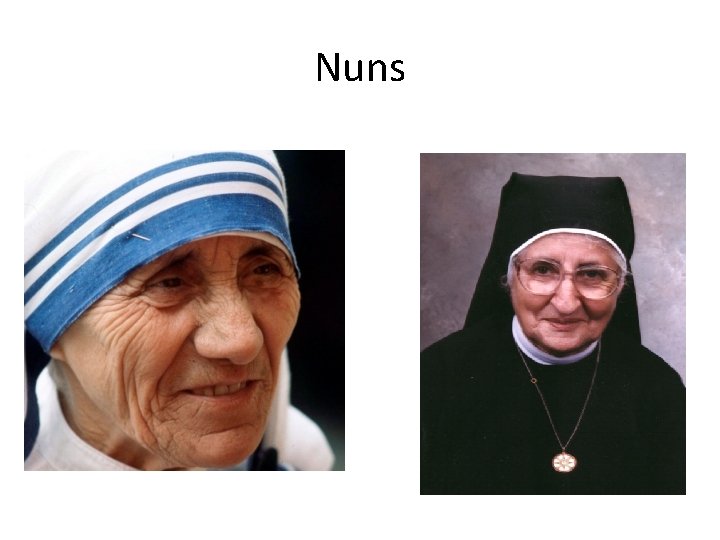
Cloisters • Created for women who wanted to live a purely religious life • Known as nuns • Cloisters were typically completely cut off from the rest of the world, nuns lived their entire lives only seeing other nuns • Wore long concealing garments called habits
Nuns
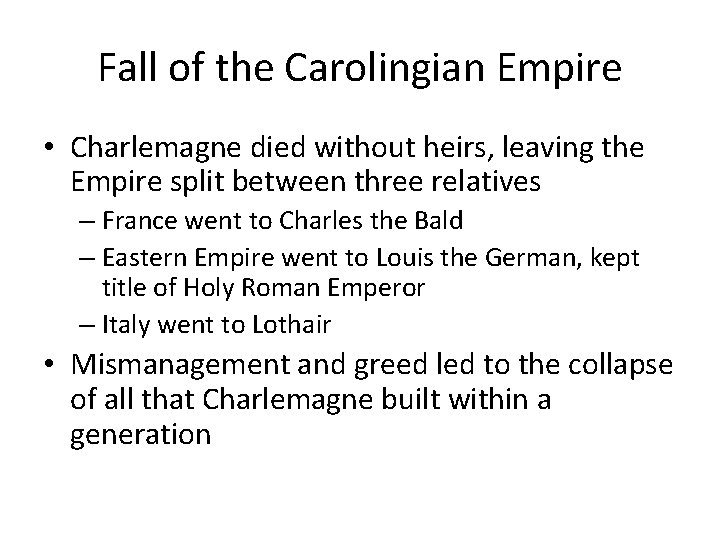
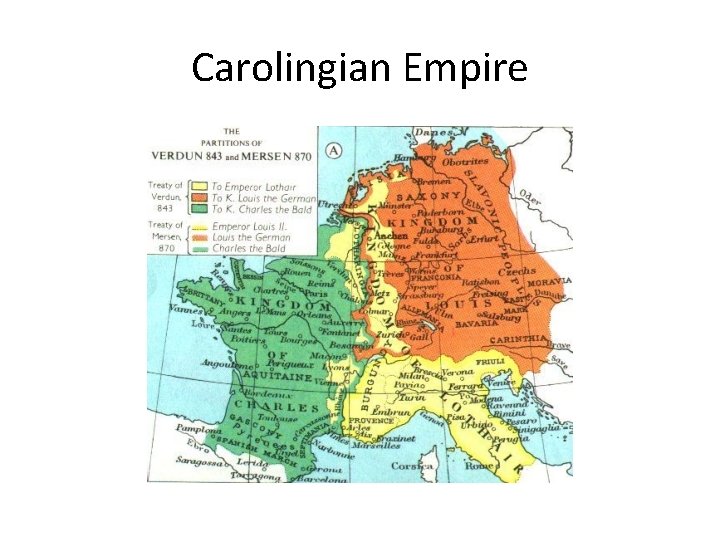
Fall of the Carolingian Empire • Charlemagne died without heirs, leaving the Empire split between three relatives – France went to Charles the Bald – Eastern Empire went to Louis the German, kept title of Holy Roman Emperor – Italy went to Lothair • Mismanagement and greed led to the collapse of all that Charlemagne built within a generation
Carolingian Empire
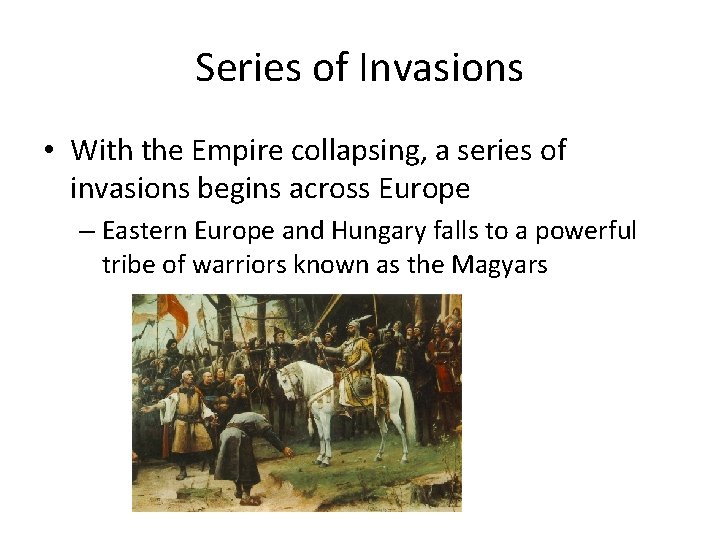
Series of Invasions • With the Empire collapsing, a series of invasions begins across Europe – Eastern Europe and Hungary falls to a powerful tribe of warriors known as the Magyars
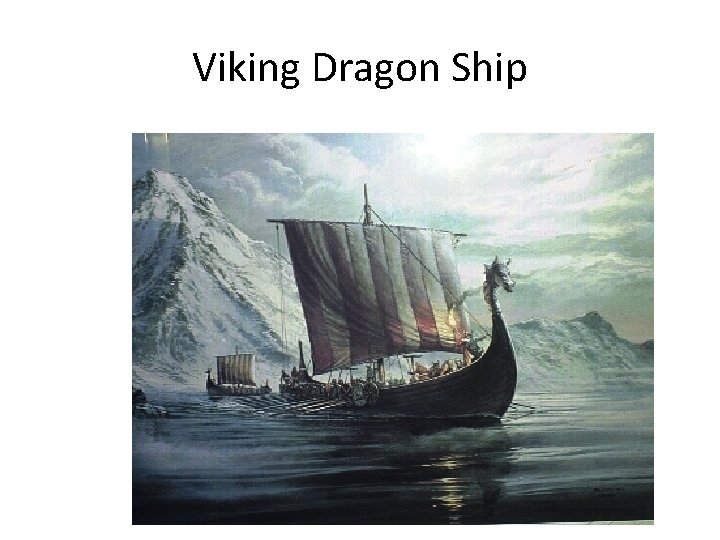
Series of Invasions • Europeans on the coast live in constant fear of attacks by Vikings – Superb ship-builders, built long fast narrow boats called dragon ships – Originated from Northern Europe – Would eventually raid as far as Turkey, discover Iceland Greenland Canada – Attacked with lightning speed, burning and pillaging
Viking Dragon Ship
Development of Feudalism • The constant threat of invasion meant that the Kings of Europe needed a system to protect themselves – Problem: Small populations and lots of land made it impossible for one king to protect his territory – Centralized leadership was impossible save for a brilliant few like Charlemagne
Feudalism • Established a land-sharing system known as Feudalism – Kings would grant land to trusted and loyal servants known as vassals • A kings vassals would have noble titles such as Count, Duke, or Lord – Vassals would get complete control of the land all the wealth on it, in exchange for two things: • Had to pay the king a tax • Had to aid the king in times of war • Had to swear an oath of fealty to honor the King
Kings • Kings found their lands secure but their power reduced – If they pushed their nobles too far, they would revolt – Nobles often demanded that they be allowed to serve as electors • Allowed the nobility to elect or approve of a king – Limited the amount of time a king could fight in war, as nobles needed to collect harvests to survive and prosper
Feudalism • Each lord’s land was known as a fiefdom or shire • Since the lord of that land had total control, he could make the laws – Often appointed law enforcement officers known as sheriffs
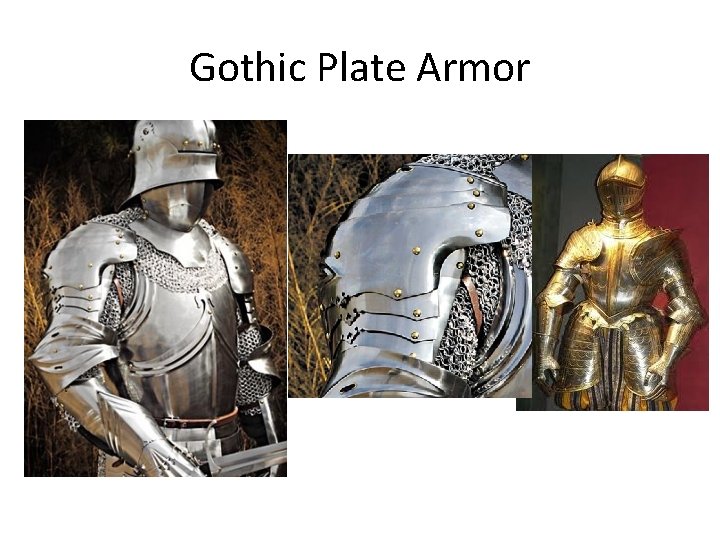
Feudalism • As the lands controlled by the lords was still too large, they created their own vassals known as knights – Knights built fortresses known as castles or manors to protect the land – The wealth of the land allowed knights to afford their own armor, weapons and warhorses • Knights became the most important unit in warfare
Gothic Plate Armor
Chivalry • Knights developed a code of honor that ensured their loyalty to the lord known as Chivalry – Made honor the most important thing to a knight besides his land – Required that knights pay homage to their lord • Pledge themselves to their service – Knights were required to respect noble women – Protect those who could not protect themselves (i. e. widows and orphans) – Never refuse the challenge of an equal – Had to always fight with honor
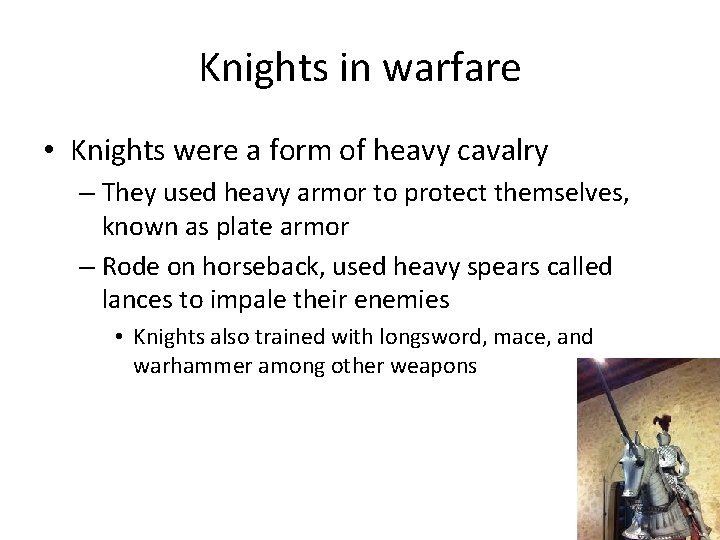
Knights in warfare • Knights were a form of heavy cavalry – They used heavy armor to protect themselves, known as plate armor – Rode on horseback, used heavy spears called lances to impale their enemies • Knights also trained with longsword, mace, and warhammer among other weapons
Becoming a Knight • Children of nobility would apprentice to a knight at a young age – Known as a squire they would assist the knight and occasionally accompany him into battle. – Would learn the profession by caring for the knight’s armor, weapons and horse – Eventually would take an oath of service to a lord once he had proved himself
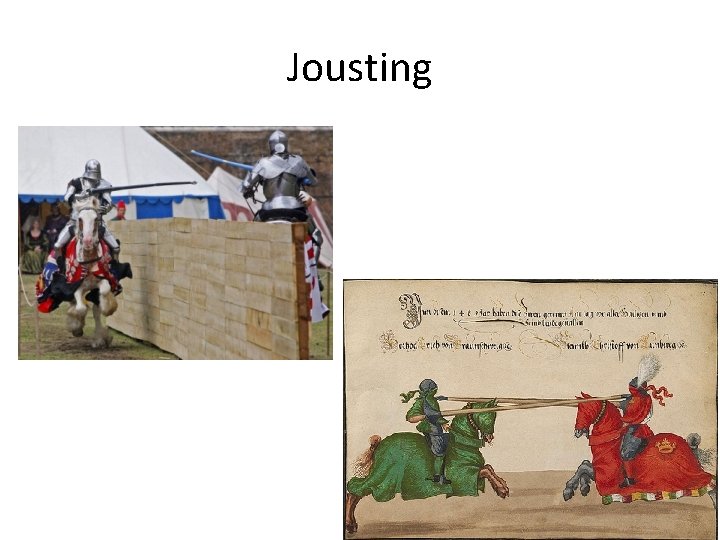
Knights in peacetime • Knights were warriors, and thus, constantly had to hone their skills in battle – When not in battle, knights participated in jousting tournaments – Won official recognition of lords, served as a way for squires to get noticed – Almost as dangerous as actual combat
Jousting
Castles • Knights and lords both built fortified manors called castles – Designed to protect their land – Castles allowed lords to fortify themselves within, slowing an enemy army long enough to bring in reinforcements
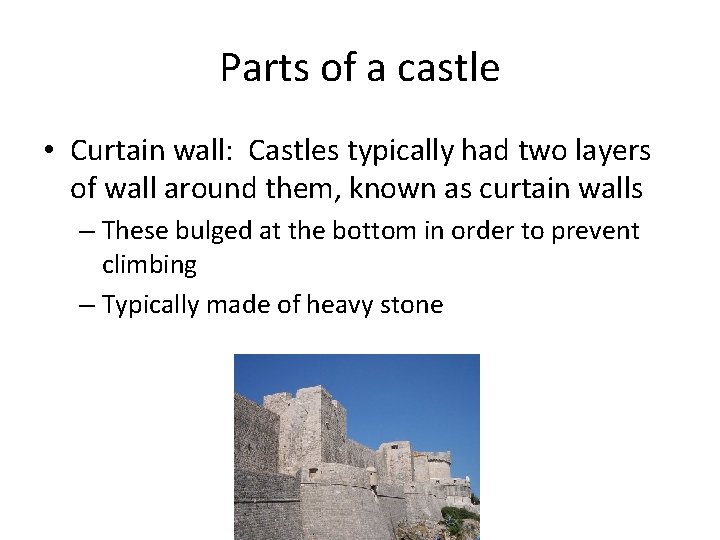
Parts of a castle • Curtain wall: Castles typically had two layers of wall around them, known as curtain walls – These bulged at the bottom in order to prevent climbing – Typically made of heavy stone
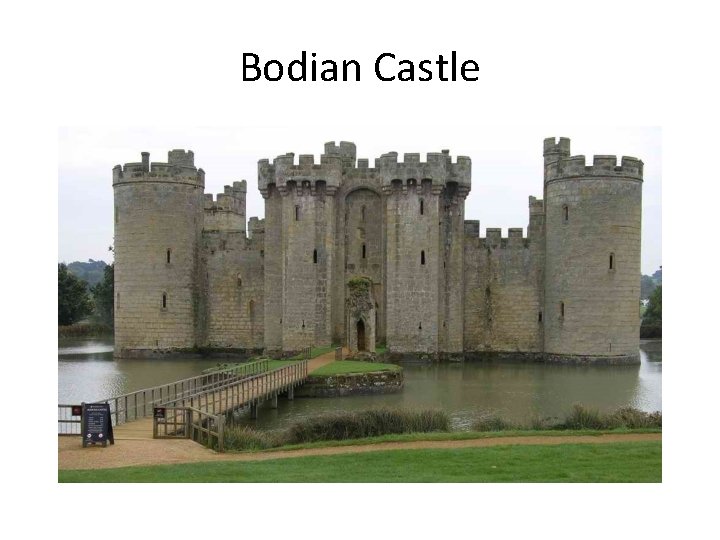
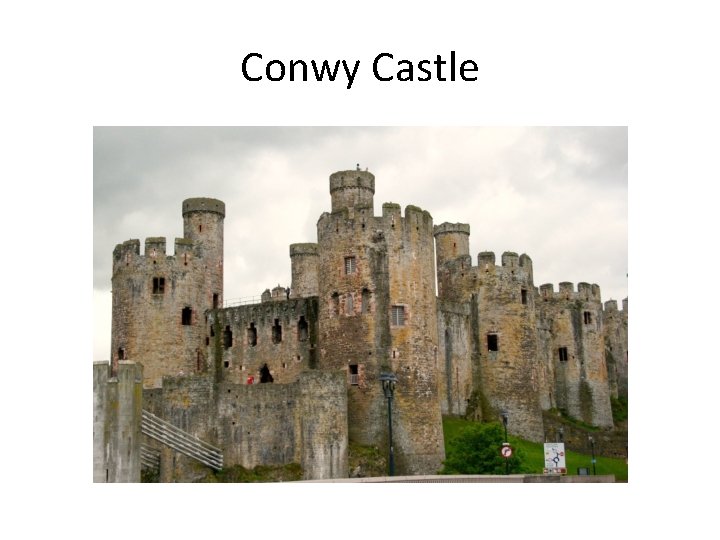
Parts of a castle • Castle walls typically had crenulations along the top – Alternating blocks of stone that gave cover to archers on the walls • Often the castle would be on an artificial hill, to give it better positioning – Builders would construct trenches around the castle called moats, and allow them to fill with water
Parts of a castle • Inner and Outer Baileys: The Baileys were the areas between the walls – Outer bailey: Area between the outer and inner wall, typically housed food, and supplies – Inner bailey: Area inside the inner wall. The living area of the castle, housed servants quarters, stables, blacksmith and the lord’s manor
Bodian Castle
Conwy Castle
Life in a castle • Castles were uncomfortable places, hot in the summer, cold in the winter • If a castle was attacked, it usually had to be taken by siege – A type of warfare in which an army surrounds a castle and attempts to either force their way in, or starve the inhabitants out – Meant that medieval wars were brutal but limited
Castles and the nobility • Coldness of castles meant that nobles had to wear furs to keep warm – Fur coats soon became symbol of nobility • Peasant would be executed for wearing them – Nobles would wear furs all the time, even in summer • And they rarely bathed!
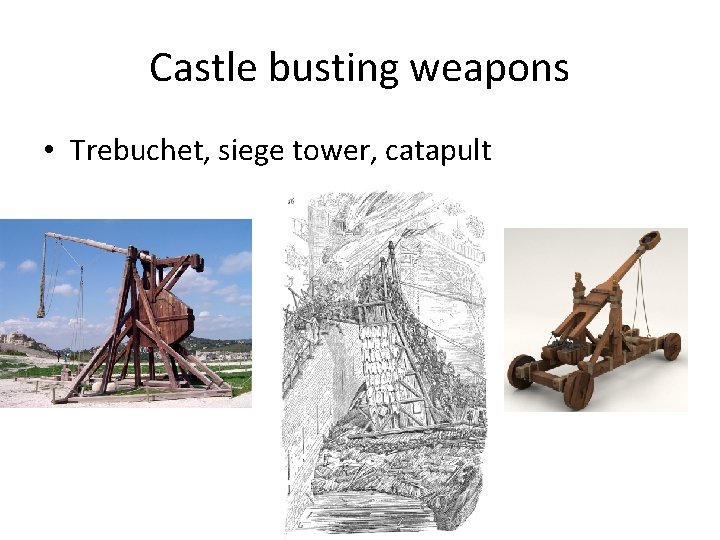
Castle busting weapons • Trebuchet, siege tower, catapult
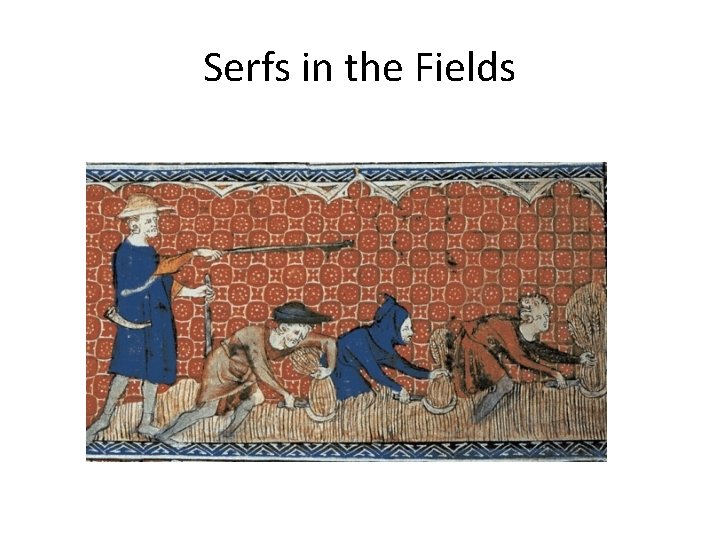
Serfs • The lowest levels of society were the peasants or serfs – Permanently bound to the land, unable to leave – Had few rights, under the complete control of their lord – Grew crops, worked as artisans making tools and other goods
Serfs in the Fields
Serfs • Serfs made up 95% of the population • Nearly all were illiterate – Many lords made it illegal for serfs to be taught to read • Serfs could be drafted into warfare as infantry serving the knight, known as men-at-arms • Most were poorly trained and led – Those who knew archery were especially valuable in battle
Role of women • Peasant women were little different from peasant men in the work they performed • Aristocratic women had a complicated life – As men were often at war, they were required to manage the household including the finances – Extremely intelligent or cunning wives managed to enrich and empower themselves while their husbands were out fighting
Conclusion • Feudalism as a political system would last for hundreds of years • Meant that kings had little power, as they had to share it with lords and knights • Would eventually be replaced by strong absolute monarchs