
The LOt C Award for schools Wood Street


















- Slides: 42
The LOt. C Award for schools Wood Street Infant School, Guildford
Charlotte Willoughby Assistant Head Suzy Matten EYFS Teacher c. Willoughby@woodstreet. surrey. sch. uk s. matten@woodstreet. surrey. sch. uk Now how about you…
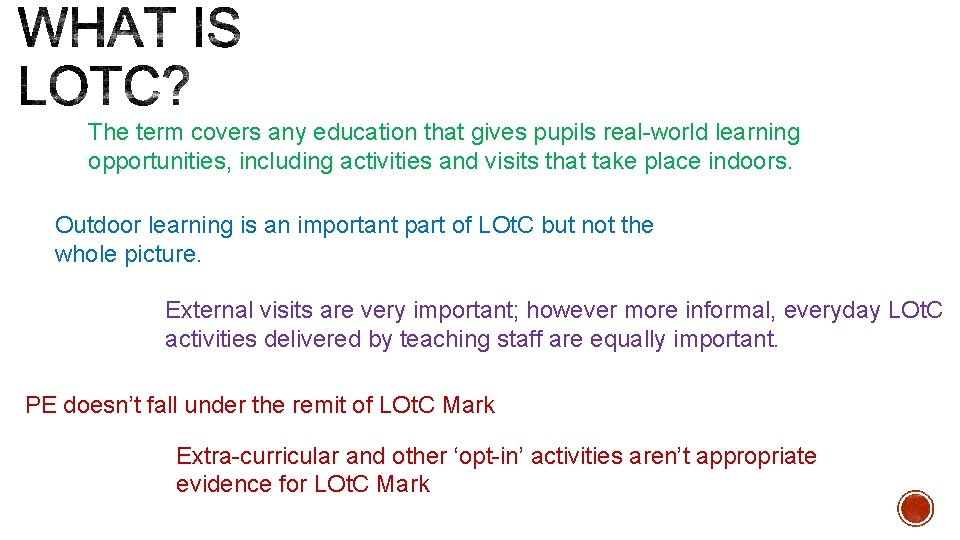
The term covers any education that gives pupils real-world learning opportunities, including activities and visits that take place indoors. Outdoor learning is an important part of LOt. C but not the whole picture. External visits are very important; however more informal, everyday LOt. C activities delivered by teaching staff are equally important. PE doesn’t fall under the remit of LOt. C Mark Extra-curricular and other ‘opt-in’ activities aren’t appropriate evidence for LOt. C Mark
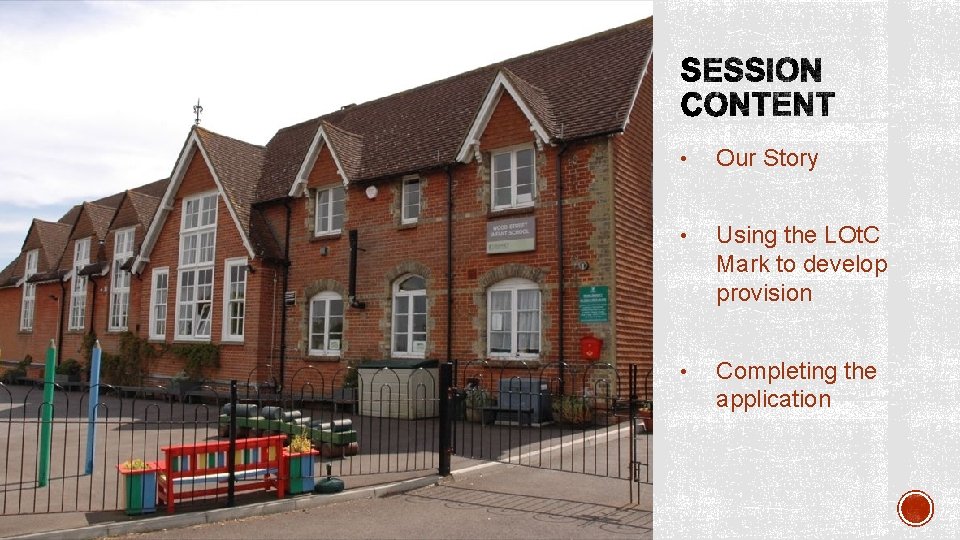
• Our Story • Using the LOt. C Mark to develop provision • Completing the application
challenges, benefits, lessons learned, what’s next…
• 5+ years ago we decided to ‘try it out’! • Huge change in staff • 2015 I took the lead with a lead of learning • Targeted improvement through SDP/NPQSL/LOt. C mark
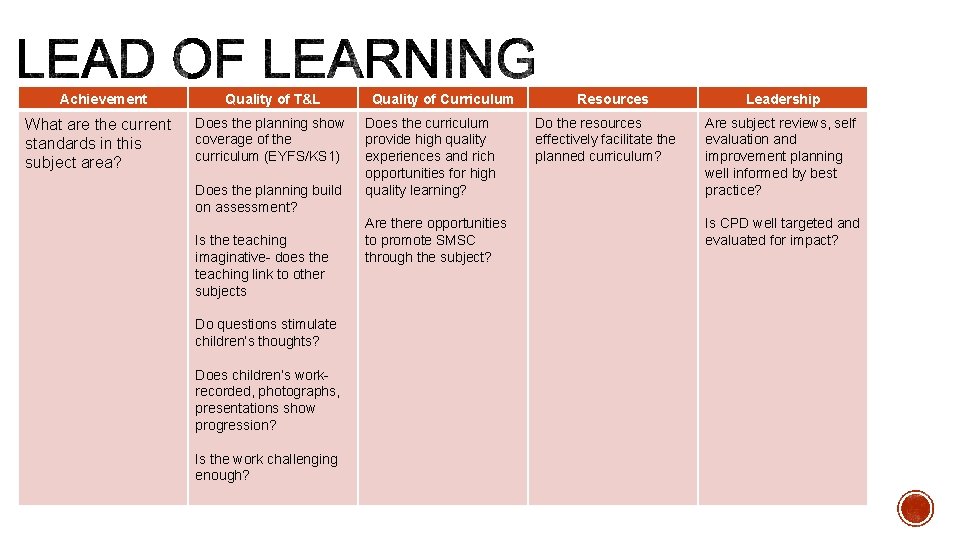
Achievement What are the current standards in this subject area? Quality of T&L Does the planning show coverage of the curriculum (EYFS/KS 1) Does the planning build on assessment? Is the teaching imaginative- does the teaching link to other subjects Do questions stimulate children’s thoughts? Does children’s work- recorded, photographs, presentations show progression? Is the work challenging enough? Quality of Curriculum Does the curriculum provide high quality experiences and rich opportunities for high quality learning? Are there opportunities to promote SMSC through the subject? Resources Do the resources effectively facilitate the planned curriculum? Leadership Are subject reviews, self evaluation and improvement planning well informed by best practice? Is CPD well targeted and evaluated for impact?
§ Video tour of the school
Continued Provision EYFS & KS 1
• Built into our planning • Weekly sessions across the school • Discrete and cross-curricular planning • Specific procedures and rules followed across the school • Part of our school offer (uniform)
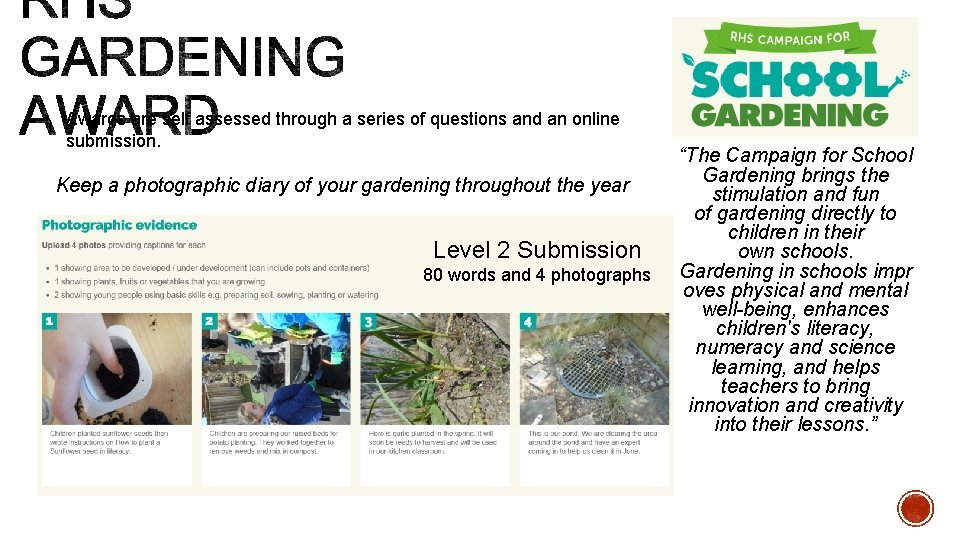
• Awards are self assessed through a series of questions and an online submission. Keep a photographic diary of your gardening throughout the year Level 2 Submission 80 words and 4 photographs “The Campaign for School Gardening brings the stimulation and fun of gardening directly to children in their own schools. Gardening in schools impr oves physical and mental well-being, enhances children's literacy, numeracy and science learning, and helps teachers to bring innovation and creativity into their lessons. ”
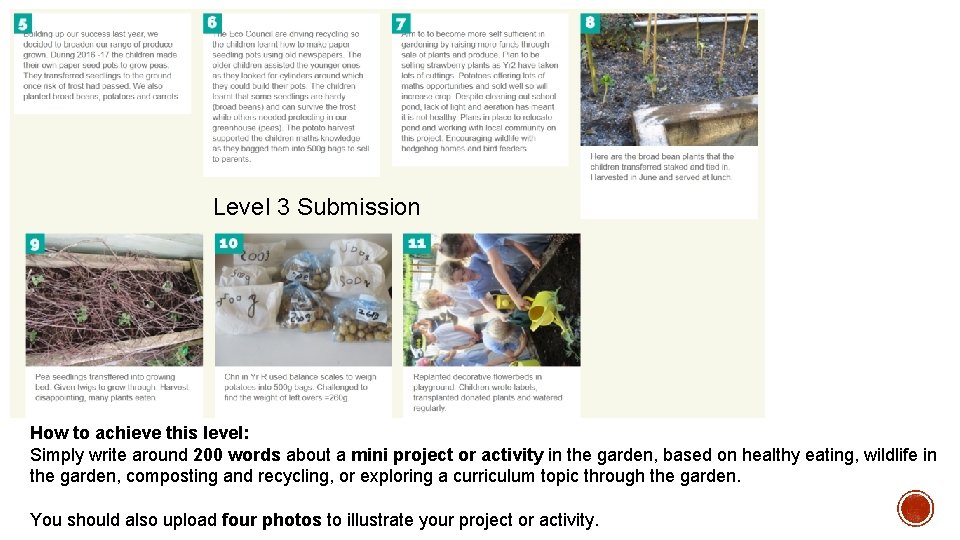
Level 3 Submission How to achieve this level: Simply write around 200 words about a mini project or activity in the garden, based on healthy eating, wildlife in the garden, composting and recycling, or exploring a curriculum topic through the garden. You should also upload four photos to illustrate your project or activity.
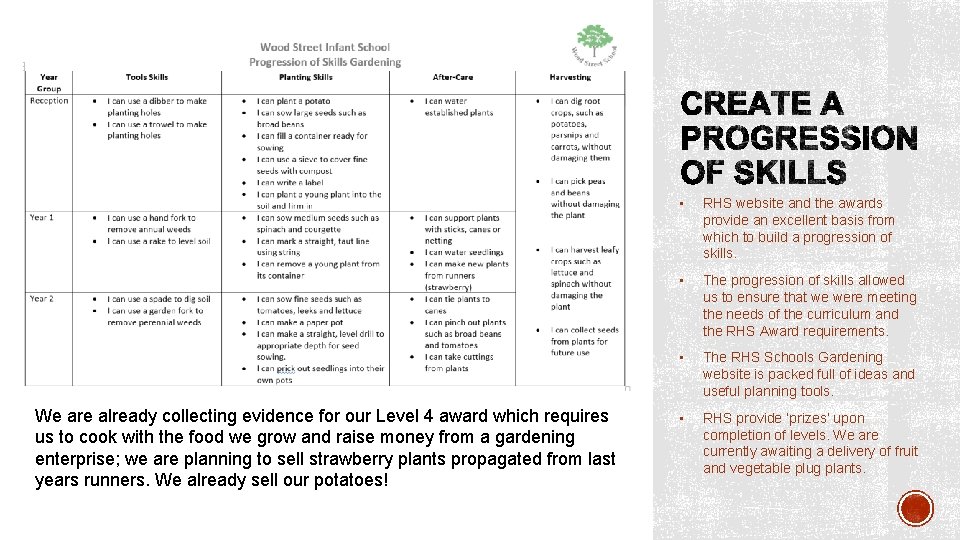
We are already collecting evidence for our Level 4 award which requires us to cook with the food we grow and raise money from a gardening enterprise; we are planning to sell strawberry plants propagated from last years runners. We already sell our potatoes! • RHS website and the awards provide an excellent basis from which to build a progression of skills. • The progression of skills allowed us to ensure that we were meeting the needs of the curriculum and the RHS Award requirements. • The RHS Schools Gardening website is packed full of ideas and useful planning tools. • RHS provide ‘prizes’ upon completion of levels. We are currently awaiting a delivery of fruit and vegetable plug plants.
§ Picture of school pond. The award made us reassess the school pond and over the course of the past 2 years we came to the conclusion that it needed removing or relocating. We invite parents into school frequently and as a result build positive relationships with them and begin to learn about their ‘specialist skills’. Yesterday we officially named our new school pond which came about due to the commitment and determination of a parent ecologist and considerable school community support.
• Designated outside areas for EYFS and KS 1 • Opportunities are looked for to teach across the whole curriculum outside • Whole school enrichment days designed to use utilise the outside • Community is at the heart of the school – we use the local environment as much as possible
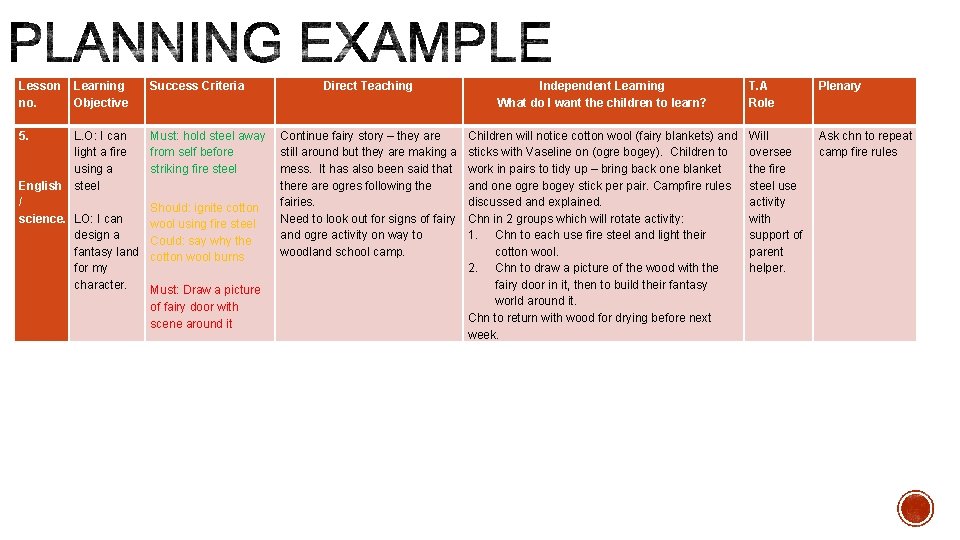
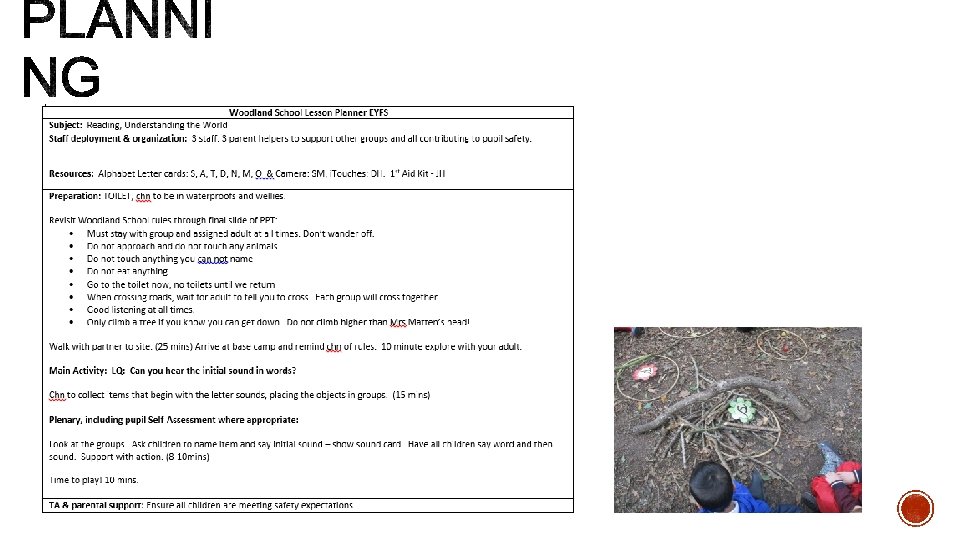
Lesson no. 5. English / science. Learning Objective Success Criteria L. O: I can light a fire using a steel LO: I can design a fantasy land for my character. Must: hold steel away Continue fairy story – they are from self before still around but they are making a striking fire steel mess. It has also been said that there are ogres following the fairies. Should: ignite cotton Need to look out for signs of fairy wool using fire steel and ogre activity on way to Could: say why the woodland school camp. cotton wool burns Must: Draw a picture of fairy door with scene around it Direct Teaching Independent Learning What do I want the children to learn? Children will notice cotton wool (fairy blankets) and sticks with Vaseline on (ogre bogey). Children to work in pairs to tidy up – bring back one blanket and one ogre bogey stick per pair. Campfire rules discussed and explained. Chn in 2 groups which will rotate activity: 1. Chn to each use fire steel and light their cotton wool. 2. Chn to draw a picture of the wood with the fairy door in it, then to build their fantasy world around it. Chn to return with wood for drying before next week. T. A Role Plenary Will oversee the fire steel use activity with support of parent helper. Ask chn to repeat camp fire rules
• Whole school enrichment is planned at least termly • Off-site activities are planned half termly • Off-site trips are carefully planned to enrich whole school topics
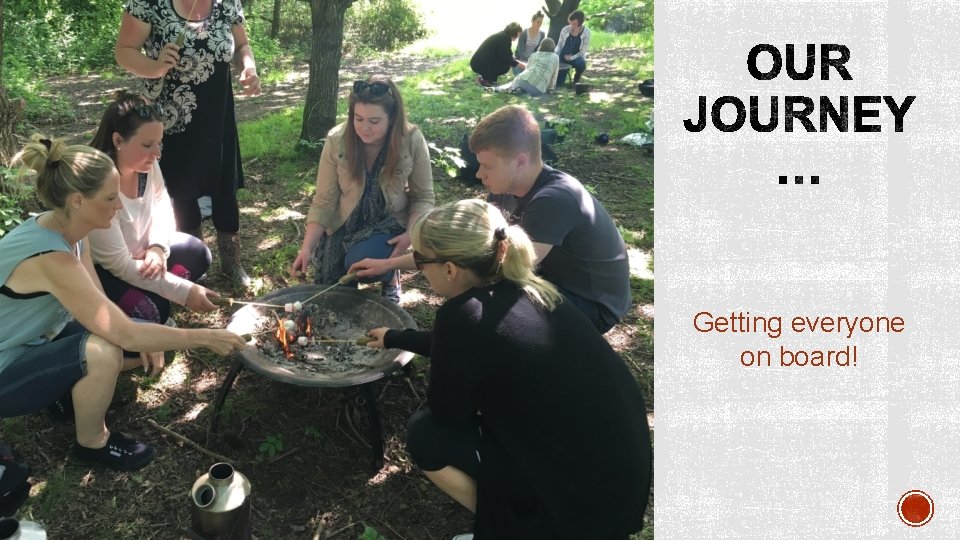
Getting everyone on board!
§ LOt. C is built into all of our polices (Curriculum, T&L, Subject specific) § Specific LOt. C policy § Woodland School Booklet – formal procedures and rules § Designated space on school website
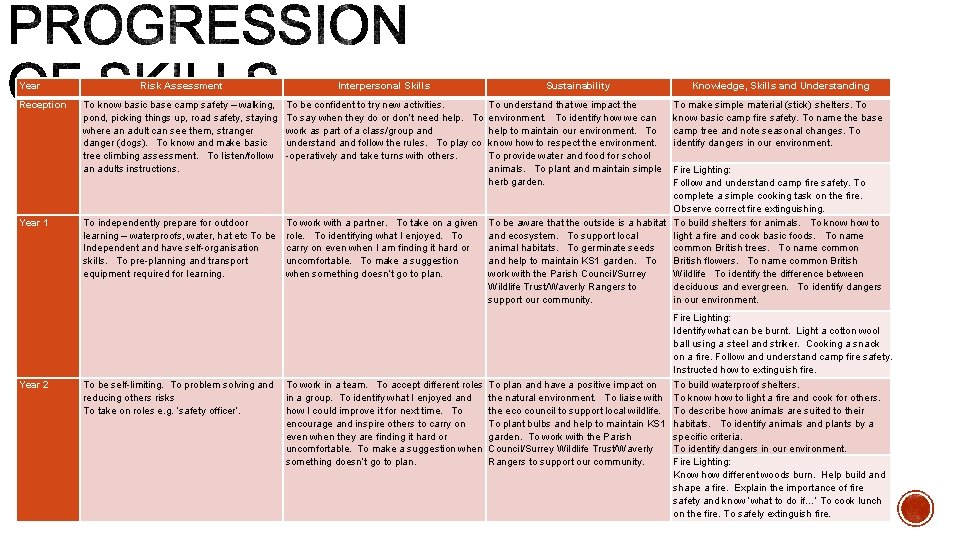
Year Reception Year 1 Risk Assessment To know basic base camp safety – walking, pond, picking things up, road safety, staying where an adult can see them, stranger danger (dogs). To know and make basic tree climbing assessment. To listen/follow an adults instructions. Interpersonal Skills Sustainability To be confident to try new activities. To understand that we impact the To say when they do or don’t need help. To environment. To identify how we can work as part of a class/group and help to maintain our environment. To understand follow the rules. To play co know how to respect the environment. -operatively and take turns with others. To provide water and food for school animals. To plant and maintain simple herb garden. Knowledge, Skills and Understanding To make simple material (stick) shelters. To know basic camp fire safety. To name the base camp tree and note seasonal changes. To identify dangers in our environment. Fire Lighting: Follow and understand camp fire safety. To complete a simple cooking task on the fire. Observe correct fire extinguishing. To independently prepare for outdoor To work with a partner. To take on a given To be aware that the outside is a habitat To build shelters for animals. To know how to learning – waterproofs, water, hat etc To be role. To identifying what I enjoyed. To and ecosystem. To support local light a fire and cook basic foods. To name Independent and have self-organisation carry on even when I am finding it hard or animal habitats. To germinate seeds common British trees. To name common skills. To pre-planning and transport uncomfortable. To make a suggestion and help to maintain KS 1 garden. To British flowers. To name common British equipment required for learning. when something doesn’t go to plan. work with the Parish Council/Surrey Wildlife To identify the difference between Wildlife Trust/Waverly Rangers to deciduous and evergreen. To identify dangers support our community. in our environment. Fire Lighting: Identify what can be burnt. Light a cotton wool ball using a steel and striker. Cooking a snack on a fire. Follow and understand camp fire safety. Instructed how to extinguish fire. Year 2 To be self-limiting. To problem solving and To work in a team. To accept different roles To plan and have a positive impact on To build waterproof shelters. reducing others risks in a group. To identify what I enjoyed and the natural environment. To liaise with To know how to light a fire and cook for others. To take on roles e. g. ‘safety officer’. how I could improve it for next time. To the eco council to support local wildlife. To describe how animals are suited to their encourage and inspire others to carry on To plant bulbs and help to maintain KS 1 habitats. To identify animals and plants by a even when they are finding it hard or garden. To work with the Parish specific criteria. uncomfortable. To make a suggestion when Council/Surrey Wildlife Trust/Waverly To identify dangers in our environment. Fire Lighting: something doesn’t go to plan. Rangers to support our community. Know how different woods burn. Help build and shape a fire. Explain the importance of fire safety and know ‘what to do if…’ To cook lunch on the fire. To safely extinguish fire.
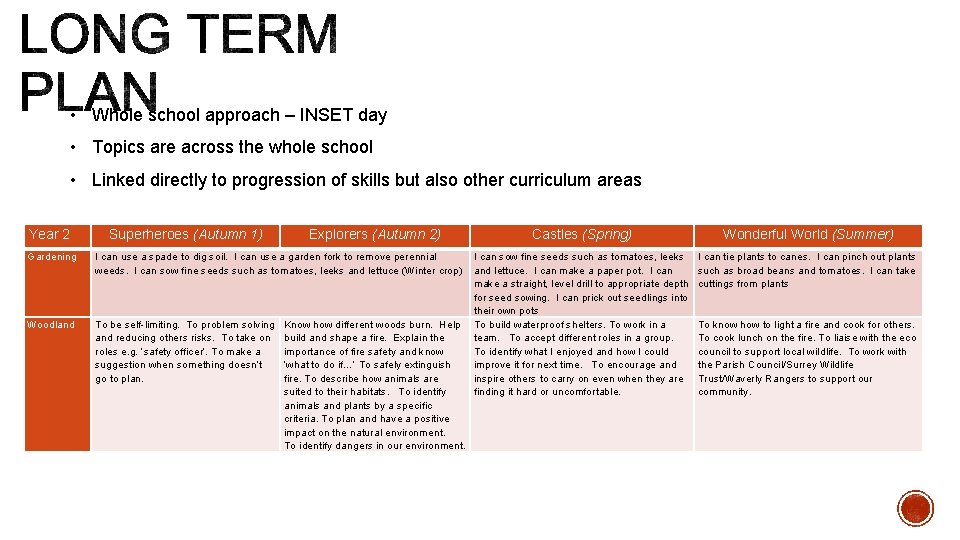
• Whole school approach – INSET day • Topics are across the whole school • Linked directly to progression of skills but also other curriculum areas Year 2 Gardening Woodland Superheroes (Autumn 1) Explorers (Autumn 2) I can use a spade to dig soil. I can use a garden fork to remove perennial weeds. I can sow fine seeds such as tomatoes, leeks and lettuce (Winter crop) Castles (Spring) I can sow fine seeds such as tomatoes, leeks and lettuce. I can make a paper pot. I can make a straight, level drill to appropriate depth for seed sowing. I can prick out seedlings into their own pots To be self-limiting. To problem solving Know how different woods burn. Help To build waterproof shelters. To work in a and reducing others risks. To take on build and shape a fire. Explain the team. To accept different roles in a group. roles e. g. ‘safety officer’. To make a importance of fire safety and know To identify what I enjoyed and how I could suggestion when something doesn’t ‘what to do if…’ To safely extinguish improve it for next time. To encourage and go to plan. fire. To describe how animals are inspire others to carry on even when they are suited to their habitats. To identify finding it hard or uncomfortable. animals and plants by a specific criteria. To plan and have a positive impact on the natural environment. To identify dangers in our environment. Wonderful World (Summer) I can tie plants to canes. I can pinch out plants such as broad beans and tomatoes. I can take cuttings from plants To know how to light a fire and cook for others. To cook lunch on the fire. To liaise with the eco council to support local wildlife. To work with the Parish Council/Surrey Wildlife Trust/Waverly Rangers to support our community.
Activity
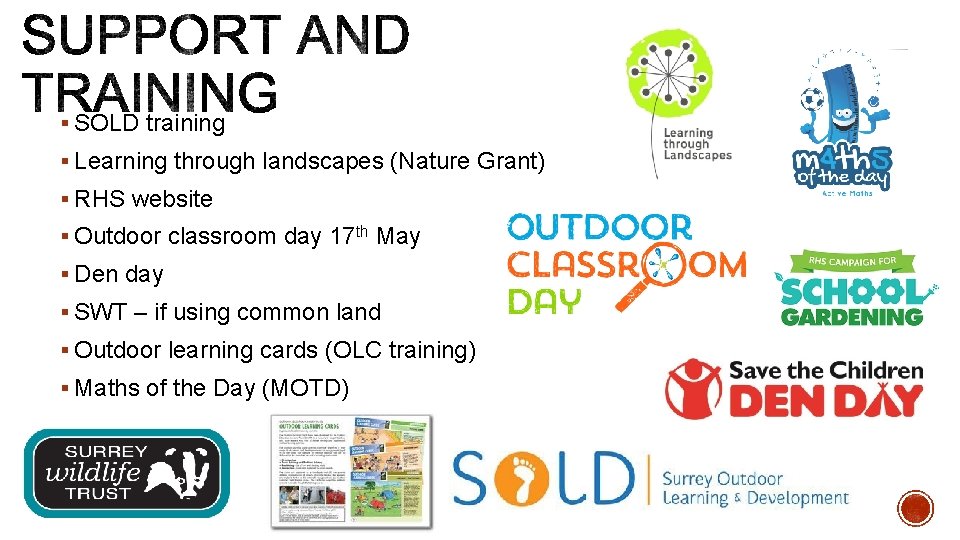
§ SOLD training § Learning through landscapes (Nature Grant) § RHS website § Outdoor classroom day 17 th May § Den day § SWT – if using common land § Outdoor learning cards (OLC training) § Maths of the Day (MOTD)
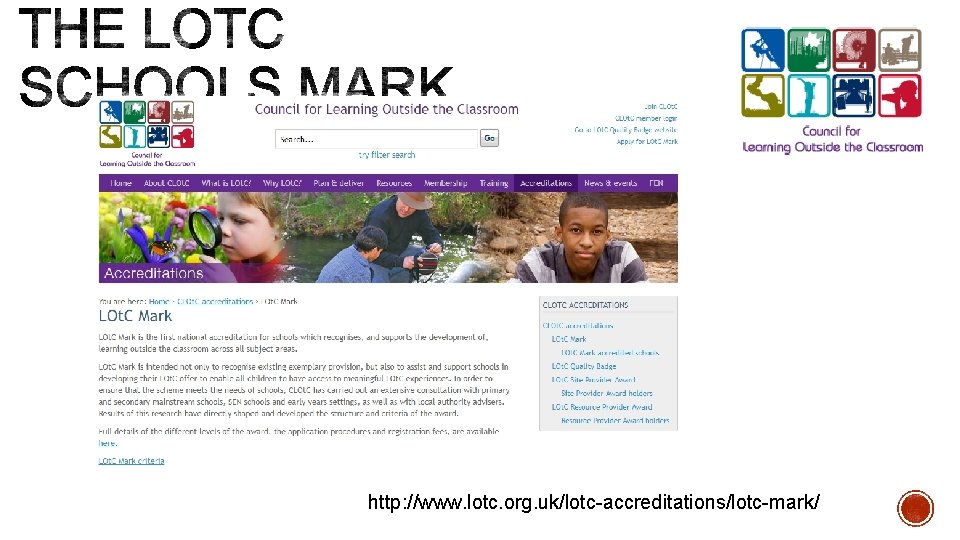
http: //www. lotc. org. uk/lotc-accreditations/lotc-mark/
§ LOt. C Mark is the first national accreditation for schools which recognises, and supports the development of, learning outside the classroom across all subject areas. § LOt. C Mark is intended not only to recognise existing exemplary provision, but also to assist and support schools in developing their LOt. C offer to enable all children to have access to meaningful LOt. C experiences.
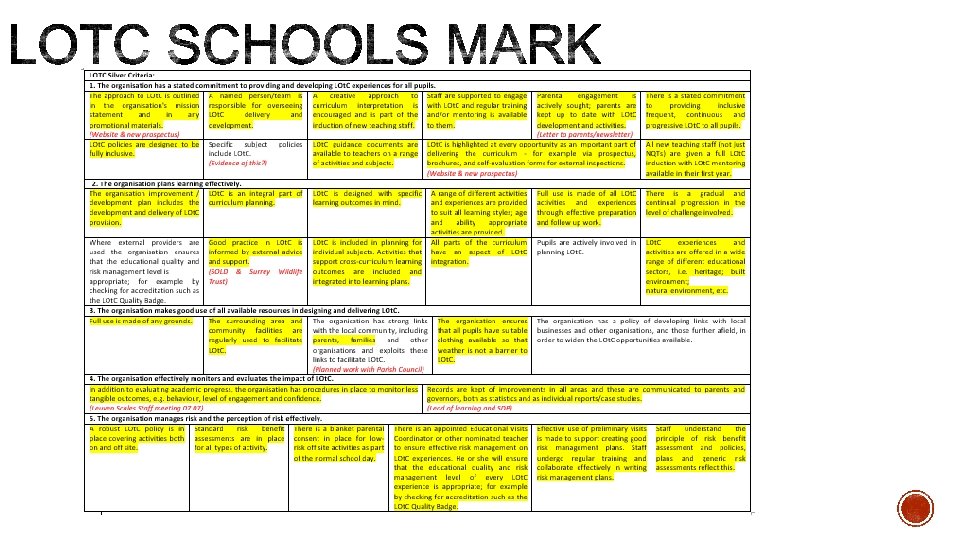
§ There are 3 levels; Bronze, Silver & Gold. The criteria builds up over the levels however if you feel you are already operating at Silver or Gold level you can apply at that level – there is no need to start with Bronze. § Assessing LOt. C in delivering the everyday curriculum as well as formal visits. § Extra-curricular activities and P. E should not be included in your application. § There are THREE annual application deadlines. § The next deadline for applications is Friday 6 th July 2018. LOt. C Mark Criteria
LOt. C Mark aims to: § Recognise existing provision in schools. § Support schools in developing their LOt. C offer. Bronze • Recognises awareness of the benefits of LOt. C and an engagement with improving provision. • Applicants will be supported in developing LOt. C integration. Silver • Recognises a commitment to providing frequent, continuous and progressive LOt. C. • Applicants will be supported in continuing to improve their provision. Gold • Recognises exemplary LOt. C provision for all pupils. • Applicants receive consultancy advice on further developing their LOt. C provision. • Gold accreditation holders will mentor other schools.
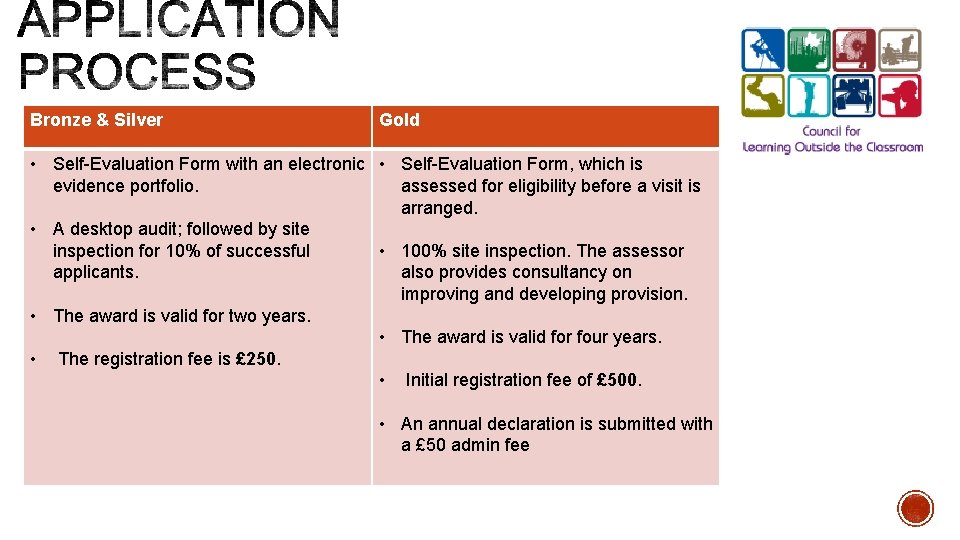
Bronze & Silver Gold • Self-Evaluation Form with an electronic • Self-Evaluation Form, which is evidence portfolio. assessed for eligibility before a visit is arranged. • A desktop audit; followed by site • 100% site inspection. The assessor inspection for 10% of successful also provides consultancy on applicants. improving and developing provision. • The award is valid for two years. • The award is valid for four years. • The registration fee is £ 250. • Initial registration fee of £ 500. • An annual declaration is submitted with a £ 50 admin fee
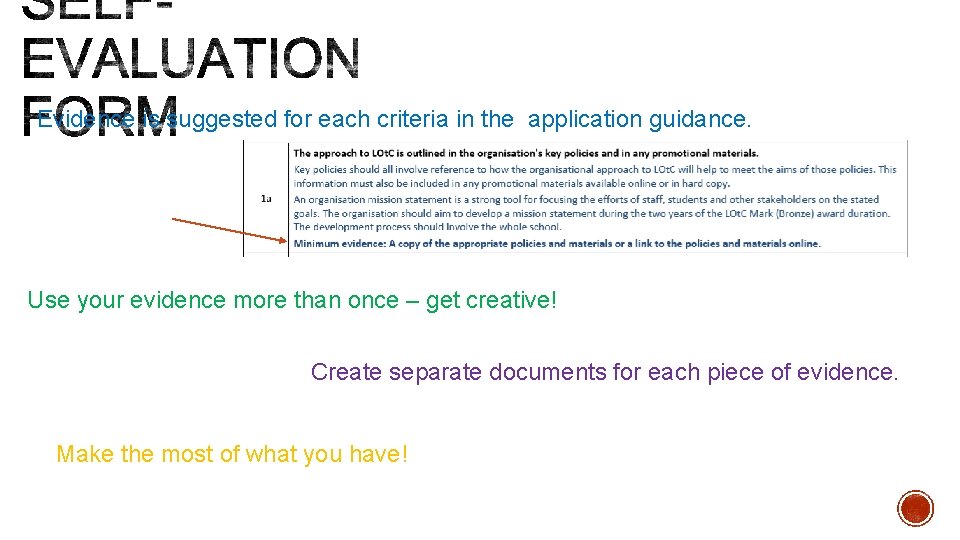
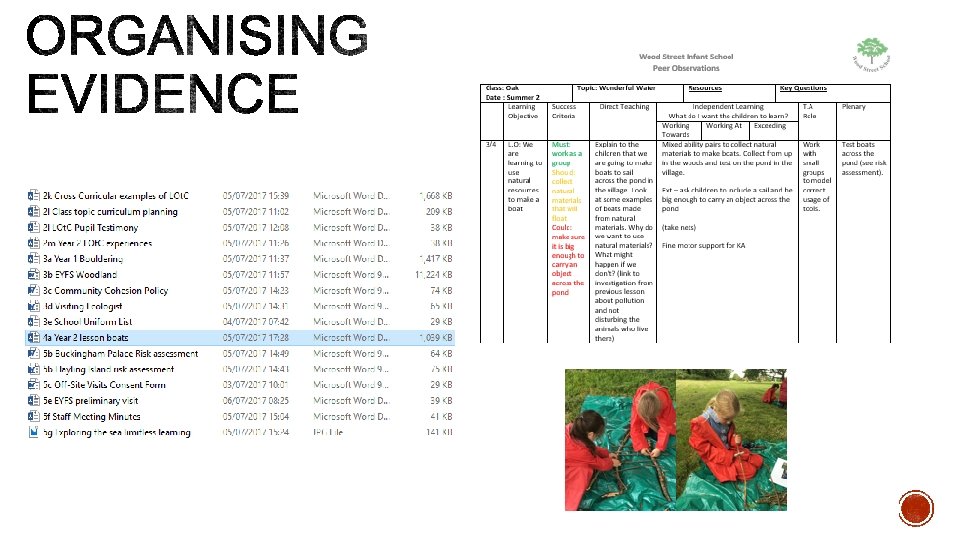
§ Describe practice at your setting in your own words, if you feel your practice doesn’t fit with particular criteria just explain how you do things and why. § Evidence could be policies, meeting notes, lesson & curriculum plans, etc. showing that your description of practice at the school is actually happening on the ground. § Photographs can be included as evidence; they must be clearly labelled and indicate the practice they are demonstrating. Maximum of 10 photographs. § Each piece of evidence should be numbered with the criterion against which it is first used. E. g. – a staff induction policy might be used as evidence for 1 c, so should be labelled ‘ 1 c – staff induction policy’ § Where a policy or piece of evidence is relevant across two or more criteria, it only needs to be supplied and labelled once. E. g. – all subsequent mentions of the staff induction policy should refer to ‘ 1 c – staff induction § All pieces of evidence should be presented as separate documents for ease of reference.
Evidence is suggested for each criteria in the application guidance. Use your evidence more than once – get creative! Create separate documents for each piece of evidence. Make the most of what you have!
“There are several policies and procedures in place to ensure the delivery of an exciting, engaging LOt. C curriculum at Wood Street. Our school curriculum, teaching and learning and health and safety policies all take into consideration the outdoor learning we provide. We have a subject specific policy (appendix 1 c ‘LOt. C Policy and Progression of skills’) which provides staff with our school vision, aims and principles of teaching for LOt. C. It states that ‘learning outside the classroom is a part of our creative skills based curriculum, providing opportunities to learn transferable skills alongside subject specific knowledge, ’ meaning that our staff adopt a creative approach to teaching in a way that best suits our pupils and prepares them for later life. Further to this we have skills progressions documents which enable staff to plan based on children’s abilities and next steps (appendix 1 c ‘LOt. C Policy and Progression of skills’ and appendix 1 c ‘Progression of gardening skills’). To maintain safety and ensure consistency in risk management we also have a handbook which outlines safety procedures for staff to follow when specifically, at woodland school (appendix 1 c ‘Woodland school booklet’) any outdoor learning conducted on site follow the school risk assessment and any further off site learning will be risk assessed prior to teaching. Our staff induction policy indicates that induction ‘should be tailored to specific individuals’(appendix 1 c ‘Induction Policy’). In the previous academic year (2015 -16) a comprehensive induction and training development plan was undertaken in order to best induct new staff as well as NQT’s (appendix 1 c’ Induction and CPD training plan’). ”
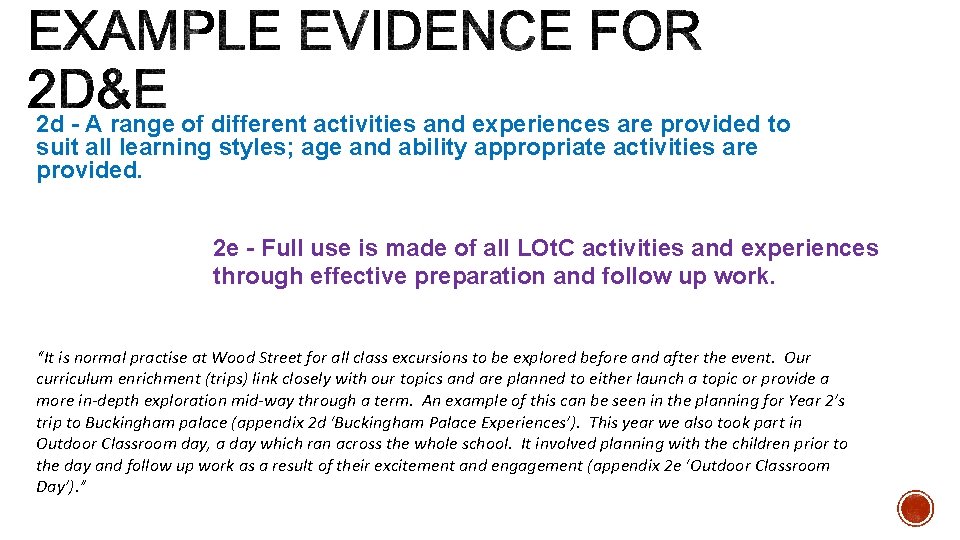
2 d - A range of different activities and experiences are provided to suit all learning styles; age and ability appropriate activities are provided. 2 e - Full use is made of all LOt. C activities and experiences through effective preparation and follow up work. “It is normal practise at Wood Street for all class excursions to be explored before and after the event. Our curriculum enrichment (trips) link closely with our topics and are planned to either launch a topic or provide a more in-depth exploration mid-way through a term. An example of this can be seen in the planning for Year 2’s trip to Buckingham palace (appendix 2 d ‘Buckingham Palace Experiences’). This year we also took part in Outdoor Classroom day, a day which ran across the whole school. It involved planning with the children prior to the day and follow up work as a result of their excitement and engagement (appendix 2 e ‘Outdoor Classroom Day’). ”
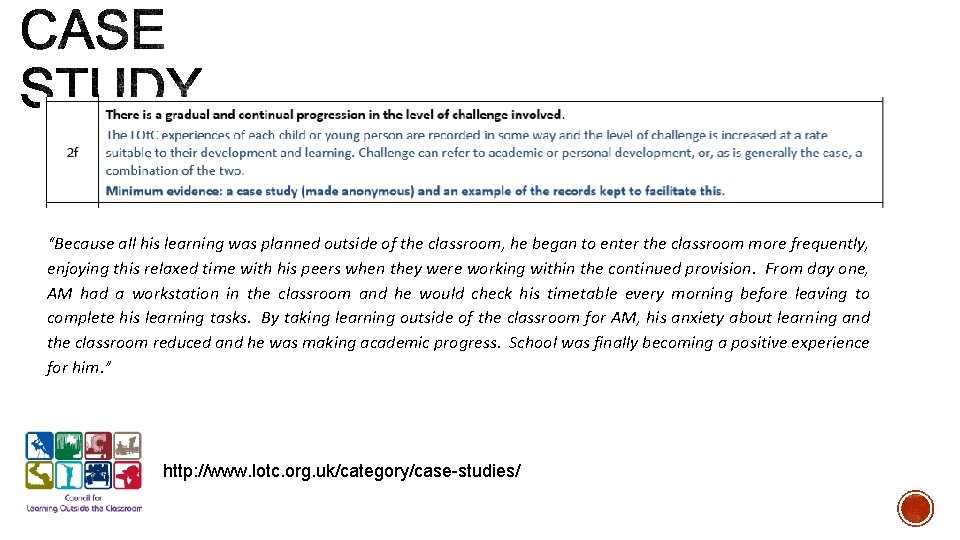
“Because all his learning was planned outside of the classroom, he began to enter the classroom more frequently, enjoying this relaxed time with his peers when they were working within the continued provision. From day one, AM had a workstation in the classroom and he would check his timetable every morning before leaving to complete his learning tasks. By taking learning outside of the classroom for AM, his anxiety about learning and the classroom reduced and he was making academic progress. School was finally becoming a positive experience for him. ” http: //www. lotc. org. uk/category/case-studies/