
The Lophotrochozoa Phylum Acanthocephala Acanthocephala acanthias prickly cephalo
- Slides: 27
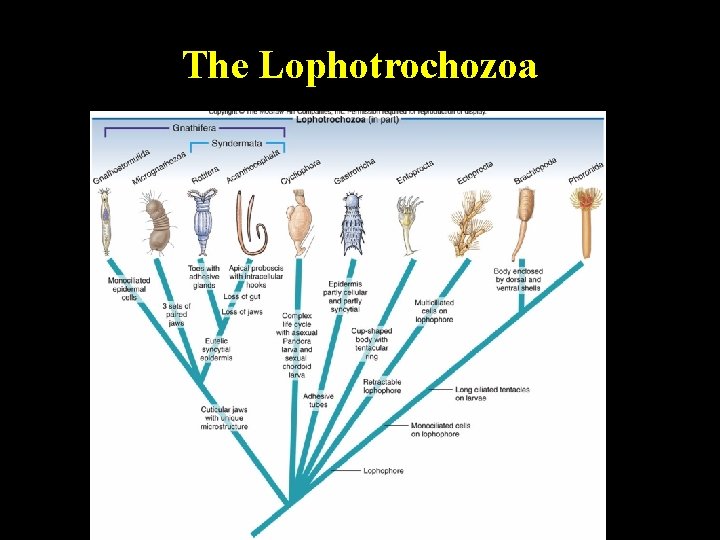
The Lophotrochozoa
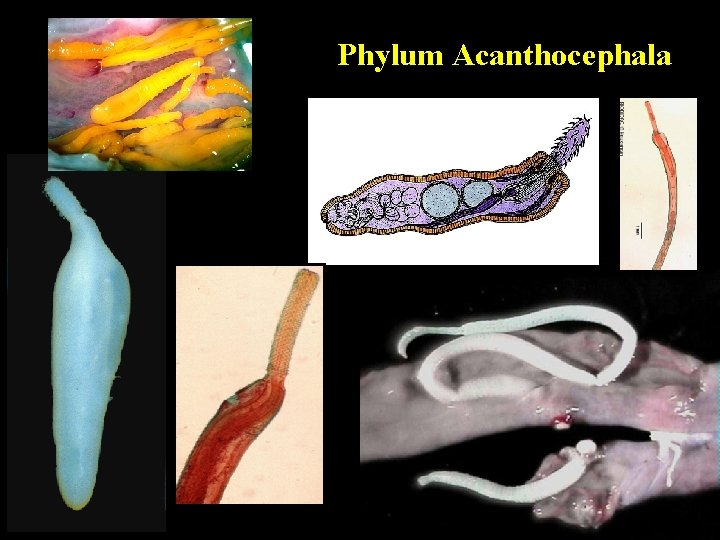
Phylum Acanthocephala
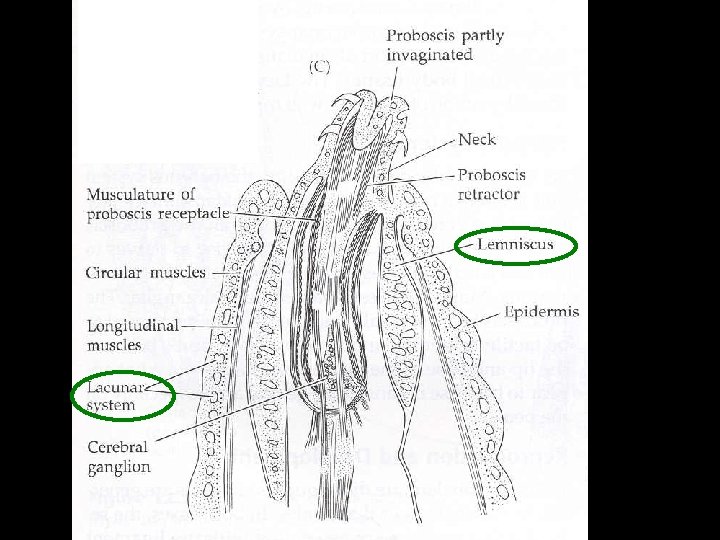
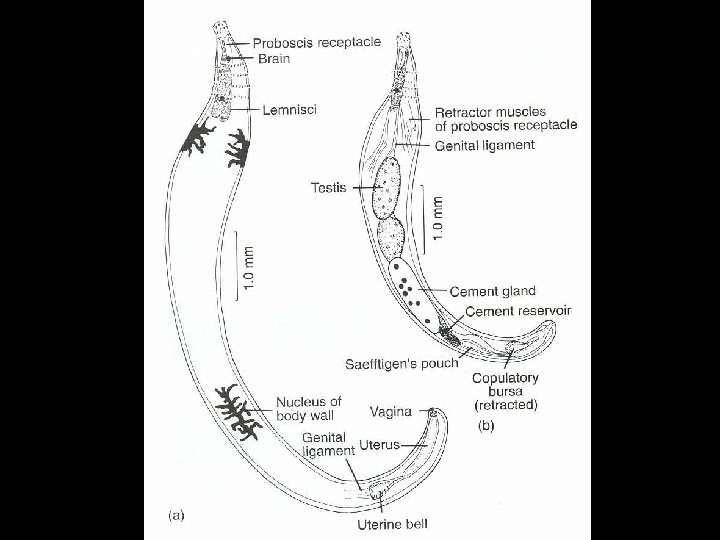
Acanthocephala: acanthias, “prickly”; cephalo, “head” Spiny-headed worms. • All parasitic. • Anterior end with hook-bearing proboscis with hydraulic structures called lemnisci that may facilitate extension of proboscis. • Unique system of channels called lacunar system. • Gut absent.
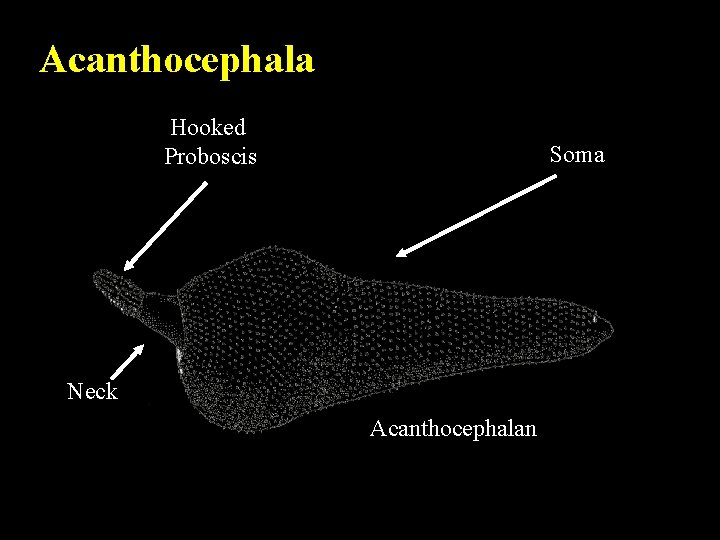
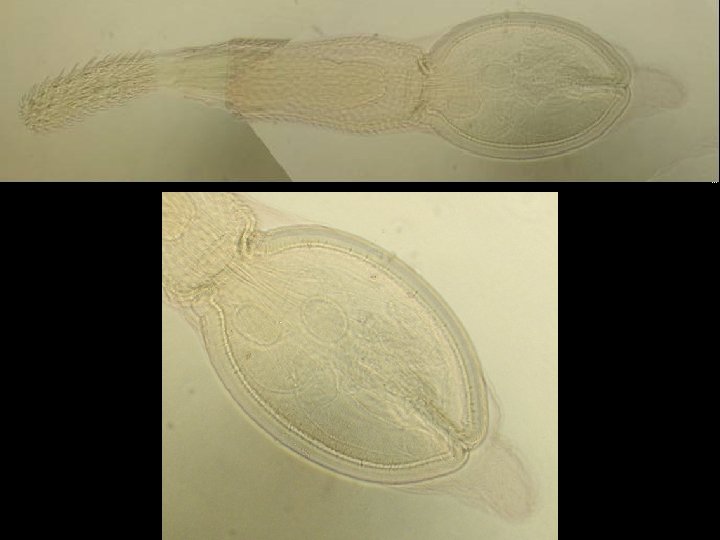
Acanthocephala Hooked Proboscis Soma Neck Acanthocephalan
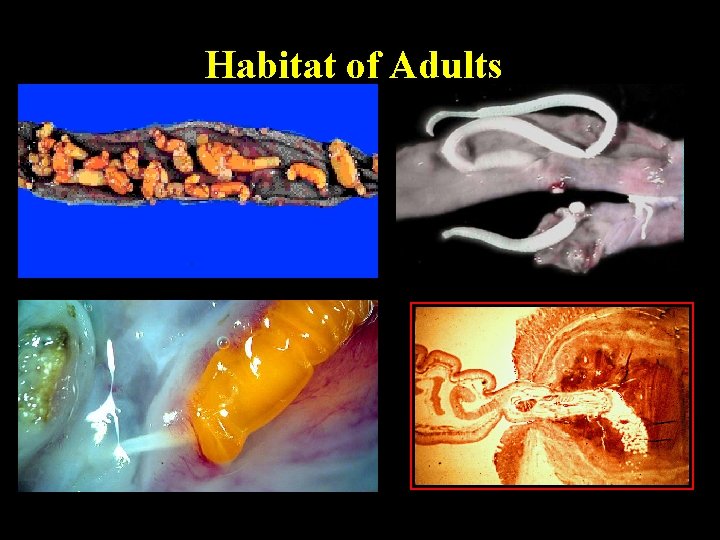
Habitat of Adults
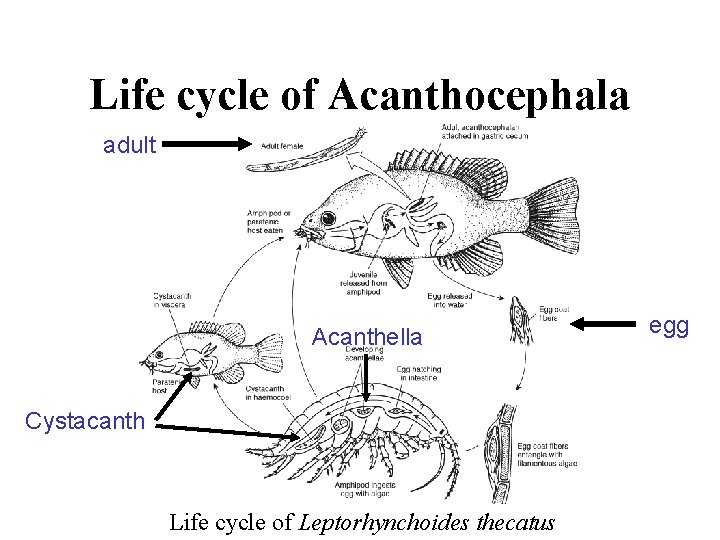
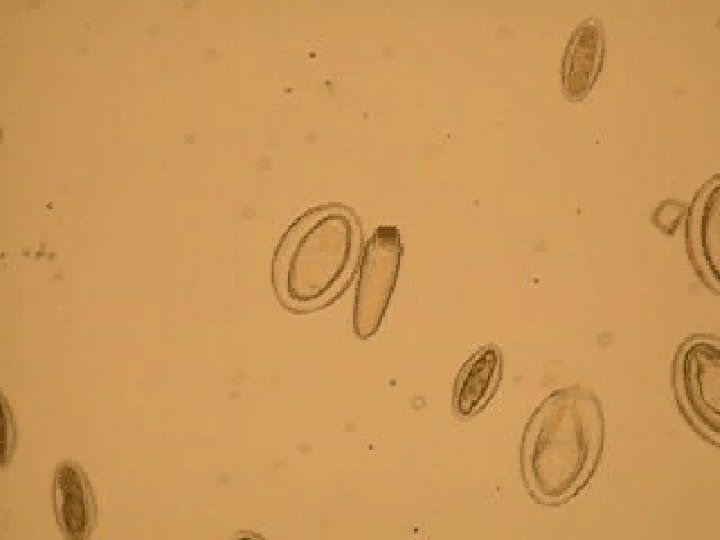
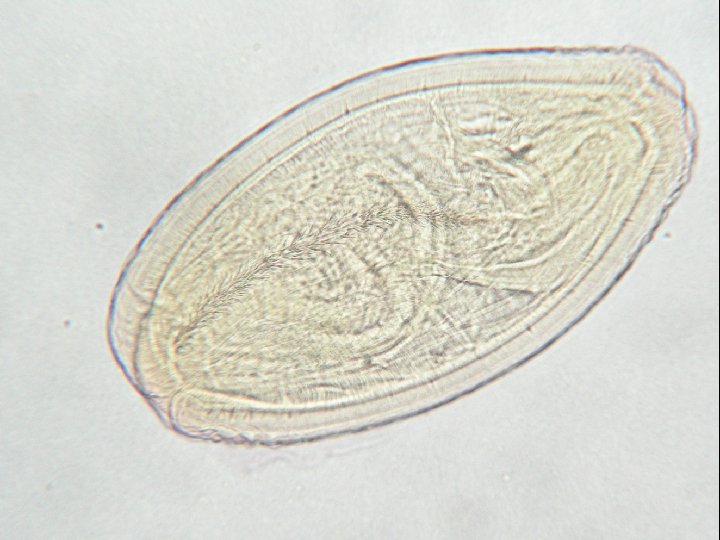
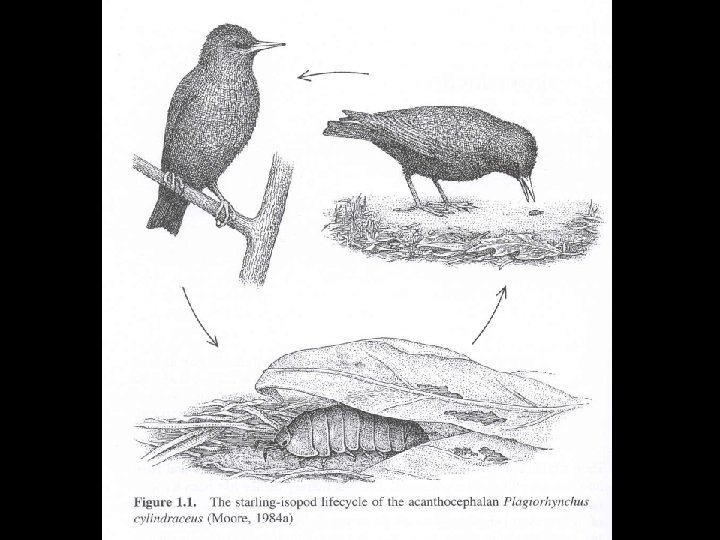
Life cycle of Acanthocephala adult Acanthella Cystacanth Life cycle of Leptorhynchoides thecatus egg
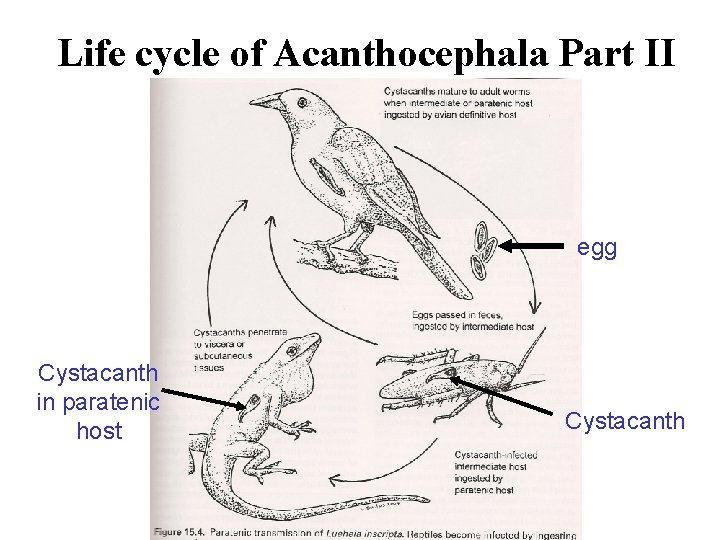
Life cycle of Acanthocephala Part II egg Cystacanth in paratenic host Cystacanth
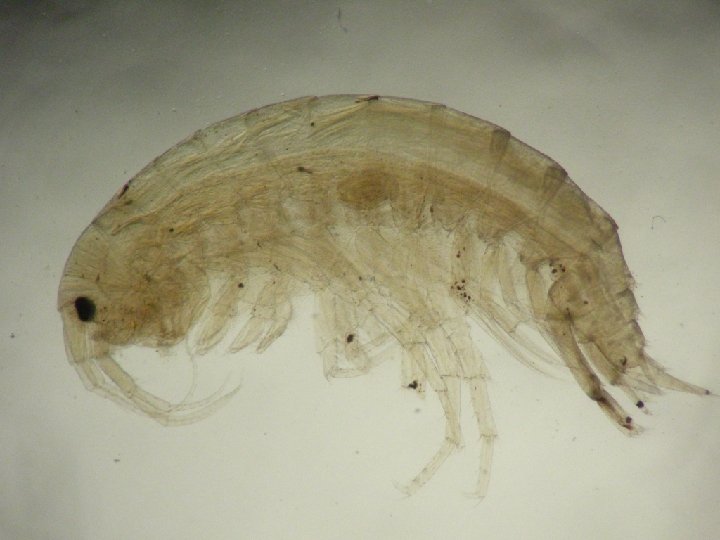
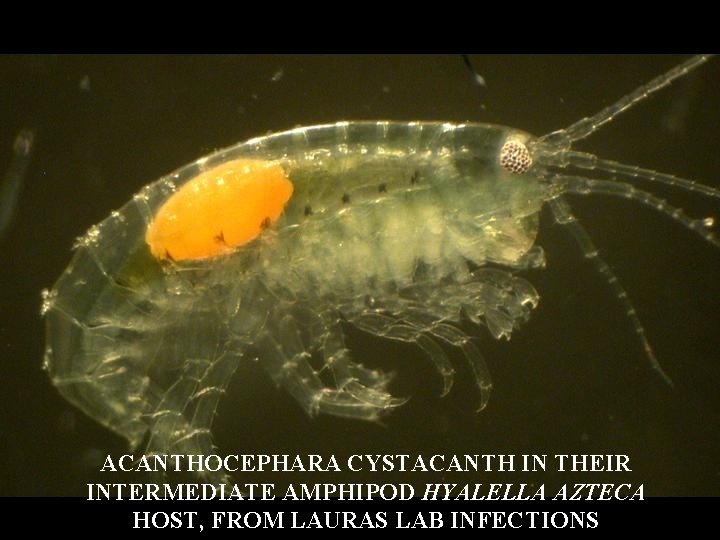
ACANTHOCEPHARA CYSTACANTH IN THEIR INTERMEDIATE AMPHIPOD HYALELLA AZTECA HOST, FROM LAURAS LAB INFECTIONS
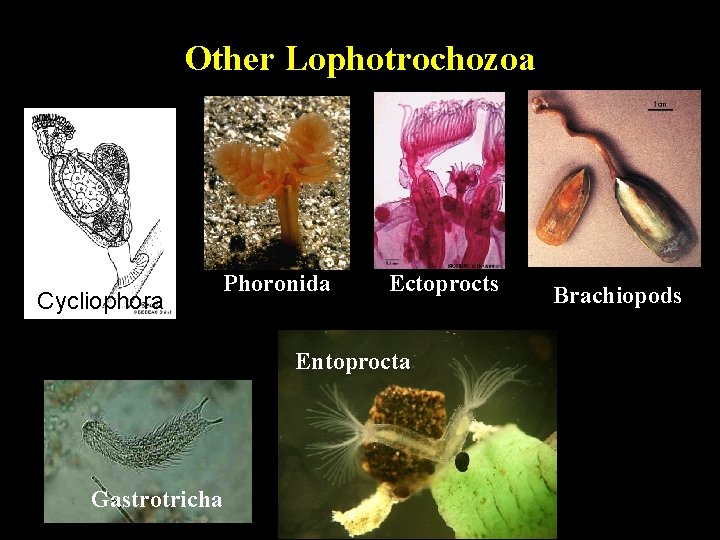
Other Lophotrochozoa Cycliophora Phoronida Ectoprocts Entoprocta Gastrotricha Brachiopods
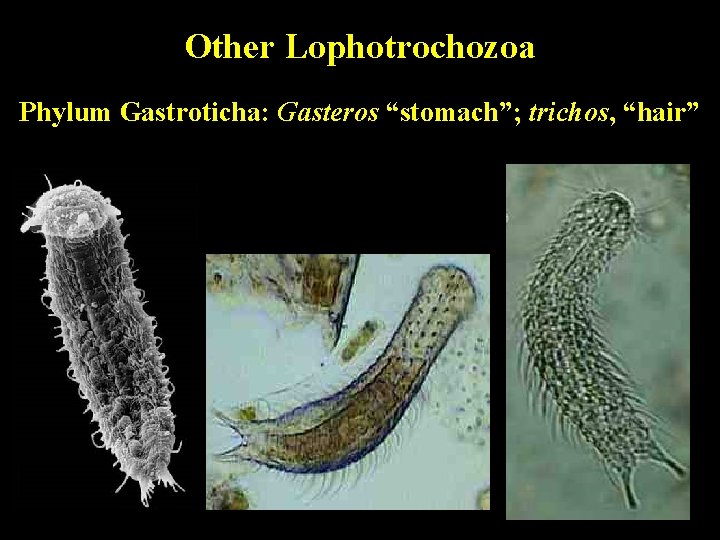
Other Lophotrochozoa Phylum Gastroticha: Gasteros “stomach”; trichos, “hair”
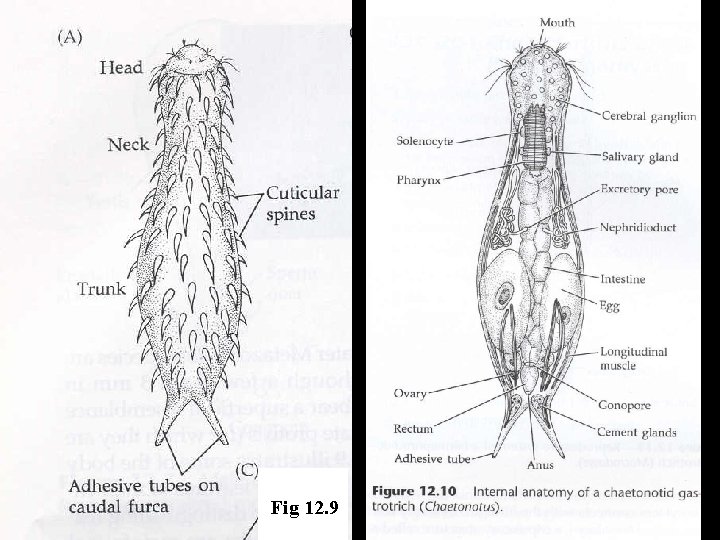
Gastrotrichs Characteristics • Triploblastic, bilateral, and unsegmented. • Area between gut and body wall filled with loose organs and mesenchyme (looks like Acoelomate). • Cuticle well developed with spines. • Epidermis partly cellular, partly syncytial. • Ciliation on ventral surface. • Gut complete • Protonephridia • Hermaphroditic, some are or were dioecious (? )
Fig 12. 9
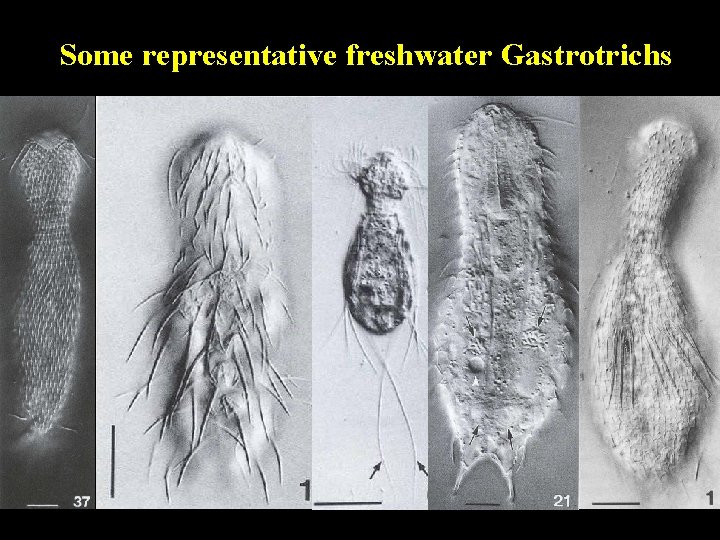
Some representative freshwater Gastrotrichs
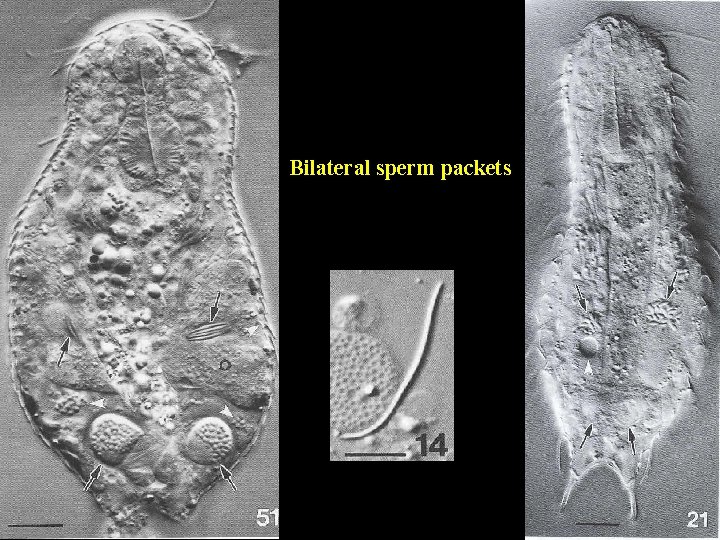
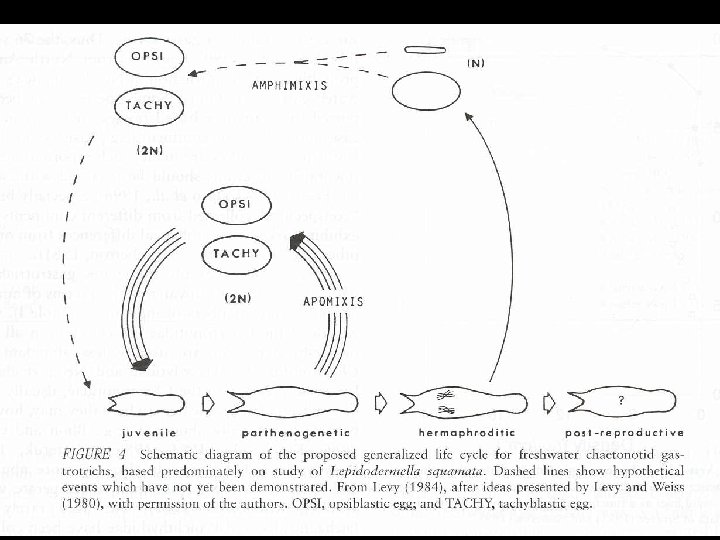
Reproduction • For a long time it was thought that all gastrotrichs were parthenogenetic females. • However recent studies have questioned this notion, and have revealed a remarkable life cycle among freshwater gastrotrichs.
Bilateral sperm packets
Big Picture • “Protostome groups consisting of two large clades the Lophotrochozoans and the Ecdysozoans. • Most Lophotrochozoans are protostomes and share a trochophor larva stage and/or a lophophore. • This group contains a few phyla with one or very few species.