
The Liver Disease of ARPKD Congenital Hepatic Fibrosis
The Liver Disease of ARPKD: Congenital Hepatic Fibrosis November 3, 2018 Andrew Wehrman, M. D. Fellow Physician Division of Gastroenterology, Hepatology, and Nutrition Children’s Hospital of Philadelphia Slides provided by: David A. Piccoli, M. D.
Introduction • Liver disease is seen in about 45 -70% of infants with ARPKD • Liver pathology shows ductal plate malformation • Congenital hepatic fibrosis • Caroli syndrome • Clinical manifestations include portal hypertension, variceal bleeding, or cholangitis and therapy focuses on managing these complications • Liver transplant (+/- kidney transplant) is not common, but can be successful if indicated
Definitions • ARPKD: The genetic disease name, and the renal disease • PKHD 1: The gene that is mutated in ARPKD • Fibrocystin: The protein coded by the PKHD 1 gene • DPM: Ductal Plate Malformation - Histology (pathology) of abnormal development of the portal tract in the liver and the bile ducts, with large amounts of fibrosis and abnormally structured bile ducts • CHF: The liver disease name for the pathology picture of DPM. It is due to ARPKD and many other kidney diseases • HTN: elevated systemic (arm) arterial blood pressure, commonly due to kidney disease • PHTN: portal hypertension, elevated venous portal (liver, spleen) blood pressure, due to (in CHF) fibrosis and abnormal blood flow through the liver.


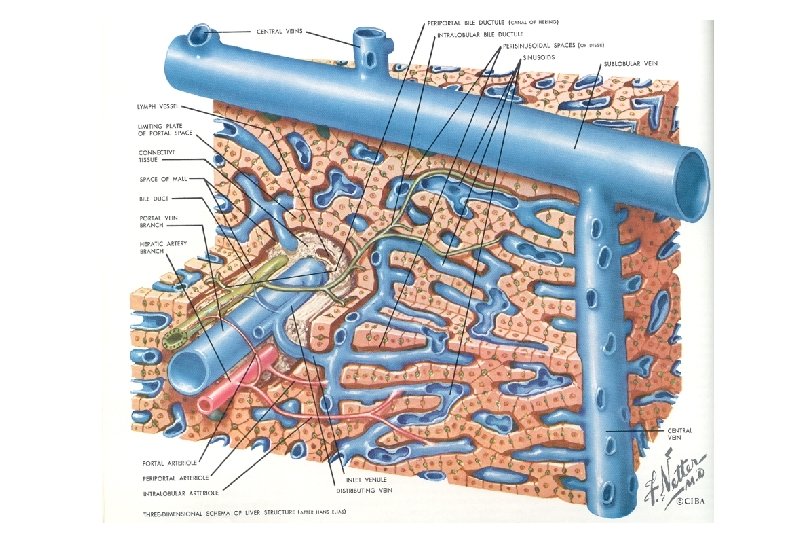
Diagram of Normal Portal Tract (Triad)

Ductal Plate – Scientifically Speaking • Protostructure of the intrahepatic biliary system begins to develop at around 8 weeks of gestation • Consists of of a double-layered cylinder of biliary-type cells with a slit-like lumen forming around the portal vein and its surrounding mesenchyme • In the following weeks ductal plates appear around smaller portal veins as they develop distally from the hilum of the liver • Hepatoblasts not involved in ductal plate formation differentiate into parenchymal liver cells
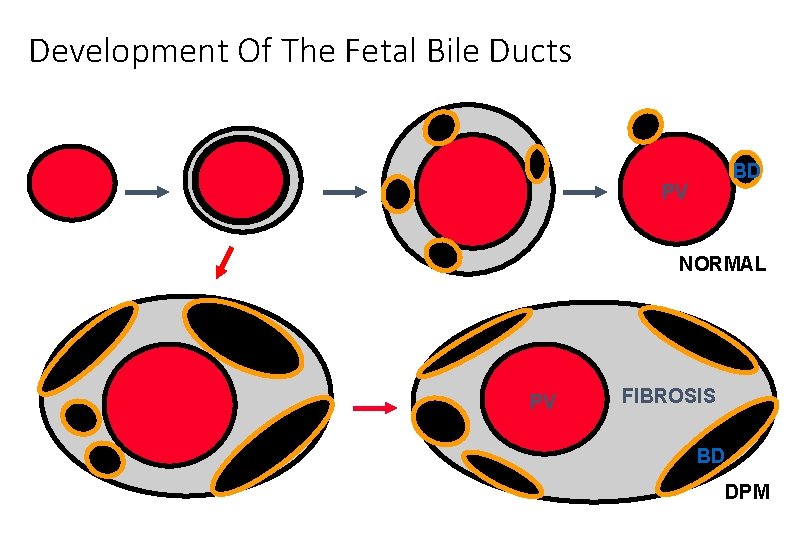
Development Of The Fetal Bile Ducts BD PV NORMAL PV FIBROSIS BD DPM

Ductal Plate – Scientifically Speaking • Remodeling process also follows the branching growth of the portal vein from the hilum to the periphery of the liver with continuous development throughout fetal life (with more mature ducts being present in the hilar region) • The mechanisms involved in this remodeling remain largely unknown but evidence supports an important role for epithelial proliferation and apoptosis.

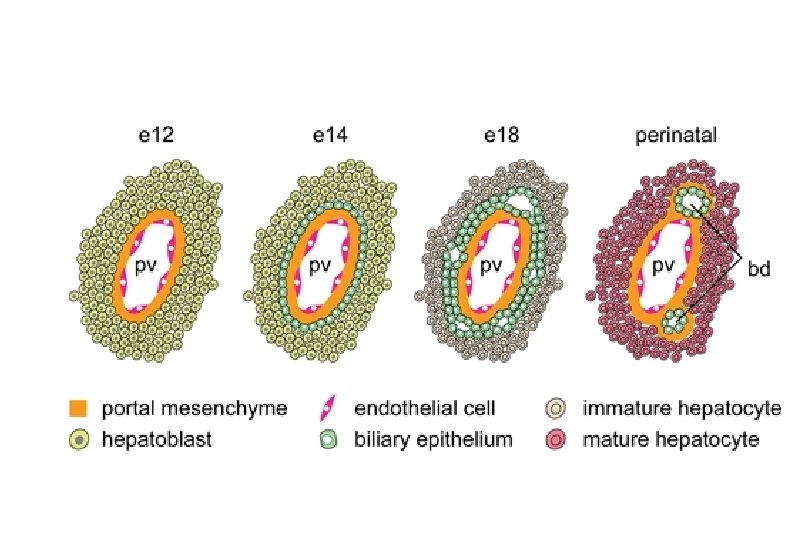
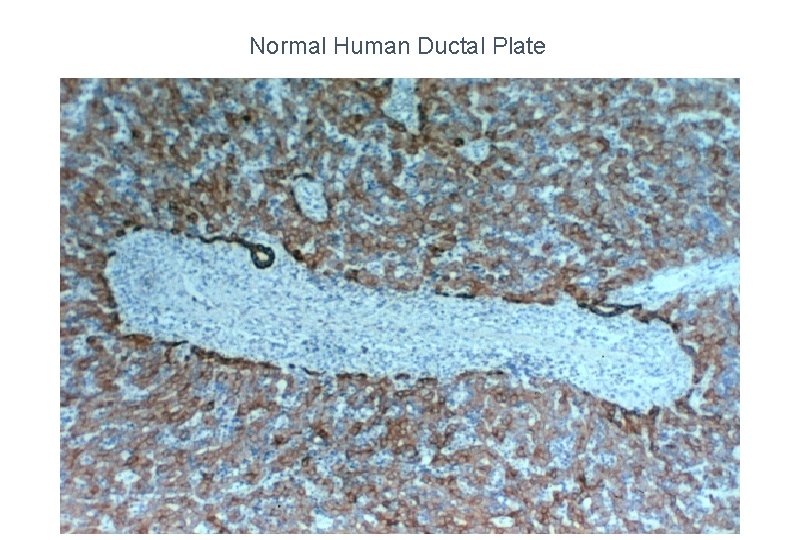
Normal Human Ductal Plate

Normal Human Ductal Plate
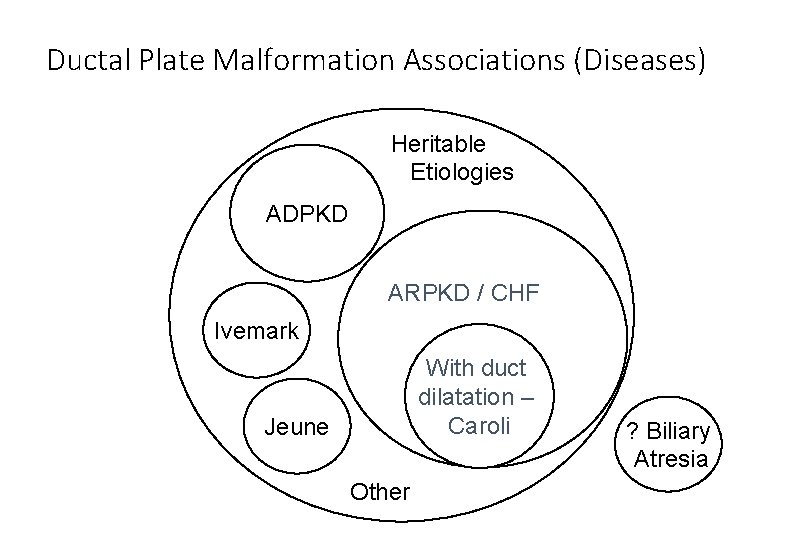
Ductal Plate Malformation Associations (Diseases) Heritable Etiologies ADPKD ARPKD / CHF Ivemark With duct dilatation – Caroli Jeune Other ? Biliary Atresia
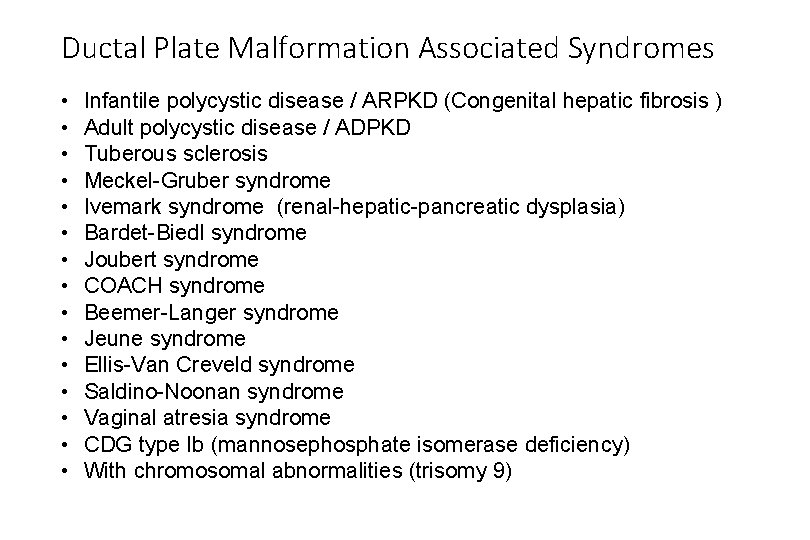
Ductal Plate Malformation Associated Syndromes • • • • Infantile polycystic disease / ARPKD (Congenital hepatic fibrosis ) Adult polycystic disease / ADPKD Tuberous sclerosis Meckel-Gruber syndrome Ivemark syndrome (renal-hepatic-pancreatic dysplasia) Bardet-Biedl syndrome Joubert syndrome COACH syndrome Beemer-Langer syndrome Jeune syndrome Ellis-Van Creveld syndrome Saldino-Noonan syndrome Vaginal atresia syndrome CDG type Ib (mannosephosphate isomerase deficiency) With chromosomal abnormalities (trisomy 9)
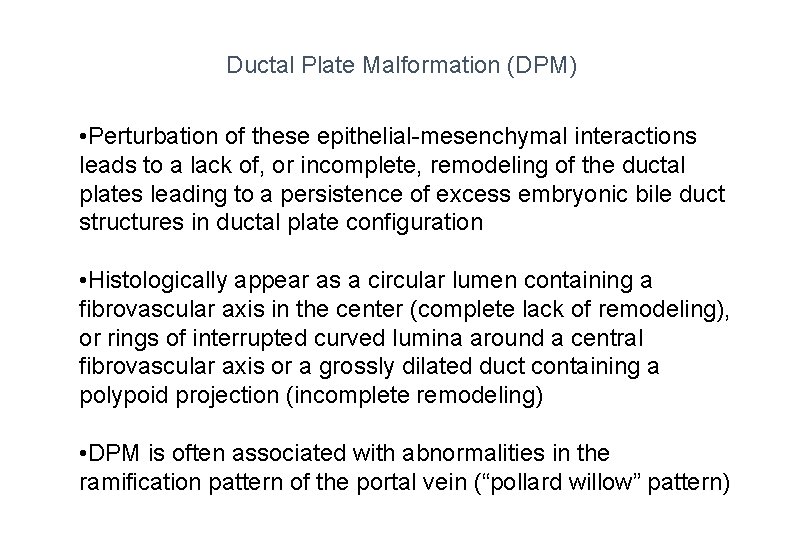
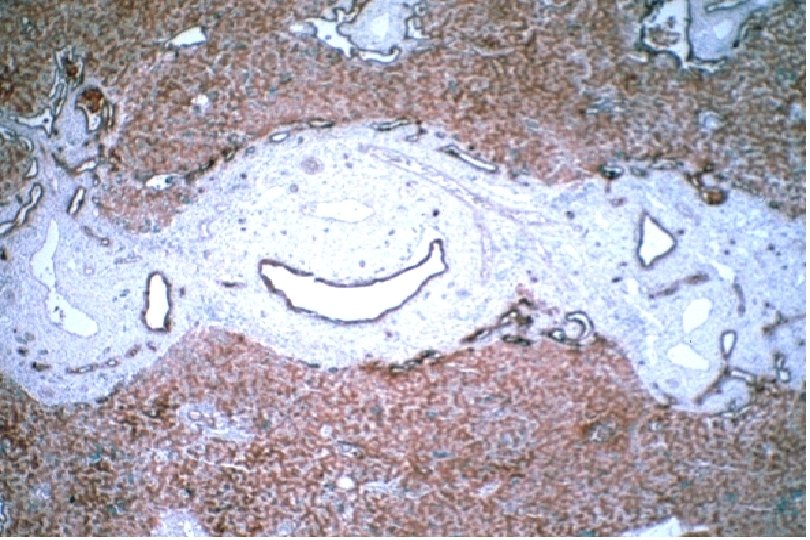
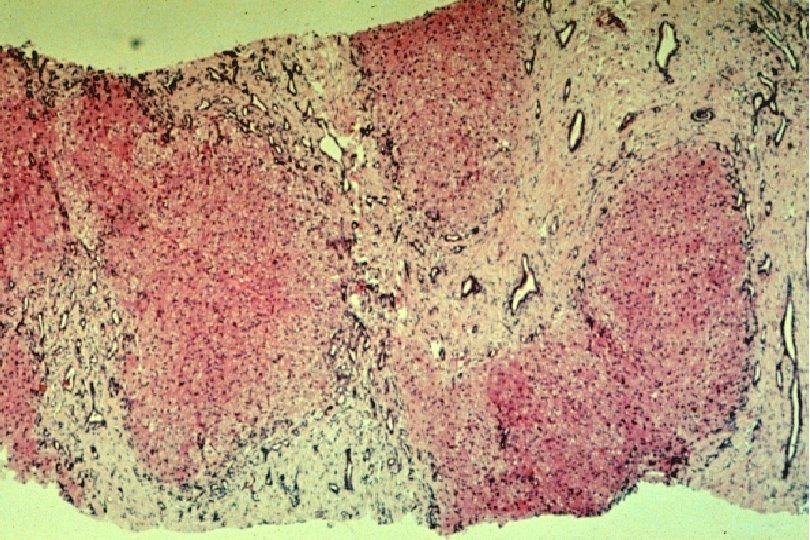
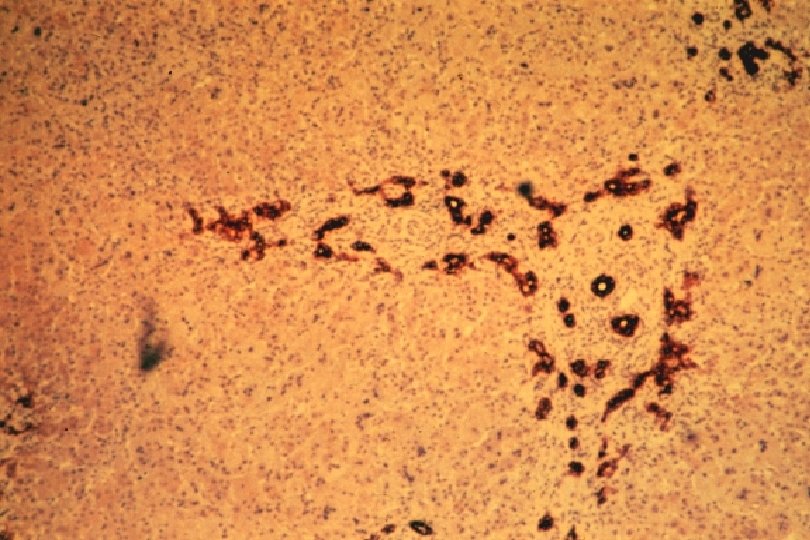
Ductal Plate Malformation (DPM) • Perturbation of these epithelial-mesenchymal interactions leads to a lack of, or incomplete, remodeling of the ductal plates leading to a persistence of excess embryonic bile duct structures in ductal plate configuration • Histologically appear as a circular lumen containing a fibrovascular axis in the center (complete lack of remodeling), or rings of interrupted curved lumina around a central fibrovascular axis or a grossly dilated duct containing a polypoid projection (incomplete remodeling) • DPM is often associated with abnormalities in the ramification pattern of the portal vein (“pollard willow” pattern)
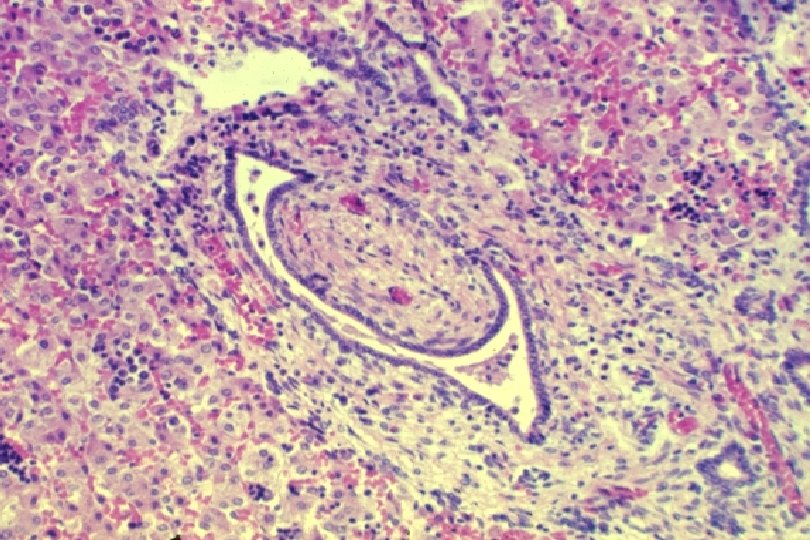
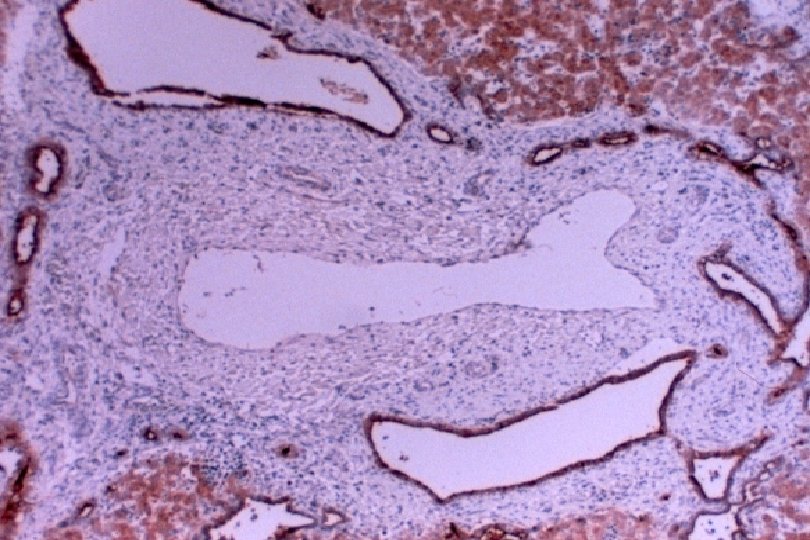
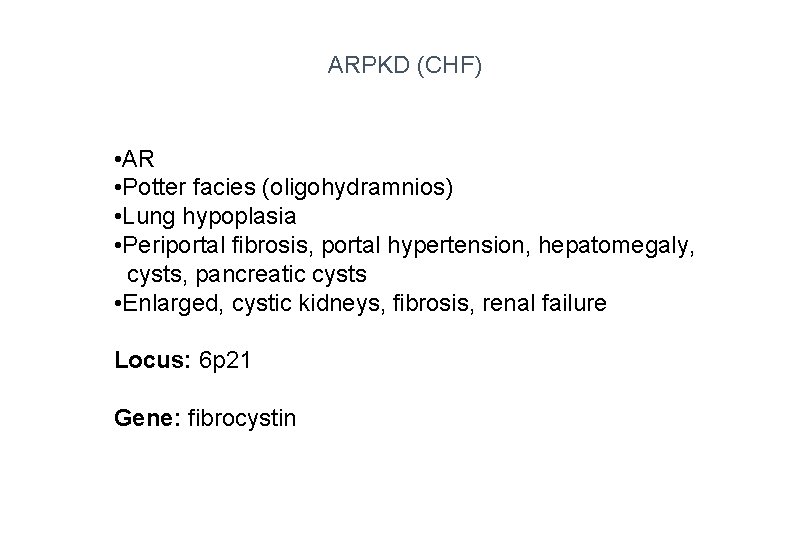
ARPKD (CHF) • AR • Potter facies (oligohydramnios) • Lung hypoplasia • Periportal fibrosis, portal hypertension, hepatomegaly, cysts, pancreatic cysts • Enlarged, cystic kidneys, fibrosis, renal failure Locus: 6 p 21 Gene: fibrocystin
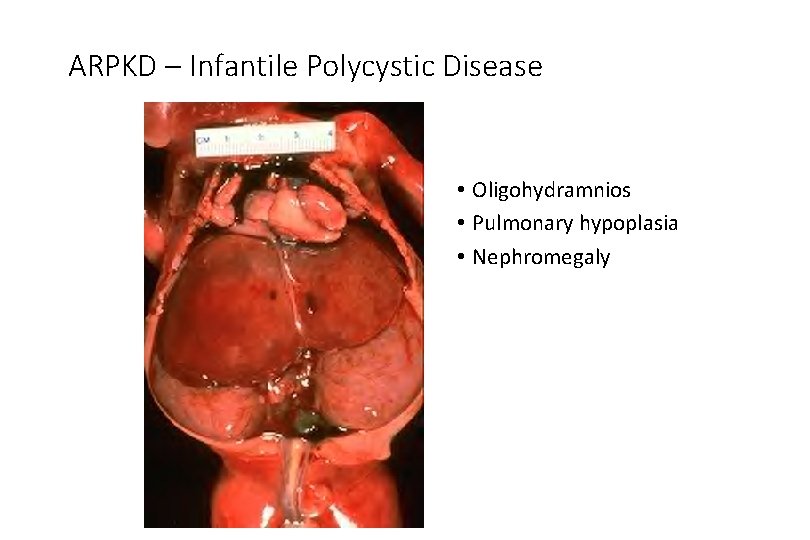
ARPKD – Infantile Polycystic Disease • Oligohydramnios • Pulmonary hypoplasia • Nephromegaly
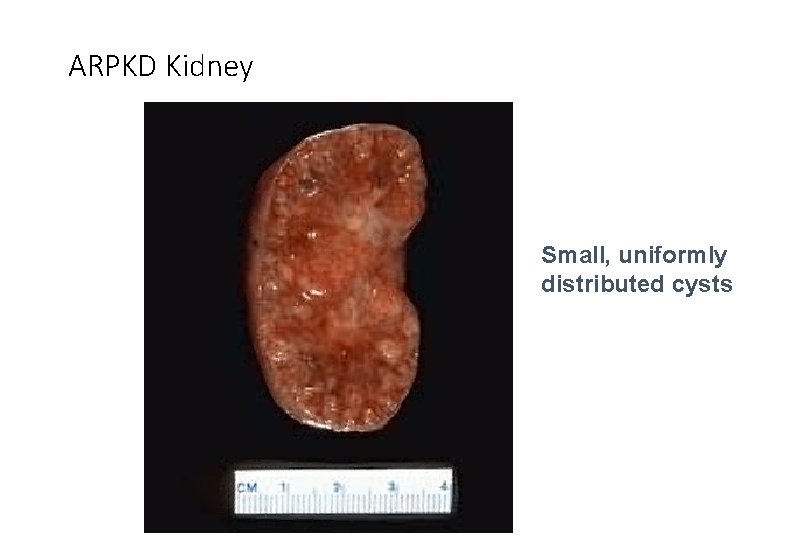
ARPKD Kidney Small, uniformly distributed cysts
Congenital Hepatic Fibrosis • Congenital - inherited, predetermined, or present at birth • Hepatic - of the liver, - the disease is defined by the hepatologists rather than the nephrologists • Fibrosis - scarring of the liver in the portal tracts - which carry blood to the liver and bile away from the liver
Congenital Hepatic Fibrosis • Coined by Kerr, Sherlock and Walker in 1961 • Recognized a unique subset of pediatric patients with profound fibrosis rather than cirrhosis • Early (congenital) rather than acquired fibrosis, as is seen in most metabolic and inflammatory hepatic diseases in childhood • Associated renal disease • Not a disease entity, but a useful clinical pattern
Features Of Congenital Hepatic Fibrosis Variable clinical features and age at presentation • Hepatomegaly • Portal hypertension with splenomegaly • Variceal hemorrhage • Cholangitis (acute or chronic) • Cholestasis • Communicating biliary cysts • Chronic liver failure • Latent form
Congenital Hepatic Fibrosis Features • DPM - dilated, bizarre, peripheral bile ducts with occasional ectasia and stasis • Extensive portal fibrosis • Minimal portal inflammation • Normal lobular architecture, without necrosis or inflammation • Microscopic and macroscopic communicating biliary cysts are common • Biliary stasis occurs, but is not common • Portal vein abnormalities may be present • Synthetic function is generally normal
Clinical Picture Consistent With CHF § § § Highly variable clinical course Some correlation with age at discovery Many patients are (and remain) symptom and disease free Not the same as cirrhosis Liver failure and transplantation are not common
CHF - Clinical Manifestations • Hepatomegaly - large liver • Splenomegaly - large spleen due to pressure • Portal hypertension - increased pressure in the portal vein • Portal hypertensive gastropathy – stomach portal pressure • Esophageal varices, with or without bleeding, due to PHTN • Bile duct dilatation - because of the abnormal ducts • Cholangitis - infection of bile and ducts, due to stasis • Hepatic vascular anomalies - part of the development • Renal disease, asymptomatic, or • Renal disease, significant
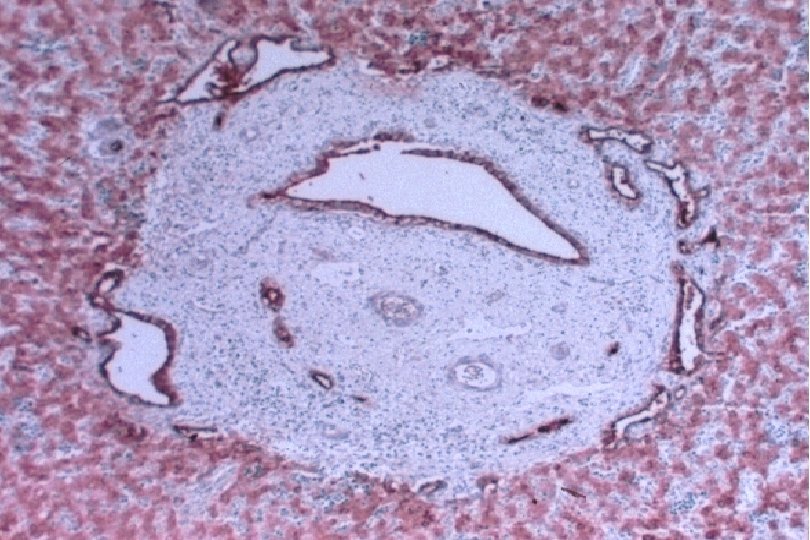
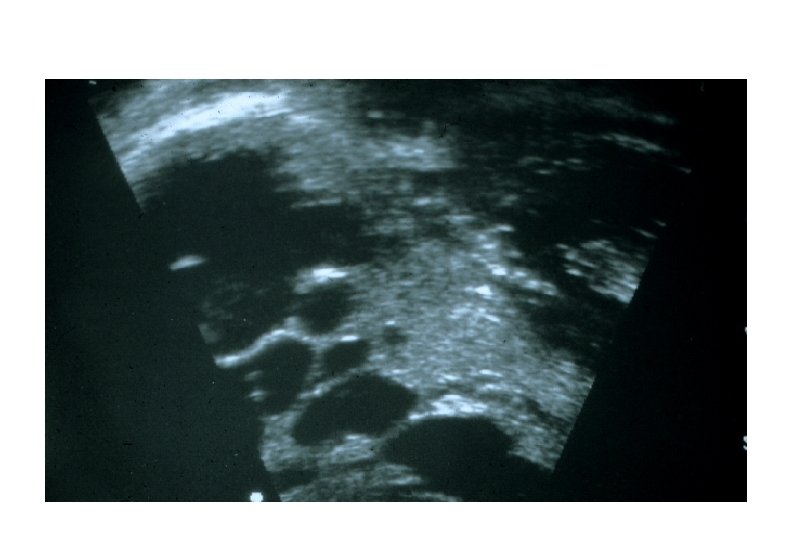
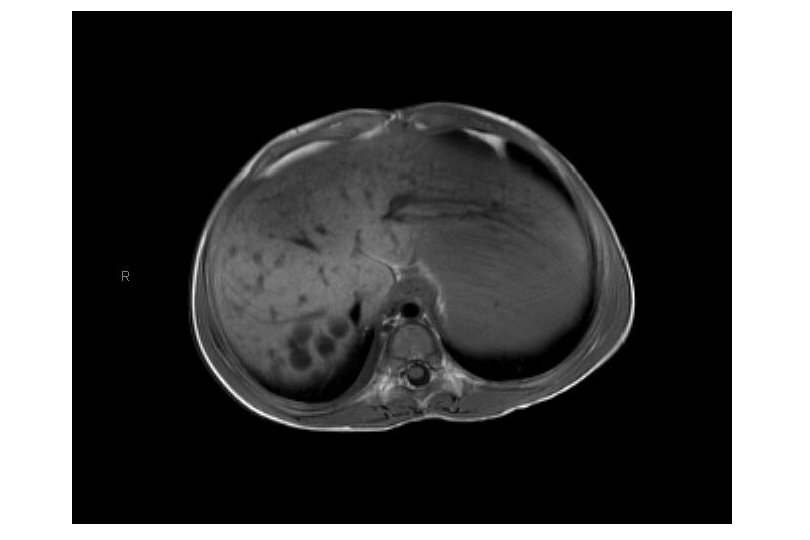
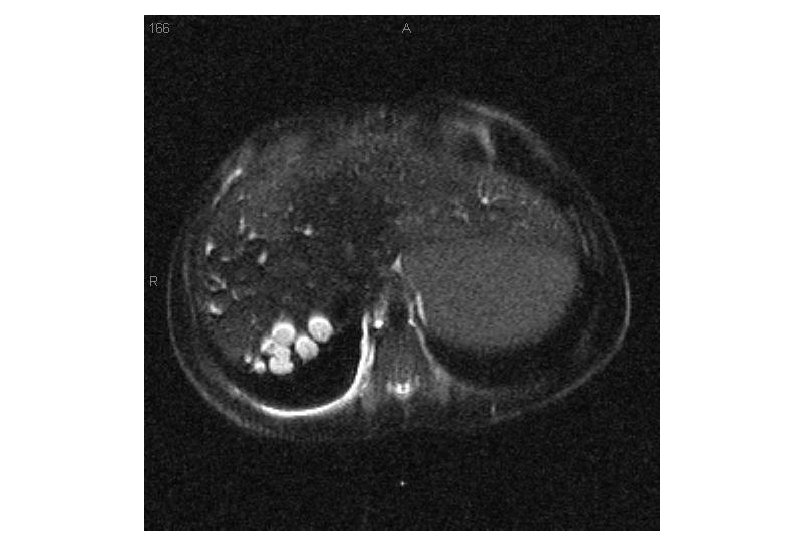
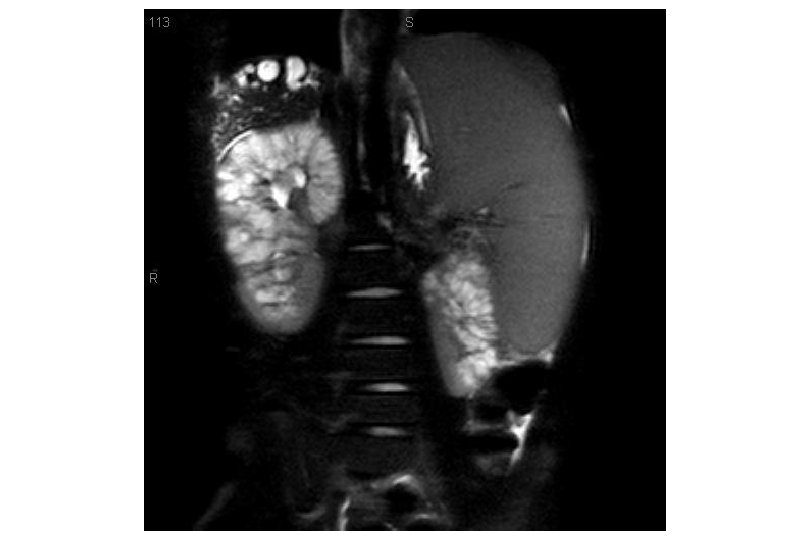
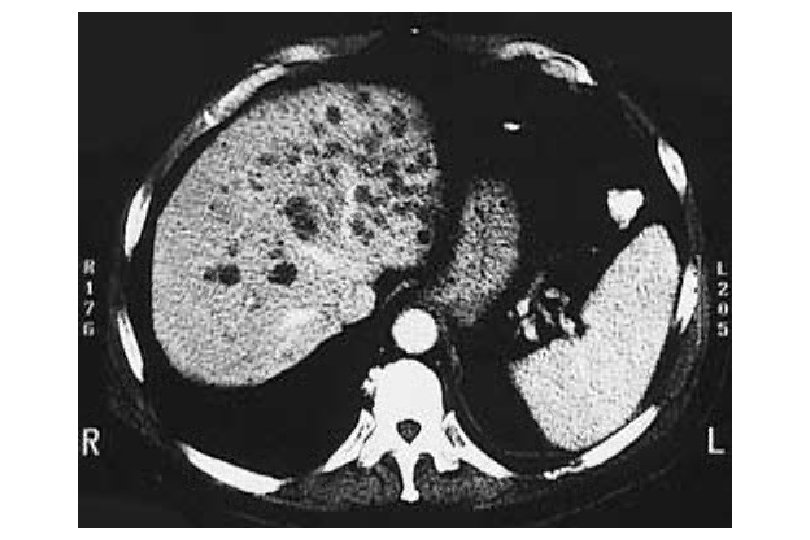
Caroli Syndrome and Caroli Disease • Caroli described two forms of congenital, macroscopic, inherited bile duct dilatation • typical DPM with portal fibrosis - Caroli syndrome • isolated entity - Caroli disease • Both are associated with renal disease • May be associated with choledochal cyst • The term Caroli disease is now commonly used to describe any form of communicating ductular dilatation
Understanding Liver Tests • Liver has many functions • Making proteins • Secreting bile • metabolism • “Liver function tests (LFTs)” is a misnomer • Typically refer to liver enzymes (AST, ALT) • AST/ALT –usually normal • GGT/Alkaline Phosphatase –may be elevated, can be normal • Bilirubin - usually normal • INR – usually normal
Long term outcomes • Systematic literature search including 1230 patients with CHF • 64% with ARPKD • Median age at diagnosis – 2 years • Portal hypertension in 45% • Cholangitis in 18% • 21 patients developed hepatobiliary cancer (cholangiocarcinoma) • Most age >40 • Most without ARPKD (CHF alone) • Transplant outcomes similar to isolated liver transplant for other indications, however there are reports of serious liver infections after kidney transplant alone Srinath. 2012. JPGN
Summary • Liver involvement is common in ARPKD • Liver involvement manifests as ductal plate malformation • CHF • Caroli disease/syndrome • Complications of liver disease include portal hypertension and cholangitis, although need for liver transplant is rare
- Slides: 40