
The Lipids Fats Oils Phospholipids and Sterols Usefulness
- Slides: 43
The Lipids Fats, Oils, Phospholipids, and Sterols
Usefulness of Fats in the Body’s chief storage form for the energy Valuable survival mechanism for people who live a feast-or-famine existence Provide most of the energy needed to perform much of the body’s work Especially muscular work Essential nutrients ◦ Fat-soluble vitamins (A, D, E, and K) Found mainly in foods that contain fat Absorbed more efficiently from these foods Fat also aids in the absorption of some phytochemicals Essential fatty acids Serve as raw materials from which the body makes certain required molecules
Usefulness of Fats in the Body Other functions of fat ◦ Shock absorbers Pads of fat surround vital internal organs ◦ Thermoregulation Fat pads under the skin insulate the body from extremes of temperature ◦ Cell membranes Lipids are a component of cell membranes
Usefulness of Fats in Food The energy density of fats makes food rich in fat valuable in many situations People naturally like high-fat foods Fat contributes to satiety ◦ The feeling of fullness or satisfaction that people experience after meals
Introduction to Lipids ◦ A family of organic compounds soluble in organic solvents but not in water ◦ Include triglycerides (fats and oils), phospholipids, and sterols Lipids in foods and in the human body fall into three classes ◦ Triglycerides ≈95% of all lipids in foods and the human body ◦ Phospholipids For example, lecithin ◦ Sterols For example, cholesterol
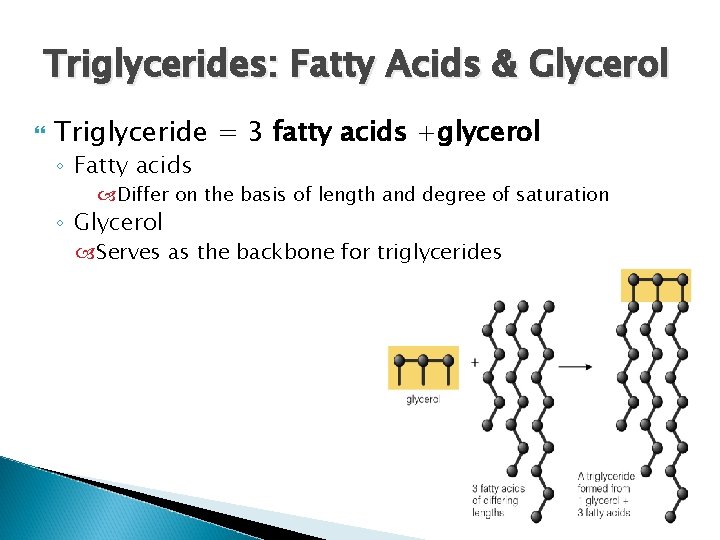
Triglycerides: Fatty Acids & Glycerol Triglyceride = 3 fatty acids +glycerol ◦ Fatty acids Differ on the basis of length and degree of saturation ◦ Glycerol Serves as the backbone for triglycerides
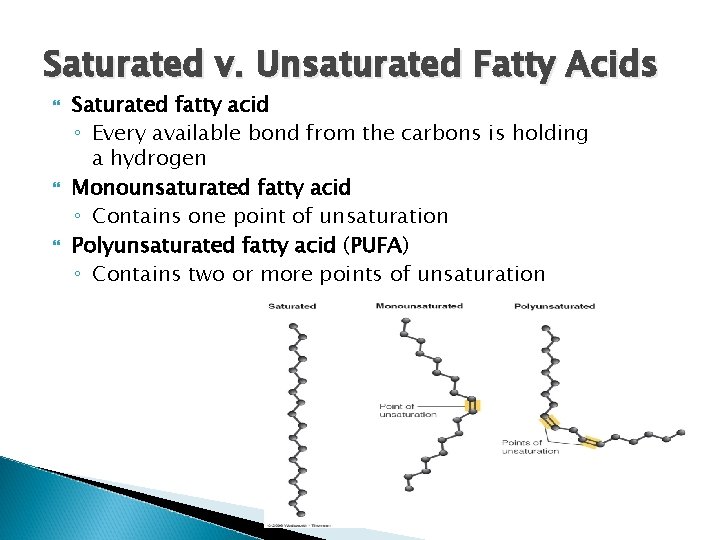
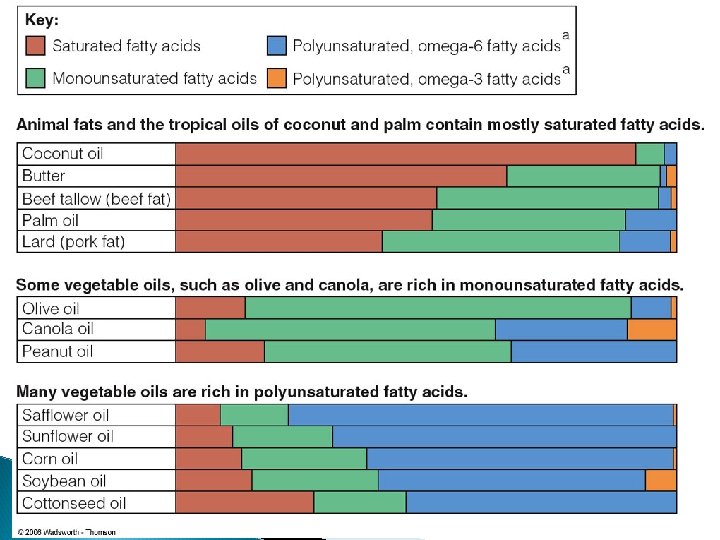
Saturated v. Unsaturated Fatty Acids Saturated fatty acid ◦ Every available bond from the carbons is holding a hydrogen Monounsaturated fatty acid ◦ Contains one point of unsaturation Polyunsaturated fatty acid (PUFA) ◦ Contains two or more points of unsaturation
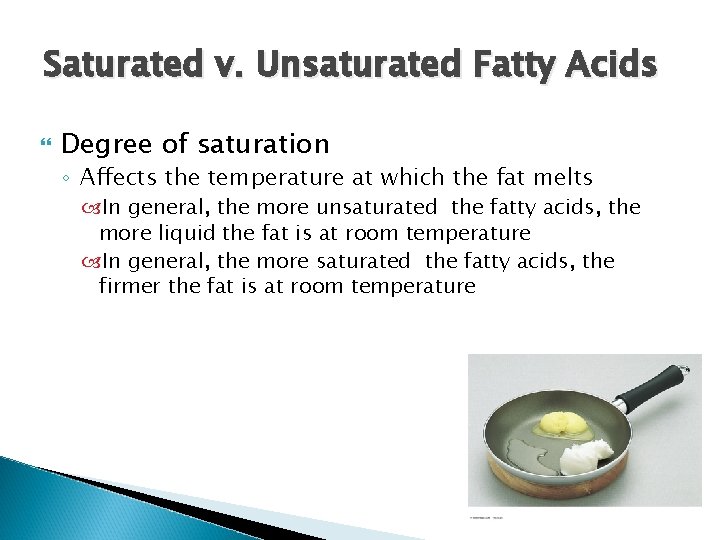
Saturated v. Unsaturated Fatty Acids Degree of saturation ◦ Affects the temperature at which the fat melts In general, the more unsaturated the fatty acids, the more liquid the fat is at room temperature In general, the more saturated the fatty acids, the firmer the fat is at room temperature
© 2006 Thomson-Wadsworth
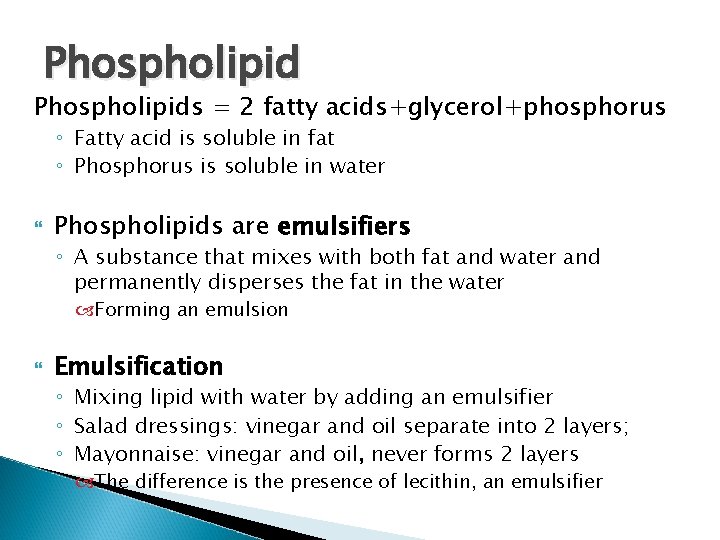
Phospholipids = 2 fatty acids+glycerol+phosphorus ◦ Fatty acid is soluble in fat ◦ Phosphorus is soluble in water Phospholipids are emulsifiers ◦ A substance that mixes with both fat and water and permanently disperses the fat in the water Forming an emulsion Emulsification ◦ Mixing lipid with water by adding an emulsifier ◦ Salad dressings: vinegar and oil separate into 2 layers; ◦ Mayonnaise: vinegar and oil, never forms 2 layers The difference is the presence of lecithin, an emulsifier
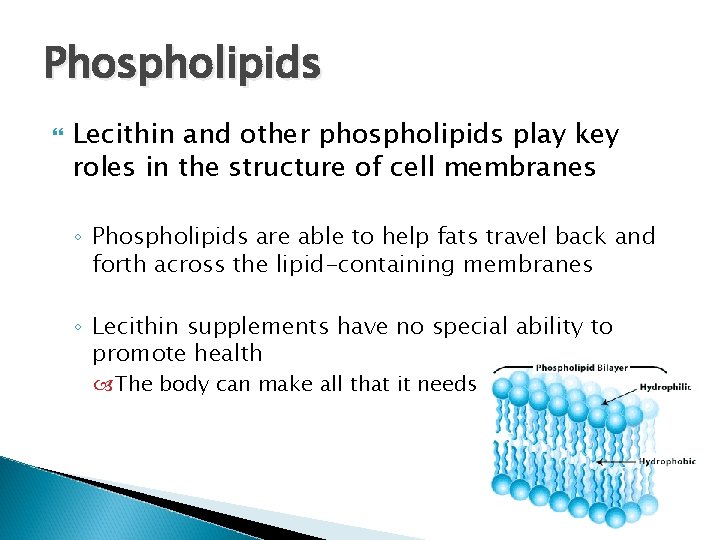
Phospholipids Lecithin and other phospholipids play key roles in the structure of cell membranes ◦ Phospholipids are able to help fats travel back and forth across the lipid-containing membranes ◦ Lecithin supplements have no special ability to promote health The body can make all that it needs
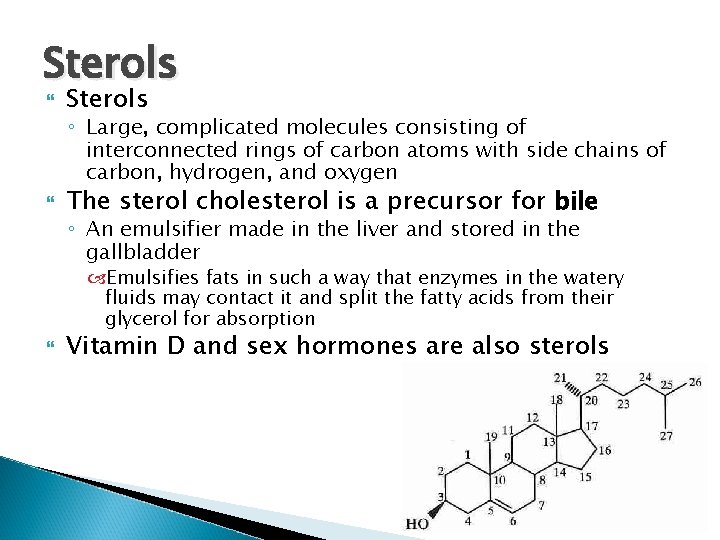
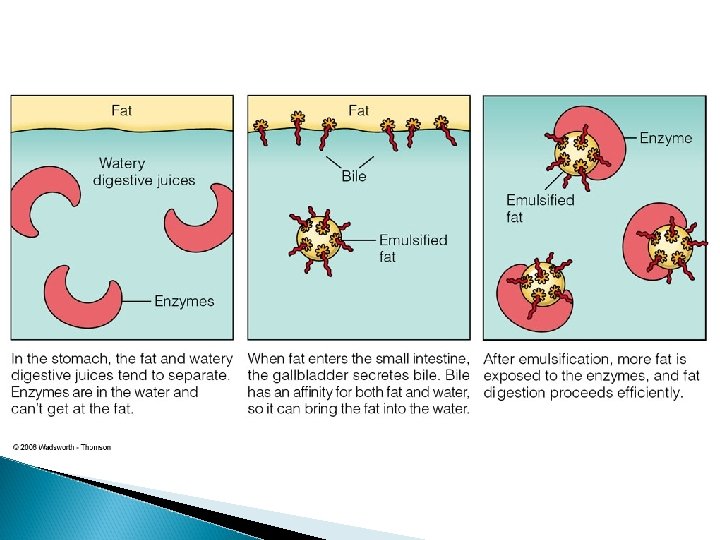
Sterols ◦ Large, complicated molecules consisting of interconnected rings of carbon atoms with side chains of carbon, hydrogen, and oxygen The sterol cholesterol is a precursor for bile ◦ An emulsifier made in the liver and stored in the gallbladder Emulsifies fats in such a way that enzymes in the watery fluids may contact it and split the fatty acids from their glycerol for absorption Vitamin D and sex hormones are also sterols
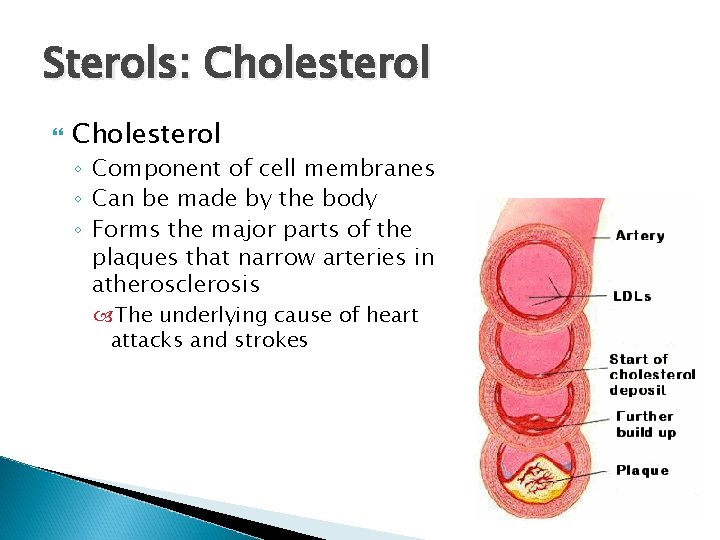
Sterols: Cholesterol ◦ Component of cell membranes ◦ Can be made by the body ◦ Forms the major parts of the plaques that narrow arteries in atherosclerosis The underlying cause of heart attacks and strokes
Digestion and Absorption of Fats Tongue (only in infants; not adults) ◦ An enzyme produced by the tongue plays a major role in digesting milk fat in infants Stomach ◦ Fat separates from the watery components and floats as a layer on the top Small intestine ◦ Emulsified fat particles acted on by fat-digesting enzymes contributed by the pancreas Fats are split into smaller particles for absorption Triglycerides - split fatty acids from glycerol Role of Bile
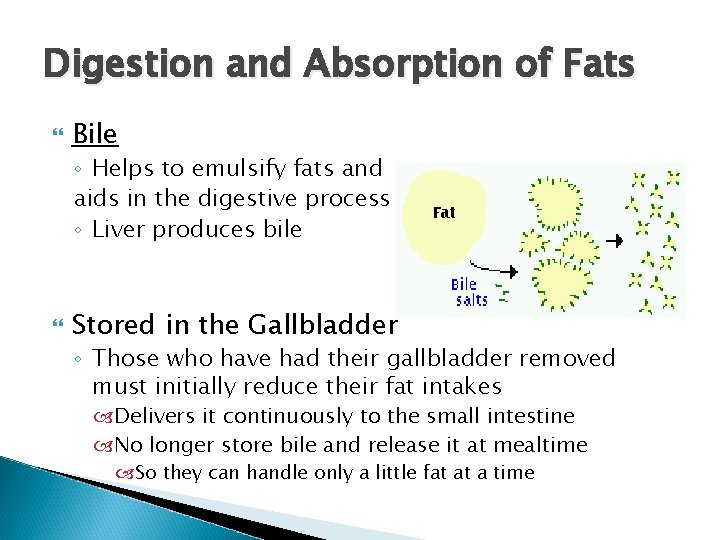
Digestion and Absorption of Fats Bile ◦ Helps to emulsify fats and aids in the digestive process ◦ Liver produces bile Stored in the Gallbladder ◦ Those who have had their gallbladder removed must initially reduce their fat intakes Delivers it continuously to the small intestine No longer store bile and release it at mealtime So they can handle only a little fat at a time
Digestion and Absorption of Fats ◦ Free fatty acids, glycerol and monoglycerides cling together in balls surrounded by bile In order to be absorbed, fats must pass through the watery layer of mucus that coats the absorptive lining of the digestive tract Bile shuttles the lipids across the mucus layer to the absorptive cells of the intestinal villi The cells extract he lipids The bile may be absorbed and reused or exit with the feces
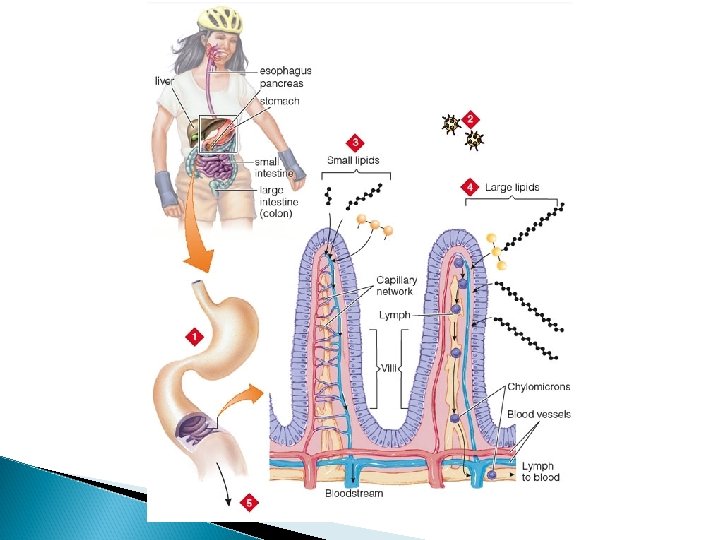
Digestion & Transport of Fats Shorter products of lipid digestion ◦ Glycerol and short-chain fatty acids pass directly though the cells of the intestinal lining into the bloodstream ◦ Travel unassisted to the liver Larger products of lipid digestion ◦ Without a mechanism to keep it dispersed, large lipid globules would separate out of the watery blood and disrupt the blood’s normal function ◦ Lipoproteins Clusters of lipids associated with protein Serve as transport vehicles for lipids in blood and lymph Major classes include: chylomicrons, VLDLs, and HDLs
Digestion & Transport of Fats Monoglycerides and long-chain fatty acids are formed into lipoproteins before being released into the lymph that leads to the blood ◦ Inside intestinal cells, they are reformed into triglycerides and clustered together with proteins and phospholipids Forming chylomicrons A type of lipoprotein
Dietary Fat, Cholesterol & Health High intakes of certain dietary fats are associated with serious disease ◦ Diets high in saturated fats or trans fats are at increased risk of heart and artery disease (CVD) Heart disease is #1 killer of adults in the U. S. ◦ High-fat diets are associated with an increased risk of certain types of cancer as well as the health risks associated with obesity
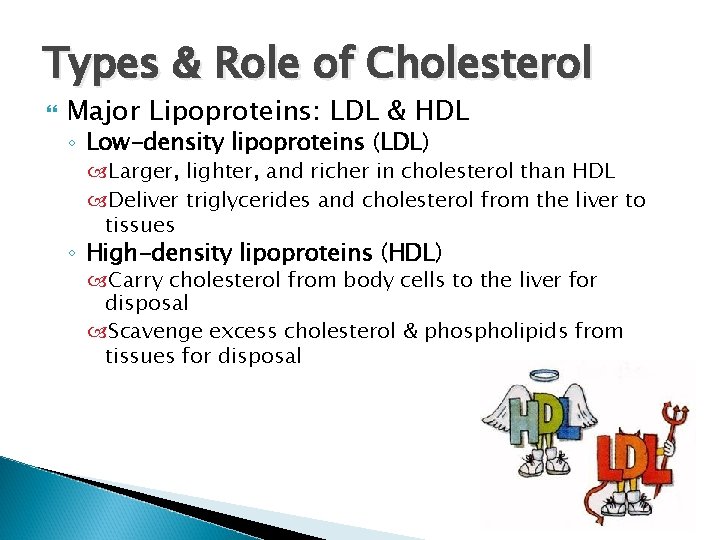
Types & Role of Cholesterol Major Lipoproteins: LDL & HDL ◦ Low-density lipoproteins (LDL) Larger, lighter, and richer in cholesterol than HDL Deliver triglycerides and cholesterol from the liver to tissues ◦ High-density lipoproteins (HDL) Carry cholesterol from body cells to the liver for disposal Scavenge excess cholesterol & phospholipids from tissues for disposal
Heart Disease Risk factors that cannot be changed ◦ Increasing age ◦ Being male ◦ Family history of premature heart disease Risk factors that a person can often control ◦ ◦ ◦ ◦ High blood LDL; low blood HDL High blood pressure Diabetes Obesity Physical inactivity Cigarette smoking Atherogenic diet
Recommendations Applied A good idea to choose a diet that ◦ Provides 20%-35% of its calories from fat ◦ Saturated fat <10% of caloric intake (20 grams/ 2000 calorie diet) ◦ Trans fat intake < 1% of caloric intake ◦ Substitutes monounsaturated or polyunsaturated fat for saturated and trans fat A good idea to choose a diet that is rich in ◦ Fruits, vegetables, and whole grains for abundant nutrients, antioxidants and beneficial fiber
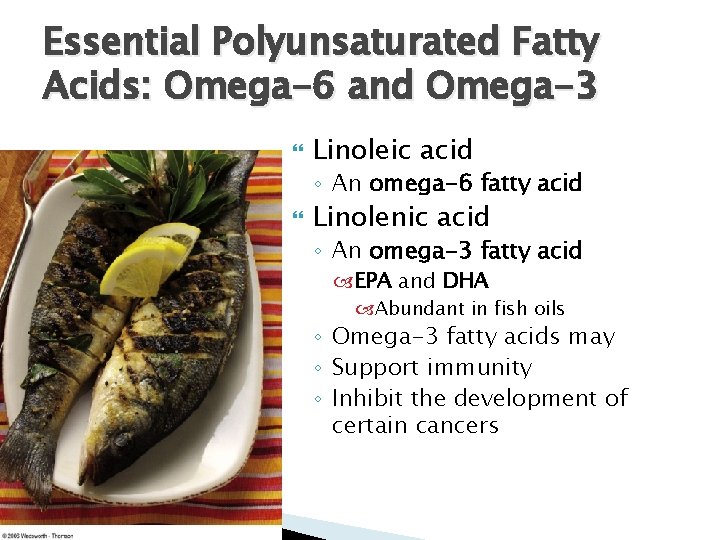
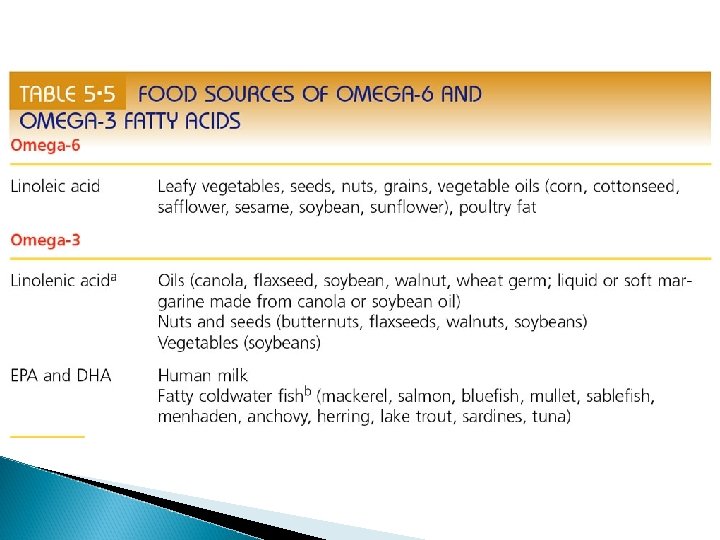
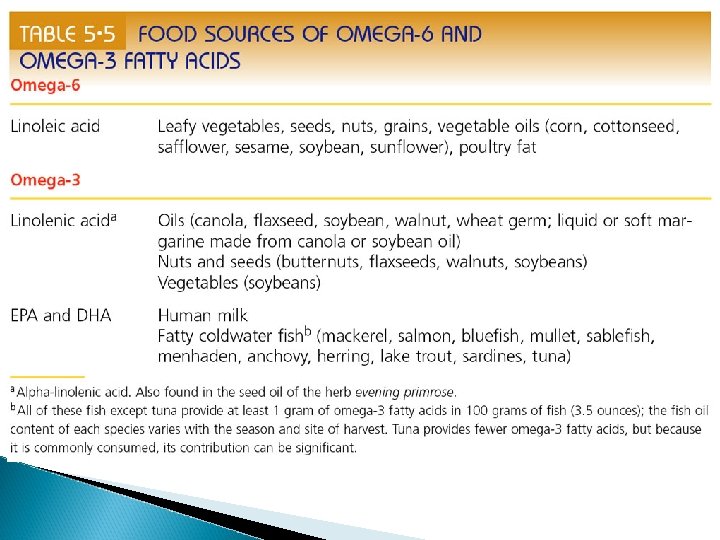
Essential Polyunsaturated Fatty Acids: Omega-6 and Omega-3 Linoleic acid ◦ An omega-6 fatty acid Linolenic acid ◦ An omega-3 fatty acid EPA and DHA Abundant in fish oils ◦ Omega-3 fatty acids may ◦ Support immunity ◦ Inhibit the development of certain cancers
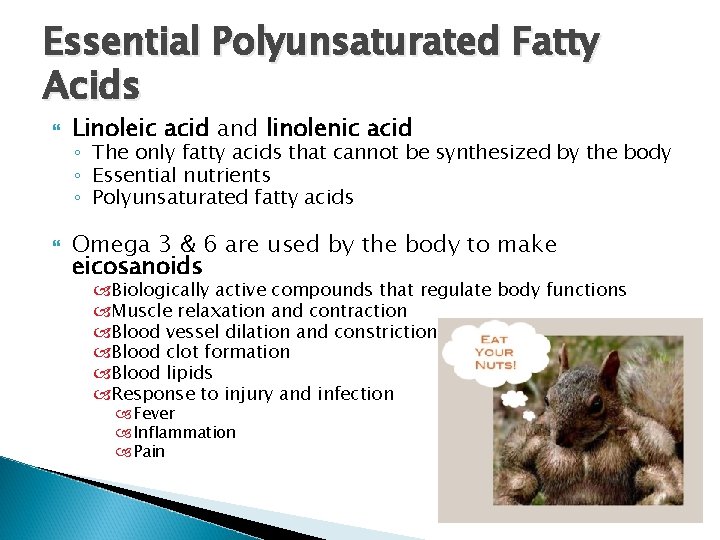
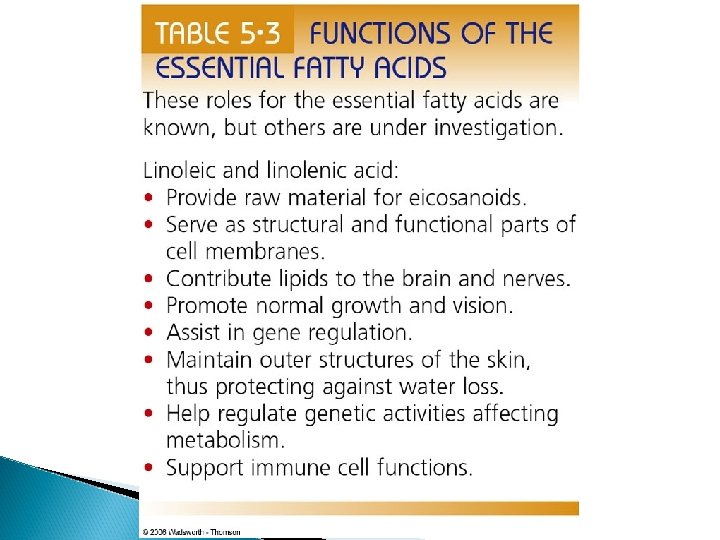
Essential Polyunsaturated Fatty Acids Linoleic acid and linolenic acid ◦ The only fatty acids that cannot be synthesized by the body ◦ Essential nutrients ◦ Polyunsaturated fatty acids Omega 3 & 6 are used by the body to make eicosanoids Biologically active compounds that regulate body functions Muscle relaxation and contraction Blood vessel dilation and constriction Blood clot formation Blood lipids Response to injury and infection Fever Inflammation Pain
© 2006 Thomson-Wadsworth
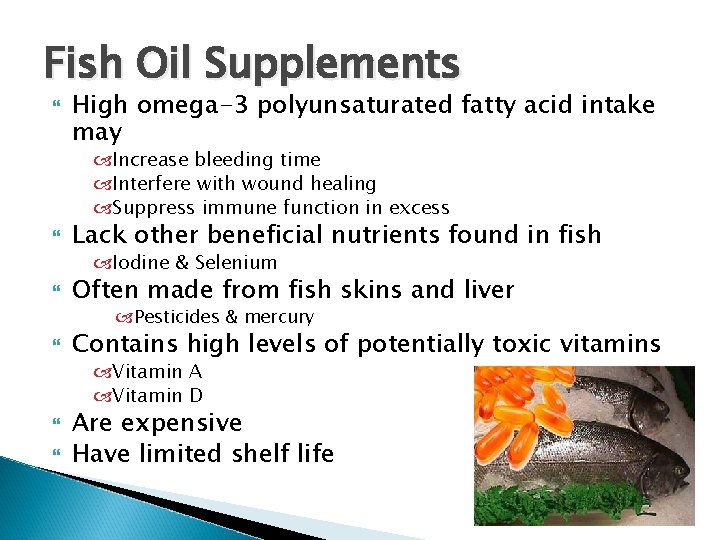
Fish Oil Supplements High omega-3 polyunsaturated fatty acid intake may Increase bleeding time Interfere with wound healing Suppress immune function in excess Lack other beneficial nutrients found in fish Iodine & Selenium Often made from fish skins and liver Pesticides & mercury Contains high levels of potentially toxic vitamins Vitamin A Vitamin D Are expensive Have limited shelf life
Fish Safety & Dietary Recommendations Consume a variety of fish Minimizes exposure to any particular toxin that may accumulate in a particular fish species ◦ Pregnant women and children Most sensitive to the side effects of mercury Fish heavily contaminated with mercury ◦ Shark, Fresh tuna steak ◦ Swordfish, King mackerel Fish/seafood lower in mercury ◦ Shrimp, Canned light tuna ◦ Salmon, Pollock, Catfish
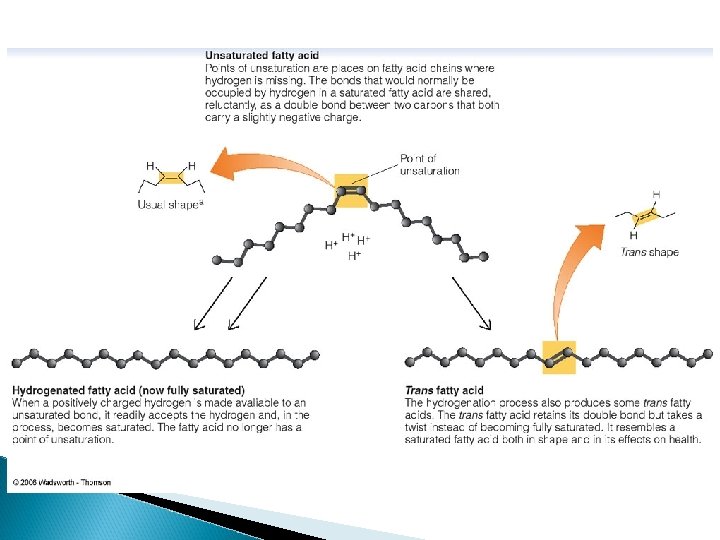
Hydrogenated Oils Hydrogenation ◦ The process of adding hydrogen to unsaturated fatty acids to make the fat more solid and resistant to the chemical change of oxidation ◦ Prevents spoilage of unsaturated fats ◦ Makes unsaturated fats harder and more stable when heated to high temperatures ◦ Yields cheap fats with long shelf life
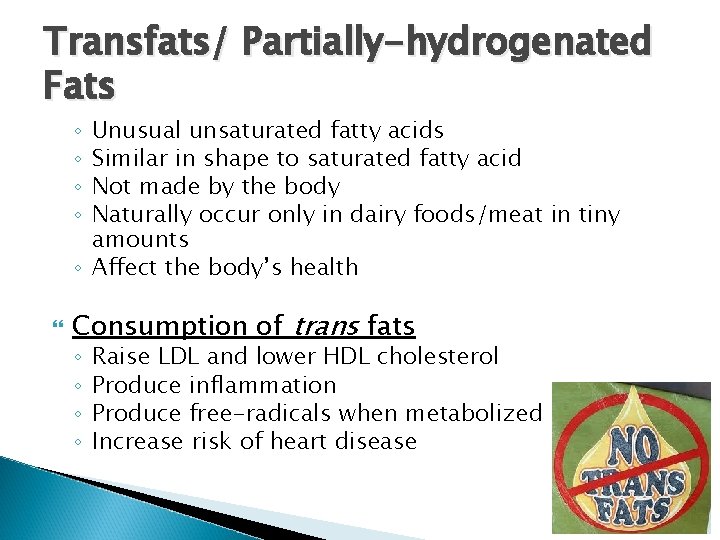
Transfats/ Partially-hydrogenated Fats Unusual unsaturated fatty acids Similar in shape to saturated fatty acid Not made by the body Naturally occur only in dairy foods/meat in tiny amounts ◦ Affect the body’s health ◦ ◦ Consumption of trans fats ◦ ◦ Raise LDL and lower HDL cholesterol Produce inflammation Produce free-radicals when metabolized Increase risk of heart disease
Fat in the Diet Fat is necessary for health ◦ People who try to eliminate fat from their diet put their health at risk ◦ Most adults need ≈20% of their daily energy from fat Lessons to be learned ◦ Recognize the fats in food Keep consumption of harmful saturated and trans fats to a minimum Distinguish these fats from the more beneficial unsaturated fats ◦ Control portion sizes Particularly of fatty foods
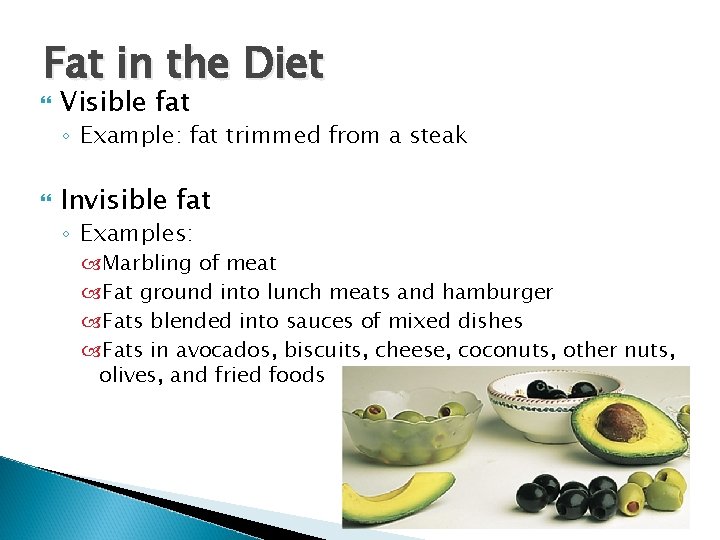
Fat in the Diet Visible fat ◦ Example: fat trimmed from a steak Invisible fat ◦ Examples: Marbling of meat Fat ground into lunch meats and hamburger Fats blended into sauces of mixed dishes Fats in avocados, biscuits, cheese, coconuts, other nuts, olives, and fried foods
© 2006 Thomson-Wadsworth
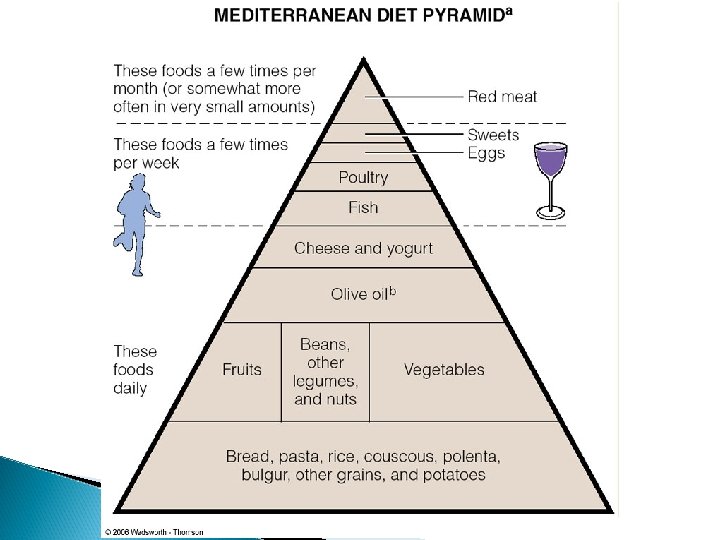
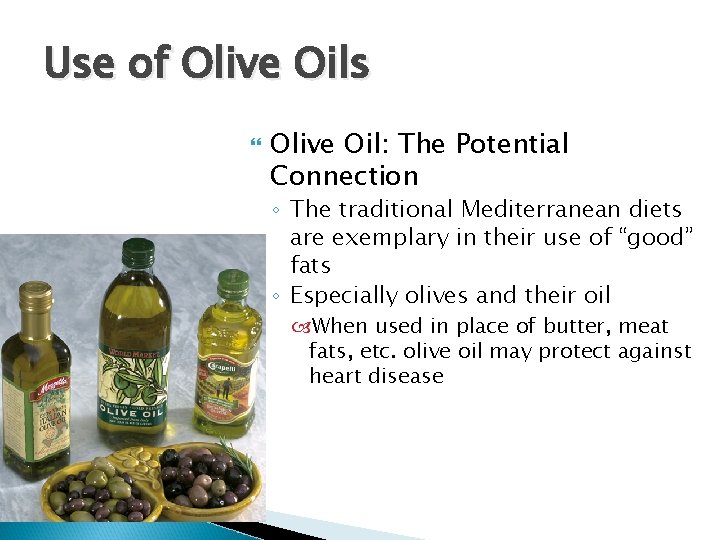
Use of Olive Oils Olive Oil: The Potential Connection ◦ The traditional Mediterranean diets are exemplary in their use of “good” fats ◦ Especially olives and their oil When used in place of butter, meat fats, etc. olive oil may protect against heart disease
Use of Olive Oils How olive oil may protect against heart disease ◦ Lowering total and LDL cholesterol and not lowering HDL cholesterol or raising triglycerides ◦ Lowering LDL cholesterol’s vulnerability to oxidation ◦ Lowering blood-clotting factors ◦ Providing phytochemicals that act as antioxidants ◦ Lowering blood pressure
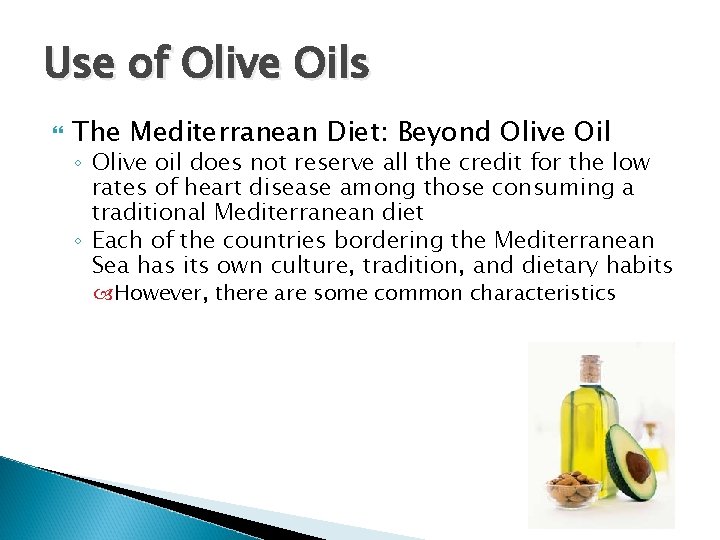
Use of Olive Oils The Mediterranean Diet: Beyond Olive Oil ◦ Olive oil does not reserve all the credit for the low rates of heart disease among those consuming a traditional Mediterranean diet ◦ Each of the countries bordering the Mediterranean Sea has its own culture, tradition, and dietary habits However, there are some common characteristics
High-Fat Foods Major sources of saturated fat in the U. S. diet ◦ Fatty meats Over a third of the fat in most meats is saturated ◦ Whole-milk products Over half the fat in whole milk, and other high-fat diary products, is saturated ◦ Coconut and palm oils Mostly used in commercially prepared foods
Chapter 5: Conclusions Saturated, trans, and unsaturated fats all provide energy to the body Saturated and trans fats bring no indispensable benefits to the body ◦ No harm can come from consuming diets low in saturated fats and trans fats
Chapter 5: Conclusions Unsaturated fats are most good for the health of the heart ◦ When consumed in moderation and within a sensible calorie total ◦ One proven fault is that these fats, like all fats, provide abundant energy and so may promote obesity Obesity, in turn, often begets many body ills