
The Legislative Branch A Bicameral 2 house Congress
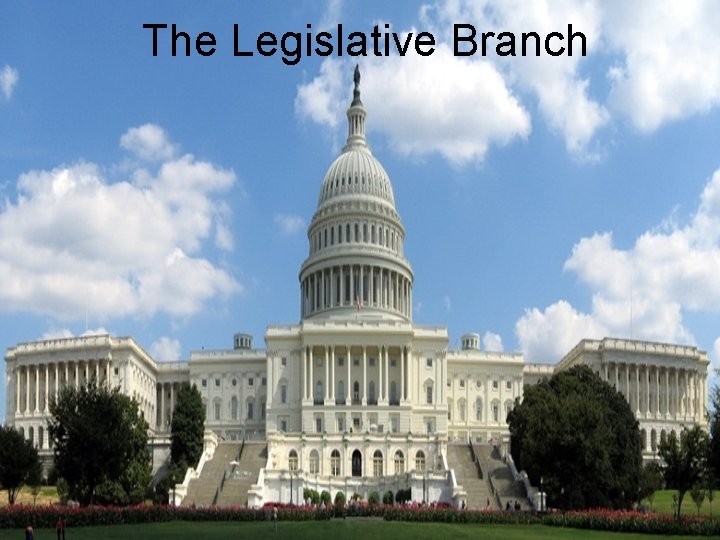
The Legislative Branch
A Bicameral (2 house) Congress Three Reasons 1. Historical – the British Parliament had 2 houses since the 1300’s 2. Practical – compromise between the Virginia Plan and the New Jersey Plan 3. Theoretical – one house is a check on the other one’s power.
Terms • Lasts 2 years • Used to start on March 4 but the 20 th Amendment changed that to the 3 rd day of January at noon. • 115 th Congress currently meeting • ends January 3, 2019
Sessions • One year of the term • 2 sessions per term • Can adjourn (end) only with the consent of both houses • President has power to prorogue (end) • Special Session can be called by President in an emergency. (doesn’t really happen anymore now that Congress meets year round)
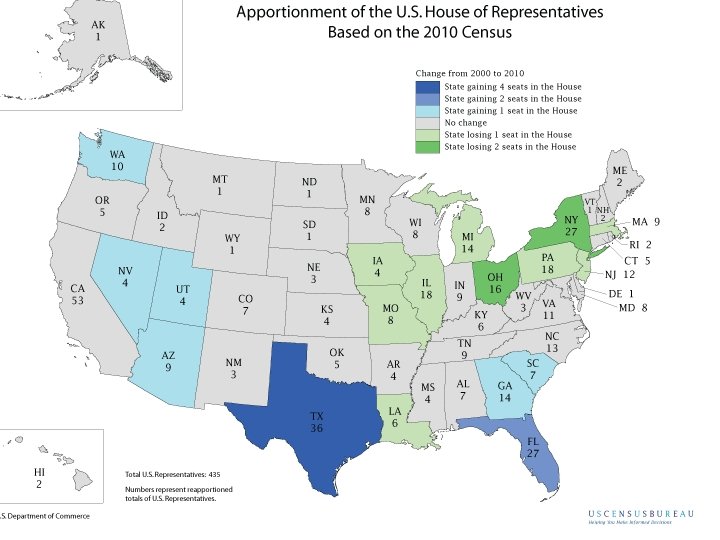
The House of Representatives • • Size – 435 members Terms – elected to 2 year terms No term limits – unlimited re-election Total number of seats in the House are apportioned based on population • 7 states have only one representative: Alaska, Delaware, Montana, North Dakota, South Dakota, Vermont and Wyoming.
Constitutional Qualifications for House Members • At least 25 years old • Citizen of the U. S. for at least seven years • Inhabitant of the state from which he or she is elected • Tradition requires the member to be a resident of the district represented • 247 Republicans/188 Democrats
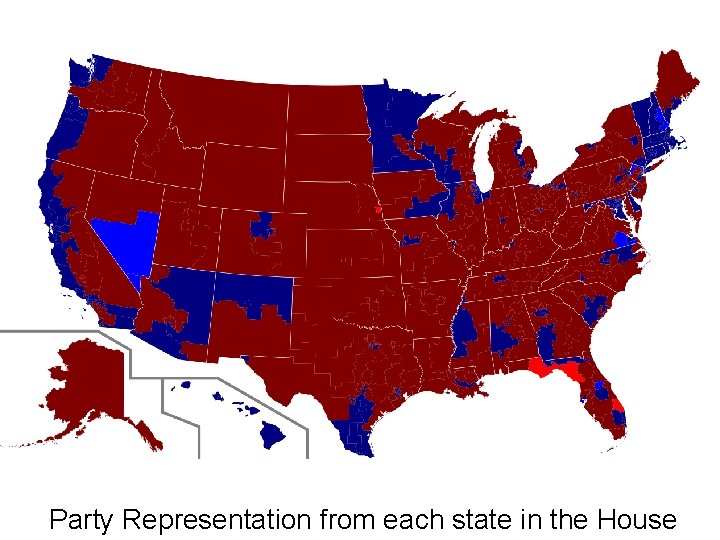
Party Representation from each state in the House
Reapportionment • Redistribute the seats in the house every 10 years after the U. S. census • Reapportionment Act of 1929 - sets permanent size at 435 - Census bureau determines number of seats each state should have - President sends that plan to Congress for approval.
Congressional Elections • Held on the Tuesday following the first Monday in November of each even numbered year. • Off-Year Elections – an election year when the President is not on the ballot – President’s party usually loses seats in these elections

OHS is in the 14 th District Represented by Randy Hultgren
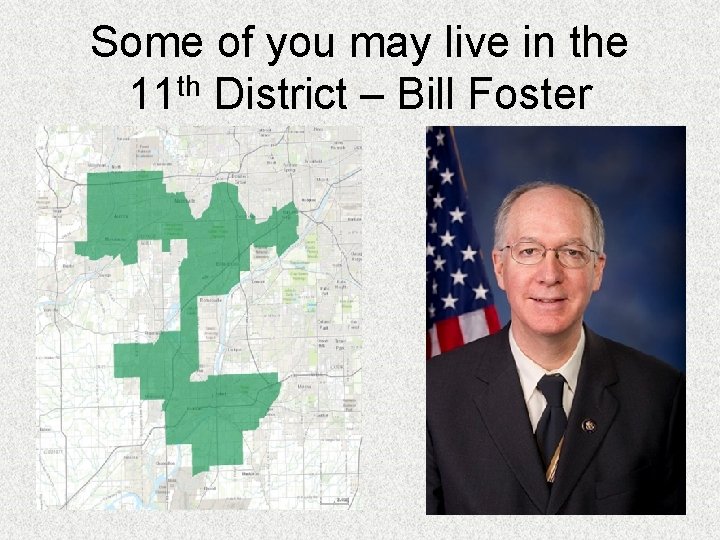
Some of you may live in the 11 th District – Bill Foster
How are District’s Boundaries Drawn? • State legislatures draw boundaries for each state • Each district represents about 650, 000 constituents ( voters of that district ) • Compact and contiguous territory
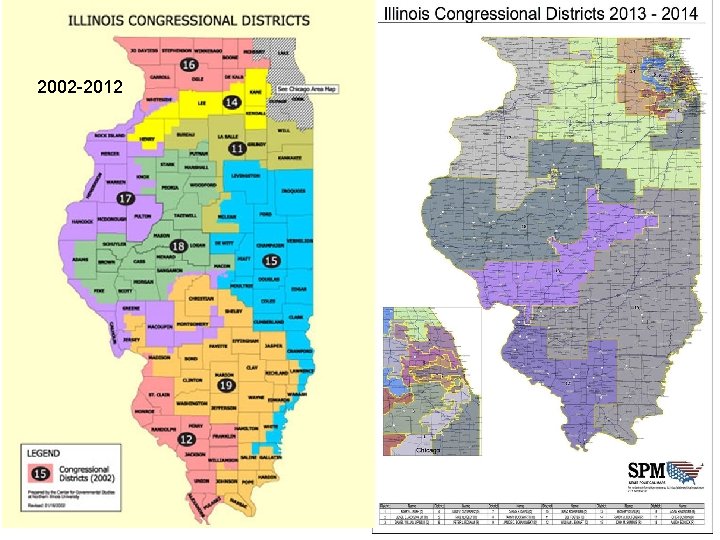
2002 -2012
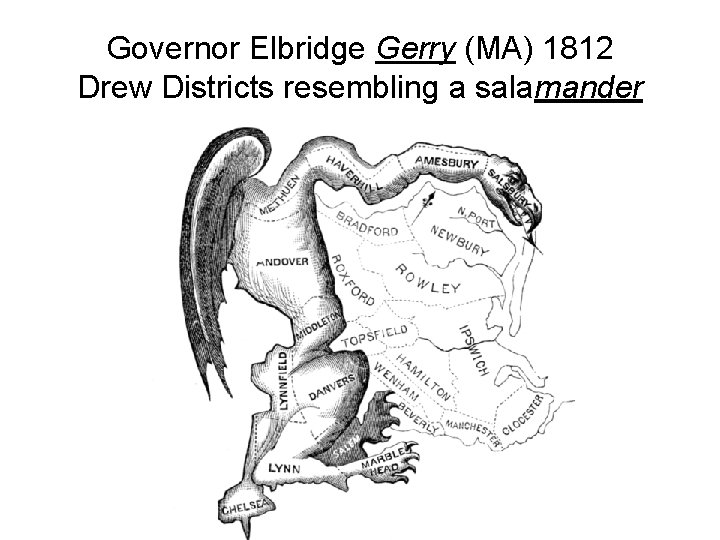
Governor Elbridge Gerry (MA) 1812 Drew Districts resembling a salamander
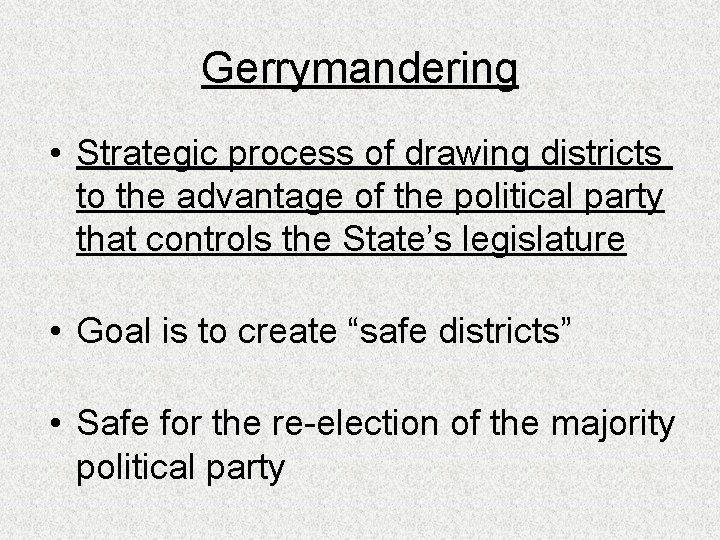
Gerrymandering • Strategic process of drawing districts to the advantage of the political party that controls the State’s legislature • Goal is to create “safe districts” • Safe for the re-election of the majority political party
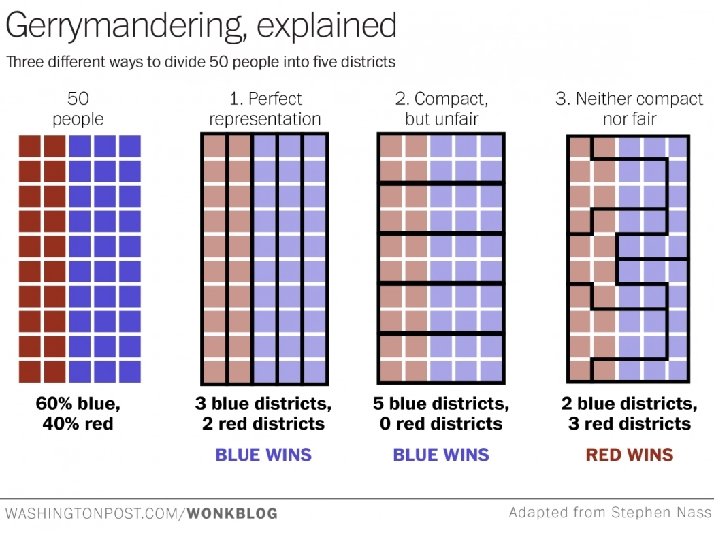

Gerrymandering Explained http: //www. youtube. com/watch? v=Mky 11 U Jb 9 AY http: //www. cnn. com/video/data/2. 0/video/p olitics/2011/11/17/gerrymanderingmatter. cnn. html

Packing and Cracking • Packing - is to concentrate as many voters of one type into a single electoral district to reduce their influence in other districts. • Cracking - involves spreading out voters of a particular type among many districts in order to deny them a sufficiently large voting bloc in any particular district.
The Senate • Size – 100 – 2 from each state • Terms – 6 years – no limits • Framers hoped smaller house would be more enlightened and responsible • Originally chosen by state legislatures but 17 th amendment changed it to a direct vote of the people, and only one at a time • Continuous body – all seats are never up for re-election at the same time
Qualifications of a Senator • At least 30 years old • Citizen for at least 9 years • An inhabitant of the state from which he or she is elected. • 46 Democrats/52 Republicans/ 2 Independents in the current Senate
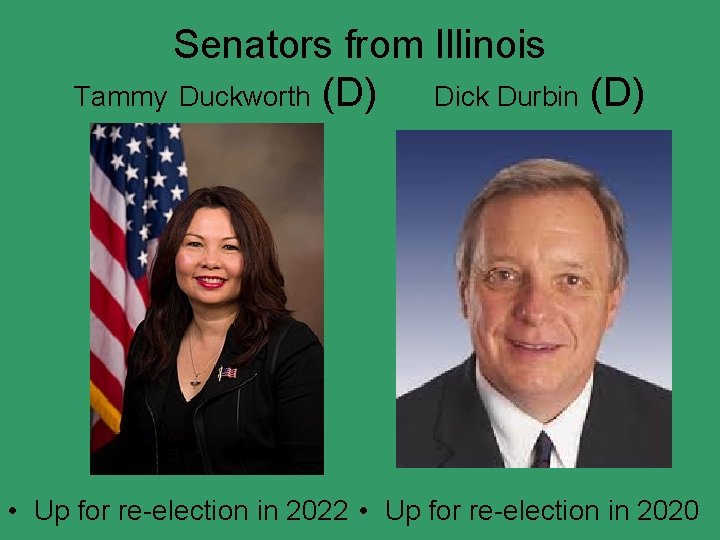
Senators from Illinois Tammy Duckworth (D) Dick Durbin (D) • Up for re-election in 2022 • Up for re-election in 2020
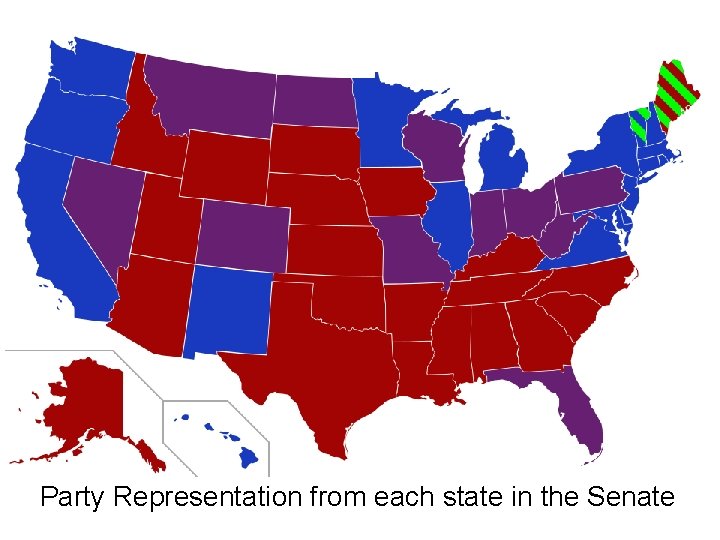
Party Representation from each state in the Senate
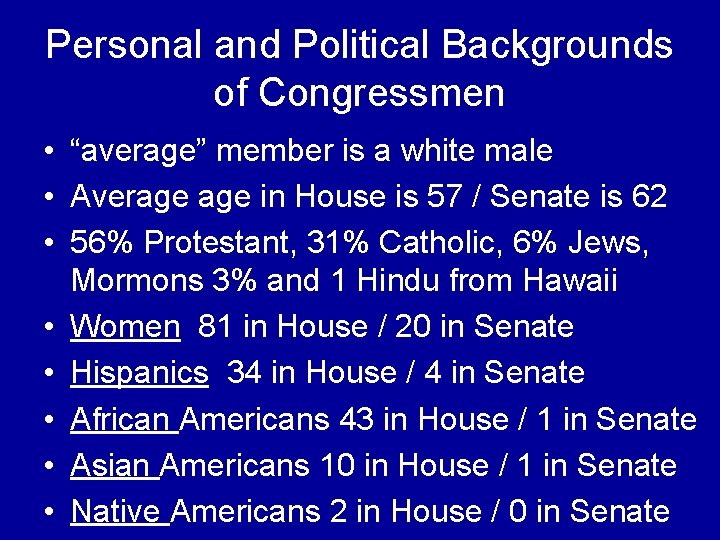
Personal and Political Backgrounds of Congressmen • “average” member is a white male • Average in House is 57 / Senate is 62 • 56% Protestant, 31% Catholic, 6% Jews, Mormons 3% and 1 Hindu from Hawaii • Women 81 in House / 20 in Senate • Hispanics 34 in House / 4 in Senate • African Americans 43 in House / 1 in Senate • Asian Americans 10 in House / 1 in Senate • Native Americans 2 in House / 0 in Senate
Backgrounds continued • • Married Have average of 2 children Most are lawyers Nearly all went to college (80% have a degree) Born in states they represent Several millionaires Many come with considerable political experience • Made up of upper middle class Americans – not a good cross representation of American people.
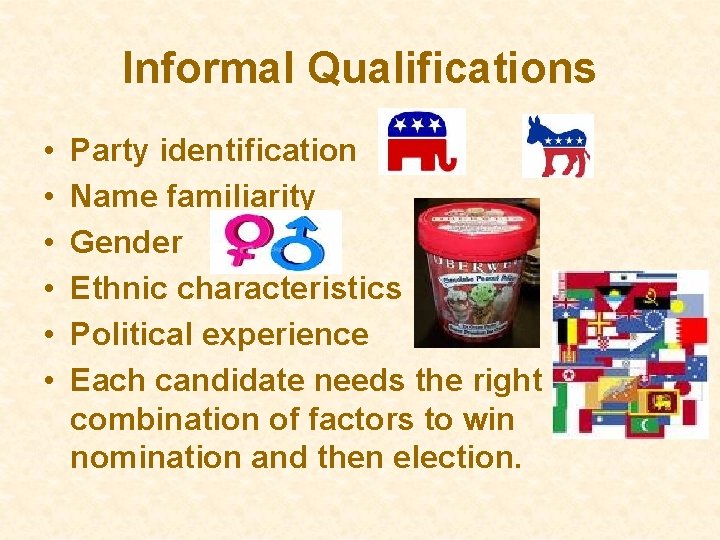
Informal Qualifications • • • Party identification Name familiarity Gender Ethnic characteristics Political experience Each candidate needs the right combination of factors to win nomination and then election.

The Job of a Congressman 1. 2. 3. 4. 5. Legislator Representative Committee Member Servant Politician
Legislator 1. Makes Laws 2. Votes for laws
Representative How are people represented? 1. Trustees – Cast their votes based on conscience and independent judgment 2. Delegates – Believe they should vote the way they think “the folks back home” would want them to 3. Partisans – Vote in line with the party platform 4. Politicos – Try to balance all 3 of the above approaches

Committee Members • Screen proposals before they go to the floor for consideration by all members • Oversight function – checks to see if various agencies of the executive branch are following laws and working effectively
Servants of Constituents To do favors for people back home • Passport applications • Free sightseeing tours • Secure a government contract • Appointment to a military academy • Really without limit and members know they must respond or face not being reelected.

Politician • Deal maker
compensation • Congress decides – 27 th amendment limits that power – can’t increase until the next term • $174, 000/year
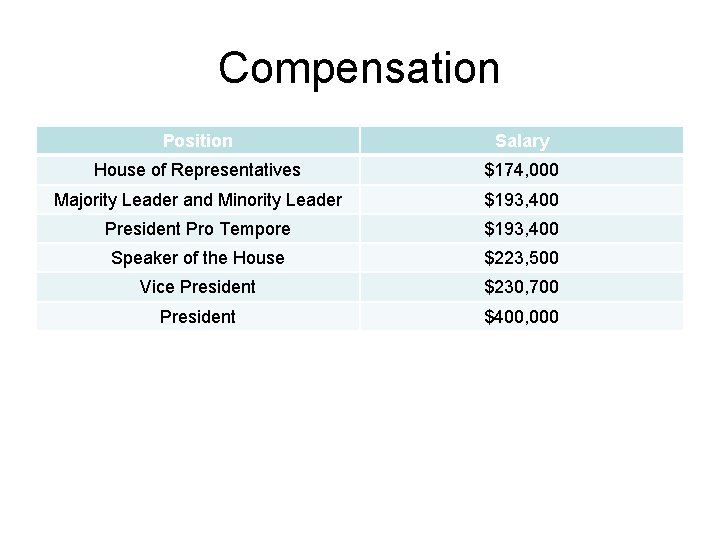
Compensation Position Salary House of Representatives $174, 000 Majority Leader and Minority Leader $193, 400 President Pro Tempore $193, 400 Speaker of the House $223, 500 Vice President $230, 700 President $400, 000

Fringe Benefits/Privileges • • Special tax deductions Travel allowances Inexpensive health care and life insurance Generous retirement plan Franking privilege ( free printing and mailing) Free parking at Capitol and airports in DC Access to fine restaurants, workout gyms, swimming pools, exercise rooms and saunas • No arrest during attendance and going to and from sessions of Congress • Protection of speech during debate
- Slides: 35