
The Learning Styles Profile The Study Skills Inventory
- Slides: 49
The Learning Styles Profile & The Study Skills Inventory
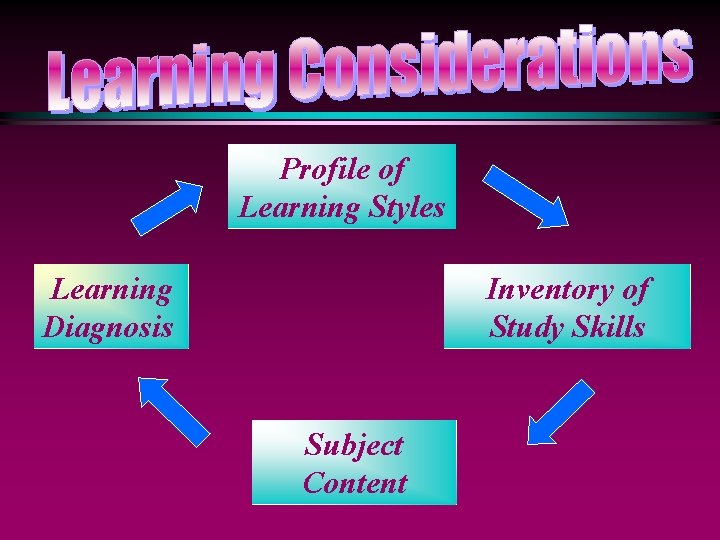
Profile of Learning Styles Learning Diagnosis Inventory of Study Skills Subject Content
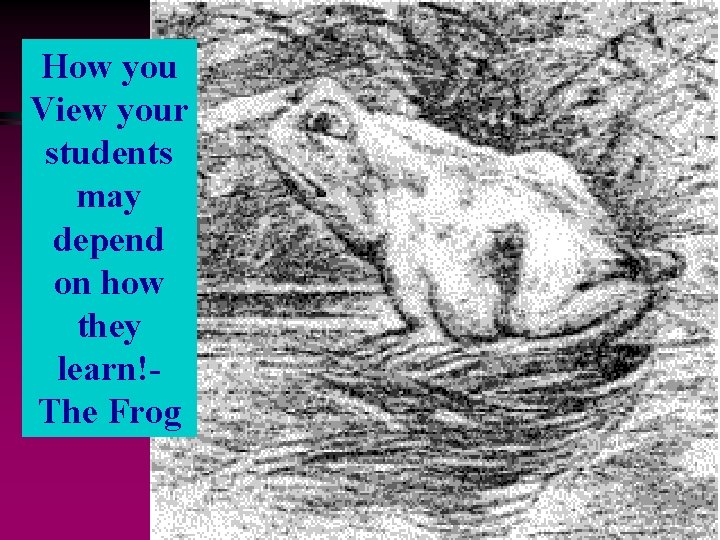
How you View your students may depend on how they learn!The Frog
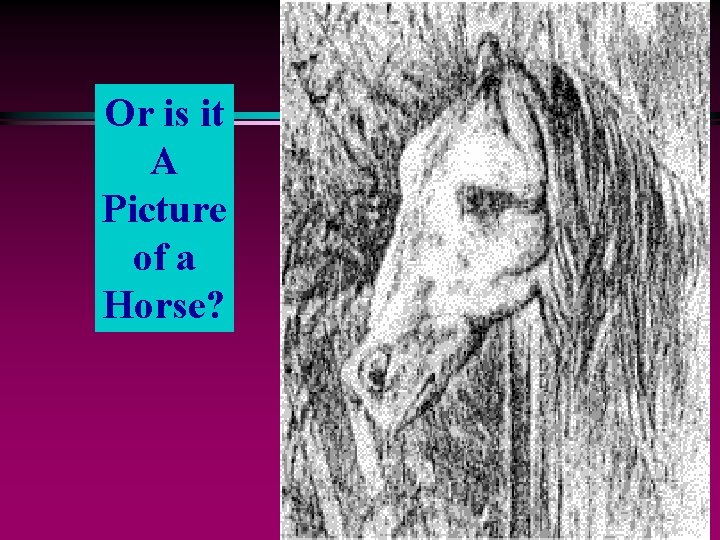
Or is it A Picture of a Horse?
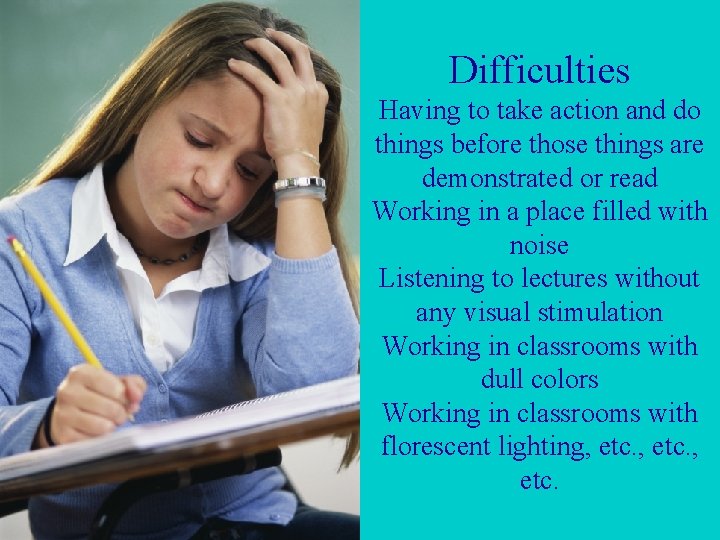
Difficulties Having to take action and do things before those things are demonstrated or read Working in a place filled with noise Listening to lectures without any visual stimulation Working in classrooms with dull colors Working in classrooms with florescent lighting, etc.
Parker’s Learning Styles Profile Heredity and Environment characterize… Ø Ø Ø Modalities Interpersonal Skills Competencies Personality Identifiers Management Styles Management/Leadership Characteristics
Parker’s Learning Styles Profile Charts Ø Ø Ø People, Data & Things Chart Independent/Dependent Chart Kinesthetic, Auditory & Visual Chart Personality Identifiers Chart Management Styles Chart Leadership/Management Chart
ØTime Management ØNote-taking ØReading ØListening ØTest-taking ØWritten Communications ØStress ØCareer-oriented
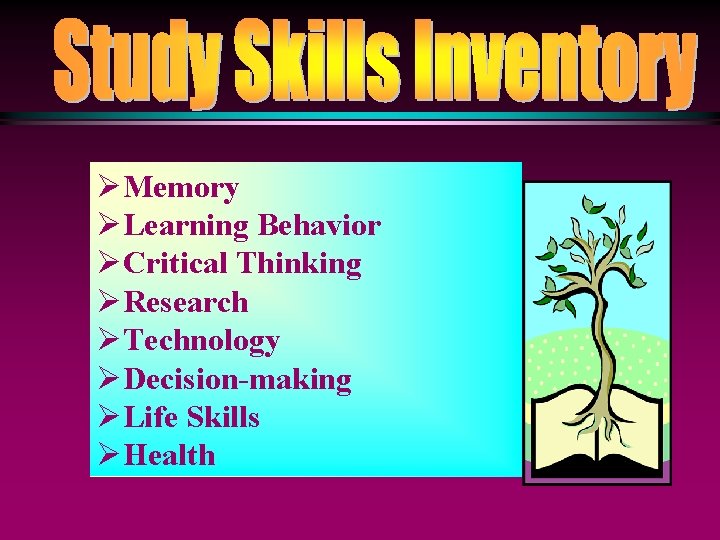
ØMemory ØLearning Behavior ØCritical Thinking ØResearch ØTechnology ØDecision-making ØLife Skills ØHealth
Can I say goodbye for the day knowing that another individual has received maximum consideration?
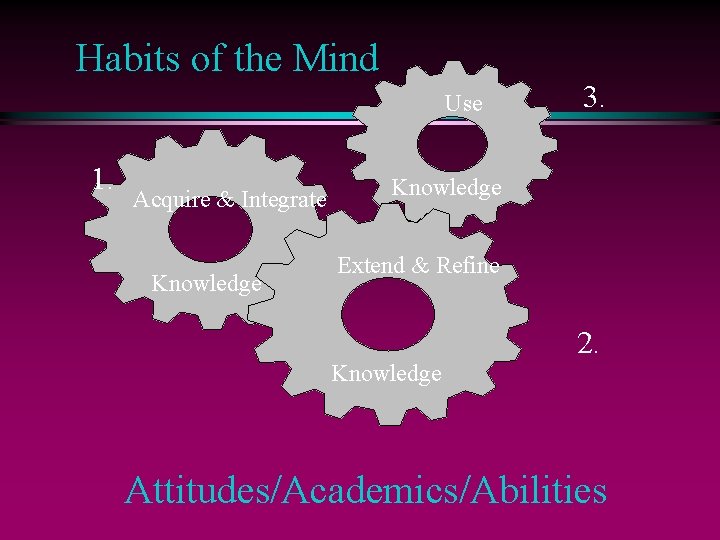
Habits of the Mind Use 1. Acquire & Integrate Knowledge 3. Knowledge Extend & Refine Knowledge 2. Attitudes/Academics/Abilities
I Learn & Remember Best By. . . 1. Reading. Strongly Agree = 5 Agree = 4 Not Sure = 3 Disagree = 2 Strongly Disagree = 1
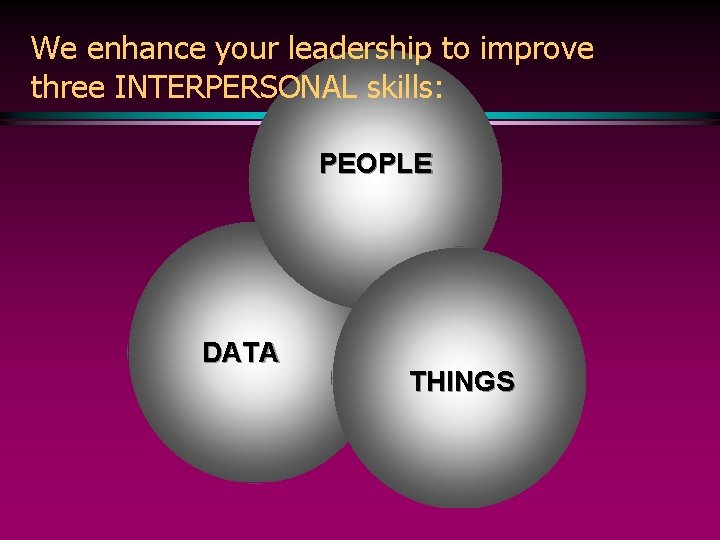
We enhance your leadership to improve three INTERPERSONAL skills: PEOPLE DATA THINGS
Areas of Competency. . . The ability to perform a specific task to a satisfactory level of skill. THINGS – psychomotor skills like typing, writing, running, etc. q DATA – Compiling & interpreting factual material. q q PEOPLE – dealing with interpersonal skills.
Areas of Competency…
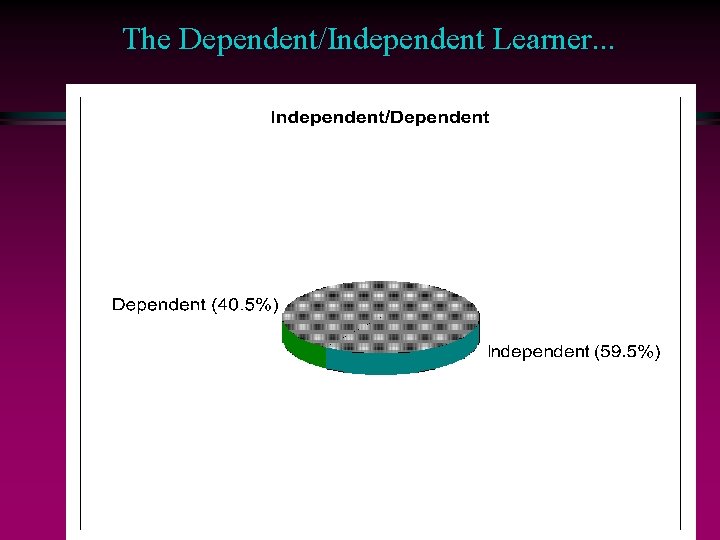
The Dependent/Independent Learner. . . q The Dependent Learner prefers: ü clear and precise learning instructions. ü objective-type assessment. ü an instructor who controls the learning. ü a socially-related learning atmosphere. ü organization in the learning process. ü a well-defined job description.
The Dependent/Independent Learner. . . q The Independent Learner prefers: ü self-directed learning situations. ü a choice of assessment methods. ü the instructor as mentor or facilitator. ü work usually with little or no supervision. ü non-traditional learning settings.
The Dependent/Independent Learner. . .
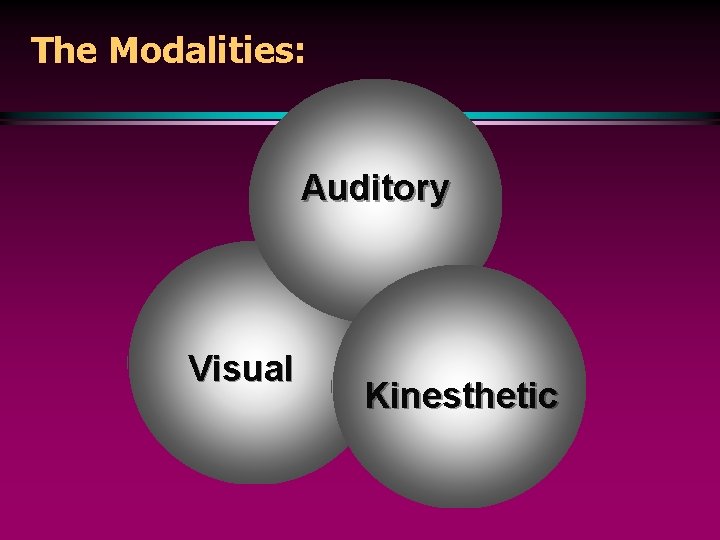
The Modalities: Auditory Visual Kinesthetic
The Auditory Learner prefers. . . ü hearing instruction and enjoying discussion. ü remembering names rather than faces. ü remembering by speaking repetitiously. ü moving lips while reading silently. ü talking about situations and problems. ü having illustrations explained. ü expressing emotions. ü listening to music. ü sitting in the back of classroom.
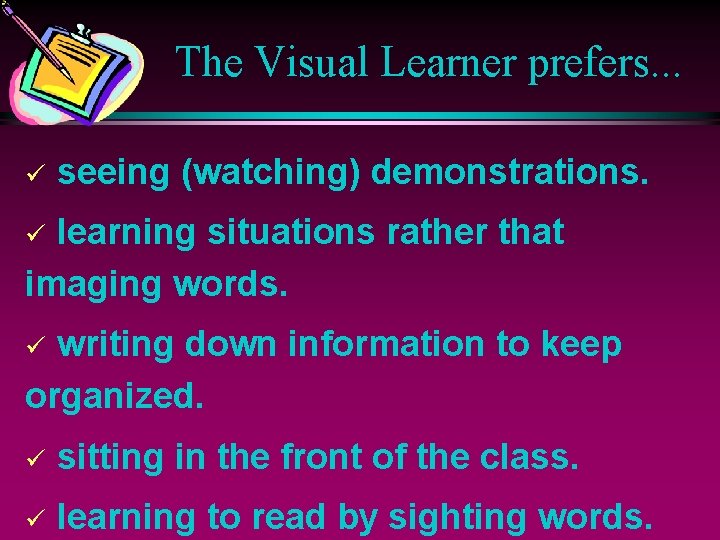
The Visual Learner prefers. . . ü seeing (watching) demonstrations. learning situations rather that imaging words. ü writing down information to keep organized. ü ü sitting in the front of the class. ü learning to read by sighting words.
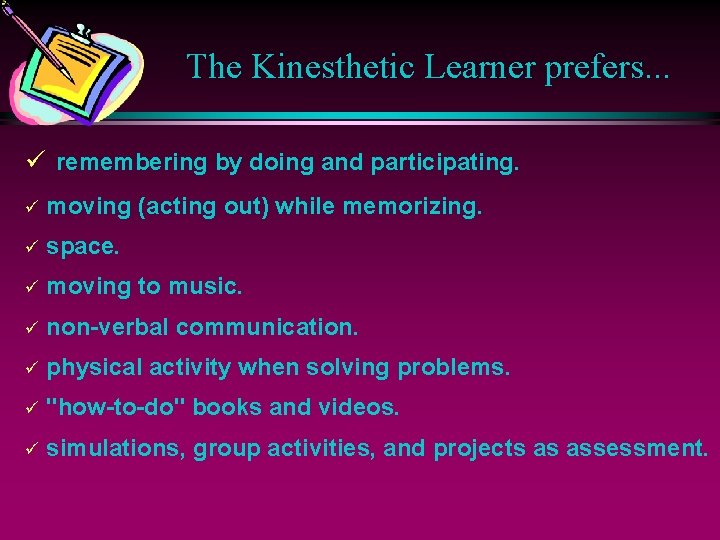
The Kinesthetic Learner prefers. . . ü remembering by doing and participating. ü moving (acting out) while memorizing. ü space. ü moving to music. ü non-verbal communication. ü physical activity when solving problems. ü "how-to-do" books and videos. ü simulations, group activities, and projects as assessment.
Auditory, Kinesthetic & Visual Modalities. . .
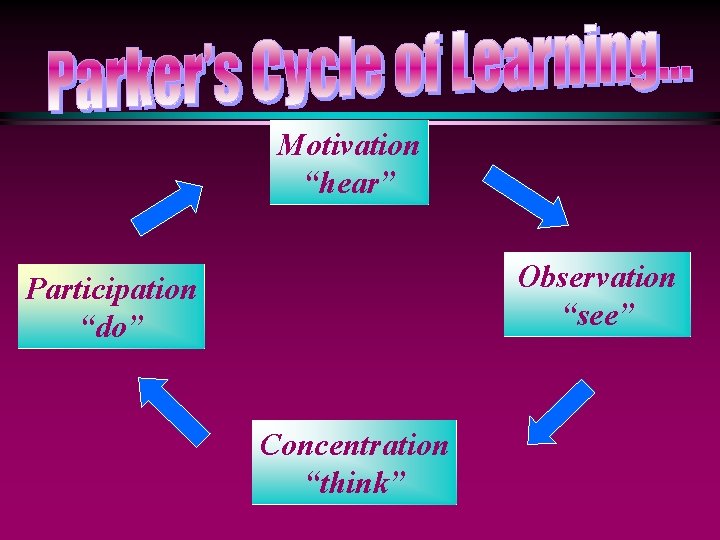
Motivation “hear” Observation “see” Participation “do” Concentration “think”
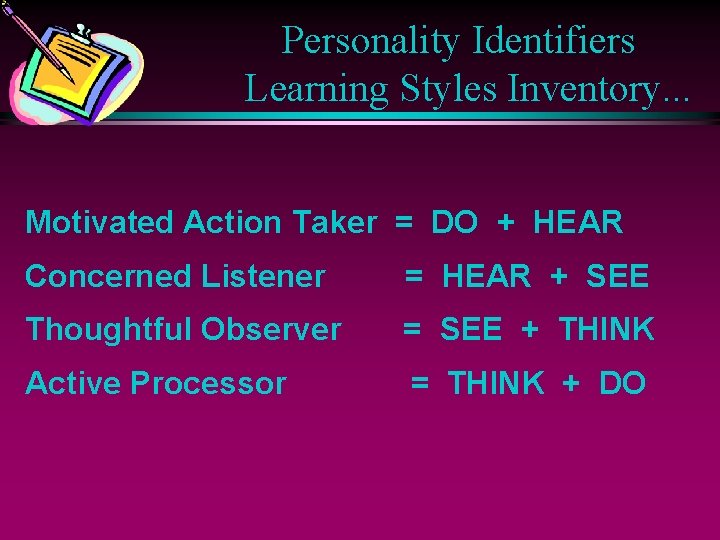
Personality Identifiers Learning Styles Inventory. . . Motivated Action Taker = DO + HEAR Concerned Listener = HEAR + SEE Thoughtful Observer = SEE + THINK Active Processor = THINK + DO
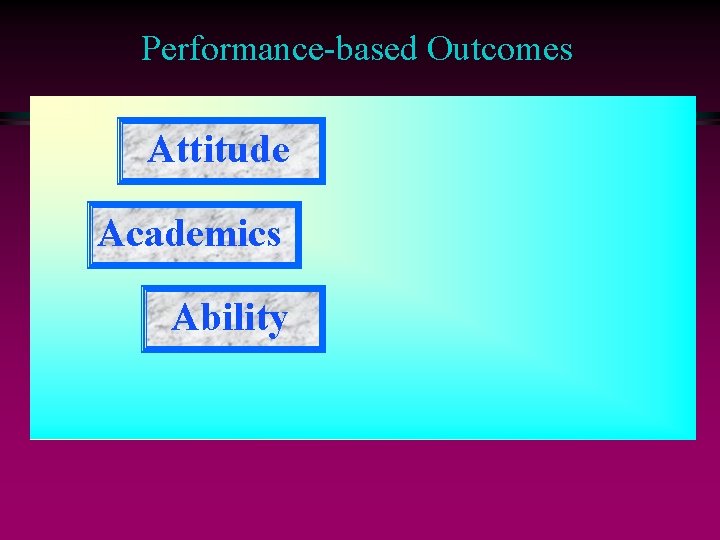
Performance-based Outcomes Attitude Academics Ability
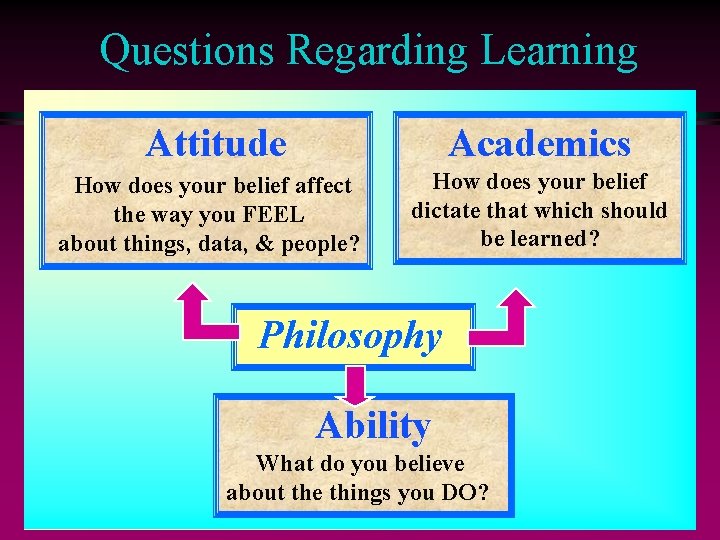
Questions Regarding Learning Attitude Academics How does your belief affect the way you FEEL about things, data, & people? How does your belief dictate that which should be learned? Philosophy Ability What do you believe about the things you DO?
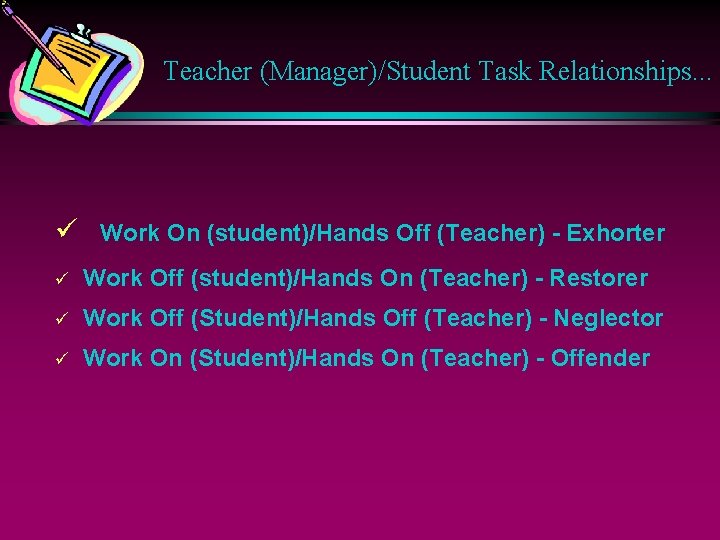
Teacher (Manager)/Student Task Relationships. . . ü Work On (student)/Hands Off (Teacher) - Exhorter ü Work Off (student)/Hands On (Teacher) - Restorer ü Work Off (Student)/Hands Off (Teacher) - Neglector ü Work On (Student)/Hands On (Teacher) - Offender
Work Relationships. . .
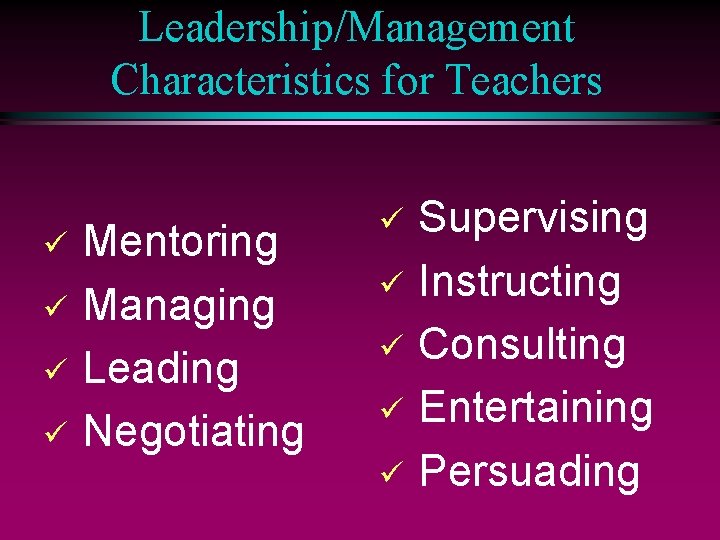
Leadership/Management Characteristics for Teachers Mentoring ü Managing ü Leading ü Negotiating ü Supervising ü Instructing ü Consulting ü Entertaining ü Persuading ü
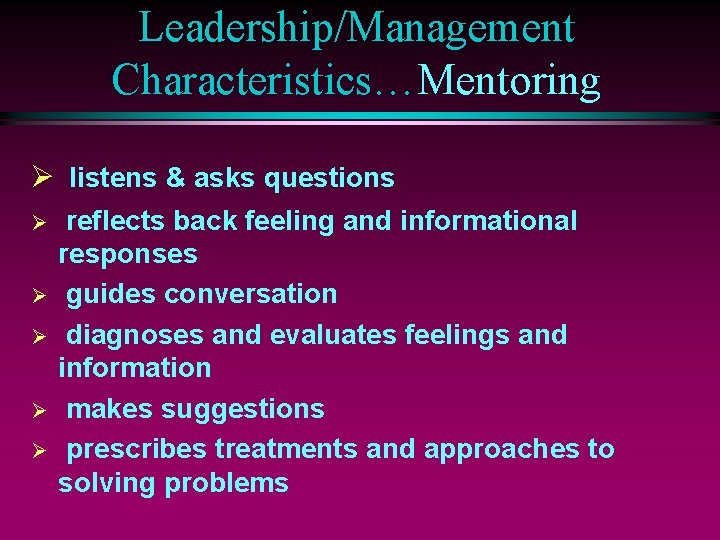
Leadership/Management Characteristics…Mentoring Ø listens & asks questions Ø Ø Ø reflects back feeling and informational responses guides conversation diagnoses and evaluates feelings and information makes suggestions prescribes treatments and approaches to solving problems
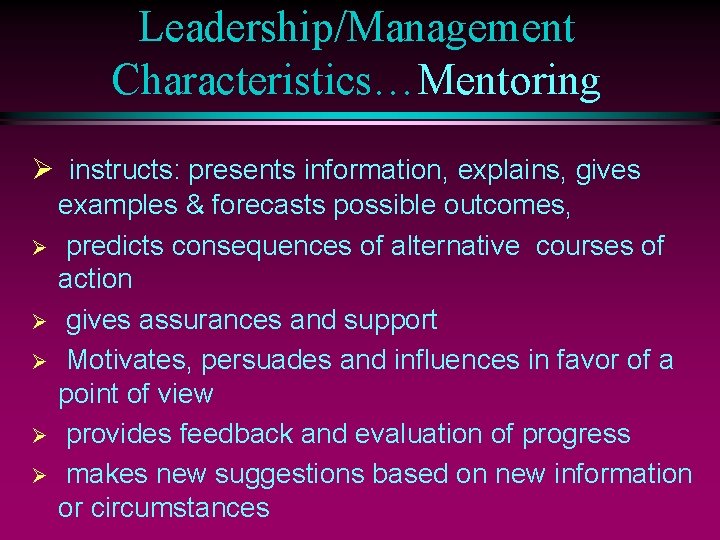
Leadership/Management Characteristics…Mentoring Ø instructs: presents information, explains, gives examples & forecasts possible outcomes, Ø predicts consequences of alternative courses of action Ø gives assurances and support Ø Motivates, persuades and influences in favor of a point of view Ø provides feedback and evaluation of progress Ø makes new suggestions based on new information or circumstances
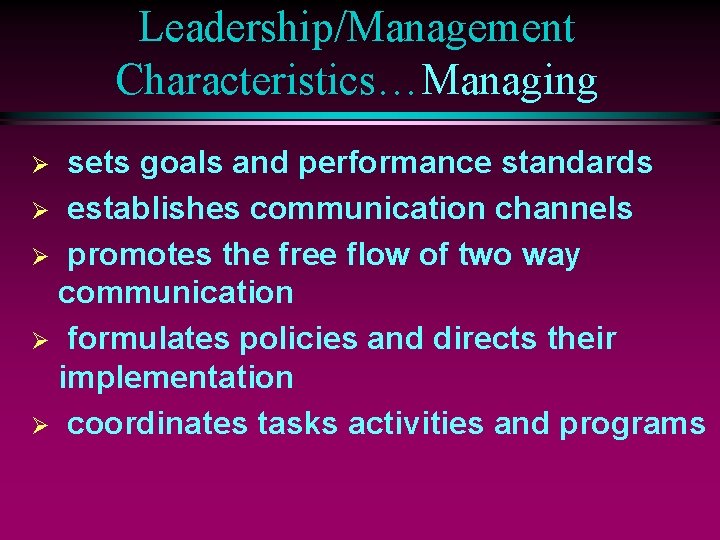
Leadership/Management Characteristics…Managing sets goals and performance standards Ø establishes communication channels Ø promotes the free flow of two way communication Ø formulates policies and directs their implementation Ø coordinates tasks activities and programs Ø
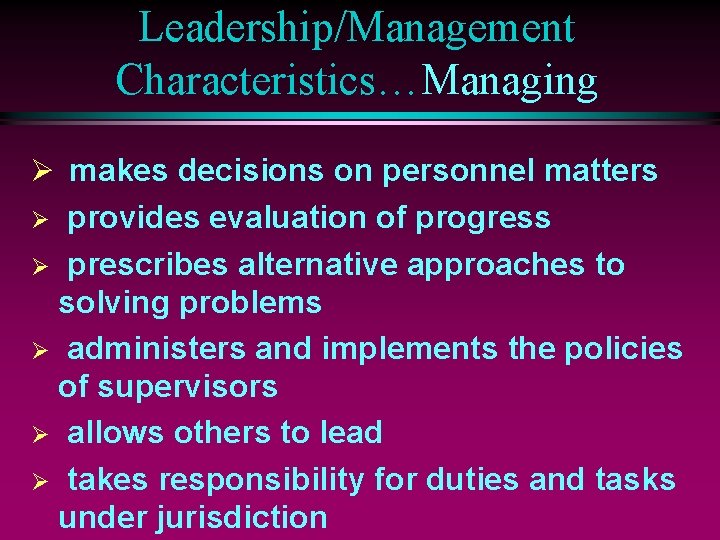
Leadership/Management Characteristics…Managing Ø makes decisions on personnel matters provides evaluation of progress Ø prescribes alternative approaches to solving problems Ø administers and implements the policies of supervisors Ø allows others to lead Ø takes responsibility for duties and tasks under jurisdiction Ø
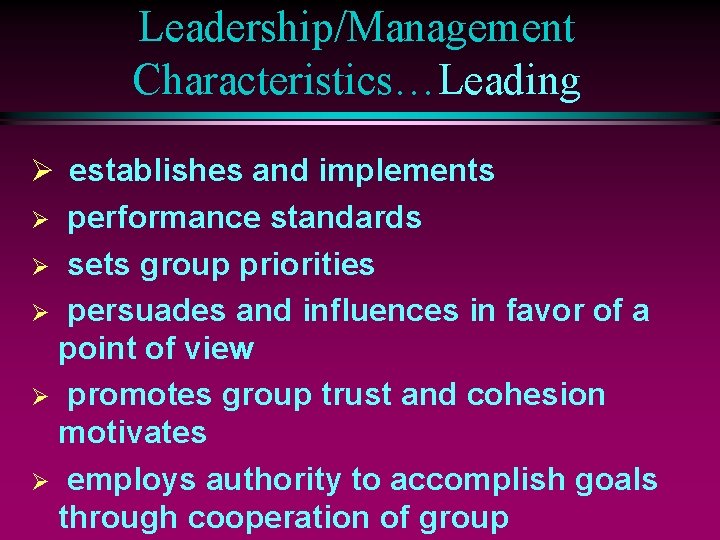
Leadership/Management Characteristics…Leading Ø establishes and implements performance standards Ø sets group priorities Ø persuades and influences in favor of a point of view Ø promotes group trust and cohesion motivates Ø employs authority to accomplish goals through cooperation of group Ø
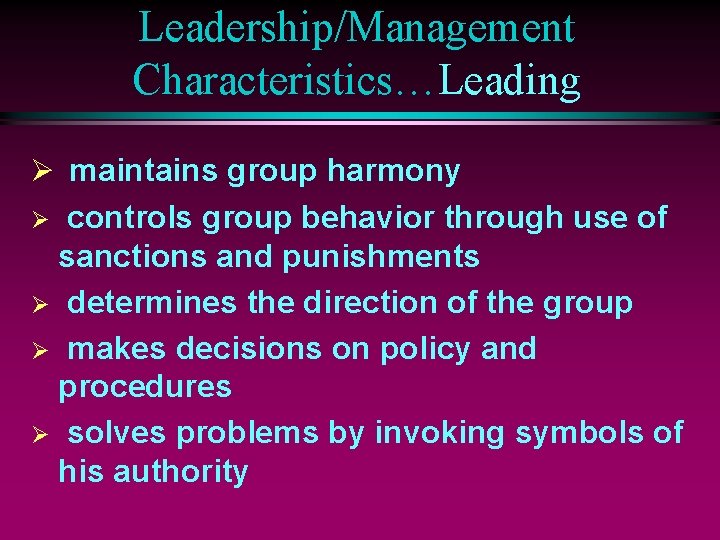
Leadership/Management Characteristics…Leading Ø maintains group harmony controls group behavior through use of sanctions and punishments Ø determines the direction of the group Ø makes decisions on policy and procedures Ø solves problems by invoking symbols of his authority Ø
Leadership/Management Characteristics…Negotiating Ø states and argues position bargains over terms Ø instructs: presents information explains, and gives examples Ø advances proposals Ø defends position with clear and coherent rationale Ø answers objections Ø presents alternative courses of action Ø
Leadership/Management Characteristics…Negotiating Ø gives and takes in a trade-off of benefits argues against counter-proposals Ø discusses possible solutions Ø defines goals and objectives Ø offers counterproposals when original proposals are rejected Ø reconciles opposing view points Ø confronts opposing demands to clarify positions Ø
Leadership/Management Characteristics…Supervising assigns tasks Ø discusses subordinates’ use of discretion Ø explains operating procedure Ø implements performance standards Ø examines task outcome against stated criteria Ø directs studies & evaluates performance Ø
Leadership/Management Characteristics…Supervising interprets results of task performance Ø judges content and consequences of discretionary decisions Ø sets task objectives Ø assesses individual competence to perform a given task Ø ensures performance standards necessary to achieve objectives Ø
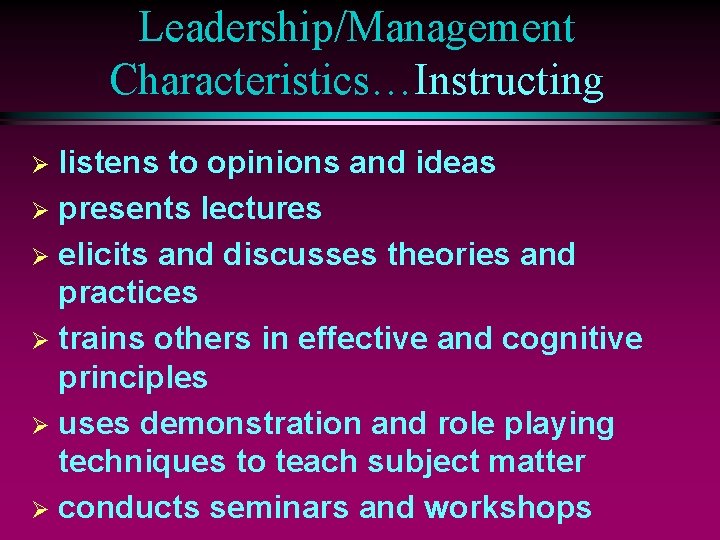
Leadership/Management Characteristics…Instructing listens to opinions and ideas Ø presents lectures Ø elicits and discusses theories and practices Ø trains others in effective and cognitive principles Ø uses demonstration and role playing techniques to teach subject matter Ø conducts seminars and workshops Ø
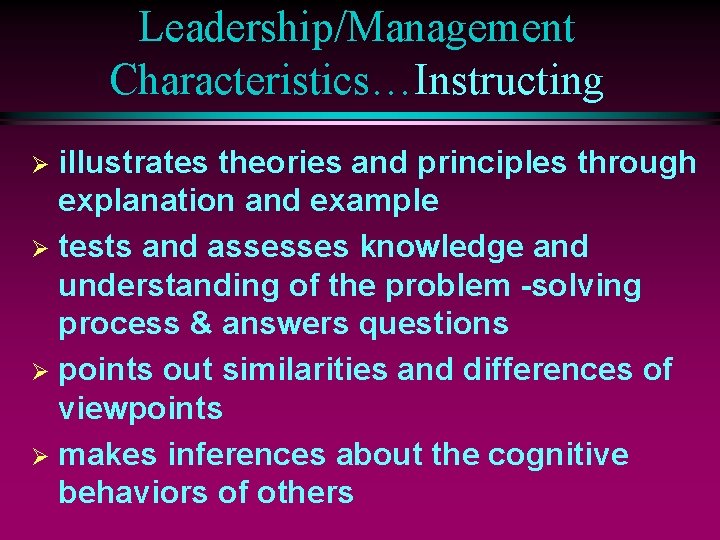
Leadership/Management Characteristics…Instructing illustrates theories and principles through explanation and example Ø tests and assesses knowledge and understanding of the problem -solving process & answers questions Ø points out similarities and differences of viewpoints Ø makes inferences about the cognitive behaviors of others Ø
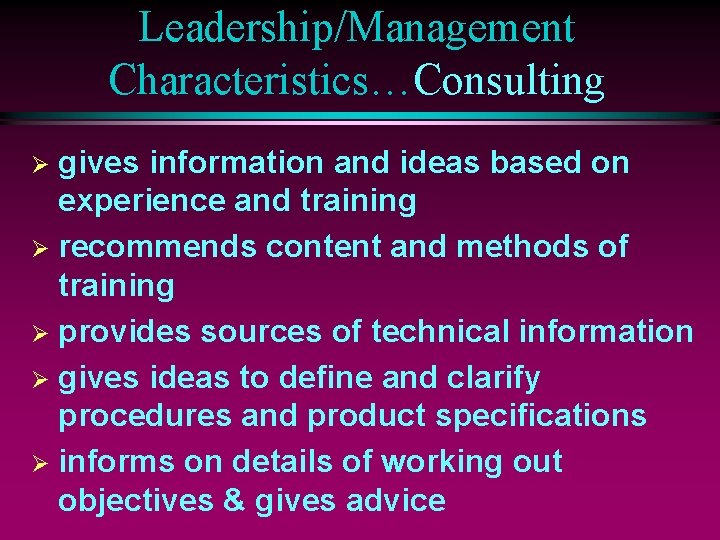
Leadership/Management Characteristics…Consulting gives information and ideas based on experience and training Ø recommends content and methods of training Ø provides sources of technical information Ø gives ideas to define and clarify procedures and product specifications Ø informs on details of working out objectives & gives advice Ø
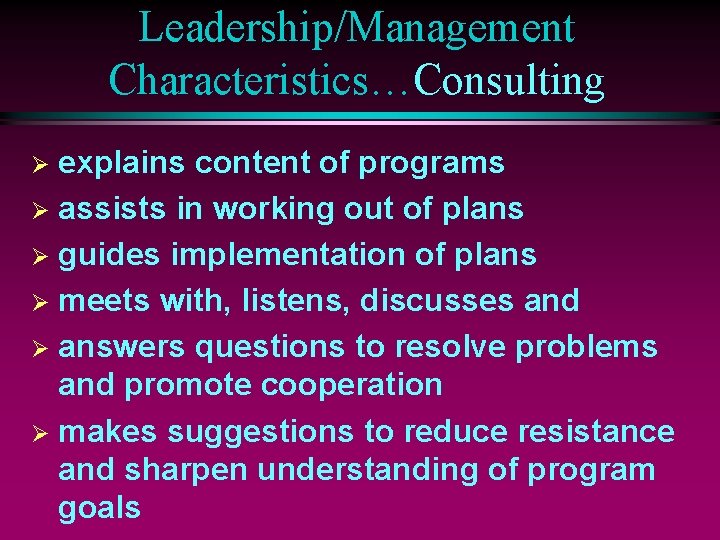
Leadership/Management Characteristics…Consulting explains content of programs Ø assists in working out of plans Ø guides implementation of plans Ø meets with, listens, discusses and Ø answers questions to resolve problems and promote cooperation Ø makes suggestions to reduce resistance and sharpen understanding of program goals Ø
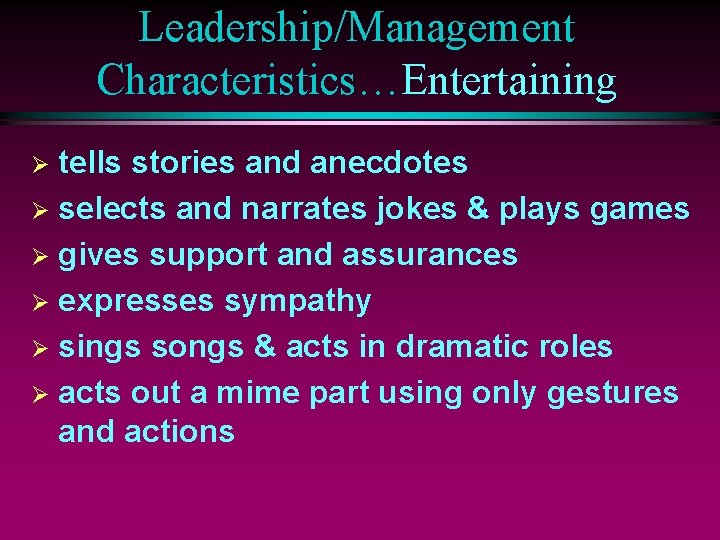
Leadership/Management Characteristics…Entertaining tells stories and anecdotes Ø selects and narrates jokes & plays games Ø gives support and assurances Ø expresses sympathy Ø sings songs & acts in dramatic roles Ø acts out a mime part using only gestures and actions Ø
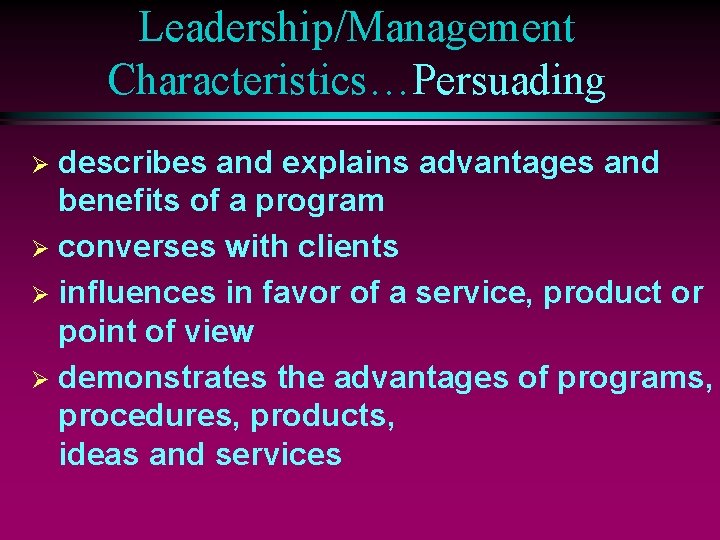
Leadership/Management Characteristics…Persuading describes and explains advantages and benefits of a program Ø converses with clients Ø influences in favor of a service, product or point of view Ø demonstrates the advantages of programs, procedures, products, ideas and services Ø
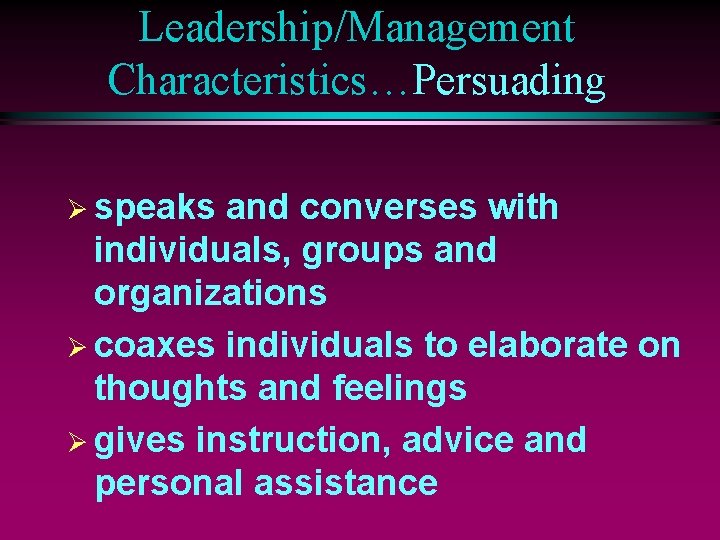
Leadership/Management Characteristics…Persuading Ø speaks and converses with individuals, groups and organizations Ø coaxes individuals to elaborate on thoughts and feelings Ø gives instruction, advice and personal assistance
Leadership/Management Characteristics
Parker’s Learning Styles Profile The End