
The Learning Brain Growth Mindset and Effective Effort
The Learning Brain: Growth Mindset and Effective Effort in the Classroom Jared Peet – History Department jpeet@acs. edu. lb
Intelligence: How Smart You Are 1. Your intelligence is something very basic about you that you can’t change very much. 2. You can learn new things, but you can’t really change how intelligent you are. 3. No matter how much intelligence you have, you can always change it quite a bit. 4. You can always substantially change how intelligent you are.
Personality & Character: Who You Are 1. You are a certain kind of person, and there is not much that can be done to really change that. 2. You can do things differently, but the important parts of who you are can’t really be changed. 3. No matter what kind of person you are, you can always change substantially. 4. You can always change basic things about the kind of person you are.
Talent: How Gifted You Are 1. You have certain talents, and there is not much that can be done to really change that. 2. You can try to master new things, but your basic talents can’t really be changed. 3. No matter what talents you have, you can always change them somewhat. 4. You can always significantly change your talents.

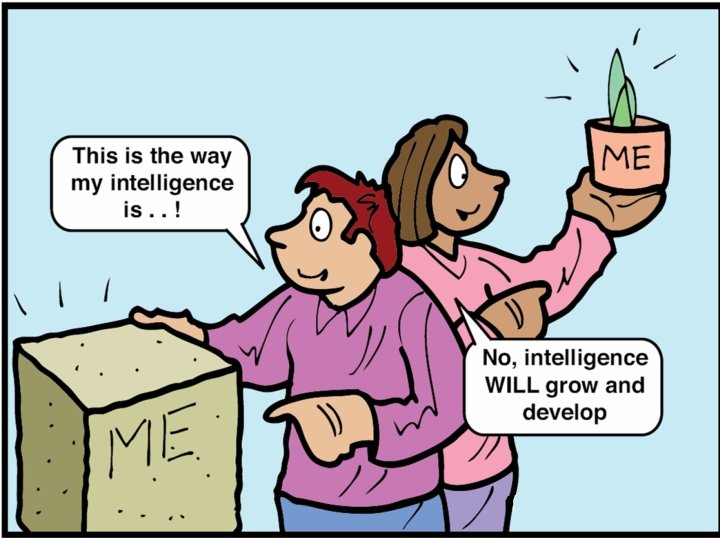
Intelligence: How Smart You Are 1. Your intelligence is something very basic about you that you can’t change very much. 2. You can learn new things, but you can’t really change how intelligent you are. 3. No matter how much intelligence you have, you can always change it quite a bit. 4. You can always substantially change how intelligent you are.
Personality & Character: Who You Are 1. You are a certain kind of person, and there is not much that can be done to really change that. 2. You can do things differently, but the important parts of who you are can’t really be changed. 3. No matter what kind of person you are, you can always change substantially. 4. You can always change basic things about the kind of person you are.
Talent: How Gifted You Are 1. You have certain talents, and there is not much that can be done to really change that. 2. You can try to master new things, but your basic talents can’t really be changed. 3. No matter what talents you have, you can always change them somewhat. 4. You can always significantly change your talents.

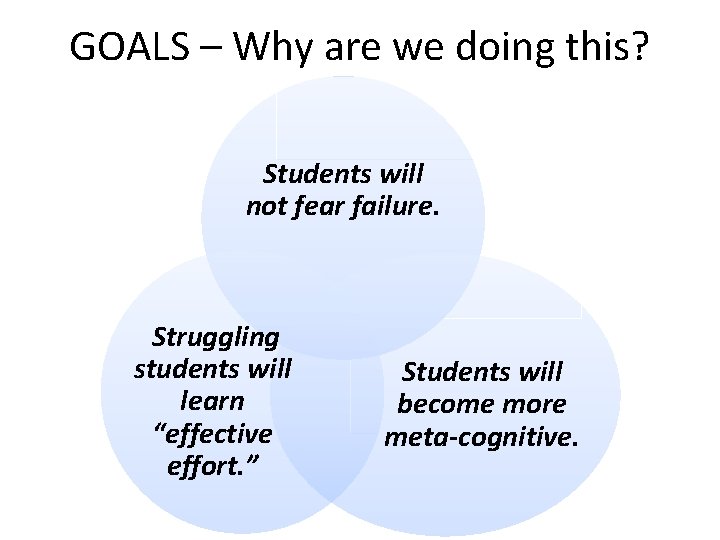
GOALS – Why are we doing this? Students will not fear failure. Struggling students will learn “effective effort. ” Students will become more meta-cognitive.
Objectives: Participants will know: • A person’s ‘mindset’ about intelligence has a significant effect on his or her achievement, success and happiness. • There are six elements of ‘effective effort’ that are each essential components in turning “hard work” into achievement. • Practical steps to “saturate the environments” of their classrooms with a growth mindset
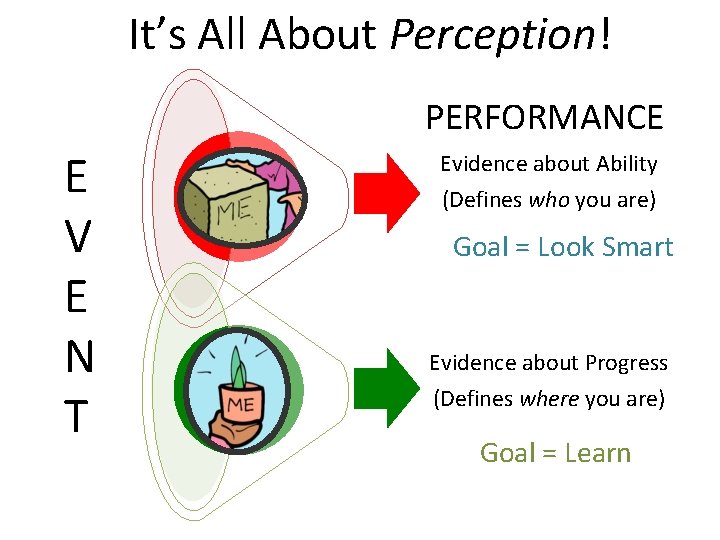
It’s All About Perception! PERFORMANCE E V E N T Fixed Evidence about Ability (Defines who you are) Goal = Look Smart Growth Evidence about Progress (Defines where you are) Goal = Learn
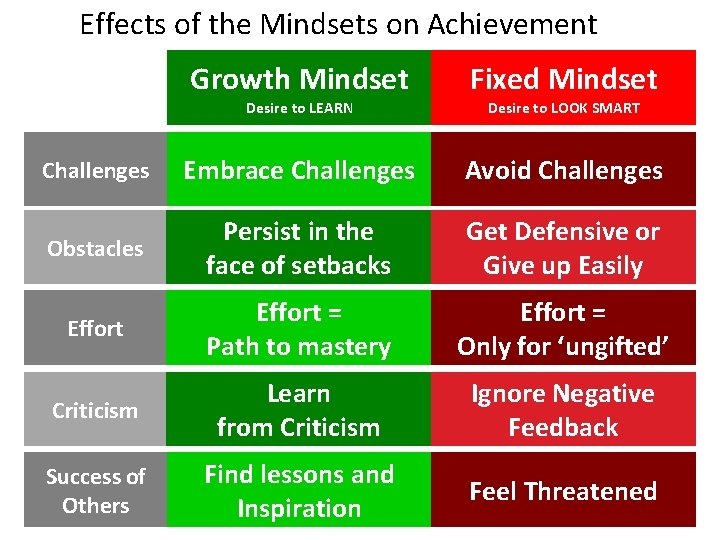
Effects of the Mindsets on Achievement Growth Mindset Fixed Mindset Challenges Embrace Challenges Avoid Challenges Obstacles Persist in the face of setbacks Get Defensive or Give up Easily Effort = Path to mastery Effort = Only for ‘ungifted’ Criticism Learn from Criticism Ignore Negative Feedback Success of Others Find lessons and Inspiration Feel Threatened Desire to LEARN Desire to LOOK SMART
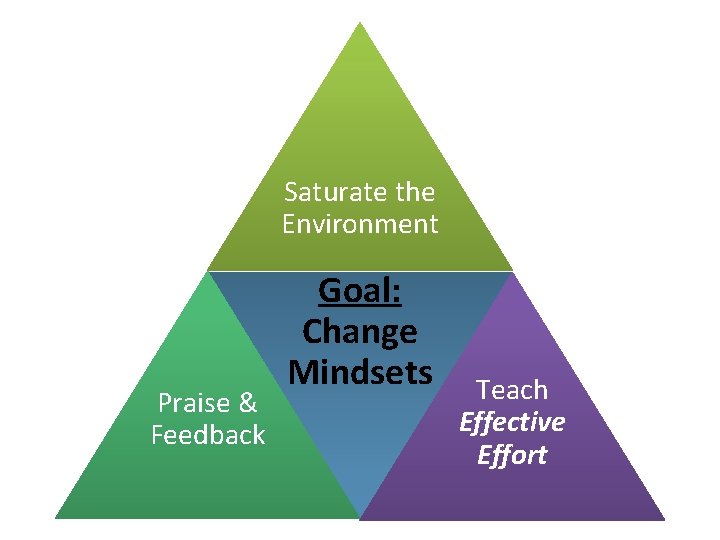
Saturate the Environment Praise & Feedback Goal: Change Mindsets Teach Effective Effort
TEACH EFFECTIVE EFFORT

Commitment Strategies Time Resourcefulness Focus Feedback Teach Effective Effort
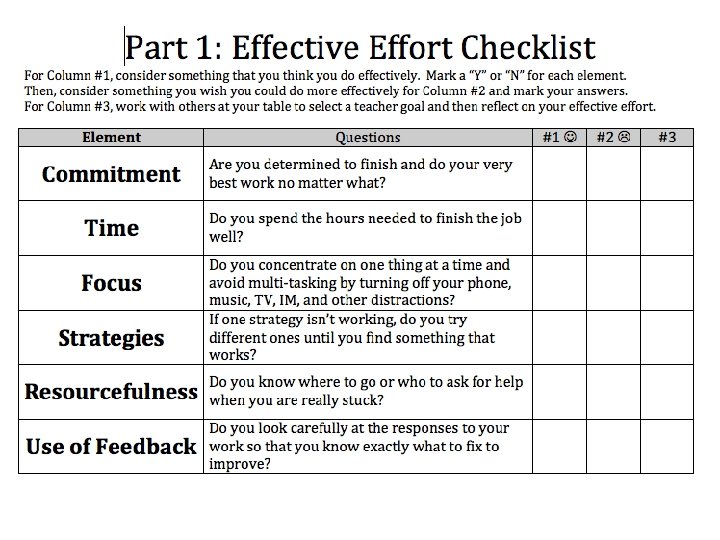
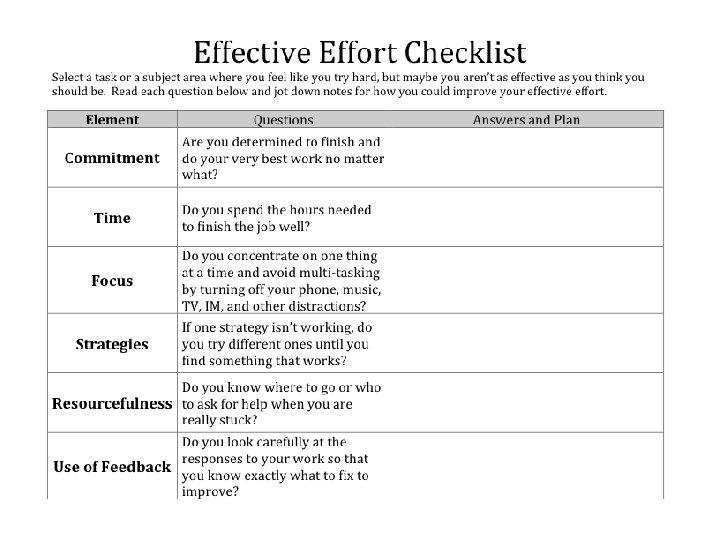
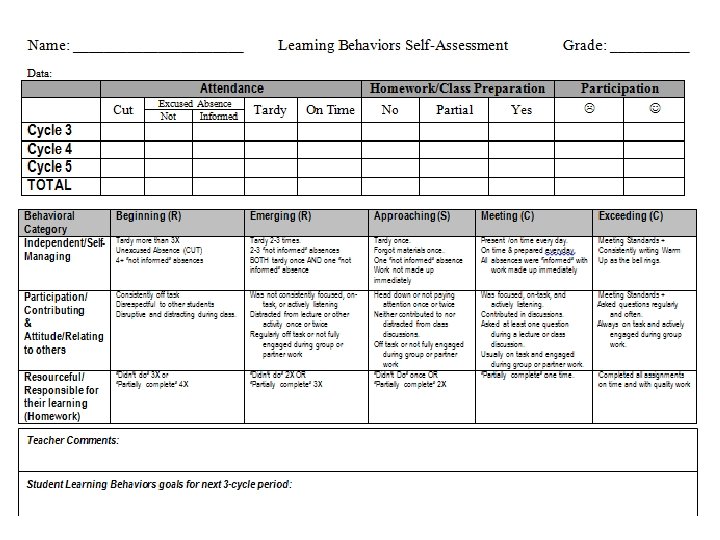

Effective Effort Pyramid
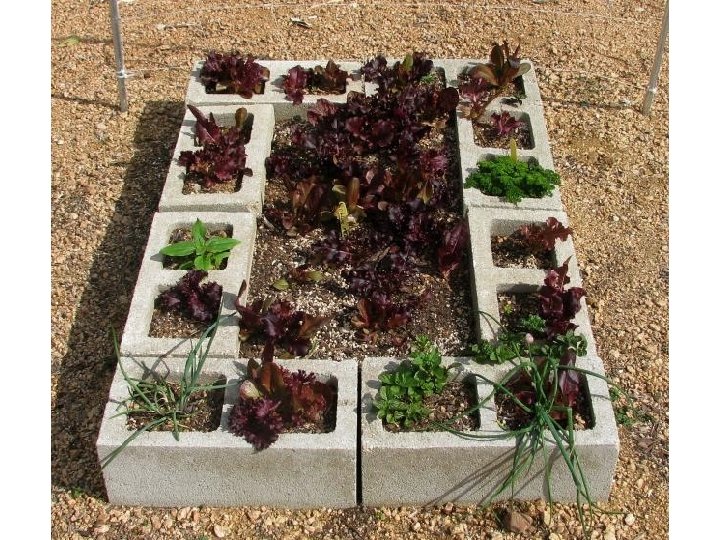
SATURATE THE ENVIRONMENT COURSE POLICIES AND PROCEDURES DAILY ROUTINES STORIES AND VISUALS
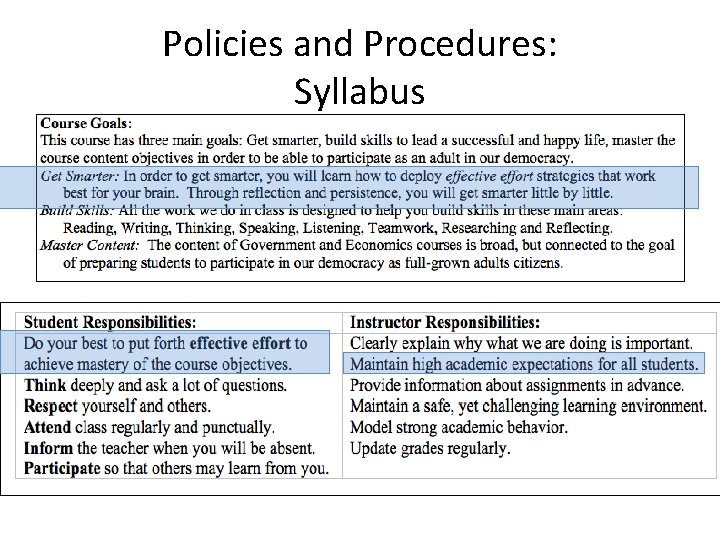
Policies and Procedures: Syllabus
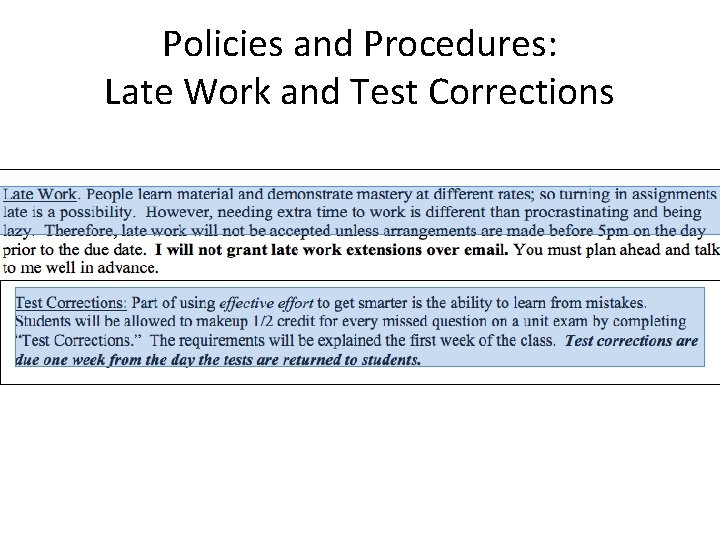
Policies and Procedures: Late Work and Test Corrections
Daily Routines • The Five Bs – Brain – Book – Board – Buddy – Boss • “I don’t know. . . Yet!” • Email a week
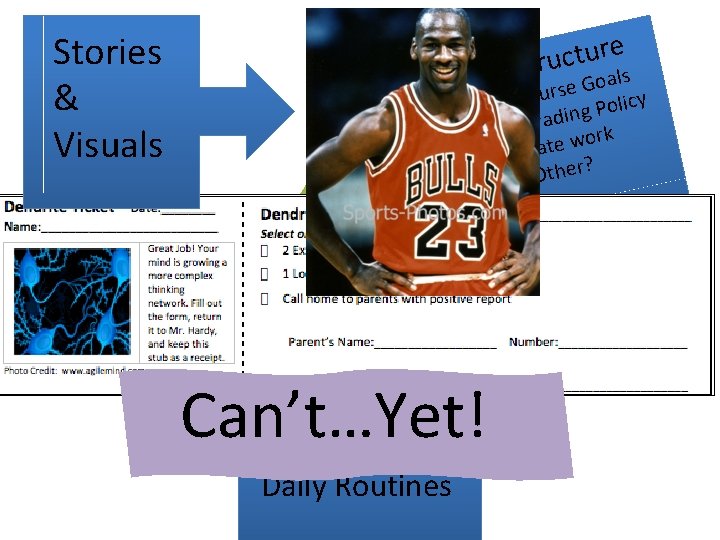
Stories & Visuals e r u t c u als rse Str Cou Saturate the Environment Can’t…Yet! Daily Routines Go e s r u o • C icy l o P g in • Grad ork w • Late r? • Othe
PRAISE AND FEEDBACK STUDENT-TEACHER INTERACTIONS
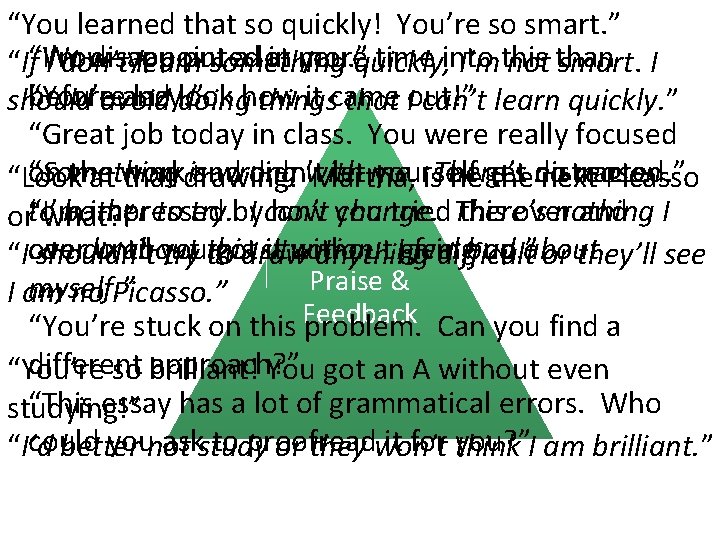
“You learned that so quickly! You’re so smart. ” you put a lot time into “I’m disappointed in more you. ”quickly, “If“Wow. I don’t learn something I’mthis not than smart. I before and look how it came “You’re lazy. ” should avoid doing things that Iout!” can’t learn quickly. ” “Great job today in class. You were really focused on the didn’t let me. yourself distracted. ” “Something isand wrong with reason “Look at work that drawing. Martha, is. There’s he get theno next Picasso impressed how you tried There’s this over and I towhat? ” bother to try. by. I can’t change. nothing or“I’m until you got it without up. ”about can do about situation. Igiving feel bad “Iover shouldn’t try this to draw anything difficult or they’ll see Praise & myself. ” I am no Picasso. ” Feedback “You’re stuck on this problem. Can you find a different approach? ” “You’re so brilliant! You got an A without even “This essay has a lot of grammatical errors. Who studying!” could younot askstudy to proofread it for you? ” “I’d better or they won’t think I am brilliant. ”
Clear Feedback • Students need honest, constructive feedback – Don’t protect them from failure! • “Yeah, that’s sort of right. Who can build on that? ” • “That’s not correct, but pay attention because you’re about to learn something, and that’s awesome!”
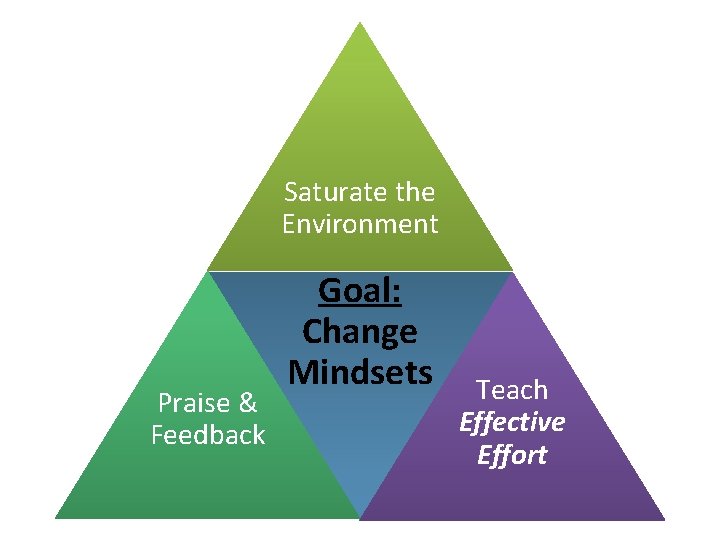
Saturate the Environment Praise & Feedback Goal: Change Mindsets Teach Effective Effort
Is it working? “For next time I will use the study tips Mr. Peet gave me when I had a meeting with him. I must use homework assignments as a study guide, use Powerpoints as resources, always focus on details and don’t just read I should take notes and discuss the topic with another person to show much I know and understood. ” -Student who scored a C- on first test
Is it working? “To do better, I must follow the steps to effective effort. I realized I have been doing 3 things wrong. I haven’t been asking the teacher questions when I am stuck, I have been multitasking a lot and this leads to loss of full focus on studying for the test, and I have been underestimating the time needed to study for the test. I realized that I should ask Mr. Peet a question every single time I am a little confused. I should also split up my time by watching TV and entertaining myself for 2 hours before so I can satiate my entertainment needs so I don’t feel the need to multitask with Facebook and TV and that way I can be fully focused on studying. I have made a plan so that I study for the maximum amount of days, for 1 hour everyday just so the material can sink in and so I have enough time to ask Mr. Peet all necessary questions. ” -Student who scored a B+ on first test
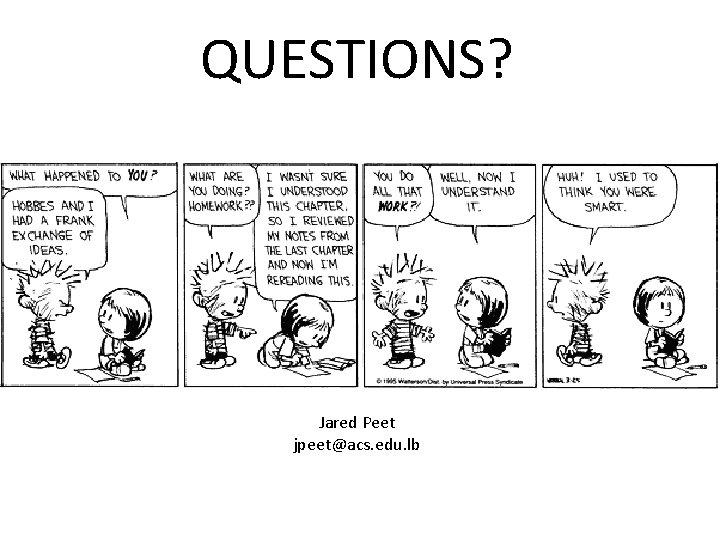
QUESTIONS? Jared Peet jpeet@acs. edu. lb
- Slides: 36