
The Kingdom Protista Introduction Protists all have a

- Slides: 33
The Kingdom Protista
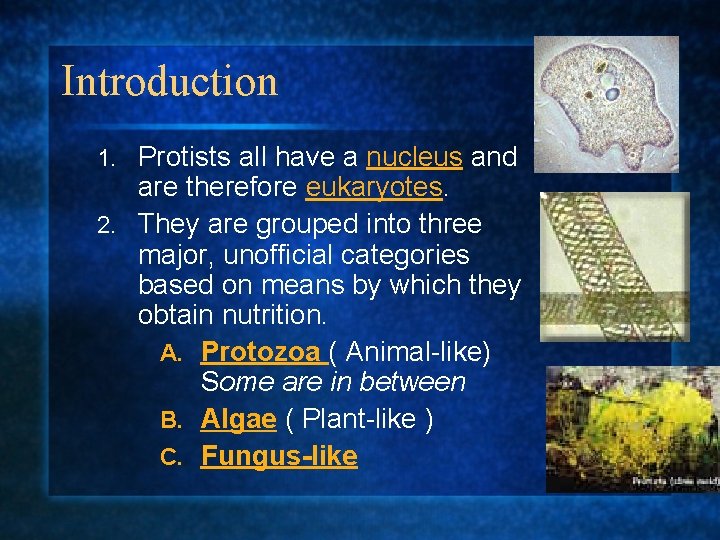
Introduction Protists all have a nucleus and are therefore eukaryotes. 2. They are grouped into three major, unofficial categories based on means by which they obtain nutrition. A. Protozoa ( Animal-like) Some are in between B. Algae ( Plant-like ) C. Fungus-like 1.
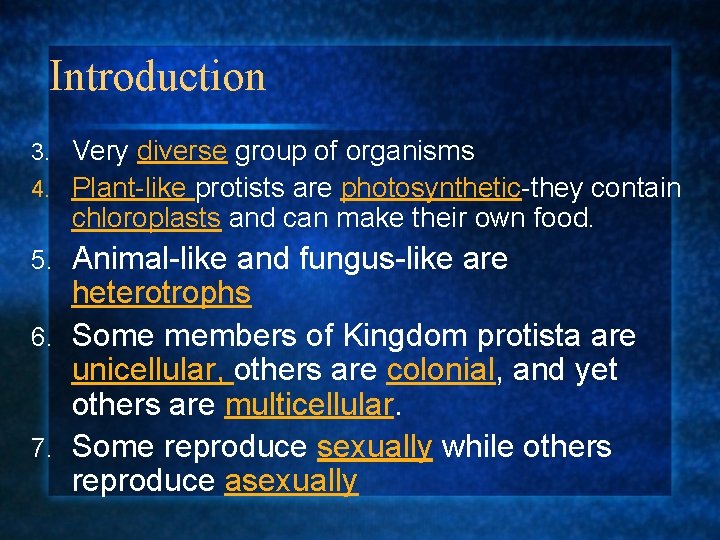
Introduction Very diverse group of organisms 4. Plant-like protists are photosynthetic-they contain chloroplasts and can make their own food. 3. Animal-like and fungus-like are heterotrophs 6. Some members of Kingdom protista are unicellular, others are colonial, and yet others are multicellular. 7. Some reproduce sexually while others reproduce asexually 5.
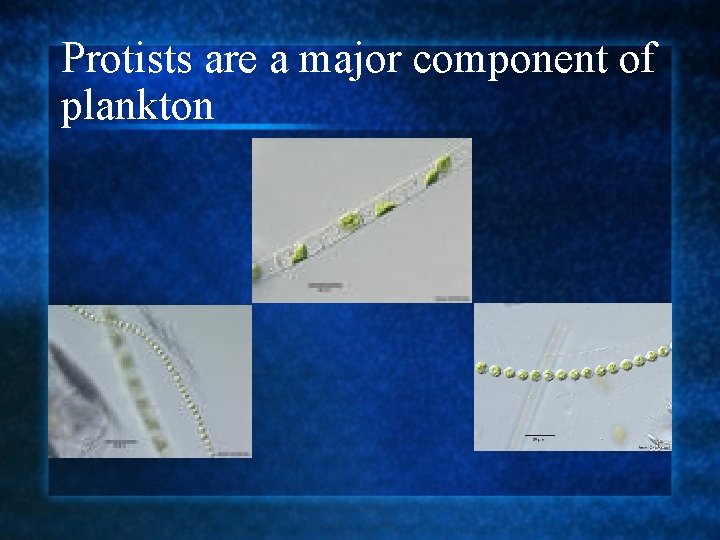
Protists are a major component of plankton
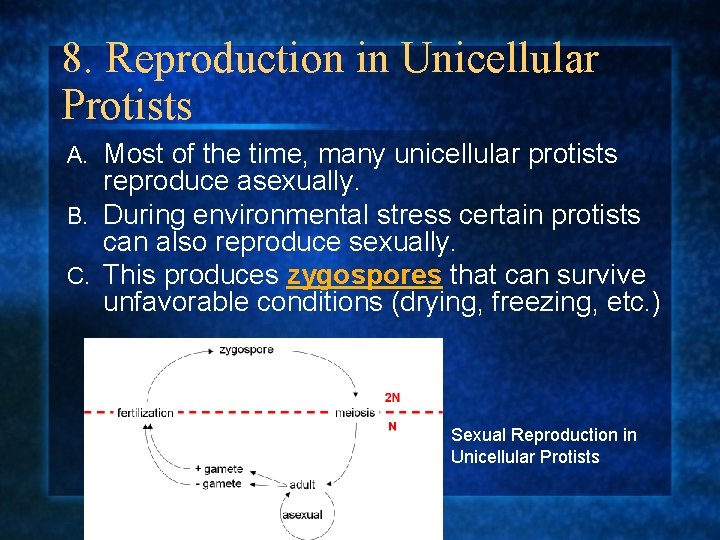
8. Reproduction in Unicellular Protists Most of the time, many unicellular protists reproduce asexually. B. During environmental stress certain protists can also reproduce sexually. C. This produces zygospores that can survive unfavorable conditions (drying, freezing, etc. ) A. Sexual Reproduction in Unicellular Protists
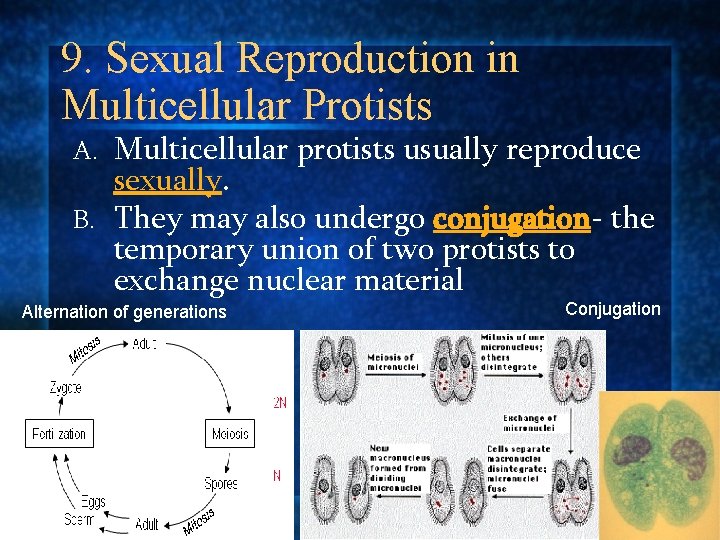
9. Sexual Reproduction in Multicellular Protists Multicellular protists usually reproduce sexually. B. They may also undergo conjugation- the temporary union of two protists to exchange nuclear material A. Alternation of generations Conjugation
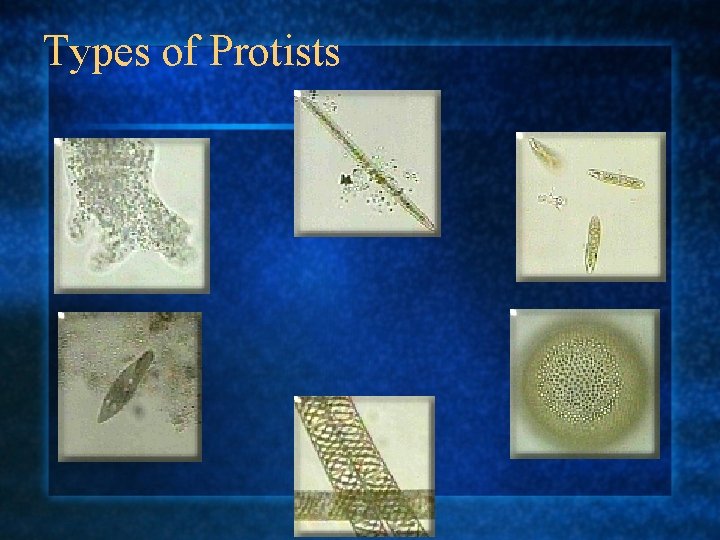
Types of Protists
10. Protozoa are animal-like protists, especially in their nutrition. I. They ingest their food by phagocytosis. B. They are classified based on their method of movement. C. Typical prey include bacteria and other smaller one-celled organisms. A.
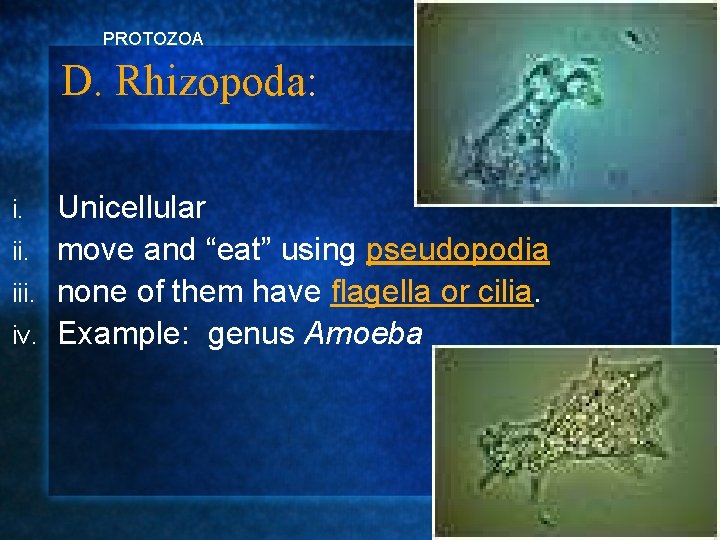
PROTOZOA D. Rhizopoda: Unicellular ii. move and “eat” using pseudopodia iii. none of them have flagella or cilia. iv. Example: genus Amoeba i.
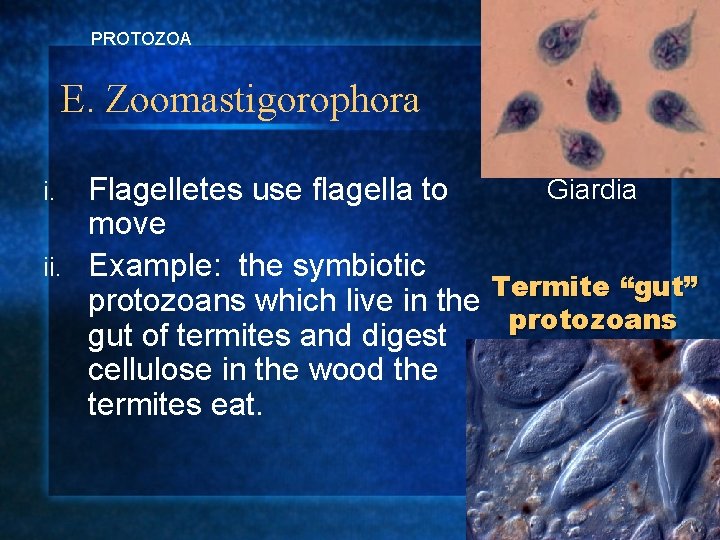
PROTOZOA E. Zoomastigorophora Giardia Flagelletes use flagella to move ii. Example: the symbiotic Termite “gut” protozoans which live in the protozoans gut of termites and digest cellulose in the wood the termites eat. i.
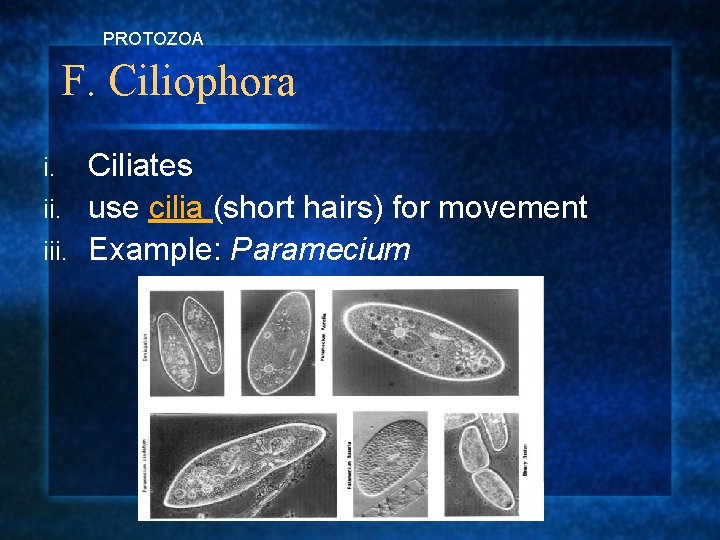
PROTOZOA F. Ciliophora Ciliates ii. use cilia (short hairs) for movement iii. Example: Paramecium i.
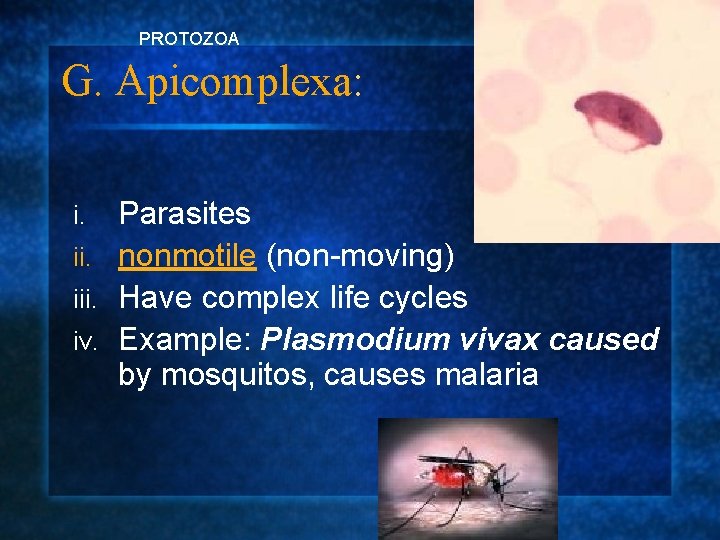
PROTOZOA G. Apicomplexa: Parasites ii. nonmotile (non-moving) iii. Have complex life cycles iv. Example: Plasmodium vivax caused by mosquitos, causes malaria i.
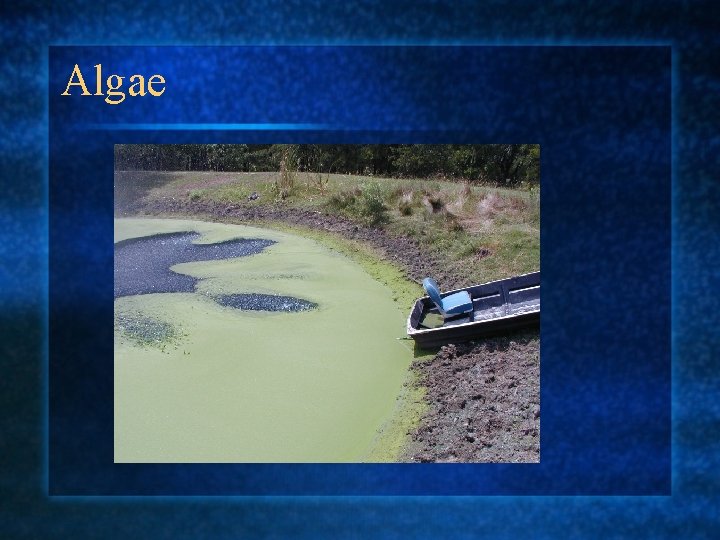
Algae
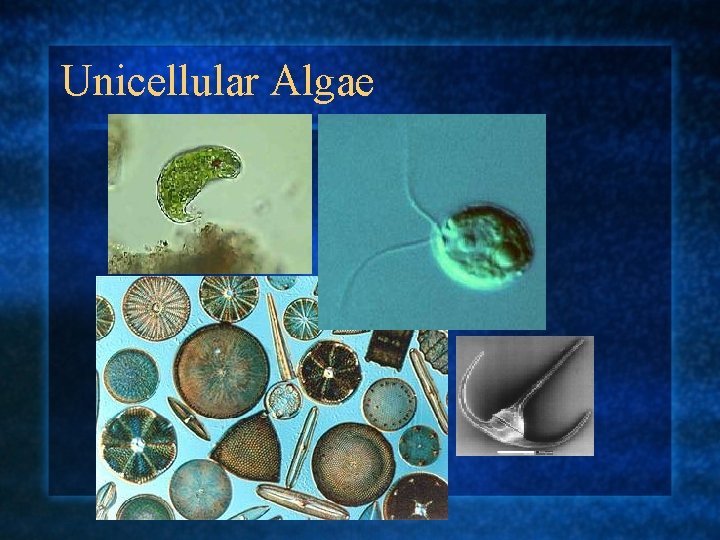
Unicellular Algae
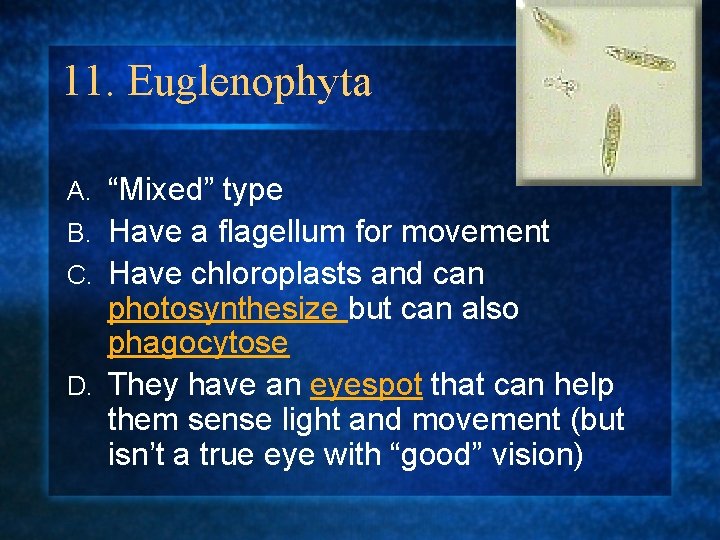
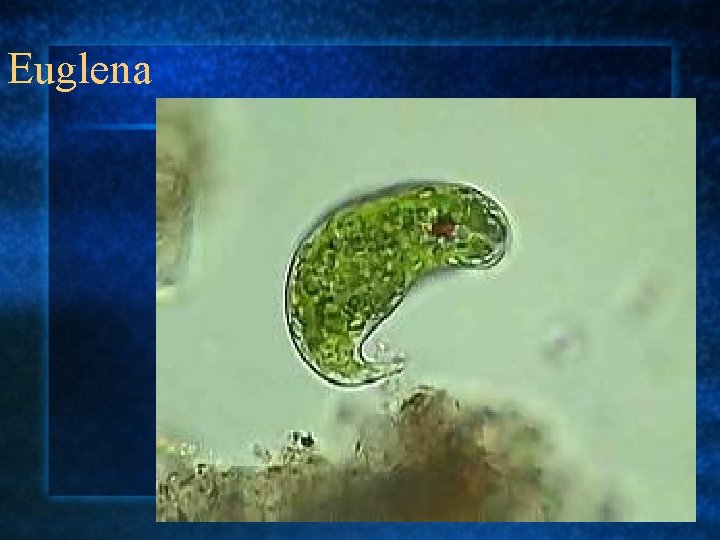
11. Euglenophyta “Mixed” type B. Have a flagellum for movement C. Have chloroplasts and can photosynthesize but can also phagocytose D. They have an eyespot that can help them sense light and movement (but isn’t a true eye with “good” vision) A.
Euglena
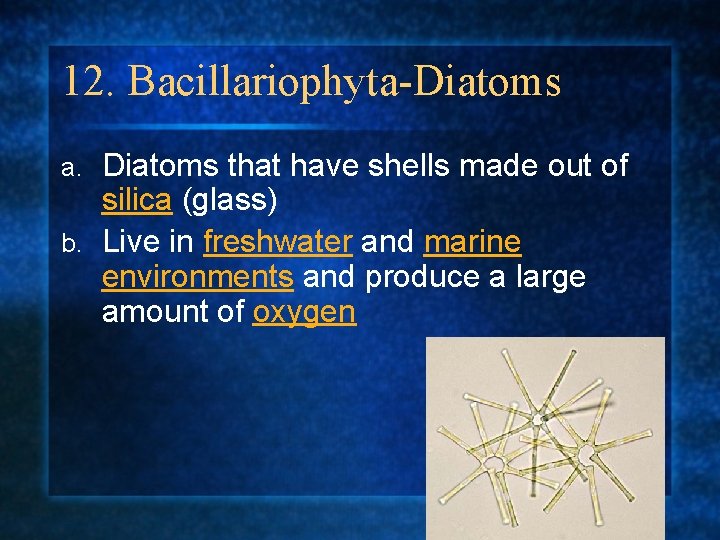
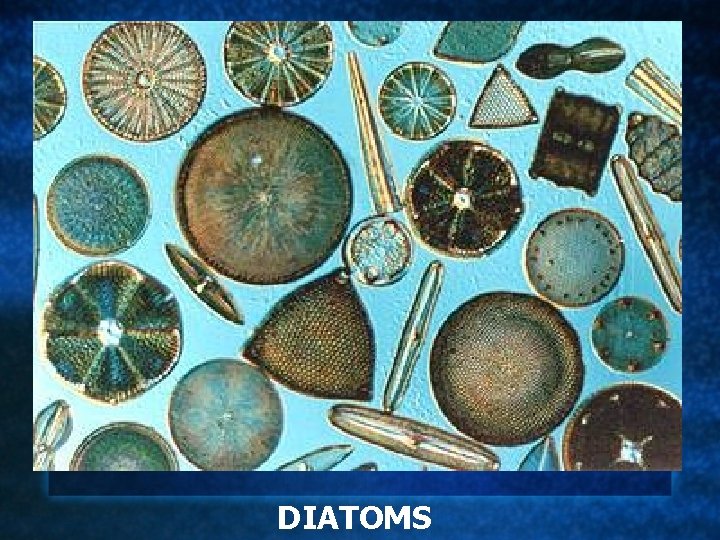
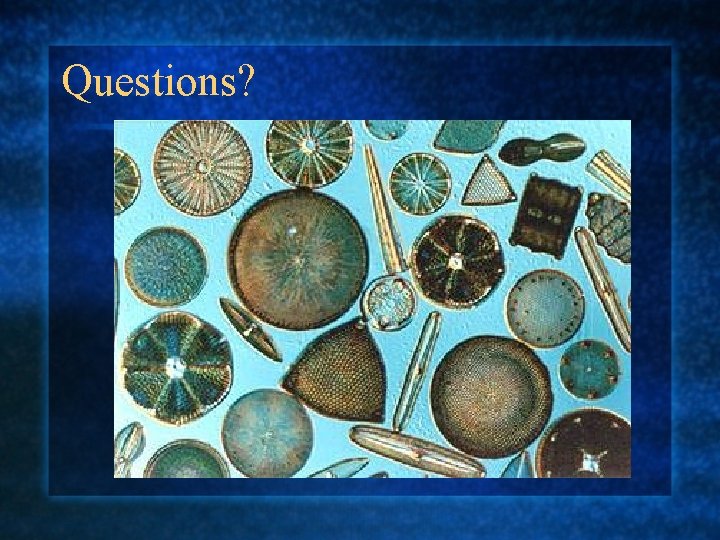
12. Bacillariophyta-Diatoms that have shells made out of silica (glass) b. Live in freshwater and marine environments and produce a large amount of oxygen a.
DIATOMS
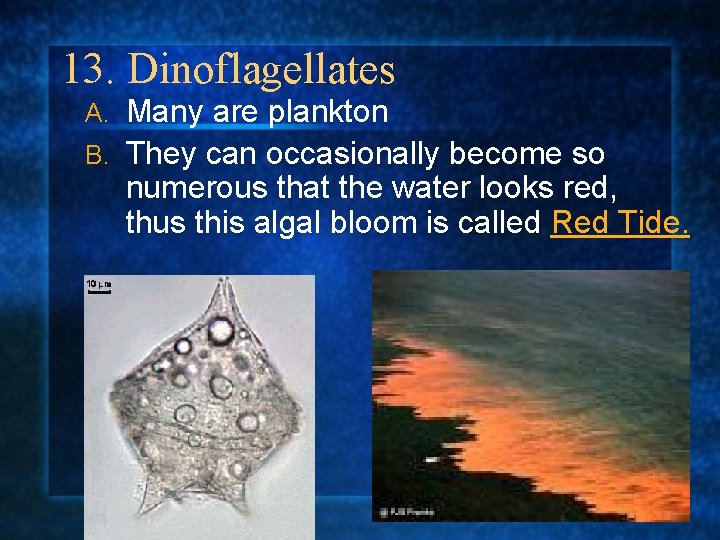
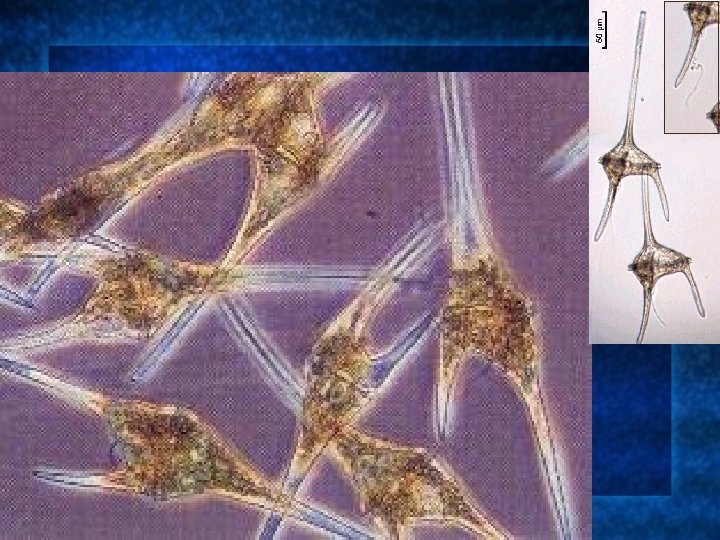
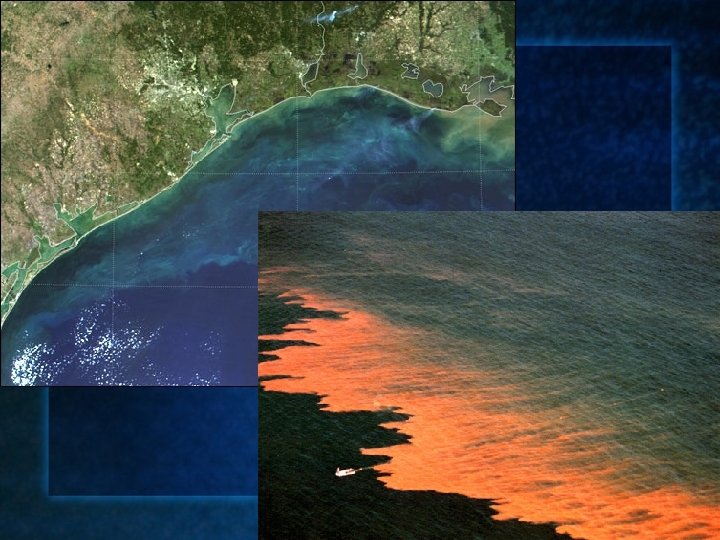
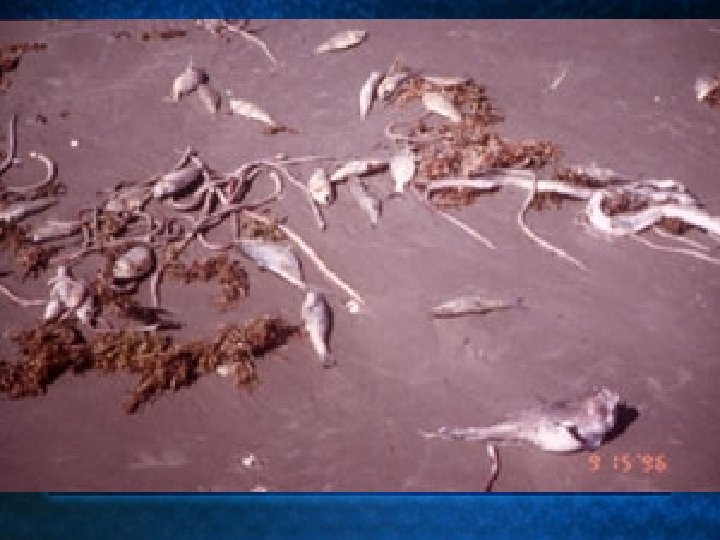
13. Dinoflagellates Many are plankton B. They can occasionally become so numerous that the water looks red, thus this algal bloom is called Red Tide. A.
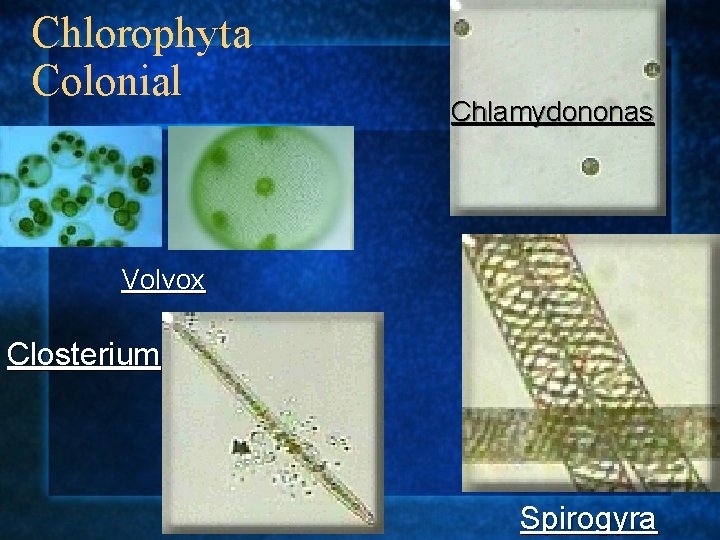
Chlorophyta Colonial Chlamydononas Volvox Closterium Spirogyra
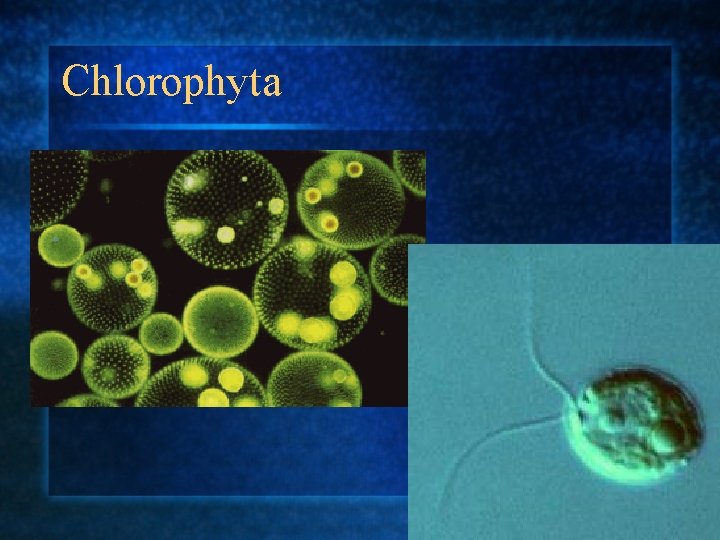
Chlorophyta
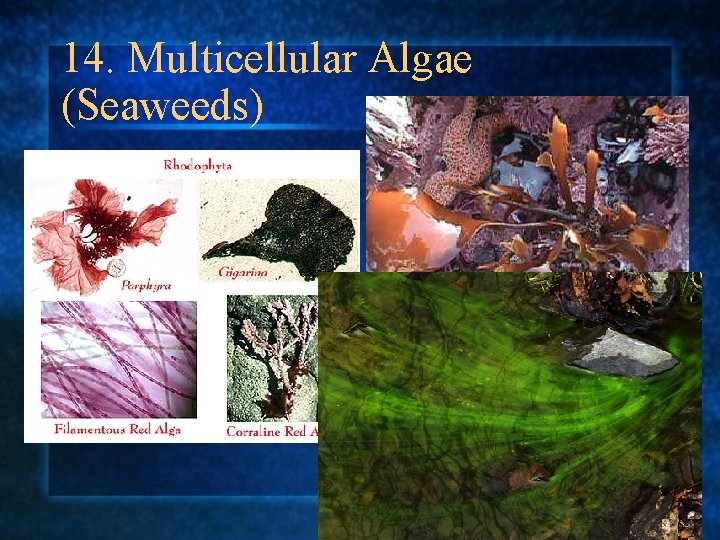
14. Multicellular Algae (Seaweeds)
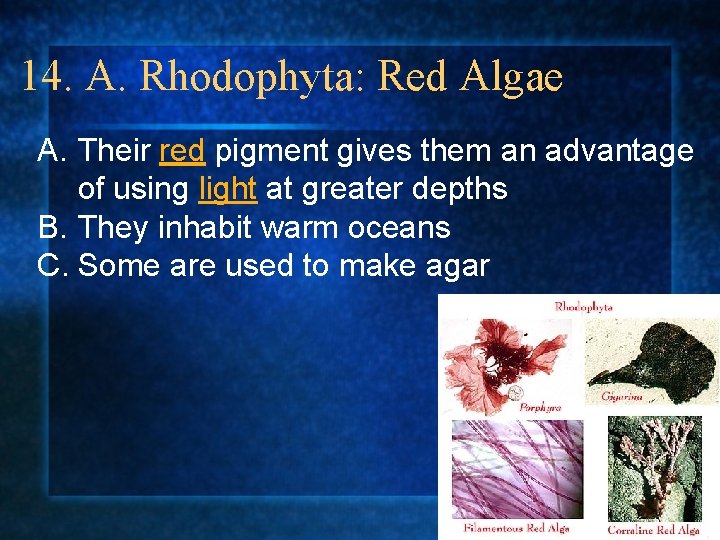
14. A. Rhodophyta: Red Algae A. Their red pigment gives them an advantage of using light at greater depths B. They inhabit warm oceans C. Some are used to make agar
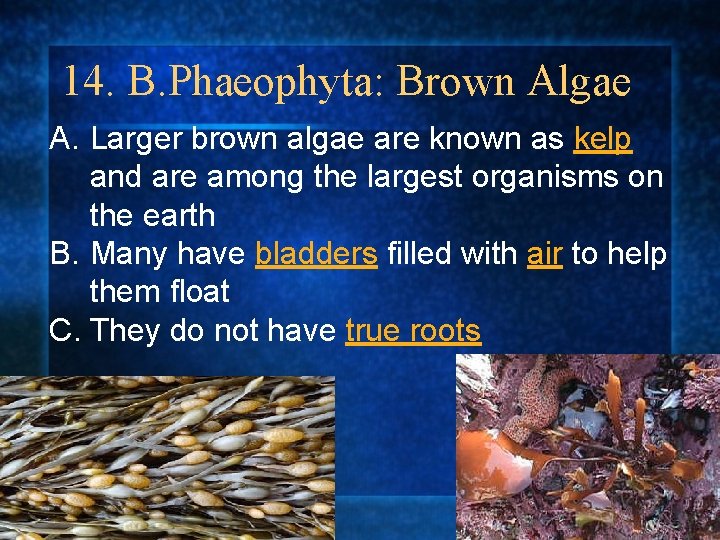
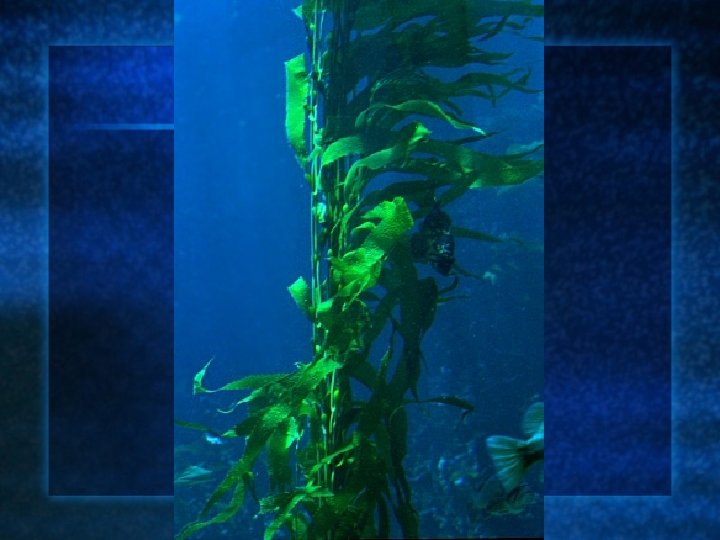
14. B. Phaeophyta: Brown Algae A. Larger brown algae are known as kelp and are among the largest organisms on the earth B. Many have bladders filled with air to help them float C. They do not have true roots
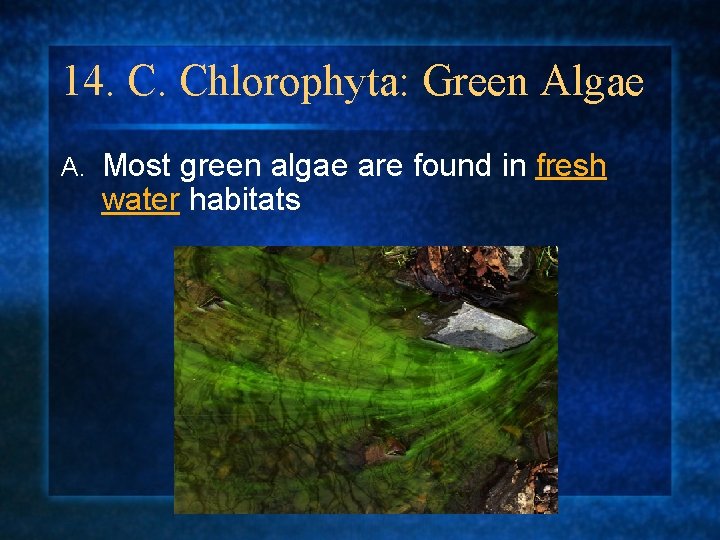
14. C. Chlorophyta: Green Algae A. Most green algae are found in fresh water habitats
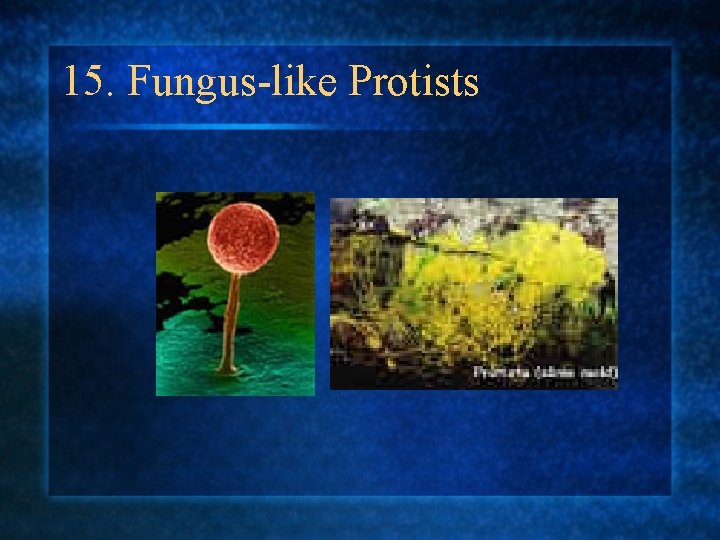
15. Fungus-like Protists
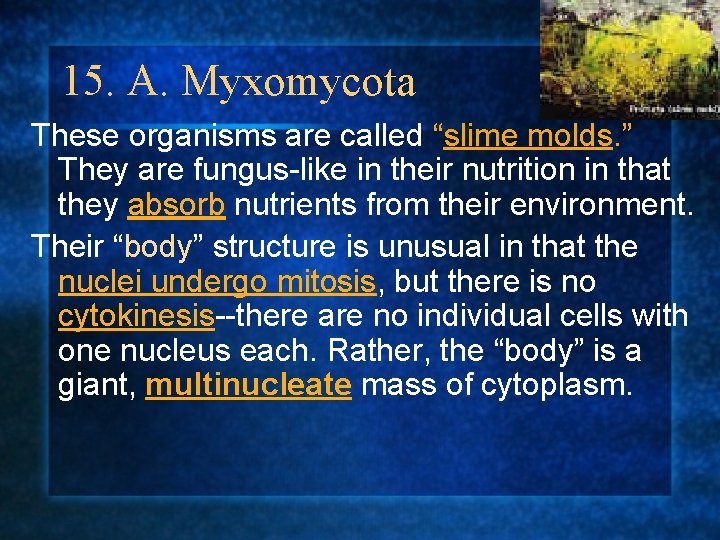
15. A. Myxomycota These organisms are called “slime molds. ” They are fungus-like in their nutrition in that they absorb nutrients from their environment. Their “body” structure is unusual in that the nuclei undergo mitosis, but there is no cytokinesis--there are no individual cells with one nucleus each. Rather, the “body” is a giant, multinucleate mass of cytoplasm.
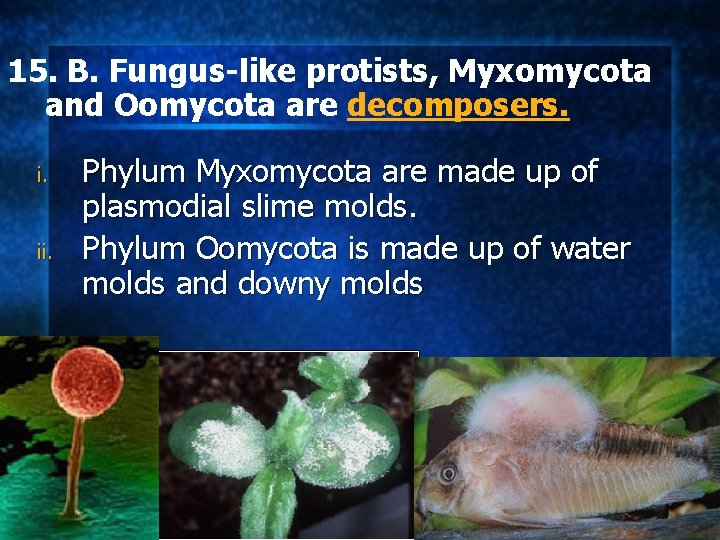
15. B. Fungus-like protists, Myxomycota and Oomycota are decomposers. i. ii. Phylum Myxomycota are made up of plasmodial slime molds. Phylum Oomycota is made up of water molds and downy molds
Questions?