
The Jimmy Carter Presidency 1977 1981 TIME January
- Slides: 18
The Jimmy Carter Presidency (1977 -1981)
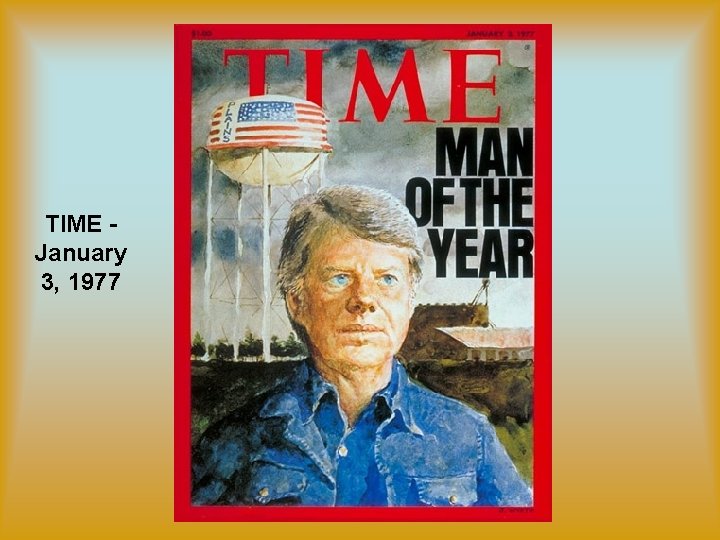
TIME January 3, 1977
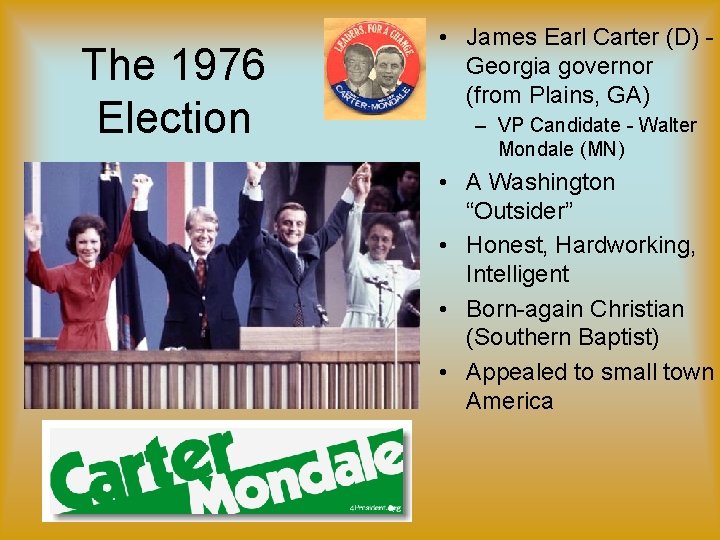
The 1976 Election • James Earl Carter (D) Georgia governor (from Plains, GA) – VP Candidate - Walter Mondale (MN) • A Washington “Outsider” • Honest, Hardworking, Intelligent • Born-again Christian (Southern Baptist) • Appealed to small town America
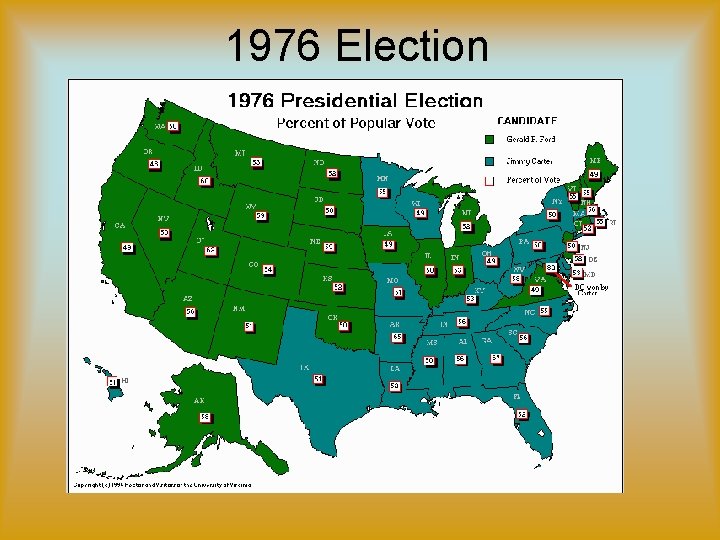
1976 Election
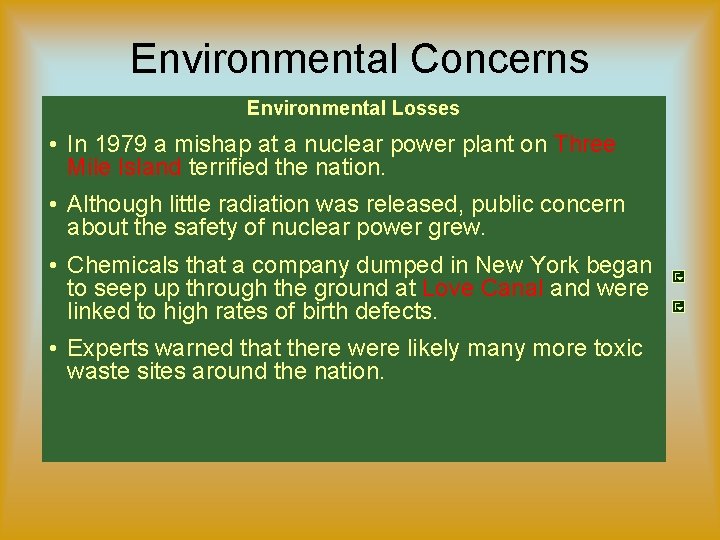
Environmental Concerns Environmental Losses • In 1979 a mishap at a nuclear power plant on Three Mile Island terrified the nation. • Although little radiation was released, public concern about the safety of nuclear power grew. • Chemicals that a company dumped in New York began to seep up through the ground at Love Canal and were linked to high rates of birth defects. • Experts warned that there were likely many more toxic waste sites around the nation.
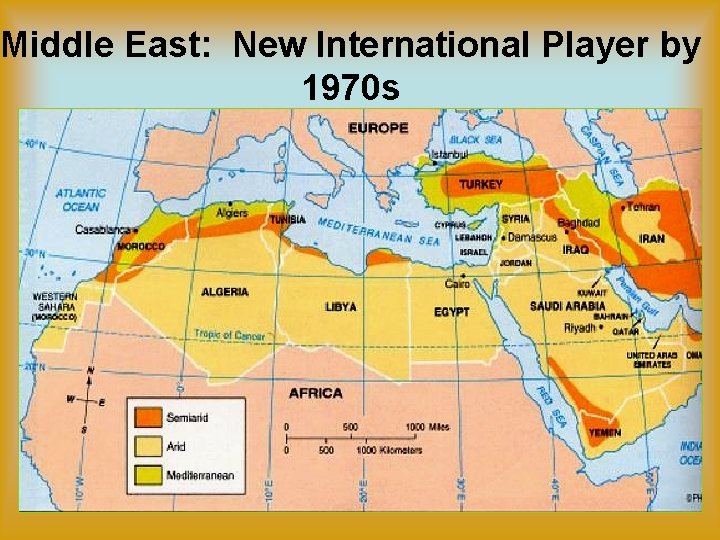
Middle East: New International Player by 1970 s
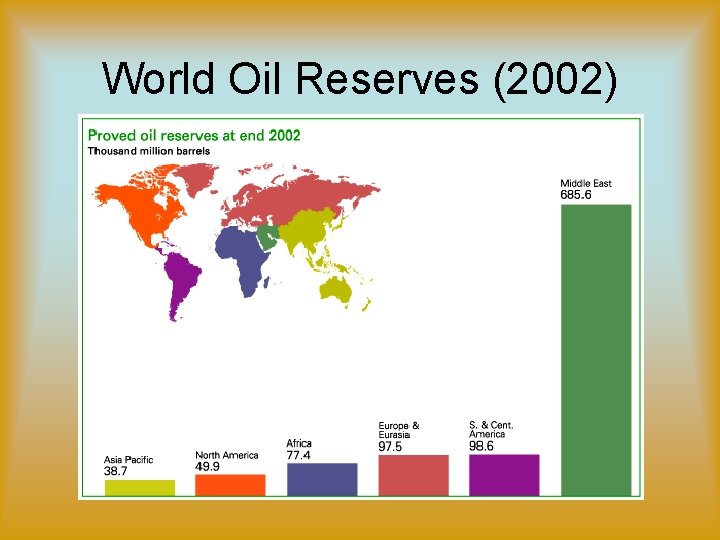
World Oil Reserves (2002)
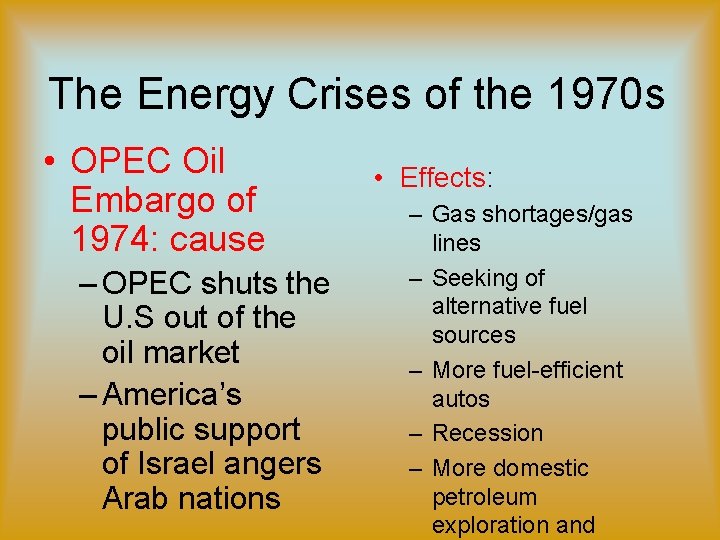
The Energy Crises of the 1970 s • OPEC Oil Embargo of 1974: cause – OPEC shuts the U. S out of the oil market – America’s public support of Israel angers Arab nations • Effects: – Gas shortages/gas lines – Seeking of alternative fuel sources – More fuel-efficient autos – Recession – More domestic petroleum exploration and
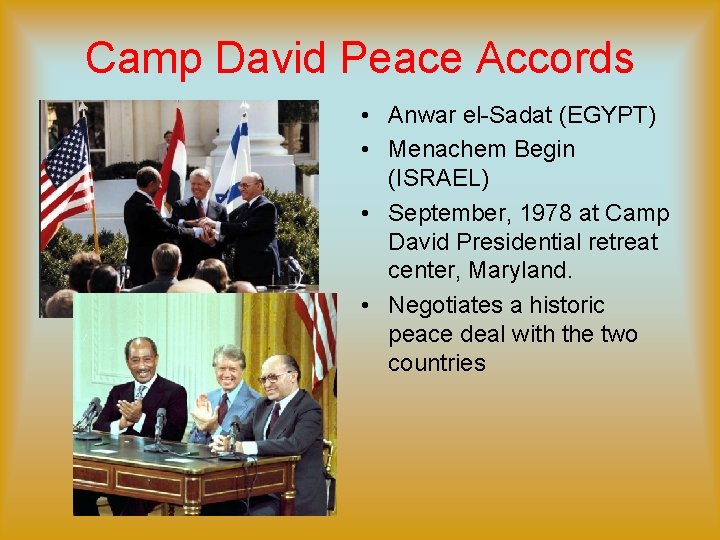
Camp David Peace Accords • Anwar el-Sadat (EGYPT) • Menachem Begin (ISRAEL) • September, 1978 at Camp David Presidential retreat center, Maryland. • Negotiates a historic peace deal with the two countries
Quote on Camp David Accords • “The Camp David Accords rank as one of the most important achievements of the Carter administration. First, they opened the way to peace between Egypt and Israel, which transformed the entire political, military, and strategic character of the Middle East dispute. Genuine peace between Egypt and Israel meant there would be no major Arab-Israeli war, whatever the positions of [other Arab groups]. ” – Secretary of State Cyrus Vance
A “Crisis of Confidence” Malaise • Carter’s speech on June 15, 1979 detailed a growing sense that American’s were experiencing a ‘crisis of confidence’. • Honest and straightforward, telling Americans WE are partly to blame for economic and social ills. • Generally and more popularly known as the “Malaise” speech although the word was not a part of his presentation.
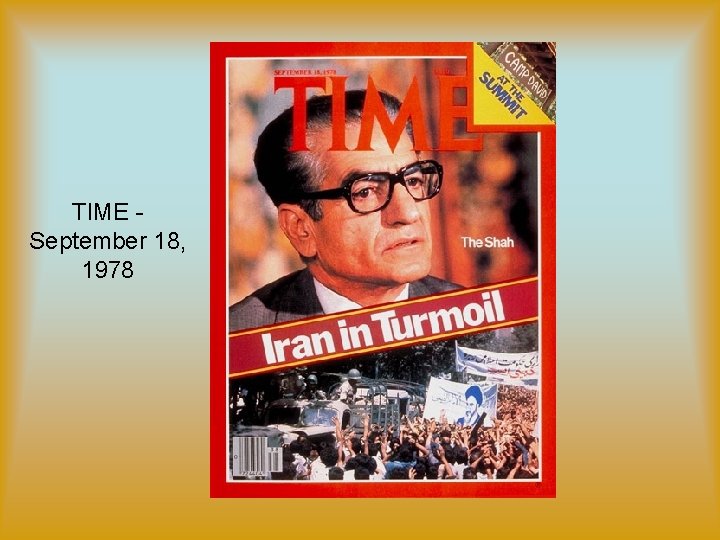
TIME September 18, 1978
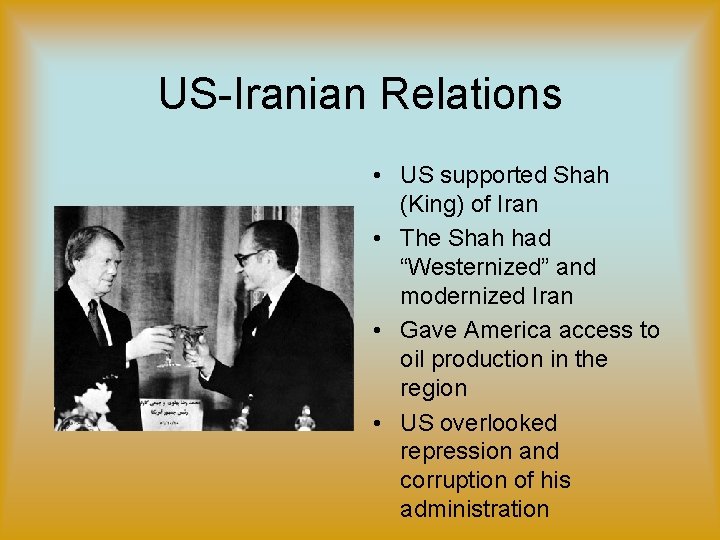
US-Iranian Relations • US supported Shah (King) of Iran • The Shah had “Westernized” and modernized Iran • Gave America access to oil production in the region • US overlooked repression and corruption of his administration
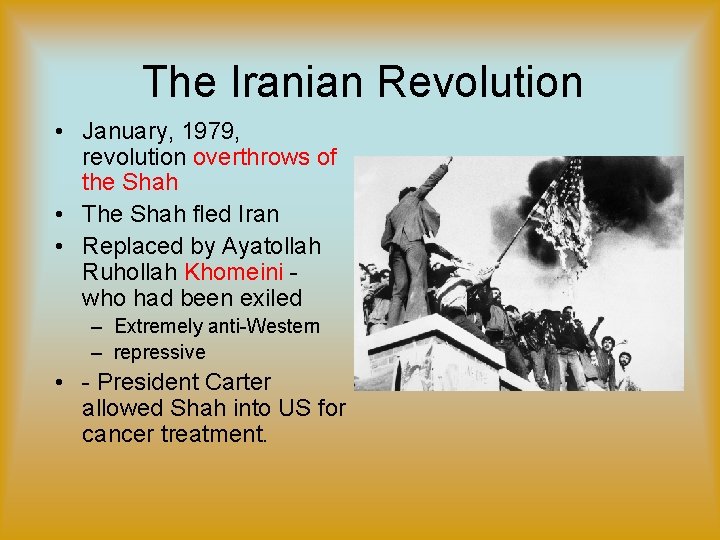
The Iranian Revolution • January, 1979, revolution overthrows of the Shah • The Shah fled Iran • Replaced by Ayatollah Ruhollah Khomeini who had been exiled – Extremely anti-Western – repressive • - President Carter allowed Shah into US for cancer treatment.
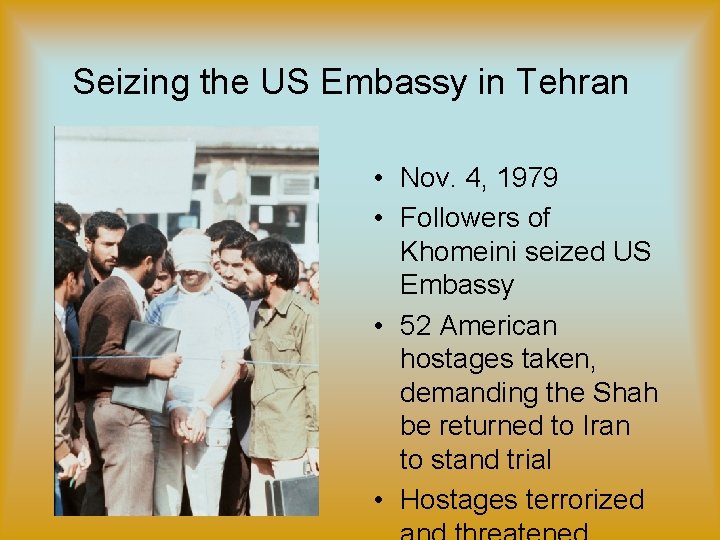
Seizing the US Embassy in Tehran • Nov. 4, 1979 • Followers of Khomeini seized US Embassy • 52 American hostages taken, demanding the Shah be returned to Iran to stand trial • Hostages terrorized
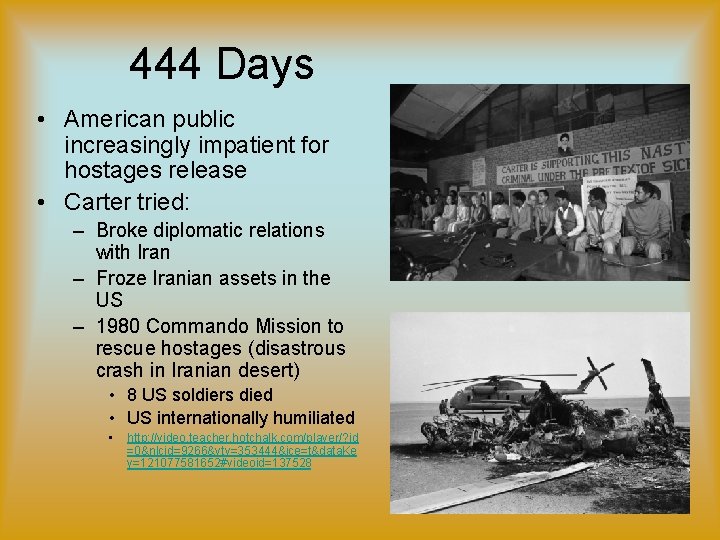
444 Days • American public increasingly impatient for hostages release • Carter tried: – Broke diplomatic relations with Iran – Froze Iranian assets in the US – 1980 Commando Mission to rescue hostages (disastrous crash in Iranian desert) • 8 US soldiers died • US internationally humiliated • http: //video. teacher. hotchalk. com/player/? id =0&nlcid=9266&vty=353444&ice=t&data. Ke y=121077581652#videoid=137528
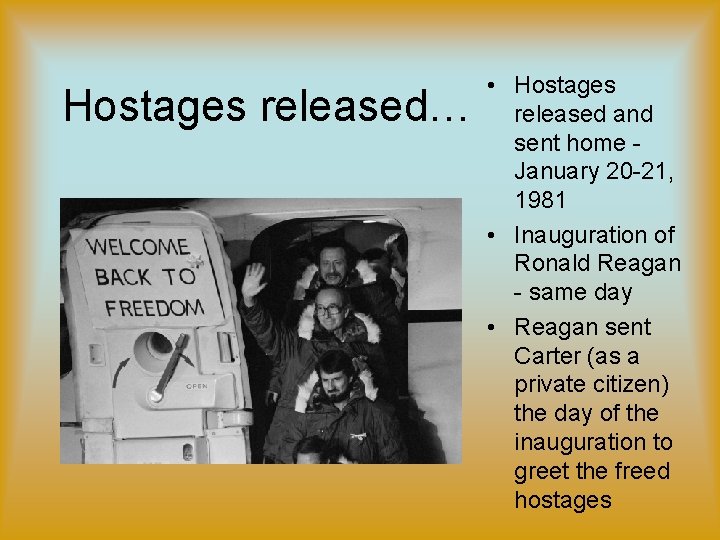
Hostages released… • Hostages released and sent home January 20 -21, 1981 • Inauguration of Ronald Reagan - same day • Reagan sent Carter (as a private citizen) the day of the inauguration to greet the freed hostages
1980 • Carter’s administration gradually lost the confidence of the American public. (A Crisis of Confidence) • Continued rising inflation rates • Approval rating of 21% • Unemployment nationally - 7% + • Election year: Carter lost to Republican Ronald Reagan in November of 1980 by a wide margin.