
THE ITALIAN RENAISSANCE 1400 to 1500 s Why

- Slides: 20
THE ITALIAN RENAISSANCE 1400 to 1500 s
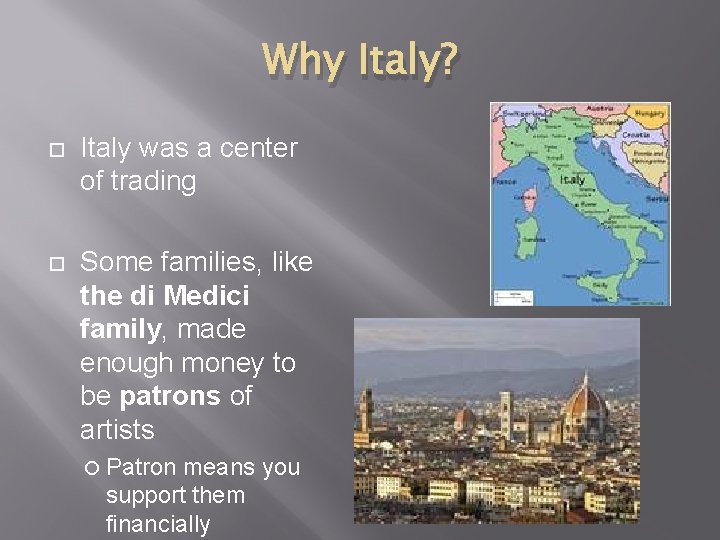
Why Italy? Italy was a center of trading Some families, like the di Medici family, made enough money to be patrons of artists Patron means you support them financially
What was the Renaissance? It was a rebirth of cultural and intellectual pursuits after the Middle Ages. The Renaissance produced a golden age with many achievements in art, literature, and science. It produced a new concept of how people thought of themselves, each other, and the world around them.
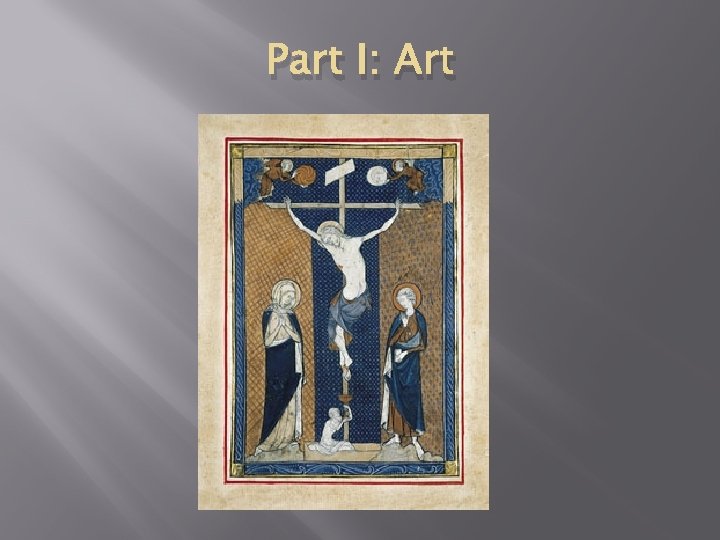
Part I: Art
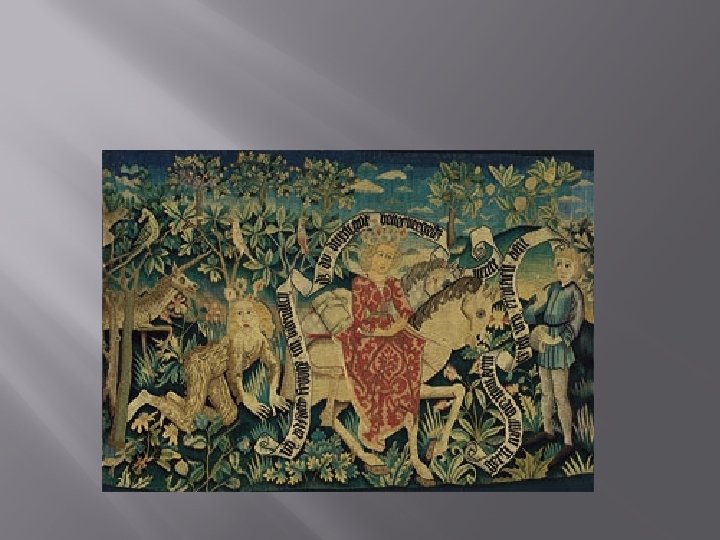
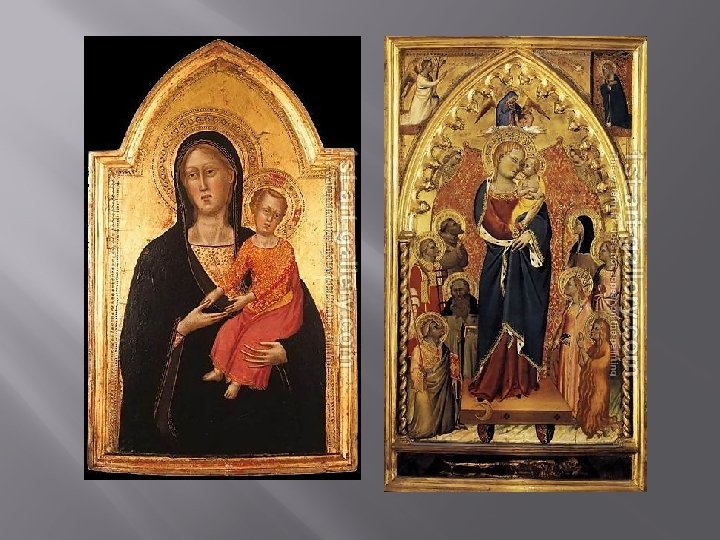
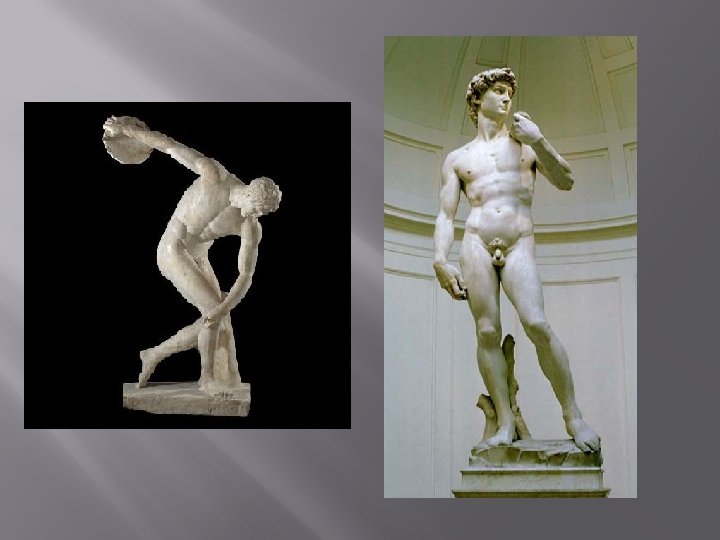
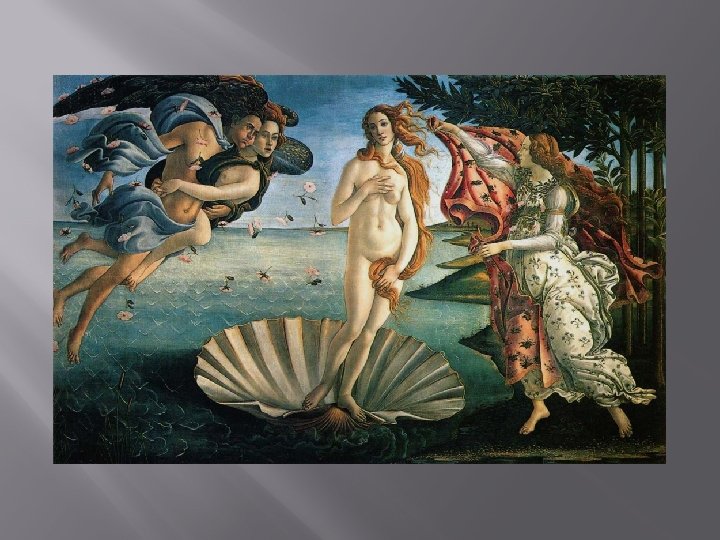
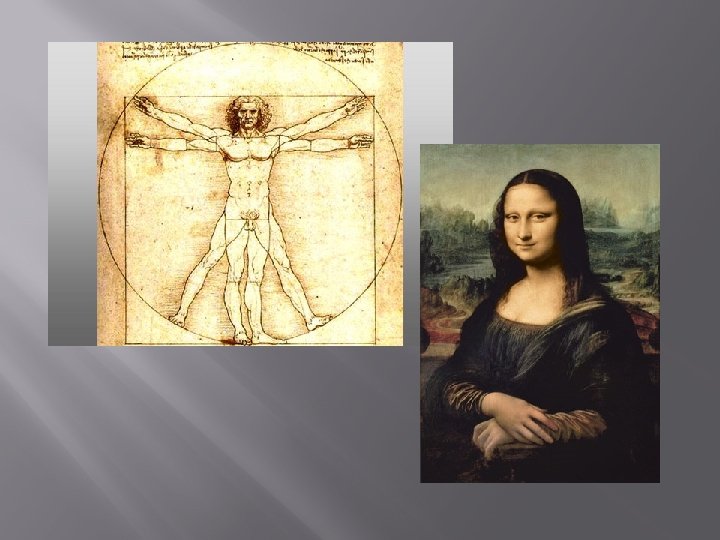
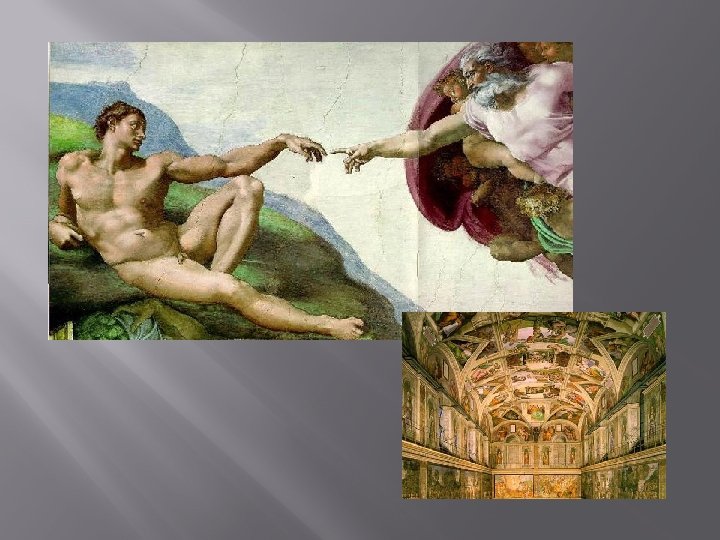
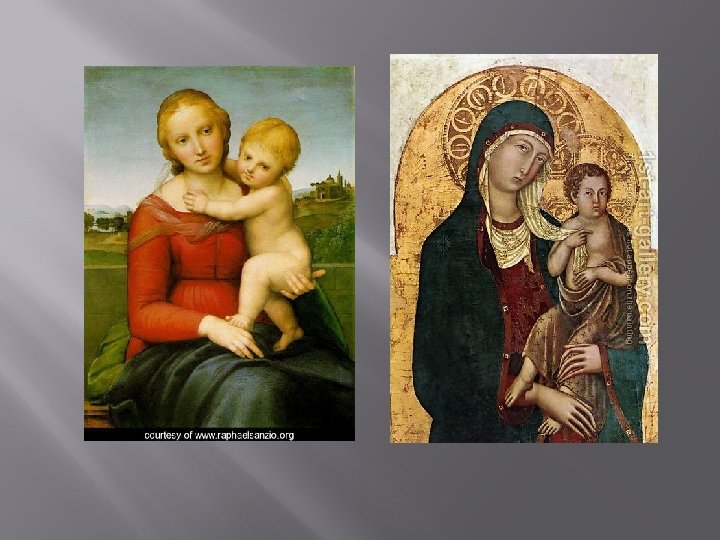
Part I: Art Renaissance art focused on secular topics sometimes Medieval art is only about sacred topics Influenced by Greek and Roman Art Used perspective Subjects look like individuals Artists signed their work and some artists became famous Influenced by study of human anatomy Brighter colors
Part II: Humanism was an intellectual movement focuses on life in the present stressed the importance of education especially Greek and Roman writing stressed the importance of the individual
Part III: Literature William Shakespeare, Romeo & Juliet, Hamlet and 35 other plays Dante, The Divine Comedy Miguel de Cervantes, Don Quixote. Machiavelli, whose book The Prince is about a ruthless leader whose philosophy was “the ends justify the means. ”
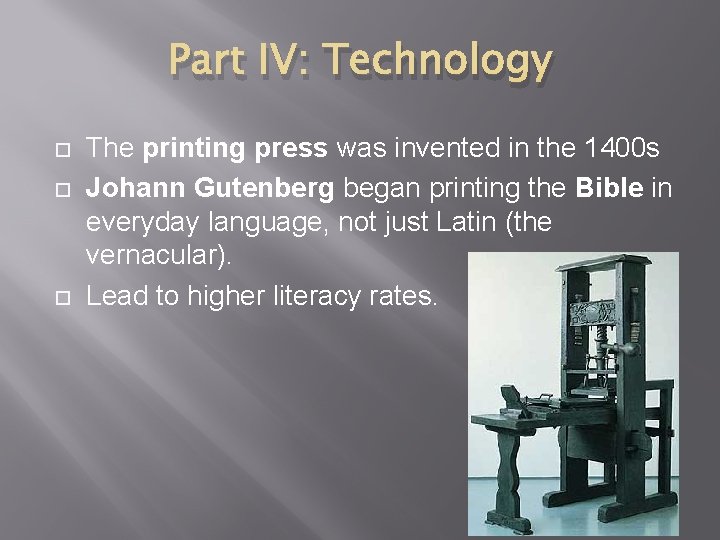
Part IV: Technology The printing press was invented in the 1400 s Johann Gutenberg began printing the Bible in everyday language, not just Latin (the vernacular). Lead to higher literacy rates.
The Scientific Revolution
What is the Scientific Revolution? Scientists start to question traditional beliefs about the workings of the universe. Francis Bacon and other develop the scientific method. The scientific method uses observation and experimentation to explain theories.
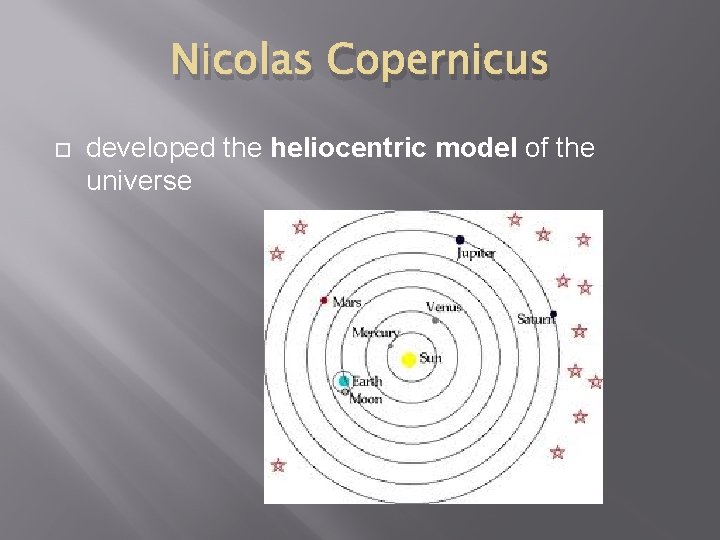
Nicolas Copernicus developed the heliocentric model of the universe
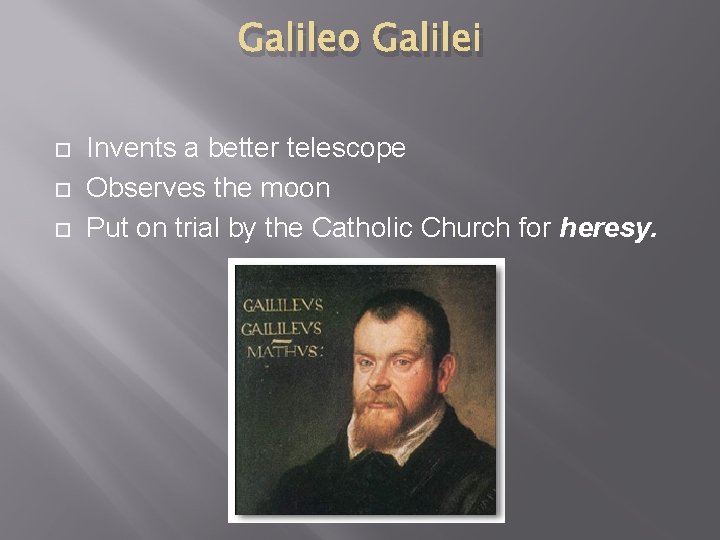
Galileo Galilei Invents a better telescope Observes the moon Put on trial by the Catholic Church for heresy.
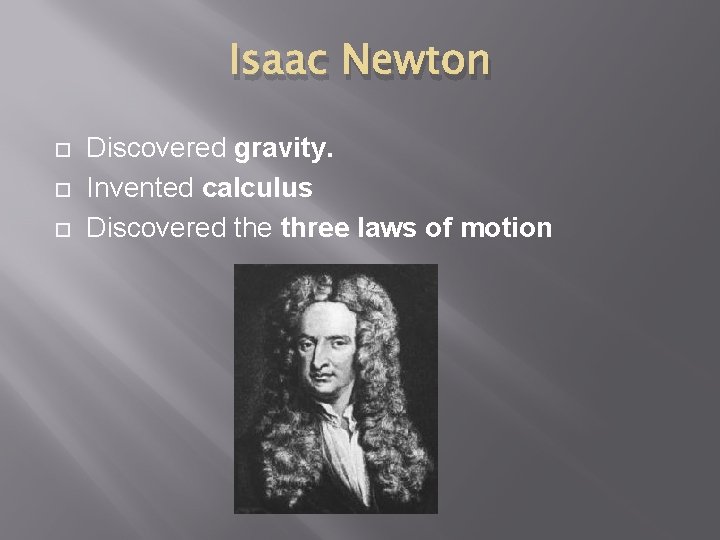
Isaac Newton Discovered gravity. Invented calculus Discovered the three laws of motion