
The Intertestamental Period IV The Splintering of Judaism
- Slides: 28
The Intertestamental Period IV. The Splintering of Judaism Dr. Craig A. Carter Westney Heights Baptist Church Winter 2020
What happened to Jewish religion during this time? • Tonight we switch gears from looking at the history of the period of Second Temple Judaism to looking at developments within Judaism itself during this period • We will see that Judaism splintered into 4 distinct sects or groups • This is necessary background to the NT
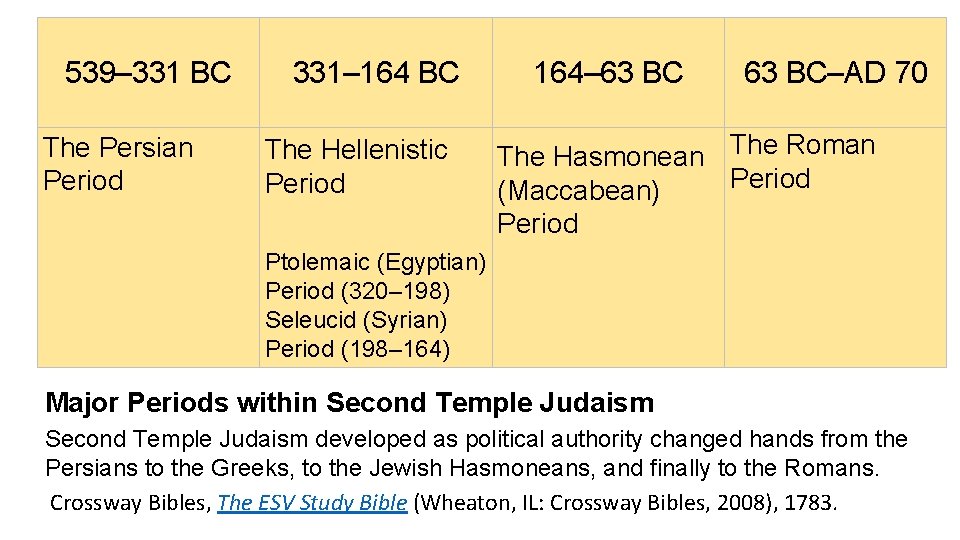
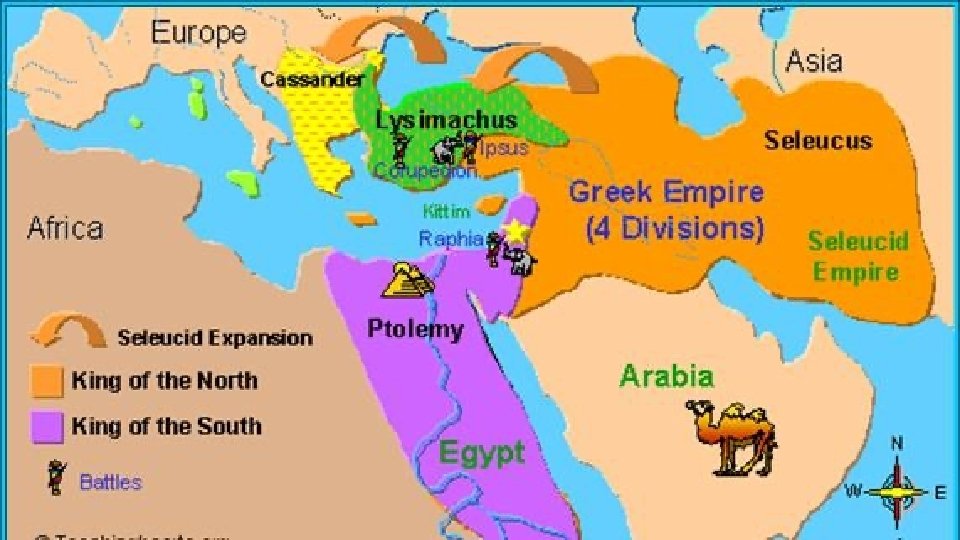
539– 331 BC The Persian Period 331– 164 BC The Hellenistic Period 164– 63 BC–AD 70 The Hasmonean The Roman Period (Maccabean) Period Ptolemaic (Egyptian) Period (320– 198) Seleucid (Syrian) Period (198– 164) Major Periods within Second Temple Judaism developed as political authority changed hands from the Persians to the Greeks, to the Jewish Hasmoneans, and finally to the Romans. Crossway Bibles, The ESV Study Bible (Wheaton, IL: Crossway Bibles, 2008), 1783.
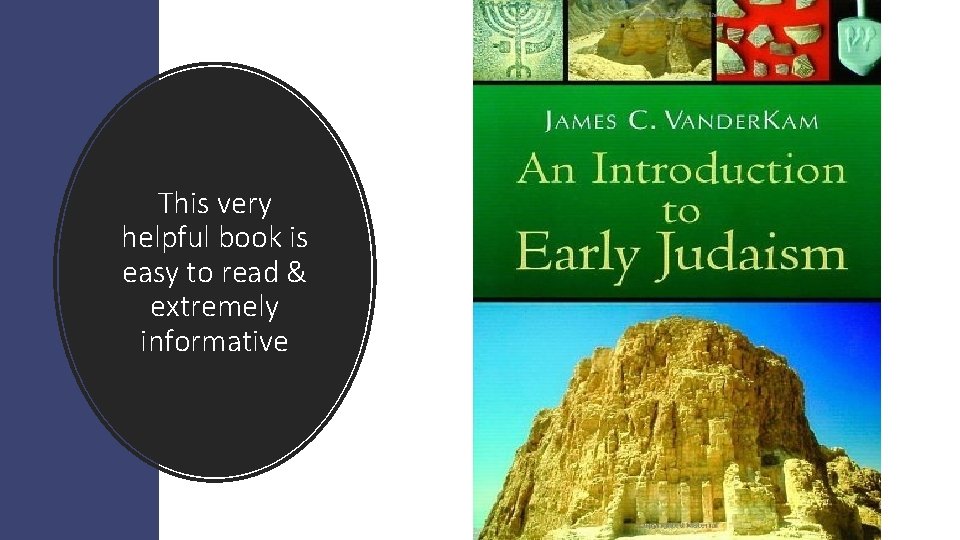
This very helpful book is easy to read & extremely informative
1. The Sadducees • In the NT, the Sadducees figure prominently • Caiaphas the high priest (18 -36 AD) is mentioned 9 times in the NT (Mt, Lk, Jn, Acts) • He was a Sadducee & he was the one who uttered the ironic prophecy that ”You know nothing at all. Nor do you understand that it is better for you that one man should die for the people, not that the whole nation should perish” (Jn. 11: 49 -50) • John tells us that this was a prophesy of Jesus’ atoning death
1. The Sadducees • The Sadducees were made up of wealthy, priestly families who dominated the Sanhedrin • They were unpopular with the people but powerful politically • They had a reputation for being cruel judges • When Jesus interrupted their financial interests in the temple he was arrested & condemned (Mk. 11: 15 -19) • In Acts 4 we see the Sadducees, led by Caiaphas, persecuting Peter & John • In Mt. 26: 57 ff Jesus has a trial before Caiaphas & he was imprisoned in a cell in the basement of Caiaphas before being taken to Pilate to be tried on Fri. morning
1. The Sadducees • The Bible gives us a list of the high priests from the return to the time of Nehemiah & the Jewish historian Josephus tells us the rest down to the first century • Prior to the Exile the high priesthood was a hereditary office that was passed down in the family of Zadok, the leading priest in the time of David • The 1 st high priest after the Exile (Joshua or Jeshua) was the son of Jozadak who was the son of the last high priest in the first temple • The word “Sadducee” may be derived from “Zadok”
1. The Sadducees • The high priesthood was passed on from father to son for 3 cen. until the Maccabean period • The Hasmonean family (the Maccabees) were a family of priests but not in the line of Zadok • But they took over the high priestly office & their family held it until the last member of it was murdered by King Herod in 35 BC • Under the Maccabees the high priest was also the military commander of the nation • He appointed his own high priest & after him the Romans did so. . . so Caiaphas was a Roman appointee
1. The Sadducees • By NT times there was a group around the high priest called “the chief priests” • These were leading men & are often mentioned in connection with the Sanhedrin • They probably were priests from leading families • This group could include former high priests (like Annas, the father in law of Caiaphas • Acts 4: 1 refers to an official called the ”captain of the temple”
1. The Sadducees • There were many ordinary priests in the 2 nd temple per. • 1 Chron 24: 1 -17 sets out a plan in which they are divided into 24 watches or shifts & serve in rotation • This is what Lk. 1: 8 means when it says that Zechariah the father of John the Baptist was “on duty” • The modern name “Cohen” is the Hebrew word for priest & may indicate a link to the ancient Jewish priesthood
1. The Sadducees • References to the Sanhedrin first surface in Roman times & the Sadducees dominated it • It probably had both religious/legal functions & also political functions • The Sanhedrin in Jesus’s day did not have authority (from the Romans) to execute those found guilty of violations of Jewish law or to try those accused of violating Roman law • This is why they sent Jesus to Pilate
1. The Sadducees • The Sadducees only accepted the written Law of Moses & they rejected the traditions of the elders of the Pharisees • So they rejected the unwritten laws • They also tended to be less strict in the interpretation of the laws than the Pharisees • They also denied the resurrection, angels & spirit, although the Pharisees acknowledged all 3 • Paul exploited these divisions (Acts 23: 1 -11)
2. The Pharisees • The earliest reference to the Pharisees is in Josephus’s discussion of the reign of Jonathan as high priest & military leader (152 -142 BC) • He says that they were “the most accurate interpreters of the laws” • Paul says he was educated at the feet of Gamaliel “according to the strict manner of the law of our fathers” (Acts 22: 3) • So Paul was a Pharisee
2. The Pharisees • The pharisees, says Josephus, ”had passed on to the people certain regulations handed down by former generations & not recorded in the Laws of Moses” • Cf. Mark 7: 1 -13 “the tradition of the elders” (3) • There were only 6000 Pharisees • The name may mean “on who is separate” • Issues of purity & impurity were important to the Pharisees • Some of them were priests, but most were not • They were greatly respected by the people
2. The Pharisees • The Pharisees were the only group within Judaism to survive intact after the destruction of Jerusalem in 70 AD • Post-biblical Rabbinic Judaism is totally Pharisaic • Early rabbinic texts such the Mishnah incorporate many Pharisaic teachings • Their devotion to the law carried over into the post-biblical period & shaped Rabbinic Judaism
3. The Essenes • The NT never mentions the Essenes, but Josephus discusses them more than the Pharisees & Sadducees • The meaning of the word “Essene” is disputed but it may mean “those who do” [the law] • There were no more than 4000 of them in the last 2 cen. BC • They formed close-knit communities, avoided luxury, marriage (for the most part) & wealth • Were very disciplined – rigid schedules for prayer, work, bathing, a meal, work & another meal • Were very interested in prophecy, the scriptures & other ancient writings
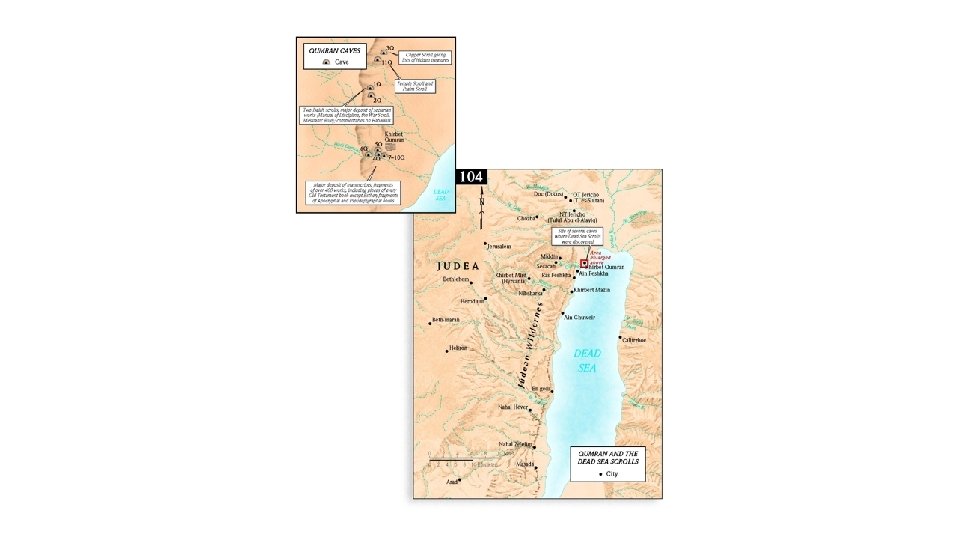
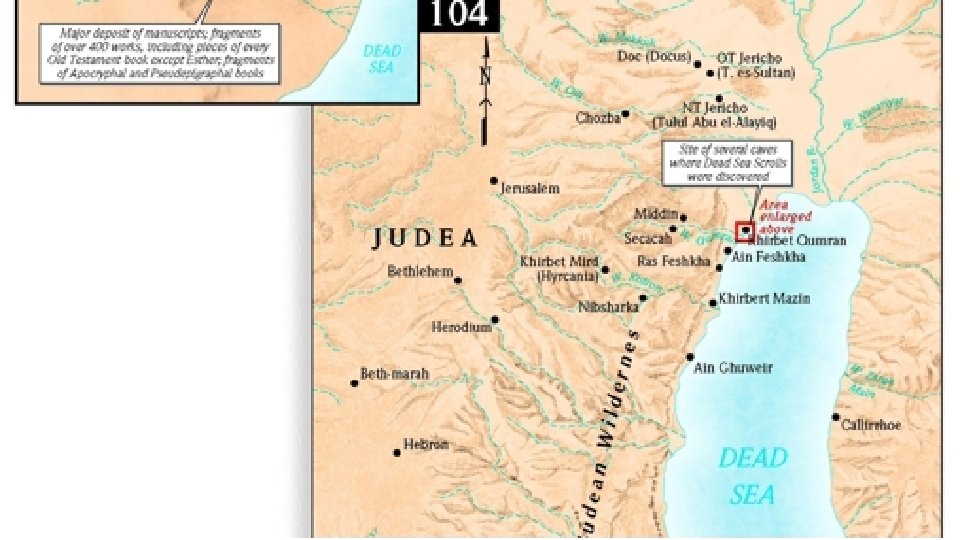
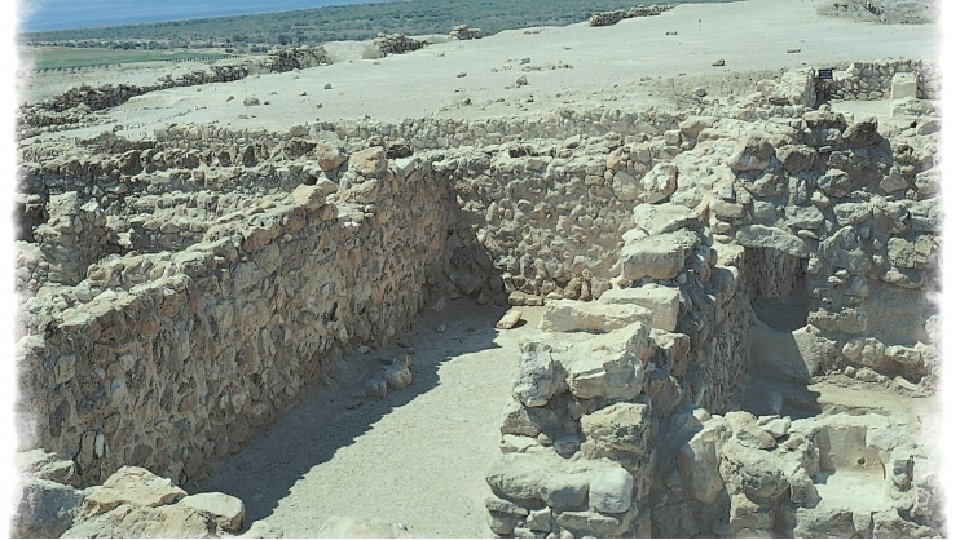
3. The Essenes • They had an admission process that lasted several years • There were different stages & it culminated in an oath • Josephus records 4 levels in the groups • They believed in the immortality of the soul • The Qumran community was a branch of the Essenes • The Essenes were a group that split off from the Temple hierarchy during the 2 nd cen. BC as the Seleucids applied pressure on the Jews to compromise their religion
3. The Essenes • An important figure in the Qumran community was a mysterious figure called “The Teacher of Righteousness” who was killed by a wicked priest • He was given special ability to interpret the words of the prophets • They expected a prophet & 2 messiahs: one priestly & one kingly • The Qumran community allowed marriage & some women lived there
3. The Essenes • Had a high view of the sovereignty of God over history & predestination • They believed they were living in the last days before the coming of the Messiah & that history would come to a climax with a final battle between good & evil • Angels played a large role in their theology • They also believed in the resurrection of the dead & the immortality of the righteous • They believed that the wicked would be annihilated by fire
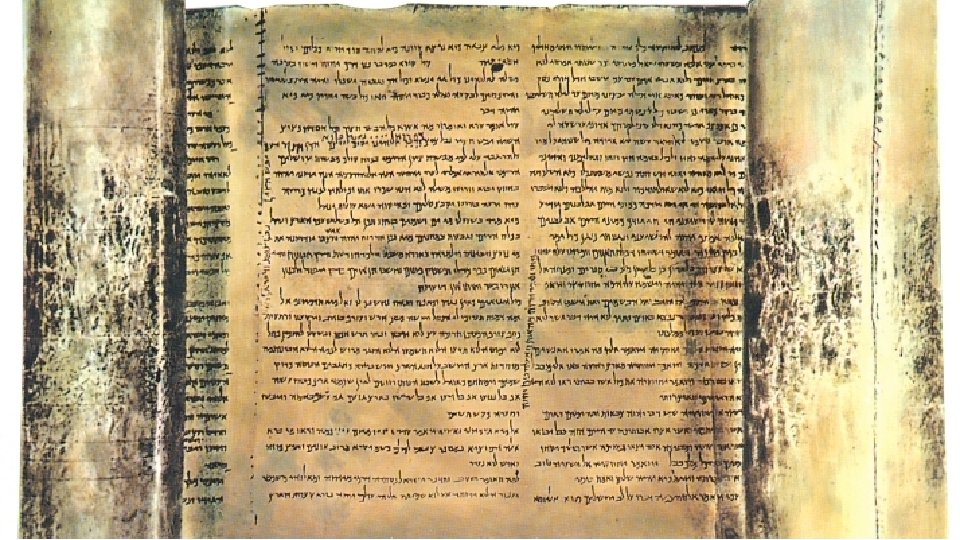
3. The Essenes • One of the great unsolved mysteries of NT studies is how John the Baptist may or may not have been related to the Qumran community or to the Essenes in general • He came from the same geographical area & fits the profile of what they expected in terms of a prophet • He definitely attacked the Jerusalem establishment & he saw himself as preparing the way for the Messiah • In 1947 a Bedouin boy found some scrolls in a clay jar in a cave near the Dead Sea & this turned out to be the greatest archeological discovery of the 20 th Cen.
Other Groups • The Zealots were the radical wing of the Pharisees • Unlike the other Pharisees, they believed only God had the right to rule over the Jews • They were willing to take up arms to fight the gentile rulers • They are rarely mentioned in the NT • Simon, one of the disciples, is called a Zealot (Lk. 6: 15) • The Sicarii (literally ”dagger men”) • They were the most extreme group – essentially terrorists committed to overthrowing Roman power in Israel • Their favorite technique was assassination
Summary and Conclusion • If you think of the history of Israel from David to 1 st century AD it is a continuous process of shrinking • David’s Kingdom – loss of the North – Exile & Return – little city state – many apostate in the Greek period – withdrawal of the Essenes to the desert – Pharisees a remnant after 70 AD • As Messiah, Jesus founds a renewed Israel in his person & all those who put their faith & trust in him are part of it whether they are Jew or gentile • This is the NT church
Next Week • Study Grasping God’s Word Ch. 20 • Hebrew Poetry • Study Ex. 15: 1 -18