
The Institute for Protein Innovation Cell Biology Department
The Institute for Protein Innovation • Cell Biology Department Faculty Meeting, Harvard Medical School, April 11, 2017 • - Timothy A. Springer, Founder, IPI
Institute for Protein Innovation, Inc. , will forge the “missing link” between genomics and health care by serving as a foundry for protein tools and therapeutics. It will nucleate innovation and scientific advances in protein science by bringing together talent and core technologies, disseminate knowledge, create and distribute opensource reagents and new therapies, serve academic, biotech, and pharma innovators and leaders in creation of new ways of treating and preventing disease, and improve human health in the US and throughout the world It will cooperate with other Institutes and Hospitals to enhance their programs and catalyze entrepreneurship. July 7 ‘ 16. Thought leaders from Academia, Administration, Biotech, Pharma, Venture. July 13 ‘ 16. Incorporated as Non-Profit 501(c)(3) in Massachusetts. July 15 ‘ 16. Capital Grant Application to Mass Life Sciences Center (MLSC). Final decision on Dec. 14 – extremely strong reviews received. August 17 ‘ 16. IRS 1023 Application for Tax-Exempt Status. Nov. 1 ’ 16. Joe Jardine hired, Head Antibody Discovery. Nov. 14 ‘ 16. Symposium on Protein Therapeutics and Targets. Dec. 1 ‘ 16. Lease for 1600 sq. ft. , HMS quad, Building C, Room 322. Dec. 14 ‘ 16. Received $5 million MLSC grant for Antibody platform. Feb. 2 ‘ 17. Received IRS tax exempt status as Public Charity (retroactive to 7 -14 -16).
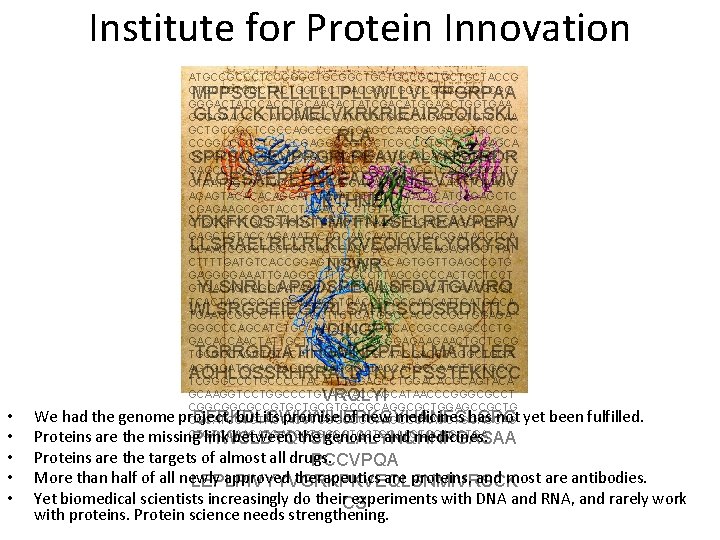
Institute for Protein Innovation • • • ATGCCGCCCTCCGGGCTGCTGCCGCTGCTGCTACCG CTGCTGTGGCTACTGGTGCTGACGCCTGGCCGGCCGC GGGACTATCCACCTGCAAGACTATCGACATGGAGCTGGTGAA GCGGAAGCGCATCGAGGCCATCCGCGGCCAGATCCTGTCCAA GCTGCGGCTCGCCAGCCCCCCGAGCCAGGGGGAGGTGCCGC CCGGCCCGCTGCCCGAGGCCGTGCTCGCCCTGTACAACAGCA CCCGCGACCGGGTGGCCGGGGAGAGTGCAGAACCGGAGCCC GAGCCTGAGGCCGACTACTACGCCAAGGAGGTCACCCGCGTG CTAATGGTGGAAACCCACAACGAAATCTATGACAAGTTCAAGC AGAGTACACACAGCATATGTTCTTCAACACATCAGAGCTC CGAGAAGCGGTACCTGAACCCGTGTTGCTCTCCCGGGCAGAG CTGCGTCTGCTGAGGCTCAAGTTAAAAGTGGAGCAGCACGTG GAGCTGTACCAGAAATACAGCAACAATTCCTGGCGATACCTCA GCAACCGGCTGCTGGCACCCAGCGACTCGCCAGAGTGGTTAT CTTTTGATGTCACCGGAGTTGTGCGGCAGTGGTTGAGCCGTG GAGGGGAAATTGAGGGCTTTCGCCTTAGCGCCCACTGCTCCT GTGACAGCAGGGATAACACACTGCAAGTGGACATCAACGGGT TCACTACCGGCCGCCGAGGTGACCTGGCCACCATTCATGGCA TGAACCGGCCTTTCCTGCTTCTCATGGCCACCCCGCTGGAGA GGGCCCAGCATCTGCAAAGCTCCCGGCACCGCCGAGCCCTG GACACCAACTATTGCTTCAGCTCCACGGAGAAGAACTGCTGCGGCAGCTGTACATTGACTTCCGCAAGGACCTCGGCTGGA AGTGGATCCACGAGCCCAAGGGCTACCATGCCAACTTCTGCC TCGGGCCCTGCCCCTACATTTGGAGCCTGGACACGCAGTACA GCAAGGTCCTGGCCCTGTACAACCAGCATAACCCGGGCGCCT CGGCGGCGCCGTGCTGCGTGCCGCAGGCGCTGGAGCCGCTG We had the genome project, but its promise of new medicines has not CCCATCGTGTACTACGTGGGCCGCAAGCCCAAGGTGGAGCAG CTGTCCAACATGATCGTGCGCTCCTGCAAGTGCAGCTGA Proteins are the missing link between the genome and medicines. MPPSGLRLLLLLLPLLWLLVLTPGRPAA GLSTCKTIDMELVKRKRIEAIRGQILSKL RLA SPPSQGEVPPGPLPEAVLALYNSTRDR VAGESAEPEPEPEADYYAKEVTRVLMV ETHNEI YDKFKQSTHSIYMFFNTSELREAVPEPV LLSRAELRLLRLKLKVEQHVELYQKYSN NSWR YLSNRLLAPSDSPEWLSFDVTGVVRQ WLSRGGEIEGFRLSAHCSCDSRDNTLQ VDINGFT TGRRGDLATIHGMNRPFLLLMATPLER AQHLQSSRHRRALDTNYCFSSTEKNCC VRQLYI DFRKDLGWKWIHEPKGYHANFCLGPC yet been fulfilled. PYIWSLDTQYSKVLALYNQHNPGASAA Proteins are the targets of almost all drugs. PCCVPQA More than half of all newly approved therapeutics are proteins, and most are antibodies. LEPLPIVYYVGRKPKVEQLSNMIVRSCK Yet biomedical scientists increasingly do their. CS experiments with DNA and RNA, and rarely work with proteins. Protein science needs strengthening.
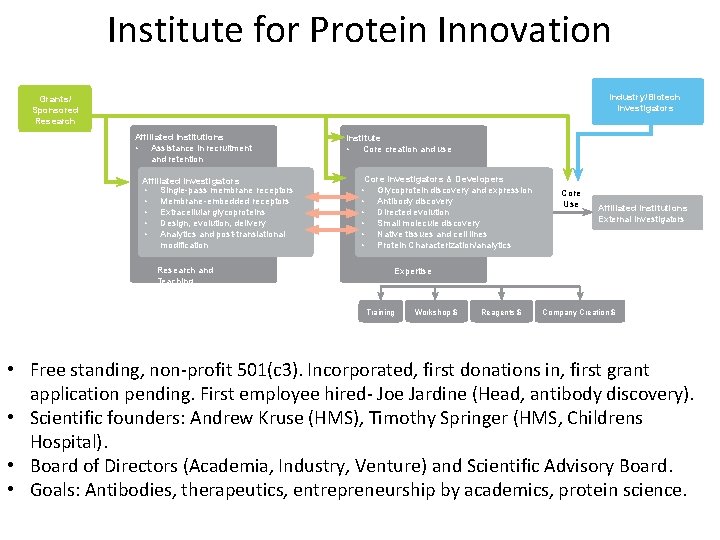
Institute for Protein Innovation Industry/Biotech Investigators Grants/ Sponsored Research Affiliated Institutions • Assistance in recruitment and retention Affiliated Investigators • Single-pass membrane receptors • Membrane-embedded receptors • Extracellular glycoproteins • Design, evolution, delivery • Analytics and post-translational modification Research and Teaching Institute • Core creation and use Core Investigators & Developers • Glycoprotein discovery and expression • Antibody discovery • Directed evolution • Small molecule discovery • Native tissues and cell lines • Protein Characterization/analytics Core Use Affiliated Institutions External Investigators Expertise Training Workshop $ Reagents $ Company Creation $ • Free standing, non-profit 501(c 3). Incorporated, first donations in, first grant application pending. First employee hired- Joe Jardine (Head, antibody discovery). • Scientific founders: Andrew Kruse (HMS), Timothy Springer (HMS, Childrens Hospital). • Board of Directors (Academia, Industry, Venture) and Scientific Advisory Board. • Goals: Antibodies, therapeutics, entrepreneurship by academics, protein science.
Institute for Protein Innovation The Antibody Project • Make available to everyone high quality antibodies to cell surface, extracellular, and eventually, all proteins. • Synthetic antibody libraries displayed on yeast – no self-tolerance. • Selected against proteins produced in-house. • Selected for broad species-cross reactivity: human, mouse, zebrafish. • Recognize evolutionarily conserved, and hence functionally important, epitopes. • Leads for therapeutics as well as reagents. • Antibodies distributed as proteins with sequences deposited in public databases (Open-source). • Campaigns- One protein family or subfamily at a time. • Validated by the research community using crowd-sourcing and the model of the International Leukocyte Workshops (CD antigens/antibodies)
In the beginning… • Monoclonal Antibodies: 1974 -75 (Milstein and Kohler) - Revolutionized study of cell surface proteins - By 1995, >200 cluster of differentiation (CD) antigens - Great for immune system, but not for others like nervous system • Effective therapeutics - Half of current Phase I, II, & III trials are biologics – - Most are antibodies
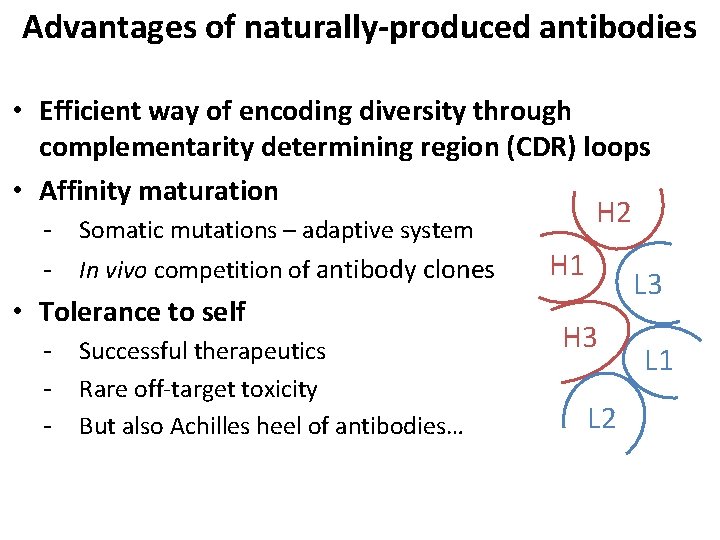
Advantages of naturally-produced antibodies • Efficient way of encoding diversity through complementarity determining region (CDR) loops • Affinity maturation H 2 - Somatic mutations – adaptive system - In vivo competition of antibody clones • Tolerance to self - Successful therapeutics Rare off-target toxicity But also Achilles heel of antibodies… H 1 L 3 H 3 L 2 L 1
Limitations of naturally-produced antibodies 1. Cannot raise against highly conserved proteins - Mouse & human protein sequence identity: 90 -100% Self-tolerance prevents generation of antibodies to highly conserved (and thus important!) proteins. Immunize knockout mouse: each antibody requires a different knockout – not scalable hypomorph or lethal 2. Recognition of species-specific AA substitutions - Center of epitope Recognition of large changes, e. g. , Arg-Glu, His-Gly Conservative changes (Ala-Val, Ile-Leu) generally missed
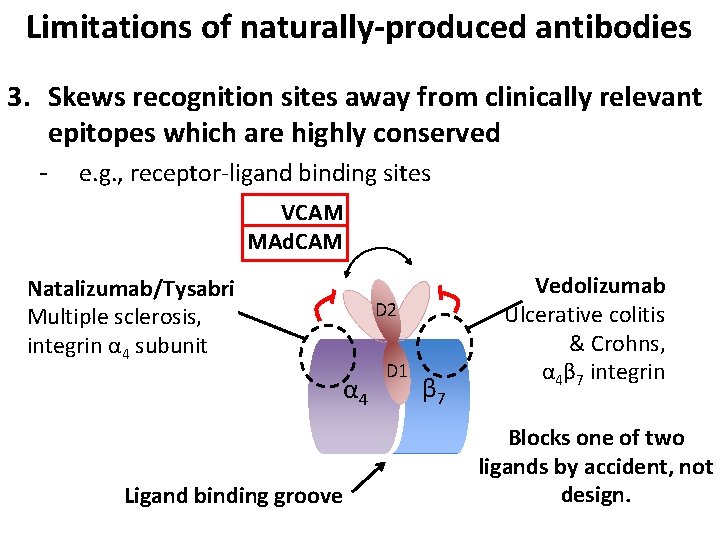
Limitations of naturally-produced antibodies 3. Skews recognition sites away from clinically relevant epitopes which are highly conserved - e. g. , receptor-ligand binding sites VCAM MAd. CAM Natalizumab/Tysabri Multiple sclerosis, integrin α 4 subunit D 2 α 4 Ligand binding groove D 1 β 7 Vedolizumab Ulcerative colitis & Crohns, α 4β 7 integrin Blocks one of two ligands by accident, not design.
Limitations of naturally-produced antibodies 4. Species-specific abs not useful in animal studies - Develop different antibody as surrogate - Use of primate models: expensive - Slows progress to clinic 5. Humanization of antibodies - Improving, but still uncertain and risky - Mice with human antibody genes improving, but still limited by tolerance to self
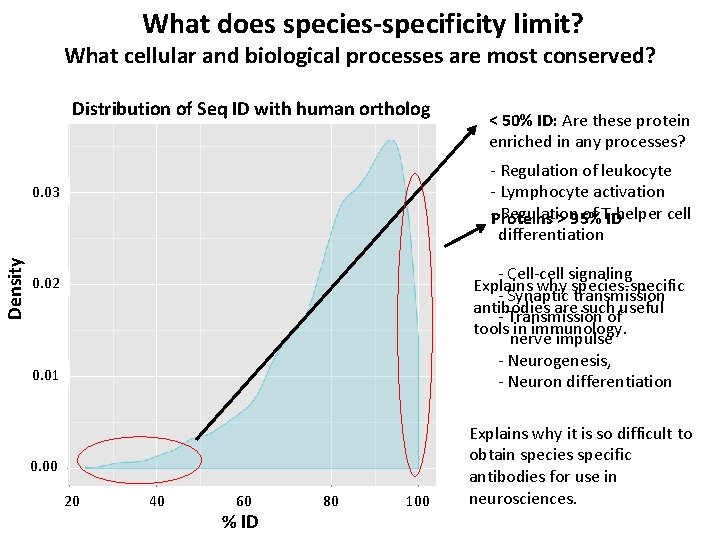
What does species-specificity limit? What cellular and biological processes are most conserved? Distribution of Seq ID with human ortholog - Regulation of leukocyte - Lymphocyte activation -Proteins Regulation of T-helper cell > 95% ID differentiation 0. 03 Density < 50% ID: Are these protein enriched in any processes? - Cell-cell signaling Explains why species-specific - Synaptic transmission antibodies are such useful - Transmission of tools in immunology. nerve impulse - Neurogenesis, - Neuron differentiation 0. 02 0. 01 0. 00 20 40 60 % ID 80 100 Explains why it is so difficult to obtain species specific antibodies for use in neurosciences.
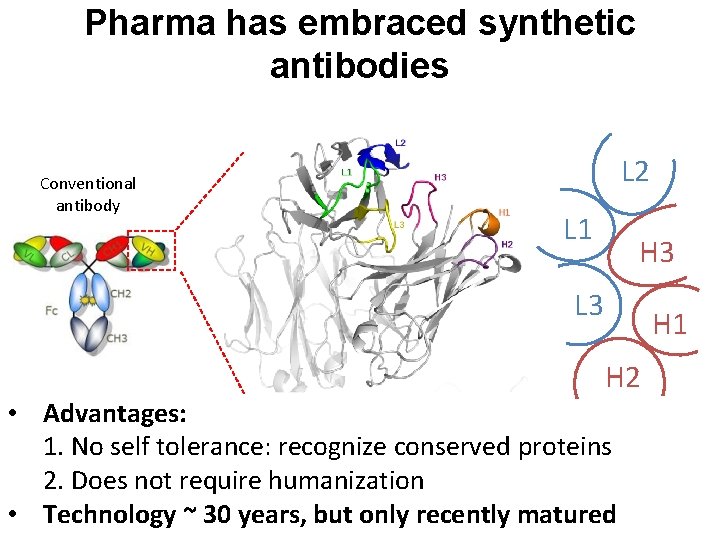
Pharma has embraced synthetic antibodies Conventional antibody L 2 L 1 H 3 L 3 H 1 H 2 • Advantages: 1. No self tolerance: recognize conserved proteins 2. Does not require humanization • Technology ~ 30 years, but only recently matured
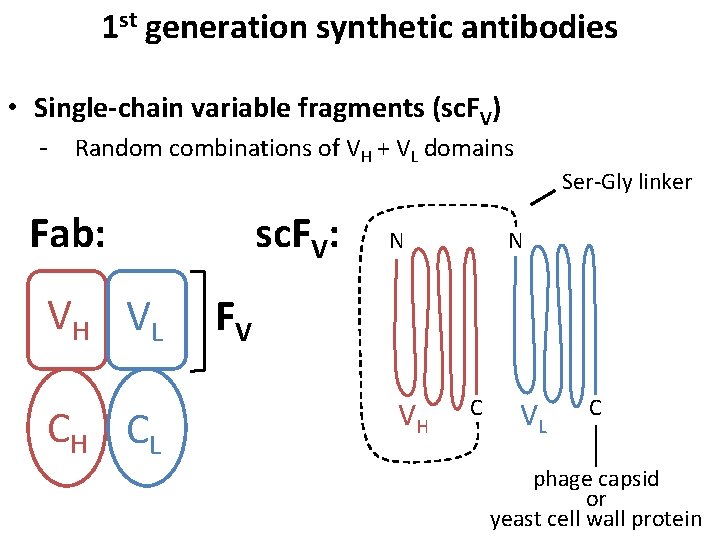
1 st generation synthetic antibodies • Single-chain variable fragments (sc. FV) - Random combinations of VH + VL domains Fab: VH VL CH CL sc. FV: Ser-Gly linker N N FV VH C VL C phage capsid or yeast cell wall protein
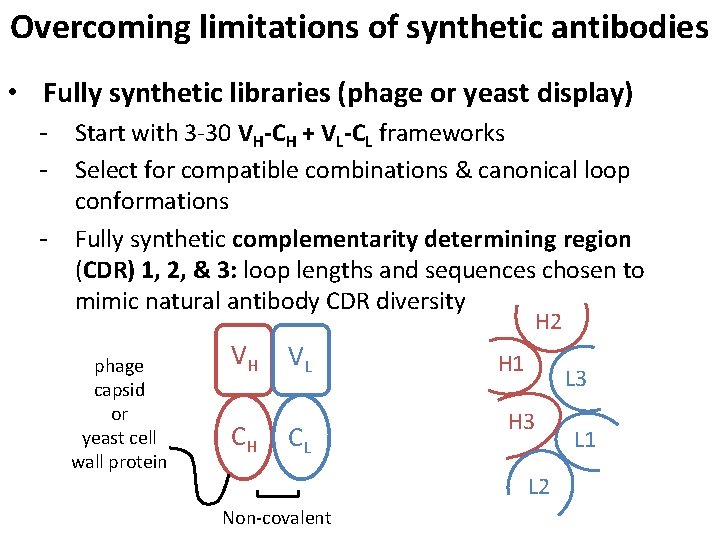
Overcoming limitations of synthetic antibodies • Fully synthetic libraries (phage or yeast display) - Start with 3 -30 VH-CH + VL-CL frameworks Select for compatible combinations & canonical loop conformations Fully synthetic complementarity determining region (CDR) 1, 2, & 3: loop lengths and sequences chosen to mimic natural antibody CDR diversity H 2 phage capsid or yeast cell wall protein VH CH VL CL H 1 L 3 H 3 L 2 Non-covalent L 1
But can we make the protein antigens? • • That is where founders have expertise. But what about membrane-embedded proteins? G protein-coupled receptors Channels Transporters Crystallographers are proving it can be done IPI is developing new high-throughput technology to make proteins for antibody screening
Why am I doing this? • To do for a new generation of investigators what César Milstein and monoclonals did for me from the 1970 s on. • To tap in academics the potential of a new type of antibody that is not limited by tolerance to self. • To unleash with open-source antibodies of known sequence and specificity the creative potential of scientists over the whole world. • To alleviate the antibody irreproducibility crisis with high quality crowd-source-validated research reagents. • To empower the academic and for-profit communities to create new therapeutics that target all cell surface and extracellular proteins.
Institute for Protein Innovation • Collaborate with researchers at Hospitals, Universities, and Bio. Pharma who identify targets most important in their disciplines • Conduct campaigns based on protein families. • Characterize and validate antibodies by crowdsourcing the international scientific community similarly to the international leukocyte (CD) workshops • Publishing reports on the antibodies and make the antibodies and their sequences publicly available.
Imagine … • Discovering the cause of a rare disease and using that immediately as a target for a therapeutic antibody • Defining a list of the most important molecules in neurological disease and setting those as therapeutic targets • Unearthing new classes of molecules as targets to block autoimmune illnesses or drive immune responses to tumors • Tools to define stem cell subpopulations and drive stem cells toward making specific tissues needed for treatment • Defining not just gene expression- but where proteins are actually located on the cell surface in complex tissues such as the central nervous system
Applications beyond therapeutics • Discovering new biology • Function interrogation • Blocking/stimulating activities • Animal studies • Effect of downregulating/blocking protein function in vivo • Mapping protein expression • • Cells and tissues including brain Mapping proteins to cell bodies, dendrites, axons, pre and post synapses much more informative than m. RNA expression.
Impact • Generation of tools for research/therapeutics - Reactivity with mouse and human enables screening on a wide variety of species • Permanently archived, standard reagent repositories - - DNA for H and L chains and purified antibodies Protein in expression vectors Solves problems in antibody specificity and reactivity - variation in animal to animal bleeds - ill-defined quality Reproducibility • Cost savings: cost of antibodies in NIH funded research • Realizes potential of Human Genome Project
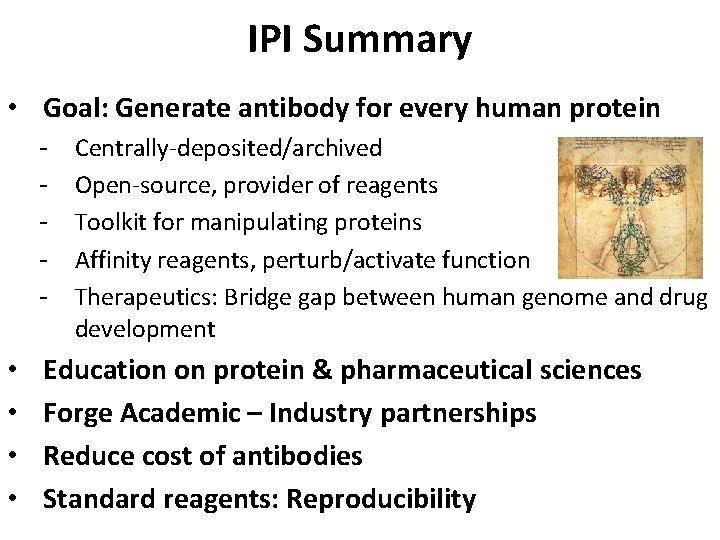
IPI Summary • Goal: Generate antibody for every human protein - • • Centrally-deposited/archived Open-source, provider of reagents Toolkit for manipulating proteins Affinity reagents, perturb/activate function Therapeutics: Bridge gap between human genome and drug development Education on protein & pharmaceutical sciences Forge Academic – Industry partnerships Reduce cost of antibodies Standard reagents: Reproducibility
- Slides: 21