
The Inner Planets Terrestrial Planets Mercury Venus Earth

- Slides: 65
The Inner Planets “Terrestrial” Planets • • Mercury Venus Earth Mars
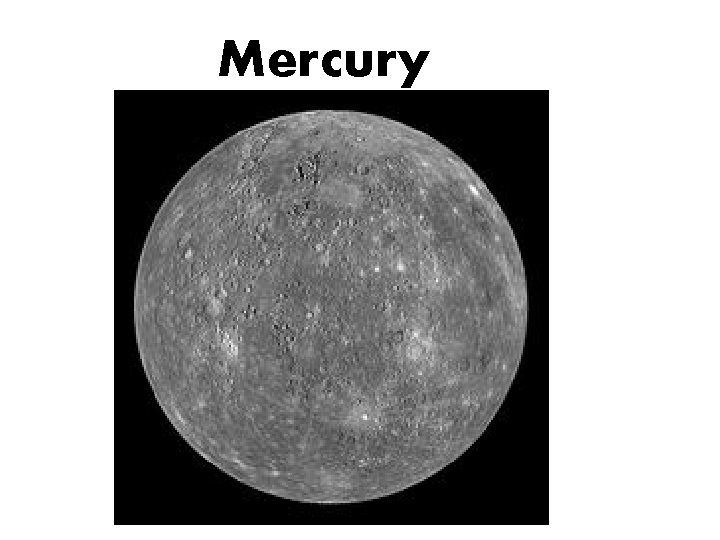
Mercury
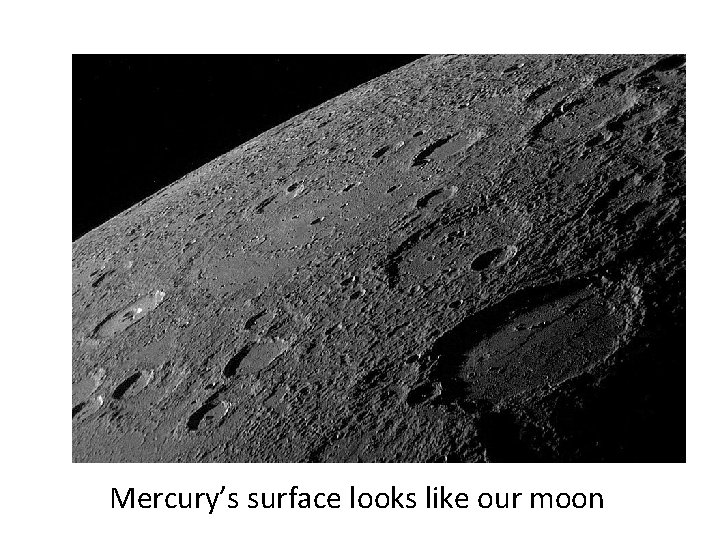
Mercury’s surface looks like our moon
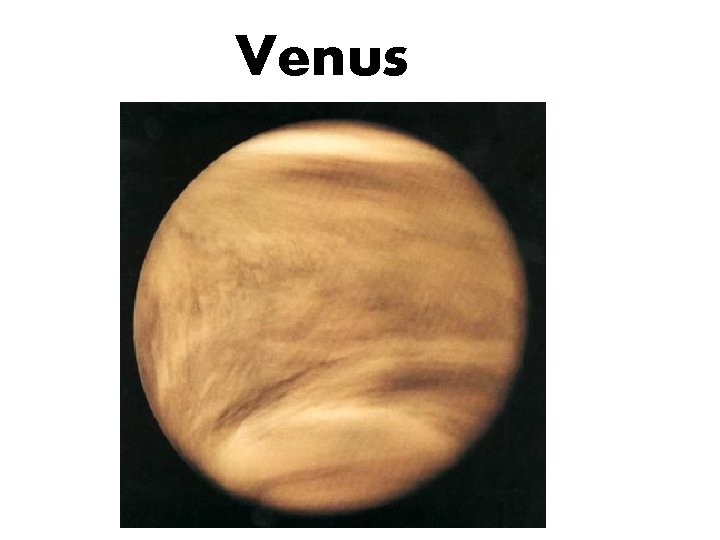
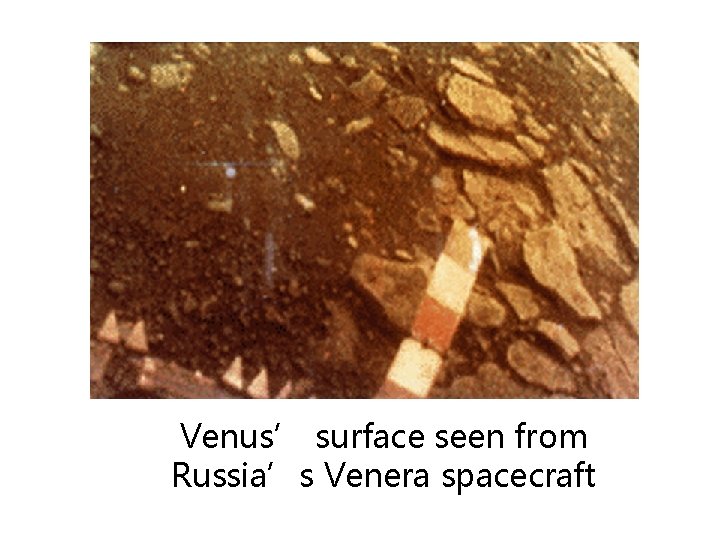
Venus
Venus’ surface seen from Russia’s Venera spacecraft
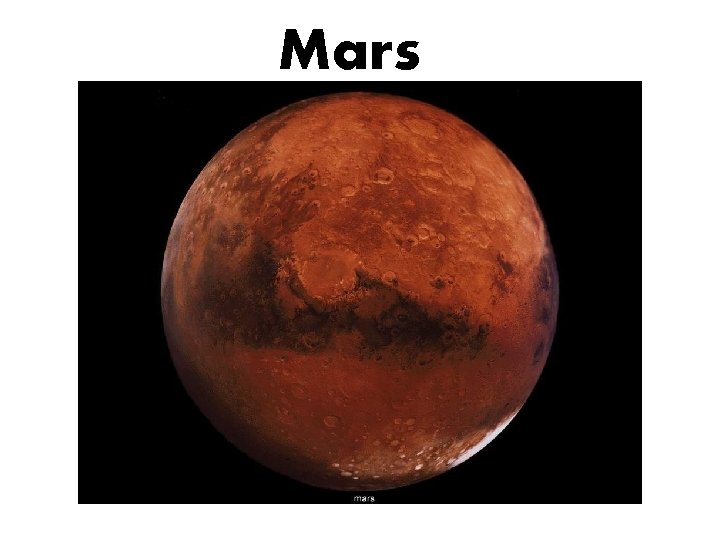
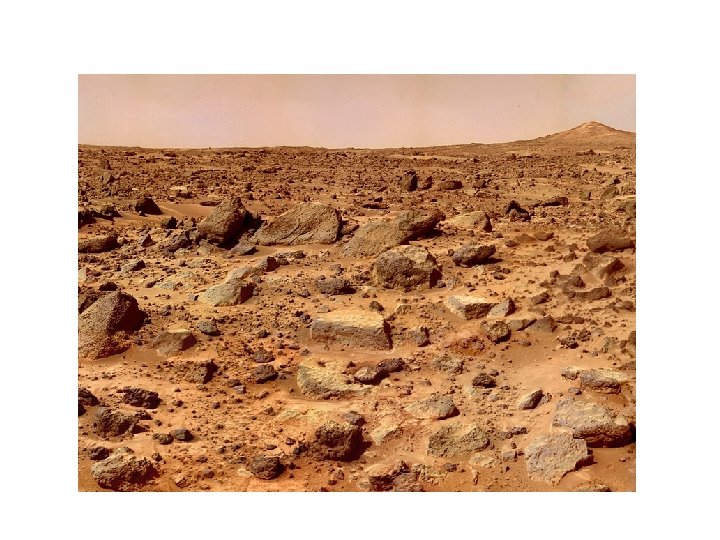
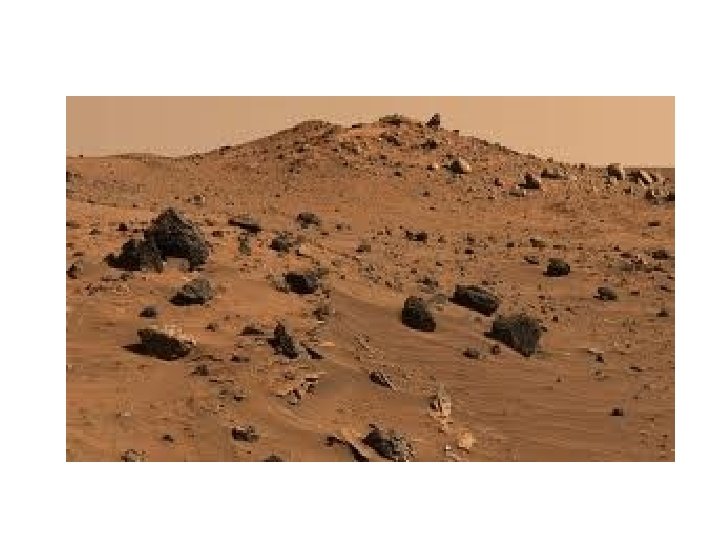
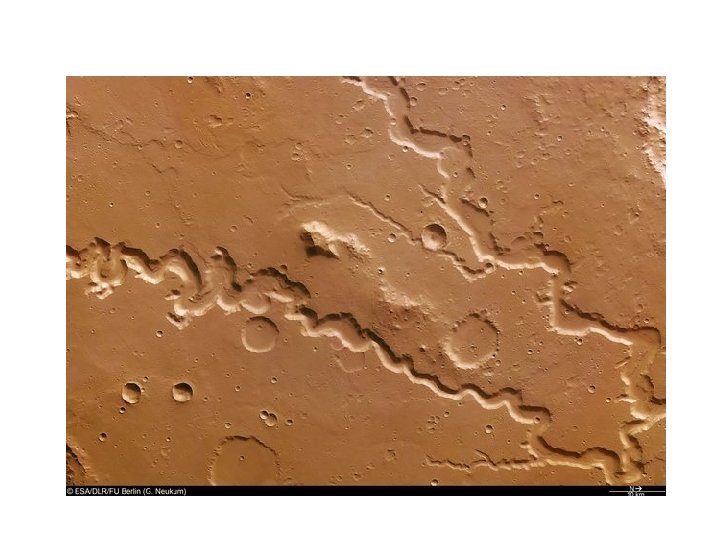
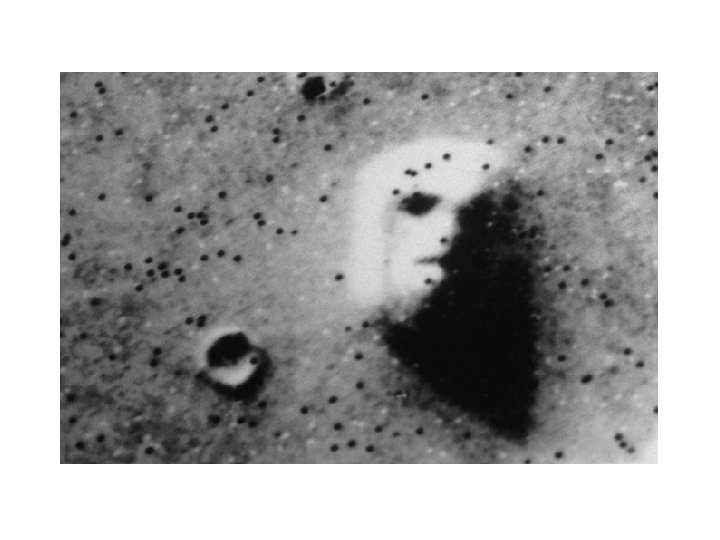
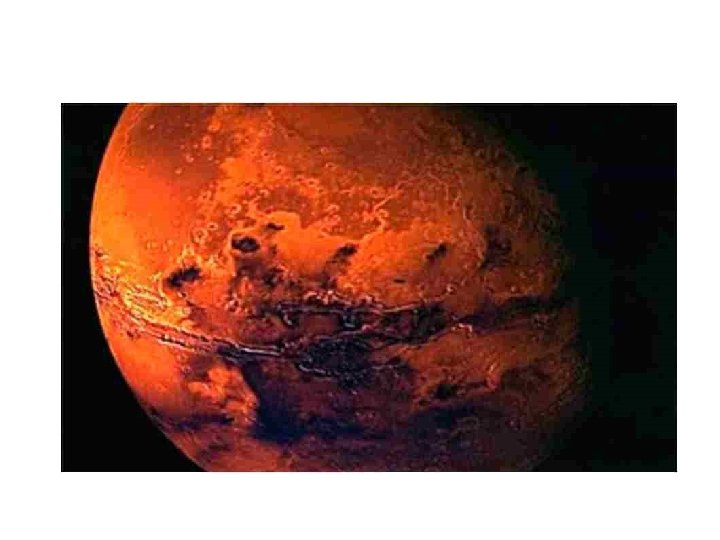
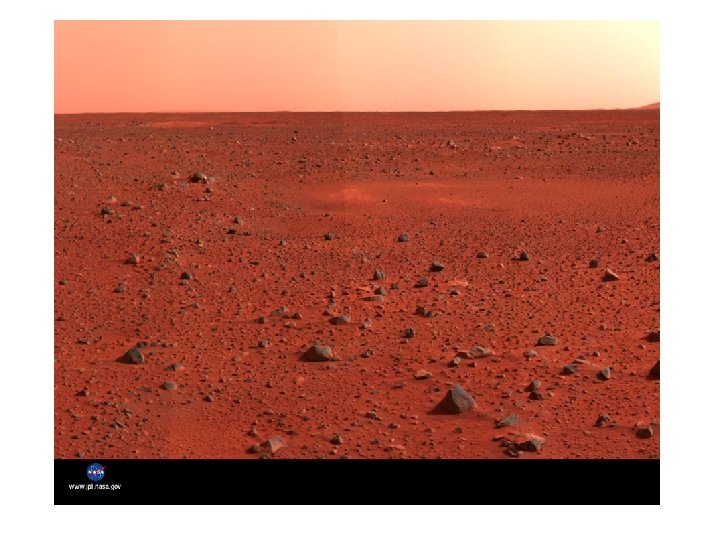
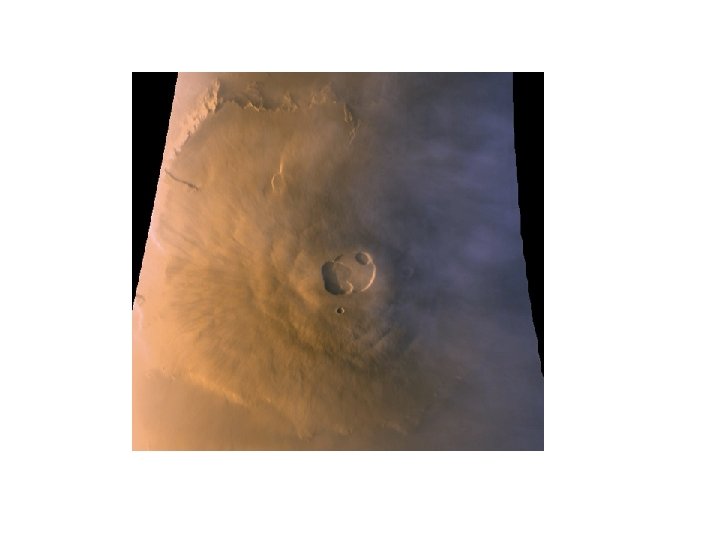
Mars
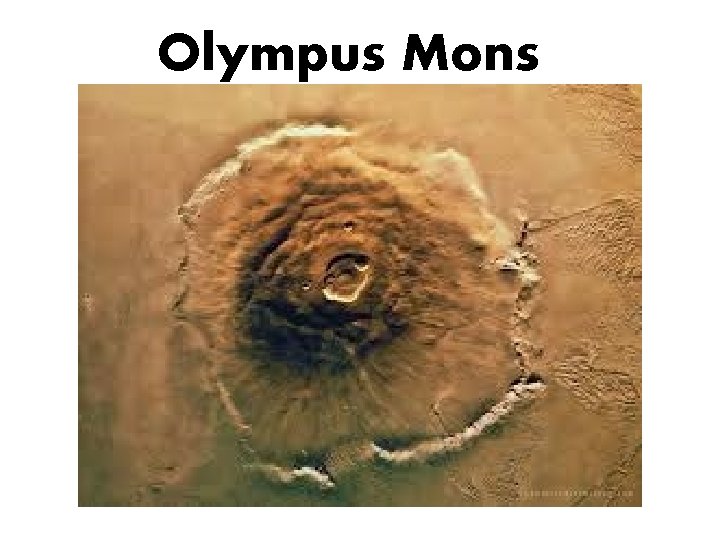
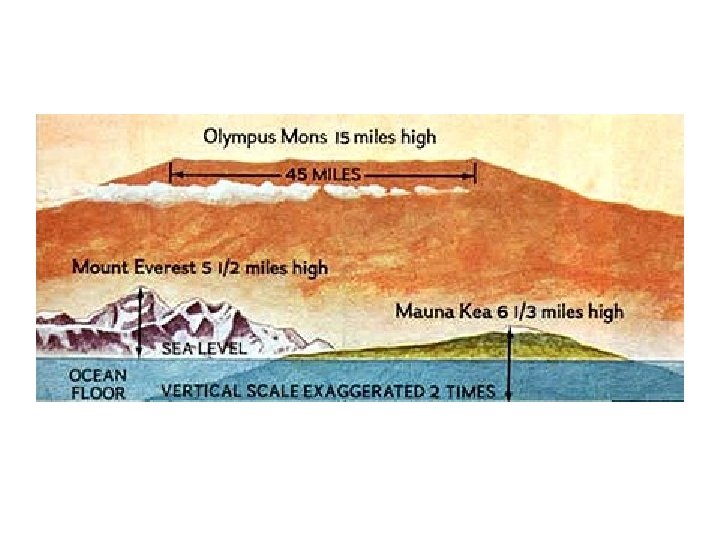
Olympus Mons
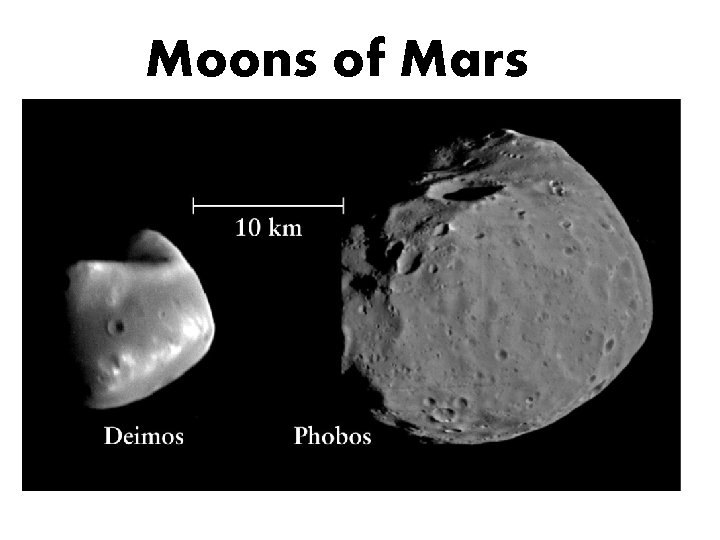
Moons of Mars
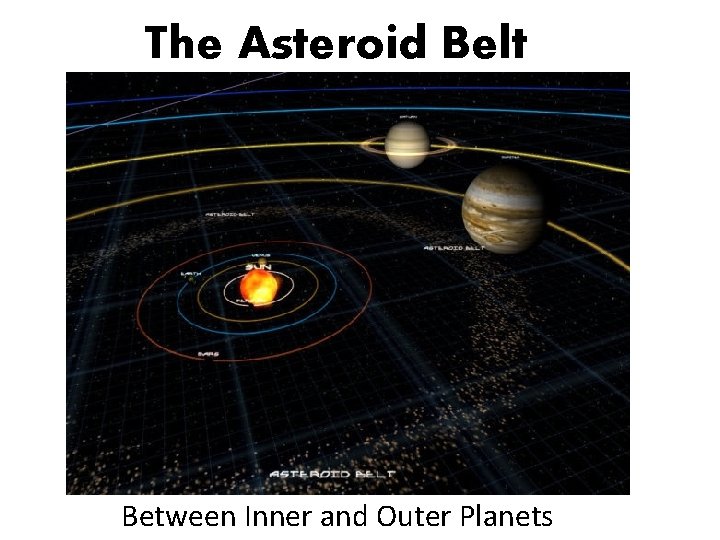
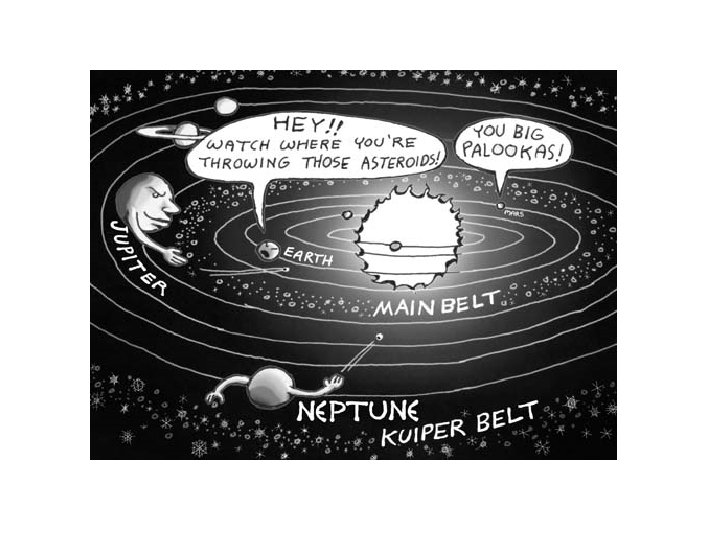
The Asteroid Belt Between Inner and Outer Planets
So Pluto is no longer considered to be a planet. Why is that? What IS a planet anyway? ? ?
The International Astronomy Union came up with THREE classes of objects that orbit the sun: • Planets • Dwarf Planets • Small solar system objects
Planets • Orbit the sun • Are round (because their gravity pulls them into that shape • Are big enough and have enough gravity to “clear the neighborhood” around their orbit
Dwarf Planets • Orbit the sun • Are round • Are not moons of another planet (they only orbit the sun) • Are not big enough to “clear their neighborhood”
Small Solar System Bodies Everything else: comets asteroids meteors
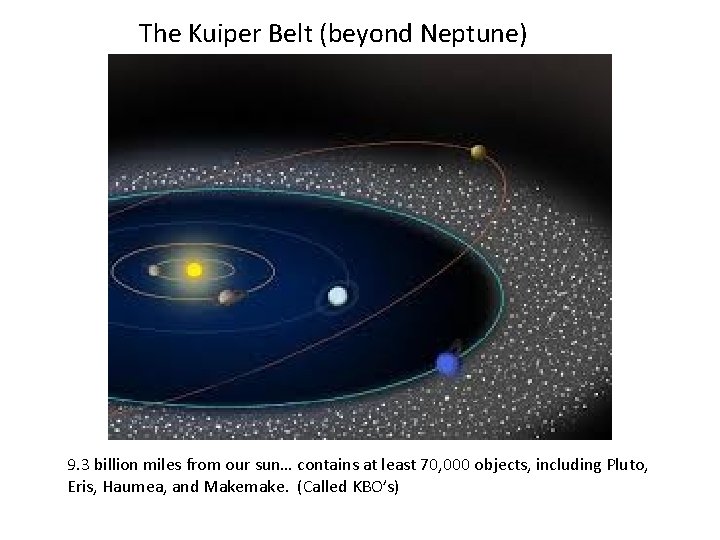
The Kuiper Belt (beyond Neptune) 9. 3 billion miles from our sun… contains at least 70, 000 objects, including Pluto, Eris, Haumea, and Makemake. (Called KBO’s)
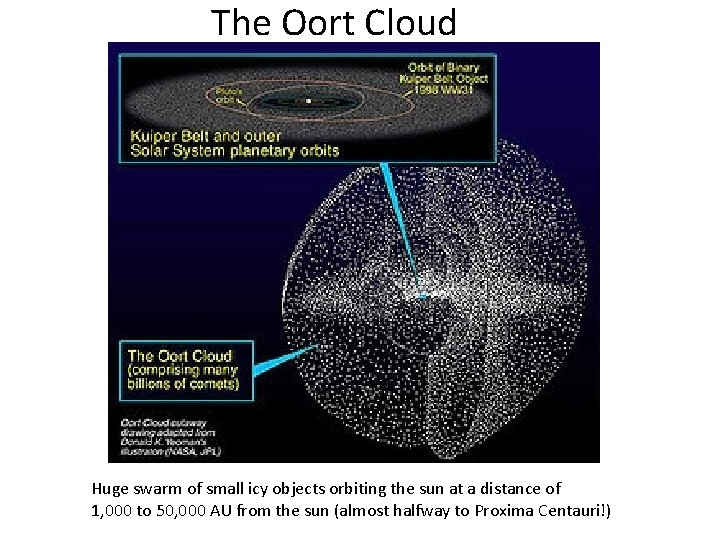
The Oort Cloud Huge swarm of small icy objects orbiting the sun at a distance of 1, 000 to 50, 000 AU from the sun (almost halfway to Proxima Centauri!)
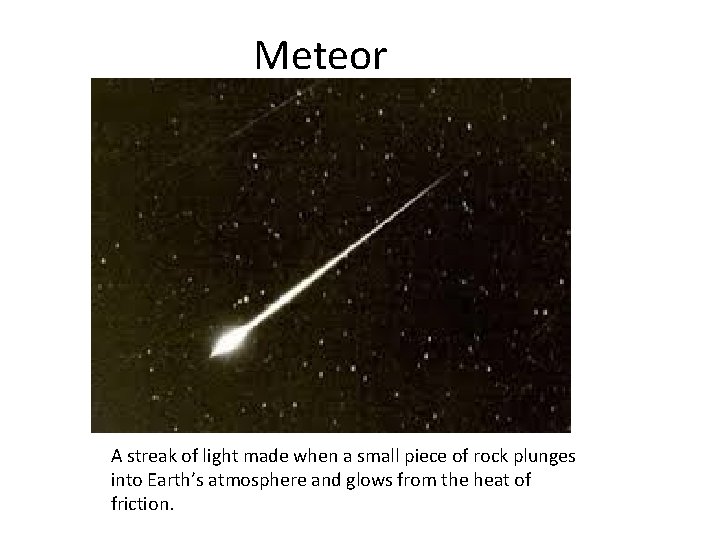
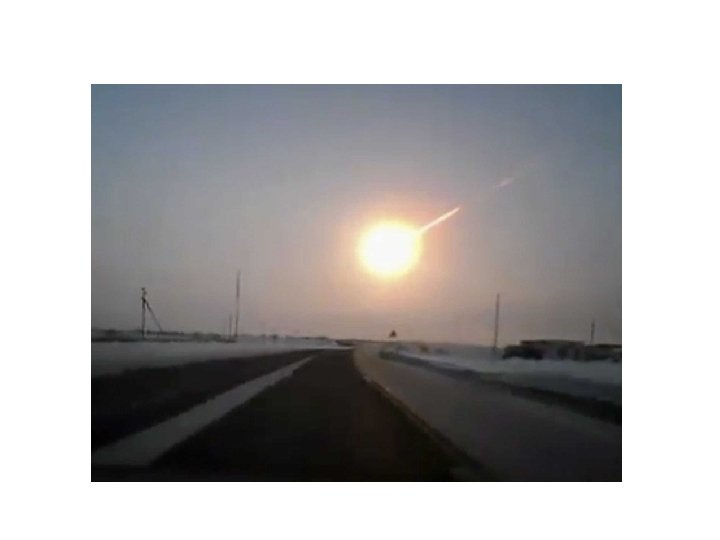
Meteor A streak of light made when a small piece of rock plunges into Earth’s atmosphere and glows from the heat of friction.
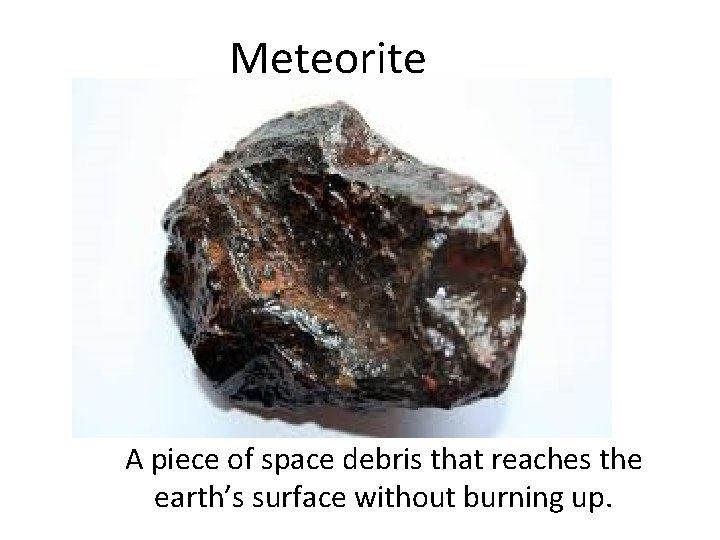
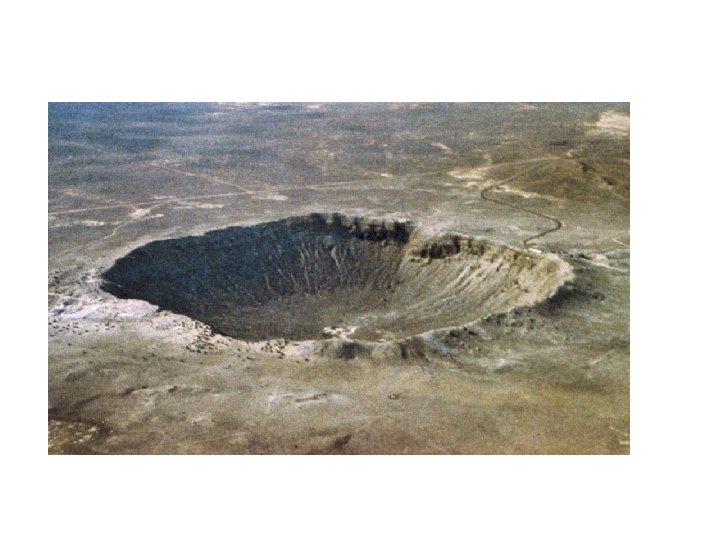
Meteorite A piece of space debris that reaches the earth’s surface without burning up.
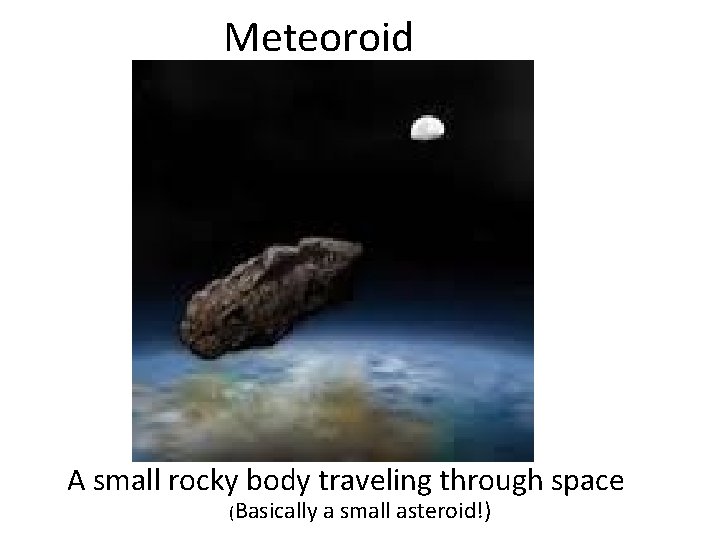
Meteoroid A small rocky body traveling through space (Basically a small asteroid!)
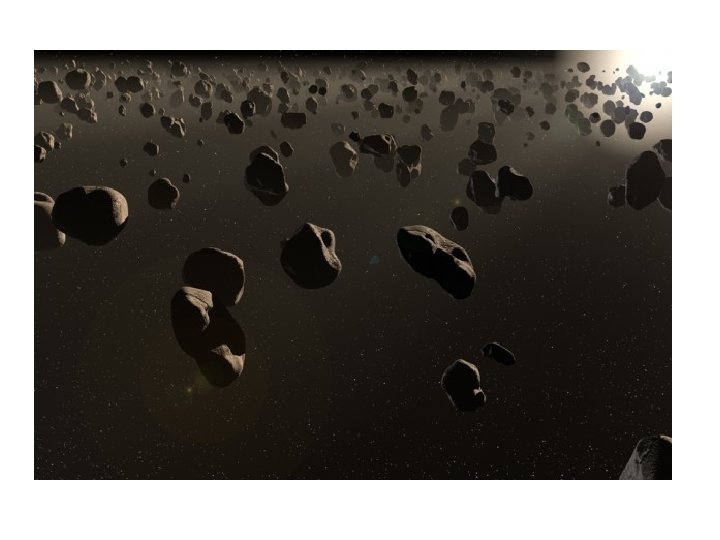
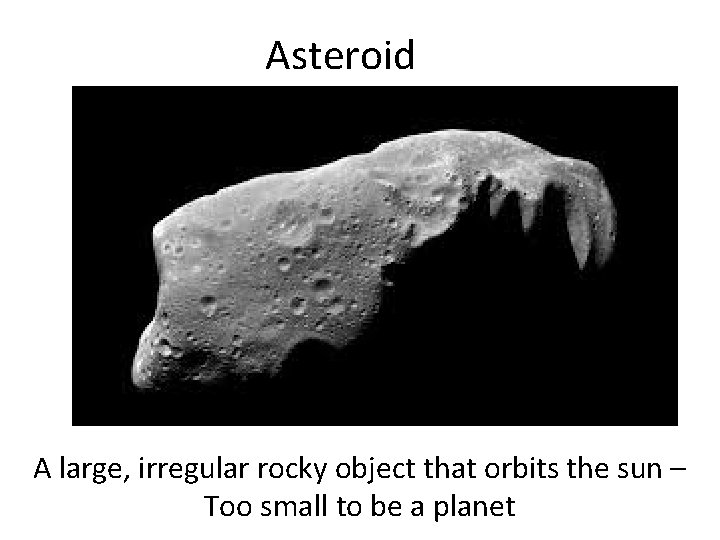
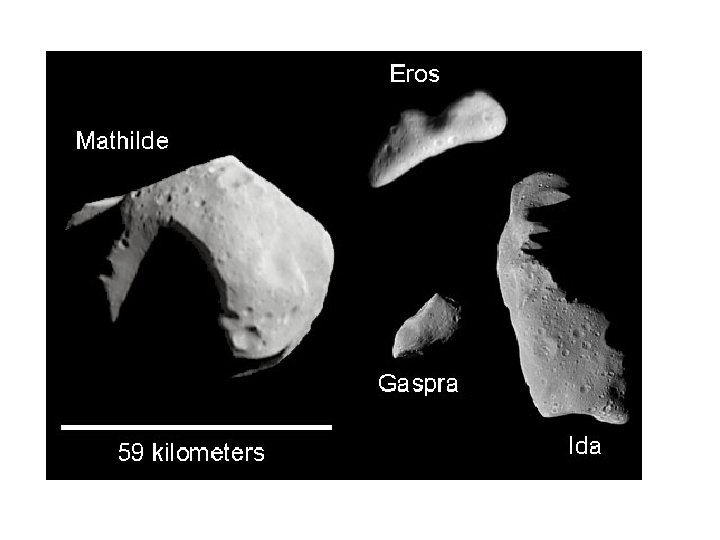
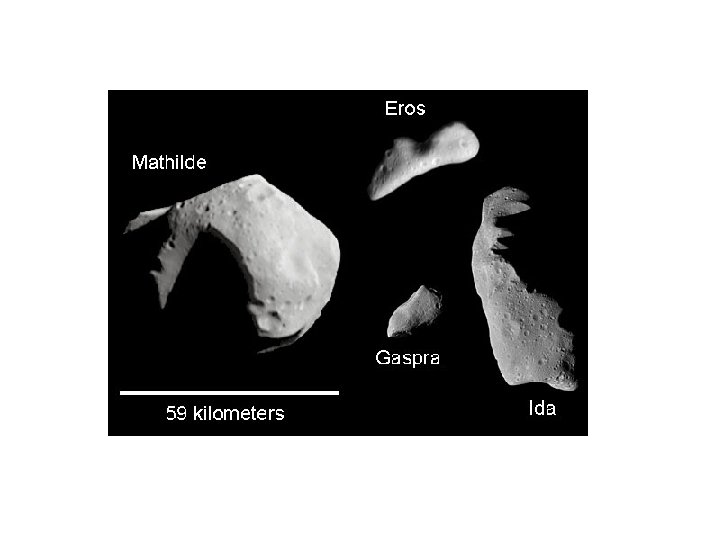
Asteroid A large, irregular rocky object that orbits the sun – Too small to be a planet
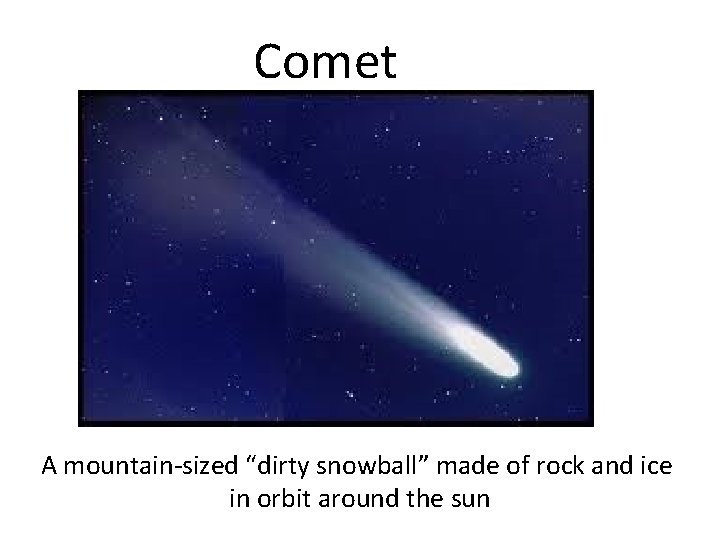
Comet A mountain-sized “dirty snowball” made of rock and ice in orbit around the sun
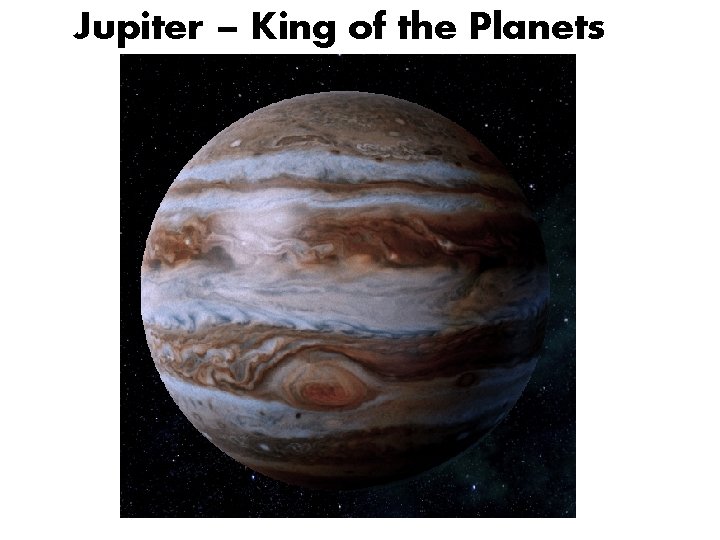
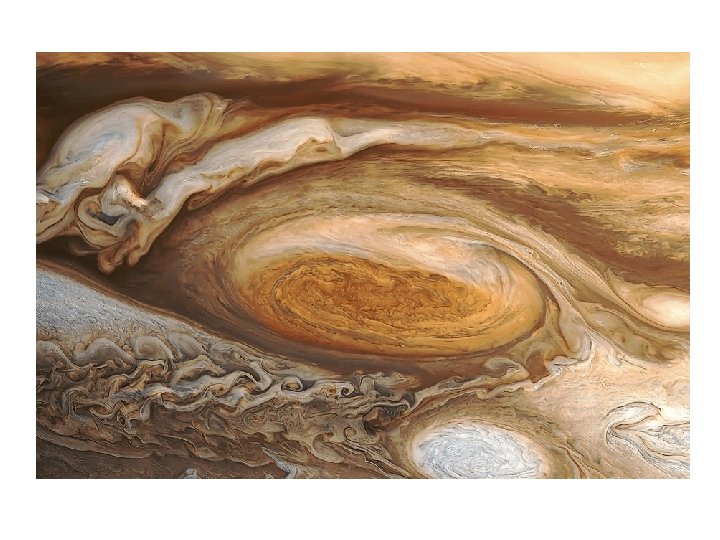
Jupiter – King of the Planets
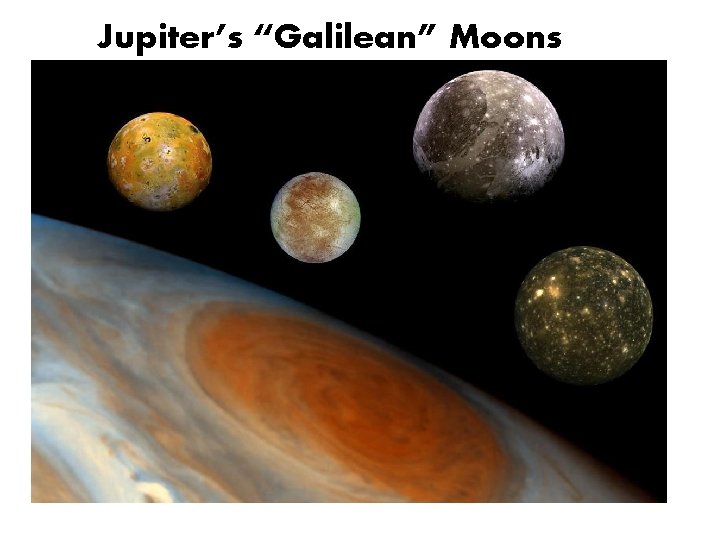
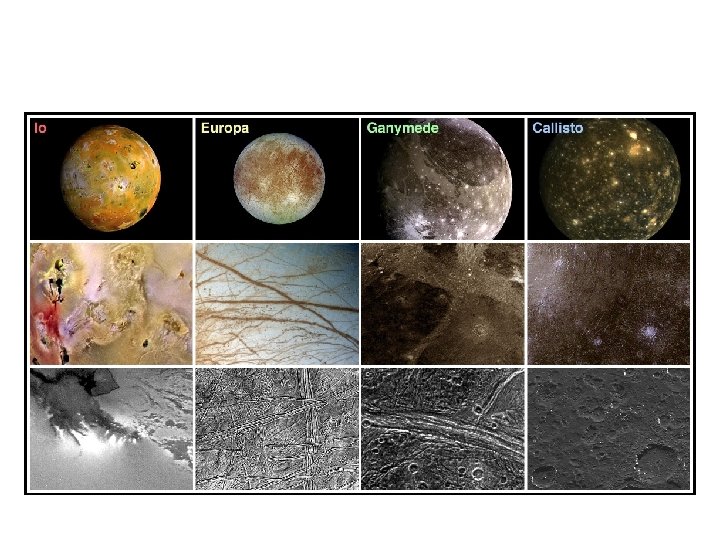
Jupiter’s “Galilean” Moons
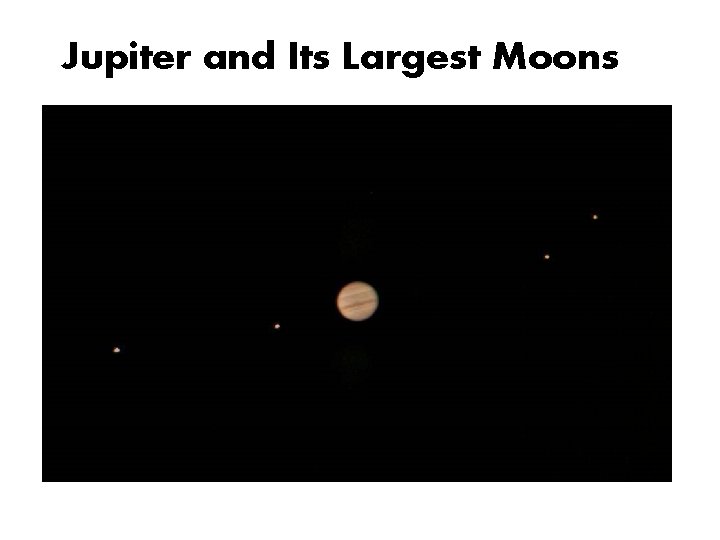
Jupiter and Its Largest Moons
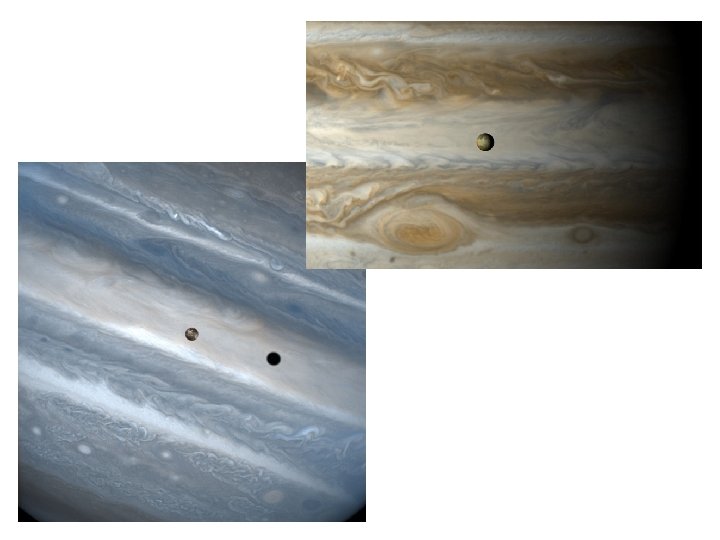
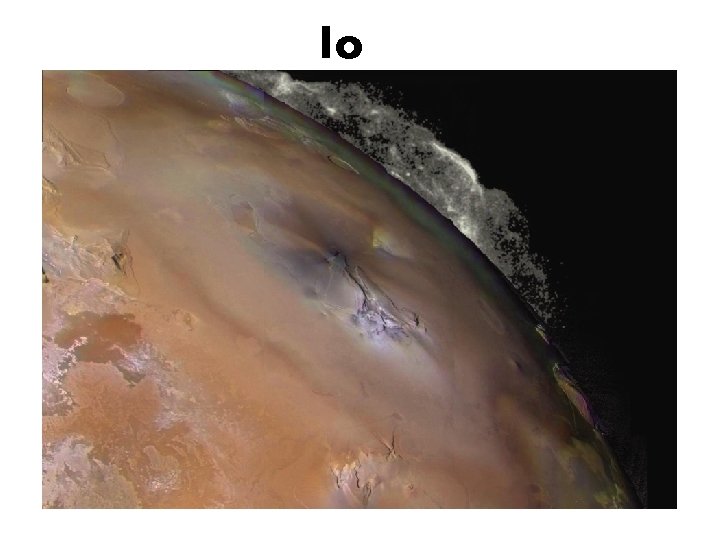
Io
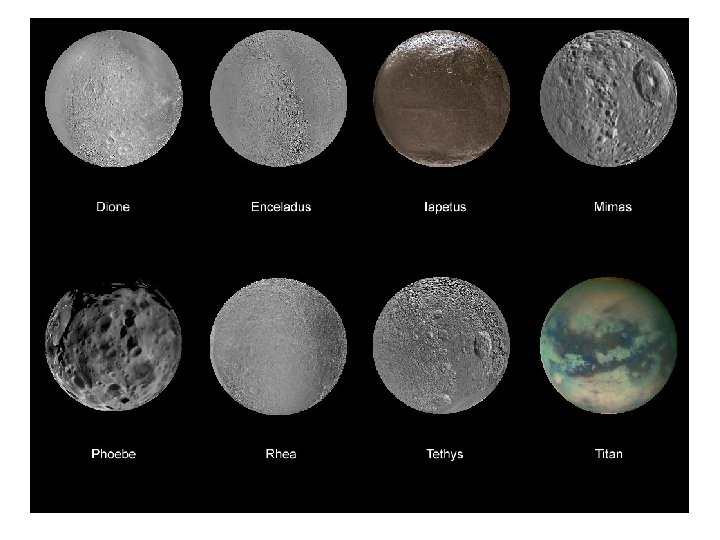
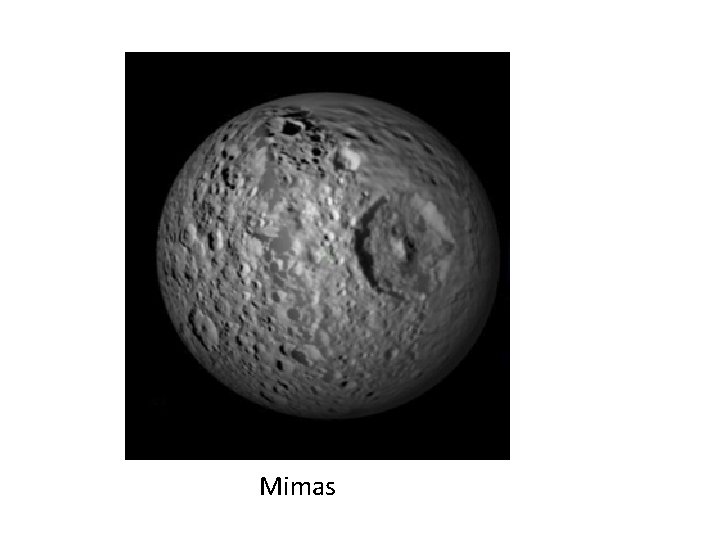
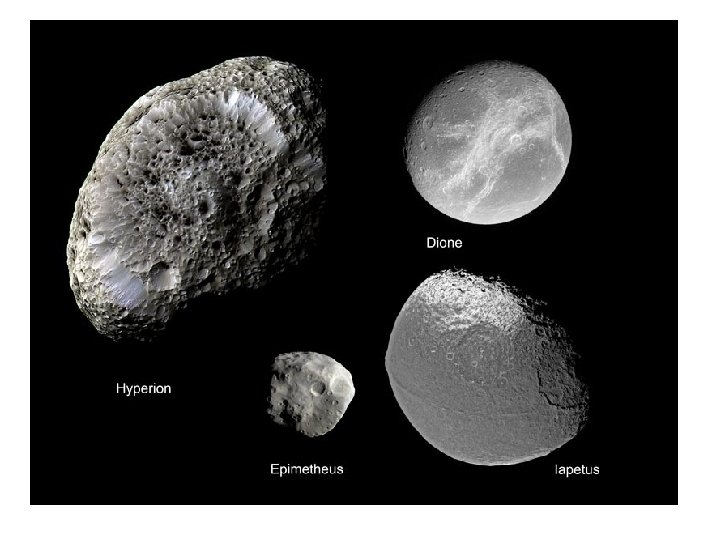
Mimas
Short video of Jupiter and Saturn http: //www. youtube. com/watch? v=e 8_l. Sgn_g. Tk
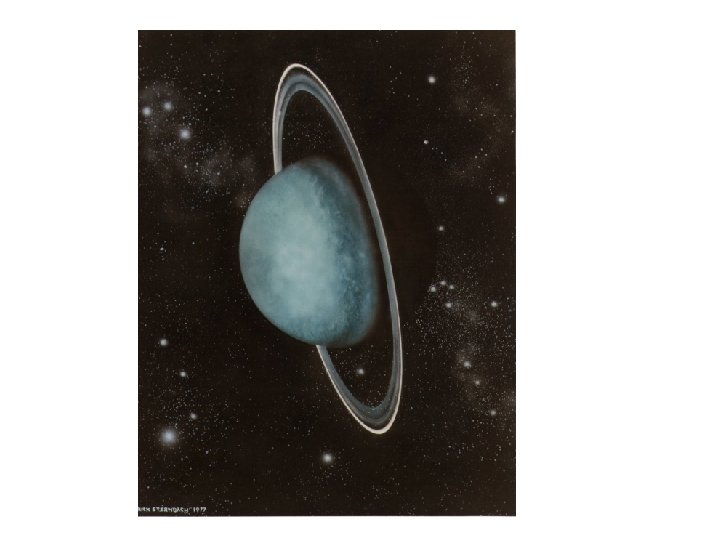
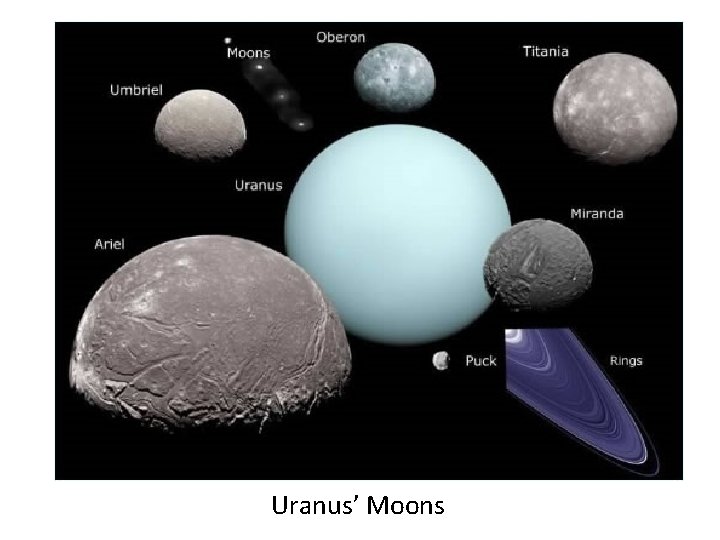
Uranus’ Moons
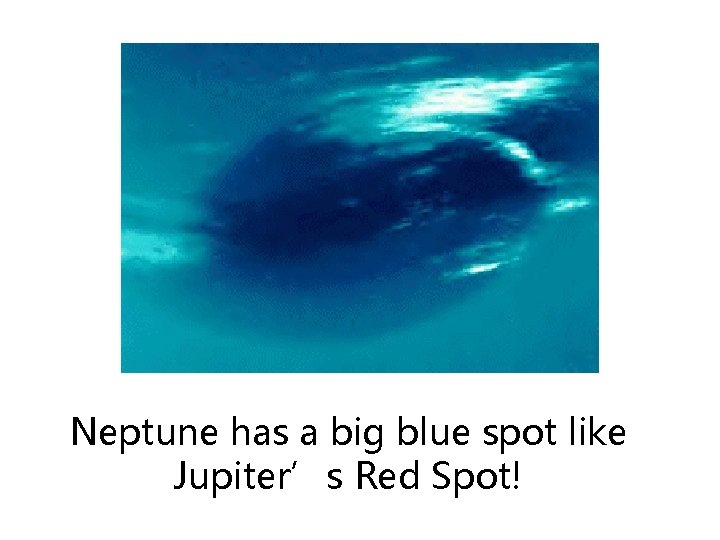
Neptune has a big blue spot like Jupiter’s Red Spot!
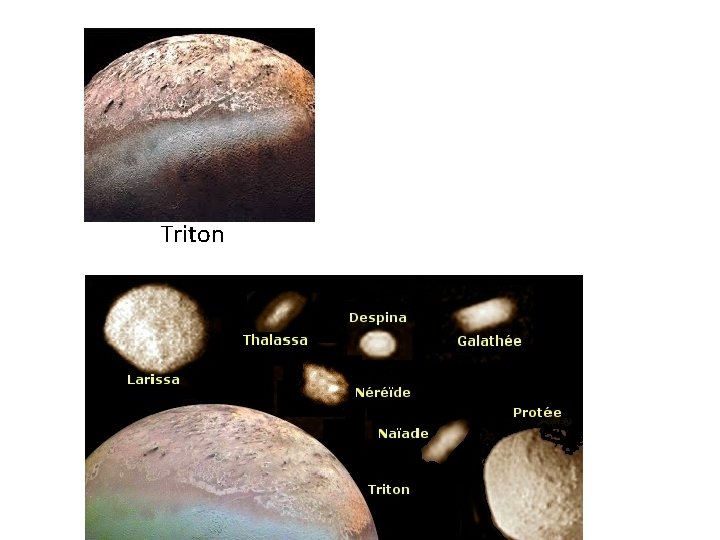
Triton
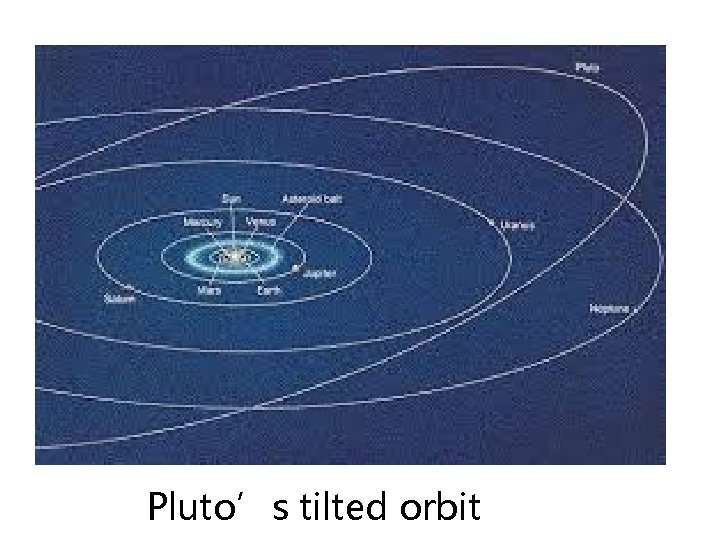
Pluto’s tilted orbit
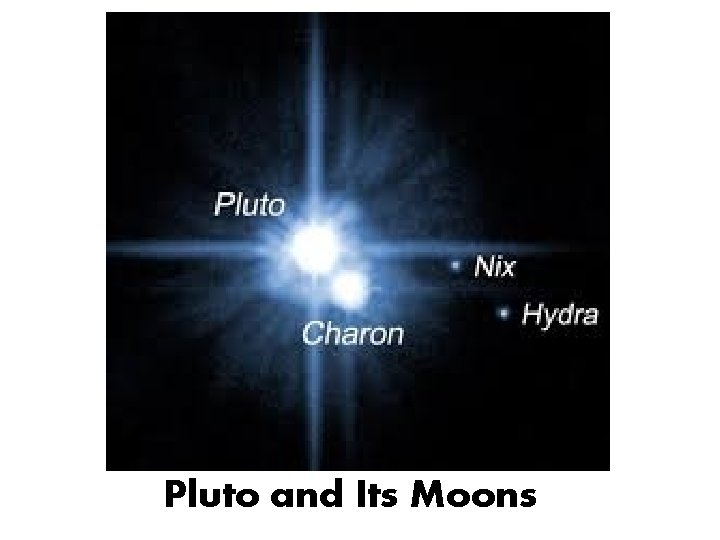
Pluto and Its Moons