
The innate immune response Innate and Adaptive Immunity


- Slides: 51
The innate immune response
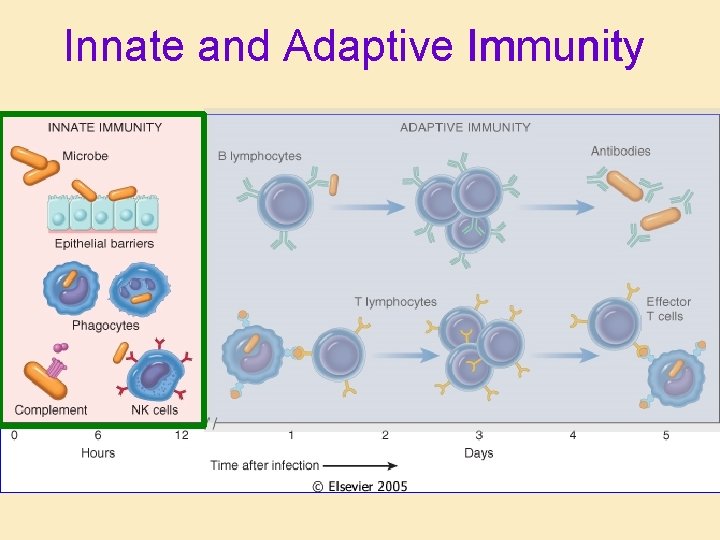
Innate and Adaptive Immunity
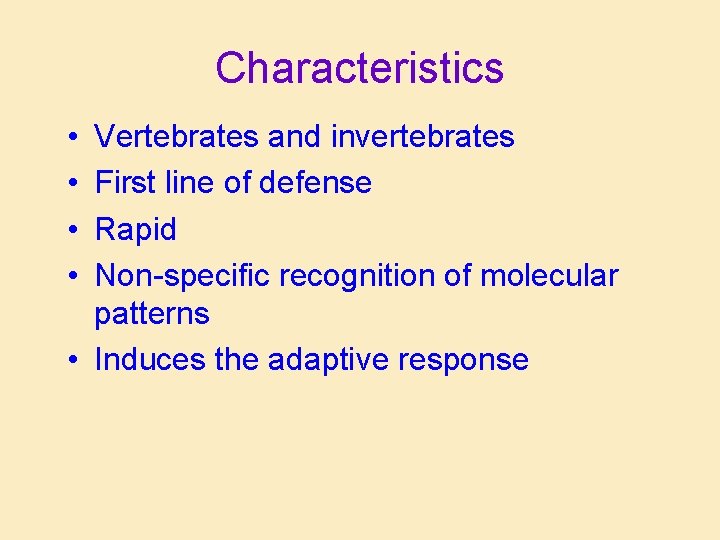
Characteristics • • Vertebrates and invertebrates First line of defense Rapid Non-specific recognition of molecular patterns • Induces the adaptive response
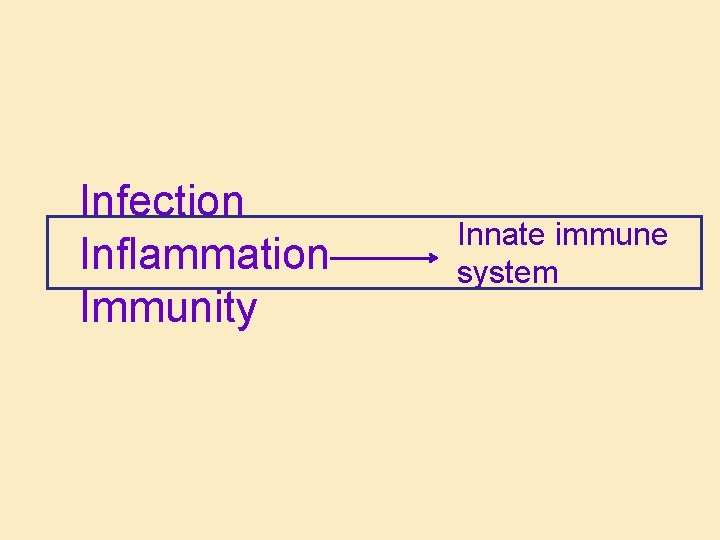
Infection Inflammation Immunity Innate immune system
Functions of the (innate) immune system • • • Barriers: Recognition: Remove and destroy: Distinguish self and non-self: Memory?
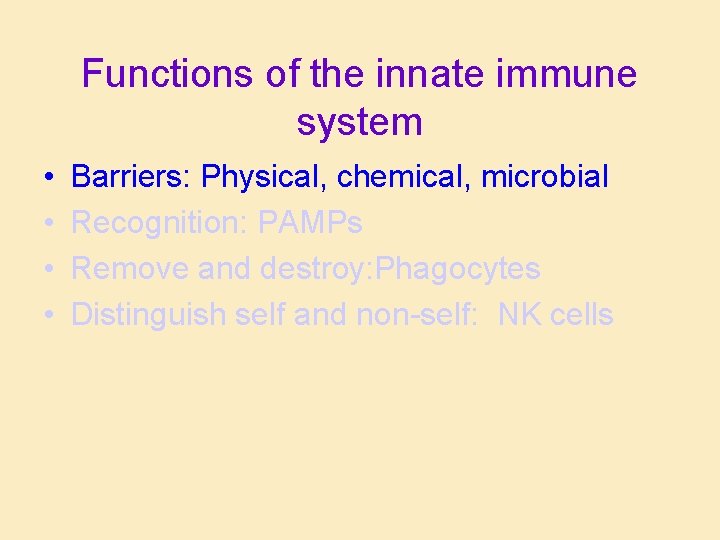
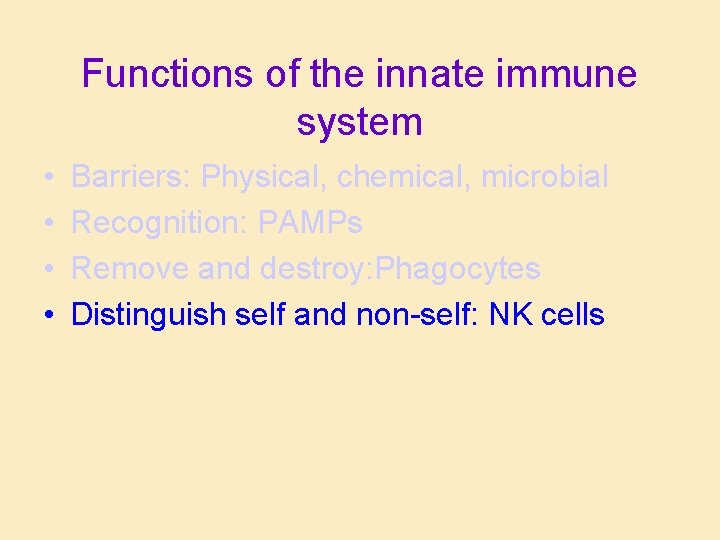
Functions of the innate immune system • • Barriers: Physical, chemical, microbial Recognition: PAMPs Remove and destroy: Phagocytes Distinguish self and non-self: NK cells
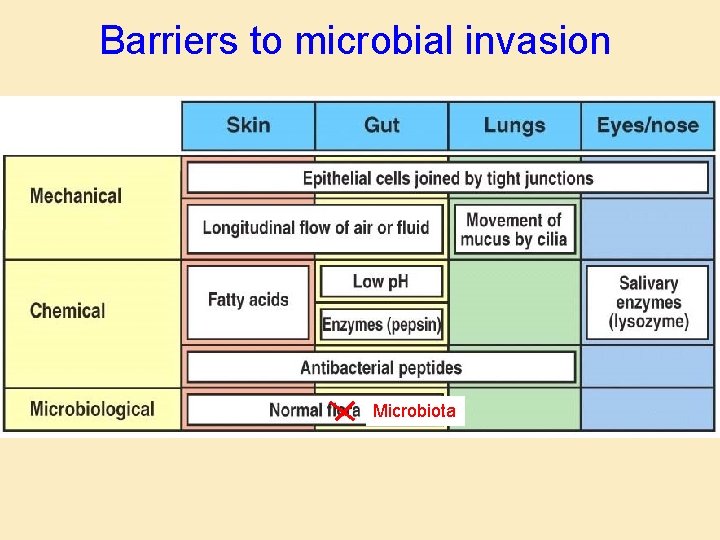
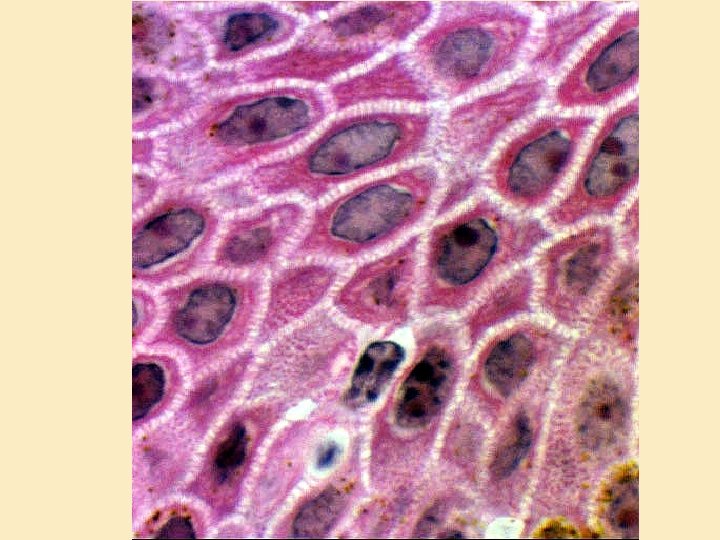
Barriers to microbial invasion Figure 2 -4 Microbiota
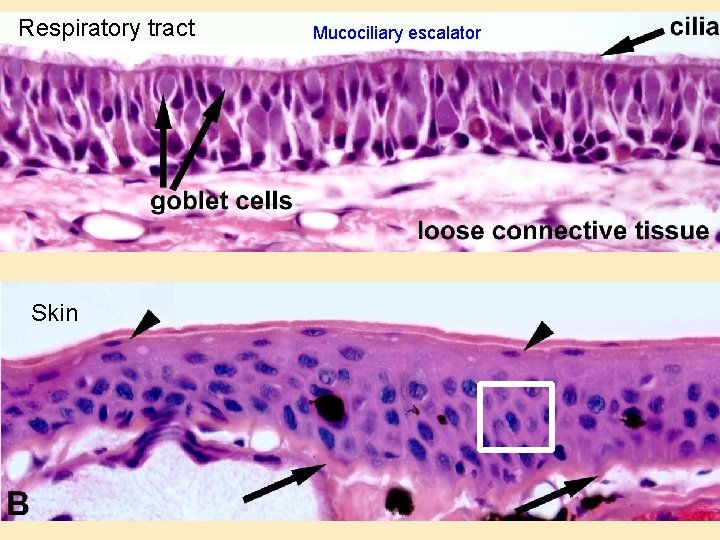
Respiratory tract Skin Mucociliary escalator
Infection can occur when mechanical barriers fail • Skin wound • Pneumonia – Cystic fibrosis – Primary ciliary dyskinesia (immotile cilia) – Snakes • Urinary tract infection – Obstruction – Failure of peristalsis
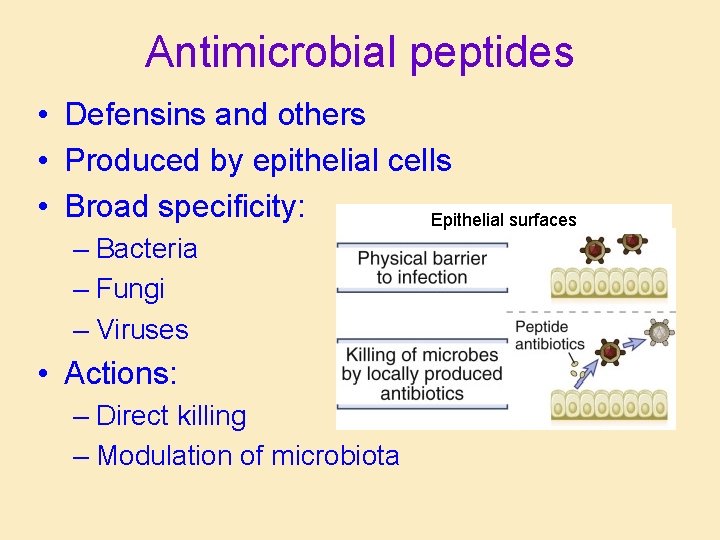
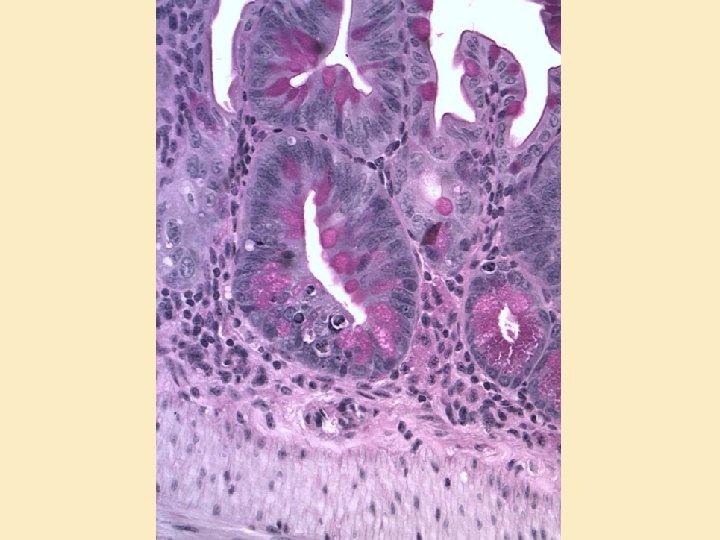
Antimicrobial peptides • Defensins and others • Produced by epithelial cells • Broad specificity: Epithelial surfaces – Bacteria – Fungi – Viruses • Actions: – Direct killing – Modulation of microbiota
Microbiota • The communities of microorganisms on normal mucosal surfaces • Bacteria, fungi, viruses, protozoa • Mechanisms of protection: – Competition – Antibacterial products – Stimulation of host defenses
Functions of the innate immune system • • Barriers: Physical, chemical, microbial Recognition: PAMPs, other receptors Remove and destroy: Phagocytes Distinguish self and non-self: NK cells
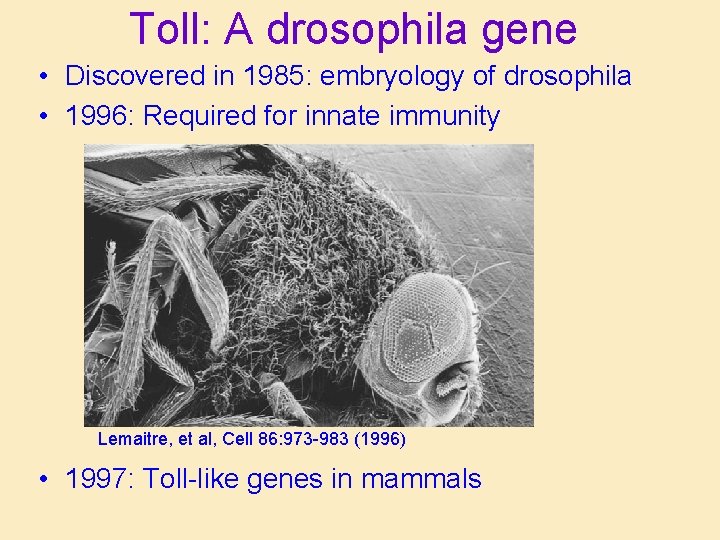
Toll: A drosophila gene • Discovered in 1985: embryology of drosophila • 1996: Required for innate immunity Lemaitre, et al, Cell 86: 973 -983 (1996) • 1997: Toll-like genes in mammals
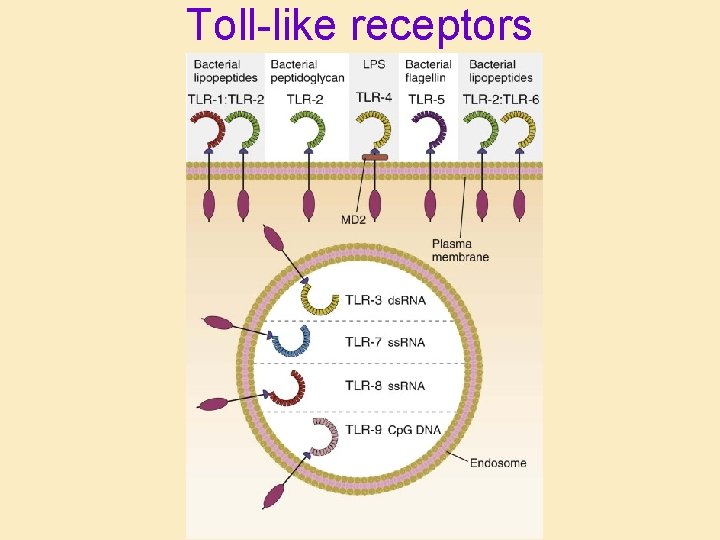
Recognizing pathogens: Pathogen. Associated Molecular Patterns (PAMPs) • Characteristic molecules expressed by classes of microorganisms: – Bacteria: Cell wall and cell membrane components, capsules – Viruses: DNA, RNA, coat proteins – Fungi, parasites: Surface molecules – Microbe-associated (MAMPs) • Pathogen response receptors (PRRs)
Toll-like receptors
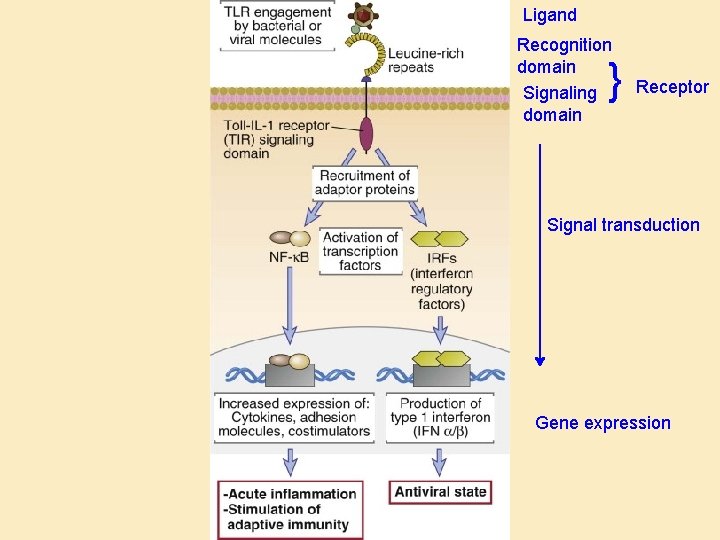
Ligand Recognition domain Signaling domain } Receptor Signal transduction Gene expression
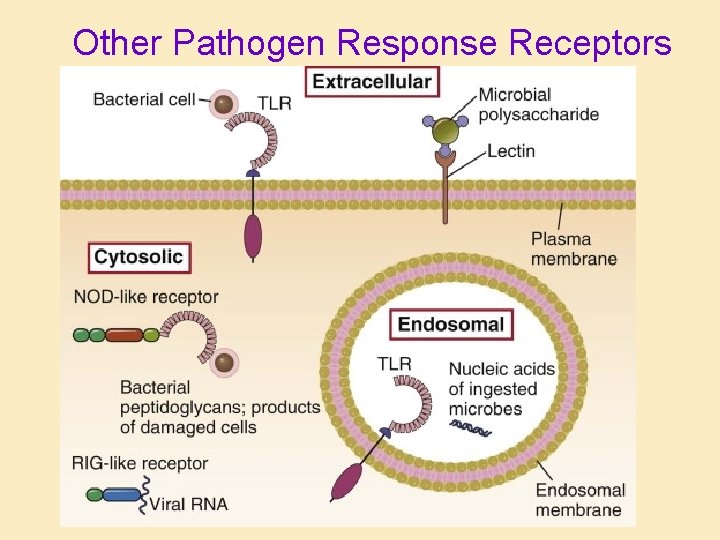
Other Pathogen Response Receptors
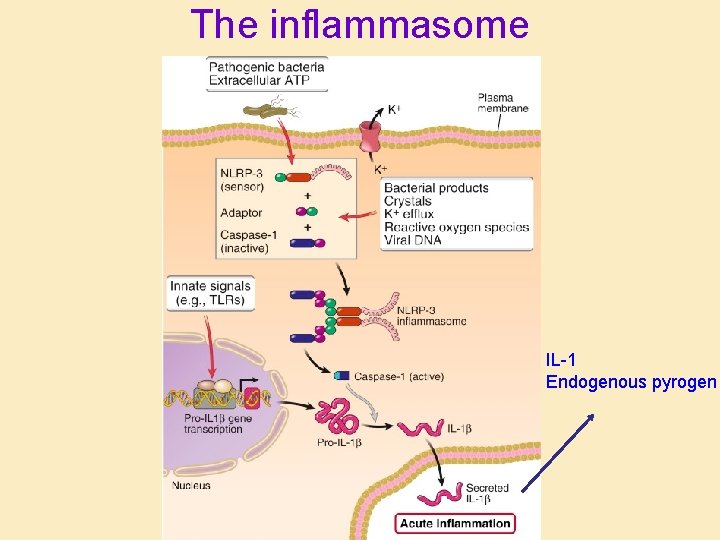
The inflammasome IL-1 Endogenous pyrogen
Pathogen? Helpful microbe? Non-pathogen? Damaged host cell? Some of each?
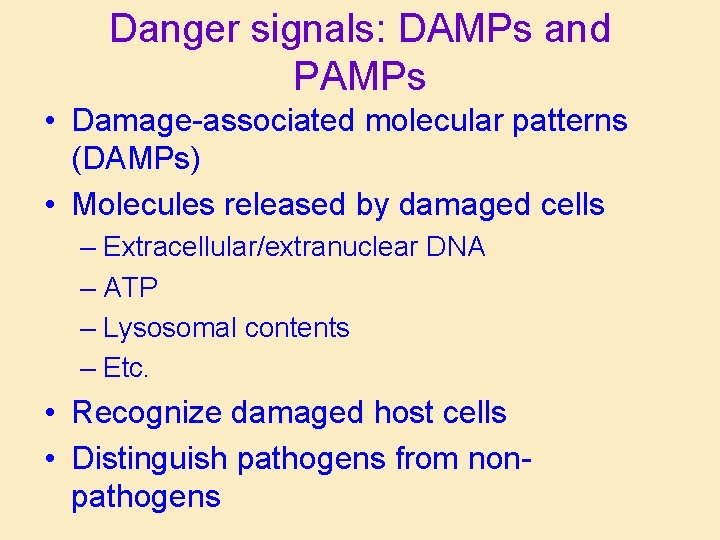
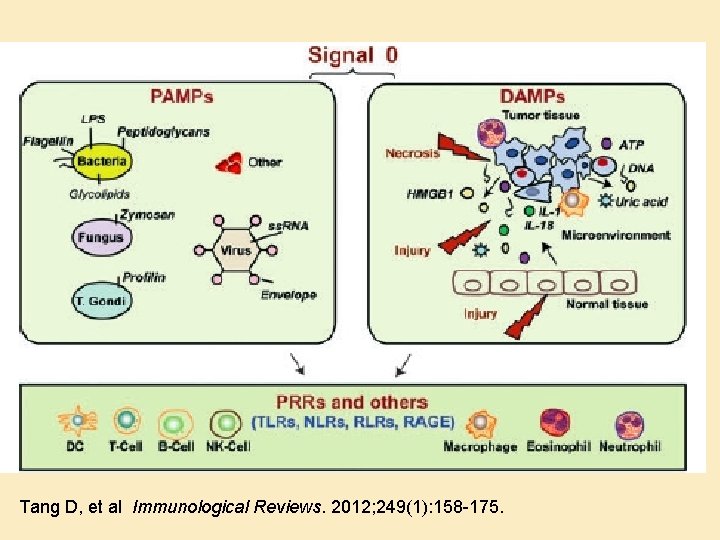
Danger signals: DAMPs and PAMPs • Damage-associated molecular patterns (DAMPs) • Molecules released by damaged cells – Extracellular/extranuclear DNA – ATP – Lysosomal contents – Etc. • Recognize damaged host cells • Distinguish pathogens from nonpathogens
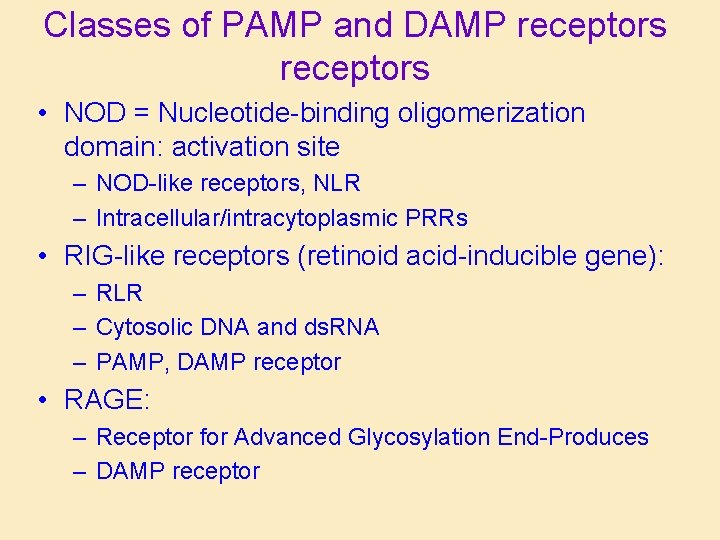
Classes of PAMP and DAMP receptors • NOD = Nucleotide-binding oligomerization domain: activation site – NOD-like receptors, NLR – Intracellular/intracytoplasmic PRRs • RIG-like receptors (retinoid acid-inducible gene): – RLR – Cytosolic DNA and ds. RNA – PAMP, DAMP receptor • RAGE: – Receptor for Advanced Glycosylation End-Produces – DAMP receptor
Tang D, et al Immunological Reviews. 2012; 249(1): 158 -175.
Functions of the innate immune system • • Barriers: Physical, chemical, microbial Recognition: PAMPs Remove and destroy: Phagocytes Distinguish self and non-self: NK cells
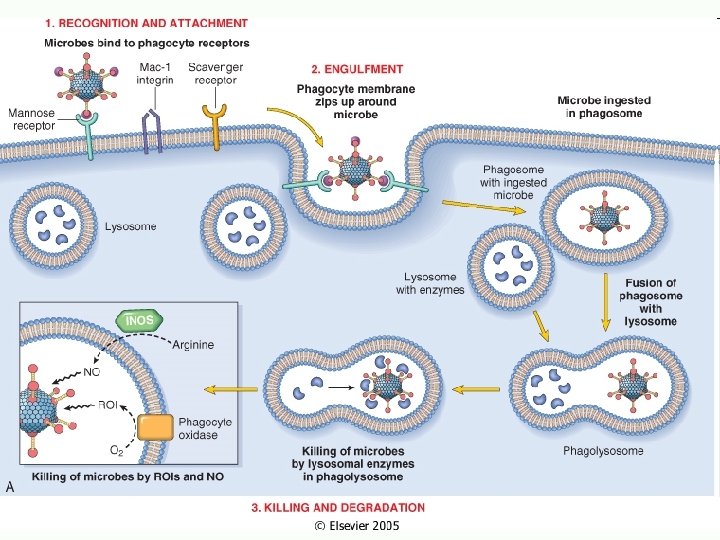
Phagocyte functions • Phagocytes: Neutrophils, Macrophages, Dendritic cells – Recognition, removal and killing of pathogens – Release of necrotizing enzymes – Cytokine and chemokine secretion • Induction of an adaptive response
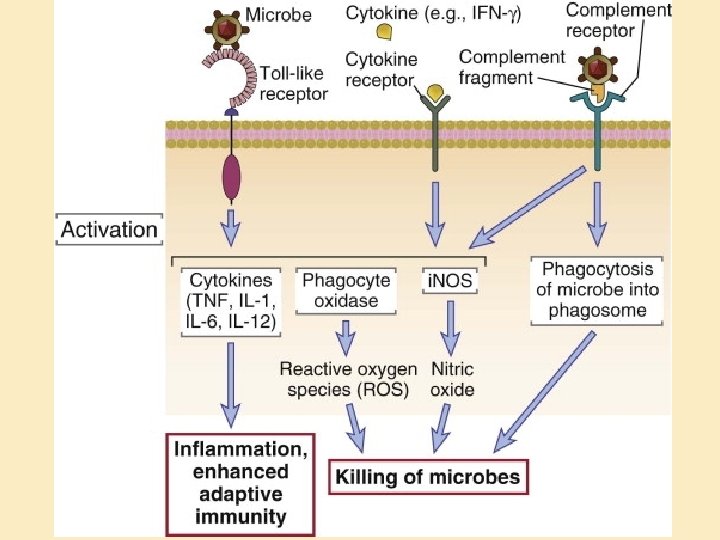
Consequences of pattern recognition by phagocytes • Binding, internalization and degradation (killing) • Release of toxic products/tissue destruction • Cytokine production • Inflammation • Activation of adaptive immunity
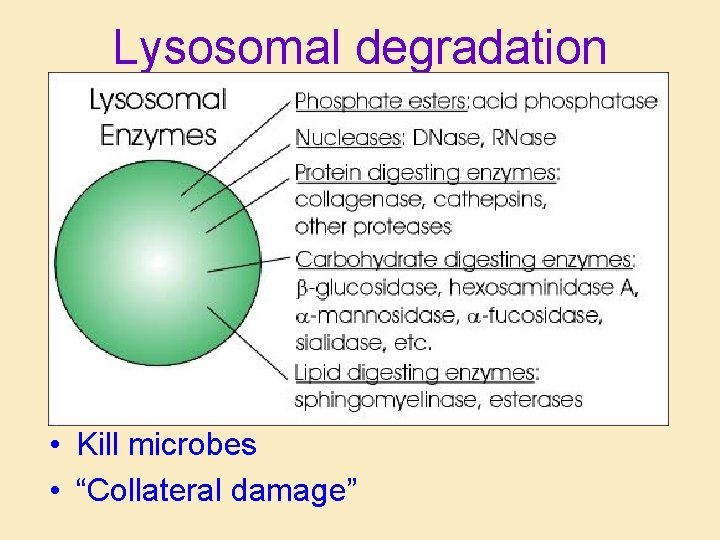
Lysosomal degradation • Kill microbes • “Collateral damage”
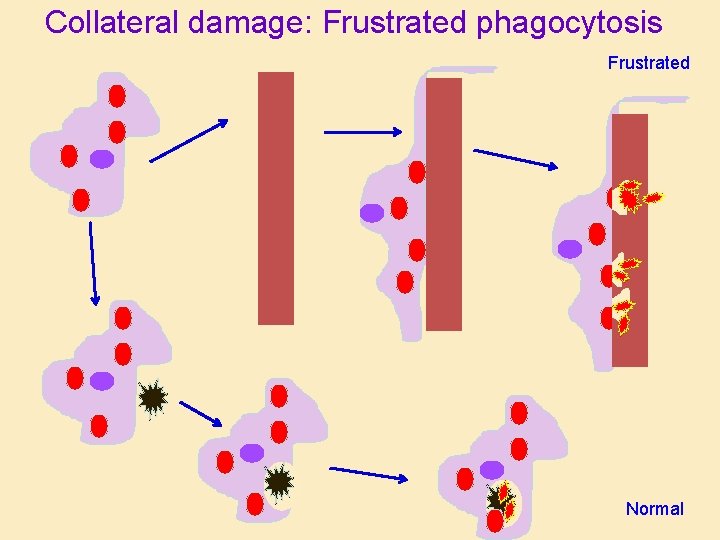
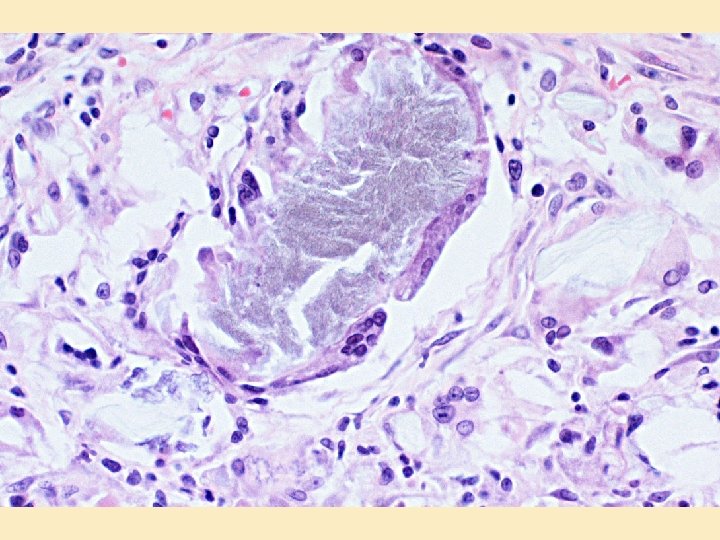
Collateral damage: Frustrated phagocytosis Frustrated Normal
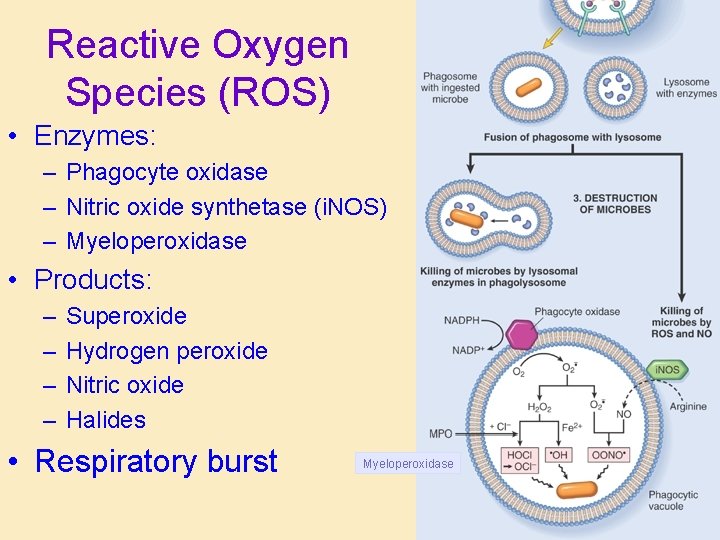
Reactive Oxygen Species (ROS) • Enzymes: – Phagocyte oxidase – Nitric oxide synthetase (i. NOS) – Myeloperoxidase • Products: – – Superoxide Hydrogen peroxide Nitric oxide Halides • Respiratory burst Myeloperoxidase
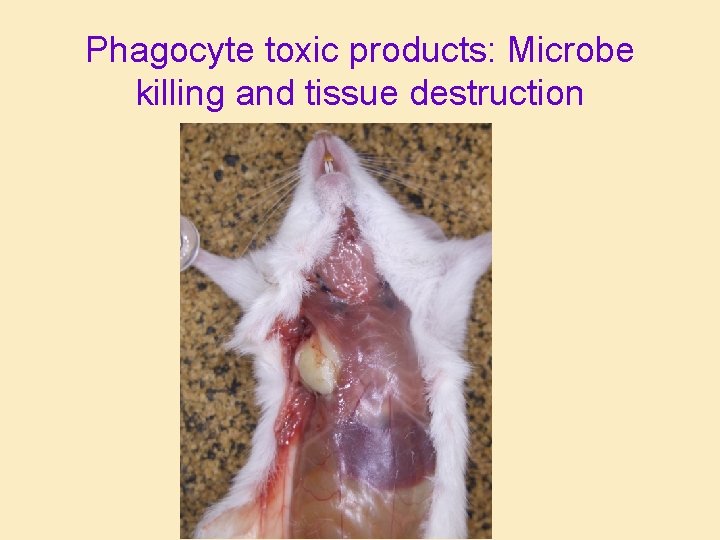
Gross photo alert!
Phagocyte toxic products: Microbe killing and tissue destruction
Functions of the innate immune system • • Barriers: Physical, chemical, microbial Recognition: PAMPs Remove and destroy: Phagocytes Distinguish self and non-self: NK cells
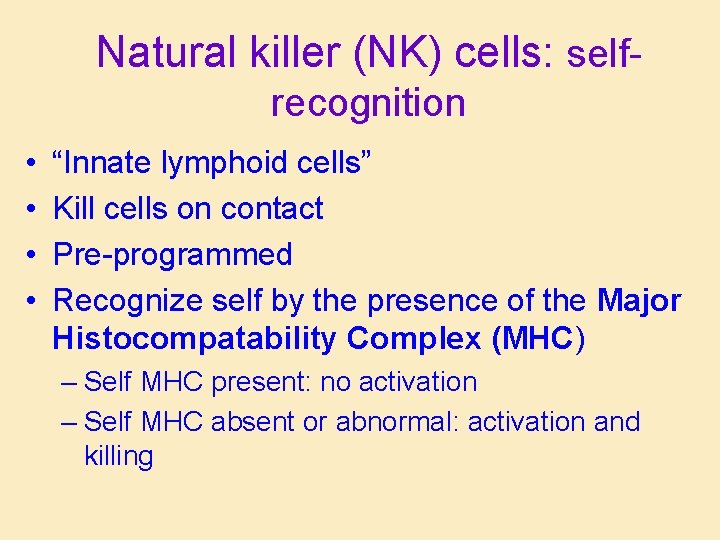
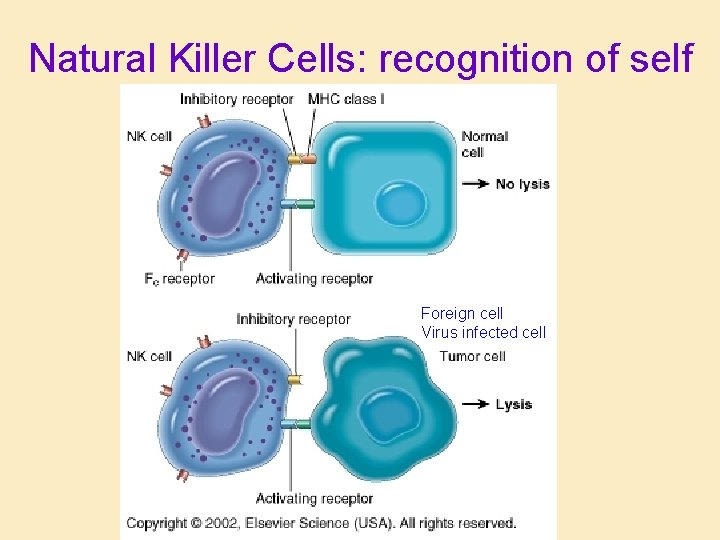
Natural killer (NK) cells: selfrecognition • • “Innate lymphoid cells” Kill cells on contact Pre-programmed Recognize self by the presence of the Major Histocompatability Complex (MHC) – Self MHC present: no activation – Self MHC absent or abnormal: activation and killing
Natural Killer Cells: recognition of self Foreign cell Virus infected cell
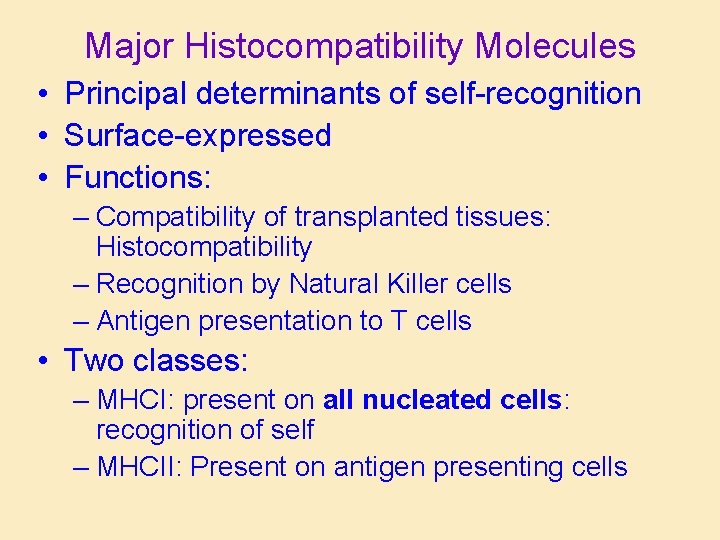
Major Histocompatibility Molecules • Principal determinants of self-recognition • Surface-expressed • Functions: – Compatibility of transplanted tissues: Histocompatibility – Recognition by Natural Killer cells – Antigen presentation to T cells • Two classes: – MHCI: present on all nucleated cells: recognition of self – MHCII: Present on antigen presenting cells
When is self-MHC absent or abnormal? • Non-self MHC (example? ) • Abnormal self-MHC (examples? )
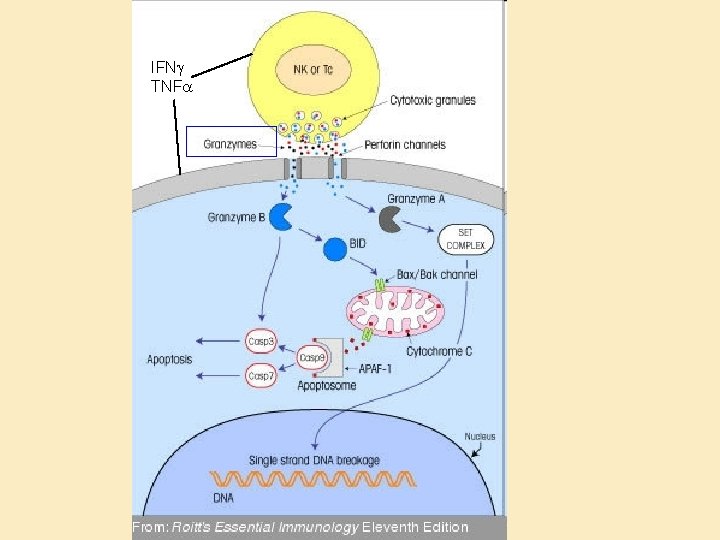
Killing by NK cells • Kill by contact: “Kiss of death” • Pore formation • Induce apoptosis – Toxic granules secreted directly into target cells – Cytokine production
IFNg TNFa
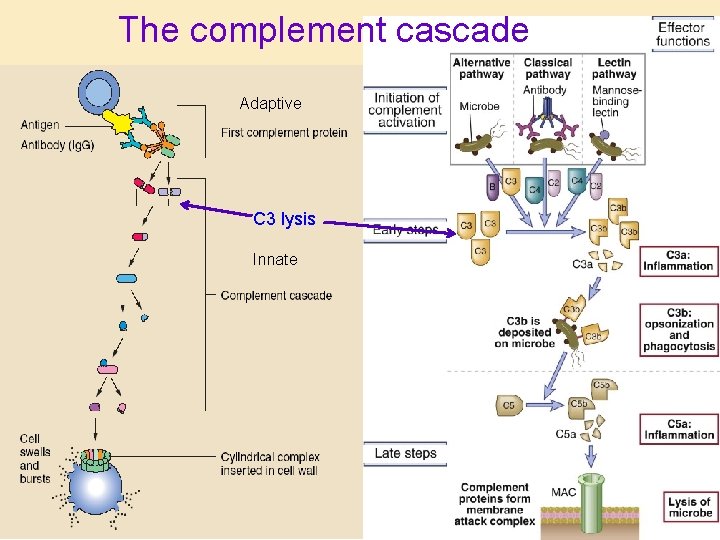
Complement • 20+ plasma proteins and cleavage products • Proteolytic cascade(s) • Designated by C# • Innate and adaptive immunity
Complement: History • 1890 -1900 • Bactericidal serum factors – Heat-labile: Non-specific, bactericidal – Heat-stable: micro-organism specific • Heat-labile factor is necessary for (“complements”) activity of the heat stable factor • Heat-stable = antibodies • Heat-labile = complement
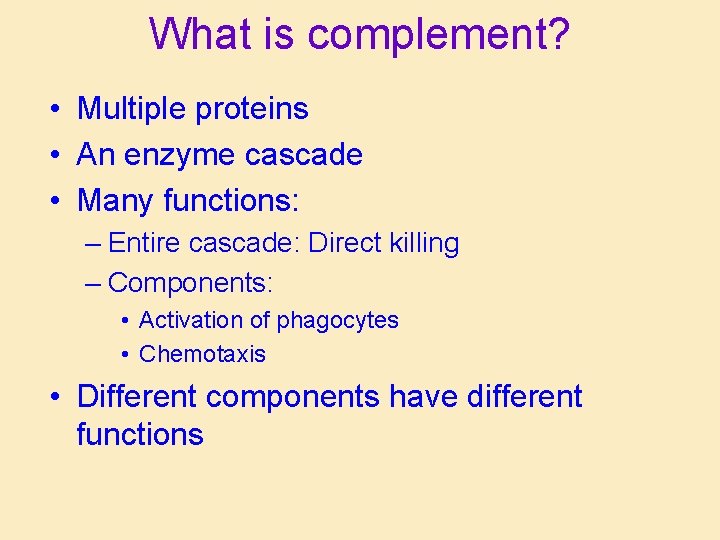
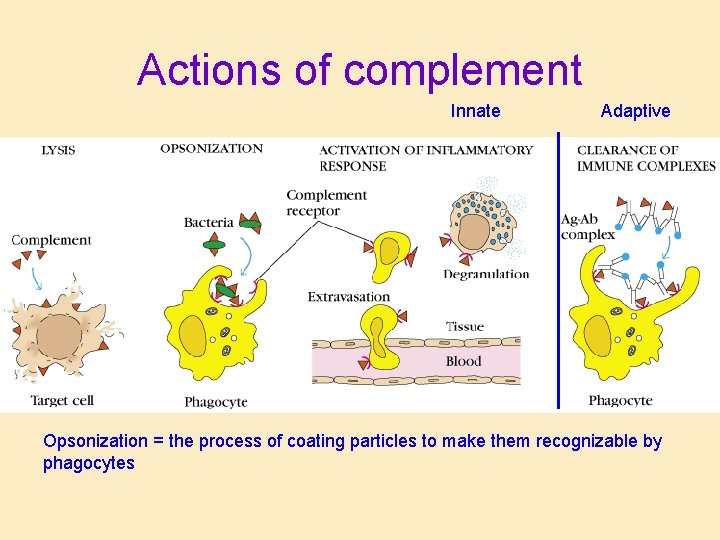
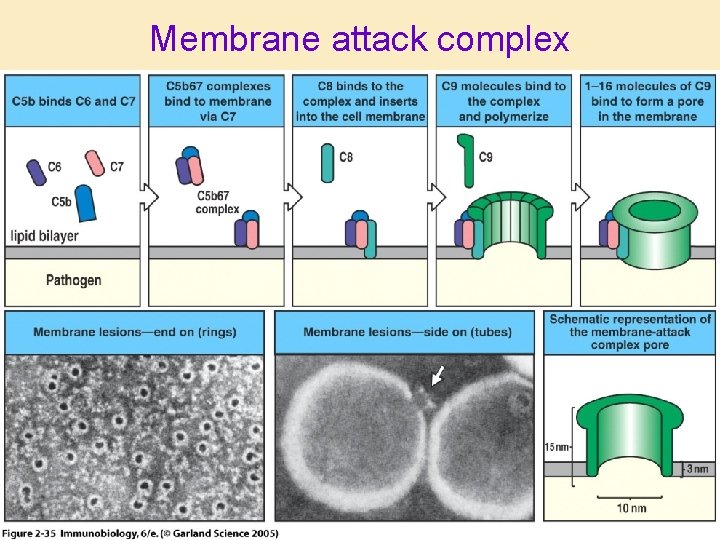
What is complement? • Multiple proteins • An enzyme cascade • Many functions: – Entire cascade: Direct killing – Components: • Activation of phagocytes • Chemotaxis • Different components have different functions
The complement cascade Adaptive C 3 lysis Innate
Actions of complement Innate Adaptive Opsonization = the process of coating particles to make them recognizable by phagocytes
Membrane attack complex
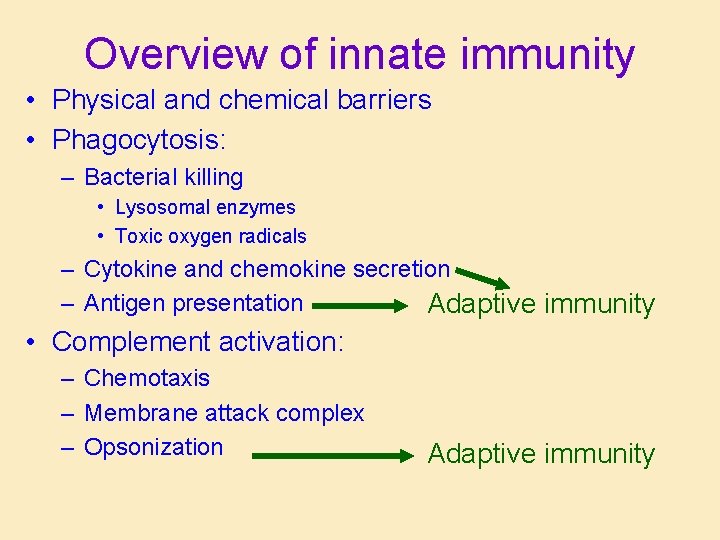
Overview of innate immunity • Physical and chemical barriers • Phagocytosis: – Bacterial killing • Lysosomal enzymes • Toxic oxygen radicals – Cytokine and chemokine secretion – Antigen presentation Adaptive immunity • Complement activation: – Chemotaxis – Membrane attack complex – Opsonization Adaptive immunity