
THE INDUSTRIAL REVOLUTION CAUSES EFFECTS AND LONGTERM IMPACTS


- Slides: 24
THE INDUSTRIAL REVOLUTION CAUSES, EFFECTS, AND LONG-TERM IMPACTS
What was the Industrial Revolution? New manufacturing process that used machines (rather than humans) Revolutionized mass production from 1820 to 1840 Started with textiles Increased production, lowered costs of goods, led to new technologies Essential question: did the Industrial Revolution have a more positive or more negative impact on life?
New Changes Recap: what was the economy based on before the Industrial Rev? Predict: that? how would the Industrial Rev change
SHORT-TERM EFFECTS THINGS GOT REALLY BAD REALLY QUICKLY
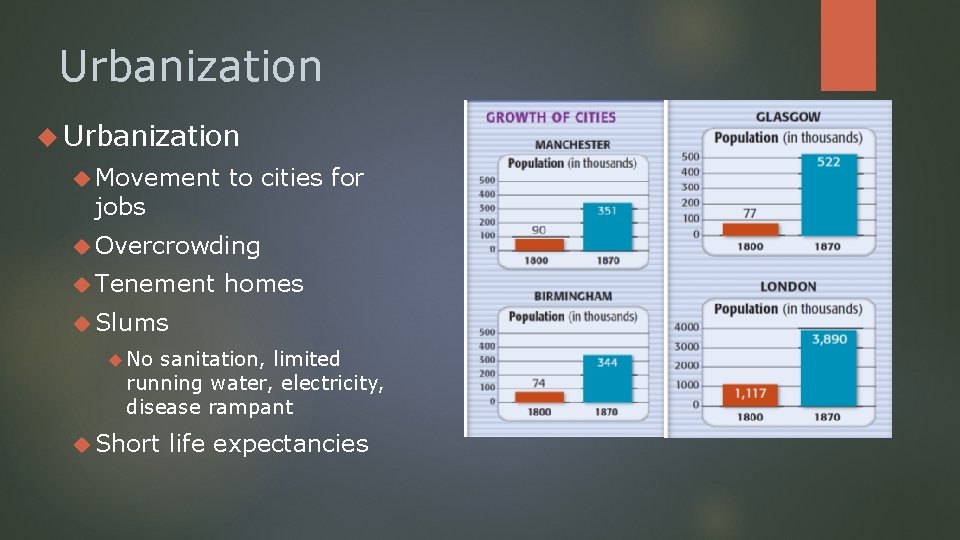
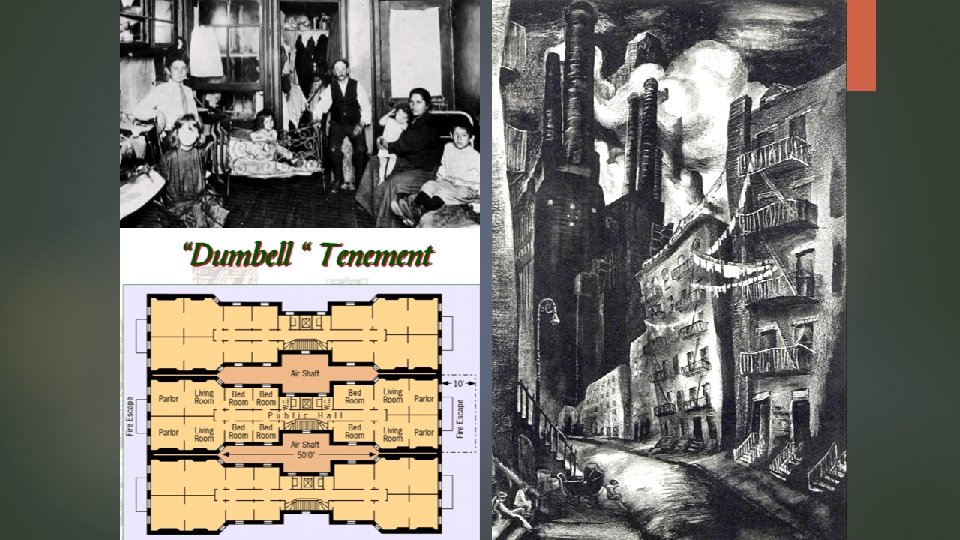
Urbanization Movement jobs to cities for Overcrowding Tenement homes Slums No sanitation, limited running water, electricity, disease rampant Short life expectancies
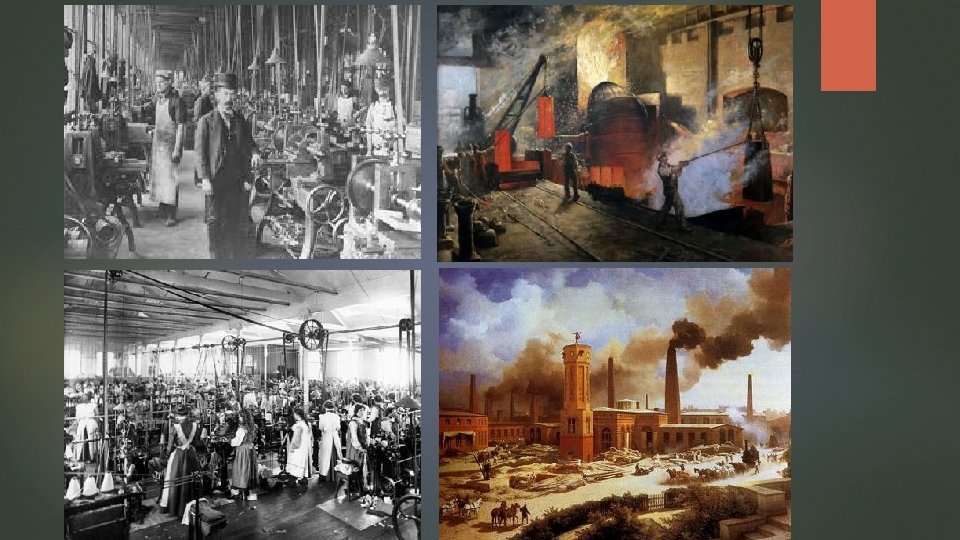
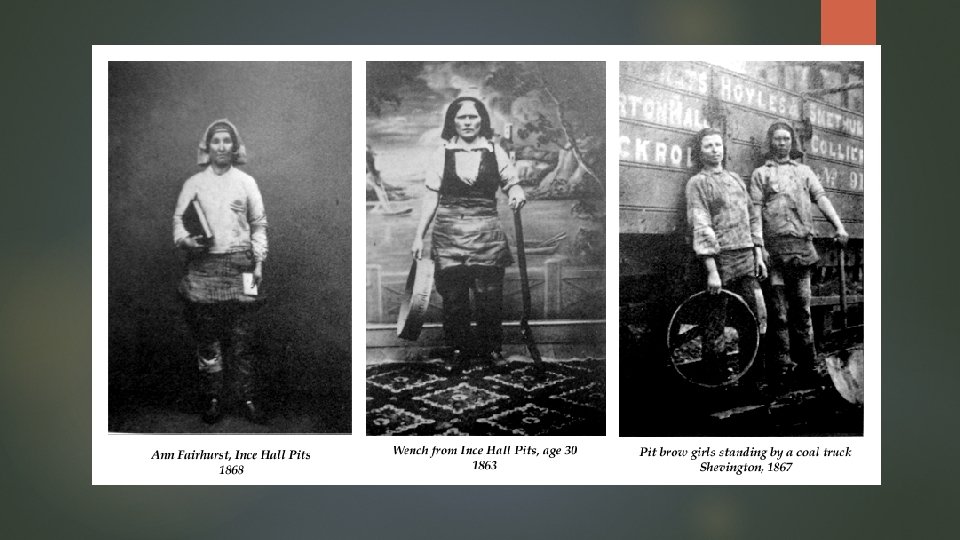
Working Conditions and Wages Factory Less system skilled (no more apprenticeships or masters) Conditions …. coal Long Not were dirty, dangerous, and unhealthy mines, anyone? hours (12 -16 hrs) paid well (women and children less than men for same work)
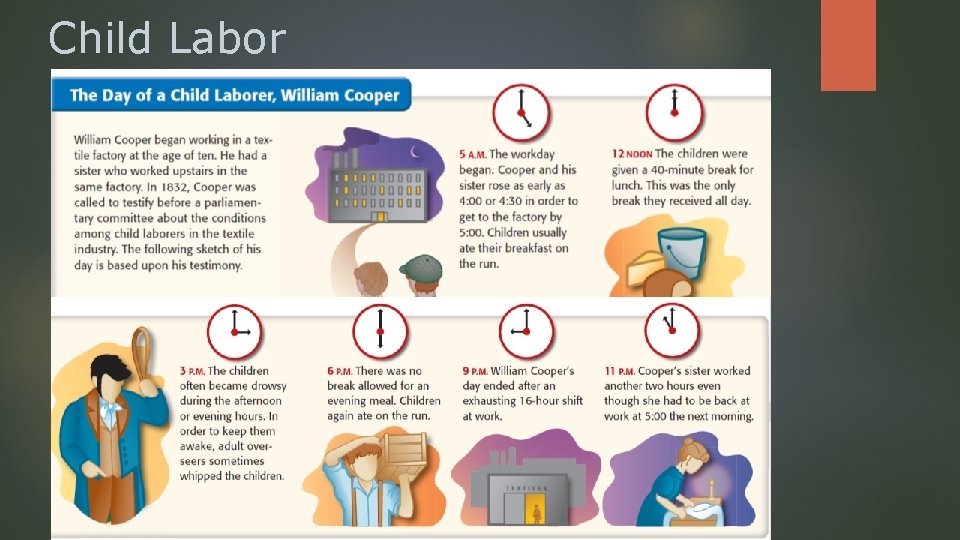
Child Labor
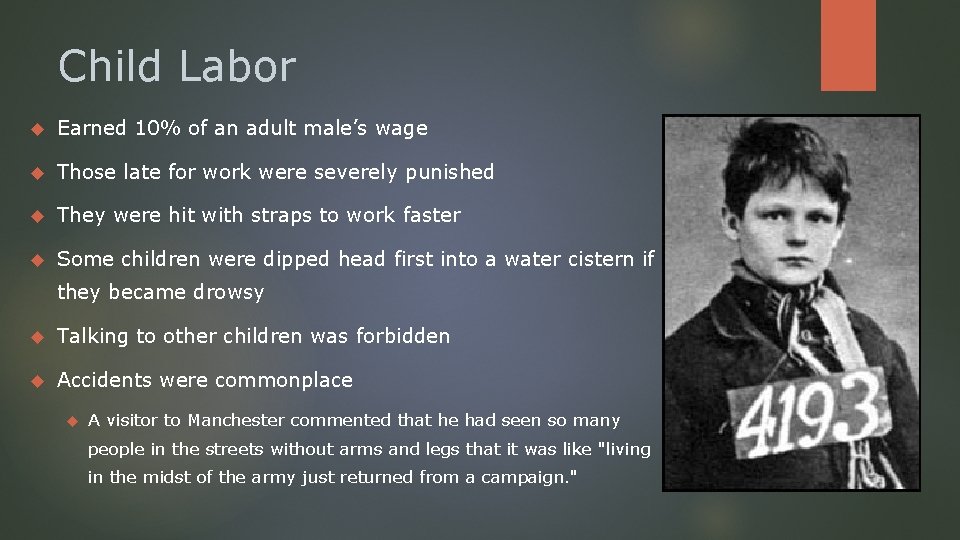
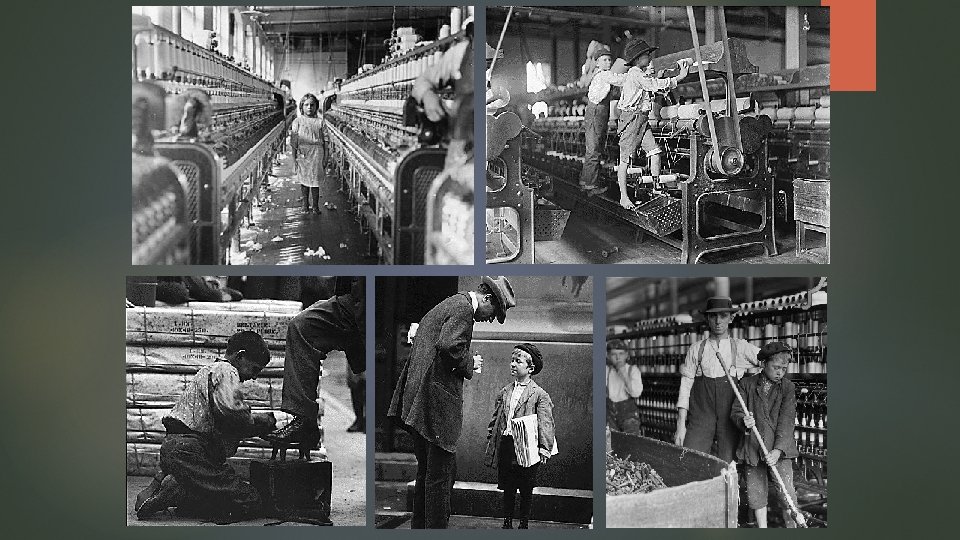
Child Labor Earned 10% of an adult male’s wage Those late for work were severely punished They were hit with straps to work faster Some children were dipped head first into a water cistern if they became drowsy Talking to other children was forbidden Accidents were commonplace A visitor to Manchester commented that he had seen so many people in the streets without arms and legs that it was like "living in the midst of the army just returned from a campaign. "
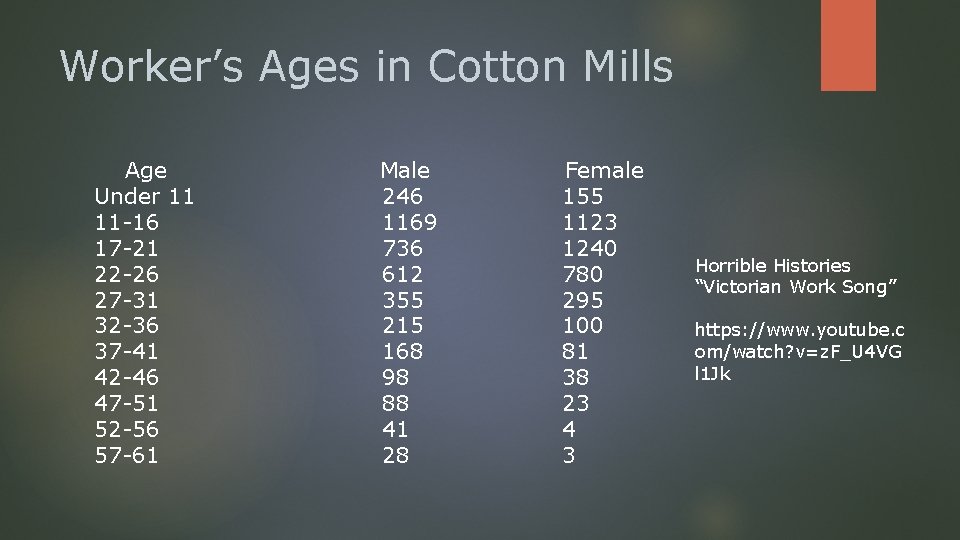
Worker’s Ages in Cotton Mills Age Under 11 11 -16 17 -21 22 -26 27 -31 32 -36 37 -41 42 -46 47 -51 52 -56 57 -61 Male 246 1169 736 612 355 215 168 98 88 41 28 Female 155 1123 1240 780 295 100 81 38 23 4 3 Horrible Histories “Victorian Work Song” https: //www. youtube. c om/watch? v=z. F_U 4 VG l 1 Jk
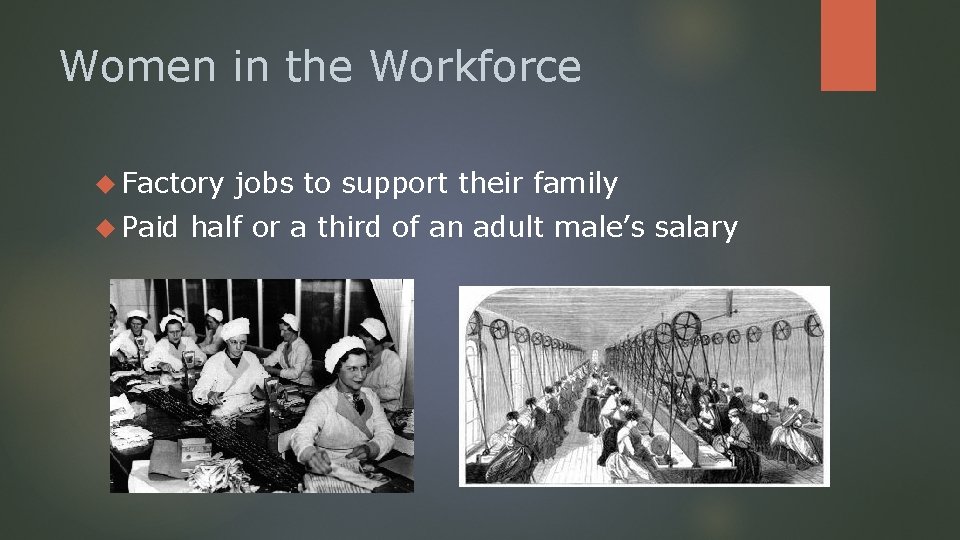
Women in the Workforce Factory Paid jobs to support their family half or a third of an adult male’s salary
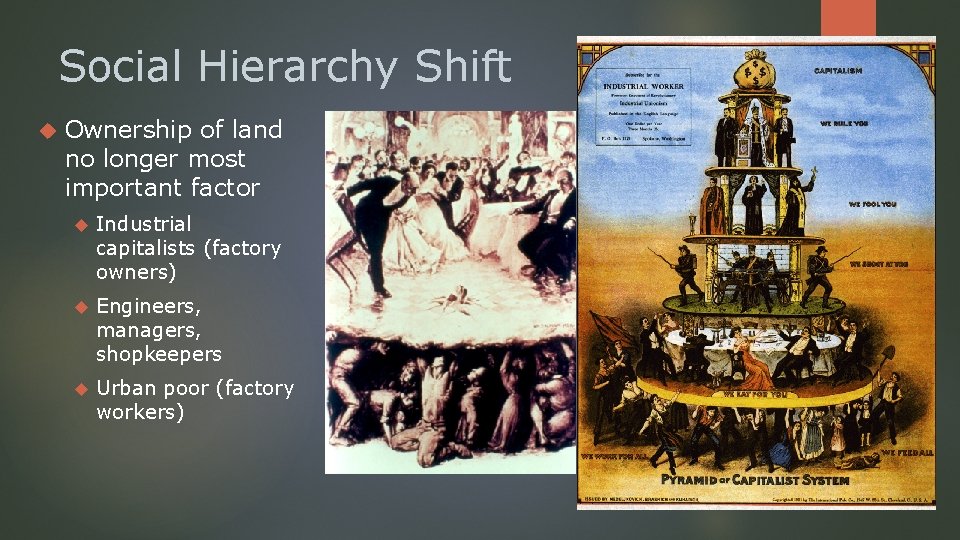
Social Hierarchy Shift Ownership of land no longer most important factor Industrial capitalists (factory owners) Engineers, managers, shopkeepers Urban poor (factory workers)
Imperialism Countries needed more raw materials to fuel the growing Industrial Revolution and demand by the people Where will they go? Southeast Asia Africa How will they treat their new colonies? Direct/strict control (they lost their American colonies because of indirect control – wouldn’t make that mistake again)
How did people respond to the changes and abuses of the Industrial Revolution? With a partner, predict demands and reforms ask by each of the following social groups: Women Children Wages Factory Living conditions
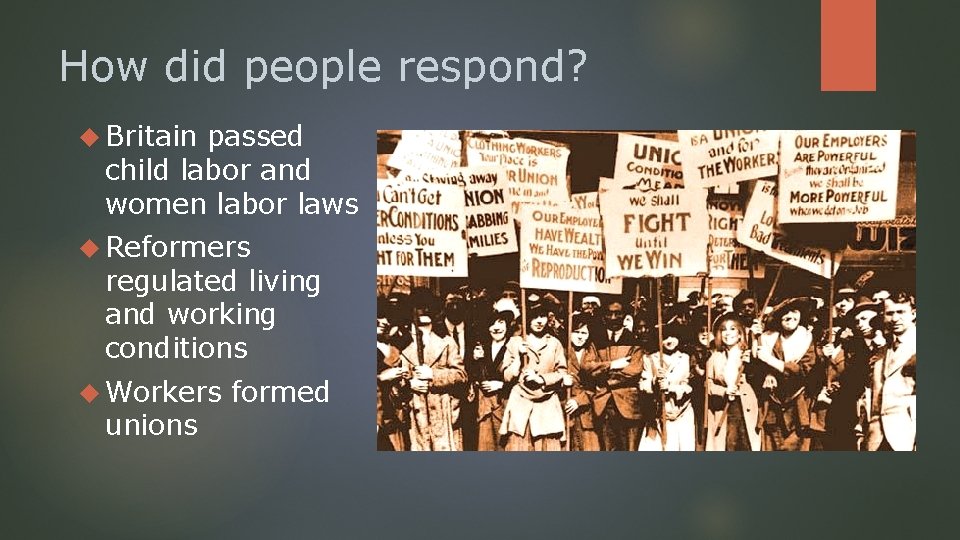
How did people respond? Britain passed child labor and women labor laws Reformers regulated living and working conditions Workers unions formed
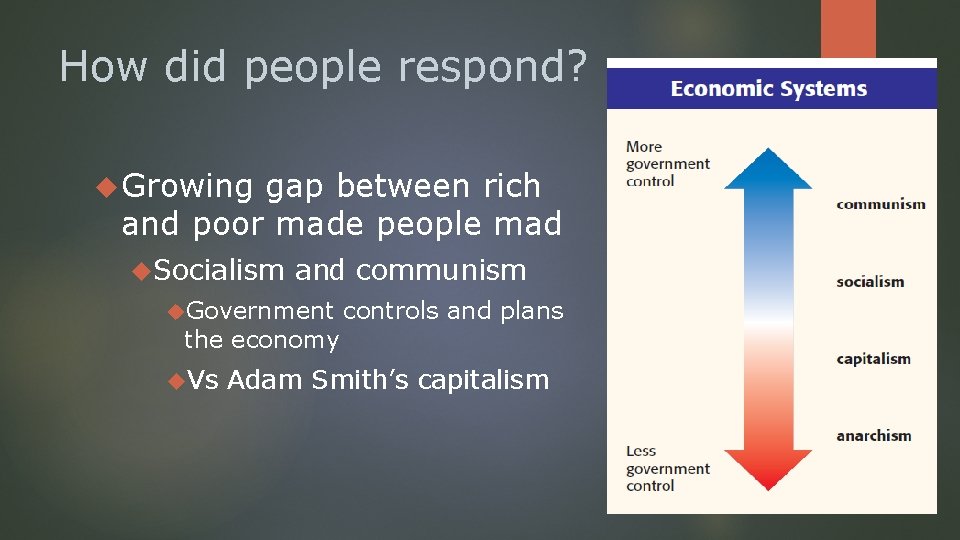
How did people respond? Growing gap between rich and poor made people mad Socialism and communism Government the economy Vs controls and plans Adam Smith’s capitalism
LONG-TERM EFFECTS ENOUGH DEPRESSING STUFF; LET’S DISCUSS HAPPY IMPACTS
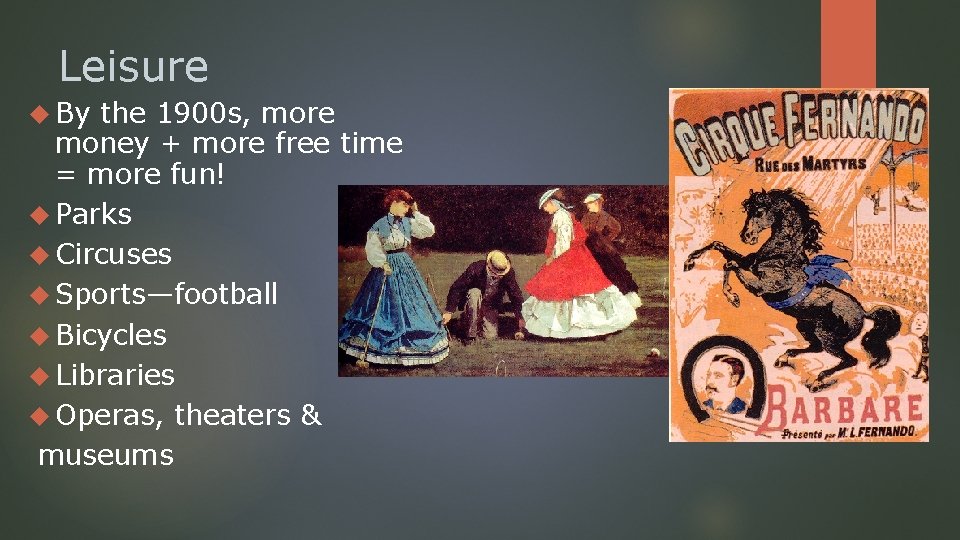
Leisure By the 1900 s, more money + more free time = more fun! Parks Circuses Sports—football Bicycles Libraries Operas, theaters & museums
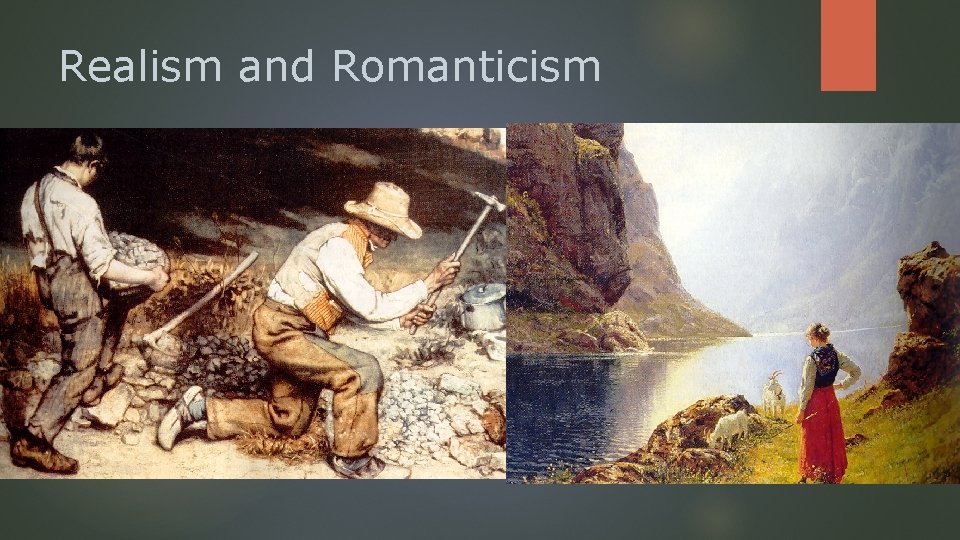
Realism and Romanticism
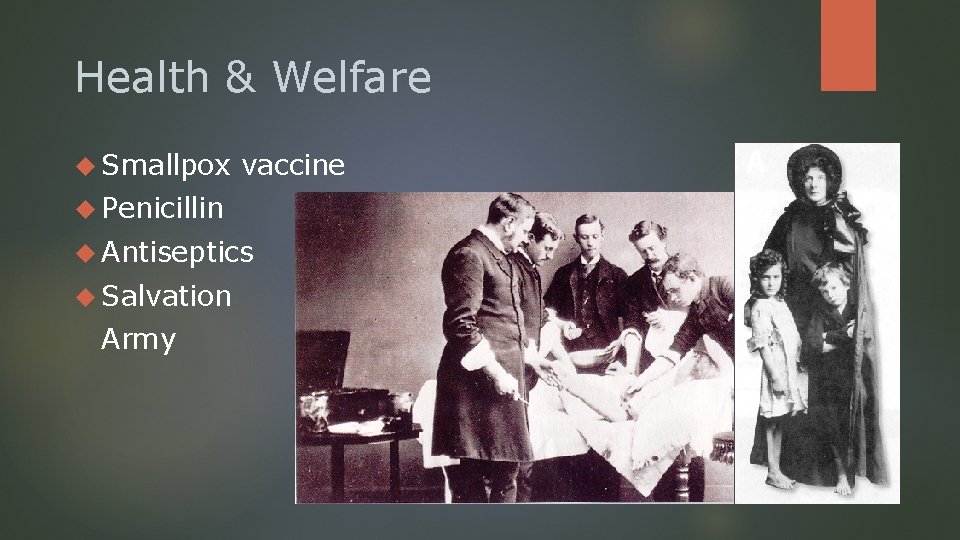
Health & Welfare Smallpox vaccine Penicillin Antiseptics Salvation Army
Closure Respond to one of the two following short-response prompts: Do you think we’re currently undergoing a new revolution? What would it be called? How will it impact society? What will history books write about your generation? Did the Industrial Revolution have more positive or negative consequences? Were the short-term atrocities negated by the long-term impacts? Would communism have been as wide-spread