
The Industrial Revolution 1750 1850 SMART START 1

- Slides: 62
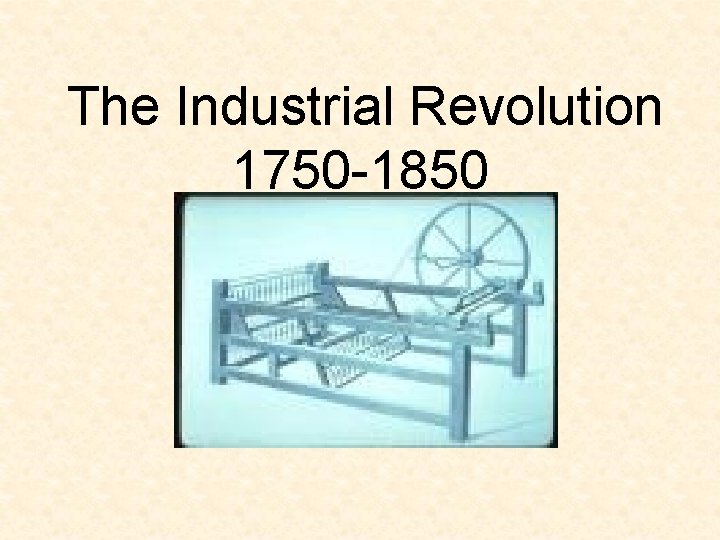
The Industrial Revolution 1750 -1850
SMART START: • 1. What was the Industrial Revolution? • 2. How did it impact Europe? What changes occurred? • 3. How is this revolution different than others in the past?
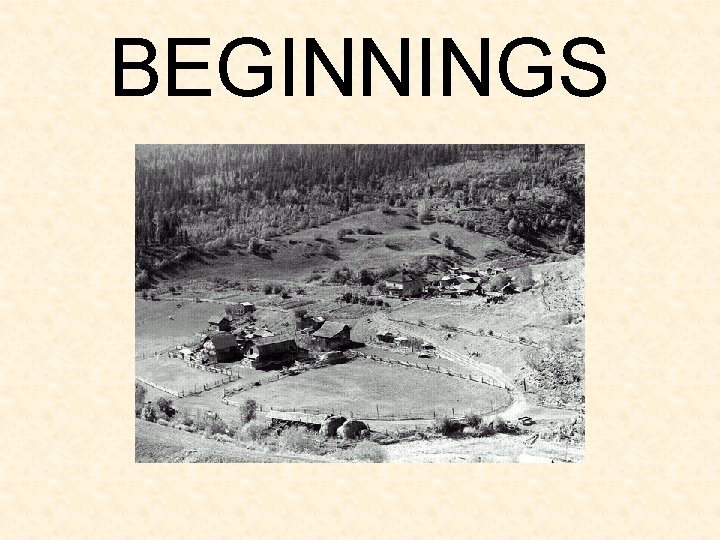
BEGINNINGS
What were some contributing factors of the Industrial Revolution?
1. The Agricultural Revolution 1. Expansion of more farmland 2. Improved weather patterns 3. Improved methods of transportation 4. New crops from various colonies (Potato= Very pop. in Ireland) 5. More food= less in price=more affordable 6. New methods to farm
Examples of the new methods: • Seed drill • Crop rotation • Selective breeding
What will a more abundant and reliable food source cause…?
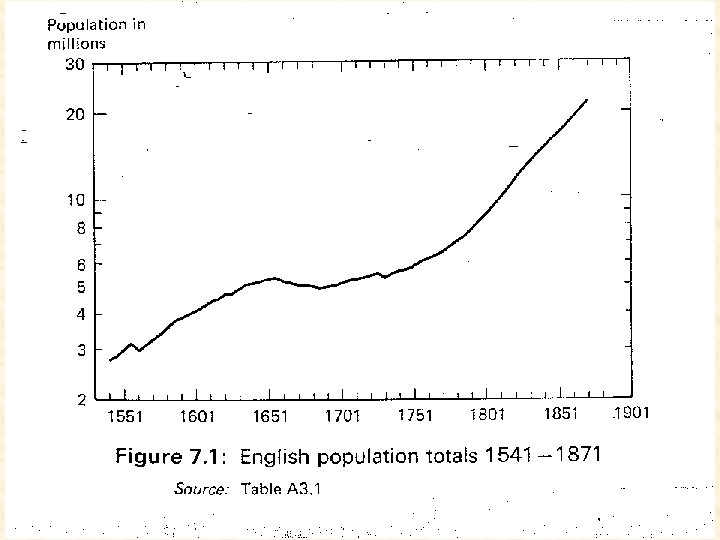
= soaring population
2. More food more people • People were eventually forced to move to the city in order for large landowners to fence off more land for growing food • Transition from an suburban society to urban society
3. Money…Money
So who had the money (Capital)? ? • Britain • Ready supply of money (From where? ? ? ) • Able to invest in new machines/technology • Able to take chances/new opportunities (Entrepreneurs)
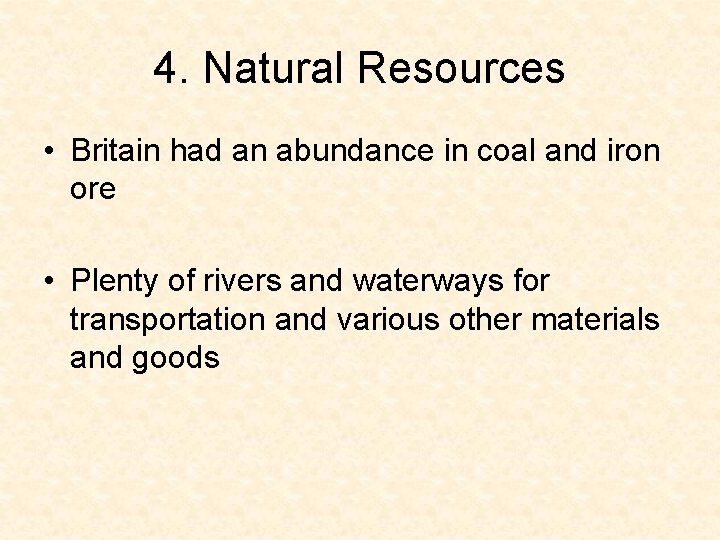
4. Natural Resources • Britain had an abundance in coal and iron ore • Plenty of rivers and waterways for transportation and various other materials and goods
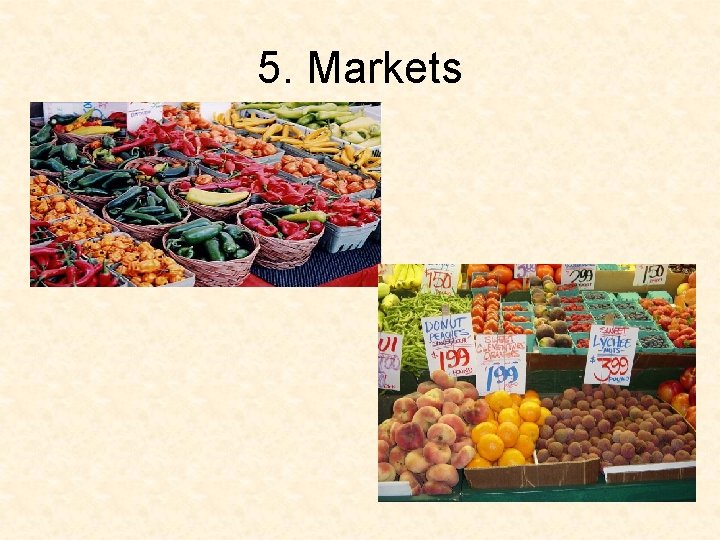
5. Markets
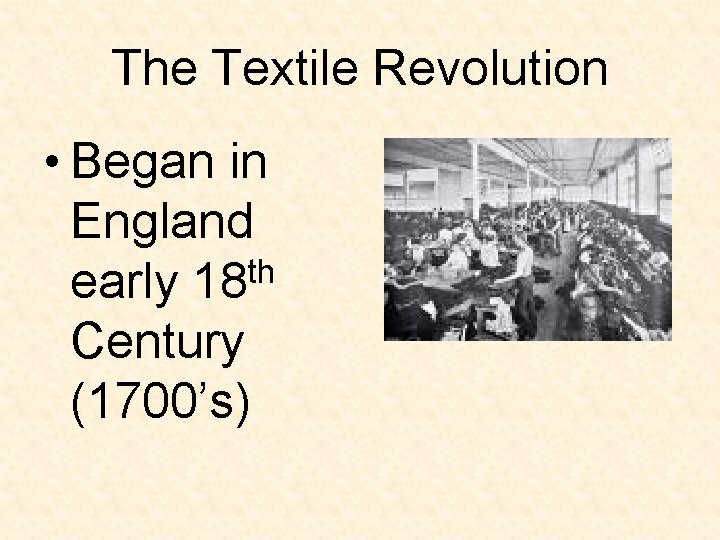
The Textile Revolution • Began in England th early 18 Century (1700’s)
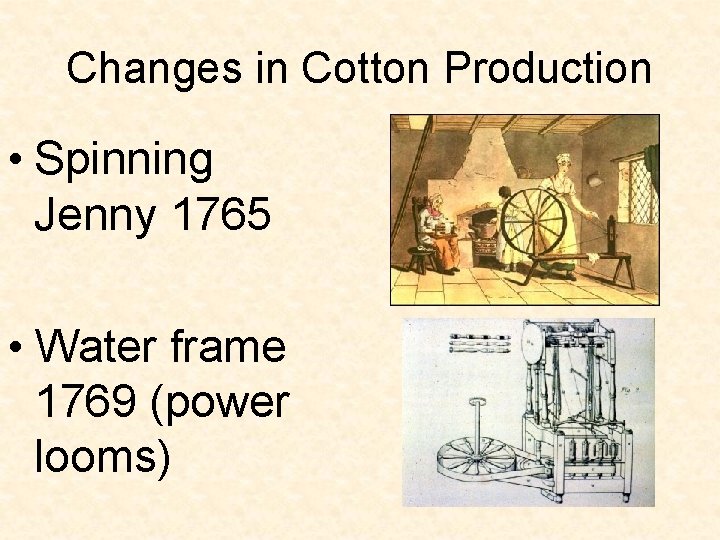
Changes in Cotton Production • Spinning Jenny 1765 • Water frame 1769 (power looms)
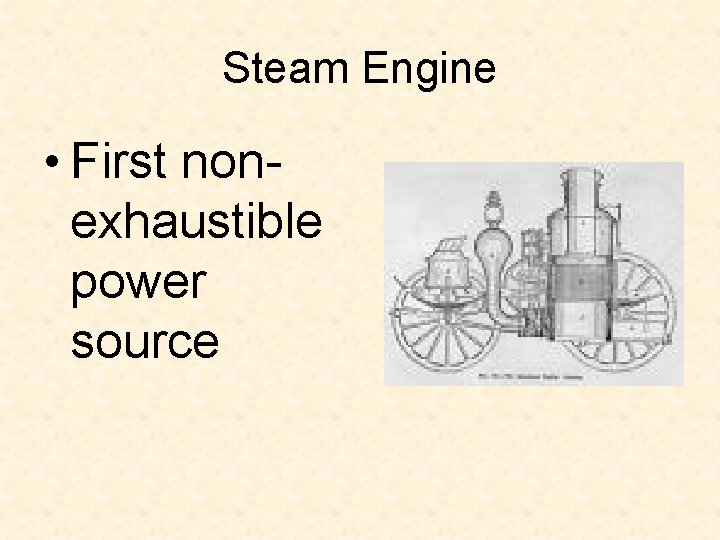
Steam Engine • First nonexhaustible power source
Improved Cotton Industry • Cotton Mills could now use steam powered machines to produce more • SEE last paragraph of page 364 • How fast did the cotton industry grow?
Coal, Iron, Railroads, and Factories
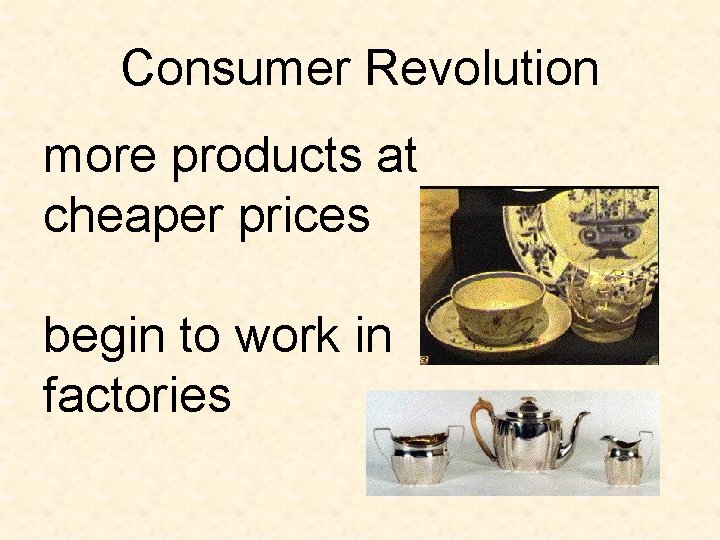
Consumer Revolution more products at cheaper prices begin to work in factories
More people + work available in factories = WHAT?
URBANIZATION What changes and problems will growing cities cause?
REVIEW Agricultural Revolution = growing population = Industrial Revolution
BEGINNINGS • Britain was the first country to have an economy based on industry because… (4 reasons) ?
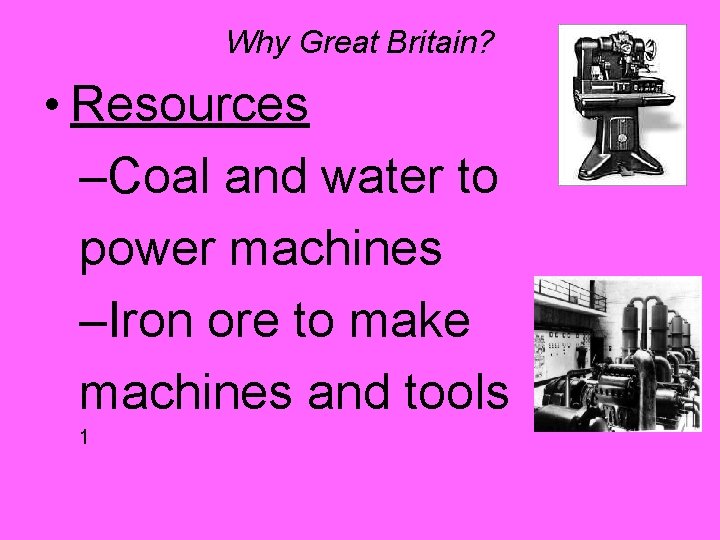
Why Great Britain? • Resources –Coal and water to power machines –Iron ore to make machines and tools 1
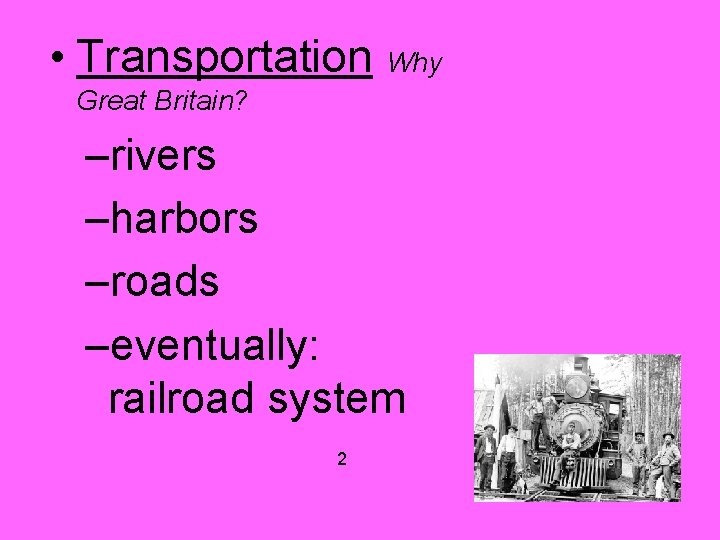
• Transportation Why Great Britain? –rivers –harbors –roads –eventually: railroad system 2
Why Great Britain? • Stable government –Monarchy had agreed to rights for people –Representative democracy/limited monarchy
• Wealth Why Great Britain? –Imperialism = resources & markets (more people to buy goods) –banks
Where did the Industrial Revolution Spread to? Examine the chart on page 366 How are Britain and America similar? Different?
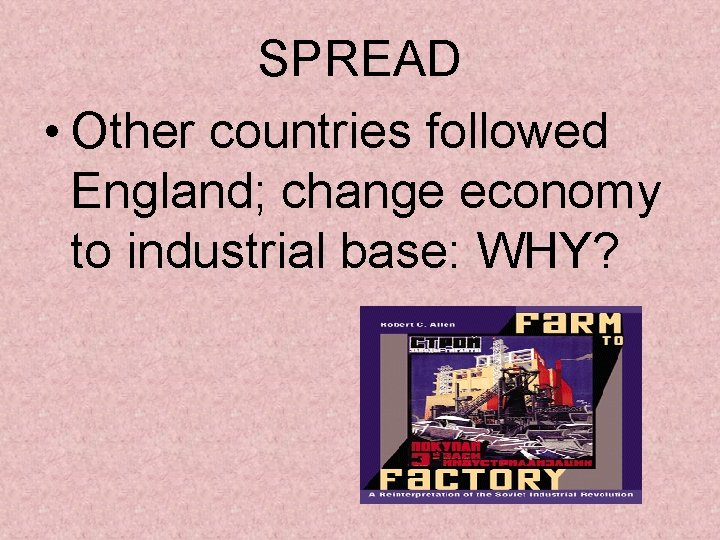
SPREAD • Other countries followed England; change economy to industrial base: WHY?
What impact did the Industrial Revolution have on society?
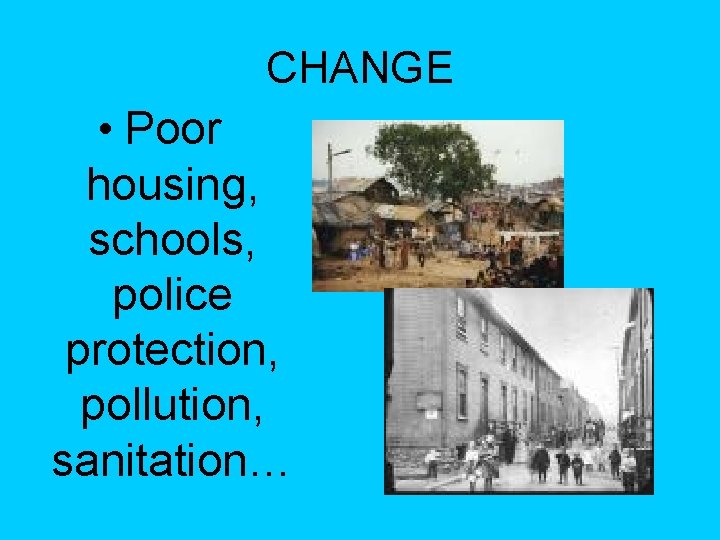
CHANGE • Poor housing, schools, police protection, pollution, sanitation…
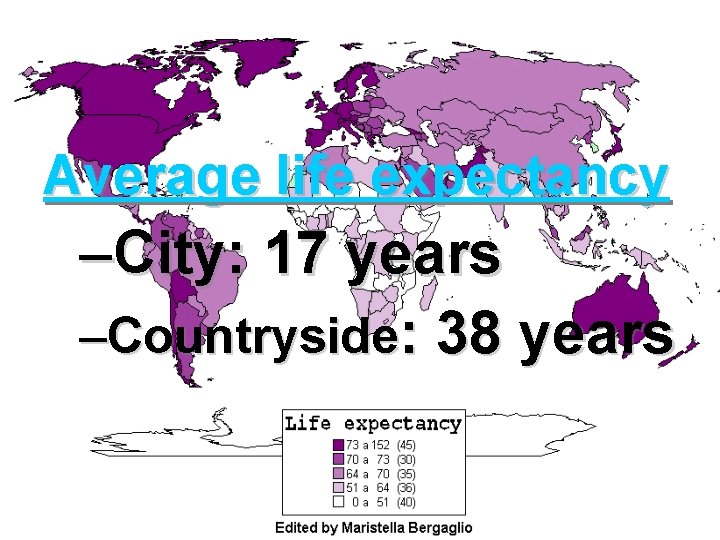
Average life expectancy –City: 17 years –Countryside: 38 years
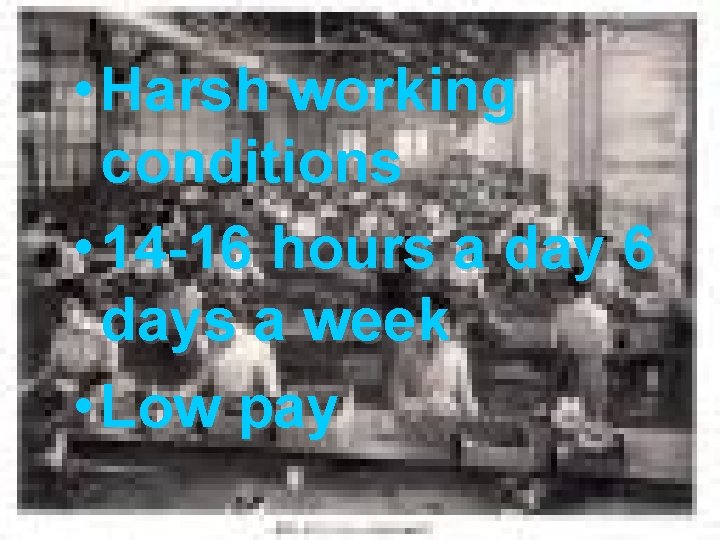
• Harsh working conditions • 14 -16 hours a day 6 days a week • Low pay
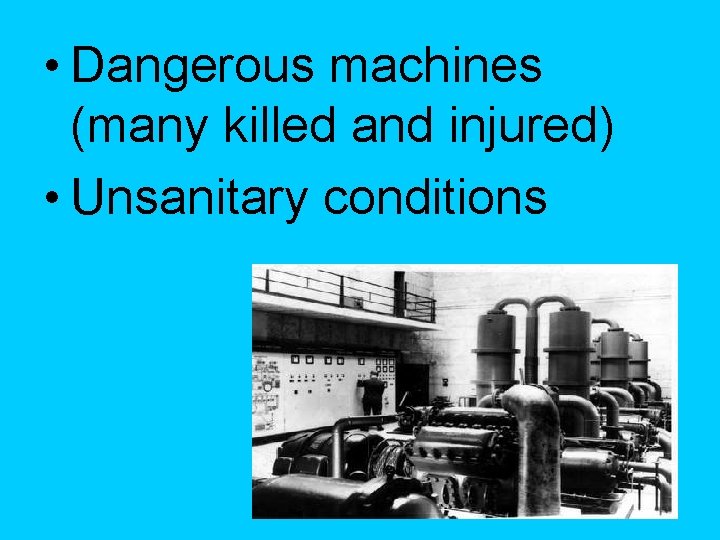
• Dangerous machines (many killed and injured) • Unsanitary conditions
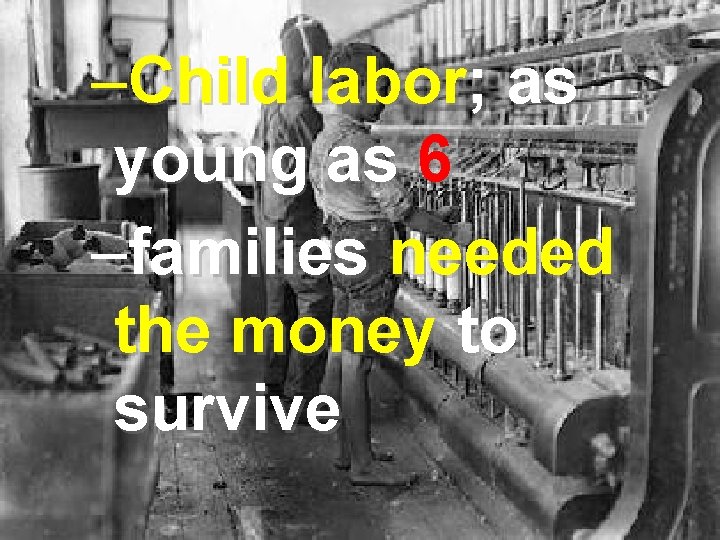
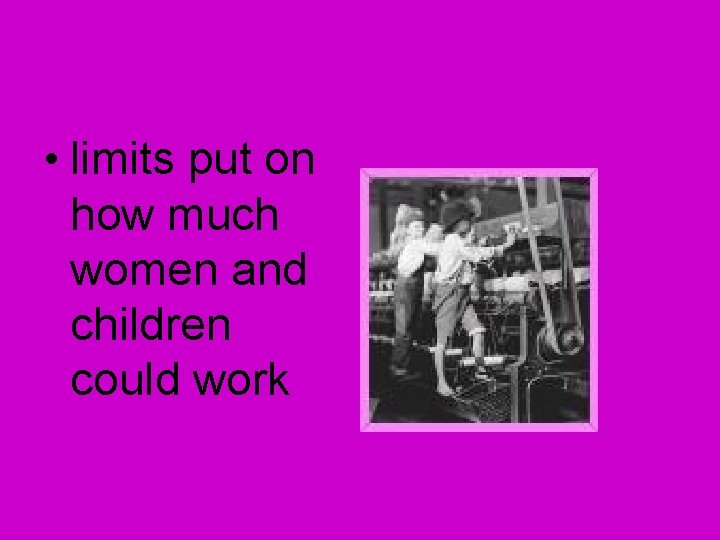
–Child labor; as young as 6 –families needed the money to survive
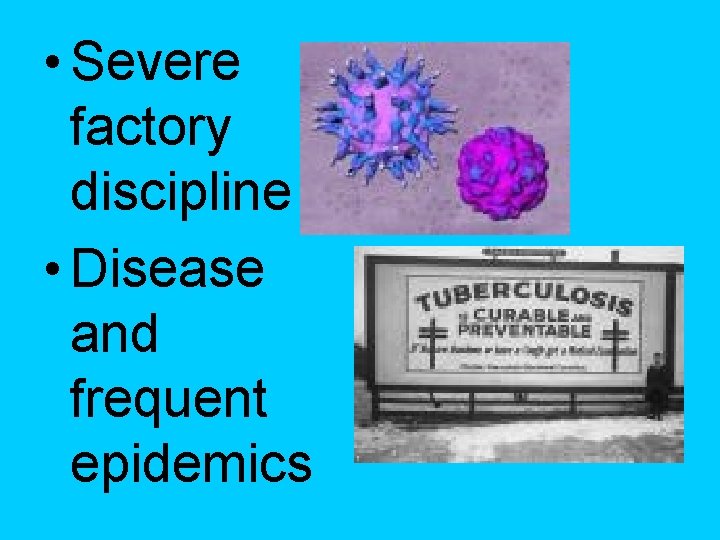
• Severe factory discipline • Disease and frequent epidemics
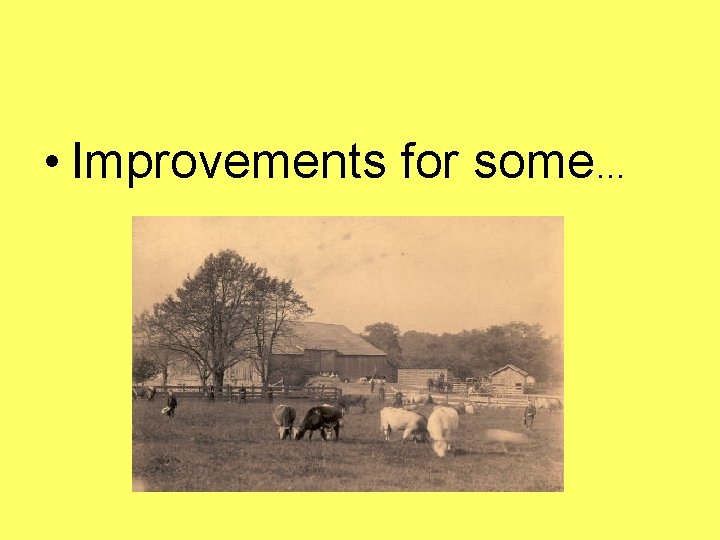
• Improvements for some…
• Middle class improved their lives. –skilled workers –professionals –business people –wealthy farmers
• increased gross national product • increased standard of living (wealth) • produced better diets, heated housing, and cheaper, better clothing
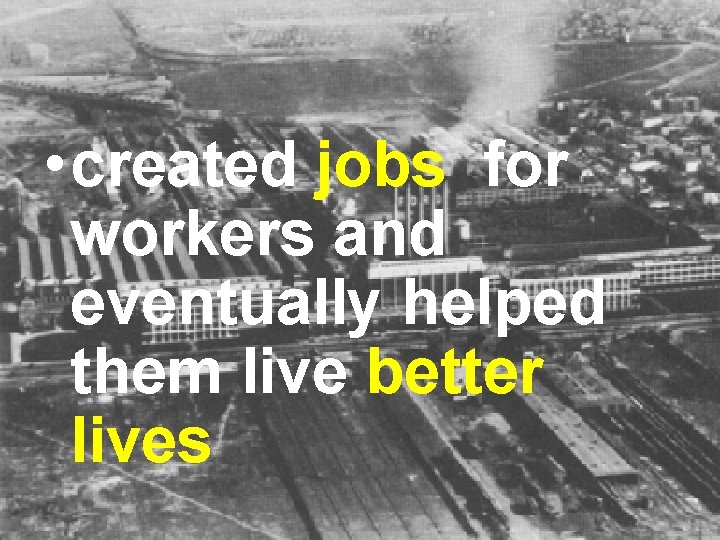
• created jobs for workers and eventually helped them live better lives
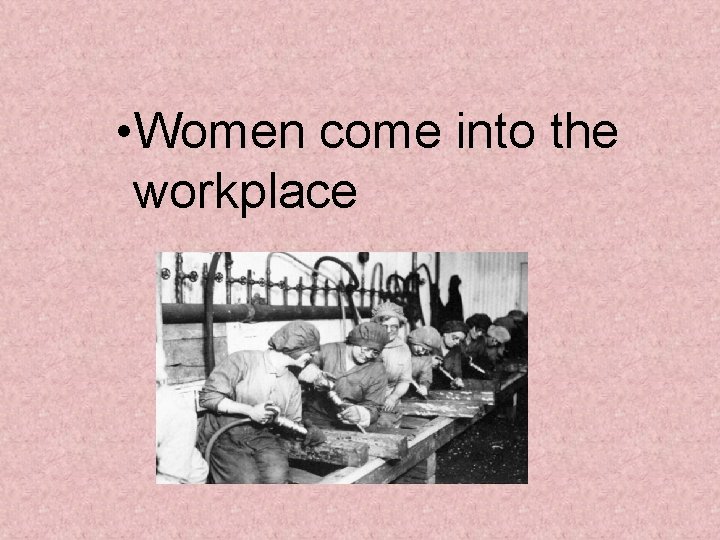
• Women come into the workplace
• New inventions (electric light)
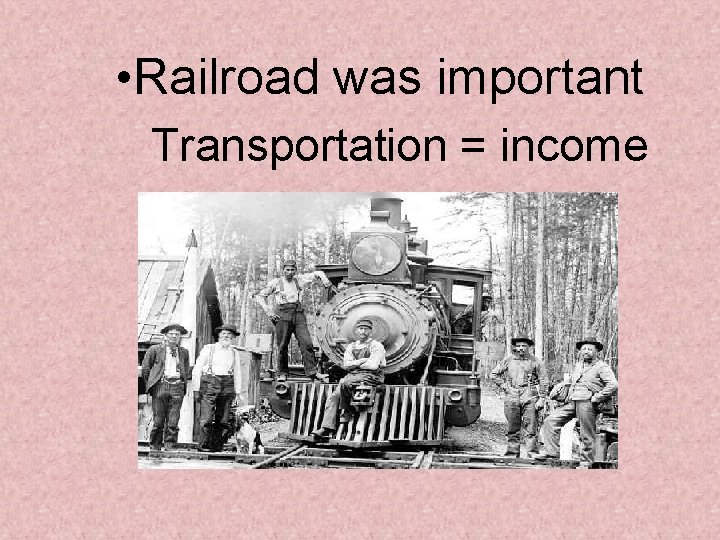
• Railroad was important Transportation = income
Why would a country want to become industrialized?
An industrial economy = more wealth and power
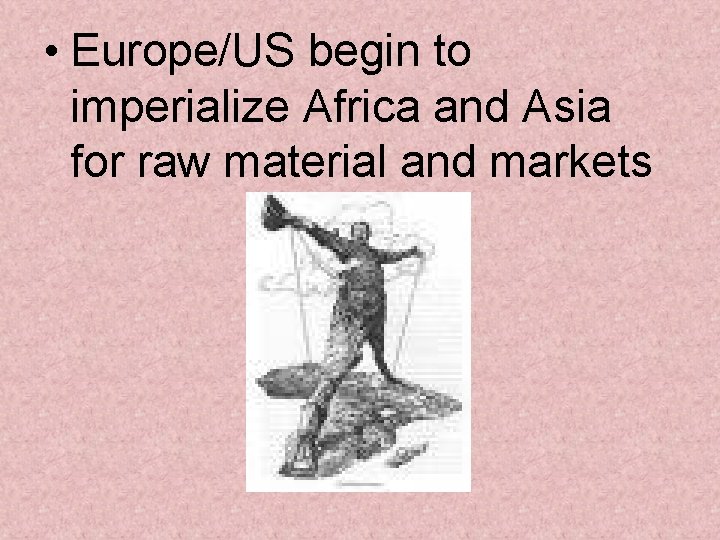
• Europe/US begin to imperialize Africa and Asia for raw material and markets
REFORMS New ways of thinking about society and economics…
• What are the “economic questions”?
Review Economic Questions • What will be produced? • How will it be produced? • Who will profit?
• Who controls these decisions… GOVERNMENT or PEOPLE? ? ? • Capitalism • Socialism • Communism
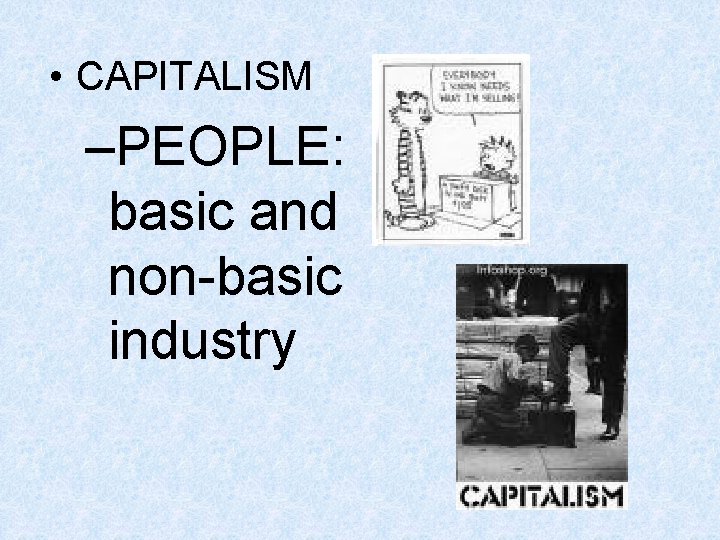
• CAPITALISM –PEOPLE: basic and non-basic industry
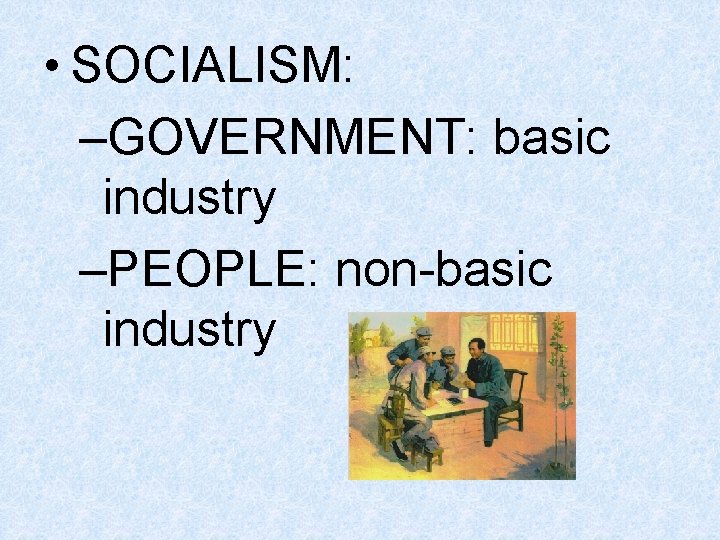
• SOCIALISM: –GOVERNMENT: basic industry –PEOPLE: non-basic industry
• Socialism businesses should be owned by society as a whole, everyone would enjoy the benefits
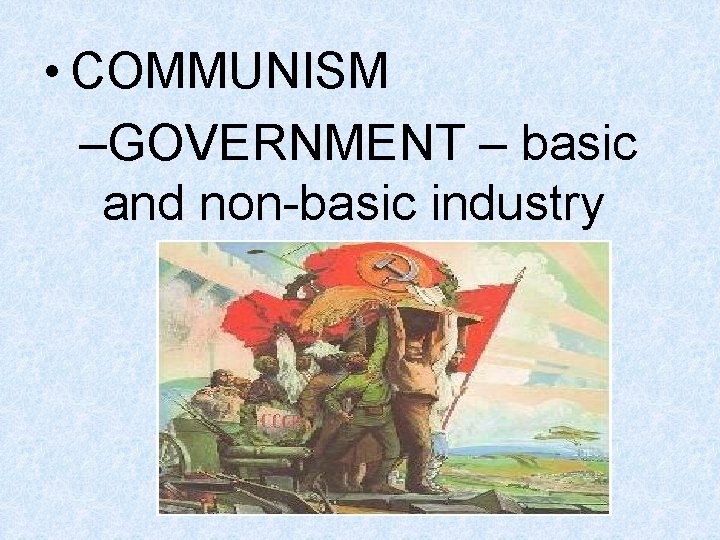
• COMMUNISM –GOVERNMENT – basic and non-basic industry
OTHER REFORMS
• limits put on how much women and children could work
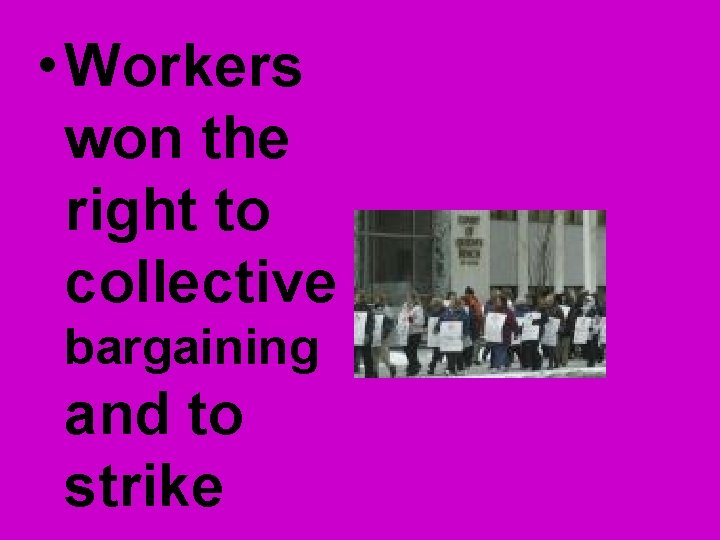
• Workers won the right to collective bargaining and to strike
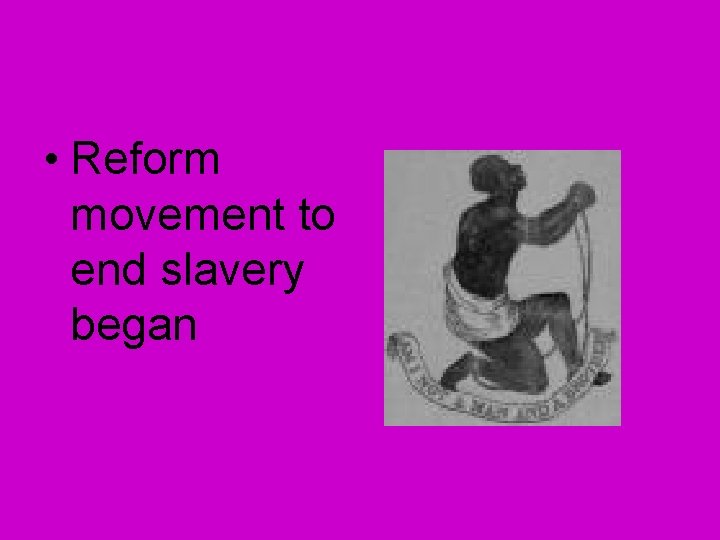
• Reform movement to end slavery began
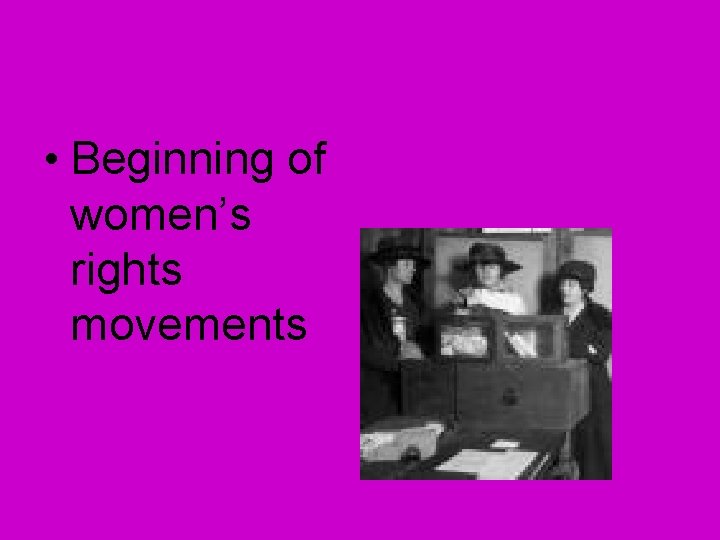
• Beginning of women’s rights movements
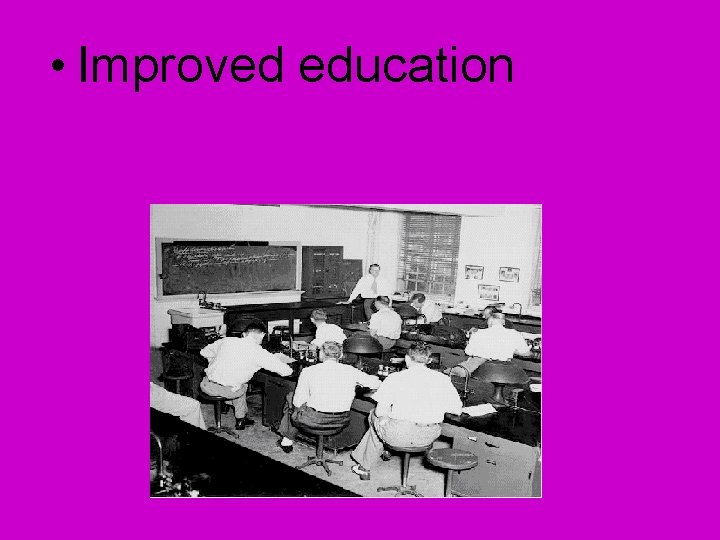
• Improved education
• Improved prison conditions