
The Industrial Revolution 1750 1850 Origins Began in
The Industrial Revolution 1750 -1850
Origins • Began in England late 1700’s • Spread to Europe and the U. S. after 1815 • Major Transitions: -Handmade products to machine-made products -Human and animal power to steam power
Why Britain? • • • Stable government Free markets Modern business class Relatively wealthy and mobile labor force Availability of credit Well-developed domestic market (canals)

The Agricultural Revolution • Began in Holland England after 1600 • Medieval open-field system was replaced by continuous crop rotation • Food production increased dramatically • Growing urban populations could now be fed • Rural farmers were now free to move to cities
Trade • Successful wars against France, Spain, and Holland gave Britain control of the world’s oceans • Britain’s Atlantic trade stimulated its economy (mercantilism) • Demand for British products in its colonial regions led to the growth of British manufacturing
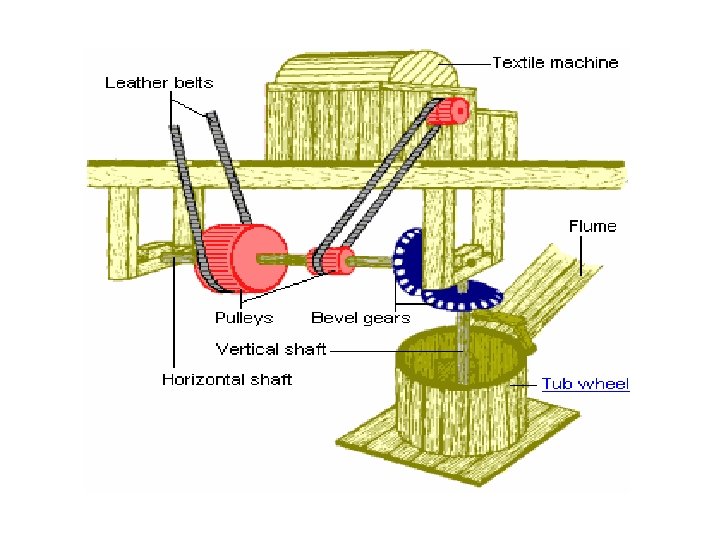
The First Factories • To meet growing demand, Britain needed to find a way to produce goods more efficiently • Traditional cottage system of textile production could not keep up • Invention of the spinning jenny and water frame solved this problem

Good

Better

Best

An early textile mill in operation
• Cotton clothing became much cheaper (underwear!) • Large numbers of agricultural laborers became hand-loom weavers since wages went up • Investors looked for a way to mechanize the weaving process to save money

Energy and Transportation • Steam engine was invented by James Watt (1769) • Steam soon replaced water as the power source for cotton mills • Installation of steam engines in locomotives and ships led to a transportation revolution
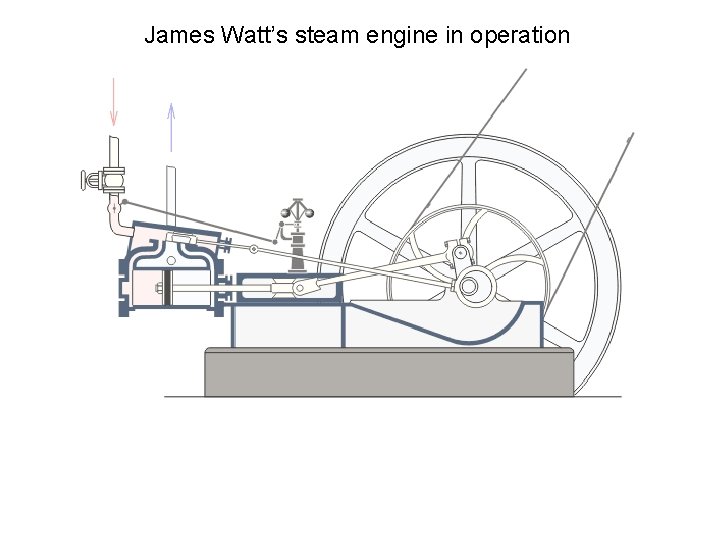
James Watt’s steam engine in operation

Locomotive

Steamship
The Spread of Industrialism • The Industrial Revolution expanded to countries like Belgium, Germany, France, and the U. S. after 1815
- Slides: 19