
THE INDUSTRIAL REVOLUTION 1 IMPACT OF INDUSTRIAL REVOLUTION



- Slides: 23
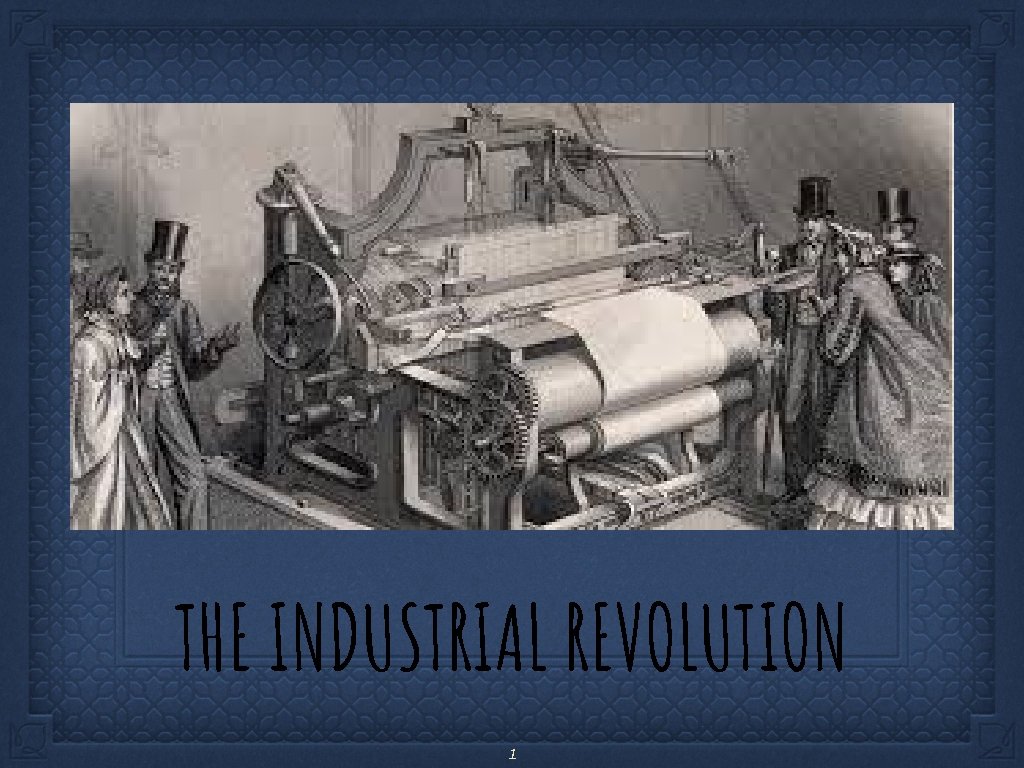
THE INDUSTRIAL REVOLUTION 1
IMPACT OF INDUSTRIAL REVOLUTION • I ndustrial revolution marks the beginning of new technology and innovation. • It changed the structure of human society, quickly transforming its economy {money related matters increased or decreased}, politics and organisation. 2
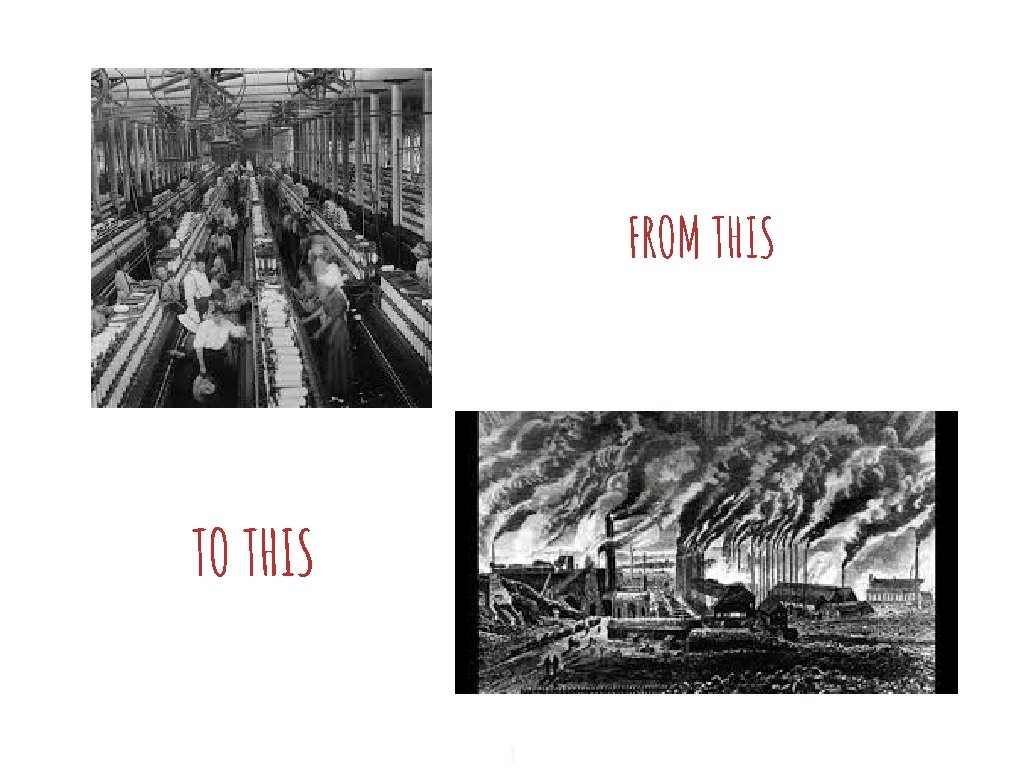
FROM THIS TO THIS 3
1. DECLINE OF FEUDALISM AND THE RISE OF CAPITALISM • Feudalism is defined as a Medieval European political, economic and social system from the 9 th to 15 th century. An example of feudalism is someone farming a piece of land for a lord and agreeing to serve under the lord in war in exchange for getting to live on the land receiving protection. • Capitalism is purely based on private individuals and businesses. • Industrial revolution marked the final phase of transformation from medieval feudalism to modern capitalism. 4
• Accumulating- collecting money for oneself • Merchants and small business men started accumulating wealth and political influence. • Later , the landlords who enjoyed wealth and influence , lost their influence and there was a start of a capitalist class. 5
2. EXPANSION OF TRADE AND COMMERCE • As the manufacturing in industrialised countries increase compelled them to sell surplus goods to under -developed countries— this increased import and export between countries. • As demand of raw material increased , the industrialised nations started looking of abundant and cheap natural resources. • Now as these nations selled their products— resulting in an increase in overseas trade and commerce. 6
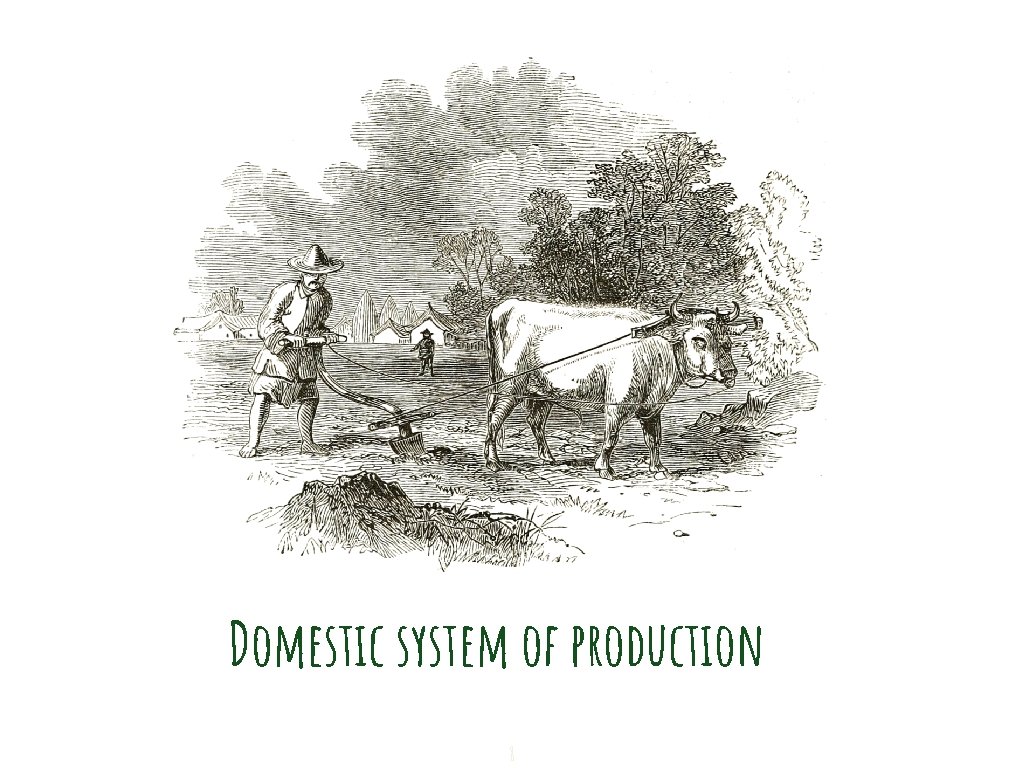
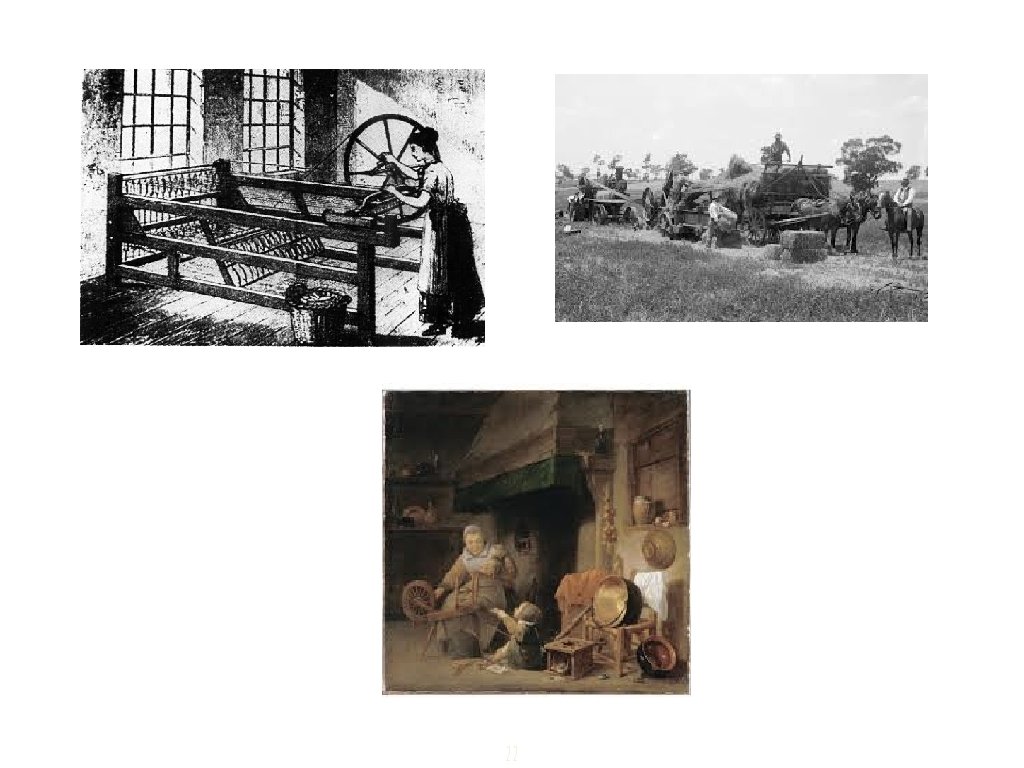
3. FACTORY SYSTEM OF PRODUCTION • Large scale production using machinery marked a departure from the old system of domestic manufacturing. • Thus, the factory system immediately replaced domestic system of production 7
Domestic system of production 8
4. RISE OF MIDDLE CLASS • Industrial revolution resulted in a rise of a new social class— middle class. • Which consisted of skilled workers , managers, clerks , accountants and others. 9
5. ECONOMIC AND SOCIAL DISPARITY • Due to the rise in industrialisation, the capitalists started getting richer by using the working class • These capitalists paid the workers with minimum wages , which then resulted in economic and social inequality. 10
6. URBANISATION • Industrial revolution led to mass migration of people from rural to urban. • As mechanism of agriculture led to unemployment of many people in the villages. • They came looking for jobs in industrialised cities and towns. 11
7. DIVISION OF LABOUR • People working in factories were assigned specific tasks which suited their expertise and skills. • This is called division of labour. • It was useful in producing quality goods. 12
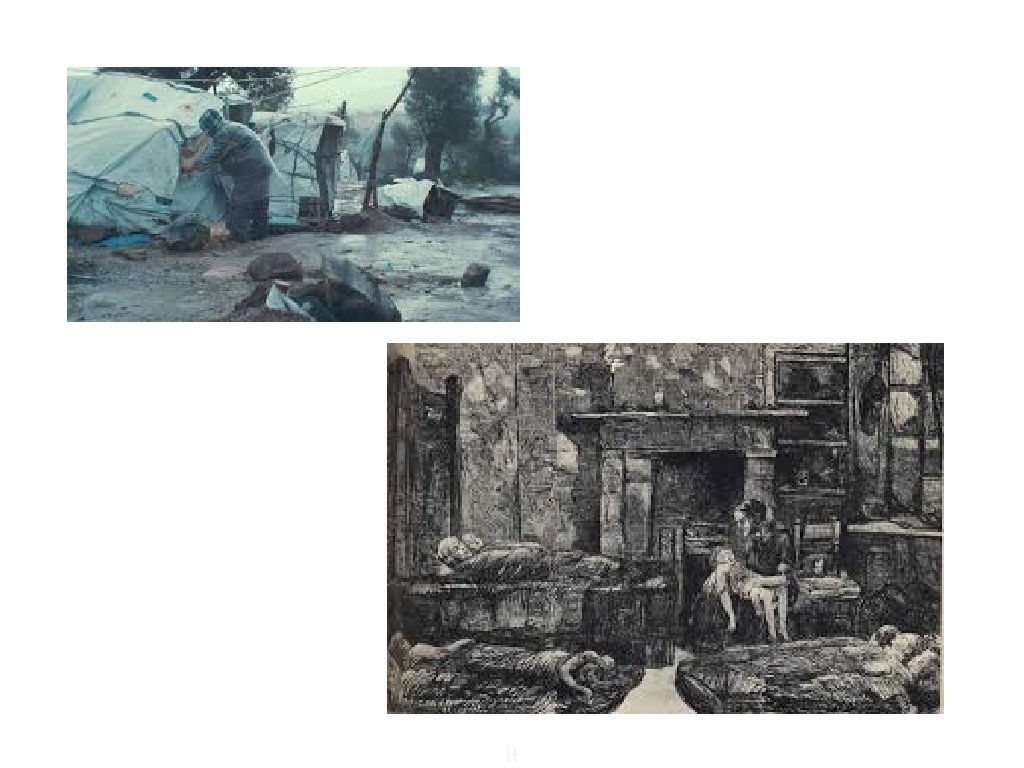
8. HARSH LIVING CONDITIONS IN CITIES • Mass migration of people in industrialised cities took place unplanned and unchecked. —- the cities became overpopulated, forcing many to live in small and congested places. • Slums grew • People lived in unhygienic areas/conditions • Diseases spread due to these conditions like— cholera , smallpox, influenza and typhoid. 13
14
9. EXPLOITATION OF WORKERS • The capitalists exploited the workers and paid them measly wages. —— there was no concept of worker rights and they had to work in inhuman conditions for low wages. • Workers had no job security and could be fired any time. • There was no defined hours for the workers, and most importantly there was no compensation given in case of an injury or death while working. 15
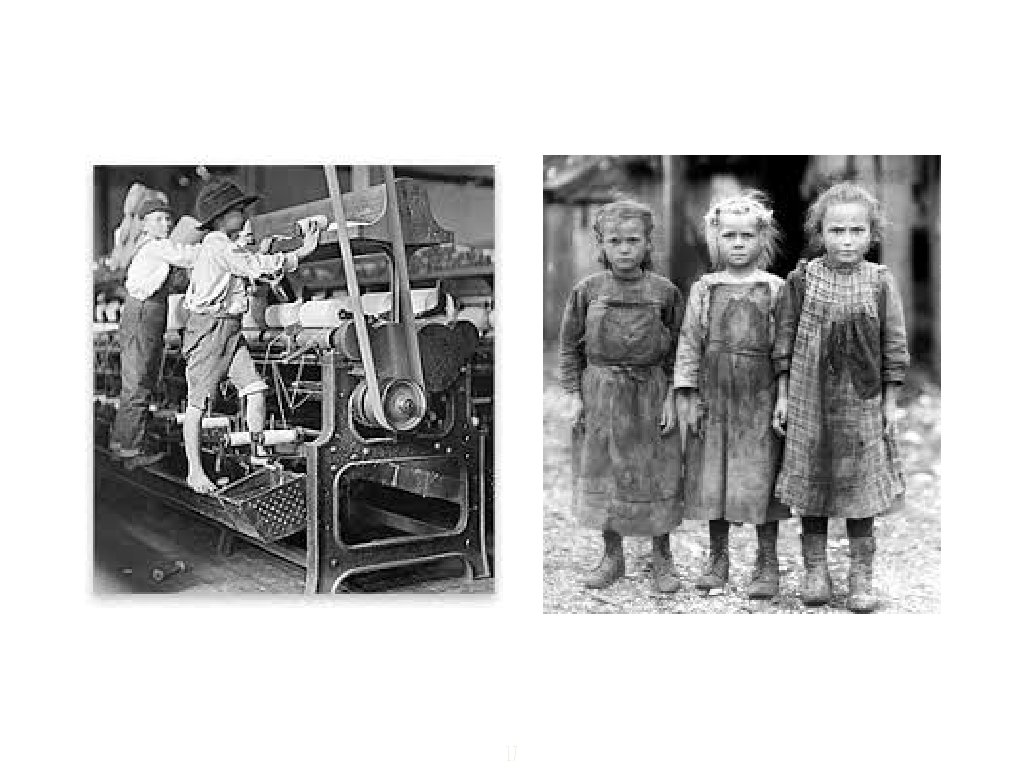
10. CHILD LABOUR • Children- employed in large numbers. • Worked almost as much as the adults- for extremely low wages. • No government law was in place to protect these children. 16
17
11. FORMATION OF TRADE UNIONS • The exploitation of the working class by the capitalists led to various protests by the workers. The workers unified and organised themselves into ‘labour unions’ or ‘trade unions’— who fought for rights of the workers. 18
They ensured: • Increase in minimum wages • Better working conditions • Ensure working rules • Ensure that owner listens to complaints and demands of the worker • Achieve benefits like retirement and healthcare • Create certain laws that guarantee rights of the employee and the employer 19
• Fight was not easy as capitalists resisted • It led to numerous violent clashes • Leading to thousands of death over many years • In the late 19 th and the early 20 th century, factory laws were implemented , which guaranteed better working conditions for the workers 20
12. SOCIALISM AND COMMUNISM • Socialism- It believes that the means of making, moving, and trading wealth should be owned or controlled by the workers. • Communism- a system where all property is public and people work and are given things by the government according to their needs. • Socialism and communism emerged. • KARL MARX— German philosopher and economist, it was the earliest Champaign for workers’ rights. • He and FRIEDRICH ENGELS(a political philosopher and social leader) advocated a classless society in which means of production would be collectively owned. 21
22
23