
The Indians were the first people to live

- Slides: 14
The Indians were the first people to live in North America. Christopher When ____________landed in America, he called Columbus the people he encountered Indians because he thought he had landed in India. There were hundreds of Indian tribes living here when lived Columbus arrived. The way the tribes _______ mainly depended on the climate in the area. They developed different ways to use their environment ________ for the things they needed to survive; food, clothing and shelter. The coldlived in _____ areas dressed and ate Indians who deser differently than the Indians who lived in the _______. t adapt They learned to ______ to their environment.
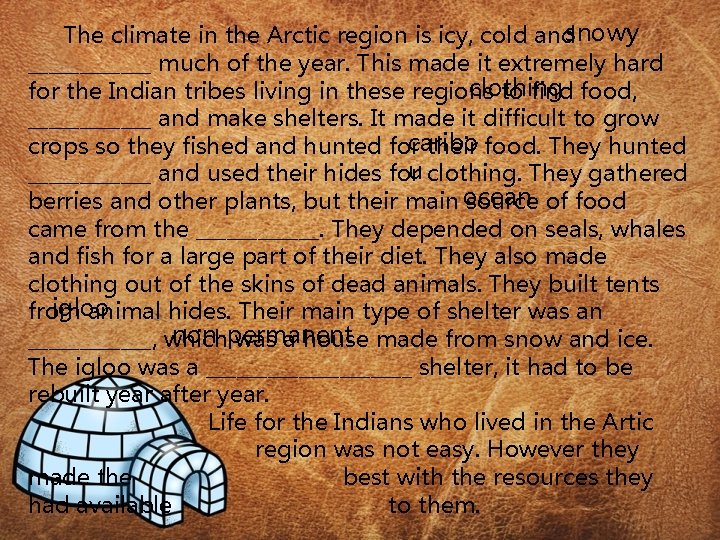
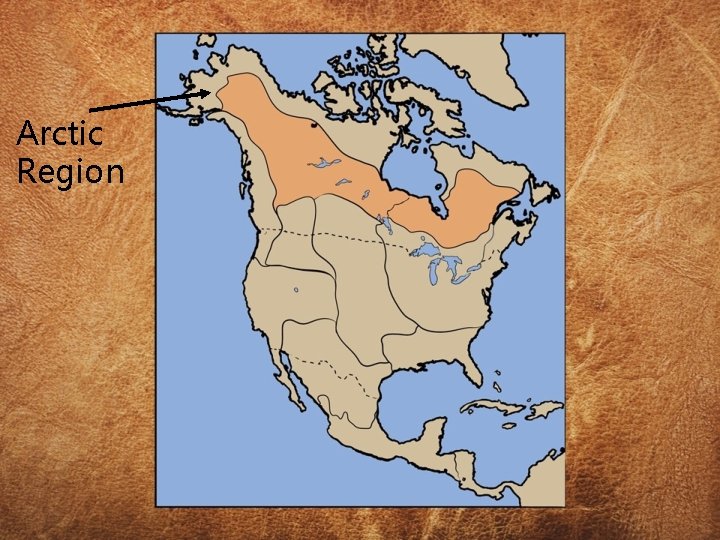
The climate in the Arctic region is icy, cold andsnowy ______ much of the year. This made it extremely hard clothing for the Indian tribes living in these regions to find food, ______ and make shelters. It made it difficult to grow caribo crops so they fished and hunted for their food. They hunted u clothing. They gathered ______ and used their hides for berries and other plants, but their main ocean source of food came from the ______. They depended on seals, whales and fish for a large part of their diet. They also made clothing out of the skins of dead animals. They built tents igloo from animal hides. Their main type of shelter was an non-permanent ______, which was a house made from snow and ice. The igloo was a __________ shelter, it had to be rebuilt year after year. Life for the Indians who lived in the Artic region was not easy. However they made the best with the resources they had available to them.
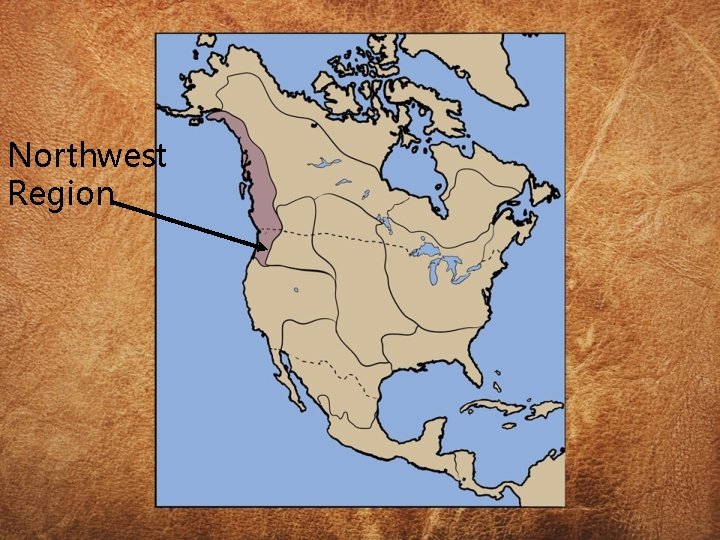
hunter The Indians that lived in the Northwest region were forests with s ______ and fishermen. This area was surrounded ______ which made getting wood for shelter easier. Their houses were built from the boards cut from cedarpermanent trees. Their houses were ________. The houses were large enough to fit many families in the same house. The tribes dependedsalmon on the nearby rivers and the Pacific Ocean for their food. They ate ______ and trout. They also hunted deer and otter. Berries and roots were an important woodcarvings food as well. poles Since food was easilytotem available, they had time to work on crafts. They were known for their excellent _________. They used logs from the forest to carve _________. They dressed in materials found in the region, men wore breechcloths made of animal skins or woven grass. Women wore dresses of skins or later of cotton.
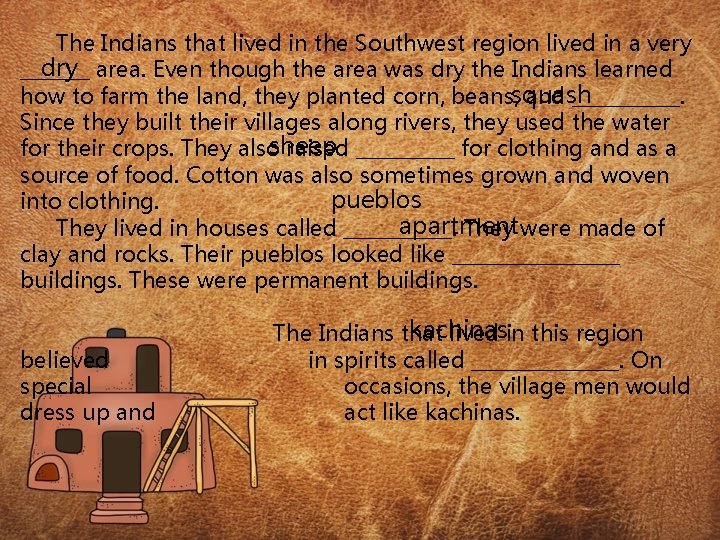
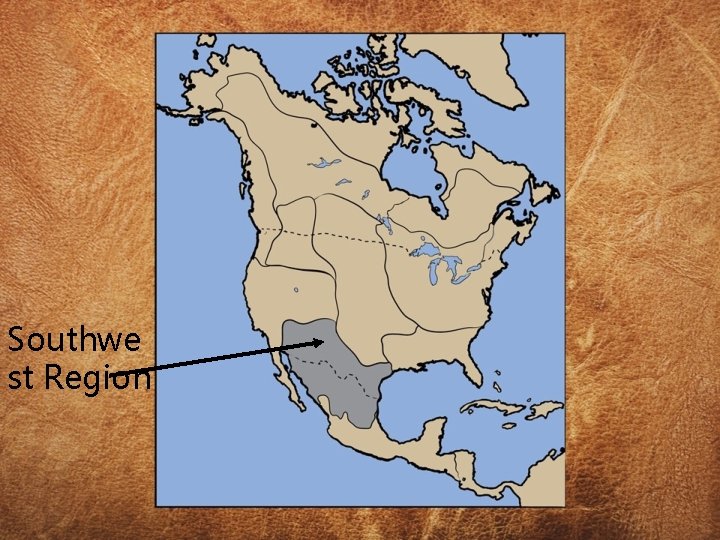
The Indians that lived in the Southwest region lived in a very dry area. Even though the area was dry the Indians learned _______ how to farm the land, they planted corn, beans, squash and ______. Since they built their villages along rivers, they used the water sheep for their crops. They also raised _____ for clothing and as a source of food. Cotton was also sometimes grown and woven pueblos into clothing. apartment They lived in houses called ______. They were made of clay and rocks. Their pueblos looked like _________ buildings. These were permanent buildings. believed special dress up and kachinas The Indians that lived in this region in spirits called ________. On occasions, the village men would act like kachinas.
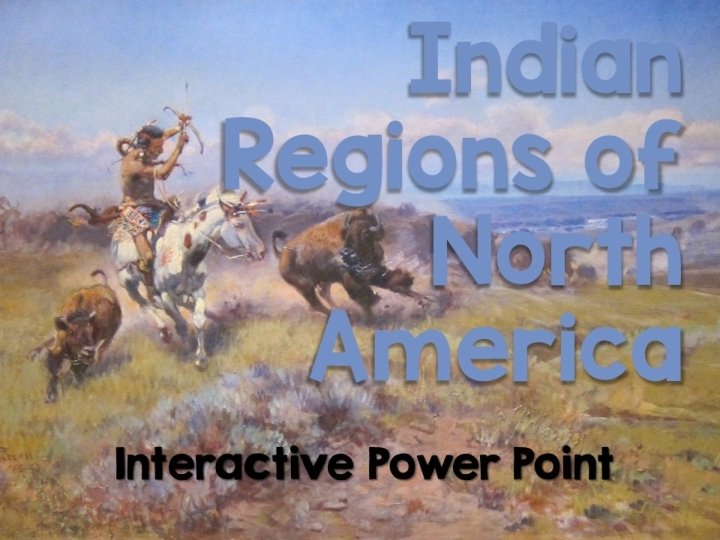
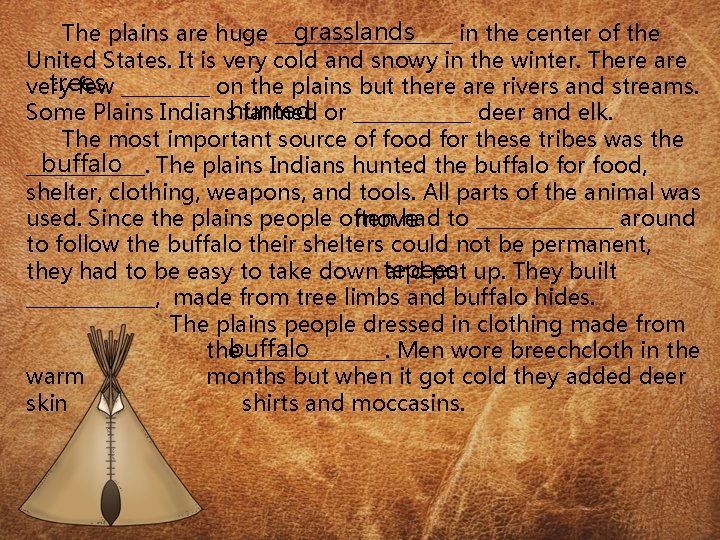
grasslands The plains are huge _________ in the center of the United States. It is very cold and snowy in the winter. There are trees very few _____ on the plains but there are rivers and streams. Some Plains Indianshunted farmed or ______ deer and elk. The most important source of food for these tribes was the buffalo The plains Indians hunted the buffalo for food, ______. shelter, clothing, weapons, and tools. All parts of the animal was used. Since the plains people often had to _______ around move to follow the buffalo their shelters could not be permanent, they had to be easy to take down tepees and put up. They built _______, made from tree limbs and buffalo hides. The plains people dressed in clothing made from buffalo the _______. Men wore breechcloth in the warm months but when it got cold they added deer skin shirts and moccasins.
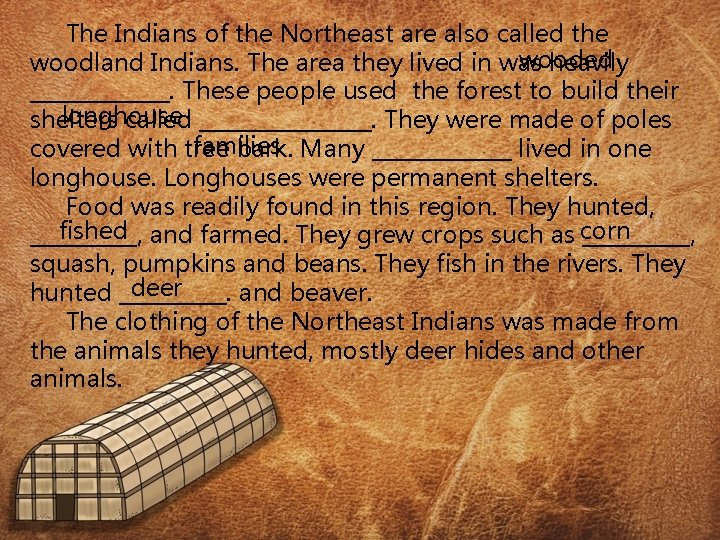
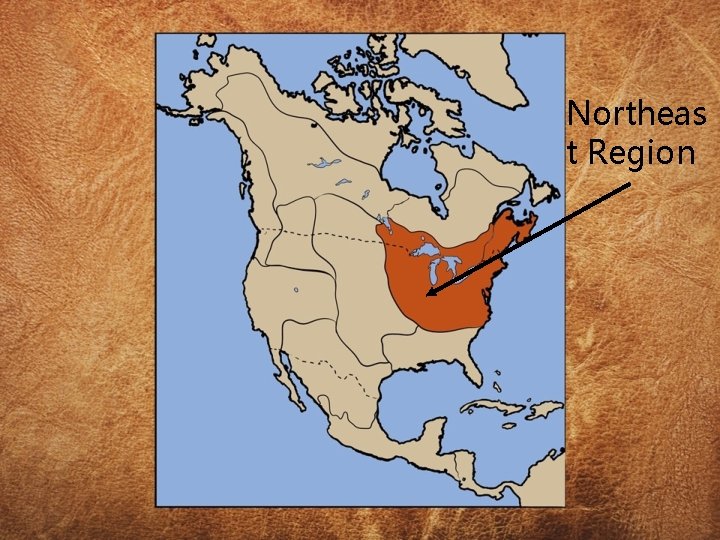
The Indians of the Northeast are also called the wooded woodland Indians. The area they lived in was heavily _______. These people used the forest to build their longhouse shelters called ________. They were made of poles families covered with tree bark. Many _______ lived in one longhouse. Longhouses were permanent shelters. Food was readily found in this region. They hunted, fished and farmed. They grew crops such as corn __________, squash, pumpkins and beans. They fish in the rivers. They deer hunted _____. and beaver. The clothing of the Northeast Indians was made from the animals they hunted, mostly deer hides and other animals.
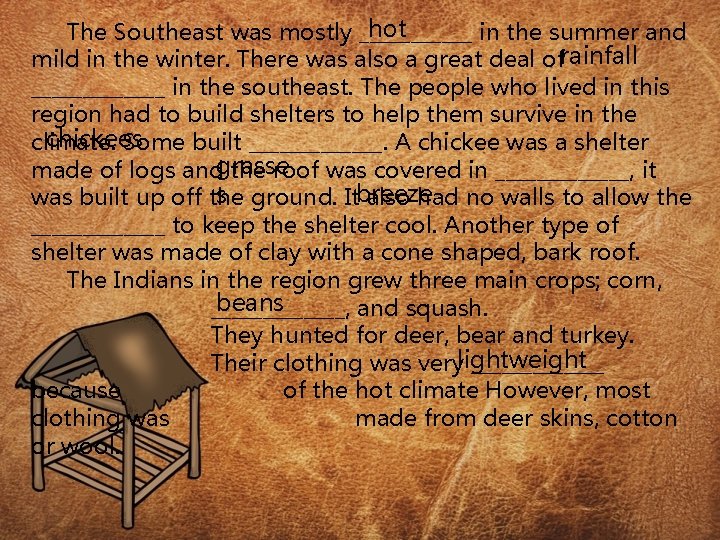
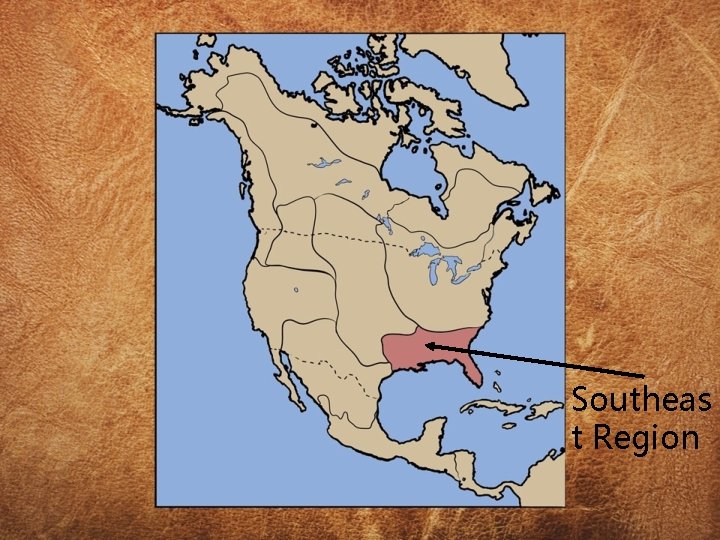
hot The Southeast was mostly ______ in the summer and mild in the winter. There was also a great deal ofrainfall _______ in the southeast. The people who lived in this region had to build shelters to help them survive in the chickees climate. Some built _______. A chickee was a shelter made of logs andgrasse the roof was covered in _______, it s ground. Itbreeze was built up off the also had no walls to allow the _______ to keep the shelter cool. Another type of shelter was made of clay with a cone shaped, bark roof. The Indians in the region grew three main crops; corn, beans _______, and squash. They hunted for deer, bear and turkey. Their clothing was verylightweight _______ because of the hot climate However, most clothing was made from deer skins, cotton or wool.
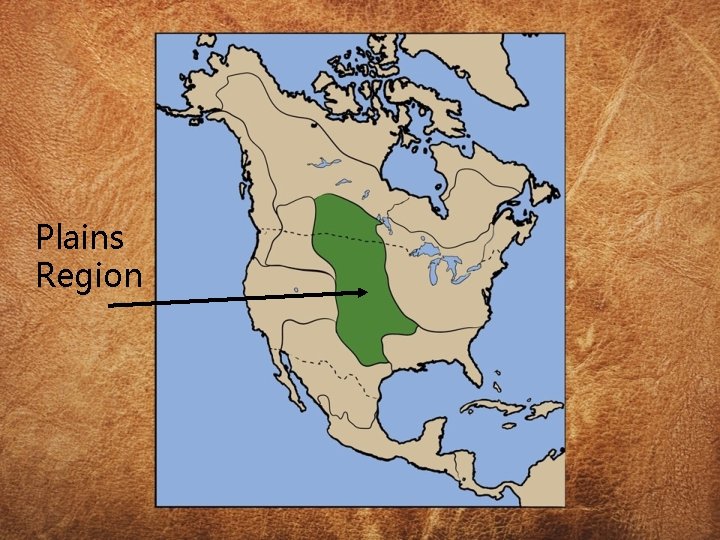
Plains Region
Northeas t Region
Southeas t Region
Northwest Region
Southwe st Region
Arctic Region